Maine Smelt Run Timing
Oh, the Maine smelt run! There are few things more frustrating than hearing whispers that the smelt are running, only to get to your favorite spot and find you’ve missed the peak, or worse, arrived way too early to a barren stream. It’s a classic Maine angler’s dilemma, and pinning down the exact timing can feel like trying to catch smoke. This guide is here to unravel the mysteries of the smelt run, offering you a comprehensive look at when, where, and why these little fish make their crucial spring journey, so you can be there when the magic happens.
Understanding the Magic of Maine's Smelt Run
For many Mainers, the spring smelt run isn't just about catching fish; it's a cherished tradition, a sign of spring's true arrival, and a vital pulse in our aquatic ecosystem. Missing it feels like missing a holiday!
Why the Smelt Run Matters So Much
The arrival of the smelt run is a major event, reverberating throughout Maine's natural world. For hungry predators, it's an all-you-can-eat buffet after a long, lean winter. Think about it: our majestic landlocked salmon, the feisty brook trout, and even those massive togue in the deeper lakes depend heavily on smelt as a primary food source. When those smelt start their migration, these game fish follow, congregating in river mouths and stream inlets, eager for an easy meal. This makes the smelt run not just a target in itself, but a crucial time for targeting bigger, more sought-after species that are actively feeding. It’s truly a keystone event in the local food web, impacting everything from fish to birds and even local wildlife like otters and raccoons. Beyond the ecological significance, the smelt run holds a special place in the hearts of Mainers. It's a rite of passage, a chance for families and friends to gather along the banks of a stream or river, bundled up against the lingering chill of spring, sharing stories and laughs as they dip for these silvery fish. It’s a deep cultural tradition, passed down through generations, and helps define our connection to the changing seasons.
The Life Cycle of Maine Smelt
To truly appreciate the smelt run, it helps to understand a bit about the life cycle of these small but mighty fish. Maine is home to the Rainbow Smelt (Osmerus mordax), a species that spends most of its adult life in either brackish estuaries or large freshwater lakes. They are anadromous, meaning they migrate from salt water to fresh water to spawn, or adfluvial, migrating from a lake into a tributary stream. Throughout the year, they'll typically inhabit deeper, cooler waters, often schooled up, feeding on zooplankton and smaller aquatic insects. But come spring, a biological switch flips, and their instincts drive them towards reproduction. This is when they embark on their upstream journey to lay eggs, often in surprisingly shallow and fast-moving water, sometimes in depths of just a few inches. This annual migration is what we fondly refer to as "the smelt run." The journey takes them from their deeper lake or ocean habitats into the smaller rivers and streams, where the eggs can safely hatch in a sheltered environment before the tiny fry drift downstream to begin their own lives.
The Core Factors Influencing Smelt Run Timing
If there’s one thing seasoned smelt dippers will tell you, it’s that there’s no hard and fast date for the run. It's more of an art than a science, relying on a confluence of environmental cues that can shift dramatically year to year.
The Critical Role of Water Temperature
Hands down, water temperature is the biggest player in triggering the smelt run. These fish are exquisitely sensitive to temperature changes, and they won't begin their migration until the water reaches a specific, comfortable range for spawning. Generally, smelt will start to move when the water temperature in their spawning streams or river estuaries consistently hits somewhere between 38°F and 45°F (about 3.3°C to 7.2°C). If we have an unusually warm early spring, with less snowpack and more sunny days, the ice can go out earlier, and those waters will warm up quicker. This means an earlier run, sometimes even in late March. Conversely, a prolonged cold spring, with late ice-out and persistent cool nights, can delay the run well into April or even early May, especially in northern regions. Paying close attention to water temperature readings in your favorite fishing areas, perhaps through local weather reports or online river gauges, is one of the most reliable ways to predict the onset of the run. This is a crucial skill for any angler looking to catch fish, and understanding Reading Water Temperature for Maine Trout can give you an edge with many species.
Impact of Snowmelt and Water Levels
Beyond temperature, the physical conditions of the waterways, heavily influenced by spring snowmelt, play a significant role. Smelt need sufficient water depth to navigate upstream to their spawning grounds. Heavy spring snowmelt leads to increased runoff, swelling rivers and streams to higher levels. This surge of fresh, oxygenated water acts like a highway for the migrating smelt, providing easy passage over shallow areas and small riffles they might otherwise struggle to traverse. If Maine experiences a winter with sparse snowfall or an abnormally dry spring, water levels can be critically low. This can delay the run, concentrate the fish in fewer accessible areas, or even force them to find alternative, perhaps less ideal, spawning locations. On the flip side, extremely heavy rains during the run can cause flooding, making access difficult for anglers and potentially disrupting the smelt's spawning efforts. It's a delicate balance, and tracking local river flow rates is almost as important as monitoring temperature.
Daylight Hours and Lunar Cycles
While not as immediately impactful as temperature or water levels, the increasing daylight hours of spring and even the phases of the moon are thought to play a subtle role in influencing the smelt run. As the days grow longer, the increase in light exposure provides a general biological signal to many species that it’s time to reproduce. This gradual lengthening of the day works in conjunction with warming temperatures to trigger hormonal changes that initiate the spawning migration. Some traditional anglers also swear by the lunar cycle, believing that smelt runs are stronger or more predictable around new or full moons. The theory often relates to tidal influences in coastal estuaries, where higher tides associated with full and new moons might provide easier access to spawning tributaries. While scientific evidence might be less definitive than for temperature, many seasoned Mainers will tell you that a dark, moonless night with just the right water conditions is prime time for dipping smelt, as the fish are less wary under cover of darkness.
Pinpointing the Smelt Run Season by Region
Maine is a big state with diverse geographies, and what’s happening in a stream near Portland might be weeks ahead or behind a lake tributary in the North Woods. Understanding these regional differences is key to successful smelt dipping.
General Timing for Southern and Coastal Maine
Typically, the first smelt runs of the season happen in southern and coastal Maine. These areas experience milder winters and earlier spring thaws, leading to quicker water temperature increases. You can often find smelt starting their migration into estuaries and lower river stretches in late March, with the peak usually occurring through April. Iconic rivers like the Kennebec, Penobscot, and numerous smaller coastal streams and rivers along Casco Bay and further south will see the action first. For example, some of the tidal creeks and small rivers feeding into the Kennebec River or Muscongus Bay often warm up quickly, drawing in smelts from the brackish waters they inhabit. Anglers in these regions tend to start their preparations earlier, keeping a keen eye on forecasts and water conditions. It’s also important to remember that these coastal runs can be heavily influenced by tides, which can bring the smelt further upstream or hold them in tidal pools. If you're planning a trip, be sure to check the specific Maine Fishing Season Dates Guide for the general open periods in your target region.
Northern and Inland Lakes and Rivers
As you move northward and inland, away from the moderating influence of the ocean, the smelt run occurs later in the spring. Large, deep lakes like Moosehead Lake or Sebago Lake, and their feeder streams, hold onto their ice cover longer and take more time to warm up. Here, you might not see significant smelt activity until mid-April, with the peak often extending into May, especially in the more remote reaches of Aroostook County or the western mountains. Tributaries to these vast lakes, such as the Roach River flowing into Moosehead Lake, become prime targets once the ice has fully receded and the water temperatures creep into that crucial spawning range. The Maine North Zone vs South Zone Fishing Rules can also play a subtle role, as some general regulations on larger fish species might influence when anglers are out and observing the smelt. Anglers targeting these later runs need to be prepared for potentially colder conditions and possibly even lingering snow, but the rewards can be plentiful if you hit it right.
Year-to-Year Variability: Expect the Unexpected
If there’s one golden rule for Maine’s smelt run, it’s this: don’t mark your calendar with a fixed date. Every year is a new adventure, and predicting the exact timing requires flexibility and local intelligence. A mild winter can bring the run in early, while a harsh, protracted winter can push it back by weeks. Recent climate patterns have shown us that these shifts are becoming more pronounced, making it even harder to rely on historical norms. What was true for last year's run might not hold for this year's. This variability underscores the importance of staying connected with local knowledge, as discussed below, and being ready to adapt your plans. It means you might need to adjust your gear and techniques, too, perhaps adding a pair of insulated waders or a warmer jacket if the weather takes a turn. Sometimes, the run will even be staggered, with initial small movements followed by a larger main run when conditions truly stabilize.
| Region | General Timing (Approx.) | Key Influencing Factors | Notable Waterways (Examples) |
|---|---|---|---|
| Southern & Coastal | Late March – April | Early thaw, coastal water temps, tidal cycles | Kennebec River estuary, Penobscot Bay streams |
| Central Maine | Mid-April – Early May | Inland lake ice-out, moderate snowmelt | Belgrade Lakes tributaries, China Lake inlets |
| Northern & Mountainous | Late April – Mid-May | Late ice-out, heavy snowpack, higher elevation | Moosehead Lake tributaries, Rangeley Lakes streams |
| Primary Trigger | Water Temp 38-45°F | Snowmelt & Daylight Hours (Secondary Triggers) | Local microclimates vary |
Practical Indicators and How to Track the Run
Since the smelt run is so variable, relying on solid, real-time indicators is your best bet for hitting the peak. It’s all about becoming a local detective and trusting your senses.
Visual Cues and Natural Signals
One of the most exciting parts of tracking the smelt run is observing the natural world around you. The smelt themselves often provide the most direct clues. If you can sneak up to a shallow stream or river mouth, especially at night with a good headlamp, you might actually see the silvery flashes of smelt moving upstream. They tend to school densely, so if you spot one, there are likely many more. Beyond the smelt themselves, keep an eye on their predators. When the smelt are running, you’ll often see an increase in activity from other wildlife. Look for gulls circling and diving repeatedly in specific areas of a river or estuary. Ospreys might be seen perched or actively hunting, and even larger fish like trout and salmon will be more active in those areas, breaching or splashing at the surface as they feed on the migrating smelt. These are clear signs that the buffet is open! Observing these natural signals helps you key into the timing. You might also notice a subtle change in the water itself – a slight "smell of the sea" or a unique fishy aroma, particularly on a damp evening, can sometimes indicate that the smelt are nearby.
Community and Local Knowledge Networks
In Maine, local knowledge is gold, especially when it comes to something as unpredictable as the smelt run. The absolute best way to stay informed is to talk to people! Strike up conversations at local bait and tackle shops; these folks are on the front lines, often hearing reports from anglers daily. They usually know which streams are starting to "light up." Maine Department of Inland Fisheries and Wildlife (MDIFW) wardens are also incredibly knowledgeable and often willing to share general observations about local conditions, though they won't give away specific hotspots. Don't be shy about chatting with other anglers you encounter; many are happy to share general timing insights. Online forums and local social media groups dedicated to Maine fishing are also fantastic resources. People will often post updates, photos, and general reports about which areas are seeing activity. Just remember to be respectful and never press for exact locations – a general region is usually sufficient to point you in the right direction. This community aspect is a huge part of the fun in Maine fishing.
Monitoring Weather and Water Data
For the more scientifically inclined, monitoring real-time weather and water data can provide valuable predictive power. Websites like the U.S. Geological Survey (USGS) offer streamflow data and often water temperature readings for many rivers and streams across Maine. By tracking these numbers, you can directly observe when water temperatures are nearing that critical 38-45°F range and when water levels are optimal due to snowmelt. Pair this with a good local weather forecast, looking for trends in air temperature (especially nighttime lows), and you can start to form a strong hypothesis about when the run will begin in your chosen area. Remember, consistent warmth is more important than a single warm day. A series of warmer days and nights will bring those water temperatures up much more effectively. While specific online tools for "Maine Smelt Run Timing" might be scarce, piecing together general environmental data is an effective workaround.
Preparing for the Smelt Run: Gear and Strategy
Once you've got a handle on the timing, it's time to get your gear in order. Smelt dipping is a relatively simple pursuit, but having the right tools makes all the difference, and understanding the rules is paramount.
Essential Gear for Smelt Dipping
Smelt dipping, especially the traditional method, doesn't require a lot of fancy equipment, which is part of its appeal. The primary tool is a dip net. These typically have a sturdy handle and a hoop with fine mesh netting. You can find a variety of sizes and styles; a good quality, durable dip net will serve you for many seasons. For those fishing in larger, deeper streams or trying to cover more water, some regulations allow for small seine nets, but you absolutely must check the specific rules for your chosen body of water as these are often restricted. For night dipping, a reliable headlamp is non-negotiable. Look for one that's bright, waterproof, and has a red-light setting to preserve your night vision and be less disruptive to other dippers and wildlife. Waders are also essential, allowing you to get into the colder spring waters comfortably and safely. Neoprene waders will offer more warmth in frigid conditions, while lighter breathable waders might be fine if the air temperature is milder. Don't forget a sturdy bucket or cooler to hold your catch – a five-gallon bucket is a classic, but a small cooler packed with ice will keep your smelt fresher, especially if you have a drive home. You can find many of these essentials, from headlamps to dip nets, readily available on platforms like Amazon.
Best Practices and Ethical Considerations
Participating in the smelt run is a privilege, and it comes with responsibilities. First and foremost, always, always check the current Maine Fishing Regulations Explained and Maine Fish Bag Limits Guide for the specific body of water you plan to visit. Regulations can vary by county, river system, and even specific sections of a single river. Pay close attention to legal methods (dip nets vs. seine nets), daily bag limits, and whether certain areas are open to dipping at all. Fishing without a license in Maine can lead to fines, so ensure you have your current Maine Fishing License Guide if required for the specific area and species. Beyond the letter of the law, practice good etiquette. Be mindful of private property boundaries; always ask permission before accessing private land. If you're dipping at night, use your headlamp sparingly and point it down to avoid blinding other anglers or disrupting the fish. Pack out everything you pack in, leaving no trace behind. Conservation is also key: only take what you need and will use, ensuring there are plenty of smelt left to spawn and sustain the ecosystem for future runs. If you plan to use smelt as bait for other species, ensure you know the regulations for live bait, especially if transporting them between waters.
Beyond the Catch: Using and Enjoying Your Smelt
Once you’ve had a successful outing and filled your bucket with these shimmering little fish, the real fun begins! Smelt are not only great fun to catch, but they’re also incredibly delicious.
Fresh Smelt Preparation and Storage
The beauty of smelt is that they require minimal preparation. For a truly authentic Maine experience, many anglers simply give them a quick rinse, then fry them whole – head, tail, and all. Their bones are so fine they virtually disappear when cooked. However, if you prefer, you can easily clean them by snipping off the head and gutting them with a quick slice along the belly. A small pair of kitchen shears works wonderfully for this. After cleaning, give them another good rinse. If you're not cooking them right away, store them on ice in a cooler or refrigerate them for a day or two. For longer storage, smelt freeze exceptionally well. Lay them in a single layer on a baking sheet to flash freeze, then transfer them to freezer bags or vacuum seal them. This prevents them from clumping together and makes it easy to grab a handful for a future meal. There’s nothing quite like a plate of freshly fried smelt, lightly breaded, served with a squeeze of lemon and maybe a side of coleslaw. It's a taste of Maine that's hard to beat!
Smelt as Prime Bait for Other Species
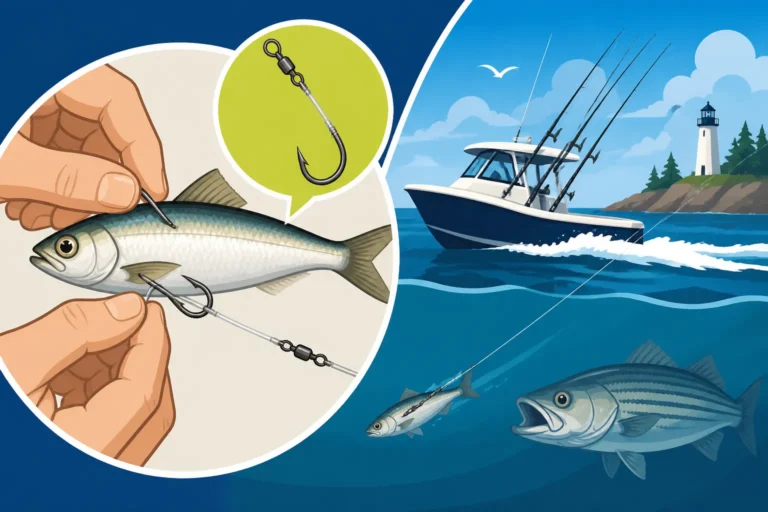
While delicious on their own, smelt are also renowned as one of the best baits available for larger game fish in Maine. Their oily, rich flesh and natural presence in the ecosystem make them irresistible to predators. Whole frozen smelt, or even strips of smelt, are dynamite for targeting landlocked salmon, lake trout (togue), and even large brook trout. Anglers frequently use them when ice fishing, rigging them on a jig or under a tip-up. They are so effective that many anglers consider them the "gold standard" for attracting big fish, whether it's through the ice during the winter months, as detailed in Best Bait for Maine Ice Fishing, or during open water trolling sessions in spring and summer. Remember to always check bait regulations, as some waters have restrictions on what can be used or transported. For instance, in some areas, only artificial lures are permitted, or the use of live bait might be restricted entirely to prevent the spread of invasive species. For those using them in open water, fishing them dead or alive (where legal) can be incredibly effective. Consider using a good swivel to prevent line twist and a sharp, appropriately sized hook to secure the bait. Utilizing the smelt you catch as bait is a fantastic way to maximize your efforts and potentially land a trophy fish, complementing your knowledge of Maine Open Water Fishing Techniques Guide.
Disclaimer
Fishing regulations, season dates, and local conditions in Maine can change rapidly. Always consult the official Maine Department of Inland Fisheries and Wildlife (MDIFW) website or their most current printed law book before heading out. This guide provides general information and should not be considered a substitute for official regulations. Be safe, be responsible, and enjoy your time on Maine's beautiful waters.