Best Kayak Fishing Gear for Beginners
Stepping into the world of kayak fishing can feel incredibly daunting, can't it? You see all those experienced anglers gliding effortlessly on the water, loaded with gear, and it's easy to get overwhelmed wondering where to even begin. The sheer volume of specialized equipment available can make you second-guess if it's even worth the effort. But don't you worry, because this guide is designed specifically for beginners like you in Maine, breaking down the essential kayak fishing gear you'll need to get started safely and successfully, without breaking the bank or feeling lost in a sea of options.
Choosing Your First Kayak Fishing Kayak
Before you even think about rods and reels, the most crucial piece of gear is, unsurprisingly, the kayak itself. This isn't just any old recreational paddle boat; a fishing kayak is designed with stability, storage, and angler comfort in mind. Making the right choice here will set the tone for all your future adventures on Maine's beautiful lakes and coastal waters. It’s an investment, so it’s worth taking your time.
Sit-on-Top vs. Sit-in Kayaks for Fishing
When you walk into a sporting goods store or browse online, you'll quickly notice two main types of kayaks: sit-on-top (SOT) and sit-in. For fishing, the sit-on-top kayak almost always comes out on top for beginners, and for good reason. With a sit-on-top, you're literally sitting on top of the kayak, which means it's incredibly easy to get in and out, especially if you happen to flip (though good fishing kayaks are very stable!). This open deck design also provides plenty of room for gear, tackle boxes, and even a cooler. Plus, if you're fishing in warmer weather, a little splash over the bow is actually refreshing.
Sit-in kayaks, on the other hand, enclose your legs and lower body within the hull. While they offer more protection from the elements and can be a bit faster and more efficient to paddle in a straight line, they can be a real pain to re-enter if you capsize, especially in open water. For fishing, the limited deck space and the challenge of accessing gear stored inside can be frustrating. Unless you're exclusively looking for speed or cold-weather paddling, a sit-on-top is generally the more forgiving and practical choice for most new kayak anglers hitting the waters of Sebago Lake or exploring coastal inlets.
Kayak Length, Width, and Stability
The dimensions of your kayak play a huge role in how it performs on the water. Longer kayaks (typically 12 feet or more) tend to track straighter and are faster, which is great if you plan on covering a lot of distance or venturing into bigger water bodies. However, they can be a bit more challenging to maneuver in tight spots, like winding rivers or around submerged structure. Shorter kayaks (under 10 feet) are more nimble and easier to transport and store, making them perfect for smaller ponds or quick trips.
Width directly correlates with stability – generally, the wider the kayak, the more stable it will be. This is absolutely critical for fishing, as you'll often be shifting your weight, casting, and even standing up in some models. A wider kayak gives you confidence when reeling in a feisty bass or trying to grab something from your tackle box without feeling like you're about to take an unplanned swim. For beginners, prioritizing stability over speed is usually the wisest move. Look for kayaks that are at least 30 inches wide, and if you can find one even wider, that’s often a bonus for peace of mind.
Pedal vs. Paddle Propulsion
This is a choice that often comes down to budget and personal preference. Traditional paddle kayaks are propelled by, well, a paddle! They are generally more affordable, lighter, and simpler in design. Paddling is a great workout and connects you directly to the water, but it does mean one hand is often occupied with the paddle, which can be tricky when trying to cast or fight a fish. Many beginners start here, and a good paddle can take you to incredible fishing spots.
Pedal-drive kayaks, like those offered by companies such as Hobie or Perception, use a system similar to a bicycle, allowing you to propel the kayak using your legs. This leaves your hands completely free for fishing, which is a massive advantage. Imagine being able to cast, retrieve, and even reel in a fish while still maneuvering your kayak with your feet! While pedal kayaks are significantly more expensive and often heavier, many anglers consider the hands-free operation to be a game-changer, especially for techniques like trolling. If your budget allows, a pedal kayak can drastically enhance your fishing experience and allow you to stay out longer and cover more ground.
Essential Safety Gear You Can't Skip
Okay, we've talked about the kayak, but before you even think about launching, let's get serious about safety. Maine's waters can be beautiful, but they can also be unpredictable, especially if you're fishing alone. Think of safety gear not as optional accessories, but as non-negotiable lifelines. It’s always better to be overprepared than underprepared when you're out on the water.
Personal Flotation Devices PFDs
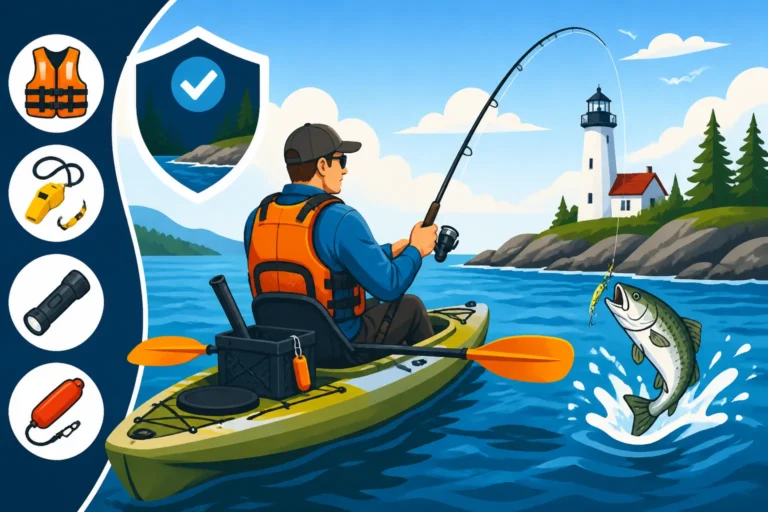
This is number one, folks. A personal flotation device, or PFD, is not just a suggestion; it's often a legal requirement and always a smart decision. Even if you're a strong swimmer, a PFD will keep you afloat if you capsize, get knocked out of your kayak by a rogue wave, or become disoriented. Accidents happen fast, and being able to float effortlessly while you assess the situation or re-enter your kayak is priceless. You might find a wide selection of PFDs on Amazon, designed specifically for paddlers.
Look for a PFD that is comfortable enough to wear all day. Many fishing-specific PFDs have extra pockets for small tackle, a whistle, or even a small knife, which is incredibly handy. Test it out before you go – make sure it fits snugly but doesn't chafe. Wearing it is the most important part; a PFD stored under your seat isn't going to help you when you suddenly hit the water. This piece of gear could literally save your life.
Emergency Whistles and Lights
Imagine this: you're out on a large lake, the fog rolls in unexpectedly, or dusk falls faster than you anticipated. How do you signal for help? An emergency whistle and a light source are simple, inexpensive pieces of gear that can make a world of difference. A good loud whistle can carry a surprising distance, alerting nearby boaters or fellow anglers to your presence if you get into trouble. Attach it directly to your PFD so it's always accessible.
For light, a headlamp is indispensable for early morning launches, late evening returns, or if you simply need to tie a knot after dark. Additionally, consider a small, waterproof strobe light that can be attached to your PFD or kayak. This is especially vital if you're out near boat traffic at dawn or dusk. These simple visual and auditory signals can turn a potentially dangerous situation into a minor inconvenience, ensuring you're seen and heard when it matters most.
VHF Radios or Cell Phones
While your phone can be a lifeline, relying solely on it in remote Maine fishing spots can be a gamble. Cell service can be spotty, non-existent, or your phone might get wet and die. A waterproof VHF marine radio, even a handheld one, is a much more reliable communication device for communicating with other boaters, the Coast Guard, or marine rescue services. It operates on dedicated frequencies and is designed for marine environments.
However, for shorter trips on smaller, well-covered lakes, a fully charged, waterproofed cell phone in a dry bag is still a good idea. Make sure to tell someone where you're going and when you expect to return – that's often called a "float plan" and is an excellent habit to develop. Having multiple ways to call for help, even if it's just your phone and a friend knows your whereabouts, adds another layer of security to your How to Fish From a Kayak Safely plan.
Basic Fishing Equipment for Kayak Anglers
Alright, now that we've covered the platform and staying safe, let's talk about the fun part: catching fish! You don't need a boatload of specialized gear to start, but a few kayak-specific considerations will make your angling experience much smoother and more enjoyable. Think streamlined, compact, and secure.
Rods, Reels, and Line for Kayak Use
When it comes to rods and reels for kayak fishing, simplicity and durability are key. You’re in a confined space, often dealing with tight quarters, and things can get knocked around. Many kayak anglers prefer shorter rods (under 7 feet) for easier casting and handling in the kayak. A medium-light or medium action spinning rod and reel combo is a fantastic all-around choice for targeting a variety of species found in Maine's freshwater lakes, from brook trout to smallmouth bass.
As for line, consider braided line for its strength and sensitivity, especially if you're fishing in murky waters or trying to feel subtle bites. Pair it with a fluorocarbon leader for invisibility to fish. Don't go overboard with multiple rod setups at first. One or two versatile combos are more than enough. Remember, space is at a premium, so having a rod that can handle both a topwater lure and a jig is very valuable. Ensure your reel is spooled properly, as detailed in guides like Maine Open Water Line Limits.
Tackle Storage Solutions
This is where kayak fishing really differs from shore fishing or fishing from a larger boat. You can’t just toss a big tackle box into the boat. Space is limited, and everything needs to be secure to prevent it from going overboard. Waterproof tackle boxes, often called utility boxes or trays, are your best friend. They keep your lures, hooks, and weights organized and dry. Companies like Plano offer excellent options that fit neatly into kayak hatches or milk crates.
A popular solution for kayak anglers is a "crate system." This is usually a simple plastic milk crate, modified with PVC pipe rod holders and bungee cords, placed in the stern well of your sit-on-top kayak. It keeps your tackle boxes, soft plastics, and other essentials contained and easily accessible. You can even find ready-made kayak fishing crates on Amazon that are designed for this purpose. Whatever you choose, make sure it’s securely bungeed down! The last thing you want is your entire tackle collection sinking to the bottom of Moosehead Lake.
Landing Nets and Fish Grips
Landing a fish from a kayak can be a bit awkward, especially if it’s a good-sized one. Trying to grab a thrashing fish with your bare hands while balancing in a kayak is a recipe for disaster (and potentially a lost fish or a hook in your hand!). A good landing net is an absolute game-changer. Look for one with a rubberized, tangle-free mesh to protect the fish's slime coat and prevent hooks from getting stuck. A net with a slightly longer handle will give you the reach you need without leaning too far over.
Fish grips, or lip grippers, are another excellent tool, particularly for toothy species or feisty bass. They allow you to safely secure the fish by its lower lip, giving you control for de-hooking, photos, and release, all while keeping your hands away from sharp teeth or treble hooks. These, combined with knowing Catch and Release Best Practices in Maine, will ensure both you and the fish have a better experience.
Comfort and Convenience Upgrades for Your Kayak
Once you've got the essentials down, a few comfort and convenience items can elevate your kayak fishing experience from simply functional to truly enjoyable. These are the things that help you stay out longer, reduce fatigue, and make the whole process smoother.
Comfortable Seating and Back Support
Many entry-level kayaks come with basic, molded-in seats or thin pads that, while functional, aren't exactly designed for hours of comfortable paddling and fishing. If you plan on spending more than an hour or two on the water, upgrading your seat is one of the best investments you can make. After all, a sore back can quickly cut short an otherwise perfect day on the water.
Aftermarket kayak seats offer much better padding, ergonomic designs, and crucial back support. Some even sit higher off the deck, giving you a better vantage point for spotting fish or casting. Look for seats that are breathable and quick-drying. The difference a good seat makes in your comfort level and endurance is truly remarkable. You can often find a range of options for comfortable seating on Amazon, with various levels of support and features.
Paddle Leashes and Rod Holders
These might seem like small details, but they make a huge difference in preventing those "oh no!" moments. A paddle leash is a coiled cord that attaches your paddle to your kayak. Imagine being out on a windy day, putting your paddle down to grab your net, and then watching it drift away faster than you can grab it. A leash prevents that heartbreaking scenario. It keeps your paddle within reach, even if you accidentally drop it.
Similarly, rod holders are crucial for kayak fishing. While many fishing kayaks come with flush-mount rod holders in the stern, you might want more versatility. Aftermarket rod holders can be mounted to rails or gear tracks on your kayak, allowing you to position your rod for trolling, holding a spare rod, or simply getting your rod out of the way while you paddle or re-rig. Being able to secure your rods means less clutter and less chance of them ending up in the drink.
Anchor Systems for Kayaks
When you find that perfect spot where the fish are biting, whether it's over a submerged brush pile for bass or a rocky drop-off for trout, you're going to want to stay put. Trying to fight the wind or current with your paddle while also managing a fish is just asking for trouble. That’s where a good anchor system comes in. A small grapnel anchor (usually 1.5 to 3 pounds) with about 50 feet of anchor line is perfect for most kayaks.
Many kayak anglers also use a "trolley system" – a line that runs along the side of your kayak from bow to stern, allowing you to deploy your anchor from either end and position yourself perfectly relative to the wind or current. This gives you precise control over your drift and allows you to fan-cast an area thoroughly. You'll quickly discover how invaluable an anchor is for effectively fishing specific spots, rather than constantly drifting past them. Knowing How to Find Drop-Offs on a New Lake will be even more effective if you can hold your position once you find them.
Essential Gear for the Beginner Kayak Angler
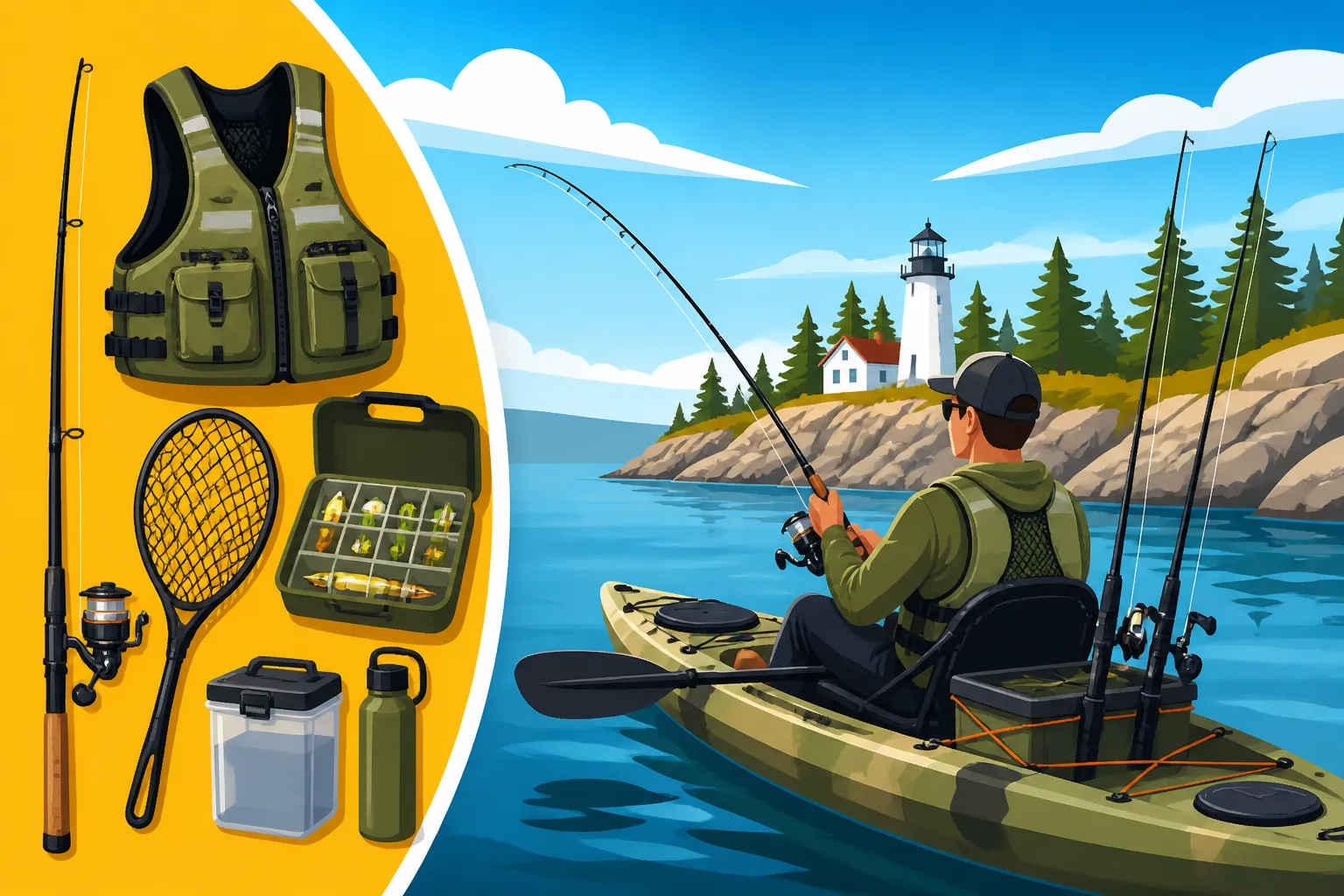
To help you visualize your initial setup, here's a quick rundown of what we've discussed:
| Category | Essential Gear | Why It's Important |
|---|---|---|
| Kayak | Sit-on-Top Fishing Kayak (10-12 ft, wide) | Stability, ease of entry/exit, deck space. |
| Kayak Paddle (appropriate length) | Basic propulsion; crucial for movement. | |
| Safety | PFD (wearable, fishing-specific) | Absolutely non-negotiable for staying afloat and legal compliance. |
| Emergency Whistle | Audible signal for help. | |
| Headlamp/Strobe Light | Visibility in low light, hands-free illumination. | |
| Waterproofed Cell Phone / VHF Radio | Communication for emergencies. | |
| Fishing | Medium-Light/Medium Spinning Rod & Reel Combo | Versatile for various Maine species, easier handling in confined space. |
| Braided Line with Fluorocarbon Leader | Strength, sensitivity, and invisibility. | |
| Waterproof Tackle Boxes/Crate System | Organization and security for tackle. | |
| Rubberized Landing Net | Safe and easy fish landing; protects fish. | |
| Fish Grips | Safe handling of toothy or active fish. | |
| Comfort/Convenience | Aftermarket Kayak Seat (with back support) | Extended comfort for longer sessions. |
| Paddle Leash | Prevents paddle loss. | |
| Rod Holder (adjustable) | Secures rods, allows for trolling or hands-free operation. | |
| Small Grapnel Anchor (1.5-3 lbs) & Line | Holds position over fishing spots. |
This comprehensive guide should give you a solid foundation for gathering your Best Kayak Fishing Gear for Beginners and confidently heading out onto Maine's waters. Remember, start simple, prioritize safety, and most importantly, have fun!
Disclaimer
This article is for general informational purposes only and does not constitute professional advice. Laws, prices and regulations vary by location and change over time. Consult a qualified professional for guidance on your specific situation.