When Does Maine Ice Fishing Season End?
It’s that bittersweet time of year, isn't it? As the days get a little longer and the sun feels a bit stronger, every ice angler in Maine starts to feel that familiar pang of anxiety: when exactly does ice fishing season end? Nobody wants to miss that last glorious trip, but more importantly, no one wants to find themselves on thin ice, literally and figuratively, after the season has officially closed. Figuring out the exact cutoff can feel like navigating a maze, with general laws, specific lake regulations, and ever-changing ice conditions. This guide is here to cut through the confusion and help you understand precisely when you need to hang up your auger and tip-ups for the year.
The General Rule for Maine's Ice Fishing Season End Dates
For most of us, the end of Maine's ice fishing season feels like a sudden stop rather than a gradual fade. While Mother Nature often dictates when the ice is truly safe or gone, the state has clear dates outlining when you can legally drop a line through a hole. It's crucial to understand these general rules first, as they apply to a vast majority of waters across the state.
Statewide General Law Dates
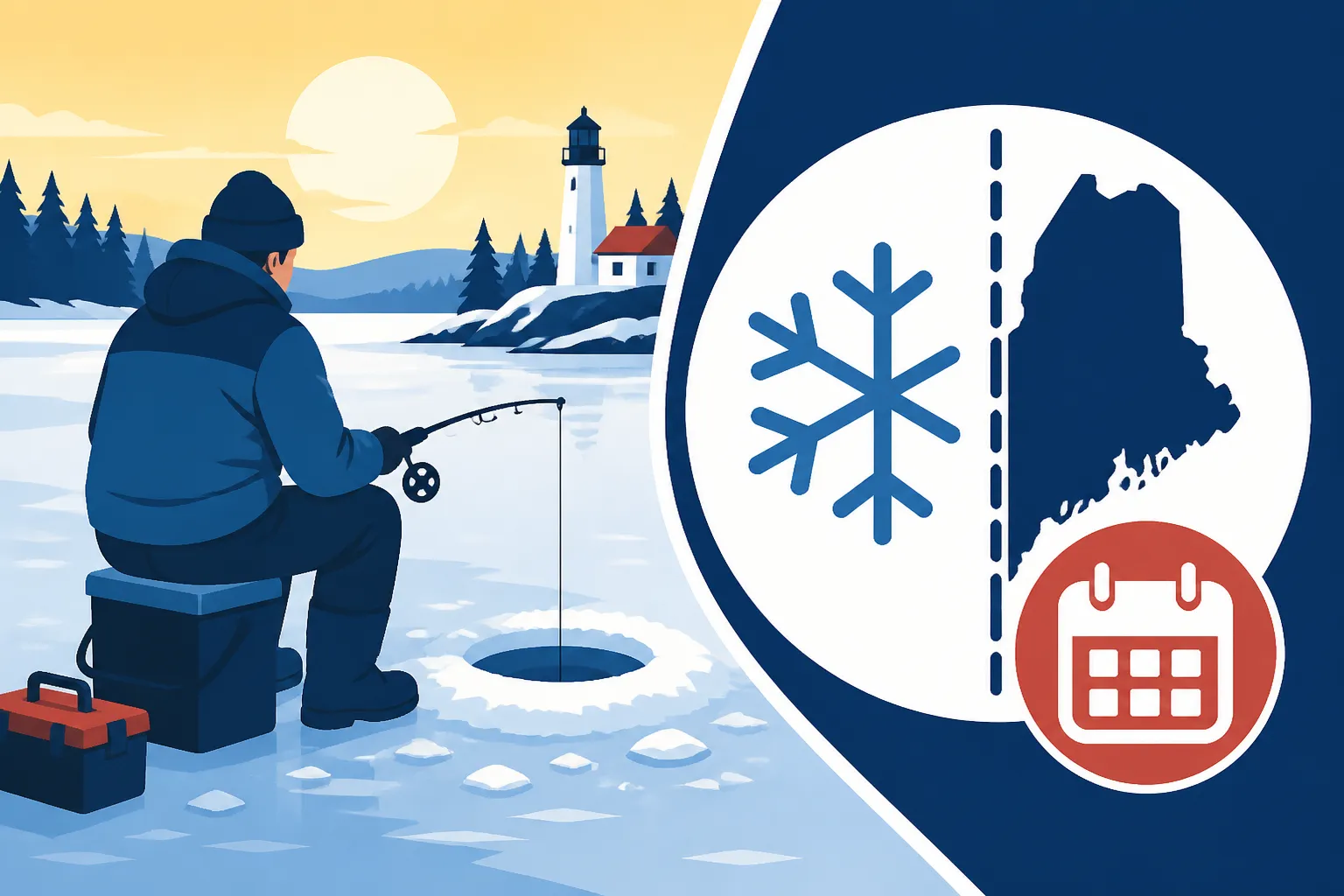
When you're thinking about the broad strokes of Maine's ice fishing season, one date usually springs to mind: March 31st. For many, many inland waters in Maine, especially those that fall under "General Law," this is the official end date for ice fishing. This means that after March 31st, it is no longer legal to fish through the ice on these waters, even if the ice is still perfectly solid and safe. This rule helps maintain consistency and provides a clear transition point for fish management, particularly as many species begin their pre-spawn movements.
Imagine a calm spring day, the sun shining, and the ice still looking robust enough for a pickup truck. It can be incredibly frustrating to know you can't go out, but these regulations are in place for a reason. They ensure that fish populations get a much-needed break before the stresses of spawning. This blanket rule simplifies things for wardens and anglers alike, providing a universal deadline for most lakes and ponds. So, if you're planning those last-minute excursions, circle March 31st firmly on your calendar – it's often your final chance.
Exceptions and Regional Variations
Now, here's where things get a bit more nuanced, and where many anglers can get tripped up. While March 31st is the common denominator, Maine's vast and diverse network of lakes and ponds means there are always exceptions. These aren't just random, either; they're often tied to specific fish management goals for particular water bodies, or even regional differences. You see, Maine is so big, and its ecosystems so varied, that a one-size-fits-all approach isn't always best for the fish.
For instance, some waters might have earlier closures for certain species to protect vulnerable spawning populations. Others, especially in the far reaches of northern Maine where ice might linger well into April, could theoretically support longer ice fishing, but the regulations usually still adhere to the March 31st general law for the ice season. It's not uncommon for anglers who regularly fish larger, more heavily managed lakes like Sebago Lake or Moosehead Lake to find that their favorite spots have slightly different end dates or specific regulations for certain fish species. This is why simply knowing the general law isn't enough; you really need to drill down into the specifics. For a deeper dive into how Maine manages its fishing areas, you might find our guide on Maine North Zone vs South Zone Fishing Rules particularly helpful.
Understanding Special Regulations and Local Waters
Just when you think you've got the general idea down, Maine throws a curveball: special regulations. This is the part that can make even seasoned anglers scratch their heads, but it’s absolutely vital for staying on the right side of the law and ensuring sustainable fishing for generations to come.
The Importance of Checking the Law Book
I cannot stress this enough: always check the current Maine Open Water & Ice Fishing Laws Summary book or the official Maine Inland Fisheries & Wildlife (MDIFW) website. Relying solely on what you heard from a buddy, or what was true last year, is a recipe for trouble. The general law dates are a starting point, but countless individual lakes, ponds, rivers, and streams have their own unique rules that supersede the general law. These special regulations might dictate different opening and closing dates for ice fishing, specific bag limits, or even tackle restrictions.
Let me tell you, it's frustrating. You’ve planned your trip, packed your gear, maybe even ordered some new tip-ups from Amazon, only to arrive and find out the lake you're on has a "closed to ice fishing after March 15th" rule. To avoid this headache, get into the habit of checking. You can find out Maine Fishing Law Book Where to Get One at various agents or check the comprehensive online resource known as the Maine Fishing Regulations App and Website. These resources are your absolute best friends when planning any fishing trip in Maine, especially as the ice fishing season winds down. Take Sebago Lake, for example. While much of the state generally closes on March 31st, Sebago has its own distinct management plan. Always double-check!
Species-Specific Closures
Beyond the general closing dates for ice fishing, you’ll also encounter regulations that are specific to certain fish species. This means that even if a lake is technically open for ice fishing until March 31st, there might be an earlier closure for targeting specific fish, like brook trout or landlocked salmon, to protect them during their vulnerable pre-spawn periods or to manage populations. These rules are usually designed to ensure healthy stocks for the future, even if it means a shorter season for anglers.
For instance, some smaller ponds managed for wild brook trout might have an earlier closure date than larger lakes to give these sensitive populations a better chance to reproduce without angler pressure. It's all about balancing the thrill of the catch with the responsibility of conservation. So, before you head out, make sure the species you’re targeting is still fair game. If you're passionate about specific species, understanding the full Maine Fishing Season Dates Guide is essential.
Here’s a simplified look at typical ice fishing end dates, but remember, always consult the official MDIFW regulations for the most accurate and up-to-date information for your specific fishing spot.
| Water Body Type / Zone | General Ice Fishing End Date | Exceptions / Notes |
|---|---|---|
| Statewide (General Law) | March 31st | Applies to many waters; always verify with official regulations. |
| Southern Zone Lakes | March 31st (typically) | Check specific lake rules; can vary. |
| Northern Zone Lakes | March 31st (typically) | Often adheres to March 31st, despite colder weather. |
| Ponds 10 Acres or Less | March 31st (check regulations) | Some might have earlier closures for species management. |
| Rivers & Streams | Varies significantly | Many are closed to ice fishing or have specific open/closed sections. |
| Specific Managed Waters | Refer to Law Book/Website | Lakes like Sebago, Moosehead, Rangeley have unique rules. |
Safety First: Recognizing Unsafe Ice Conditions
Legal dates are one thing, but Mother Nature always has the final say. As the ice fishing season draws to a close, usually in March, the condition of the ice can deteriorate rapidly and unpredictably. This isn't just about avoiding a fine; it's about staying alive. Late-season ice can be notoriously dangerous, and understanding the risks is paramount.
The Dangers of Late Season Ice
Early spring brings warmer days, stronger sun, and often, rain. These conditions are kryptonite for solid ice. What was once a thick, stable platform can quickly become a treacherous, unstable surface. You might look out at a lake and see what appears to be perfectly good ice, but below the surface, or even unseen from above, the structure of the ice is changing. Sun can warm the surface, creating "honeycomb" ice that looks thick but has lost its structural integrity. Currents, especially near inlets, outlets, or narrows, can erode ice from below, creating dangerously thin spots without any visible warning.
I've heard too many stories of anglers pushing their luck, thinking "just one more time," only to find themselves in a terrifying situation. The frustration of seeing a beautiful day and not being able to safely fish is real, but the alternative is far, far worse. Always assume late-season ice is suspect, even if you’ve been out on that same spot all winter. The ice around shorelines often breaks up first, making access risky, and even if you get out, the middle of the lake can still be compromised. Understanding these dangers is crucial for Late Ice Safety Tips Before Ice-Out and ensuring you return home safely.
Essential Safety Gear for Late Season Ice
Given the inherent risks of late-season ice, equipping yourself with the right safety gear isn't optional; it's absolutely necessary. This isn't about being overly cautious; it's about being prepared for the worst-case scenario. Ice picks are non-negotiable. Wear them around your neck and know how to use them to pull yourself out if you fall through. A throw rope in your sled or pack is another simple, yet incredibly effective, piece of gear that could save your life or someone else's.
Beyond personal safety, consider a flotation suit. These suits, which you can often find on Amazon or at local sporting goods stores, offer crucial buoyancy and insulation should you go through the ice. They provide precious minutes, or even longer, that can be the difference between a close call and a tragedy. Don't forget a fully charged cell phone (in a waterproof bag!), and always, always let someone know where you're going and when you expect to be back. These precautions are even more vital than Early Ice Safety Tips for Maine Anglers because the ice is actively working against you in the spring. No fish is worth risking your life over, so be smart, be prepared, and err on the side of caution.
Transitioning to Open Water: What Happens Next?
Even though the ice fishing season comes to an end, the fishing in Maine certainly doesn't! The melting ice simply signals the eagerly awaited arrival of open water fishing, bringing with it new opportunities and new species to target.
Ice-Out and the Start of Open Water Fishing
"Ice-out" is a momentous occasion in Maine, celebrated by anglers, boaters, and nature lovers alike. It’s the unofficial signal that spring has truly arrived and that the lakes are once again ready for boats, canoes, and kayaks. While the ice fishing season might legally end on March 31st for many waters, the actual ice-out date can vary wildly across the state, sometimes stretching well into April or even early May for large, deep lakes in the northern regions. Once the ice is gone, or at least safe enough to launch a boat, you can officially switch gears from drilling holes to casting lines.
The transition from hard water to soft water brings a whole new set of techniques and target species. Fish that were lethargic under the ice suddenly become more active, feeding heavily as water temperatures begin to rise. This can be a fantastic time for aggressive feeding, particularly for species like landlocked salmon and brook trout, which will be found closer to the surface in cooler water after the ice recedes. For general strategies on how to approach this new season, our Maine Open Water Fishing Techniques Guide can be an invaluable resource.
Preparing for Spring Fishing
As soon as those ice fishing rods are stored away (don't forget to clean and dry them thoroughly!), it's time to start thinking about spring. This means checking your open water gear. Are your reels spooled with fresh line? Are your lures and flies organized? Do you have your waders patched and ready for stream fishing? Now is also the perfect time to ensure your fishing license is up to date. Maine fishing licenses run on a calendar year, usually expiring on December 31st, so you'll definitely need a new one for spring. Our guide on Maine Fishing License Renewal Rules can help you navigate that process smoothly.
Beyond gear, consider what you want to target. Early spring can be prime time for certain species. For example, Maine Spring Salmon Fishing Techniques often involve trolling near the surface as landlocked salmon chase smelt after ice-out. Smallmouth bass can also become very active in shallow, sun-warmed bays. This is a great opportunity to explore new tactics or revisit old favorites. You might even find yourself on Amazon looking for some new ultralight spinning gear for those eager spring brook trout. Embracing the change of seasons and adapting your approach is what makes fishing in Maine so rewarding year-round.
Disclaimer
The information provided in this guide is for general informational purposes only and is not intended as legal advice. Fishing regulations in Maine are subject to change, and specific rules can vary significantly by water body, species, and season. Always consult the official Maine Department of Inland Fisheries & Wildlife (MDIFW) regulations or contact MDIFW directly for the most accurate and up-to-date information before planning any fishing trip. Fishing on unsafe ice or outside of legal seasons carries inherent risks and penalties.