Maine Spring Salmon Fishing Techniques
After what often feels like an eternity of ice and snow, the very thought of open water fishing for landlocked salmon in Maine during spring is enough to send shivers of excitement down any angler's spine. But while the promise of aggressive, hungry salmon near the surface is real, translating that promise into a successful outing takes more than just enthusiasm. Many folks find themselves scratching their heads, wondering why the fish aren't biting despite the perfect weather, or why their usual summer tactics just aren't cutting it. This comprehensive guide will unravel the mysteries of Maine's spring salmon behavior and equip you with the techniques, gear, and knowledge you need to consistently hook into these magnificent fish once the ice finally retreats.
Understanding Maine's Spring Salmon Behavior
Spring in Maine is a truly magical, albeit sometimes fickle, time for fishing. The landscape awakens, and beneath the surface, landlocked salmon are undergoing a significant shift in their behavior, driven primarily by water temperature and the availability of their primary food source: smelt. Getting into their heads is the first step to a successful spring fishing trip.
The Post-Ice-Out Frenzy
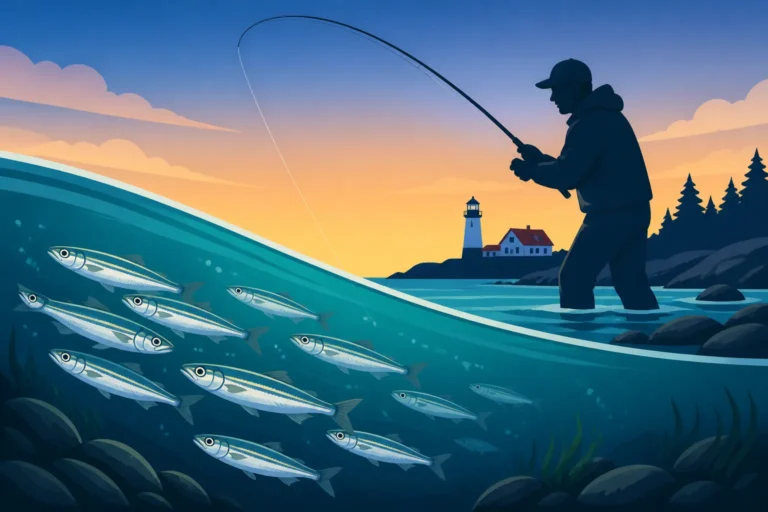
Once the last vestiges of ice melt away from Maine's vast lakes and ponds, a "frenzy" might be a strong word for how the salmon initially react, but it certainly describes their renewed drive to feed. After a long winter under the ice, often with limited feeding opportunities, these fish are hungry. What's crucial to understand is that the entire water column is still relatively cold, but the surface layers are the first to warm up even slightly. This slight warming, combined with increased light penetration, brings baitfish like smelt into shallower, more accessible areas.
Salmon, being cold-water predators, will follow their food. In the early spring, you'll find them much higher in the water column than you would in the heat of summer. They're often cruising just below the surface, actively looking for schools of smelt that are themselves moving into warmer water or staging for their own spawning runs. This is prime time for active, aggressive strikes, but it also means you need to adjust your presentation to target these higher-riding fish. Forget about deep trolling with downriggers right out of the gate; think topwater or just below.
Identifying Prime Spring Habitats
Knowing where to find these hungry salmon is just as important as knowing how to catch them. In spring, landlocked salmon concentrate in specific areas that offer both warmer water and abundant food. Your best bet for spring salmon in Maine will often be shallower areas, particularly near river inlets and stream outlets. These flowing water sources tend to warm up faster than the main lake body, bringing in nutrients and, more importantly, drawing in smelt and other small baitfish.
Look for areas with a depth of 5 to 20 feet, especially those with rocky points, sandy shoals, or submerged humps adjacent to deeper water. These structures provide ambush points for salmon and are often where smelt will congregate. Bays and coves that receive a lot of sunlight will also warm up quicker and attract baitfish. Waters that are fed by significant rivers, like portions of Sebago Lake or the Penobscot River system (for its freshwater stretches with salmon populations), often see earlier and more concentrated spring salmon activity. Having a good map or knowing the Best Fishing Lakes in Maine will definitely give you an edge.
The Importance of Water Temperature
Water temperature is arguably the single most critical factor in successful spring salmon fishing. Landlocked salmon thrive in cold water, but they become most active and feed aggressively within a specific temperature range. In the spring, this "sweet spot" is typically between 40 and 55 degrees Fahrenheit. Below 40 degrees, they can be sluggish; above 55 degrees, they'll start to move deeper to find cooler, more oxygenated water.
Early in the spring, immediately after ice-out, the entire lake might be in the low 40s. As the sun warms the surface, these warmer layers become magnetic for both baitfish and salmon. This means paying close attention to your surface water temperature is paramount. A simple boat thermometer or a fish finder with temperature capabilities can be your best friend. If you find a pocket of water that's a degree or two warmer than the surrounding areas, you've likely found a hotspot. This is especially true in large bodies of water where thermal differences can be subtle but significant. You'll often find that knowing the Best Time of Year to Catch Landlocked Salmon in Maine directly correlates with these temperature windows.
Essential Gear for Spring Salmon Success
Having the right tools for the job can make all the difference, especially when you're targeting a finicky species like landlocked salmon in the dynamic conditions of early spring. Don't just grab any old setup; tailor your gear for precision and presentation.
Rods, Reels, and Lines
When it comes to rods for spring salmon, versatility is key. You'll want a rod that can handle the aggressive strikes of a salmon but also has enough sensitivity to detect subtle takes. A medium-light to medium action spinning or trolling rod, typically in the 6'6" to 7'6" range, is ideal. For spinning gear, a fast tip allows for good casting distance and feel, while enough backbone ensures you can fight a strong fish. Trolling rods often have a more moderate action to absorb the shock of a strike while underway.
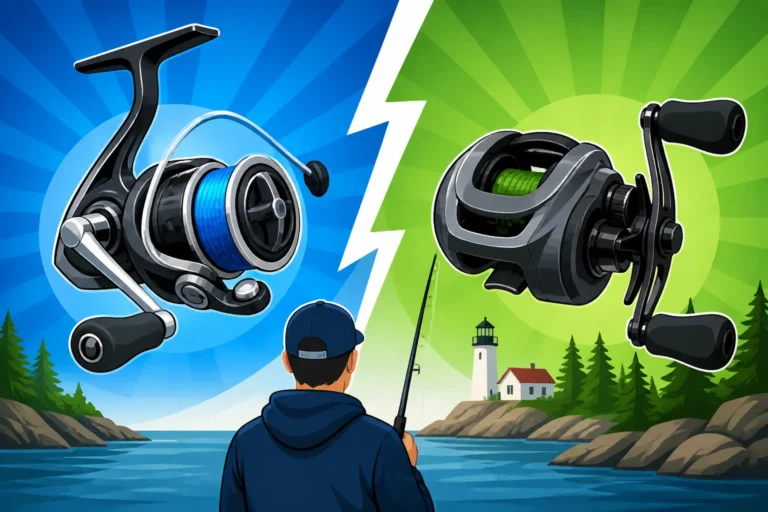
For reels, a high-quality spinning reel in the 2500-3000 size range or a small, reliable baitcasting reel with a smooth, consistent drag system is crucial. Spring salmon are powerful, and an inconsistent drag can lead to break-offs. When it comes to line, many anglers favor 8-10 lb test monofilament for its stretch and shock absorption, especially when flat lining. However, some prefer a braided main line (10-15 lb) with a 6-8 lb fluorocarbon leader for increased sensitivity and abrasion resistance. Fluorocarbon is nearly invisible underwater, which can be a huge advantage in Maine's clear spring waters. Remember to check your lines for nicks and abrasions frequently, as even small imperfections can lead to a lost fish.
Must-Have Lures and Baits
This is where the excitement really begins! Spring salmon are often focused on smelt, so your lure selection should heavily mimic these baitfish in size, shape, and color. Spoons are absolute staples, with classic patterns like the "Mooselook Wobbler," "DB Smelt," "AC Shiner," and various "Toby" lures being incredibly effective. Silver, blue, green, and gold finishes are excellent choices, often with a hint of orange or red. Size-wise, think 2 to 3.5 inches, matching the average smelt profile.
Stickbaits, or minnow imitators, are another deadly option. Brands like Rapala (J-11 or F-13 in silver/blue or silver/black) or Yo-Zuri Crystal Minnows can be trolled or cast effectively. These lures often have a more erratic action, which can trigger strikes from curious salmon. For a more natural presentation, especially when trolling, sewed smelt or small suckers are unbeatable. You can often find pre-rigged sewed bait setups, or rig your own using a needle and thread. Lastly, for fly anglers, traditional streamer patterns like the Best Lures for Early Spring Salmon Fishing such as the Grey Ghost, Supervisor, Nine-Three, and Black Ghost are absolute legends for a reason. You can find a fantastic selection of these lures and baits on platforms like Amazon, making it easy to stock up before hitting the water.
Trolling Specifics for Spring
Trolling is undeniably one of the most productive methods for spring landlocked salmon in Maine. The key is to cover water effectively while presenting your lure at the correct depth and speed. In early spring, when salmon are often near the surface, flat lining is incredibly effective. This involves running your lines directly behind the boat with minimal weight, allowing the lure to run naturally just a few feet down.
As the season progresses slightly and fish might go a little deeper, lead core line becomes a valuable tool. This special line is weighted, allowing your lure to sink to a precise depth based on how many "colors" (sections of colored line, typically 10 yards each) you let out. Each color usually sinks a specific amount at a given trolling speed. For instance, at 2 mph, a color might get you 5-7 feet of depth. Copper line, which is denser and sinks faster, is also popular for reaching deeper fish without heavy weights, but it's more common in later spring or summer. Make sure you're aware of the Maine Open Water Line Limits so you don't overdo it! A good fish finder can help identify schools of bait and salmon, letting you adjust your trolling depth accordingly.
Mastering Trolling Techniques for Spring Salmon
Trolling isn't just about putting a lure in the water and driving around. It's a nuanced art, especially for landlocked salmon in the spring. Small adjustments in your boat's speed, direction, and lure placement can dramatically increase your hook-up rate.
Flat Line and Shallow Water Trolling
In the colder waters immediately following ice-out, salmon will readily cruise the upper water column. This makes flat line trolling your primary tactic. Forget the heavy weights, downriggers, or even lead core for those first few weeks. The goal is to present your lures right where the salmon are feeding – often within the top 10 feet of water. Run your lines directly behind the boat, varying the distance to avoid tangles and present lures at different distances from the boat's wake.
Typically, you'll want to run some lures fairly close, perhaps 50-75 feet back, and others further out, 100-150 feet. The boat's prop wash and engine noise can sometimes spook fish, but a well-presented lure a bit further back can often entice them. In incredibly clear, calm conditions, you might need to run lures even further back. Focus on trolling along shorelines, over submerged humps, and near points and inlets. These are the highways for smelt and, by extension, salmon. Keep your speed consistent, usually between 1.8 to 2.5 miles per hour, but don't be afraid to experiment.
Utilizing Planer Boards and Discs
As spring progresses and sunlight penetrates deeper, or if you're fishing in clearer waters, salmon might become more boat-shy. This is where planer boards and trolling discs become invaluable. Planer boards are designed to take your fishing lines out to the side of the boat, away from the engine noise and shadow, allowing you to cover a much wider swath of water. This is particularly effective when you have multiple lines out, as it prevents tangles and allows each lure to work in undisturbed water.
Smaller inline planer boards, like those from Offshore Tackle or Church Tackle, are popular for this application. You simply clip your line to the board, let it out, and the board will carry your lure away from the boat. Trolling discs, such as the Dipsy Diver or Pink Lady, serve a similar purpose but also dive to a specific depth without adding weight directly to your line. They release when a fish strikes, making the fight more direct. These tools allow for a stealthier presentation, getting your lures into zones that might otherwise be untouched by fish that are wary of the boat. Mastering their use expands your trolling capabilities significantly.
Speed and Direction Considerations
The adage "speed kills" doesn't necessarily apply to spring salmon fishing, but "speed varies" certainly does. Maintaining a consistent trolling speed is important, as is knowing when and how to vary it. A general starting point for spring salmon is between 1.8 and 2.5 miles per hour. This speed allows most spoons and stickbaits to exhibit their natural action effectively. However, the most productive anglers will tell you that slight variations are often what trigger strikes.
One classic technique is the "S" curve. Instead of trolling in a straight line, steer your boat in a gentle S-pattern. As the boat turns, the lures on the inside of the turn will slow down and drop slightly, while the lures on the outside will speed up and rise. This change in speed and depth can often be the exact trigger a hesitant salmon needs. Similarly, don't be afraid to make brief, sharp turns or even accelerate and decelerate for a few seconds. Pay attention to when strikes occur; if they happen immediately after a speed change, you've found a clue. The Best Trolling Speed for Landlocked Salmon is often one you discover through experimentation on any given day.
Casting and Fly Fishing Approaches
While trolling might dominate the spring salmon scene, ignoring casting and fly fishing would be a huge mistake. These more active techniques can be incredibly rewarding, especially in specific scenarios where salmon are concentrated and aggressive.
Shore and Boat Casting Strategies
For those who prefer a more hands-on approach, casting from shore or a boat can be highly effective in the spring, especially during the low light hours of dawn and dusk. These are often the times when salmon venture closest to shore in pursuit of baitfish. Ideal casting locations include river mouths, stream inlets, rocky points that jut out into the lake, and shallow flats adjacent to deeper water. Anywhere smelt are known to congregate will be a prime target.
Small, flashy spoons (like those mentioned earlier), slender stickbaits, and even small bucktail jigs can be deadly when cast and retrieved with an erratic action. Think about mimicking a wounded baitfish; pause your retrieve, twitch the rod tip, and vary your speed. From a boat, you can position yourself to cast into areas inaccessible from shore, or cover a wider range of structure. Pay attention to currents, as salmon will often position themselves facing into the current, waiting for an easy meal to drift by. Casting and retrieving parallel to the shore or structure can be particularly effective.
Spring Fly Fishing for Landlocked Salmon
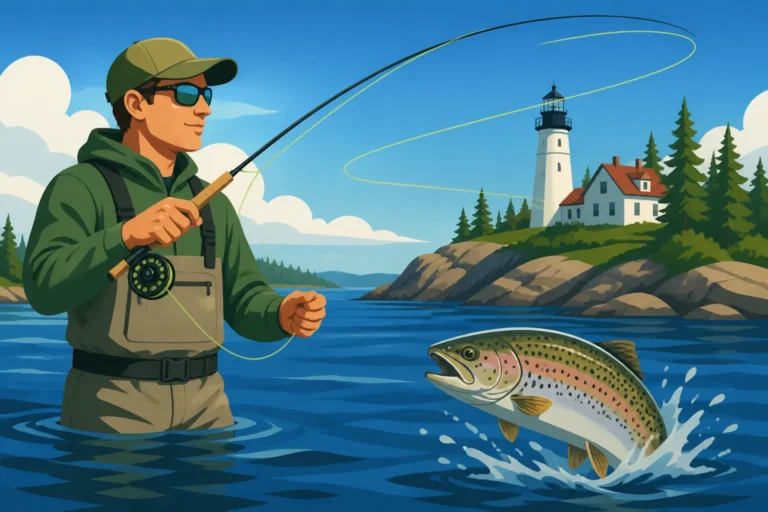
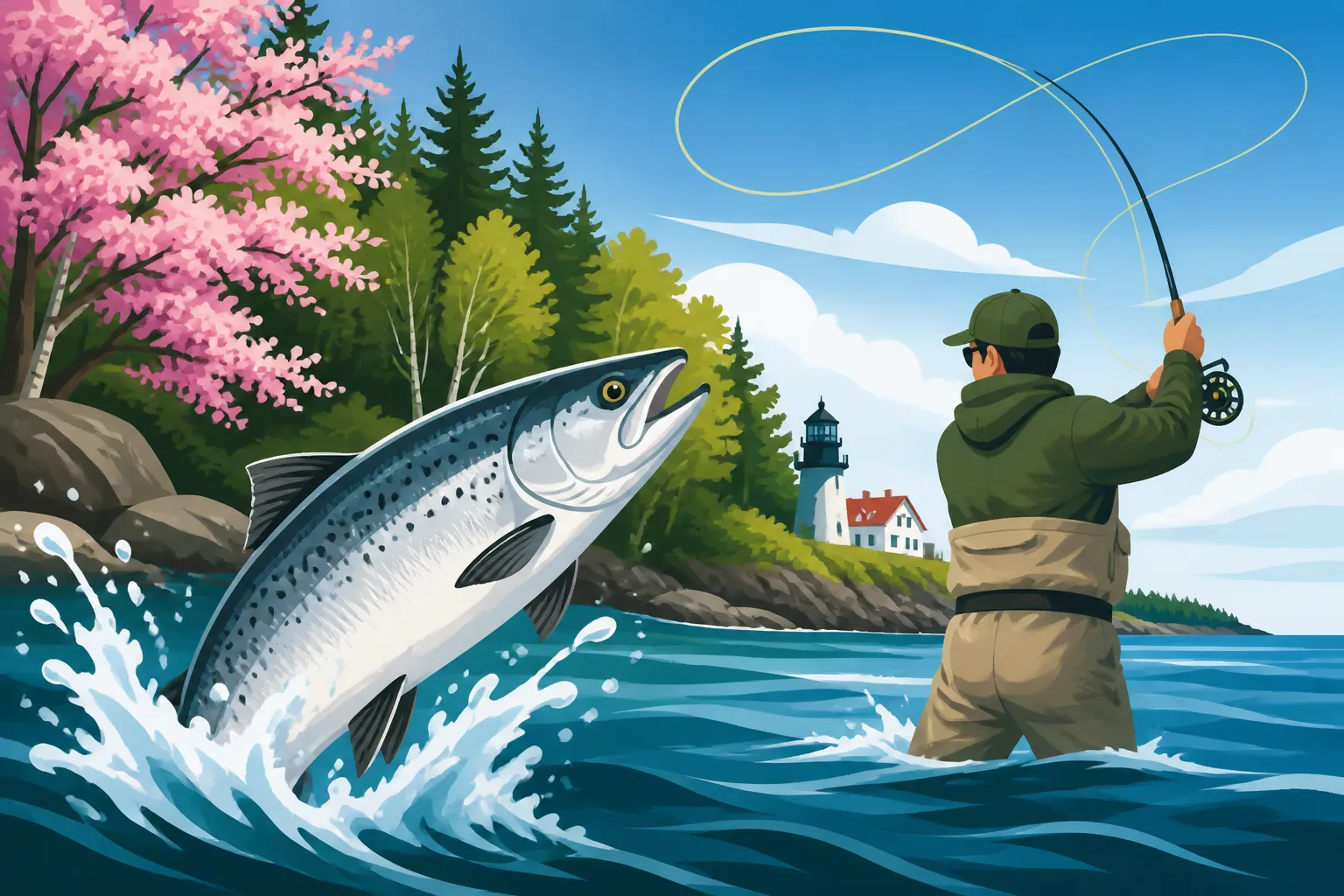
Fly fishing for landlocked salmon in Maine's spring can be an incredibly exhilarating experience, particularly on rivers and larger stream sections that connect lakes or where salmon ascend to feed. This is not dainty dry fly fishing; it's typically a game of streamers. Traditional Maine streamer patterns are legendary for a reason. Flies like the Grey Ghost, Supervisor, Nine-Three, and Black Ghost, tied in sizes 4-8, are designed to imitate smelt and other forage fish perfectly.
Techniques usually involve stripping streamers, where you cast across or slightly downstream and retrieve the fly in short, erratic strips, mimicking a swimming baitfish. Sometimes a dead drift, allowing the fly to tumble naturally with the current, can also be effective, especially if fish are holding deeper or being particularly subtle. Focus on pools, runs, and the edges of current seams where salmon might be holding. Early spring often means colder water, so your retrieves might need to be a bit slower. If you're new to the sport, consider checking out resources like "Fly Fishing for Beginners in Maine" to get started.
Smelt Imitation and Matching the Hatch
Understanding the smelt run is paramount to spring salmon success. Smelt are the primary forage fish for landlocked salmon in many Maine lakes, and their movements dictate where the salmon will be. In the spring, smelt will migrate from deeper lake waters into shallower areas, rivers, and stream inlets to spawn. This congregation of baitfish creates a huge feeding opportunity for salmon.
Your flies and lures should, therefore, be chosen with smelt imitation in mind. Look for lures with a slender profile, silver or blue backs, and often a white or light belly. Many patterns will incorporate a small amount of red or orange to mimic a gill flash. For fly anglers, tying or buying patterns that specifically represent a smelt is key. Observing the size of the smelt in a particular water body can also help you "match the hatch" more precisely, choosing lures and flies of the appropriate length. Knowing How to Fish the Smelt Run in Maine can provide you with a significant advantage. The more realistic your imitation, the higher your chances of enticing a strike from a hungry salmon.
Navigating Maine's Regulations and Best Practices
Fishing in Maine, especially for prized species like landlocked salmon, comes with responsibilities. Understanding and adhering to regulations, practicing ethical angling, and prioritizing safety are just as important as your fishing techniques.
Understanding Spring Season Dates and Limits
Maine has a very specific set of fishing regulations that can vary not only by species but also by water body and even specific zones within a water body. For landlocked salmon, the general open water fishing season for lakes and ponds typically opens on April 1st. However, this is just a general rule. It is absolutely critical that you consult the current year's "Maine Open Water Fishing Regulations" book published by the Maine Department of Inland Fisheries and Wildlife (MDIFW). This book, or the digital version available on their website, will detail specific opening and closing dates for individual lakes and ponds, as well as any special regulations.
Beyond season dates, you need to be acutely aware of bag limits and minimum length requirements. For landlocked salmon, these can vary. For instance, some waters might have a 1-fish bag limit and a 16-inch minimum length, while others might allow 2 fish with a 14-inch minimum, or even a slot limit where only fish within a certain size range can be kept. Violating these rules, even unintentionally, can result in significant fines and penalties. Always check the specific regulations for the water you plan to fish before you wet a line. Consulting the Maine Fishing Season Dates Guide and the Maine Fish Bag Limits Guide are excellent starting points.
Catch and Release for Future Generations
Many anglers in Maine are passionate about conservation, and for good reason. Landlocked salmon populations, while generally healthy, benefit immensely from responsible catch and release practices, especially during the spring when fish are often more vulnerable after winter. If you plan to release a salmon, minimizing stress and handling time is paramount.
Here are some key practices:
- Use appropriate gear: Fight the fish efficiently to reduce exhaustion.
- Wet your hands: Always wet your hands before touching a fish to protect its protective slime coat.
- Keep them in the water: Avoid removing the fish from the water entirely if possible, especially for photography. If you must, do so quickly and return it promptly.
- Remove hooks carefully: Use needle-nose pliers or a de-hooking tool to quickly remove hooks. If the fish is deeply hooked, cut the line as close to the hook as possible.
- Revive them: Hold the fish gently in the water, facing into a gentle current, until it can swim away on its own.
By following these guidelines, you greatly increase the chances of the fish surviving to spawn and be caught another day. For a deeper dive into this topic, refer to "Catch and Release Best Practices in Maine."
Safety and Preparedness in Spring Conditions
Maine's spring weather is notoriously unpredictable. A beautiful, sunny morning can quickly turn into a cold, windy, and even snowy afternoon. This variability, combined with still very cold water temperatures, necessitates a strong focus on safety.
- Dress in layers: Always wear non-cotton layers, including a waterproof and windproof outer shell. Bring more clothes than you think you'll need.
- Personal Flotation Devices (PFDs): Wear a PFD at all times when on the water, especially in colder months. Cold water immersion is extremely dangerous, and a PFD can save your life.
- Check the forecast: Monitor marine forecasts and general weather reports closely. Pay attention to wind speed and direction, as large lakes can become very rough very quickly.
- Tell someone your plan: Always let a friend or family member know where you're going, when you expect to return, and what your boat looks like.
- Boat maintenance: Ensure your boat's engine is well-maintained, your battery is charged, and you have all required safety gear (flares, whistle, first-aid kit, anchor).
- Ice safety: Even if the lake is "open," be wary of lingering ice chunks, especially in northern lakes. Be extra cautious around inlets and outlets where currents can thin ice from below.
By prioritizing safety, you ensure your spring salmon fishing adventure is memorable for all the right reasons. Also, don't forget that you'll need a valid Maine Fishing License Guide before you head out!
Spring Salmon Fishing Techniques Comparison
Here's a quick look at some common spring salmon fishing techniques to help you choose the best approach for your day on the water:
| Technique | Lure/Bait Type | Target Depth (Approx.) | Recommended Speed (MPH) | Best Conditions | Pros | Cons |
|---|---|---|---|---|---|---|
| Flat Line Trolling | Smelt Spoons, Stickbaits | 0-15 feet | 1.8 – 2.5 | Early spring, cloudy, choppier water | Covers wide area, natural presentation | Can be boat-shy in clear/calm water |
| Planer Board Trolling | Smelt Spoons, Stickbaits | 0-20 feet | 1.8 – 2.5 | Clear water, sunny, wary fish | Gets lures away from boat, spreads lines | More complex setup, can be cumbersome |
| Lead Core Trolling | Smelt Spoons, Streamer Flies | 10-40 feet | 1.5 – 2.2 | Mid-spring, fish going slightly deeper | Precise depth control without weights | Heavy line, less direct feel |
| Casting (Spinning) | Small Spoons, Stickbaits, Jigs | 0-10 feet | Variable | Dawn/Dusk, inlets/outlets, shore fishing | Active, direct presentation, good for structure | Limited range, can spook fish in shallow water |
| Fly Fishing (Streamer) | Smelt Streamers (Grey Ghost) | 0-10 feet (depends on retrieve) | Variable (strip retrieve) | Rivers/stream inlets, specific holding areas | Highly engaging, artistic, effective | Requires specific skill, limited to certain areas |
| Sewed Bait Trolling | Sewed Smelt/Suckers | 0-20 feet | 1.5 – 2.0 | Any spring condition, especially finicky fish | Most natural presentation | Can be messy, bait storage required |
Disclaimer
Fishing regulations and conditions in Maine are subject to change. Always consult the latest Maine Department of Inland Fisheries and Wildlife (MDIFW) regulations before planning your fishing trip. This guide is for informational purposes only and does not supersede official state regulations. Be aware of weather conditions and practice safe boating and fishing at all times.