Why Fall Fishing Improves for Brook Trout
Oh, the crisp air, the vibrant leaves, the quiet solitude… fall in Maine is truly something special. But for many anglers, the transition from summer can bring a bit of uncertainty, especially when it comes to chasing brook trout. You've probably experienced those frustrating summer days when the water feels too warm, the fish are lethargic, and every cast feels like a futile effort. It's easy to wonder if the golden days of spring brook trout fishing are gone until next year. Well, I'm here to tell you that autumn isn't just a beautiful season; it's often the best time to target brook trout in Maine, and in this guide, we're going to dive deep into exactly why fall fishing improves so dramatically for these speckled beauties.
The Biological Imperative: Spawning Season Approaches
One of the biggest drivers behind the improved brook trout fishing in the fall is their biological clock. As the days shorten and the water cools, these fish begin to feel the irresistible pull of their spawning instincts. Unlike many other species, brook trout are fall spawners, and this natural cycle dictates much of their behavior during September, October, and even into November. They're preparing for one of the most important events of their lives, and that means a significant shift in their priorities.
The Urge to Feed: Bulking Up for Reproduction
Think about it: building and defending redds (their spawning nests), expelling eggs and milt, and enduring the physical toll of reproduction requires an incredible amount of energy. To fuel this monumental effort, brook trout go into an intense feeding frenzy in the weeks and months leading up to the spawn. They need to pack on calories, so their metabolism kicks into high gear, making them far more aggressive and less picky eaters than they might be during other times of the year.
This means that a brook trout that might have ignored your perfectly presented fly in July will now readily strike at a wider variety of offerings, often with a voraciousness that's exhilarating for the angler. They're not just feeding to survive; they're feeding for the future of their species. You'll find them actively hunting in areas they might have only casually cruised before, often moving into shallower, food-rich zones. It's this biological imperative that transforms them from cautious nibblers to aggressive predators, making them a much more eager target for your line.
Migration Patterns and Aggregation
As the spawning urge intensifies, brook trout also begin to move. If they've spent their summer holding in deep, cold pockets of a larger lake or in the cool depths of a spring-fed pond, they will now start migrating towards their natal spawning grounds. This often means moving into the shallow headwaters of streams, feeder creeks, or spring holes where suitable gravel beds for redd construction can be found. These migrations can concentrate fish in specific areas, turning what might have been scattered individuals into easily locatable populations.
Imagine a small stream that seemed barren all summer long, suddenly teeming with vibrant, colorful brook trout pushing upstream. This aggregation is a key factor in why fall fishing can be so productive. You might find several fish in a single run or pool, all focused on the same goal. Understanding these migratory paths and target areas is crucial for success. Look for points where streams flow into larger bodies of water, or for the very uppermost reaches of small brooks where groundwater seeps up, providing ideal conditions for their reproductive efforts. This makes finding fish a more predictable affair, reducing the guesswork that often plagues summer efforts. You can learn more about where these fish reside in our guide, Where Brook Trout Live in Maine Streams.
Environmental Sweet Spot: Cooler Waters and Oxygen Richness
Beyond the biological drive, the changing environment itself creates optimal conditions for brook trout in the fall. Summer's oppressive heat and stagnant waters are replaced by a refreshing coolness that revitalizes both the fish and their habitat. This shift directly impacts their comfort, activity levels, and overall health.
Optimal Water Temperatures
Brook trout are coldwater fish, thriving in water temperatures typically ranging from the low 50s to low 60s Fahrenheit. During the dog days of summer, especially in shallower ponds and streams, temperatures can easily climb into the upper 60s or even 70s, putting immense stress on these fish. When water gets too warm, their metabolic rate increases, but their ability to absorb oxygen decreases, making them lethargic and less inclined to feed aggressively. They retreat to the deepest, coolest refuges, making them harder to find and entice.
Fall changes all of that. As air temperatures drop, so do water temperatures, bringing them back into that ideal range where brook trout are most comfortable and active. This means they are no longer stressed and can expend energy more freely, including chasing down prey. The fish become more widespread throughout the water column and actively patrol different parts of their habitat, making them accessible to anglers. This sweet spot of temperature is a primary reason for the renewed vigor you see in fall brook trout.
Increased Oxygen Levels
Hand-in-hand with cooler water comes higher dissolved oxygen levels. Cold water holds more oxygen than warm water, and as Maine's lakes and ponds begin to "turn over" in the fall, deeper, oxygen-rich water mixes with the shallower layers. This process replenishes oxygen throughout the entire water body, creating a much healthier environment for fish.
In stagnant summer waters, oxygen can become depleted, especially in deeper zones or areas with heavy organic decomposition. This forces fish into smaller, more crowded oxygenated pockets. With increased oxygen in the fall, brook trout have more breathing room, literally. They can spread out, feel more energetic, and hunt with greater efficiency. This overall improvement in water quality invigorates the trout, making them more responsive to lures and flies. You might find a wider range of activities throughout the day, not just during fleeting early morning or late evening windows. Understanding these environmental shifts is crucial for any angler looking to succeed in Maine, and our Maine Fishing Season Calendar can help you plan your trips around these optimal conditions.
Food Abundance and Accessibility
Beyond the internal drives and external environmental factors, fall also brings a bounty of food to the brook trout's table, often in ways that make it easier for them to access. This increased availability of sustenance, combined with their heightened need for calories, creates a perfect storm for productive fishing.
Terrestrial Insects and Falling Leaves
As summer fades into autumn, the terrestrial insect population often sees a final surge, and many of these insects inevitably end up in the water. Grasshoppers, crickets, ants, and various beetles, all plump and protein-rich, become easy targets for opportunistic brook trout. Strong winds can dislodge these insects from streamside vegetation, dropping them directly into feeding lanes. It's like a conveyer belt of delectable treats for the trout, and they are usually quick to capitalize.
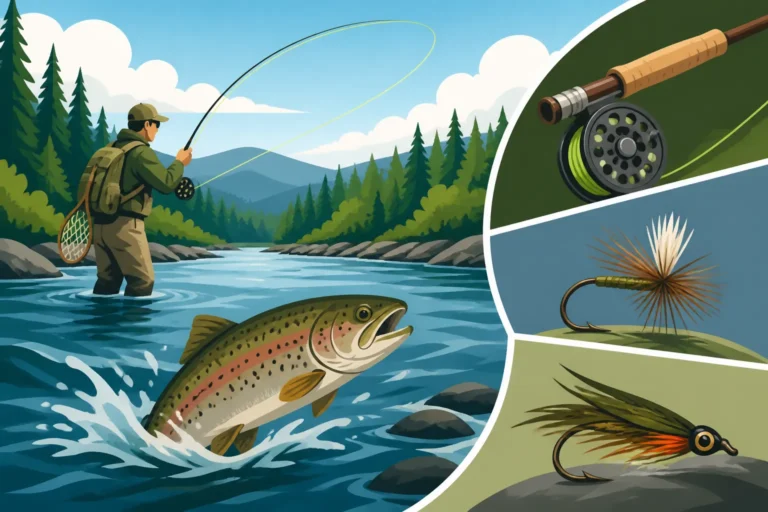
Furthermore, the iconic falling leaves of a Maine autumn might seem like just scenic beauty, but they also contribute to the food chain. Leaf litter provides new hiding spots and food sources for aquatic invertebrates, which in turn are consumed by brook trout. As leaves accumulate in slower currents or eddies, they can also concentrate other food items, creating prime feeding areas. Anglers can mimic these natural food sources with specific fly patterns like attractor dries or terrestrials. It's worth stocking up on a variety of patterns, and you can often find great deals on specialty fly assortments on Amazon that are perfect for mimicking fall hatches.
Baitfish and Aquatic Invertebrate Activity
Beyond the terrestrial bounty, the activity of baitfish and aquatic invertebrates also ramps up in the fall. Many smaller baitfish species, like minnows and juvenile suckers, are now larger and more numerous from a summer of growth. They often become more active and less wary as they, too, prepare for winter, making them more vulnerable to predation. Brook trout are keenly aware of this and will actively hunt these protein-rich meals. This is why streamers and larger wet flies that imitate baitfish can be incredibly effective during the fall.
Aquatic invertebrates, the backbone of any trout's diet, also show increased activity. Mayfly and caddisfly nymphs, stoneflies, and scuds are all abundant and often become more mobile as water temperatures cool. This makes them more accessible to feeding trout, who will spend time grubbing on the bottom or picking off drifting nymphs. Knowing what's active in your particular stream or pond can give you a significant edge, and sometimes just observing the water for a few minutes will tell you all you need to know about what the fish are keying in on. For tips on imitating these crucial food sources, check out our guide on Best Flies for Brook Trout in Maine Streams.
Less Angler Pressure and Scenic Beauty
While not directly influencing the fish's biology or environment, the human element of fall fishing plays a significant role in why the experience improves so dramatically. Fewer crowds and unparalleled natural beauty contribute to a sense of peace and productivity that's hard to find during other seasons.
Shifting Seasons, Shifting Crowds
Let's be honest, summer can be busy on Maine's popular fishing waters. Boats are everywhere, campsites are full, and sometimes it feels like you're sharing your favorite spot with a dozen other anglers. But once September rolls around, many people shift their focus. Deer hunting season begins, school is back in session, and the general vacation rush subsides. This means significantly less angler pressure on many brook trout waters.
You might find yourself having an entire stream or pond to yourself, allowing for a more serene and unpressured fishing experience. Trout in these less-frequented areas will often be less wary, making them easier to approach and trick. The peace and quiet allow you to truly connect with nature and focus on your technique without constant interruptions or competition for prime spots. This reduced pressure is a massive bonus for those who appreciate solitude and a more relaxed pace. It's a fantastic time to explore new spots or revisit old favorites without the summer crowds.
The Visual Feast: Fall Foliage and Solitude
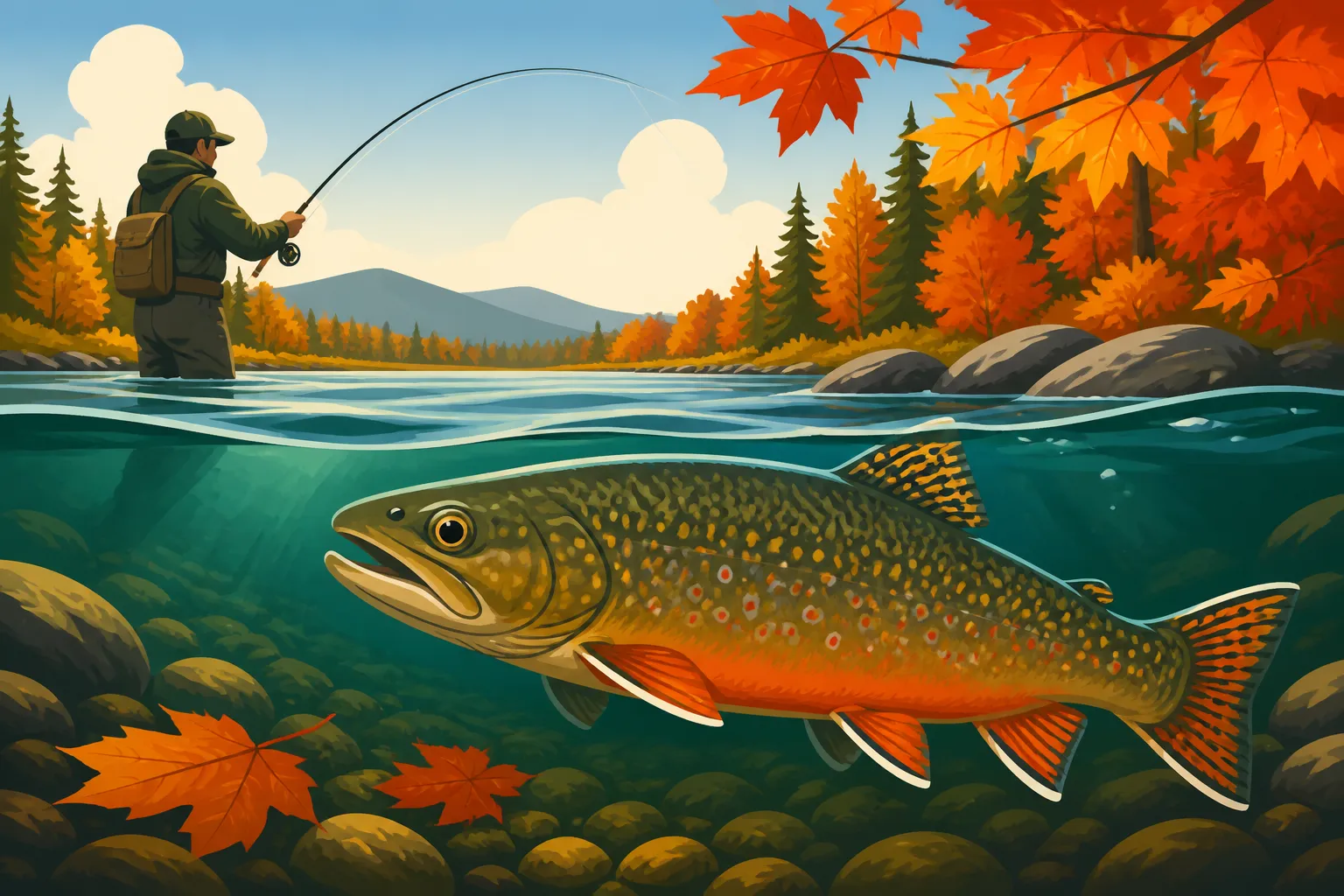
Finally, we can't talk about fall fishing in Maine without mentioning the breathtaking scenery. The vibrant reds, oranges, and golds of the autumn leaves create a backdrop that is simply unparalleled. Fishing amidst this explosion of color is a feast for the eyes and a balm for the soul. The cool, crisp air, the gentle rustle of falling leaves, and the vibrant hues reflecting on the water's surface make every cast feel like a special moment.
This isn't just about aesthetics; it contributes to the overall enjoyment and improved quality of the fishing trip. Even if the fish aren't biting every second, the sheer beauty of your surroundings can make the outing incredibly rewarding. Combine this visual splendor with the reduced angler pressure, and you have an opportunity for genuine solitude and reflection. It's a chance to fully immerse yourself in the natural world, to appreciate the quiet majesty of Maine, and to pursue one of its most cherished native fish in its prime. This seasonal beauty makes a Maine Fall Fishing Guide trip an unforgettable experience. For those looking to fully embrace the season, consider picking up some high-quality, lightweight waterproof gear on Amazon to stay comfortable regardless of the weather.
So there you have it. Fall isn't just "okay" for brook trout fishing; it's arguably one of the best times of the year. From the fish's biological imperative to bulk up for spawning, to the ideal cooler and oxygen-rich waters, to the abundance of food, and the sheer joy of fishing in solitude amidst stunning foliage, autumn offers a complete package for the dedicated brook trout angler. So dust off your gear, tie on some autumn-appropriate flies, and head out to experience the magic of fall fishing in Maine. You might just find your new favorite season to chase those elusive, colorful brookies. If you're planning a trip, be sure to check out our comprehensive Maine Brook Trout Daily Bag Limits to ensure you're compliant with local regulations.
Here's a quick comparison of summer versus fall conditions for brook trout fishing:
| Factor | Summer Conditions | Fall Conditions | Impact on Fishing |
|---|---|---|---|
| Water Temperature | Often too warm (65°F+), leading to stress and lethargy. | Optimal (50s-low 60s°F), promoting activity and comfort. | Fish are more active, widespread, and willing to strike. |
| Oxygen Levels | Can be depleted, especially in deeper, stagnant areas. | High due to cooler water and seasonal turnover. | Fish are more energetic and can utilize more habitat. |
| Food Availability | Can be sparse; fish may be selective or lethargic. | Abundant terrestrial insects, active baitfish, active nymphs. | Increased feeding opportunities, making fish less selective. |
| Fish Behavior | Seek deep, cold refuges; less aggressive feeding. | Active migration to spawning grounds, aggressive feeding. | Fish are concentrated, easier to find, and strike hard. |
| Angler Pressure | High, especially on popular waters. | Lower, offering more solitude and unpressured fish. | More peaceful experience; fish are less wary. |
| Scenery | Green foliage, summer sun. | Vibrant fall foliage; crisp, cool air. | Enhanced aesthetic enjoyment and overall fishing experience. |
Disclaimer
This article is for general informational purposes only and does not constitute professional advice. Laws, prices and regulations vary by location and change over time. Consult a qualified professional for guidance on your specific situation.