Fishing Before a Cold Front
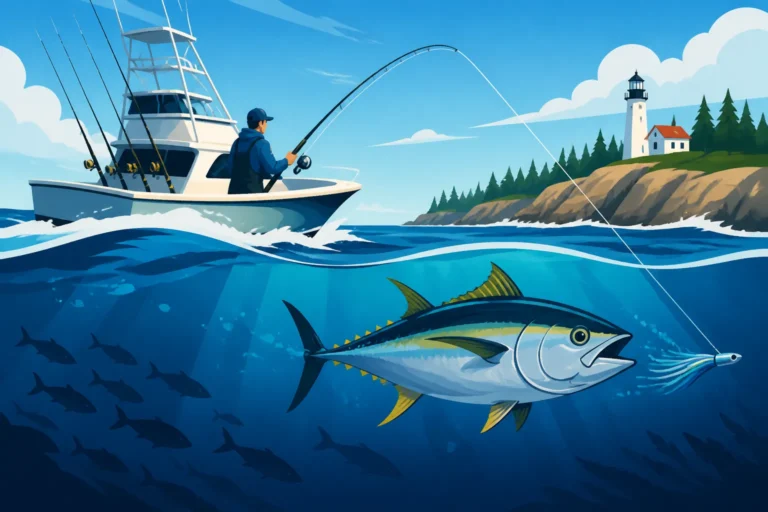
There's nothing quite like planning a fishing trip to your favorite Maine lake or river, only to see the weather forecast turn on you. We've all been there: you've got your gear ready, your bait picked out, and then a cold front looms on the horizon, threatening to shut down the bite entirely. It can be incredibly frustrating to feel like all your effort is for naught. But here's the good news: an approaching cold front isn't always the kiss of death for your fishing plans. In fact, if you understand what's happening beneath the surface, you can often capitalize on a period of heightened activity right before that front hits. This guide will walk you through the science, the signs, and the strategies to help you make the most of those fleeting, often overlooked, pre-front opportunities in Maine's diverse waters.
Understanding the Science Behind the Pre-Front Bite
It might seem counterintuitive, but many anglers swear by the pre-front bite. Before the drastic drop in temperature and the clearing skies that often accompany a cold front, there's usually a window where fish become surprisingly active. It’s not just a myth or an old wives' tale; there's real science at play here, primarily driven by changes in atmospheric pressure and feeding instincts.
Why Fish Get Hyperactive Before a Front
Think about it from a fish's perspective. They don't have a weather app, but they are incredibly sensitive to their environment. As a cold front approaches, it often brings with it a period of unstable weather – maybe some clouds roll in, the wind picks up a bit, and sometimes there's a warm front preceding the cold one, leading to warmer water temperatures. This instability, particularly the shifting barometric pressure, signals to fish that a change is coming. Just like we might stock up on groceries before a big storm, fish often go on a feeding frenzy to fuel up before conditions get tough. They know instinctively that once the front passes, the water might get colder, their metabolism will slow, and food might become scarcer or harder to find. It's a prime opportunity for them to gorge themselves.
This instinctual drive to feed heavily before adverse conditions is a survival mechanism. They need to store energy to sustain themselves through the post-front lull, which can see them become sluggish and less willing to chase prey. Recognizing this window is key to a successful outing.
The Role of Barometric Pressure
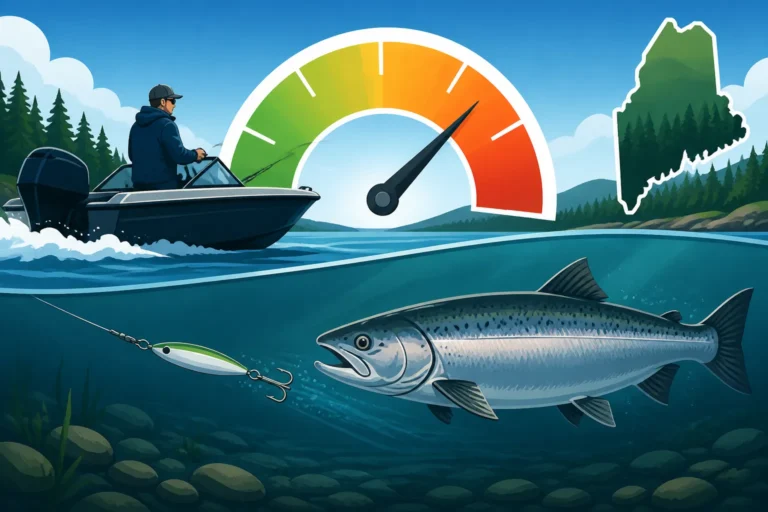
The single most crucial factor influencing the pre-front bite is barometric pressure. As a cold front approaches, the atmospheric pressure typically falls. This drop in pressure is often what triggers the fish's feeding spree. Fish have a lateral line system, a sensory organ that detects vibrations and pressure changes in the water. They can feel these shifts in pressure, and it affects their swim bladders, which are gas-filled organs that help them maintain buoyancy. A falling barometer makes their swim bladder expand slightly, making them feel a bit more "buoyant" and, in turn, often more comfortable at shallower depths and more active.
Once the front passes and the high-pressure system settles in, the opposite happens. The pressure rises, compressing their swim bladders, making them feel less buoyant and often pushing them deeper where the pressure is more consistent. This is a big reason why fishing often gets tough after a front. Understanding how these changes affect fish is a game-changer. You can delve deeper into this phenomenon by reading our guide on How Barometric Pressure Affects Fish Behavior.
How Cloud Cover and Wind Influence Behavior
Beyond barometric pressure, other atmospheric changes associated with an approaching cold front also play a role. Increased cloud cover, for instance, can be beneficial. It reduces light penetration into the water, which makes fish feel more secure and less exposed to predators. This often brings them out of deeper cover and makes them more willing to chase prey in shallower areas. Overcast conditions also make it harder for prey to spot predators, increasing the efficiency of a fish's hunt.
Wind can also be a double-edged sword, but before a front, a steady breeze can be your friend. It creates a chop on the water's surface, further diffusing light and breaking up the water column, making fish feel safer. Wind also pushes baitfish and other forage into specific areas, such as wind-blown points or shorelines, concentrating the food source and, consequently, the predatory fish. It’s a good idea to know How Wind Affects Lake Fishing to leverage this. However, if the wind becomes too strong, it can make boat control difficult and muddy up the water too much, which can make fishing challenging.
Identifying the Signs of an Approaching Cold Front in Maine
Knowing that fish get active before a front is one thing, but knowing when that window is open is another. Maine's weather can be notoriously fickle, shifting from sunny skies to stormy conditions in a blink. Learning to read the subtle cues the environment gives you can give you a significant advantage.
Reading the Sky and Weather Patterns
One of the first things I always do before heading out is simply look up. An approaching cold front often announces itself with a distinct change in the sky. You might notice the clouds starting to build and thicken, often moving from wispy cirrus clouds to more substantial altostratus or nimbostratus clouds that cover the entire sky. The air might feel heavier, and you might experience a noticeable increase in humidity. Sometimes, a gentle rain or drizzle precedes the main event. Keep an eye on the wind direction, too. Often, a shift in wind direction, say from the south to the west or northwest, signals a change in weather patterns and the imminent arrival of a cold front.
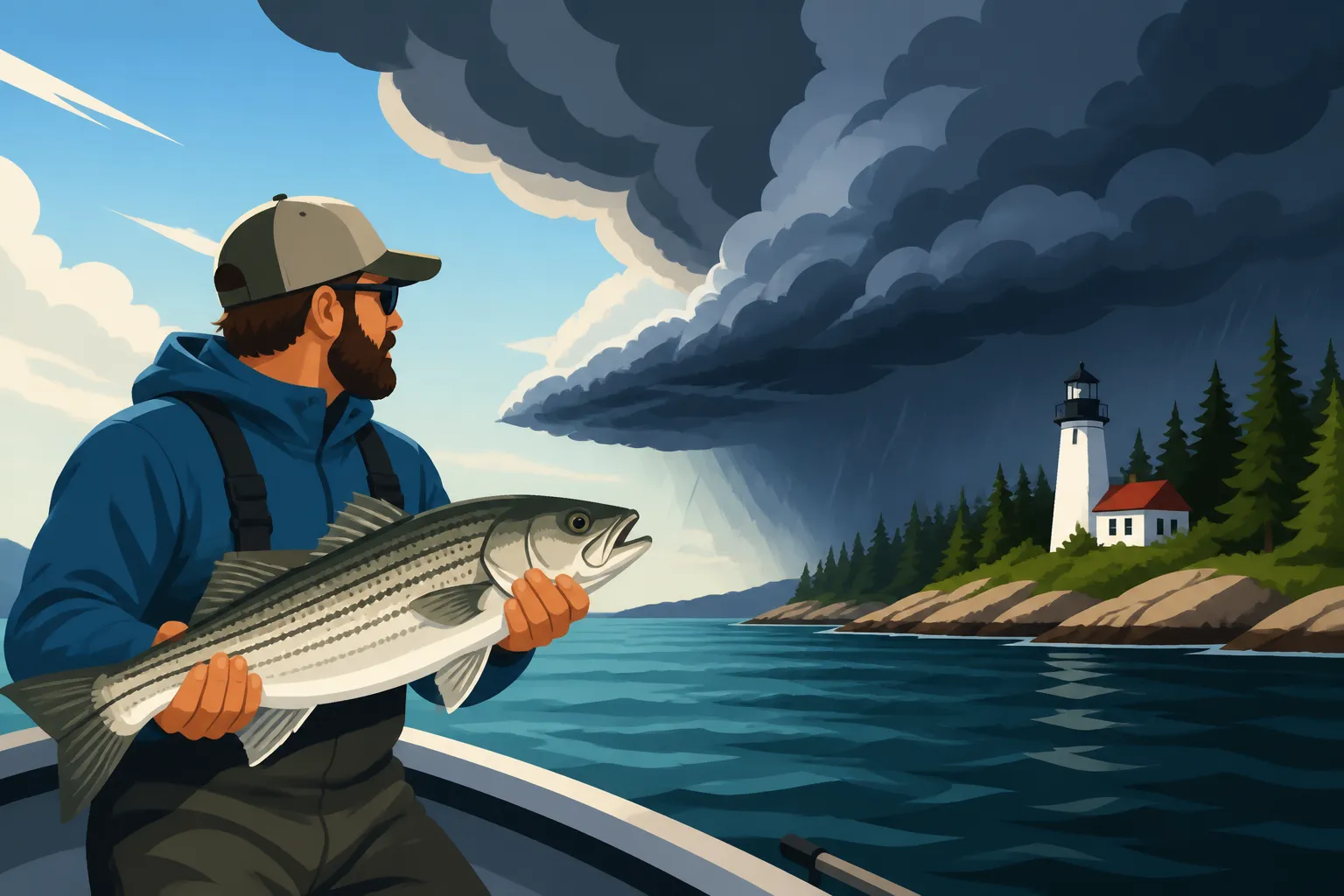
The period just before a heavy thunderstorm, which is often a precursor to a cold front passing through, can be absolutely electric. The air gets heavy, the barometer plummets, and fish go into a feeding frenzy. However, always prioritize safety; a few fish aren't worth risking a lightning strike or getting caught in a sudden squall on a large lake.
Local Forecasts vs. Angler's Intuition
While modern weather apps and forecasts are incredibly helpful, they don't always capture the nuances of how a front will impact localized fishing conditions. I always check the forecast for the general timing of a front, but I also rely heavily on my own observations once I'm out on the water. Pay attention to how the light changes, the feel of the air, and the behavior of local wildlife – sometimes birds or insects react to impending weather changes, and those cues can be valuable.
Combine the scientific predictions with your angler's intuition. If the forecast says a cold front is coming in 12-24 hours and you're seeing those tell-tale cloud buildups and feeling the pressure drop, that's your cue to get serious about fishing. This is a critical period that might only last a few hours, so you need to be ready to capitalize on it. This also ties into understanding the Best Time of Year to Fish in Maine as fronts impact different seasons differently.
Subtle Changes in Water and Air
Beyond the sky, pay attention to the water itself. Before a front, you might notice subtle changes. The water temperature might actually tick up slightly if a warm front precedes the cold front, or if a brief period of warmer, humid air pushes through. This can stimulate baitfish activity, which in turn stirs up the predators. You might also notice increased insect activity around the water, as many insects are sensitive to atmospheric pressure changes.
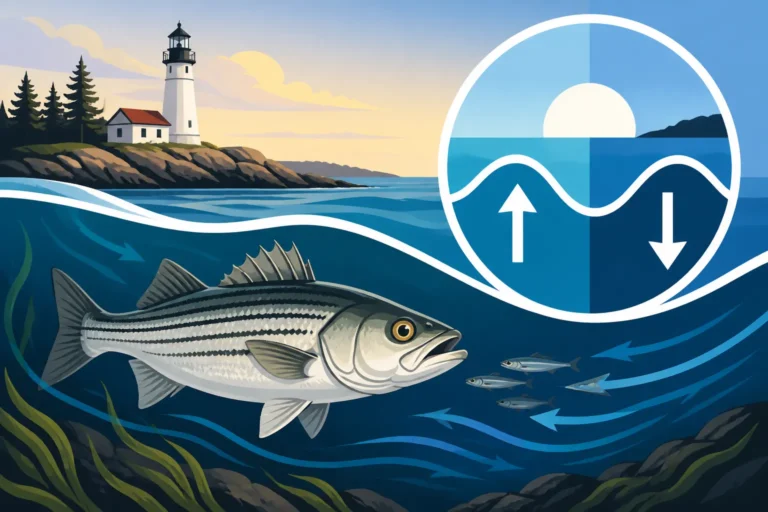
For those fishing rivers or tidal waters, pay attention to current changes that might be subtle. Sometimes the influx of water from pre-frontal rains can change clarity or flow, which can affect where fish position themselves. Even the color of the water can shift slightly. These small details, when combined, paint a clearer picture of what's happening and confirm that "pre-front window" is open for business.
Tactical Approaches for Pre-Front Fishing Success
Once you've identified that sweet spot just before a cold front descends on Maine, it's time to adjust your game plan. What worked yesterday might not work today, especially when fish are in a hyperactive feeding mode. This is where subtle adjustments to your lure, presentation, and location can make all the difference.
Adjusting Your Lure and Bait Choices
When fish are actively feeding before a front, they're often less cautious and more willing to strike at a wider variety of offerings. This is a great time to experiment with more aggressive presentations and slightly larger baits. If you're typically using subtle jigs, consider switching to crankbaits or spinnerbaits that create more vibration and flash. Topwater lures can be incredibly effective during this window, especially for bass, as fish are often willing to come up for a noisy meal. Don't be afraid to throw something big and bold.
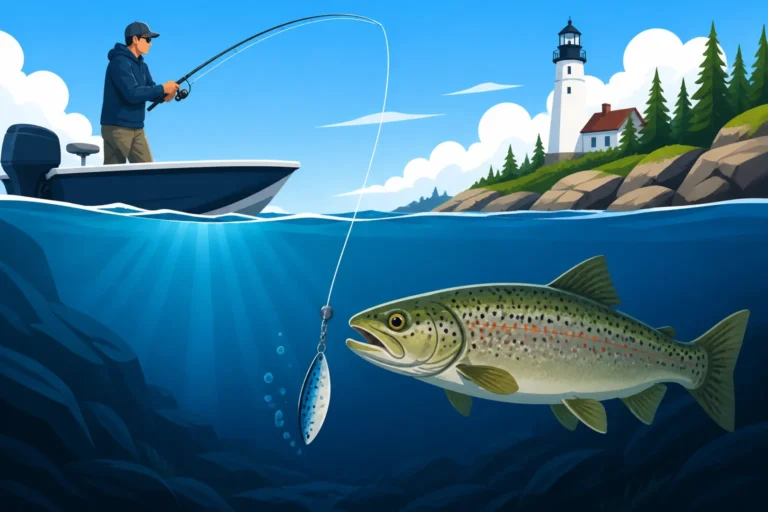
For species like landlocked salmon or lake trout (togue), which are common in Maine's deeper lakes, this might mean increasing your trolling speed slightly or using larger spoons and plugs that imitate fleeing baitfish. If you're after brook trout in streams, a larger dry fly or a more aggressive streamer might get their attention. Check out our guides on Best Bait for Landlocked Salmon or Best Lures for Smallmouth Bass in Maine for specific ideas, but always remember to think "aggressive" during this pre-front window.
Adapting Your Presentation and Retrieve
With fish in an aggressive mood, your retrieve speed and presentation should match their heightened activity. This isn't the time for slow, methodical retrieves. Speed up your retrieve, add more erratic jerks and pauses, and try to trigger reaction strikes. Think about how a baitfish would behave if it sensed a storm coming – frantic, darting movements to escape predators. Mimic that.
If you're jigging, make your jigs dance more vigorously. For crankbaits, try a faster, stop-and-go retrieve that makes the lure appear injured or panicked. You want to provoke a chase. Don't be afraid to work cover more aggressively too. Cast right into those brush piles, over submerged timber, or along rocky ledges, knowing that fish are likely nearby and ready to ambush. The key is to grab their attention and trigger that aggressive, pre-front feeding instinct.
Finding the Right Depth and Structure
While fish generally become more active and willing to move before a front, their location can still be tied to certain structures or depths. Often, they will push into shallower water, particularly if there's increased cloud cover or wind chop, as discussed earlier. Look for areas where baitfish are congregating or where the wind is pushing food sources. This could be wind-blown points, shallow flats adjacent to deeper water, or along weed lines.
In larger lakes, fish might still relate to drop-offs, but they'll often be found higher in the water column or closer to the lip of the structure than they would on a high-pressure day. Don't forget to pay attention to Reading Water Temperature for Maine Trout, as any slight warming before a front can draw them into preferred thermal zones, especially in transition areas. If you're fishing a new spot, a good fish finder can help you quickly locate these active fish.
Here's a quick comparison of fishing strategies before and after a cold front:
| Factor | Before a Cold Front | After a Cold Front |
|---|---|---|
| Barometric Pressure | Falling, Low | Rising, High |
| Fish Activity | High, Aggressive Feeding | Low, Lethargic, Tight-lipped |
| Lure/Bait Choice | Larger, flashier, noisier lures; live bait | Smaller, subtler presentations; natural bait |
| Retrieve Speed | Faster, erratic, reaction strikes | Slower, methodical, finesse |
| Target Depths | Shallower, near cover, wind-blown areas | Deeper, tight to bottom, dense cover |
| Water Clarity | Variable, often slightly stained | Usually clearer, colder |
| Prime Window | Hours leading up to front's arrival | First 24-48 hours often very slow |
Gear and Preparation for the Changing Conditions
Maine weather is unpredictable, and an approaching cold front is a prime example of why being prepared is paramount. You need the right gear not only for fishing effectively but also for staying safe and comfortable when conditions inevitably shift.
Essential Equipment for Variable Weather
When chasing that pre-front bite, you'll want versatile gear. I always bring a range of lures, from topwaters to deep-diving crankbaits, because you might need to adjust quickly if the front arrives sooner than expected or if fish are holding at different depths. For rods and reels, having a couple of different setups can be beneficial – perhaps one for casting aggressive lures and another for a more subtle finesse approach if the bite suddenly slows.
Beyond your tackle, consider essential tools. A reliable pair of polarized sunglasses is a must to cut glare and spot fish or structure even under changing light. A good pair of pliers for hook removal, a net to land those aggressive fish, and a decent tackle bag to keep everything organized are all important. If you need to stock up, check out the vast selection on Amazon for everything from tackle boxes to specialized fishing tools.
Layering Up for Comfort
Even if the weather feels mild before the front, the air can change rapidly, and temperatures can plummet once the front passes. Layering your clothing is not just a suggestion; it's a necessity for comfort and safety in Maine. Start with a moisture-wicking base layer to keep sweat away from your skin. Add an insulating middle layer, like a fleece or wool, for warmth. Finally, a waterproof and windproof outer shell is crucial to protect you from sudden rain, sleet, or biting winds.
You'll be glad you followed Best Layering Tips for Cold Weather Fishing when that crisp, post-front air settles in. Don't forget warm socks, waterproof boots, and a hat – you lose a significant amount of body heat from your head. Gloves can also be invaluable, especially if you're handling cold, wet fish or gear.
Safety First When the Weather Turns
The excitement of a hot bite can sometimes overshadow safety concerns, but an approaching cold front often brings potentially dangerous conditions. Always keep an eye on the sky for rapidly developing storms, especially thunderstorms. If you hear thunder, it's time to head for shore or seek safe shelter immediately, even if the fishing is epic. Lightning is no joke.
If you're on a boat, ensure all your safety equipment is in good working order: life jackets for everyone on board (and worn, especially if conditions are choppy), flares, a whistle, a first-aid kit, and a fully charged cell phone. Inform someone of your float plan – where you're going and when you expect to return. Maine's waters can get rough quickly, and cold water immersion is a serious risk year-round. Being prepared and cautious allows you to enjoy that thrilling pre-front bite without unnecessary risks. Remember, fishing is supposed to be fun, and coming home safely is always the most important part of any trip.
Disclaimer
This article is for general informational purposes only and does not constitute professional advice. Laws, prices and regulations vary by location and change over time. Consult a qualified professional for guidance on your specific situation.