How to Fish Deep Water for Summer Trout
Summer in Maine is absolutely glorious, but for us dedicated anglers, those long, hot days can sometimes feel like a real challenge when it comes to catching trout. When the sun beats down and the surface waters warm up, our beloved brookies, salmon, and togue often retreat to the cooler, deeper sanctuaries of our lakes and ponds, leaving many of us scratching our heads. If you've ever felt that frustration of hitting your usual spots only to come up empty, this guide is for you. We're going to dive deep into exactly how to find, target, and successfully fish for those elusive trout when they've gone deep during the summer months in Maine.
Understanding Why Trout Go Deep in Summer
It's not that the trout vanish; they just get a little shy and selective when the mercury rises. Understanding their motivation is the first step to outsmarting them. During the summer, the surface waters of our beautiful Maine lakes, like Sebago Lake or Moosehead Lake, absorb a lot of heat. Trout, especially cold-water species like brook trout, landlocked salmon, and lake trout (which we fondly call togue up here), are physiologically stressed by warmer water temperatures. They thrive in specific temperature ranges, typically in the 50s and low 60s Fahrenheit.
The Thermal Stratification Phenomenon
When a lake warms up, it often experiences something called thermal stratification. Imagine the lake forming distinct layers, much like a layered cake. The top layer, the epilimnion, is warm and has plenty of oxygen but can be too hot for trout. Below that is the thermocline, a transitional zone where the temperature drops rapidly. And finally, the hypolimnion, the deepest layer, remains cold and stable, often holding the ideal temperatures for trout. The trick is, this deepest layer might have the right temperature, but sometimes oxygen levels can become depleted, especially in smaller, shallower lakes. Trout will seek out the "sweet spot" where the temperature is just right and there's enough dissolved oxygen to keep them comfortable and active. This often means they'll be hanging out along the thermocline or just below it, near structure that offers shelter and ambush points.
Metabolic Slowdown and Safety
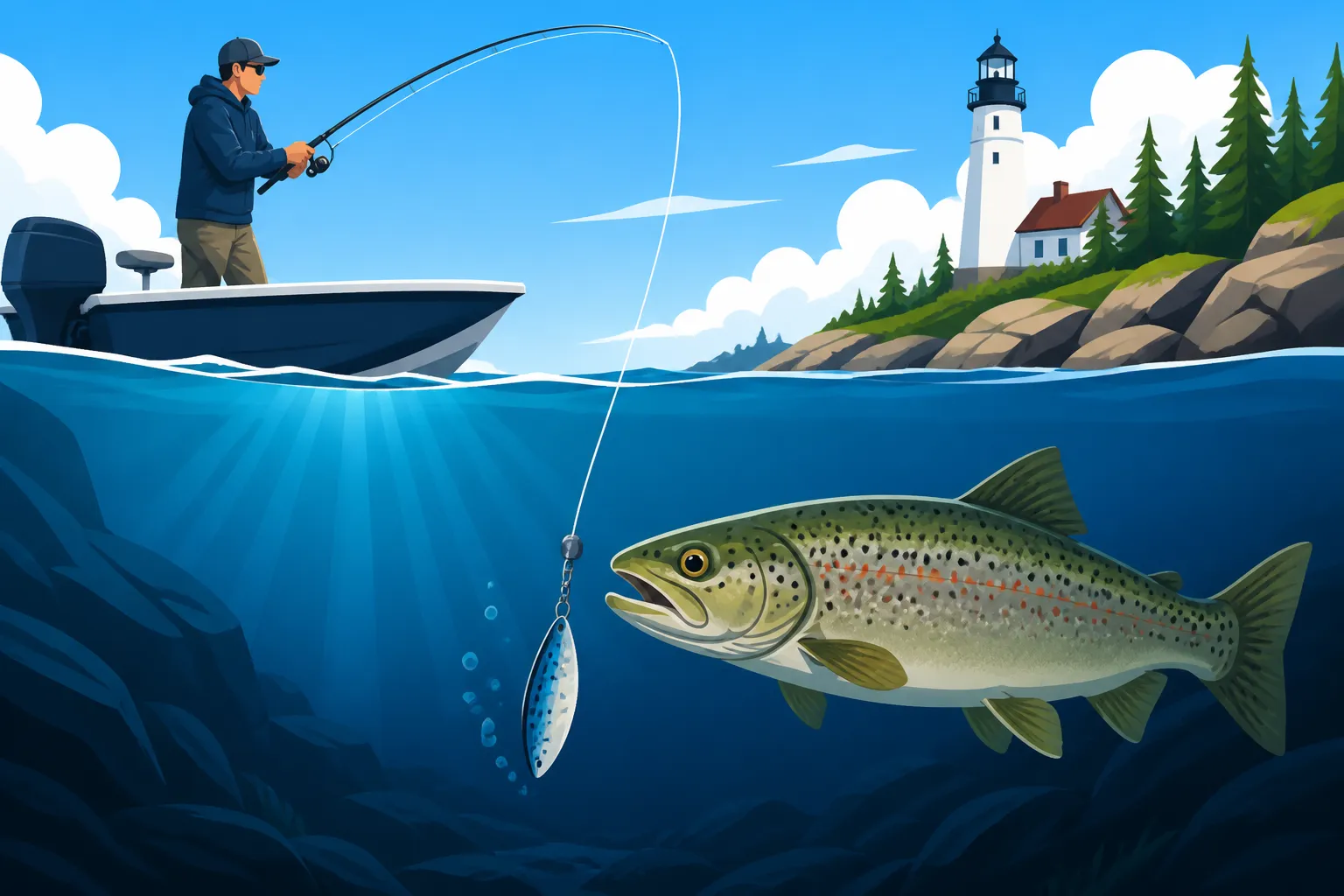
Another reason trout go deep is a general slowdown in their metabolism. When water temperatures are outside their comfort zone, fish become less active, conserving energy. They're still feeding, but perhaps less aggressively and during specific, cooler periods, like early morning or late evening. Furthermore, deeper water provides a sense of security from predators, both avian and terrestrial, as well as from the glare of the bright summer sun. It's their safe haven where they can relax, digest, and wait for better conditions. Our job as anglers is to get our offerings down to their comfort zone, enticing them with presentations that mimic their natural prey in these deeper environments.
Essential Gear for Deep Water Summer Trout Fishing
Successfully targeting deep-water trout requires a bit of specialized gear beyond your standard spin-cast setup. While you can certainly make do with some adjustments, having the right tools for the job will significantly increase your success rate and reduce frustration.
Rods, Reels, and Line Selection
For deep water trolling, which is often the most effective method, you’ll want a rod that can handle the stress of heavy lines and sometimes substantial fish. A medium to medium-heavy action trolling rod, typically between 7 to 9 feet, is a solid choice. This length provides good leverage and shock absorption. Pair this with a sturdy baitcasting reel or a line counter reel. Line counter reels are incredibly useful because they tell you exactly how much line you have out, which is crucial for replicating successful depths once you find them.
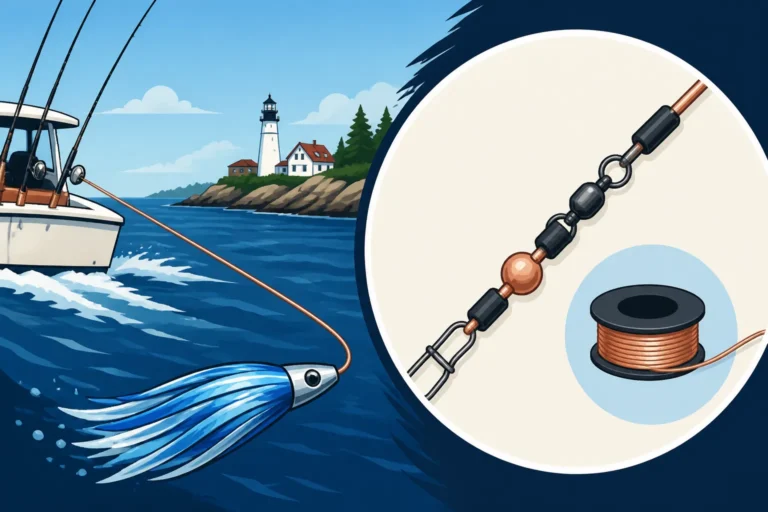
When it comes to line, braided line is a fantastic choice as your main backing due to its minimal stretch and high strength-to-diameter ratio. However, for the business end, you'll want to add a fluorocarbon leader. Fluorocarbon is nearly invisible underwater, which can be a game-changer when fish are finicky in clear, deep water. You'll also need specialized lines to get your lures down, such as lead core line or copper line. Lead core line is braided nylon with a lead core, designed to sink a specific depth per color segment (usually 10 yards). Copper line is a solid copper wire that sinks even faster than lead core and is excellent for really getting down to the abyss. You can often find a good selection of these specialized lines on Amazon, ready to be spooled onto your reels. For specific recommendations, check out our guide on Best Rods for Maine Lake Trolling.
Downriggers, Dipsy Divers, and Planer Boards
These are the tools that truly unlock the deep-water world.
- Downriggers: These are perhaps the most effective way to precisely control your depth. A downrigger uses a heavy lead ball (the cannonball) attached to a cable, which is then lowered to a specific depth. Your fishing line, with its lure, is attached to the downrigger cable with a release clip. When a fish strikes, the line pops free from the clip, allowing you to fight the fish without the resistance of the heavy cannonball. Downriggers allow you to fish multiple lines at precise depths, making them indispensable for pinpointing where the fish are holding.
- Dipsy Divers (or similar diving planers): These are disc-shaped devices that attach to your main line. As you troll, they dive, carrying your lure down with them. The depth they achieve depends on their size, the amount of line you let out, and your trolling speed. They can also be set to plane out to the side, helping spread out your lines and cover more water without tangling.
- Planer Boards: While not strictly for deep water, planer boards are excellent for spreading out multiple lines, especially when you're also using lead core or copper line to get depth. They pull your lines out to the side of the boat, preventing tangles and allowing you to cover a wider swath of water. This is particularly useful in larger bodies of water like Lake Sebago or the Rangeley Lakes.
Combining these tools allows for a highly versatile and effective deep-water presentation. You can find everything from entry-level planer boards to advanced downrigger setups on Amazon, making it easy to equip yourself for your next deep-water adventure. For those looking to use downriggers, learning How to Use a Downrigger for Lake Trout is a fantastic next step.
Effective Techniques for Reaching Deep-Dwelling Trout
Getting your bait or lure down to where the trout are, and presenting it effectively, is key. This isn't your grandma's bobber fishing; we're talking about specific strategies to trick these deep-water denizens.
Trolling with Lead Core or Copper Line
Trolling is hands down one of the most productive ways to cover water and present lures at precise depths when trout are deep.
- Lead Core Line: This line is colored in 10-yard segments (usually six colors per spool). Each color typically sinks about 5-7 feet at a trolling speed of 2-3 mph, though this can vary with lure size and current. So, if you want to fish at 30 feet, you might let out 5-6 colors. The beauty of lead core is its simplicity; no weights or diving devices are needed on your main line. You simply tie on a fluorocarbon leader (around 20-50 feet) and then your lure. It's excellent for those broad searches. For more detail, check out our guide on Trolling Techniques for Maine Lakes.
- Copper Line: Copper line sinks faster than lead core, making it ideal for reaching extreme depths with less line out. It's often used when targeting very deep lake trout (togue) or large landlocked salmon that are holding close to the bottom. Copper setups usually require a beefier rod and reel because the line itself is heavier and less forgiving. The lack of stretch can make it challenging to detect subtle bites, but it's incredibly effective when you need to get down to 60-100 feet or more.
When trolling with either, vary your speed and direction. Subtle changes in boat speed can make your lure dart or slow, often triggering a strike. Make wide turns; the lines on the inside of the turn will sink, and those on the outside will rise, giving your lures varied depths. This can often be the magic trick that elicits a bite.
Jigging Deep Water
While trolling covers broad areas, jigging allows for a more vertical, direct approach, especially when you've pinpointed a school of fish or specific structure using your fish finder.
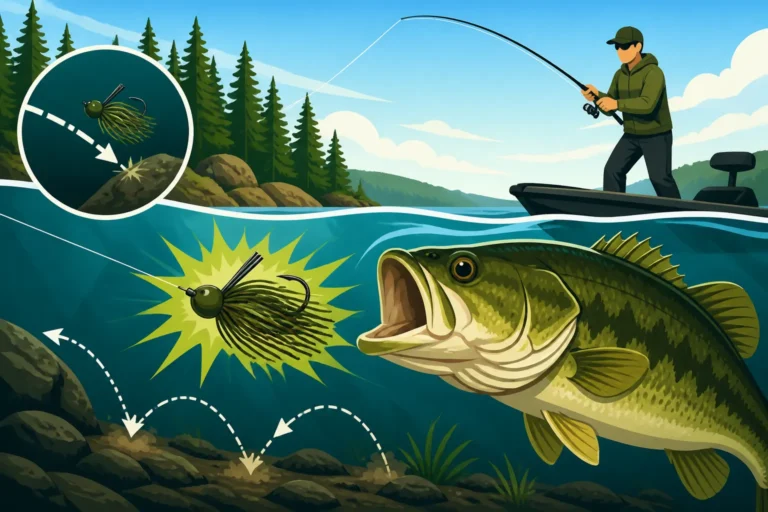
- Vertical Jigging: This technique involves dropping a heavy jig directly down to the fish. Once at depth, you use sharp upward jerks of the rod to make the jig "dance" and then let it flutter back down on a semi-slack line. The strike often happens on the fall, so pay close attention. Popular jigs include heavy spoons, blade baits, or bucktail jigs, often tipped with a piece of bait like a smelt or a shiner. This is particularly effective for togue and landlocked salmon that are actively feeding on baitfish schools.
- Drifting and Jigging: If there's a slight breeze or current, you can drift over promising areas while jigging. This combines covering some ground with the direct presentation of jigging. This method can be incredibly effective when combined with careful monitoring of your fish finder to stay on top of schools. For those targeting togue, learning specific Jigging Techniques for Togue can really boost your summer success.
Still Fishing with Live Bait
Don't underestimate the power of live bait, even in deep water. If you find a promising deep hole, drop-off, or submerged island where fish are congregating, anchoring up or using your trolling motor to hold position and still fishing with live bait can be deadly.
- Rigging: A standard egg sinker rig or a drop-shot rig works well. Use enough weight to quickly get your bait to the desired depth. A fluorocarbon leader is highly recommended for stealth. Present live bait like shiners, small suckers, or even large minnows just off the bottom or suspended in the thermocline layer where you've seen fish on your sonar.
- Patience is Key: Still fishing requires patience, but it can pay off with larger, less aggressive fish that might not chase a fast-moving lure. The natural action and scent of live bait are often irresistible to hungry trout.
Locating Deep Water Trout Structures
Finding the fish is half the battle, and in deep water, this means understanding underwater topography and using your electronics effectively.
Reading Your Fish Finder
Your fish finder is your best friend when hunting deep-water trout. It's no longer just a fancy depth gauge; it's a window into the underwater world.
- Thermocline: Learn to identify the thermocline on your sonar screen. It often appears as a distinct band or fuzzy line where the water density changes. This is typically where you'll find baitfish and, consequently, hungry trout.
- Structure: Look for submerged humps, ledges, drop-offs, underwater points, and old river channels. These are natural congregating areas for baitfish and predators alike. Trout will often relate to the edges of these structures, using them as ambush points.
- Bait Balls: Keep an eye out for schools of baitfish. Where there's bait, there are usually bigger fish close by. Trout will often cruise the edges of these bait balls, picking off stragglers. Many modern fish finders, even those available on Amazon, come with advanced features that allow you to clearly mark fish, bait, and structure. Understanding How to Read a Fish Finder on Maine Lakes is a critical skill for any serious angler.
Water Temperature and Depth Charts
While your fish finder will show you the real-time thermocline, having a good understanding of a lake's general characteristics can give you a head start.
- Temperature Gauge: A simple boat-mounted water temperature gauge or even a handheld thermometer on a line can help you verify the surface temperature and give you clues about how deep the cold water might be. Remember, the goal is to get your lure into that optimal temperature range for trout. Our guide on Reading Water Temperature for Maine Trout provides even more detail on this often-overlooked factor.
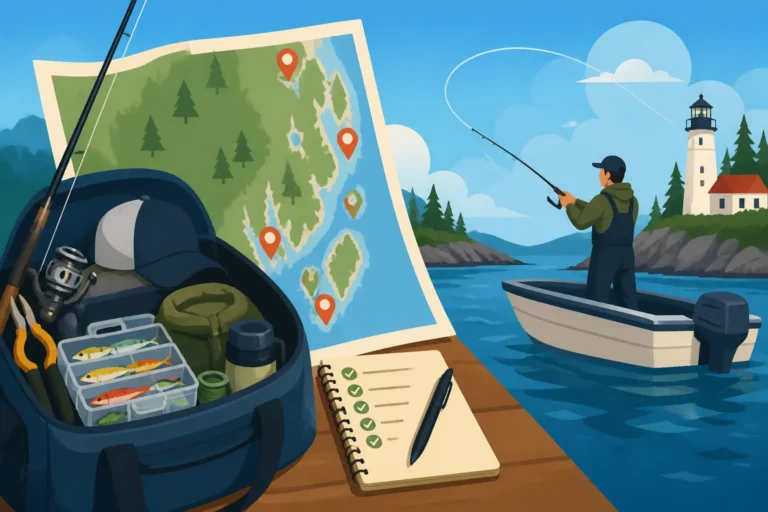
- Topographical Maps: Before you even launch, study detailed topographical maps of the lake you plan to fish. These maps, often called bathymetric charts, show underwater contours, depths, and structures. They can reveal hidden humps, steep drop-offs, and deep basins that would be impossible to find otherwise. Mark potential hotspots on your map and create a plan for how you'll approach them. Knowing How to Find Drop-Offs on a New Lake from these maps can save you hours on the water.
Time of Day and Weather Considerations
Even in deep water, external factors can influence trout behavior.
- Early Morning/Late Evening: While trout are deep during the heat of the day, they might move slightly shallower or become more active in the low light conditions of dawn and dusk. This is often when they're most aggressively feeding.
- Overcast Days: Overcast or rainy days can also improve deep-water fishing. The reduced light penetration makes the fish feel more comfortable moving a bit higher in the water column or feeding more aggressively at their usual deep haunts.
- Barometric Pressure: A stable or rising barometer often means more active fish, while a rapidly falling barometer (indicating an approaching storm) can make them lethargic. While you can't control the weather, being aware of these patterns can help you adjust your expectations and techniques.
Lure Selection for Deep Water Trout
Choosing the right lure is just as important as getting it to the right depth. You want something that imitates the forage fish found in Maine's deep, cold waters, like smelt, shiners, or even smaller perch.
Spoons
Spoons are classic deep-water lures for a reason. Their wobbling, fluttering action mimics an injured baitfish, which is irresistible to predatory trout.
- Common Types: Favorites include Dardevle, Little Cleo, and Sutton spoons. Heavier spoons are excellent for getting down quickly.
- Colors: Silver, gold, copper, and blue/silver combinations are often top performers, especially on bright days. On darker days or in stained water, brighter colors like chartreuse or orange can sometimes trigger a strike.
- Presentation: Troll them behind lead core, copper, or a downrigger. Their action is highly dependent on trolling speed, so experiment until you find the sweet spot where the spoon has an enticing wobble without spinning erratically. You can find a vast selection of trolling spoons on Amazon, from classic designs to newer, specialized options.
Stickbaits and Plugs
These lures are designed to imitate larger baitfish and can be deadly for bigger salmon and togue.
- Deep-Diving Models: Look for models specifically designed for deep diving. These often have a larger, more aggressive lip to help them get down. Brands like Rapala (Deep Husky Jerk, Down Deep Rattlin' Fat Rap) and Rebel have excellent deep-diving options.
- Colors and Patterns: Natural baitfish patterns (smelt, perch, shiner) are generally most effective. Trolling these behind downriggers or weighted lines can reach significant depths. Varying your trolling speed and incorporating subtle jerks of the rod can make these lures appear more lifelike.
Flasher/Dodger Combinations
For anglers really committed to deep-water trolling, flashers and dodgers can be incredibly effective, especially for landlocked salmon and lake trout.
- How They Work: These devices don't have hooks; instead, they're designed to create a lot of flash, vibration, and erratic movement in the water. They act as an attractor, drawing fish in from a distance. Your actual lure (often a small spoon, fly, or baited rig) is then trailed behind the flasher, typically on a short leader.
- Benefits: The flash and vibration can mimic a school of baitfish or a larger predator chasing prey, triggering a strong feeding response from nearby trout. They are almost exclusively used with downriggers or heavy weighted lines due to their inherent drag.
| Lure Type | Best for Depth | Primary Action | Key Benefit | Typical Species |
|---|---|---|---|---|
| Heavy Spoons | Moderate to Deep | Wobbling, Fluttering | Imitates injured baitfish | Salmon, Togue, Brook Trout |
| Deep-Diving Plugs | Moderate to Deep | Swimming, Diving | Mimics larger baitfish | Salmon, Togue |
| Jigs (vertical) | Very Deep | Darting, Falling | Direct, active presentation | Togue, Salmon |
| Live Bait Rigs | Any Depth (Still fishing) | Natural movement, Scent | Irresistible to less active fish | All Trout Species |
| Flasher/Dodger Combos | Deep to Very Deep | Flash, Vibration | Attracts fish from afar | Salmon, Togue |
Remember, no matter the lure, always check its action at the boat before deploying. Make sure it's swimming correctly and not spinning or fouled. Even a slight imperfection can drastically reduce its effectiveness when targeting finicky deep-water trout.
Safety and Environmental Considerations
Fishing deep water, especially from a boat, comes with its own set of responsibilities and safety precautions. Always prioritize safety for yourself and your companions.
Boating Safety
- Life Jackets: Ensure everyone on board has a properly fitted life jacket. It's not just a good idea; it's the law in many situations.
- Weather Monitoring: Large Maine lakes can become dangerously choppy very quickly. Always check the weather forecast before heading out and keep an eye on changing conditions. If dark clouds roll in or the wind picks up, don't hesitate to head back to shore.
- Navigation: When fishing unfamiliar deep waters, be aware of submerged hazards. Even with a good fish finder, rocks and shallow ledges can come up quickly. Have up-to-date nautical charts or GPS maps for the body of water you're on.
- Tell Someone: Always let someone know where you're going and when you expect to return. This is especially crucial when fishing remote areas or heading out alone.
Catch and Release Best Practices
While summer trout fishing can be rewarding, the act of bringing fish up from deep water can be stressful for them due to pressure changes.
- Barotrauma: Fish caught from significant depths can suffer from barotrauma, where gases expand in their swim bladder. This can cause them to float on the surface, unable to swim back down.
- Minimizing Stress: If you plan to release fish, bring them up slowly to allow them to decompress gradually. Have a dehooking tool ready to quickly remove hooks. Avoid excessive handling; if possible, dehook the fish while it's still in the water.
- Fizzing: For fish suffering from severe barotrauma, a technique called "fizzing" (venting the swim bladder with a needle) can sometimes help, but it requires practice and should only be done if you know what you're doing. It's often best to keep fish that are severely impacted rather than releasing them to die. For more information, our guide on Catch and Release Best Practices in Maine offers excellent advice.
Respecting Maine's Waters
- Lead Ban: Remember, Maine has regulations regarding lead fishing tackle to protect loons and other wildlife. Be sure to understand the Maine Lead Jig Fishing Ban and use lead-free alternatives.
- Clean Up: Always pack out everything you pack in. Leave no trace. Our pristine Maine waters are a precious resource; let's keep them that way for generations of anglers to come.
- Regulations: Always check the latest edition of the Maine fishing regulations for the specific body of water you're fishing. Rules on bag limits, length limits, and special regulations can vary significantly from one lake to another. Our Maine Fishing Regulations Explained guide is a great starting point for understanding these critical rules.
By combining the right gear, understanding trout behavior, mastering deep-water techniques, and always prioritizing safety and conservation, you'll be well on your way to enjoying successful and rewarding summer trout fishing adventures in the deep waters of Maine.
Disclaimer
This article is for general informational purposes only and does not constitute professional advice. Laws, prices and regulations vary by location and change over time. Consult a qualified professional for guidance on your specific situation.