Best Rods for Maine Lake Trolling
There’s nothing quite like the excitement of a full-throttle strike when you’re trolling the vast, beautiful lakes of Maine. One minute, you’re enjoying the serene water, the next, your rod doubles over, and the reel screams a glorious song. But that magic moment can quickly turn to frustration if you’re using the wrong rod. Many anglers, myself included, have wrestled with rods that were too stiff to detect a subtle bite, too flimsy to fight a big togue, or simply too heavy to hold comfortably for hours on end. Choosing the right rod for Maine lake trolling can feel like a daunting task with all the options out there, but this comprehensive guide is here to untangle the confusion and help you select the perfect gear for success on our unique waters.
Understanding Maine Lake Trolling Demands
Trolling in Maine isn't a one-size-fits-all endeavor. The diverse environments and varied fish species demand a thoughtful approach to rod selection. What works wonders for surface-feeding salmon might fall short when you're trying to haul a deep-dwelling togue from the cold depths of a vast lake like Moosehead. It's crucial to understand the specific challenges and nuances before you even think about rod characteristics.
The Target Species in Maine Lakes
When we talk about trolling in Maine, we're primarily focused on three magnificent game fish: landlocked salmon, togue (lake trout), and brook trout. Each of these species presents a different challenge and calls for a slightly different approach in rod choice.
- Landlocked Salmon: These are often called the "poor man's Atlantic salmon" and for good reason—they are spirited fighters, known for their acrobatic jumps and powerful runs. They tend to be found in the upper water column in cooler seasons and early mornings, often chasing smelt. A salmon strike is typically aggressive, but their delicate mouths require a rod with enough flex to absorb the shock without tearing the hook free. You want a rod that can handle the initial burst but also maintain pressure during those thrilling aerial displays and dives. For more on these incredible fish, check out our guide on Landlocked Salmon Fishing in Maine.
- Togue (Lake Trout): In Maine, we affectionately call lake trout "togue," and these are the titans of our deep lakes. They are powerful, often much larger than salmon, and they spend most of their lives in the frigid depths. A togue strike can be a subtle tap on a deep rig or a solid thud. Once hooked, they perform long, bulldogging runs and deep dives, testing your tackle's endurance. For togue, you need a rod with serious backbone to bring them up from 60, 80, or even 100 feet down, yet with enough tip sensitivity to detect those often faint deepwater bites. Learn more about these formidable fish in our article on Lake Trout and Togue Fishing in Maine.
- Brook Trout: While often associated with streams, large brook trout are found in many of Maine's colder lakes and ponds, especially in the remote North Woods. They can be incredibly colorful and are a joy to catch. Trolling for brook trout might involve smaller lures or flies, often closer to the surface or in shallower sections. While they don't possess the sheer size of a togue, a large brook trout is still a strong fighter, especially in strong currents or when running for cover. A more moderate, sensitive rod is generally preferred here, allowing for lighter presentations and enjoyment of the fight. Our guide to Brook Trout Fishing in Maine dives deeper into targeting this state treasure.
Varying Depths and Water Conditions
The geology of Maine's lakes is incredibly diverse, from the vast, deep basins of Sebago Lake and Moosehead to the shallower, rock-strewn Belgrade Lakes. This variation in depth and underwater structure dictates how and where you'll troll, directly impacting your rod selection.
- Deep Water Trolling: When targeting togue or summer salmon that have retreated to cooler, deeper water, you'll be deploying specialized gear like lead core lines, copper lines, or downriggers. These setups involve significant weight and drag, which puts considerable stress on your rod. A rod designed for deep trolling needs to handle this constant load without feeling overloaded, maintaining its sensitivity to detect a strike amidst the heavy pull. Imagine trying to pull a 5-pound cannonball through the water with a flimsy ultralight rod – it's just not going to work.
- Shallow Water and Surface Trolling: In spring, fall, or during early mornings/late evenings, salmon and brook trout will often be found near the surface or in shallower areas, chasing baitfish. Here, you might be flatlining (trolling just the line and lure), using small planer boards, or even fly-fishing from a moving boat. These scenarios require lighter setups, rods that can cast well if needed, and offer excellent feedback for subtle takes. The fight is more direct, without the heavy line-weight dampening the experience.
- Calm vs. Choppy Water: Water conditions also play a role. On a calm, glassy morning, you might feel even the slightest tap on a sensitive rod. But when the wind kicks up and you're battling whitecaps on a large lake, a slightly stiffer rod with a more robust tip can help cut through the wave action, preventing false alarms and making it easier to maintain lure presentation. Conversely, too stiff a rod in choppy water can mask subtle bites, making it hard to differentiate between a fish and a wave pulling your lure.
Trolling Techniques and Gear
The method you employ to get your lure in front of the fish is intrinsically linked to the type of rod that will perform best. Maine anglers utilize a range of trolling techniques, each with its own specific rod requirements. Understanding these interactions is key to making an informed choice. Our comprehensive guide on Trolling Techniques for Maine Lakes offers an even deeper dive into these methods.
- Flatlining: This is the simplest form of trolling, where you let out a specific amount of line behind the boat, relying on the lure's action and the line's resistance to achieve depth. Rods for flatlining are typically lighter in power and more moderate in action, offering good sensitivity to feel the lure working and detect strikes. You're looking for a rod that can cast well if you need to position your lure, and that provides a fun fight with direct contact to the fish.
- Lead Core and Copper Lines: These specialized lines are designed to sink, allowing lures to reach greater depths without the use of additional weights on the leader. However, they are thick and heavy, adding significant drag. The rod must be able to handle the sheer weight of the line itself, plus the pull of the lure, without buckling under the strain. These rods often have a stout butt section for power but a softer tip to absorb the shock of a strike and cushion the heavy line.
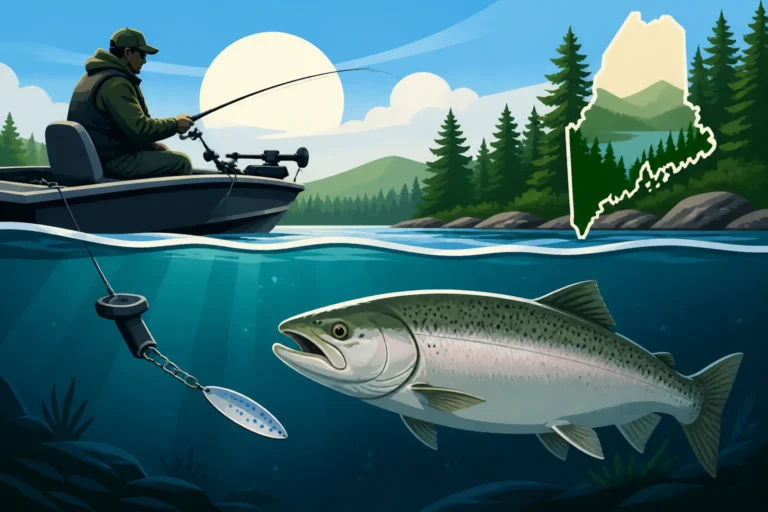
- Downriggers: Downriggers use a heavy cannonball to take your lure down to a precise depth. The fishing line is attached to a release clip, which pops open when a fish strikes. A downrigger rod needs to be relatively stiff to withstand the constant bend from the downrigger tension, yet still have enough flex to indicate a strike once the line releases. The action helps cushion the initial shock when the fish hits after the clip pops free. For detailed information on using these systems, check out How to Use a Downrigger for Lake Trout.
- Planer Boards: These devices are designed to spread your lines out to the sides of the boat, covering a wider swath of water and preventing tangles. Planer board rods are typically longer and stiffer, allowing you to run lines far from the boat and absorb the constant pull of the board. The added length provides leverage and helps keep multiple lines separated effectively.
Key Rod Characteristics for Trolling
Now that we've covered the "why," let's delve into the "what." Understanding the fundamental characteristics of a fishing rod is essential to making an informed decision for your Maine lake trolling adventures. These elements dictate how a rod performs under various conditions and with different fish.
Rod Length and Its Impact
The length of your trolling rod isn't just about how it feels in your hand; it significantly impacts lure presentation, line control, and fighting efficiency. Trolling rods can range anywhere from 6 feet to over 10 feet, each offering distinct advantages and disadvantages.
- Shorter Rods (6-7 feet): These rods are often preferred for smaller boats or when targeting species closer to the boat. They are more maneuverable, easier to store, and can offer a more direct, intimate feel with the fish during a fight. If you're running fewer lines or primarily flatlining in relatively close quarters, a shorter rod can be quite effective. They also tend to be less fatiguing to hold for extended periods, which is a real bonus on long days out on places like Sebago Lake.
- Medium Rods (7-8.5 feet): This is often the sweet spot for many Maine trolling applications. These lengths offer a good balance of line spread, fish-fighting leverage, and manageable handling. They're versatile enough for lead core, lighter downrigger setups, and flatlining alike. An 8-foot rod, for example, gives you enough reach to clear obstacles around the boat and spread multiple lines without being overly cumbersome.
- Longer Rods (9-10+ feet): Primarily used with planer boards or when you want to maximize your lure spread, these rods excel at keeping lines widely separated, reducing tangles, and allowing you to cover more water. The extra length also provides a wider, smoother arc when fighting a fish, helping to absorb powerful runs and jumps, especially important for large landlocked salmon or togue. However, they can be more challenging to manage in a smaller boat and require more storage space. When you're running a full spread for a salmon derby on Rangeley Lake, these longer rods become indispensable.
Rod Power: Light, Medium, Heavy
Rod power refers to the rod's lifting strength or resistance to bending under load. It's essentially how much force is required to bend the rod blank. This characteristic directly correlates with the line weights and lure weights the rod is designed to handle, as well as the size of the fish you're targeting.
- Light Power: Generally designed for lighter lines (4-8 lb test) and smaller lures, light power rods are highly sensitive. While not typically the primary choice for deep trolling heavy gear, a light power rod might be excellent for targeting smaller brook trout or early-season salmon with very light presentations.
- Medium-Light to Medium Power: This is a very common range for many Maine trolling applications, especially for landlocked salmon. These rods can handle 8-15 lb test lines and a good range of lures, offering a balance of sensitivity for detecting subtle bites and backbone for fighting average-sized salmon or smaller togue. They bend nicely under load, absorbing shock, which is crucial for not pulling hooks out of a salmon's softer mouth.
- Medium-Heavy to Heavy Power: When you're deploying lead core, copper, or downriggers for big togue in deep water, or if you're targeting trophy-sized salmon, medium-heavy or heavy power rods are a must. These rods are built for lines from 15 lb test and up, designed to manage the significant drag of sinking lines and the brute strength of larger fish. They provide the necessary leverage to apply pressure and winch a heavy fish from the depths without overstressing the rod or the angler. This power rating ensures the rod can handle both the weight of the gear and the fight of a strong fish simultaneously.
Rod Action: Fast, Moderate, Slow
Rod action describes where along the blank the rod bends when pressure is applied. It dictates how sensitive the rod is, how well it sets a hook, and how it handles a fighting fish.
- Fast Action: A fast-action rod bends mostly in the tip section. This provides excellent sensitivity for detecting light bites and allows for quick, powerful hook sets. For casting, it loads and unloads quickly, ideal for precise lure placement. While great for feeling subtle strikes, a very fast action rod can sometimes be too stiff for trolling, potentially pulling hooks on hard-charging fish, especially if you're not constantly adjusting drag.
- Moderate (or Medium) Action: These rods bend in the top half to two-thirds of the blank. Moderate action is often considered ideal for trolling because it offers a fantastic balance. It's sensitive enough to detect bites, yet flexible enough to absorb the shock of a strike and cushion the lunges of a fighting fish, reducing the chances of pulled hooks. The more parabolic bend helps maintain constant pressure on the fish throughout the fight, making it a comfortable choice for anglers who spend long hours with their rods in hand.
- Slow Action: A slow-action rod bends almost down into the butt section. These rods are incredibly flexible and forgiving, often used for casting very light lures or fly fishing. They provide maximum shock absorption, which can be useful for very soft-mouthed fish or extremely light lines. However, they typically lack the power for quick, decisive hook sets and can feel "mushy" when trying to control a large, powerful fish. They are rarely the primary choice for most Maine lake trolling applications, especially for salmon and togue.
Material and Construction
The material a rod is made from significantly influences its weight, sensitivity, durability, and cost. Modern fishing rods typically use graphite, fiberglass, or a composite of both.
- Graphite Rods: Graphite is known for its lightness and exceptional sensitivity. It transmits vibrations from the line and lure directly to your hand, allowing you to feel even the slightest tap or change in lure action. This sensitivity can be a huge advantage when trolling for fish that often strike subtly, like deepwater togue. Graphite rods also tend to be stiffer and offer a faster action. However, they can be more brittle than fiberglass and more prone to breaking if mishandled or high-sticked. Many high-performance trolling rods incorporate advanced graphite composites to achieve both strength and sensitivity.
- Fiberglass Rods: Fiberglass rods are celebrated for their incredible durability and flexibility. They are generally heavier and less sensitive than graphite, but their slower action and ability to absorb shock make them excellent for aggressive fish or heavier trolling setups. Fiberglass is very forgiving, which is why it's a popular choice for lead core or downrigger rods where constant bend and heavy loads are the norm. They're often a bit more affordable, too.
- Composite Rods: Many manufacturers combine graphite and fiberglass in composite rods to leverage the best qualities of both materials. You might find a rod with a graphite core for sensitivity and lightness, wrapped in fiberglass for durability and flex. This blend can offer a "best of both worlds" scenario, providing a versatile rod that stands up to the rigors of trolling in Maine's varied conditions. When you're browsing for rods, whether at a local tackle shop or online through retailers like Amazon, you'll find a wide array of options in all these material types, often with detailed descriptions of their construction.
Specialized Rods for Different Maine Trolling Scenarios
Now that we've broken down the core characteristics, let's explore how these come together to create specialized rods for the distinct trolling methods popular on Maine's lakes. Choosing the right tool for the specific job can truly elevate your fishing experience.
Flatlining and Surface Trolling Rods
When salmon or brook trout are active near the surface, perhaps chasing a smelt run in early spring or during prime evening hours, flatlining is a highly effective technique. These scenarios demand rods that offer a delicate touch yet have enough backbone to handle a spirited fight.
- Characteristics: For flatlining and surface trolling, look for rods in the 7 to 8.5-foot range with a medium-light to medium power and a moderate action. This combination allows for a nice, parabolic bend that absorbs the shock of a salmon's strike and subsequent jumps, preventing hooks from tearing free. The moderate action also provides excellent feel, so you can sense the lure's action and any subtle changes that might indicate a fish is investigating.
- Application: These rods are perfect for dragging small spoons, stickbaits, or even tandem flies just below the surface or in the upper water column. They should be light enough to hold comfortably, especially if you enjoy holding a rod for long periods, feeling for that telltale tug. They're also versatile enough to be used in conjunction with smaller planer boards or side planers to spread out your presentation.
Lead Core and Downrigger Rods
These heavy-duty techniques require rods that can endure constant strain and manage significant weight. Whether you're using weighted lines or a cannonball to reach the depths of Sebago Lake, your rod needs to be a workhorse.
- Characteristics: For lead core and downrigger applications, rods typically range from 7.5 to 9 feet in length, leaning towards medium-heavy to heavy power, and featuring a moderate to slow action. The moderate or slow action is crucial here; it allows the rod to absorb the constant pressure from the heavy line or downrigger cable without becoming overly stiff, which could lead to missed strikes as the fish might feel too much resistance. The robust power ensures the rod won't collapse under the weight and provides the necessary leverage to fight larger, deep-dwelling fish like togue. A soft tip is also beneficial to indicate a strike, even when the rest of the rod is under a heavy load.
- Application: These rods are built to handle the unique demands of deepwater trolling. When a downrigger clip releases, the rod needs to transition smoothly from being under immense tension to fighting a powerful fish. Similarly, lead core lines, while effective, are heavy and have less stretch than monofilament. A more forgiving rod action helps compensate for this, preventing jarring shocks to the fish and keeping the hook firmly planted. They are perfect for targeting deepwater togue with spoons or bait rigs, especially in summer when fish retreat to the coldest parts of the lake. Remember to check out Maine Open Water Line Limits to ensure you're compliant with how many lines you can run.
Planer Board Rods
Planer boards are fantastic for covering a wide area, especially on large, open bodies of water. They spread your lines out to the side of the boat, presenting lures to fish that might be spooked by the boat's presence.
- Characteristics: Planer board rods are generally longer, often 9 to 10 feet or more. This extra length helps position the line further from the boat and provides a longer lever arm, making it easier to manage the pull of the board. They typically have a medium to medium-heavy power to handle the drag of the board and a moderate action. The action should be flexible enough to allow the board to work naturally and to absorb strikes, but stiff enough to control the board effectively in varying water conditions. A rod with a soft tip but strong backbone is ideal, allowing you to see the strike on the tip but still have the power to reel in a fish from a distance.
- Application: These rods are indispensable for anglers who want to run a "full spread" of lures, perhaps targeting cruising salmon or active bass over weed beds. The length helps prevent tangles between lines and allows for precise adjustments of the board's position. When a fish hits on a board rod, you'll often see the rod tip jump or the board dart sideways, indicating a strike, even from a significant distance.
Dedicated Togue and Salmon Trolling Rods
While the categories above cover specific techniques, many anglers also think about rods in terms of the primary species they're targeting, especially when it comes to the hard-fighting togue and salmon.
- For Togue: Given their size, strength, and deepwater habitat, dedicated togue trolling rods often lean towards the heavier side. Think 7.5 to 9 feet, medium-heavy to heavy power, and a moderate action. Durability is key, so many togue rods incorporate fiberglass or composite construction. They need a strong butt section to apply serious lifting power from the depths, combined with a tip that can still detect those often-subtle deepwater bites. These rods are built to withstand the prolonged, bulldogging fight that big togue are famous for.
- For Salmon: Salmon rods prioritize sensitivity and a forgiving action. A 7 to 8.5-foot rod with medium-light to medium power and a moderate action is a popular choice. Graphite or composite materials are common for their sensitivity, allowing anglers to feel the lure's vibration and detect the often-quick, aggressive strikes of salmon. The moderate action is crucial to absorb their acrobatic jumps and powerful runs without pulling the hook. While still having enough backbone to control a 5-10 lb salmon, these rods are generally less beefy than their togue-specific counterparts, emphasizing a more sporting and enjoyable fight for these magnificent fish. Understanding the Best Time of Year to Catch Landlocked Salmon in Maine can further inform your rod choice for different seasons.
Matching Your Reel and Line to Your Trolling Rod
A fishing rod, no matter how perfectly chosen, is only one part of the equation. To create a truly effective and enjoyable trolling setup for Maine lakes, you absolutely must consider the reel and line as integral components. They work in concert with your rod, and a mismatch can undermine the performance of even the highest-quality gear.
The Importance of Balance
Imagine trying to drive a nail with a sledgehammer that has a tiny toy handle – it wouldn't work, right? The same principle applies to your rod and reel setup. Balance isn't just about ergonomics; it directly impacts casting efficiency, feel, and your ability to fight a fish effectively.
- Ergonomics and Comfort: A well-balanced setup feels comfortable in your hand and minimizes fatigue, which is vital for long hours of trolling. If your reel is too heavy for your rod, the tip will constantly feel light, making it difficult to detect subtle bites and tiring your wrist. Conversely, a reel too light will make the rod feel unbalanced and awkward. When you hold the rod horizontally, with your hand around where the reel foot is, the rod should ideally balance fairly evenly, with a slight forward tip.
- Performance: A balanced setup ensures that the rod can load properly during a fight, distributing stress evenly along the blank. It allows the rod to do its job, absorbing shocks and applying pressure, rather than making the angler compensate for an unwieldy combination. For instance, a heavy lead core line on a medium-light salmon rod will feel like a lead brick, inhibiting the rod's natural action. A proper match allows the rod to flex and recover as intended, translating into better hook sets and a more controlled fight.
Line Selection for Trolling
Your choice of fishing line is perhaps the most critical, yet often overlooked, component of your trolling setup. The line directly connects you to your lure and the fish, and its characteristics must complement both your rod and your chosen trolling technique. Our guide on Maine Open Water Line Limits offers valuable insights into legal requirements.
- Monofilament: Often called "mono," this is a versatile and cost-effective line. It has a significant amount of stretch, which acts as a shock absorber during a strike and helps prevent hooks from pulling, especially crucial for salmon with their softer mouths. Mono is also relatively easy to manage on a reel. However, its stretch can reduce sensitivity, making it harder to detect subtle bites in deep water, and it can create more drag than other lines. Use it for flatlining or light trolling for salmon and brook trout.
- Fluorocarbon: Fluorocarbon offers several advantages for trolling. It's nearly invisible underwater, a huge plus in clear Maine lakes, and it has significantly less stretch than monofilament, providing better sensitivity and more direct contact with your lure. It also sinks faster than mono. Many anglers use a fluorocarbon leader with a braid mainline for maximum stealth and feel. While excellent for leaders, a full spool of fluorocarbon can be expensive and somewhat stiffer, requiring careful spooling.
- Braided Line: Braid has virtually no stretch, offering unparalleled sensitivity and incredible strength for its diameter. This makes it fantastic for feeling every bump, scrape, and, most importantly, every bite. It cuts through the water with less resistance, allowing lures to run deeper on the same amount of line. However, braid's lack of stretch can be a double-edged sword: it provides no shock absorption, so pairing it with a moderate action rod is key to prevent hooks from tearing out. A fluorocarbon or monofilament leader is almost always used with braid for stealth and some stretch at the business end. Braid is excellent for deepwater applications where sensitivity is paramount.
- Specialized Trolling Lines (Lead Core, Copper, Wire): These lines are designed specifically to take lures deep. Lead core line has a lead center with a braided nylon sheath, marked in distinct colors (usually 10 yards per color) to help you gauge depth. Copper and wire lines are solid metal lines that sink even faster. These lines are heavy, thick, and have specific demands on your reel (larger capacity) and rod (moderate to slow action, heavy power). The rod needs to be able to handle the substantial weight of the line itself, plus the lure and the fish, without breaking down. A good match here will save you a lot of grief and ensure your rod can endure the constant pressure.
Top Tips for Choosing and Maintaining Your Trolling Rod
You've got the knowledge about rod characteristics and how they apply to Maine's diverse trolling demands. Now, let's talk about the practical side: how to actually choose the best rod for you and keep it in prime condition for years of angling enjoyment on our beautiful lakes.
Hands-On Selection and Testing
While researching online is a great start, there's no substitute for getting your hands on a rod before you buy it, if possible. This is where a local tackle shop truly shines, but even if you're buying online from a major retailer like Amazon, you can still apply some of these principles by carefully reading reviews and specifications.
- Feel the Balance: Pick up the rod, attach a reel (even if it's not the one you plan to use, just one of similar weight), and hold it as if you were fishing. Does it feel balanced? Is it tip-heavy, or does it feel like it wants to slip out of your hand? Your comfort is paramount, especially for hours of trolling. A rod that feels awkward will quickly lead to fatigue and frustration.
- Check the Flex and Action: Hold the rod by the handle and have someone gently bend the tip, or try to simulate a fish pulling on the line. Observe where the rod bends. Does it match the fast, moderate, or slow action you're looking for? A good moderate action trolling rod will exhibit a smooth, progressive bend through the upper and mid-section.
- Inspect the Components:
- Guides: Run your finger along the inside of each guide ring. They should be smooth and free of chips, cracks, or rough spots. Damaged guides will abrade and eventually break your fishing line. Ceramic inserts (like Alconite or SiC) are durable and reduce friction.
- Reel Seat: Ensure the reel seat holds your reel securely with no wobbling. Spin the locking mechanism – it should turn smoothly and clamp down tightly.
- Handle: Handles come in cork, EVA foam, or hypalon. Choose what feels best in your hand and offers a good grip, even when wet. Cork provides good sensitivity and is often preferred by traditionalists, while EVA foam is very durable and comfortable.
- Consider Brand Reputation: While you don't need to break the bank, investing in a reputable brand often means better quality control, more durable components, and better customer service if an issue arises. Brands like Ugly Stik (known for durability), Fenwick, St. Croix, and Lamiglas offer excellent trolling rod options at various price points. Read reviews on platforms like Amazon to get a sense of other anglers' experiences with specific models.
Essential Rod Care for Longevity
A good trolling rod is an investment, and with proper care, it will serve you faithfully for many seasons on Maine's waters. Neglecting maintenance can drastically shorten its lifespan and lead to costly replacements.
- Rinse After Every Trip: Whether you've been on freshwater or saltwater (though this guide focuses on lakes, saltwater gear needs even more attention), always rinse your rod with fresh water after each outing. Pay special attention to the guides and reel seat to remove any dirt, grime, or fish slime. Use a soft cloth to gently wipe the blank clean.
- Inspect Guides Regularly: Before and after each trip, run a cotton swab or your finger along the inside of each guide. If the cotton snags or you feel a rough spot, the guide insert might be cracked or missing. Replace damaged guides immediately to prevent line damage.
- Check the Reel Seat and Ferrule: Ensure the reel seat is clean and free of corrosion. If your rod is a two-piece (or more), separate the sections and clean the ferrules (the connection points). A thin coat of ferrule wax can help prevent sticking and ensure a secure fit, but avoid lubricants.
- Proper Storage: Store your rods horizontally or vertically, ensuring they are not under constant pressure or bent. Leaning them against a wall can eventually cause a permanent warp. Use rod socks or cases to protect them from dings and scratches, especially during transport. Keeping them out of direct sunlight in a cool, dry place is best.
- Avoid High-Sticking: This is a common mistake that can lead to broken rod tips. When fighting a fish, never lift the rod straight up past a 90-degree angle to your body, especially if the fish is directly below you. This puts immense pressure on the very tip of the rod, which is the weakest point. Instead, keep the rod bent in its natural arc, allowing the blank to distribute the stress.
By understanding the unique demands of Maine lake trolling, delving into the specifics of rod characteristics, and committing to proper care, you'll be well on your way to assembling a trolling arsenal that will put more fish in your boat and bring more joy to your time on the water. Happy fishing!
Disclaimer
The information provided in this guide is for general informational purposes only. Fishing regulations in Maine can change frequently. Always consult the most current Maine Department of Inland Fisheries and Wildlife (MDIFW) regulations book or website before heading out on the water. Local conditions and specific lake regulations may vary.