Live Bait vs Artificial Lures in Maine
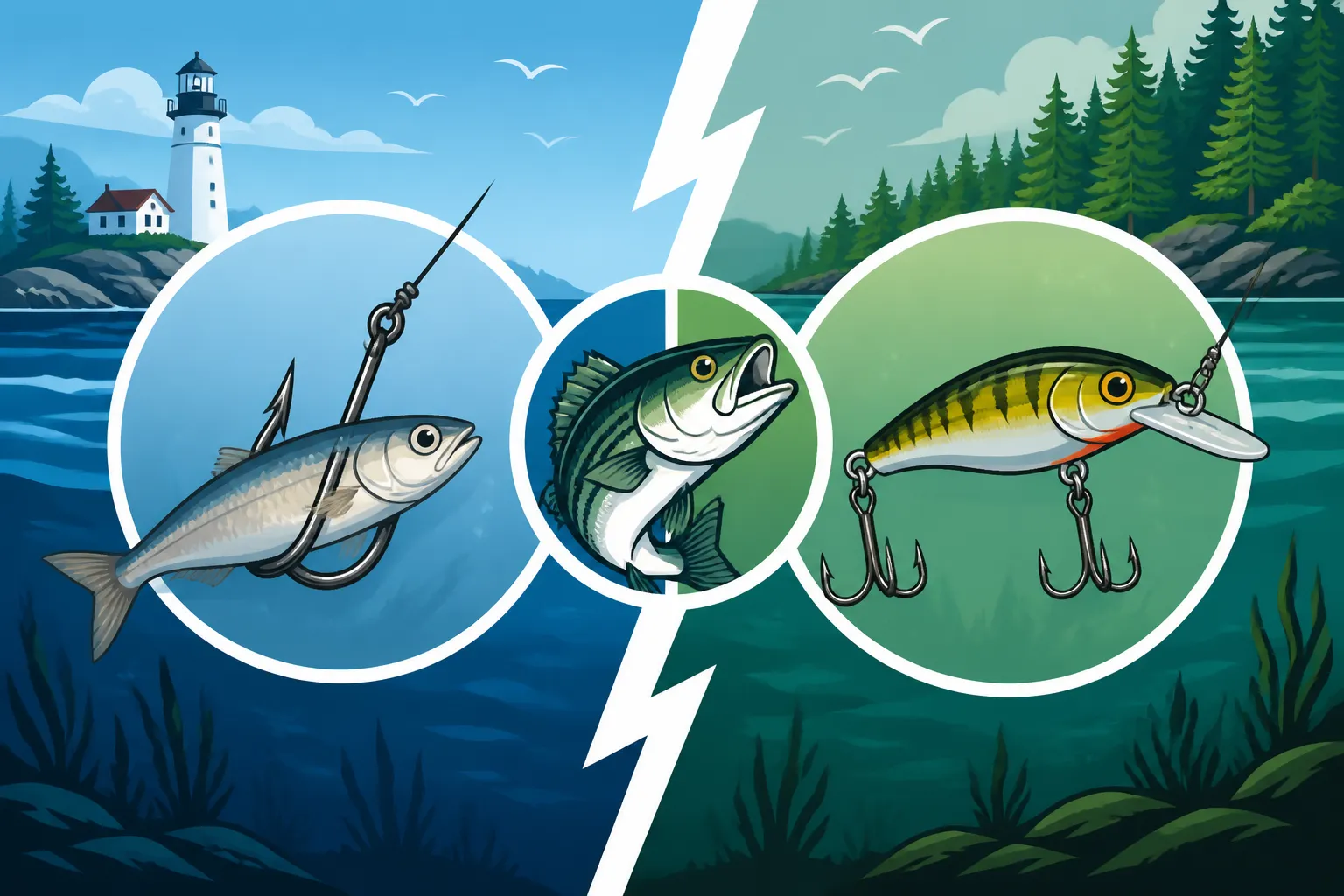
Oh, the eternal struggle! You’re standing on the shore of a pristine Maine lake, or maybe gazing out over the choppy waters of the Atlantic, tackle box open, and the same question echoes in your mind: live bait or artificial lures? It's a question that has sparked countless debates among anglers, from seasoned Registered Maine Guides to weekend warriors. The truth is, there’s no single "right" answer, and feeling overwhelmed by the options is completely normal. Each approach has its own charm, its own frustrations, and its own unique set of skills it demands. This guide is here to cut through the confusion, helping you understand the real-world implications of choosing between the wiggly, natural appeal of live bait and the engineered artistry of artificial lures when you're fishing in the beautiful, diverse waters of Maine.
The Unbeatable Appeal of Live Bait
There's something undeniably primitive, yet incredibly effective, about fishing with live bait. It taps into the very essence of a fish's predatory instinct, presenting a meal that looks, smells, and moves exactly like what they're accustomed to in their natural environment. For many, it's the gateway into fishing, offering a simpler approach that often yields results when other methods fall short.
Why Fish Can't Resist Live Offerings
Let’s be honest, nothing beats the real thing when it comes to tempting a finicky fish. Live bait offers a sensory overload for predators. They see the natural swimming motion, they smell the organic scent trails, and they feel the subtle vibrations in the water. This authentic presentation is often irresistible, even to lethargic or wary fish that might ignore an artificial offering. Imagine a plump nightcrawler wiggling enticingly on a hook near a sleepy brook trout, or a lively shiner darting just above the weeds where a smallmouth bass is lurking – it's a dinner bell ringing loudly.
The natural behavior of live bait, even when hooked, mimics what fish naturally hunt. A minnow struggling to swim or a worm trying to burrow creates a subtle distress signal that predators are hardwired to detect. This makes live bait particularly effective in situations where fish are less active, perhaps due to cold fronts, post-spawn fatigue, or simply being pressured by other anglers. It takes away some of the guesswork, allowing the bait itself to do most of the attracting, drawing fish in without requiring perfect casting or retrieve techniques from the angler. It's often the most reliable choice for a beginner or for those days when the fish just aren't cooperating with your fancy lures.
The Downsides and Demands of Live Bait
While the effectiveness of live bait is clear, it comes with its own set of challenges that can sometimes be a real headache. First and foremost is the issue of sourcing and storage. You can't just toss a bucket of shiners in your trunk and expect them to be lively all day, especially in the heat of a Maine summer. Keeping live bait, whether it's worms, minnows, or leeches, requires proper containers, aeration, and temperature control. You might find yourself lugging around a bulky bait cooler, an aerator pump, and ensuring you have fresh water for minnows, which can be an extra chore on a long fishing trip.
Then there's the mess and inconvenience. Handling live worms, sticking a hook through a wriggling minnow, or dealing with the slime of leeches isn't for everyone. It can be time-consuming to re-bait your hook, especially if smaller fish are pecking at your offering, stealing it without getting hooked. Plus, there are environmental concerns and regulations. In Maine, there are strict rules about using baitfish, particularly in waters designated as "special regulation waters" to prevent the introduction of invasive species. For example, some ponds might have a strict "no live baitfish" rule to protect native brook trout populations. You need to be intimately familiar with the Maine Fishing Regulations Explained for the specific body of water you're targeting. Furthermore, if you're buying bait, the cost can add up quickly, especially for longer trips or if you're frequently re-baiting. This is where a quick stop at a local bait shop or even browsing bait options on Amazon for long-term storage solutions can make a difference.
Top Live Bait Choices for Maine Waters
Maine's diverse ecosystems support a wide array of fish species, and naturally, there's a live bait for almost every target. Understanding which bait works best for which fish and in what environment is key to success.
- Worms and Nightcrawlers: These are the universal go-to baits. Easily accessible and relatively inexpensive, worms are fantastic for everything from brook trout in small streams to yellow perch and white perch in lakes. They're especially effective after a rain, when their natural scent washes into the water. For trout, a simple worm on a small hook, drifted naturally with the current, can be deadly.
- Minnows and Shiners: For larger predatory fish like landlocked salmon, lake trout (togue), or even pike and bass, minnows are often the top choice. Golden shiners, smelt, and other regional baitfish are incredibly effective. You can rig them alive under a bobber, slow-troll them, or use them on a weighted rig to get them down to desired depths. Be sure to check the specific regulations about using live baitfish in the water you're fishing. For instance, in some of Maine's Best Fishing Lakes, like Sebago Lake, live baitfish are perfectly legal and incredibly productive for salmon and togue.
- Leeches: Often overlooked, leeches are a fantastic bait for bass, pickerel, and even some trout species. They are incredibly hardy, stay alive on the hook for a long time, and have a natural undulating motion that attracts fish. They are particularly good for warm water species in the summer months.
- Crustaceans and Insects: For specific situations, particularly in rivers and streams, natural insects like grasshoppers, crickets, or even hellgrammites (if you can find them) can be incredibly effective for trout and smallmouth bass. In coastal areas, small crabs or shrimp can be irresistible to striped bass or other saltwater species.
| Bait Type | Best For (Freshwater) | Best For (Saltwater) | Pros | Cons |
|---|---|---|---|---|
| Worms/Nightcrawlers | Brook Trout, Rainbow Trout, Perch, Bass, Pickerel | N/A | Universal appeal, easy to find, inexpensive | Can be messy, smaller fish can steal bait easily |
| Minnows/Shiners | Landlocked Salmon, Togue, Bass, Pike, Pickerel | Striped Bass (large ones), Mackerel | Highly effective for predators, natural action | Requires special care (aeration), regulations vary, costly |
| Leeches | Bass, Pickerel, Trout | N/A | Hardy, long-lasting on hook, natural movement | Less common to find, can be slimy |
| Crabs/Shrimp | N/A | Striped Bass, Flounder, Cod | Natural food source, good scent trail | Harder to source, can be delicate on hook |
| Insects | Brook Trout, Smallmouth Bass (in rivers/streams) | N/A | Mimics natural food, highly effective for specific species | Seasonal availability, harder to keep alive, can be delicate |
The Art and Science of Artificial Lures
On the other side of the tackle box, we have artificial lures – a testament to human ingenuity in mimicking nature. These creations, made from plastic, metal, wood, and various synthetic materials, are designed to fool fish into striking by replicating the look, action, and sometimes even the sound of their prey. Lure fishing is often seen as a more active, skill-driven pursuit, where the angler becomes an integral part of the presentation.
The Versatility and Durability of Faux Baits
One of the biggest advantages of artificial lures is their sheer versatility and durability. Unlike live bait, a good lure can be used repeatedly, cast after cast, fish after fish. This translates to significant cost savings over time, as you're not constantly restocking your bait supply. Furthermore, lures don't require special care or refrigeration; they simply sit in your tackle box, ready for action whenever you are. This makes them incredibly convenient for spontaneous fishing trips or for anglers who don't want the hassle of managing live bait.
Artificial lures also offer unparalleled control and precision. You dictate the depth, speed, and action of your presentation, allowing you to "read the water" and adapt to changing conditions. Want to twitch a jerkbait over a weed bed? Or perhaps burn a spinnerbait through schooling baitfish? Lures allow for these nuanced tactics. They come in an astonishing array of colors, sizes, and shapes, designed to imitate specific prey items or trigger reaction strikes. This variety means you can carry a wide selection for different scenarios, species, and times of day, like those early morning or late evening bites mentioned in a guide on Best Time of Day to Fish in Maine. Plus, for those practicing Catch and Release Best Practices in Maine, artificial lures, especially those with single, barbless hooks, often cause less harm to the fish than baits swallowed deep.
Challenges and Skill Required for Lure Fishing
While artificial lures offer convenience and control, they demand a higher degree of skill and knowledge from the angler. It's not enough to simply cast and retrieve; you need to understand how different lures behave in the water, how to impart the right action, and how to "match the hatch" – choosing a lure that imitates the natural prey fish are feeding on at that moment. This often involves trial and error, paying close attention to water clarity, temperature, and fish behavior.
Learning to fish with lures can be frustrating initially. You might spend hours casting, trying different retrieves, and changing lures without a single bite. This can be disheartening for beginners. Unlike live bait, which often does the work for you, an artificial lure is only as good as the angler operating it. You need to develop a feel for your lure, understanding its vibrations, and detecting subtle strikes. Snags are also a more common issue with lures, especially those with multiple treble hooks, which can lead to lost tackle and added expense. For someone new to Maine fishing, understanding the nuances of Maine Open Water Fishing Techniques Guide specific to lure fishing can feel like a steep learning curve.
Essential Artificial Lures for Maine Anglers
Just like with live bait, the effectiveness of an artificial lure often depends on the target species and the fishing environment. Here are some staples for a Maine tackle box:
- Spoons: Classic metal lures that wobble and flash, mimicking injured baitfish. Spoons are incredibly effective for landlocked salmon, togue, and brook trout, especially when trolling in deeper lakes like Moosehead Lake. Popular brands like Dardevle or Mooselook Thinfish are practically synonymous with Maine salmon fishing.
- Spinners: Consisting of a blade that rotates around a central shaft, spinners create flash and vibration. Inline spinners (Mepps, Panther Martin) are fantastic for brook trout in streams and smallmouth bass in rivers. Spinnerbaits, with their wire arm and skirted body, are bass magnets in weedy or woody cover.
- Jerkbaits/Minnow Plugs: These slender, hard-bodied lures imitate baitfish and are designed to be retrieved with a jerking motion, creating an erratic, wounded baitfish action. They are phenomenal for smallmouth and largemouth bass, landlocked salmon, and even striped bass in coastal areas. Rapala and Lucky Craft are well-known manufacturers.
- Soft Plastics: Worms, grubs, swimbaits, and creature baits made of soft plastic are incredibly versatile. Rigged on a jig head, Texas-rigged, or Carolina-rigged, they can mimic a wide variety of prey and are irresistible to bass, crappie, and even some trout species. The sheer variety available, often found on Amazon, means there's a soft plastic for almost any scenario.
- Jigs: A weighted head with a hook, dressed with feathers, hair, or soft plastic, jigs are incredibly effective for nearly every species. From tiny marabou jigs for panfish to heavy bucktail jigs for striped bass in tidal rivers, their versatility is unmatched. They can be cast, jigged vertically, or even trolled.
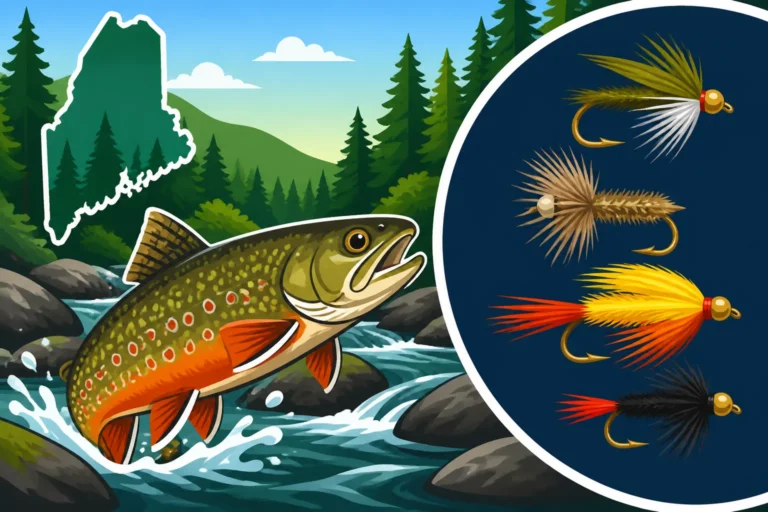
- Flies: While technically a distinct category, flies are artificial lures designed for fly fishing. Dry flies, nymphs, and streamers mimic insects and baitfish and are incredibly effective for trout and salmon in Maine's renowned rivers and streams. A guide on Fly Fishing Techniques for Maine Rivers would dive deep into this specialized world.
Navigating Maine's Diverse Fisheries with Bait and Lure
Maine's waters are incredibly varied, from vast, deep lakes to meandering trout streams, and from rocky coastlines to broad estuaries. Understanding these distinct environments and the fish that inhabit them is crucial for deciding whether to opt for live bait or artificial lures.
Freshwater Fish Preferences: Lakes, Ponds, and Rivers
In Maine's freshwater realm, fish behavior and feeding habits are strongly influenced by water temperature, depth, and available forage. For the iconic cold-water species like brook trout, landlocked salmon, and togue, both live bait and artificial lures can be highly effective, but often in different situations.
Brook trout, especially in small, wild streams and remote ponds, are often opportunistic feeders. A well-presented worm or an insect imitation (like a grasshopper) can be deadly. However, in these same waters, a small spinner or a carefully drifted nymph fly can also yield fantastic results, particularly if you're targeting specific holding lies. When fishing for Brook Trout Fishing in Maine, consider smaller baits or lures. For larger lakes, targeting landlocked salmon and togue, the game changes. Early in the season, when the water is cold, salmon might hit trolled sewn baitfish (like smelt) or small spoons near the surface. As summer progresses and fish move deeper, downriggers or lead core lines with larger shiners or flutter spoons become more effective. A Moosehead Lake Fishing Guide will often recommend both live bait and trolling spoons for togue.
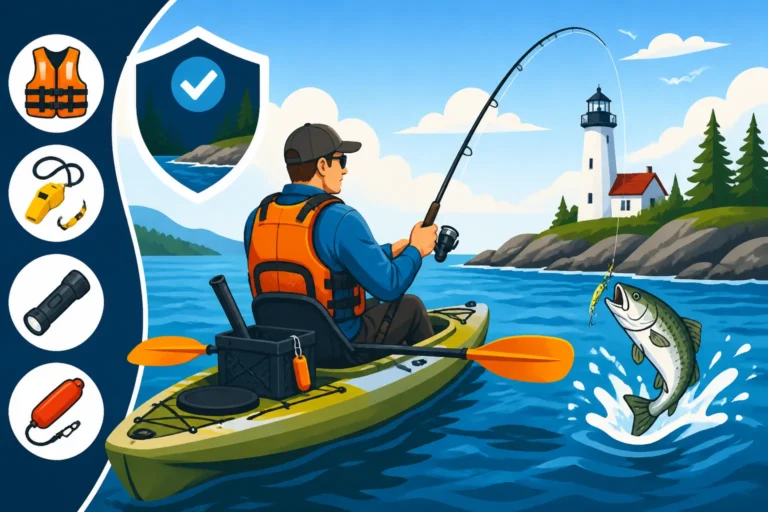
Warm-water species like smallmouth bass and largemouth bass also have varied preferences. In springtime, live worms or crayfish can be irresistible. But as the water warms, bass become more aggressive, and artificials like spinnerbaits, crankbaits, jigs, and soft plastics truly shine. For Smallmouth Bass Fishing in Maine, especially in rocky lakes or rivers, a tube jig or a soft plastic creature bait can be deadly, mimicking crayfish. Largemouth bass in weedy ponds, on the other hand, might smash a topwater frog or a weedless soft plastic worm.
Salty Secrets: Coastal and Offshore Species
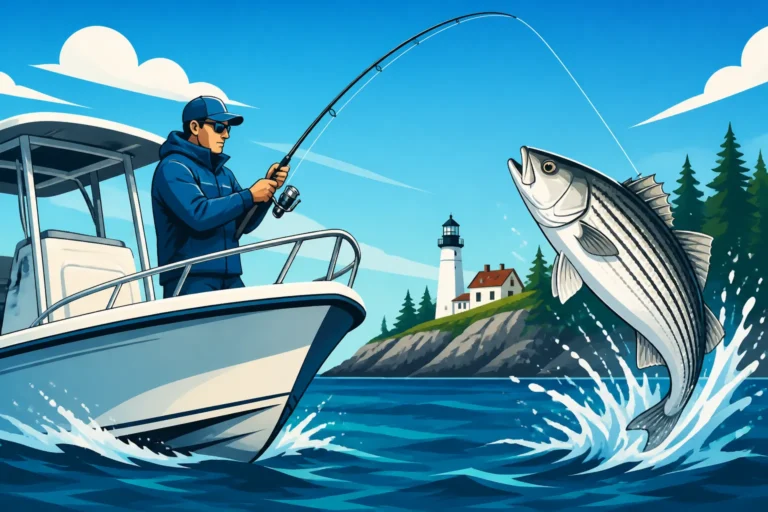
Moving to Maine's stunning coastline, the dynamic changes considerably. Striped bass are the undisputed king of inshore fishing, and they will readily hit both live bait and artificial lures. For those seeking the thrill of a big striper, live mackerel, pogies (menhaden), or eels are often the most effective baits, particularly when fished around rocky structure or current seams. These live offerings exude scent and struggle, drawing in larger, more wary fish.
However, artificials are also incredibly popular for stripers. Large soft plastic paddle-tail swimbaits, bucktail jigs, and topwater poppers or walk-the-dog lures can trigger explosive strikes, especially during dawn and dusk. Many anglers prefer artificials for their active nature and the thrill of feeling the strike on the retrieve. When fishing for Striped Bass Fishing in Maine, having both options ready is a smart move. For offshore fishing, targeting groundfish like cod and haddock, live bait (like mackerel or herring) or cut bait (squid, clam) is typically preferred, often fished on heavy rigs near the bottom. However, large metal jigs can also be very productive, mimicking baitfish in deep water. Tuna, a highly sought-after species, often respond best to large live baits like mackerel or bluefish, but also hit giant poppers and stickbaits.
Special Regulations and Environmental Considerations
It's absolutely critical to be aware of Maine's specific fishing regulations, as they often dictate what kind of bait you can and cannot use. The Maine Department of Inland Fisheries and Wildlife (MDIFW) has detailed rules designed to protect native fish populations and prevent the spread of invasive species. For example, some waters are "fly fishing only" or "artificial lures only," completely prohibiting live bait. Other waters might allow worms but restrict the use of live baitfish. A comprehensive understanding of the Maine Fishing Regulations Explained is not just a suggestion, it's a necessity.
Beyond regulations, there are environmental considerations. When using live bait, especially baitfish, there's always a risk of introducing non-native species or diseases if you transport bait from one watershed to another. This is why many regulations emphasize using only "durable" live bait (like worms or leeches) or bait collected from the water you're fishing, or bait purchased from a certified local dealer. Always dispose of unused live bait responsibly, never dumping it into a new water body. Using artificial lures completely eliminates this risk, making them a more environmentally friendly choice in many sensitive ecosystems. Always check for specific rules like the Maine Lead Jig Fishing Ban to ensure your tackle complies with current environmental standards.
Making the Smart Choice: When to Go Live or Go Lure
The decision between live bait and artificial lures often boils down to a combination of external factors (like conditions and species) and internal factors (like your skill level and personal preference). There are times when one option clearly outperforms the other, and knowing these situations can dramatically increase your success rate.
Situational Awareness: Matching Your Approach to Conditions
The most successful anglers are those who can adapt their tactics to the prevailing conditions. Water temperature, clarity, time of day, weather patterns, and pressure from other anglers all play a role in how fish behave and what they're willing to bite.
- Cold Water/Lethargic Fish: When the water is cold (think early spring or late fall) or when fish are less active (e.g., after a strong cold front, during a full moon, or in the middle of a hot summer day), live bait often has the edge. A natural, subtle presentation of a worm or a slow-trolled minnow can entice a sluggish fish that might ignore a fast-moving artificial. This is particularly true for species like lake trout in deeper waters during summer, where a slowly presented shiner might be more effective than a fast-moving spoon.
- Warm Water/Aggressive Fish: When the water warms up and fish are active and aggressively feeding, artificial lures often come into their own. Bass, in particular, will readily strike fast-moving crankbaits, spinnerbaits, or topwater lures in these conditions. The ability to cover a lot of water quickly with lures, seeking out active fish, is a major advantage.
- High Pressure/Clear Water: In heavily fished areas or waters with exceptional clarity, fish can become very wary. In these situations, matching the hatch precisely with a subtle artificial lure (like a realistic soft plastic or a carefully selected fly) can outperform live bait, which can sometimes appear too obvious or unnatural on a hook. Conversely, a very subtle, natural presentation of a live worm, free-drifted, can also be effective.
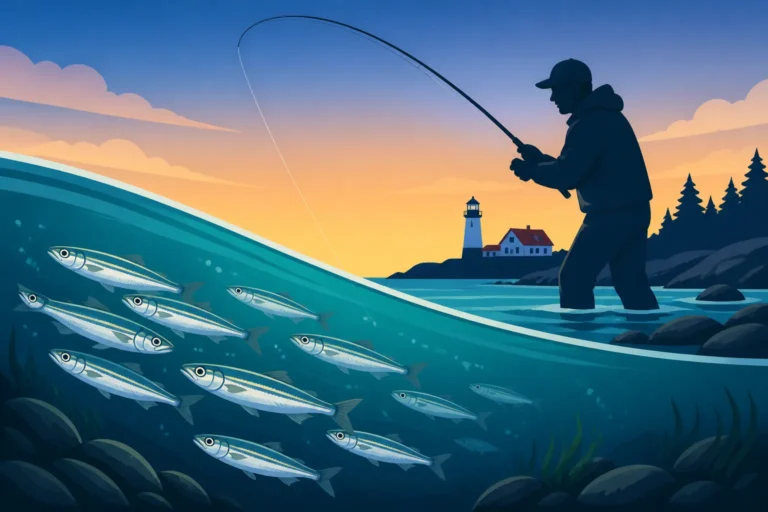
- Time of Day: During low light conditions (dawn and dusk), topwater lures can be incredibly exciting for bass and stripers. However, live bait, with its strong scent, can continue to be effective through the darkest hours, making Maine Night Fishing Techniques highly productive with both approaches.
- Water Structure: Fishing around heavy cover like dense weeds, submerged timber, or rocky bottoms often favors artificial lures that can be rigged weedless or are designed to bounce off structure without snagging (e.g., Texas-rigged soft plastics, spinnerbaits). While you can certainly fish live bait here, the risk of snagging and losing tackle is much higher.
Skill Level and Personal Preference
Ultimately, your choice often comes down to your personal fishing style and comfort level.
- Beginner-Friendly: For new anglers, especially kids, live bait is often the easiest way to get bites and build confidence. The simplicity of baiting a hook with a worm and waiting for a bite requires less technical skill than mastering a lure retrieve. It’s an excellent way to introduce someone to the joys of fishing. Many families enjoy the accessibility of using worms or even corn for panfish.
- Active vs. Passive: Lure fishing is generally a more active pursuit. You're constantly casting, retrieving, twitching, and working the lure. If you enjoy the challenge of pattern matching, presentation, and feeling every bump and subtle strike, artificial lures are likely your preferred method. Live bait, on the other hand, can be more passive, allowing you to relax, soak in the surroundings, and wait for the fish to come to you. Both approaches have their meditative qualities.
- Trophy Hunting vs. Numbers: While both methods can catch big fish, some anglers believe live bait, especially larger offerings, is more effective for targeting truly trophy-sized fish, particularly when they are less active. Artificial lures can often help you catch more fish overall by allowing you to cover more water and trigger reaction strikes, but perhaps not always the largest specimens.
- Cleanliness and Convenience: If you dislike handling slimy bait, managing bait coolers, or dealing with the logistics of keeping bait alive, artificial lures offer a clean, convenient alternative. Just grab your tackle box and go! If you don't mind the "mess," the effectiveness of live bait might outweigh the minor inconvenience.
The Best of Both Worlds: Hybrid Tactics
Why limit yourself to one approach when you can combine the strengths of both? Savvy anglers in Maine often employ hybrid tactics, leveraging the natural appeal of live bait with the versatility and action of artificial lures. This "best of both worlds" strategy can often unlock bites when traditional methods fail.
Tipping Jigs and Lures with Live Bait
One of the most common and effective hybrid tactics is "tipping" your artificial lures with a piece of live bait. This combines the visual attraction, action, and castability of a lure with the irresistible scent and taste of natural food. It’s like sending a postcard with a delicious snack attached!
- Jigs with Worms/Minnows: A jig head tipped with a small piece of worm, a whole grub, or even a tiny minnow can be absolutely deadly. The jig provides the weight for casting and depth control, while the bait adds scent and natural texture. This is particularly effective for panfish, trout, and bass. Imagine a small leadhead jig tipped with a Berkley PowerBait worm (available on Amazon), jigged slowly along the bottom of a lake; the subtle action and potent scent can draw in fish from a distance.
- Spinnerbaits with Trailers: While spinnerbaits are fantastic on their own for bass, adding a soft plastic trailer (like a grub or a crawfish imitation) or even a piece of real worm can enhance their profile, action, and scent trail, making them even more enticing. The added bulk and natural movement can sometimes be the difference between a follow and a strike.
- Spoons with Cut Bait: When trolling for lake trout or landlocked salmon, some anglers will tip their spoons with a small piece of cut bait, such as a piece of smelt or herring. The flash and wobble of the spoon attract attention, while the natural scent trail from the cut bait closes the deal, especially in deeper, darker waters where scent becomes more important. This technique is often used in conjunction with detailed knowledge of Trolling Techniques for Maine Lakes.
Dead Bait Rigging for Specialized Targets
While "live" bait usually implies active, struggling prey, dead bait can also be incredibly effective when rigged properly, particularly for species that scavenge or are attracted to strong scent trails. This often involves treating dead bait like an artificial lure, imparting action through your retrieve or presentation.
- Cut Bait Rigs: For saltwater species like striped bass, cod, or flounder, cut bait (chunks of mackerel, herring, or squid) rigged on a circle hook can be extremely productive. The strong scent trail attracts fish, and the natural texture encourages them to hold on. This is often fished on the bottom or suspended in the water column.
- Trolling Dead Bait: In some freshwater scenarios, particularly for large lake trout or pike, trolling a dead baitfish (like a smelt or shiner) on a specialized rigging system that makes it "swim" can be highly effective. The key is to impart a natural, lifelike action to the dead bait, fooling predators into thinking it's an injured or dying fish, an easy meal. This requires a bit of skill in rigging and boat control, but the results can be worth it for trophy fish. For instance, in deeper sections of Sebago Lake, a precisely rigged dead smelt can outfish many artificials for wary landlocked salmon.
- Smelt or Alewives as Cut Bait: During the smelt runs in spring, or if you can acquire fresh alewives, these can be cut into strips or chunks and fished on the bottom or under a float for species that are opportunistically feeding. The oily nature of these baitfish creates a potent scent slick that draws in predators. Always check Maine Fishing Season Dates Guide to ensure you're fishing during legal seasons for target species.
Equipping Your Tackle Box for Success
Regardless of whether you lean towards live bait or artificial lures, having the right gear is paramount. Your rod, reel, line, and accessories all play a role in how effectively you can present your chosen offering and ultimately land fish. Thinking strategically about your equipment can save you frustration and enhance your fishing experience.
Rods, Reels, and Lines for Each Approach
The ideal setup often differs significantly between live bait and artificial lure fishing due to the nature of the presentation and the feedback required.
- Live Bait Setups: For most live bait applications, a medium-action spinning rod, typically 6 to 7.5 feet in length, paired with a reliable spinning reel, is a versatile choice. The softer tip of a medium-action rod allows fish to take the bait without feeling too much resistance, increasing your hook-up ratio. It also provides good shock absorption for fighting fish.
- Line: Monofilament line is often favored for live bait. Its stretch offers forgiveness, preventing fish from feeling the initial tug, and its buoyancy can be an advantage when drifting baits. Test weights vary, from 4-6 lb for trout and panfish to 8-12 lb for bass or larger freshwater species. For saltwater, you might go up to 15-20 lb test for striped bass, especially with leaders.
- Hooks: A wide array of hook types are used, from small Aberdeen hooks for worms to larger circle hooks for live minnows or cut bait. Circle hooks are particularly good for catch and release as they tend to hook fish in the corner of the mouth, causing less damage.
- Artificial Lure Setups: Lure fishing typically demands more sensitivity and backbone from your gear. A faster action rod, often medium-heavy or heavy, allows for better lure control, more accurate casting, and stronger hooksets. Both spinning and baitcasting setups are popular.
- Spinning Rods (for lighter lures/finesse): A 6.5 to 7-foot medium-fast action spinning rod with a matching spinning reel is excellent for lighter jigs, small crankbaits, and soft plastics.
- Baitcasting Rods (for heavier lures/power fishing): A 6.5 to 7.5-foot medium-heavy to heavy-fast action baitcasting rod with a baitcasting reel offers superior power, accuracy, and line control for bigger spinnerbaits, jerkbaits, and punching jigs through heavy cover.
- Line: Braided line is a popular choice for lure fishing due to its extreme sensitivity and lack of stretch, which allows you to feel subtle bites and achieve powerful hooksets. It's often paired with a fluorocarbon leader (6-20 lb test, depending on species and water clarity) for invisibility and abrasion resistance. Monofilament is still a good option for certain lures like crankbaits, where its stretch can be beneficial. Understanding Maine Open Water Line Limits is crucial, especially regarding the number of lines you can fish simultaneously.
Sourcing, Storing, and Maintaining Your Tools
Proper management of your bait and tackle extends beyond just choosing the right rod.
- Live Bait Storage: Invest in quality bait containers. A good worm bin with proper bedding will keep nightcrawlers fresh for weeks. For minnows, a well-aerated bait bucket or livewell is essential, especially on hot days. Adding a small cooler with ice packs to your bait bucket can help maintain optimal water temperatures. Many anglers find durable bait buckets and aerators through stores like Kittery Trading Post or on Amazon.
- Lure Organization: A well-organized tackle box or tackle bag is a game-changer. Use smaller utility boxes within your main tackle box to separate lures by type, size, or color. This not only keeps your lures in good condition (preventing hooks from tangling) but also allows for quick changes on the water.
- Maintenance: Keep your fishing gear clean. Rinse saltwater gear thoroughly with fresh water after each trip to prevent corrosion. Periodically clean and lubricate your reels. Sharpen hooks regularly – a dull hook can cost you a trophy fish. Inspect your lines for nicks and fraying, especially if fishing with braid or fluorocarbon. Regularly replacing your line is a small investment that can prevent heartbreak. For those planning extended trips, ensuring your gear is in top shape is essential for a successful Maine Summer Fishing Guide or Maine Fall Fishing Guide adventure.
Ultimately, the best approach is often a flexible one. Don’t be afraid to experiment. Start with what you're comfortable with, and then gradually try new techniques. There will be days when live bait is king, and days when artificials completely dominate. The true joy of fishing in Maine lies in the journey of discovery, learning, and adapting to whatever the water throws your way.
Disclaimer
Fishing regulations and best practices can change. Always consult the latest Maine Department of Inland Fisheries and Wildlife (MDIFW) regulations book or website before heading out on your fishing trip. This article is intended for informational purposes only and does not constitute legal advice regarding fishing laws.