How to Fish for Smallmouth Bass in Summer Heat
When the dog days of summer hit Maine, smallmouth bass fishing can feel like a totally different ballgame compared to the exciting topwater action of spring. The once aggressive, shallow-water fighters often seem to vanish, leaving anglers scratching their heads and wondering where all the bronzebacks went. This comprehensive guide is designed to help you crack the code on summer smallmouth, unveiling their deep-water haunts and the specialized techniques needed to coax them into biting when the mercury rises.
Understanding Smallmouth Bass Behavior in Summer Heat
Summer in Maine brings glorious sunshine and warm waters, which sounds lovely for us, but it dramatically changes the world for a smallmouth bass. They are cold-blooded creatures, meaning their body temperature mirrors their surroundings. As water temperatures climb, their metabolism changes, and their comfort zones shift significantly. Understanding these shifts is the first step to successful summer smallmouth fishing.
Why the Heat Changes Everything
Once surface water temperatures consistently hit the high 60s and push into the 70s, smallmouth bass start to feel the pressure. Warmer water holds less dissolved oxygen, and while smallmouth are more tolerant than, say, a brook trout, they still prefer cooler, more oxygenated environments. This isn't just about comfort; it's about survival and efficiency. Their metabolism speeds up in warmer water, requiring more energy, but they also become more lethargic to conserve that energy if the conditions are too strenuous. This often means they become less active feeders, focusing their efforts on specific, cooler windows. The vibrant shallow-water feeding frenzies of spring give way to more subtle, often deeper pursuits. For more on how these conditions impact fish, check out our guide on How Hot Weather Affects Fishing on Maine Lakes.
Where to Find Them When It's Hot
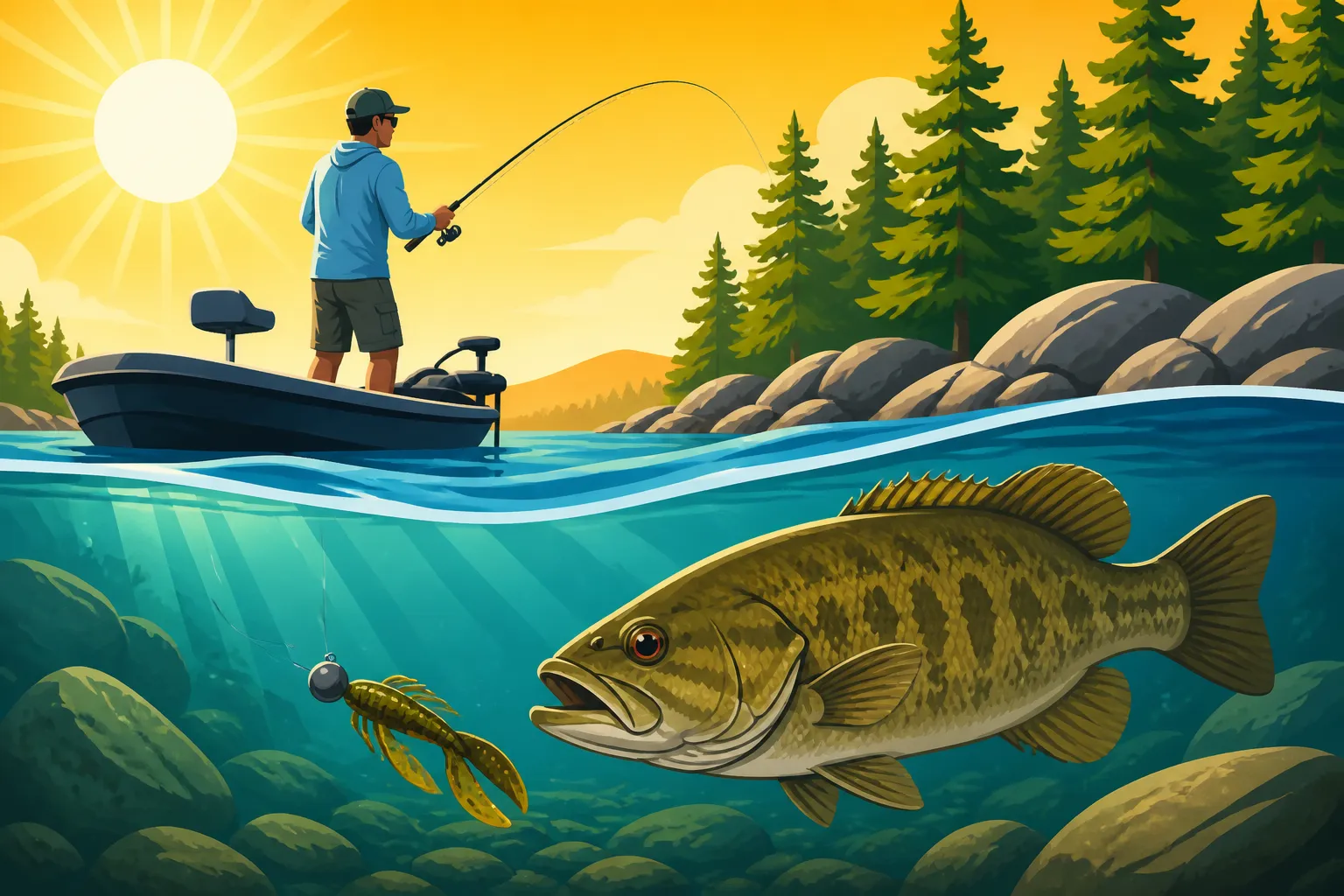
With rising temperatures, smallmouth bass typically seek refuge in deeper, cooler water. This is their primary summer retreat. Think about the thermal stratification of a lake: the surface warms quickly, but deeper layers remain cooler. These fish will move to depths where the water temperature is most comfortable for them, often congregating around what's known as the thermocline – a layer of rapid temperature change.
However, "deep" is a relative term. On a shallow, rocky pond, deep might mean 15 feet. On a massive lake like Sebago or Moosehead, it could be 30-40 feet or more. The key is finding areas that offer both cooler water and some form of structure or cover. This could be rock piles, submerged ledges, humps, offshore shoals, or even deep weed lines. Smallmouth are ambush predators, so they'll use these features to their advantage. They might also seek out current breaks in rivers or stream mouths where cooler, oxygenated water might be flowing in. Shade can also be a temporary draw, especially early and late in the day; think overhanging trees or docks where they can escape direct sunlight. Our article on Reading Lake Structure for Maine Bass can provide more insights into identifying these crucial spots.
Essential Gear and Tackle for Summer Smallmouth
Successfully targeting summer smallmouth bass requires a bit of a gear adjustment from your typical spring setup. While you don't need to reinvent your tackle box, having the right rods, reels, lines, and, most importantly, lures, can make a significant difference. It’s all about efficiency and presenting baits effectively in deeper water or tighter cover.
Rods, Reels, and Line Choices
When you're fishing deeper or pitching heavier baits, your setup needs to be up to the task. For most summer smallmouth applications, especially if you're working deeper water with jigs, drop shots, or even heavier crankbaits, a medium-heavy to heavy power spinning rod or baitcasting rod is ideal. A fast action tip is crucial, as it allows for precise casting and provides the sensitivity needed to detect subtle bites from lethargic bass. Rods in the 6'8" to 7'4" range offer a good balance of casting distance and control.
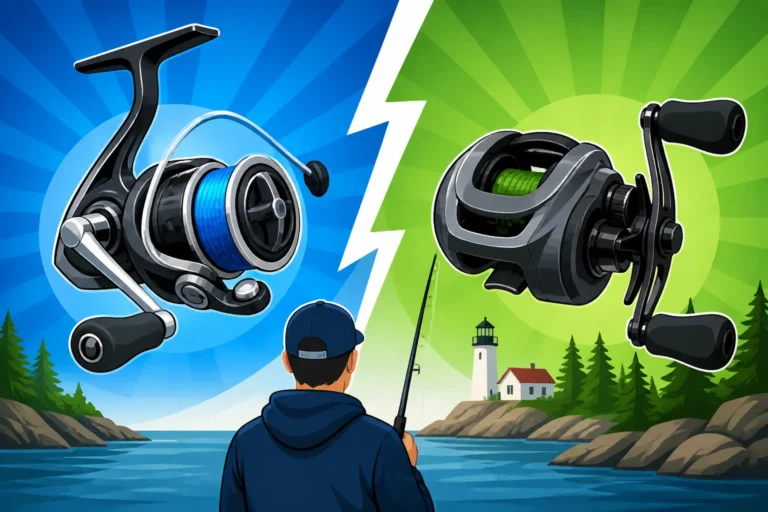
For reels, a smooth spinning reel in the 2500-3000 size or a reliable baitcasting reel with a good braking system will serve you well. Line choice is paramount. For spinning setups, consider a braided main line (10-20 lb test) for its sensitivity and casting distance, coupled with a fluorocarbon leader (6-12 lb test). Fluorocarbon is nearly invisible underwater and has excellent abrasion resistance, which is vital when fishing around rocky structure. For baitcasting setups, you might go straight fluorocarbon (10-15 lb test) or use braid with a fluoro leader, depending on your preference and the specific technique. You can find a wide range of these specialized lines and rods on platforms like Amazon, making it easy to outfit yourself for Maine's summer smallmouth.
Lures That Shine in the Summer Sun
The go-to lures for summer smallmouth bass often differ from spring favorites. While topwater still has its moments, deeper presentations become king.
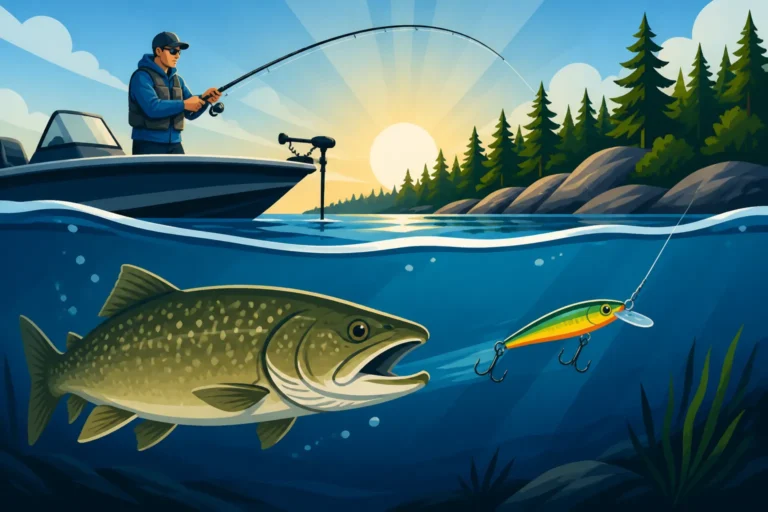
- Deep-Diving Crankbaits: These are fantastic for covering water and probing submerged humps and ledges. Look for models that dive to 10-20 feet or more, depending on the depth you're targeting. Colors mimicking baitfish like alewives or shiners (common forage in many Maine lakes) are often very effective. Experiment with retrieve speeds; sometimes a slow, steady retrieve with occasional pauses is more productive for less active fish. Brands like Rapala and Strike King offer excellent options.
- Jigs and Soft Plastics: These are incredibly versatile and allow for a slow, methodical presentation right in the bass's face.
- Tube Jigs: A classic smallmouth slayer, tube jigs imitate crayfish and baitfish. Rigged on an internal jig head, they spiral downward, a motion irresistible to bass.
- Drop Shots: This technique keeps your bait suspended off the bottom, making it perfect for presenting soft plastics (like worms or minnows) directly in the strike zone of fish suspended over structure. It's incredibly sensitive and effective for finicky bass.
- Ned Rigs: A finesse technique, the Ned Rig uses a small, mushroom-shaped jig head paired with a short, buoyant soft plastic worm. It stands upright on the bottom, presenting a subtle, natural profile that even sluggish bass struggle to ignore.
- Grubs and Swimbaits: Rigged on jig heads, these can be worked along the bottom or slowly retrieved through suspended schools of baitfish.
- Topwater Lures (Early/Late Day): Don't completely write off topwater! During low-light conditions – dawn, dusk, or even on overcast days – smallmouth will still move shallow to feed. Poppers, walking baits (like a Heddon Super Spook), and prop baits can draw explosive strikes. For more detailed lure advice, check out Best Lures for Smallmouth Bass in Maine.
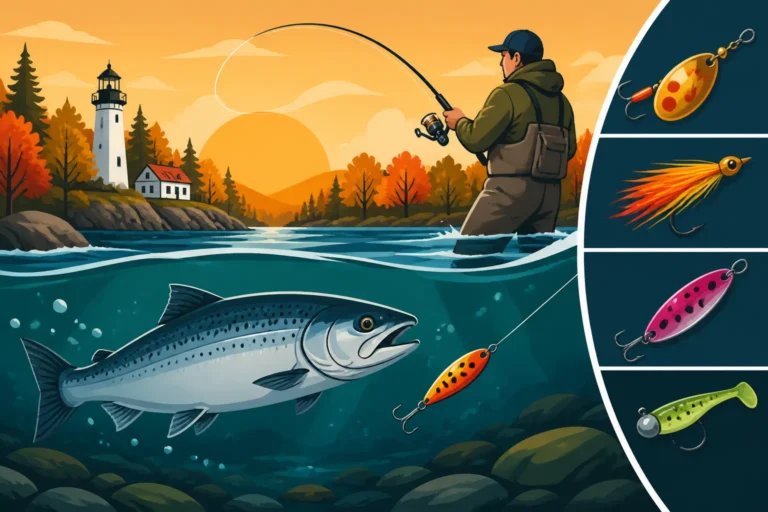
- Spinnerbaits and Underspins: In areas with a bit more current or around deeper weed lines, spinnerbaits with willow leaf blades or underspins (small jig heads with a single spinner blade) can be effective. They provide flash and vibration, helping bass locate them in deeper or slightly stained water.
Proven Techniques for Summer Smallmouth Success
Once you understand where the bass are and what gear you need, it's time to put those skills to the test. Fishing for summer smallmouth is often about precision, patience, and adapting to the conditions, rather than simply casting and retrieving.
Early Morning and Late Evening Strategies
These are your prime windows for active shallow-water bass in the summer heat. As the sun dips below the horizon in the evening or just before it peeks over the trees in the morning, water temperatures are at their coolest, and baitfish often move shallower. This encourages smallmouth to follow suit.
- Topwater Explosion: This is the time for topwater lures. Cast poppers, walking baits, or prop baits near rocky shorelines, submerged timber, or around docks. Work them with a stop-and-go retrieve, letting them sit for a few seconds after the splashdown before twitching them. The key is to create enough commotion to grab their attention without overworking the lure. Sometimes, a slow, deliberate walk-the-dog action with a Zara Spook or a Chug Bug can be absolutely deadly.
- Shallow Crankbaits and Jerkbaits: If topwater isn't producing, try shallow-diving crankbaits or jerkbaits. These can be retrieved just below the surface, mimicking fleeing baitfish. Focus on points, rocky reefs, and areas where there's a quick transition from deep to shallow water. A quick twitch-twitch-pause retrieve with a suspending jerkbait can entice a hesitant bass.
Midday Deep Water Tactics
Once the sun is high and bright, smallmouth bass will typically retreat to their deeper havens. This is where your electronics, knowledge of lake structure, and vertical presentations become indispensable. This isn't just about casting; it's about pinpoint accuracy.
- Vertical Jigging: This is an incredibly effective technique for fish holding tight to structure or schooled up in deeper water. Using a heavier jig (1/4 to 3/4 oz, depending on depth and current), drop it directly down to the bottom. Work it with short, sharp snaps, lifting it a foot or two off the bottom and letting it fall back on a semi-slack line. Pay close attention to your line; often, a bite will feel like a slight "tick" or simply a change in pressure as the fish inhales the jig on the fall. Finesse jigs, tube jigs, and blade baits are all excellent choices for this.
- Drop-Shotting: When bass are suspended or particularly finicky, a drop shot rig is your secret weapon. Tie a hook directly to your main line (or fluorocarbon leader), then attach a weight below it. This allows your soft plastic bait to hover at a precise depth, independent of the weight. Use your fish finder to locate schools of bass or individual fish relating to structure, then drop your rig right down to them. A subtle twitch of the rod tip is often all that's needed to make the bait dance enticingly. This technique is extremely popular for a reason—it simply catches fish, especially under tough conditions.
- Deep Cranking: Covering larger areas of deep water can be done with deep-diving crankbaits. Cast them out, crank them down to their maximum depth, and then vary your retrieve. Bumping the lure off submerged rocks or wood can often trigger a reaction strike. This is a great way to locate active fish when you're exploring new deep structures. For more on finding these hidden spots, consult our guide on How to Find Drop-Offs on a New Lake.
Targeting Structure and Current
Smallmouth bass are intrinsically tied to structure, and in summer, this relationship becomes even more critical. They use it for ambush points, protection from predators, and access to cooler water and forage.
- Ledges and Humps: These underwater topographical features are smallmouth magnets. A ledge is a sharp drop-off, while a hump is an elevated area on the lake bottom. Smallmouth will patrol the edges of these structures, waiting to ambush baitfish that swim by. Use your electronics to find these features and identify any associated cover like rocks or wood. Position your boat directly over the deeper side of the structure and cast jigs, drop shots, or even football jigs with creature baits across the top and down the sides.
- Rocky Points and Reefs: Maine is famous for its rocky lakes, and smallmouth thrive in these environments. Rocky points extending into deeper water, and offshore rock reefs, are prime targets. Cast crankbaits that mimic crawfish, or slow-roll spinnerbaits over these areas. Tube jigs are also incredibly effective when hopped or dragged along rocky bottoms.
- Current Breaks: In rivers or in lakes near feeder streams, current breaks are goldmines. Smallmouth will position themselves just out of the main current, waiting for food to be swept past them. Cast jigs or soft plastics upstream and let the current carry them naturally into the strike zone, or position your boat to cast into eddies and slack water created by rocks or submerged trees. For further understanding of how smallmouth bass behave, check out Smallmouth Bass Fishing in Maine.
| Time of Day / Depth | Target Location | Recommended Lures/Techniques |
|---|---|---|
| Early Morning | Shallow rocky points, docks, submerged timber | Topwater (poppers, walking baits), shallow crankbaits, jerkbaits |
| Mid-Morning | Transition areas, deeper side of points, humps | Medium-diving crankbaits, spinnerbaits, tube jigs |
| Midday | Deep ledges, offshore humps, deep rock piles | Drop shots, vertical jigs, Ned rigs, deep-diving crankbaits |
| Late Afternoon | Deep weed lines, current breaks, shaded areas | Jigs with plastics, slow-rolled spinnerbaits, drop shots |
| Late Evening | Shallow rocky points, docks, coves | Topwater, shallow crankbaits, swimbaits |
Adapting to Maine's Unique Summer Conditions
Maine's diverse waterways mean that a one-size-fits-all approach to summer smallmouth fishing simply won't cut it. From vast, deep lakes to smaller, rocky ponds and flowing rivers, each environment presents its own set of challenges and opportunities. Understanding these nuances and how to react to sudden weather changes will significantly boost your summer success.
Navigating Different Lake Types
Maine boasts an incredible variety of lakes and ponds, and smallmouth bass adapt their summer behavior to these different environments.
- Large, Deep Lakes (e.g., Sebago Lake, Moosehead Lake): On these massive bodies of water, thermal stratification is very pronounced. Smallmouth will retreat to significant depths, often 20-40 feet, to find their preferred temperatures. This means you'll need robust electronics, like a good fish finder, to mark baitfish schools and bottom structure. Techniques like deep-water trolling with crankbaits or live bait, vertical jigging, and extensive drop-shotting become paramount. Focus on large offshore structures like extended points, vast rock piles, and deep humps. Our article on Maine Summer Fishing Guide provides more general advice for fishing these waters.
- Medium-Sized Lakes and Flowages (e.g., Belgrade Lakes, China Lake): These lakes often have a mix of deep and shallower areas. Smallmouth might not go as deep as in the colossal lakes, but they will still relate to the deepest available structure. Look for channels, major drop-offs, and dense offshore weed beds. The same techniques apply, but you might find active fish in slightly shallower depths, perhaps 15-25 feet. During low light, these lakes can offer fantastic shallow-water opportunities near docks, boat lifts, and transition zones where rock meets weeds.
- Smaller, Rocky Ponds and Rivers: In smaller, shallower ponds, "deep" might only mean 8-15 feet. Here, smallmouth will still seek out the coolest available water, often concentrated around distinct rock piles, boulders, or even spring holes if present. In rivers, current is king. Smallmouth will utilize current breaks, eddies, and the deeper pools below rapids. They’ll also hide behind large boulders or log jams. Here, finesse jigs, small crankbaits, and even weightless worms can be very effective when pitched into tight spots. The consistent flow often keeps the water more oxygenated than stagnant lake coves, which can mean more active fish even during the day.
Dealing with Changing Weather
Maine weather can be notoriously fickle, and sudden changes can throw a wrench into your fishing plans. Smallmouth bass are highly sensitive to shifts in barometric pressure, temperature, and light conditions.
- Pre-Frontal Activity: Just before a major cold front rolls in, often marked by falling barometric pressure and increasing cloud cover, smallmouth can go on a feeding binge. This is an excellent time to target them, as they sense the change coming and feed aggressively. Stick to your preferred summer techniques, but expect more active bites.
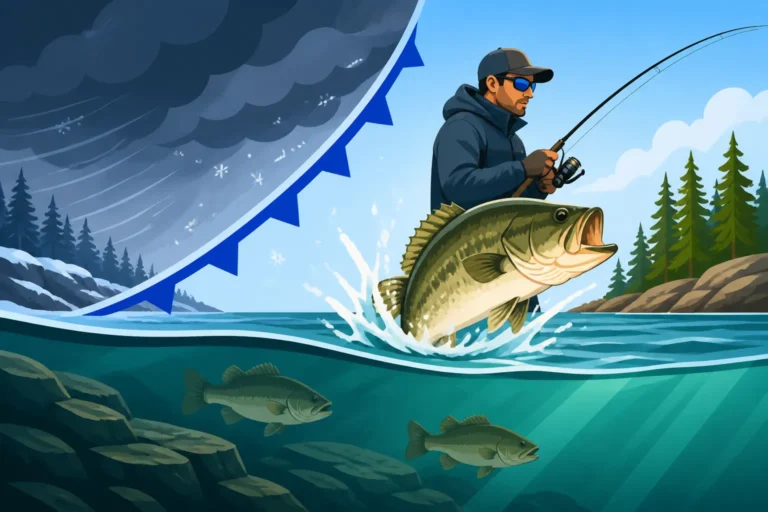
- Post-Frontal Slump: After a cold front passes, the weather often clears, the sky becomes blue, and the barometric pressure rises and stabilizes. This can be the toughest time to fish. Smallmouth often become lethargic and cling tight to cover. During these days, extreme finesse tactics are your best bet: very slow retrieves, smaller baits, lighter lines, and concentrating on those deeper, most comfortable spots. You might need to make multiple presentations to the same spot to coax a bite. Check out Best Weather Conditions for Bass Fishing for more insights into how atmospheric changes affect fishing.
- Rainy Days: Overcast, rainy days in summer can actually be fantastic for smallmouth fishing. The reduced light penetration often encourages them to move shallower and feed more actively throughout the day, extending those prime morning and evening bites. Topwater and shallow crankbaits can be effective even during midday under these conditions.
- Windy Days: Wind can be a double-edged sword. A light chop can break up the surface, making bass feel more secure and less wary, and can even concentrate baitfish against certain banks. However, strong winds can make boat control difficult and affect lure presentation. On very windy days, focus on protected coves, leeward sides of islands, or use heavier baits to maintain bottom contact. Our article on How Wind Affects Lake Fishing offers useful strategies.
Always remember that summer smallmouth fishing in Maine is a rewarding challenge. It demands adaptability, a keen understanding of fish behavior, and the right tools for the job. Don't be afraid to experiment with depths, retrieve speeds, and lure choices. With a bit of persistence, you'll be catching bronzebacks all summer long.
Disclaimer
The information provided in this guide is for educational and informational purposes only. Fishing regulations, season dates, and limits in Maine can change frequently. Always consult the latest official Maine Department of Inland Fisheries and Wildlife (MDIFW) regulations before heading out on the water. Be safe, respect the environment, and practice ethical angling.