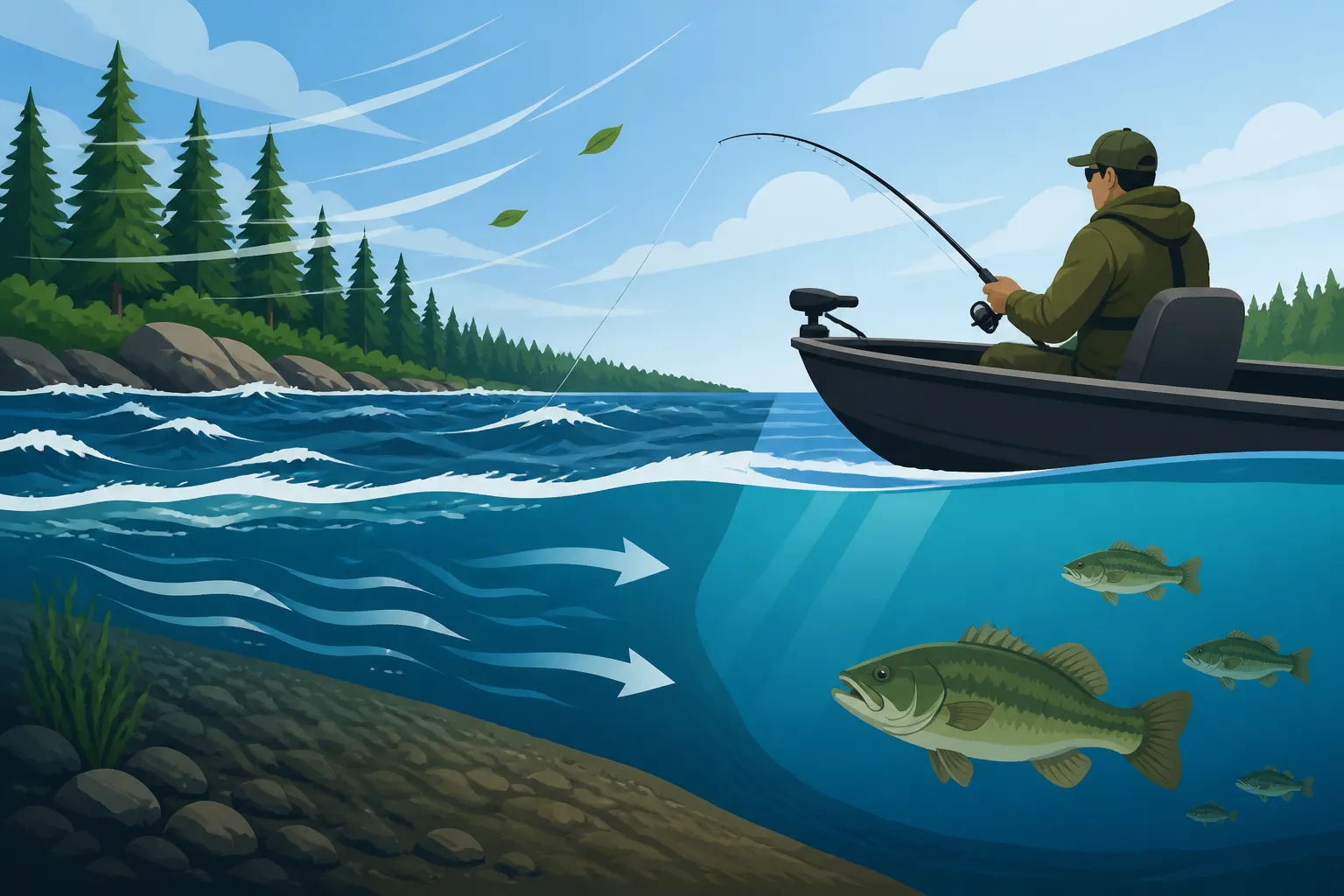
How Wind Affects Lake Fishing
We've all been there: you wake up, look out the window, and see the trees swaying a little more than you'd like, signaling a blustery day on your favorite Maine lake. That feeling of dread as you wonder if your fishing trip is doomed by the wind is completely valid. It can feel like an invisible force actively working against your best efforts, making casting a nightmare and finding fish impossible. But don't despair! This guide is here to demystify how wind impacts your lake fishing experience and equip you with the knowledge and tactics to turn a challenging day into a successful one.
The Unpredictable Force: How Wind Shapes Your Maine Fishing Day
Wind isn't just an annoyance; it's a powerful natural element that fundamentally alters the aquatic environment, from the surface to the depths. Understanding these changes is the first step to adapting your strategy and reeling in more fish. Think of it as a giant stirring spoon for the lake, mixing things up in ways both beneficial and detrimental to anglers.
Surface Turbulence and Water Clarity
One of the most immediate and noticeable effects of wind on a lake is the creation of surface chop and waves. This turbulence breaks up the water's surface, making it harder for fish to see you or your boat. It creates a "broken glass" effect, acting as natural camouflage for both predator and prey. This can actually be a huge advantage for anglers, especially when targeting wary species like landlocked salmon or brook trout, who might otherwise shy away from clear, still conditions.
However, strong winds can also lead to decreased water clarity, particularly in shallower areas or on lakes with soft, silty bottoms. Waves crashing against shorelines or churning up sediment in coves can cloud the water, reducing visibility for both fish and anglers. While some species, like smallmouth bass, are often less bothered by slightly stained water and may even use the reduced visibility to their advantage, highly visual predators like salmon can find it more challenging to hunt. This is particularly true if the turbidity is severe. In these situations, you might need to adjust your lure choices to high-contrast colors or those that emit strong vibrations.
Oxygenation and Temperature Changes
Wind plays a crucial role in the oxygenation of lake water, especially in the warmer months. As waves and chop disturb the surface, they mix atmospheric oxygen into the water column. This process is called aeration, and it's vital for all aquatic life. When the wind picks up, it can significantly increase the dissolved oxygen levels, particularly in the upper layers of the lake and in areas where the wind-driven current pushes surface water downwards. Fish, especially active predators, are drawn to these higher oxygen zones because it means they can breathe easier and be more energetic.
Conversely, wind can also influence water temperature. In summer, a strong breeze can cool the surface water, pushing warmer water into deeper layers or piling it up against a downwind shore. In spring or fall, it might mix cooler surface water more thoroughly, potentially breaking up temperature stratification. Fish are highly sensitive to temperature, and these wind-driven shifts can cause them to relocate to their preferred thermal comfort zones. For instance, cold-water species like togue and salmon might become more active closer to the surface if a strong wind has cooled the upper water column. Understanding how these thermal shifts occur is key to finding where the fish have moved, especially on large bodies of water like Moosehead Lake or Sebago Lake.
Current Creation and Baitfish Movement
Perhaps less obvious than surface chop, but equally important, is the wind's ability to create subtle, yet significant, currents within a lake. Even without a visible river or stream entering or exiting, a sustained wind pushing across a lake will generate a current. This current can concentrate baitfish, which often drift helplessly with the flow, into specific areas.
Think about it: tiny minnows, dace, or even juvenile smelt don't have the muscle to fight a steady current. They'll get pushed towards a particular shore, into a cove, or against a submerged structure. Where the baitfish go, the predators follow. Game fish like brook trout, landlocked salmon, and bass will set up ambush points along these current lines, waiting for an easy meal to be delivered. Identifying these wind-driven current patterns can be incredibly effective. For example, a strong west wind on a large lake might push baitfish into eastern coves or against points, creating prime feeding opportunities. This is also where understanding How to Find Drop-Offs on a New Lake becomes vital, as these features can create current breaks and holding areas.
Understanding Wind's Impact on Fish Behavior in Maine Lakes
Knowing how wind changes the water is one thing; predicting how fish react to those changes is where the real angling artistry comes in. Fish aren't just passive observers; they actively adapt their behavior to capitalize on or avoid wind-driven conditions.
Predatory Opportunities for Game Fish
Wind creates chaos, and chaos often means opportunity for predators. The disturbed surface makes it harder for prey fish to detect lurking predators. The chop also scatters light, further obscuring the underwater world and allowing game fish to hunt with less risk of being spotted. This can lead to increased activity, especially for visual hunters like striped bass in coastal estuaries or salmon in large lakes.
Furthermore, the currents generated by wind can dislodge terrestrial insects from shorelines, wash baitfish into open water, or stir up benthic organisms from the lakebed. All of these contribute to a "feeding frenzy" environment, where fish are more likely to be actively biting. Anglers often find that "walleye chop" or "bass chop" can be incredibly productive, as the fish are emboldened by the conditions and more focused on feeding than on potential threats. It's often one of the Best Time of Day to Fish in Maine if the wind aligns with prime feeding hours.
Fish Relocation and Preferred Structures
When the wind really howls, fish don't just stay put. They're smart, and they'll seek out comfort and advantage. Often, this means relocating to "lee" shores – the side of the lake or a particular structure that is sheltered from the direct force of the wind. Here, the water is calmer, and they can conserve energy. However, it's not always about finding calm. Sometimes, fish will push right into the wind-beaten areas because that's where the food is being concentrated. Points, submerged humps, weed lines, and even deep-water structures can become holding zones.
For instance, on a blustery day on the Moosehead Lake Fishing Guide, togue might move to the lee side of an island or a deep drop-off that offers a current break, while brook trout in shallower areas might hug a wind-protected shore where bugs are being blown in. Bass, known for their love of structure, might position themselves on the windy side of a rock pile, facing into the chop, waiting for bait to be swept past. This is why knowing Reading Lake Structure for Maine Bass is so crucial, as wind can activate different parts of that structure.
Sensitivity to Wind Direction and Strength
Not all wind is created equal. A gentle breeze creating a ripple can be ideal, offering just enough chop to break the surface without making boat control impossible. A moderate wind might be perfect for concentrating bait and creating active feeding windows. But a strong gale can shut down fishing entirely, not only making it incredibly difficult to fish but also potentially making the fish uncomfortable or too scattered to effectively target.
The direction of the wind also matters. A persistent wind from a particular direction will establish predictable patterns of current and baitfish movement. A shifting wind, however, can make fish behavior erratic and harder to pattern. Experienced anglers often pay close attention to historical wind patterns for a given body of water, knowing that certain winds tend to be more productive than others. For example, a southwesterly breeze on Sebago Lake Fishing Guide might push warmer water and bait into certain coves, while a strong northerly wind might have a completely different effect.
Tactical Adjustments: Fishing Strategies for Windy Conditions
Facing a windy day on a Maine lake doesn't mean you have to pack up and go home. In fact, some of the best fishing days happen when the wind is blowing, provided you know how to adjust. Here are some tactical shifts to make your windy-day fishing more successful.
Choosing the Right Gear and Lures
The wind makes casting a challenge, often leading to tangles, inaccurate presentations, and lures that don't reach their target. This is where heavier lures come into play. Switching from a lightweight spinner to a heavier spoon, a jig, or a weighted soft plastic can help you cut through the wind and maintain better control of your presentation. You might also consider using heavier line – not just for strength, but because a thicker line has more mass and is less susceptible to wind interference. For example, adjusting your Maine Open Water Line Limits knowledge to select a slightly heavier monofilament or fluorocarbon can make a big difference.
When it comes to rods, a slightly stiffer rod with a fast action can provide more casting power and help punch your lure through the wind. Longer rods can sometimes give you more leverage for casting, but they can also act like a sail in heavy wind, making boat control more difficult if you're standing. Consider the trade-offs. Brands like Fenwick or St. Croix offer great options for Best Rods for Maine Lake Trolling or casting that can handle blustery conditions.
If the water is churned up and visibility is low, switch to lures that create more vibration or have higher contrast. Rattling crankbaits, spinnerbaits with large blades, or jigs with loud rattles can attract fish through their lateral line senses rather than relying solely on sight. Dark colors like black, blue, or purple, or bright colors like chartreuse or fire tiger, can be more visible in stained water than natural, translucent hues. You can find a vast array of these specialized lures and tackle on platforms like Amazon, making it easy to prepare for any conditions.
Positioning Your Boat or Yourself
Boat control is paramount on windy days. If you're drifting, a drift sock or sea anchor can slow your drift, giving you more time to work an area effectively and present your lure properly. Without one, you might fly across a productive flat too quickly. If you're using a trolling motor, make sure your batteries are fully charged, as you'll be working it harder to maintain position or a slow speed. Consider positioning your boat so you're casting with the wind to maximize distance and accuracy, or anchoring strategically to work a specific piece of structure.
For shore anglers or those in smaller craft like kayaks, finding a sheltered cove or the lee side of a point is often the best strategy. If you're fishing from a kayak, knowing effective Kayak Fishing Techniques for Maine Lakes can help you maintain stability and control in choppy conditions. Sometimes, it means sacrificing the "prime" windy spots for sheer fishability and safety. Casting into the wind is usually a losing battle; try to find angles where the wind is at your back or across you, allowing for better line control.
Finding Lee Shores and Productive Structure
As mentioned earlier, fish often retreat to lee shores for comfort. These are excellent places to start your search. Look for areas where the wind is blocked by high banks, islands, or dense stands of trees. The water here will be calmer, and often, baitfish will be concentrated, either blown in or seeking refuge. This creates ideal ambush points for predators.
However, don't completely discount the windy side! While the main body of the wind might be too much, specific structures on the wind-blown side can be highly productive. A point jutting out into the wind, a submerged hump, or the edges of a weed bed can create current breaks. Fish will often position themselves just behind these breaks, waiting for food to be delivered to them by the current. It's a classic "work smarter, not harder" approach – let the wind do the work of concentrating the bait, and then position yourself to intercept the fish. Consider exploring the edges of structure in places like the Best Lakes in Maine for Fishing during windy spells.
Safety First: Navigating Maine Lakes in the Wind
While fishing in the wind can be productive, it's absolutely crucial to prioritize safety. Maine's lakes, especially the larger ones, can become very dangerous very quickly when the wind kicks up. No fish is worth risking your life over.
Personal Safety and Gear Security
When the wind is blowing, things can go flying – hats, tackle boxes, and even unsecured fishing rods. Make sure everything in your boat or on your person is properly stowed or tied down. Wear polarized sunglasses not just for vision, but also to protect your eyes from any debris whipped up by the wind. Dress in layers, as wind chill can make even a moderately cool day feel freezing, especially if you get wet. A good waterproof and windproof outer layer is essential.
Always wear your PFD (Personal Flotation Device), even if you're a strong swimmer. Wind-driven waves can easily capsize a small boat or knock you overboard, and retrieving yourself or righting a vessel in rough water can be incredibly difficult, even close to shore. If you're alone, let someone know your float plan – where you're going and when you expect to return.
Boating Safety and Navigation
Operating a boat in windy conditions requires extra caution and skill. Waves can quickly build on large lakes, making navigation challenging and potentially hazardous. If you're in a smaller boat, like a jon boat or even some bass boats, be very mindful of crossing large expanses of open water in strong winds. It might be better to stay in protected coves or along shorelines.
Always be aware of your surroundings and other boaters. Your boat will drift faster and be harder to control, so give other vessels and hazards (like rocks or submerged logs) a wider berth. If you have a fish finder or GPS, use it to help navigate, especially if choppy water makes it hard to see landmarks. Consider investing in an anchor that's appropriately sized for your boat and the lake conditions, as it can be a lifesaver if you lose power or need to hold position. If the wind picks up beyond a safe comfort level, don't hesitate to head back to the launch or seek immediate shelter. It's better to live to fish another day.
| Wind Strength (Approx. MPH) | Lake Surface Condition | Fish Behavior Trends | Angler Strategy |
|---|---|---|---|
| 0-5 (Light Air/Calm) | Glassy, smooth, slight ripple | Wary, easily spooked, often deeper or very shallow in low light. | Stealth is key. Long casts, light lines, natural presentations. Target low-light periods (dawn/dusk). |
| 5-10 (Gentle/Moderate) | Light chop, small waves | Increased activity, surface broken, less wary. Baitfish gather in wind-driven areas. | Ideal conditions. Fish wind-blown shores, points. Use lures with some vibration or visual appeal. Good for topwater. Focus on current breaks. |
| 10-15 (Fresh Breeze) | Choppy, whitecaps emerging | Active feeding in concentrated areas. Seek comfort behind structure/lee shores. | Use heavier lures, adjust boat positioning with drift sock/motor. Target lee sides of islands/points, or wind-exposed structure with current breaks. Focus on vibrations/contrast. |
| 15-20+ (Strong/Near Gale) | Large waves, rough, dangerous | Fish scatter, become uncomfortable, may move to deep, protected areas or bottom. | Exercise extreme caution. Focus on very sheltered coves, river mouths, or deep holes on the absolute lee side. Prioritize safety. Consider a different day or spot. |
Disclaimer
This article is for general informational purposes only and does not constitute professional advice. Laws, prices and regulations vary by location and change over time. Consult a qualified professional for guidance on your specific situation.