Best Time of Year to Catch Landlocked Salmon in Maine
Trying to pin down the absolute "best" time to catch a finicky landlocked salmon in Maine can feel like chasing a phantom, especially when you hear different tales from every seasoned angler you meet. It's a valid frustration; these fish are known for their evasive nature! This comprehensive guide will peel back the layers on how to maximize your chances, detailing the seasonal shifts in salmon behavior and offering proven strategies for each part of the year.
Understanding Landlocked Salmon Behavior Through the Seasons
Landlocked salmon, often considered the crown jewel of Maine's freshwater fisheries, are magnificent creatures, but their movements and feeding habits are deeply influenced by water temperature, oxygen levels, and prey availability. Unlike their anadromous Atlantic salmon cousins, they complete their entire life cycle within freshwater lakes and rivers. This means they're constantly adapting to their environment, making seasonal patterns key to successful angling.
The Impact of Water Temperature and Oxygen Levels
The biggest driver of landlocked salmon behavior is water temperature. These fish are cold-water species, thriving in temperatures between 45-60°F (7-15°C). When surface waters warm up in summer, they're forced to seek cooler, deeper havens, often where oxygen levels are still sufficient. This phenomenon is known as thermal stratification. As the seasons change, and the water column mixes, their accessible habitat expands or contracts, directly impacting where you'll find them. Understanding this fundamental principle is crucial for anyone hoping to succeed in Landlocked Salmon Fishing in Maine.
Forage Fish and Spawning Cycles
Beyond temperature, the availability of their primary food source—often smelt in Maine lakes—dictates where salmon will congregate. If the smelt are schooled up in a certain depth or area, you can bet the salmon won't be far behind. Additionally, salmon have a distinct spawning cycle that affects their behavior, particularly in the fall. As they prepare to spawn, usually in tributary rivers or along rocky lake shoals, they become more aggressive and predictable, offering anglers a unique window of opportunity. This biological imperative means their focus shifts from purely feeding to reproduction, influencing their territoriality and willingness to strike.
Spring: The Ice-Out Frenzy and Early Season Opportunities
After the long, cold winter, spring brings a renewed energy to Maine's lakes. The melting ice and warming waters signal the start of an exhilarating fishing season for landlocked salmon. This period, often called "ice-out," is arguably one of the most anticipated times for salmon anglers.
Post-Ice-Out Surface Action
Once the ice recedes, typically from late April to mid-May depending on the lake and year, the surface waters are still very cold, usually in that prime 40-50°F range that salmon love. This means salmon are no longer confined to the deep, dark pockets they inhabited all winter. They're often found cruising near the surface, actively feeding on smelt and other baitfish that are also moving into shallower areas. This is when you can see explosive strikes on topwater lures or have incredible success trolling just a few feet below the surface. Many anglers enjoy the simplicity of flat-line trolling or even casting small spoons and stickbaits from shore or a boat during this window.
Early Season Trolling Strategies
As the spring progresses and surface temperatures slowly climb, salmon might start to drop a bit deeper, but generally remain in the top 10-20 feet of the water column through May and into early June. This is a fantastic time for Trolling Techniques for Maine Lakes. Focus on areas where tributaries flow into the main lake, or along rocky points and islands where baitfish might be congregating. Small, flashy spoons in silver, blue, or gold patterns, like a Mooselook Wobbler or a small DB Smelt, are often highly effective. Speed is key during this time; a slower troll often entices these still somewhat lethargic, but hungry, fish.
Summer: Deep Water Challenges and Strategies
Summer in Maine brings beautiful warm days, but for landlocked salmon anglers, it often means a shift to more challenging, deep-water tactics. The warming surface waters push salmon into specific, cooler zones, making them harder to locate without the right approach.
Locating Salmon in Thermocline Depths
By July and August, the surface water temperatures on larger lakes like Sebago Lake, Moosehead Lake, and the Rangeley Lakes can easily reach the 70s°F. This forces landlocked salmon into the cooler, oxygen-rich depths, usually within or just below the thermocline. The thermocline is that magical transition layer where the water temperature rapidly drops. For salmon, this often means depths of 30 to 70 feet, or even deeper in some of Maine's truly vast lakes. This is where modern electronics, like a good fish finder, become invaluable for identifying both the thermocline and schools of baitfish. Without this technology, you're essentially fishing blind.
Effective Summer Trolling with Downriggers
To consistently reach these deep-water salmon, specialized gear is almost a necessity. Downriggers are the heroes of summer salmon fishing, allowing you to present your lure at a precise, controlled depth. Often, anglers will run multiple lines at varying depths to "search" for the sweet spot. Popular lures include longer, slender spoons that imitate smelt, or even live bait like shiners, which can be particularly effective. Learning How Deep Should You Troll for Salmon in Summer? is a game-changer. Consistency in speed and depth is more important than ever, as salmon in deep water are often less inclined to chase and prefer an easy meal passing right by them. Remember, stealth and precision are paramount when targeting these deep-water dwellers.
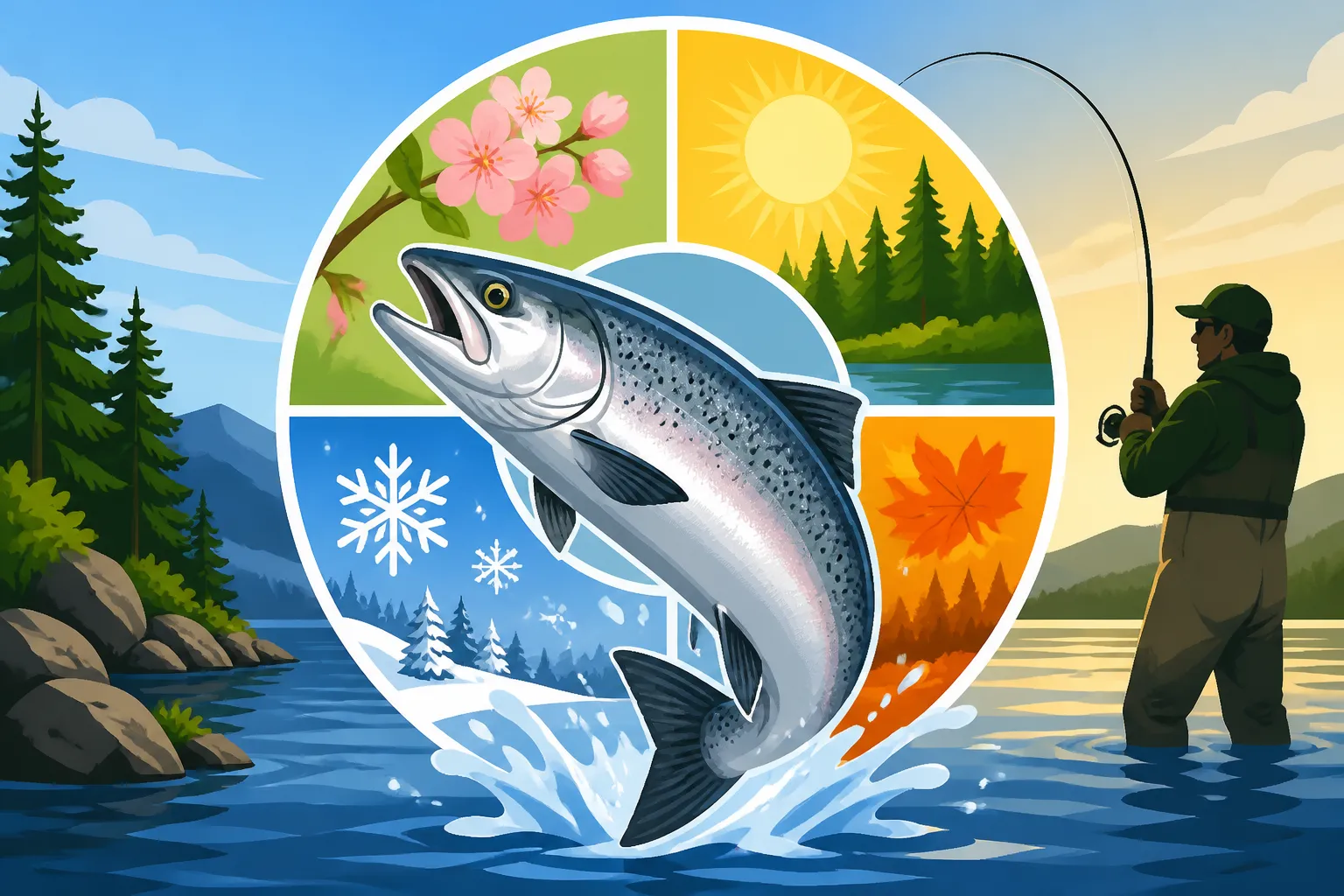
Here's a quick comparison of salmon fishing across the seasons:
| Season | Typical Water Temp (Surface) | General Salmon Depth | Primary Technique | Recommended Lures/Bait | General Success Rate |
|---|---|---|---|---|---|
| Spring | 40-55°F (4-13°C) | 0-20 feet | Trolling, Casting, Fly | Spoons, Stickbaits, Smelt patterns | High |
| Summer | 65-75°F (18-24°C) | 30-70+ feet | Downrigger Trolling | Longer Spoons, Live Bait, Flies | Moderate to Challenging |
| Fall | 45-60°F (7-15°C) | 0-30 feet, Spawning Areas | Trolling, Casting, Fly | Spoons, Streamers, Live Bait | High |
| Winter | 32-35°F (0-2°C) | Varied (often mid-depth) | Ice Fishing (Jigging, Tip-ups) | Jigging Spoons, Live Bait | Moderate |
Fall: Pre-Spawn Aggression and Prime Time Fishing
For many dedicated Maine anglers, fall is the undisputed champion for landlocked salmon fishing. As water temperatures begin to cool, salmon become incredibly active, feeding aggressively in preparation for their spawning run. This creates some of the most exciting fishing of the year.
Spawning Runs and River Mouth Action
Starting in late September and continuing through October and sometimes into November, landlocked salmon begin their annual migration towards tributary rivers and streams to spawn. This is a magical time to fish river mouths and the lower stretches of these tributaries that flow into major lakes. The fish are often concentrated in these areas and are exceptionally aggressive as their hormones kick in. Casting spoons, streamer flies, or stickbaits into these areas can yield incredible results. Be sure to check the specific Maine Fishing Season Dates Guide and regulations for the rivers you plan to fish, as many have special rules during the spawn.
Fall Trolling on the Lake
Even if you're not targeting the river runs, fall is prime time for trolling on the main lake body. The entire water column begins to cool and "turn over," mixing oxygen and bringing salmon back up into shallower, more accessible depths. Much like spring, you can find salmon actively cruising just below the surface or down to 30 feet. Anglers often switch to larger, flashier spoons, or even bigger streamer flies trolled on lead core or simply with enough backing. This is also an excellent time to try different colored spoons, as the lower light conditions of fall can make brighter, more vibrant colors stand out. Many anglers attest that some of their largest landlocked salmon catches come during this fall feeding frenzy.
Factors Influencing Landlocked Salmon Success
While the season plays a huge role, successful landlocked salmon fishing involves a blend of timing, technique, and a little bit of luck. Beyond the time of year, several other factors can significantly impact your day on the water.
Time of Day and Weather Conditions
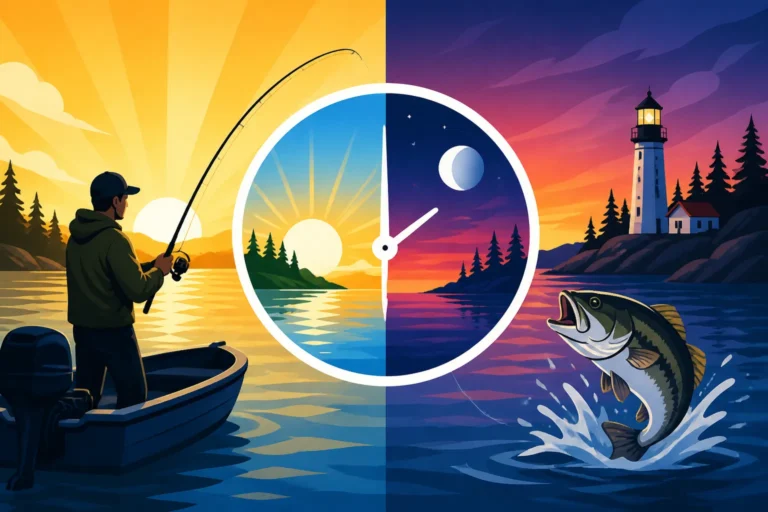
Just like many other fish, landlocked salmon often exhibit peak feeding activity during specific times of the day. Early mornings and late evenings, when the light is lower and water temperatures are often cooler, are typically prime times, especially in the warmer months. This is often true for Best Time of Day for Fly Fishing as well. Overcast days can also extend these feeding windows throughout the day. Conversely, bright, sunny days in the middle of summer might push them even deeper or make them less inclined to bite. Pay attention to how the weather has been, as sudden changes can impact their behavior.
Regarding weather, How Wind Affects Lake Fishing can be a double-edged sword. A light chop on the water can actually break up the surface, making it harder for fish to see your boat and lines, and stirring up baitfish. However, strong winds can make boat control and lure presentation extremely difficult, not to mention being potentially dangerous on large Maine lakes. Similarly, How Barometric Pressure Affects Fish Behavior is a widely discussed topic among anglers. A stable or slowly falling barometer often signals good fishing, while rapidly changing pressure (especially before a big storm) can shut down the bite.
Gear and Lure Selection
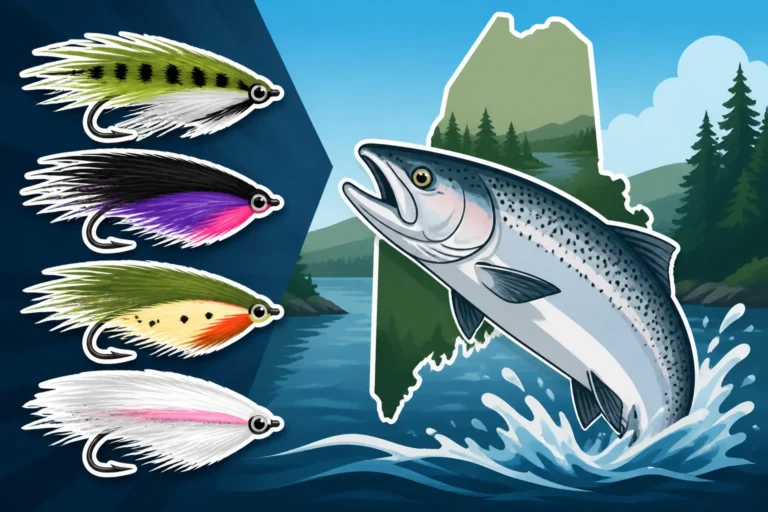
Having the right gear is non-negotiable for consistent salmon success. For trolling, a medium-light action rod with a sensitive tip is ideal for detecting those subtle strikes, paired with a reliable reel spooled with strong, low-stretch line. When it comes to lures, the local bait shops will always have the current hot patterns, but classic spoons like the Sutton, the Grey Ghost, or the various patterns from the local Maine-made lures are staples. Don't forget to stock up on Best Bait for Landlocked Salmon such as shiners or smelt if live bait is allowed and you plan to use it. Many anglers find a good selection of quality lures on platforms like Amazon, ensuring they're prepared for any conditions or depths. Always carry a variety of sizes and colors to adapt to changing conditions.
Understanding Local Regulations
Maine has detailed regulations designed to protect its precious fisheries. Before you even cast a line, you need to understand the Landlocked Salmon Size and Bag Limits in Maine, special regulations for specific lakes or rivers, and general rules like the Maine Fishing Regulations Explained. These rules are not just suggestions; they are legally binding and are in place to ensure sustainable fishing for generations to come. Always carry a copy of the current Maine fishing law book, which is available from the Department of Inland Fisheries and Wildlife (MDIFW) or at most places that sell fishing licenses. Being caught unaware can lead to fines and a ruined fishing trip, so a little homework beforehand goes a long way!
Disclaimer
Please remember that fishing conditions, regulations, and fish behavior can change. Always consult the latest official Maine Department of Inland Fisheries and Wildlife (MDIFW) regulations before heading out on the water. This guide is for informational purposes only and should not replace official sources.