How Barometric Pressure Affects Fish Behavior
If you've ever found yourself scratching your head on the water, wondering why the fish that were biting yesterday suddenly vanished today, despite seemingly perfect weather, you're not alone. It's one of the most common and frustrating puzzles anglers face, and often, the invisible hand of barometric pressure is the culprit. This guide will demystify how these atmospheric changes influence fish behavior in Maine's diverse waters and equip you with the knowledge to adapt your fishing strategies, no matter what the barometer is doing.
What Exactly is Barometric Pressure and Why Should Anglers Care?
Before we dive into how fish react, let's get a handle on what barometric pressure actually is. Simply put, it's the weight of the air pressing down on everything around us, including our beautiful Maine lakes, rivers, and coastal waters. Think of it like a giant, invisible blanket of air that expands and contracts, getting heavier or lighter. This isn't just a weather nerd's detail; it's a fundamental force that dramatically impacts everything from our comfort to, crucially, the comfort and behavior of the fish we seek. Understanding these shifts can give you a significant edge on the water, turning a frustrating day into a productive one.
The Invisible Force Above Us
Imagine the entire column of air above you, stretching miles up into the atmosphere. That air has weight, and that weight changes based on temperature, humidity, and whether a storm front is moving in or out. When we talk about "high pressure," it means there's a heavier column of air pushing down. "Low pressure" means that column of air is lighter. These changes, even subtle ones, can have profound effects on fish, which are far more sensitive to their environment than we are. They don't have the luxury of checking a weather app; their bodies are finely tuned to detect these shifts, and their survival often depends on reacting to them appropriately.
High Pressure vs. Low Pressure: A Quick Primer
Let's break down the general characteristics of these two main pressure systems.
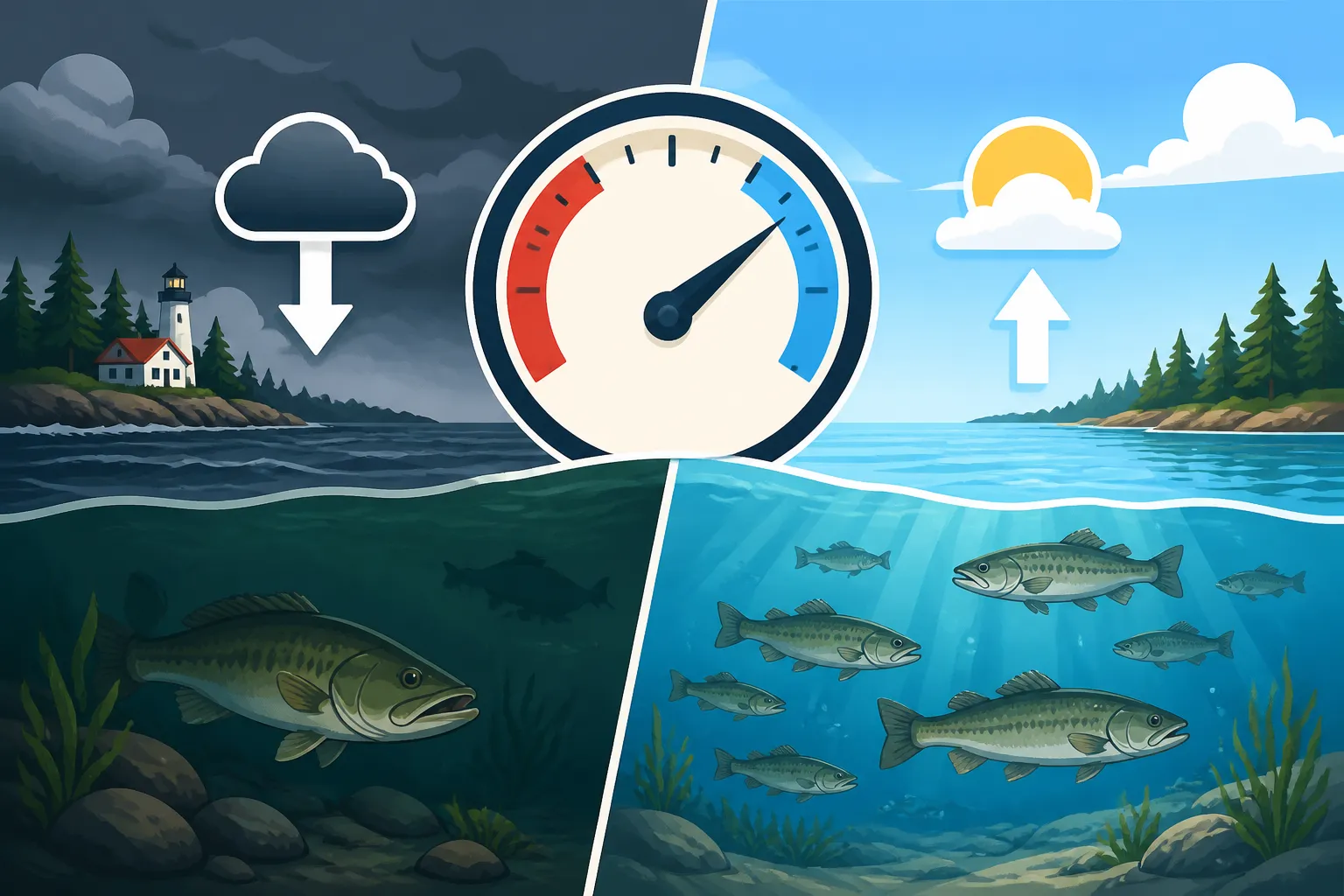
High-pressure systems typically bring clear skies, cooler temperatures, and lighter winds. They often follow a storm front, settling in for a few days. For us humans, it feels pleasant, crisp, and ideal for outdoor activities. But for fish, especially after a dramatic drop in pressure and then a sharp rise, it can lead to a state of lethargy. The increased "weight" on the water column can make them feel uncomfortable, often driving them deeper or causing them to hold tighter to cover.
Low-pressure systems, on the other hand, are often associated with cloudy skies, warmer temperatures, increased humidity, and stormy weather. Think of those hazy, humid days leading up to a thunderstorm or a prolonged period of rain. This lighter column of air can often trigger a feeding frenzy in fish, especially during the falling pressure period just before a storm hits. It's as if they sense the impending weather and know they need to gorge before conditions worsen. Understanding these fundamental differences is the first step in unlocking the secrets of How Barometric Pressure Affects Fish Behavior.
The Science Behind Fish Behavior and Atmospheric Shifts
It's not just a hunch or old angler's tale; there's real science backing up how barometric pressure influences our finned friends. Fish aren't just swimming around oblivious to the world above; their bodies are marvelously designed to detect and react to these subtle changes in their aquatic environment. Knowing the physiological reasons behind their behavior can help you anticipate their moves and adjust your Maine Open Water Fishing Techniques Guide accordingly.
Swim Bladders, Lateral Lines, and Discomfort
The most significant anatomical feature affected by barometric pressure in many fish species is the swim bladder. This gas-filled organ helps fish maintain buoyancy at different depths. When atmospheric pressure changes, the pressure exerted on the water changes, and consequently, the pressure on the fish's swim bladder changes too.
Imagine a sudden drop in atmospheric pressure. The water column becomes "lighter," and the gas in a fish's swim bladder expands. This can make the fish feel overly buoyant, struggling to stay at their desired depth. To compensate, they might need to swim deeper to find more pressure to compress their bladder, or expend more energy to stay shallow. Conversely, a sharp rise in pressure can compress their swim bladder, making them feel "heavy" and perhaps prompting them to rise in the water column or seek shallower areas where the pressure is slightly less intense. This constant adjustment can be stressful and uncomfortable, making them less inclined to chase bait or actively feed.
Beyond the swim bladder, fish possess a highly sensitive lateral line system, a row of specialized sensory organs running along their sides. This system detects vibrations and pressure changes in the water. While it primarily helps them navigate and detect prey or predators, it also makes them incredibly aware of the subtle shifts in water pressure caused by atmospheric changes. This heightened sensitivity means that when the barometer is unstable, fish can become agitated or simply uncomfortable, leading to changes in their typical patterns. You might observe them holding tight to cover, or moving into deeper, more stable thermal and pressure zones.
How Pressure Influences Feeding Patterns
The discomfort caused by changing barometric pressure directly impacts a fish's desire to feed. Think about it: if you had a constant dull headache or felt a bit queasy, would you be eager for a big meal? Probably not. Fish are similar.
During periods of stable high pressure, often characterized by clear, bright skies, fish tend to be less active. The increased pressure can push them deeper or cause them to suspend in open water, often scattered and reluctant to move much. Their metabolism might slow down, and they become pickier eaters. This is when you might need to try a slower presentation or downsize your bait. For smallmouth bass in Maine's many lakes, for example, they might be scattered over deeper humps instead of actively cruising the shallows.
Conversely, falling pressure, particularly just before a storm or cold front, often stimulates a feeding frenzy. Fish seem to sense the impending bad weather and instinctively know that feeding opportunities might be scarce during or immediately after the storm. They become more aggressive, moving into shallower water or more open areas to actively hunt. This is the sweet spot for many anglers, where fish are less cautious and more willing to strike. This pre-front activity is why understanding Fishing Before a Cold Front can be so vital to success.
After a storm, when a stable low-pressure system has settled in, or during periods of rising pressure (after a storm has passed and high pressure is building back), fish behavior can be unpredictable. Often, right after a major weather event, fish might still be somewhat lethargic due to the turbulent conditions and the shock to their system. They may remain deep or tight to cover. As pressure rises and stabilizes, they gradually become more active, moving back towards their usual feeding grounds, but often with a more cautious demeanor than during the pre-storm bite. This post-front lethargy is a classic scenario discussed in Fishing After a Cold Front.
Adapting Your Angling Approach to Maine's Pressure Swings
Knowing what barometric pressure is doing is one thing; understanding how to adjust your fishing strategy is where the rubber meets the road. Successful anglers in Maine, whether they're chasing landlocked salmon on Sebago Lake or smallmouth bass on the Belgrade Lakes, learn to read the conditions and adapt their Maine Open Water Fishing Techniques Guide. Here's how you can do the same for different pressure scenarios.
Tackling Stable High-Pressure Systems
Stable high pressure means clear skies, bright sun, and often calm conditions. While it might feel like a beautiful day for boating, it can be notoriously tough for fishing. Fish, feeling the increased atmospheric weight and often dealing with post-front discomfort, tend to become lethargic and seek refuge.
- Go Deep or Go Home (Sometimes): Fish often retreat to deeper water where temperature and pressure are more stable. If you're targeting salmon or lake trout (togue), this might mean trolling at greater depths or jigging near bottom structure. For bass, look for them holding on deep humps, along steep drop-offs, or suspended over deeper water near baitfish.
- Slow Down Your Presentation: Forget fast retrieves and aggressive topwater blow-ups (unless it's very early morning or late evening). Think finesse. Smaller baits, lighter lines, and slower retrieves are often key. Try dragging jigs, slow-rolling spinnerbaits, or dead-sticking soft plastics. Fish aren't actively hunting; you need to put the bait right in front of them and entice a reaction strike.
- Target Structure and Cover: Fish will often hug tight to any available cover or structure – submerged trees, rock piles, weed lines, docks – anything that offers shade, security, and a slight break from the pressure. Fan-cast these areas thoroughly, making multiple passes from different angles. Look for Reading Lake Structure for Maine Bass to help identify these key holding areas.
- Early Morning and Late Evening: These low-light periods offer a brief respite from the bright sun and can slightly alleviate the pressure's effects, encouraging fish to move shallower to feed. These are often your best windows of opportunity during high pressure. Consider the Best Time of Day to Fish in Maine for more insights.
Navigating Falling Pressure: The Pre-Storm Bite
This is often an angler's favorite time! As a low-pressure system moves in and the barometer begins to drop, fish sense the approaching change. This can trigger a surge of activity as they feed aggressively, knowing that rough weather might make feeding difficult for a while.
- Get Aggressive and Go Shallow: Fish will often move shallower, actively chasing bait. Break out your power fishing techniques: crankbaits, spinnerbaits, topwater lures, and fast-moving jerkbaits. If you're inshore for striped bass, this is when they might be busting bait on the surface along the coast or in the Kennebec River.
- Focus on Points and Transition Areas: Fish will congregate in areas where they can easily move between shallow feeding grounds and deeper safety. Points, channels, humps leading into bays, and the edges of weed beds are prime locations.
- Don't Overthink It: During this pre-storm bite, fish are often less finicky. Your usual confidence baits will likely produce. The key is to be on the water when the pressure is dropping. Keep an eye on weather forecasts, particularly when planning your Best Season to Plan a Maine Fishing Trip.
- Safety First: While the fishing can be fantastic, always be mindful of rapidly changing weather. Darkening skies, increasing wind, and distant thunder are clear signs to head for shore. No fish is worth risking your safety. This is especially true for those epic Cold Front Fishing Tactics in Maine days.
Dealing with Stable Low-Pressure: Post-Front Blues
After a storm has passed and a low-pressure system has settled in, or during a prolonged period of dreary, stable low pressure, fishing can be challenging. Fish tend to be less active, often remaining deep or tight to heavy cover, similar to high-pressure conditions, but for different reasons.
- Patience is a Virtue: You might have to work harder for bites. Slow down, be methodical, and present your baits patiently. Fish aren't in a hurry to eat.
- Think Reaction Bites: Sometimes, fish in stable low pressure won't be actively feeding, but you can still trigger a reaction strike. Use lures with erratic actions, bright colors, or strong vibrations that might irritate a fish into striking defensively rather than out of hunger. Jigs, twitchbaits, or even a slow-moving spinnerbait can sometimes elicit a response.
- Scent Can Make a Difference: During tough bites, adding scent to your lures or using live bait can make a huge difference. If a fish isn't actively hunting, the added attractant might be enough to encourage a bite. You can find a variety of excellent scents and soft plastics on
Amazonthat might give you an edge. - Focus on Oxygen and Bait: Even in low pressure, fish need oxygen and food. Look for areas with current (rivers, moving water in lakes), or places where baitfish are concentrated. These spots might offer a slight advantage.
Capitalizing on Rising Pressure After a Storm
This phase occurs as the low-pressure system starts to move out and high pressure begins to build back in. It's a transitional period, and fish behavior can slowly shift from lethargic to more active.
- Start Slow, Then Speed Up: Begin with the slower, more methodical presentations you might use in stable low pressure. As the day progresses and the pressure continues to rise, gradually experiment with more aggressive techniques if you observe increased fish activity.
- Follow the Fish's Comfort Zone: Fish will be seeking their preferred depth and temperature as conditions stabilize. This might mean starting deep and slowly working your way shallower as they become more comfortable.
- Observe and Adapt: Pay close attention to subtle signs of activity – baitfish scattering, small rises, or even just changes in your electronics. The fish are telling you what's happening. Be ready to change your lure, depth, or retrieval speed based on these observations.
- Consider the Maine Fishing Season Dates Guide: Certain fish species are more resilient or active in certain seasons, which can sometimes override the more subtle pressure effects. However, generally, rising pressure after a front will signal a gradual return to normal behavior.
| Pressure State | General Fish Behavior | Recommended Angling Approach |
|---|---|---|
| Stable High Pressure | Less active, scattered, deeper, lethargic | Slow & finesse, deep water, cover/structure, low light periods |
| Falling Pressure | Increased activity, shallow, aggressive, feeding | Aggressive presentations, shallow/transition areas, power fish |
| Stable Low Pressure | Lethargic, tight to cover, deeper, unenthusiastic | Slow & methodical, reaction baits, scent, oxygenated areas |
| Rising Pressure | Gradually increasing activity, seeking comfort/food | Start slow, adapt to activity, follow comfort zones |
Practical Ways to Monitor Barometric Pressure on Your Maine Fishing Trip
You don't need to be a meteorologist to keep tabs on barometric pressure. There are several accessible tools and methods that can help you understand the invisible forces at play and better predict how fish will react. Staying informed allows you to make more strategic decisions about when and where to cast your line, complementing your knowledge of the Maine Fishing Regulations Explained.
Handheld Barometers and Smart Devices
In today's tech-driven world, monitoring barometric pressure is easier than ever.
- Dedicated Handheld Barometers: These devices are compact, durable, and specifically designed for outdoor enthusiasts. They provide precise readings of atmospheric pressure, often with a trend indicator (rising, falling, stable). Many also include thermometers, altimeters, and even compasses, making them invaluable tools for any serious angler or outdoorsperson. You can find reliable models on
Amazonthat are waterproof and easy to use. The key is not just the current reading, but the trend. A rapidly falling needle is a strong indicator of an impending bite, while a steady rise after a storm suggests improving conditions. - Smart Device Apps: Your smartphone or tablet can be a powerful weather station. Many advanced weather apps include barometric pressure readings and historical data, allowing you to track trends over hours or days. Some apps even integrate fishing forecasts based on pressure changes, moon phases, and other factors. While not always as precise as a dedicated device, they offer a convenient way to get a general idea of what's happening with the pressure wherever you are, even when planning a remote trip to the Allagash Wilderness Waterway Fishing Guide.
- Weather Radios and Marine Forecasts: For those fishing on large lakes like Moosehead or Sebago, or along the Maine coast, a weather radio that provides NOAA forecasts is crucial. These forecasts often include barometric pressure trends, severe weather warnings, and detailed marine conditions, which are vital for safety and effective planning.
Observing Nature's Cues: Clouds, Wind, and Wildlife
While technology is great, don't underestimate the power of keen observation. Nature itself provides a wealth of clues about barometric pressure.
- Clouds: The type and movement of clouds are strong indicators. High, wispy cirrus clouds can signal an approaching warm front and falling pressure. Dark, heavy cumulonimbus clouds, of course, mean a storm is brewing and pressure is plummeting. Clear, blue skies with minimal clouds typically indicate stable high pressure. Learning to How Wind Affects Lake Fishing also means paying attention to how it interacts with these cloud formations.
- Wind Patterns: Changes in wind direction and intensity often accompany pressure shifts. A sudden shift from a prevailing westerly wind to an easterly wind can indicate a low-pressure system moving in, often bringing unsettled weather. Increasing wind speed without an obvious local cause can also point to an approaching front.
- Wildlife Behavior: It's not just fish that react to pressure! Other wildlife, especially birds, can offer clues. Birds flying low can sometimes indicate falling pressure, while unusually active or frantic behavior from baitfish (like schools dimpling the surface or jumping) can be a sign of feeding fish below, often triggered by falling pressure. Even observing bugs can help; sometimes, a sudden hatch or change in insect activity can be influenced by pressure, which in turn influences what trout are feeding on in a stream. This is why a holistic view of the environment is key to a Maine Fishing Season Calendar successful outing.
By combining technological tools with keen environmental observation, you can develop a much more nuanced understanding of how barometric pressure is influencing your fishing success. It transforms fishing from a game of chance into a more strategic endeavor, allowing you to anticipate fish behavior and adapt your tactics on the fly.
Disclaimer
This article is for general informational purposes only and does not constitute professional advice. Laws, prices and regulations vary by location and change over time. Consult a qualified professional for guidance on your specific situation.