How to Fish Clear Water Lakes
Fishing clear water lakes in Maine can be incredibly rewarding, but it also presents a unique set of challenges that can leave even seasoned anglers scratching their heads. Unlike murky or stained waters where fish might be less wary, the crystal-clear depths of many Maine lakes mean fish have excellent visibility, making them much harder to fool. This guide is here to demystify how to fish clear water lakes, helping you refine your approach and land more fish in these pristine environments.
Understanding Clear Water Dynamics
When you're out on a lake that's so clear you can see your anchor chain disappearing into the depths, it's easy to appreciate the beauty. But for a fish, that crystal clarity means an entirely different world of survival. Everything, from sunlight to your fishing line, behaves differently, and understanding these dynamics is the first step toward outsmarting your finned quarry.
Light Penetration and Fish Behavior
One of the most significant factors in clear water is how deeply sunlight penetrates. In a dark, tannic pond, light might only reach a few feet. But in a clear Maine lake, sunlight can pierce much deeper, illuminating the water column and making fish highly visible to predators – and to you. This heightened visibility makes fish inherently warier. They often react by retreating to deeper water during bright daylight hours, seeking refuge in the shadows of submerged structures, under thick weed beds, or along steep drop-offs. Imagine trying to hide in an open field; fish feel that same exposure. They'll hug the bottom, hide near boulders, or tuck themselves into any available cover, making them trickier to locate and entice. This is why understanding Reading Water Temperature for Maine Trout is so crucial, as fish often seek specific thermal layers in addition to cover.
When the sun is high and bright, fish don't want to be caught silhouetted against the surface. They’ll often hold tighter to cover, making them ambush predators rather than active cruisers. This means your presentations need to be precise, landing your lure right in their living room, so to speak. During dawn, dusk, or heavily overcast days, when light is subdued, fish might feel more comfortable venturing out into open water or shallower areas to feed. This gives you a broader window of opportunity and allows for different techniques compared to the midday sun.
The Visibility Factor: Fish vs. Anglers
It's not just sunlight that's magnified in clear water; every detail of your presentation is under scrutiny. This means your fishing line, the hardware on your lures, even your boat's shadow, can spook fish. Fish in clear water can detect subtle nuances. A heavy leader that would go unnoticed in murky water might look like a glaring piece of rope to a wary trout or salmon. Lures that are too flashy or unnaturally colored can scream "fake" rather than "meal." Think about it from the fish's perspective: if they can see everything coming, they're going to be much more selective and cautious.
Your own presence above water is also a major factor. Shadows cast by your boat or even your body can send fish scattering. Loud noises, dropping tackle boxes, or even talking too loudly can transmit through the water and put fish on high alert. This means that stealth becomes paramount. You need to approach your fishing spots quietly, keep a low profile, and cast long to avoid getting too close. It’s a delicate dance, but mastering the art of invisibility will pay dividends in clear water environments. This is particularly important when considering techniques covered in our Maine Open Water Fishing Techniques Guide.
Gear and Tackle for Clear Water Success
When every detail matters, your gear choice becomes absolutely critical. You can’t just grab your everyday heavy-duty setup and expect to fool finicky fish in clear water. This is where finesse, subtlety, and attention to detail truly shine.
Line Selection: The Art of Discretion
Your fishing line is the direct connection between you and the fish, and in clear water, it can also be your biggest giveaway. The goal is to use the lightest, least visible line possible without compromising strength. This is where fluorocarbon truly excels. Fluorocarbon leader material has a refractive index very similar to water, meaning it virtually disappears underwater. It's also abrasion-resistant and offers excellent sensitivity.
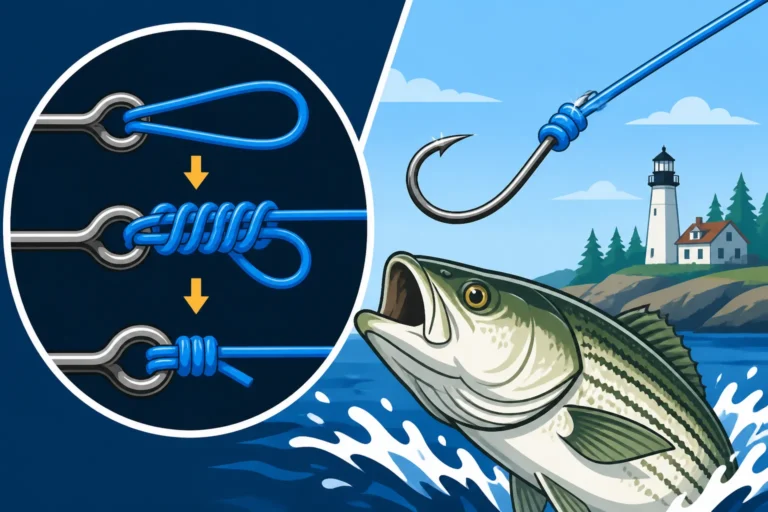
For your main line, many anglers opt for a thin diameter braided line, especially if they need casting distance and sensitivity. However, braid is highly visible. The trick is to connect a long fluorocarbon leader – sometimes six to ten feet or even more – to your braid using a strong, low-profile knot like an Alberto knot or an FG knot. This gives you the invisibility of fluorocarbon at the business end, combined with the casting and sensitivity benefits of braid. Alternatively, you might opt for a high-quality monofilament line in a light clear or green tint, especially in lighter tests. For delicate presentations, you might even consider going down to 4-pound test or lighter if the target species and obstacles allow. Remember, the lighter the line, the less visible it is. You can find excellent fluorocarbon leaders and specialty lines on Amazon that are perfect for these conditions. Learning Best Fishing Knots Every Maine Angler Should Know will be invaluable here.
Lure Choice and Presentation: Natural and Subtle
In clear water, fish have ample time to inspect your offering. This means natural colors, realistic profiles, and subtle movements are often far more effective than loud, flashy presentations. Think about what the native baitfish or insects in that particular lake look like. Smallmouth bass, for example, might be keying in on crayfish or small minnows. Landlocked salmon might be chasing smelt. Your lure should mimic these natural food sources as closely as possible. Earth tones, natural greens, browns, and translucent shades work wonders.
When it comes to presentation, less is often more. Erratic, fast retrieves can look unnatural. Instead, focus on slow, deliberate movements that imitate wounded baitfish or gently swimming insects. Small jigs, drop shot rigs, weightless worms, and finesse swimbaits are excellent choices for clear water bass. For salmon and trout, tiny spoons, small stickbaits, or even micro-jigs can be deadly, especially when presented with a natural drift or a subtle retrieve. If you’re fly fishing, think about matching the hatch with delicate dry flies or small, realistic nymphs. Many anglers find great deals on these specialized lures on Amazon. For those specifically targeting trout, choosing the right Best Bait for Brook Trout or Best Lures for Smallmouth Bass in Maine can make a huge difference.
Rods and Reels: Sensitivity and Finesse
Your rod and reel setup should complement your light lines and subtle presentations. A sensitive rod is paramount in clear water, allowing you to detect the often-light bites of wary fish. Look for rods with a fast action tip and a lightweight blank, usually graphite. This combination gives you the backbone to fight fish but also the sensitivity to feel even the most delicate tap.
For spinning gear, a light to medium-light power rod, typically 6'6" to 7'6" in length, paired with a small, smooth spinning reel (1000 to 2500 series) is ideal. The longer rod aids in casting those lightweight lures further and provides a better cushion for fighting fish on light line. Baitcasting setups can also be used, especially for slightly heavier finesse presentations, but demand a more skilled hand to avoid backlashes with lighter baits. The key is smooth drag and comfortable ergonomics, ensuring you can make precise casts and handle light line without putting too much stress on your knots or risking line breakage.
Stealth and Strategy on Clear Water Lakes
Fishing clear water isn't just about what you use; it's about how you use it. Your approach, your positioning, and your understanding of the environmental conditions will significantly impact your success. You need to think like a hunter, not just an angler.
Approach and Positioning: Be a Shadow
In clear water, your boat and your presence are highly visible. This is why stealth is crucial. Avoid motoring directly over the areas you intend to fish. Instead, approach quietly, often using an electric trolling motor or even rowing/paddling if conditions allow. Keep your distance from prime spots, opting for longer casts rather than trying to get right on top of the fish. If you're shore fishing, use natural cover like trees or tall bushes to break up your silhouette. Don't stand on the bank silhouetted against the sky; crouch low or cast from behind cover.
Position your boat so that the sun is either in front of you (casting your shadow behind you, away from the fish) or directly overhead if possible. Never cast your shadow directly over the water you're fishing. Being aware of your shadow is a game-changer. Consider wearing neutral-colored clothing, avoiding bright, reflective gear that might flash and spook fish. Your goal is to be as unnoticeable as possible. When trolling, as discussed in our Trolling Techniques for Maine Lakes guide, use quiet outboards and run far from your target areas before making your pass.
Time of Day and Weather: Maximizing Opportunities
The sun is both a blessing and a curse in clear water. While it allows for beautiful views, it also makes fish warier. As a rule, low light conditions are often your best bet. Early mornings, late evenings, and overcast days provide natural cover from direct sunlight, making fish feel more secure and willing to venture out of deeper haunts. This is particularly true for light-sensitive species like trout and salmon. Our guide on the Best Time of Day to Fish in Maine goes into more detail on this.
Cloudy or rainy days can also be excellent. The diffused light breaks up shadows and reduces the "spy glass" effect, giving you a distinct advantage. Even wind can be your friend; a choppy surface breaks up the light and reduces visibility for the fish, making them less likely to detect your presence or scrutinize your lure. On bright, sunny days, focus on deeper water, shaded areas, or structure where fish might be hiding. This is often when you'll need to drop your baits right into their sanctuary to tempt a strike.
Reading the Water: Spotting the Subtle Clues
In clear water, the ability to "read the water" becomes an even more powerful tool. You can often see submerged features that would be hidden in murkier lakes: rock piles, fallen trees, weed lines, and subtle drop-offs. These are all potential hiding spots for fish. Pay attention to changes in bottom composition, depth, and vegetation. Fish will often relate to these transitions.
Beyond structure, look for signs of life. Minnows skipping across the surface, diving birds, or even subtle rises on the water's surface can indicate feeding fish. In clear water, you might even spot the fish themselves! Keep a keen eye out for shadows or actual fish movements. Polarized sunglasses are absolutely essential for cutting through glare and spotting these crucial details. Understanding Reading Lake Structure for Bass and Trout is key to deciphering these underwater clues and pinpointing where fish are likely to be holding.
Specific Techniques for Maine's Clear Water Species
Maine's clear water lakes are home to a variety of sought-after species, each requiring a slightly nuanced approach to conquer their clear-water wariness. Whether you're chasing the famed landlocked salmon or the feisty smallmouth bass, a refined technique will put you ahead.
Targeting Salmon and Trout: Deep Trolling, Light Jigs, and Fly Fishing
For landlocked salmon and lake trout (togue) in Maine's clear, deep lakes, depth and stealth are paramount, especially during the brighter parts of the day. These cold-water species will often hold in specific thermal layers, which are illuminated by the clear water. During summer, this usually means they've retreated to the cooler, deeper parts of the lake.
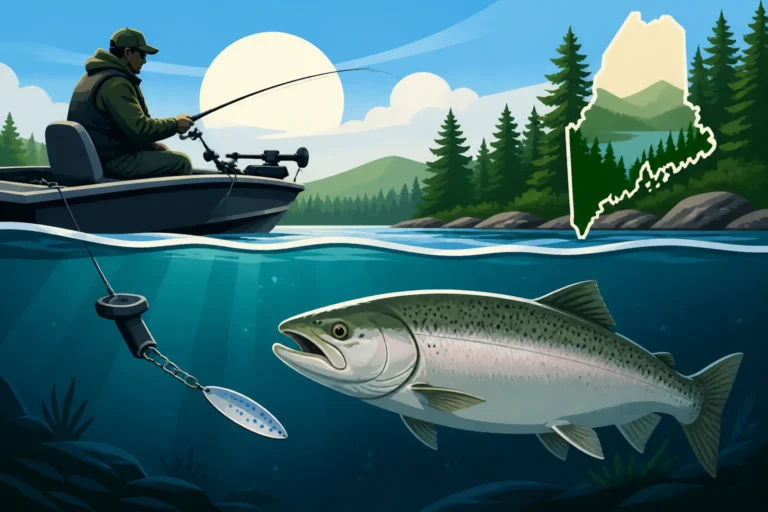
- Deep Trolling: This is a classic method for these species. You'll need to get your offerings down to where the fish are holding, often 30 to 60 feet deep or more. Downriggers, lead core line, or even copper line can achieve these depths. Use small, subtle spoons (like Mooselook Wobblers or small Sutton Spoons), stickbaits, or even live bait like smelt or shiners if permitted. The retrieve should be slow and steady, mimicking a struggling baitfish. Our guide on How Deep Should You Troll for Salmon in Summer? offers valuable insights into finding the right depth. Remember to use long, invisible fluorocarbon leaders off your main line or downrigger clip.
- Light Jigs: When actively schooling or holding on structure, a small, light jig tipped with a piece of bait (like a live shiner or a worm) or a soft plastic can be incredibly effective. Vertical jigging over deep humps or along drop-offs, often detected with sonar, can trigger strikes. The key is a very subtle jigging motion – just enough to give the bait action without looking unnatural.
- Fly Fishing: For those who prefer the long rod, fly fishing on clear water lakes can be incredibly rewarding, especially during low light periods or when targeting salmon and trout in rivers and tributary mouths. Streamers that imitate baitfish (like Grey Ghosts or smelt patterns), nymphs, and even dry flies during specific hatches can be effective. Presentation must be delicate and precise, with drag-free drifts being critical. Our Fly Fishing Techniques for Maine Rivers guide can provide a deeper dive into this art form.
Bass in Clear Water: Finesse Presentations and Natural Baits
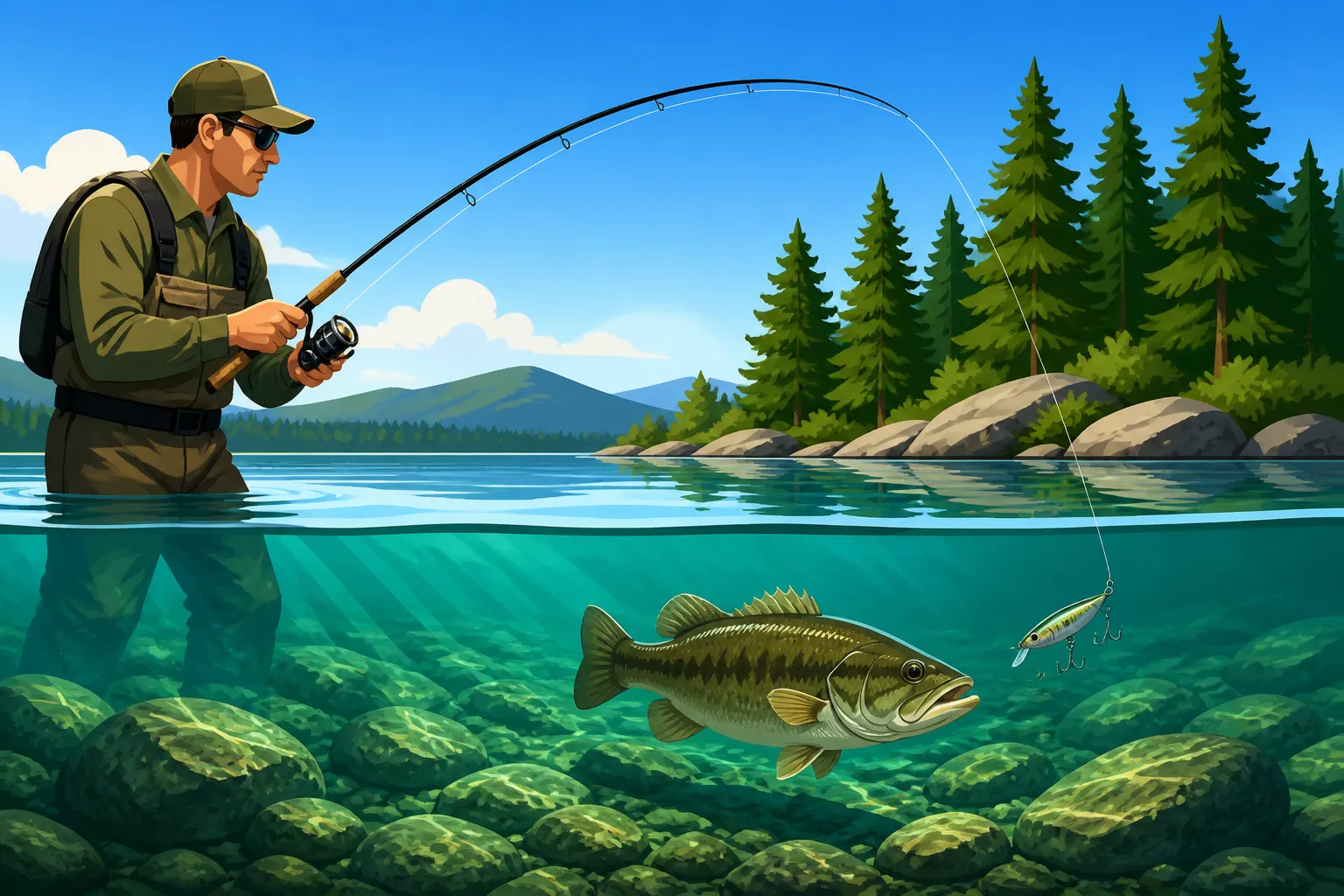
Smallmouth and largemouth bass in clear Maine lakes are incredibly visual predators, making them challenging but also exciting to target. They'll scrutinize your bait from a distance, so subtlety wins the day.
- Finesse Techniques: This is your bread and butter for clear water bass. Drop shot rigs with small, natural-colored worms or creatures are deadly, allowing you to present a bait directly in the fish's strike zone without much movement. Wacky rigged or Neko rigged worms, weightless Texas-rigged soft plastics, and small finesse jigs are also excellent. The idea is to create a subtle, enticing presentation that mimics natural prey without screaming "artificial."
- Natural Colors and Smaller Baits: Ditch the bright, flashy colors for more natural greens, browns, watermelon, and translucent smoke patterns. Smaller profile baits, often 3-4 inches, are frequently more productive than larger offerings. Bass in clear water can afford to be picky, and smaller, easier-to-eat meals often get the nod.
- Topwater (Low Light): During early morning, late evening, or overcast conditions, topwater lures can still be incredibly exciting. Poppers, walk-the-dog baits, and prop baits in natural colors, worked with long pauses, can draw explosive strikes from bass that are less wary under low light.
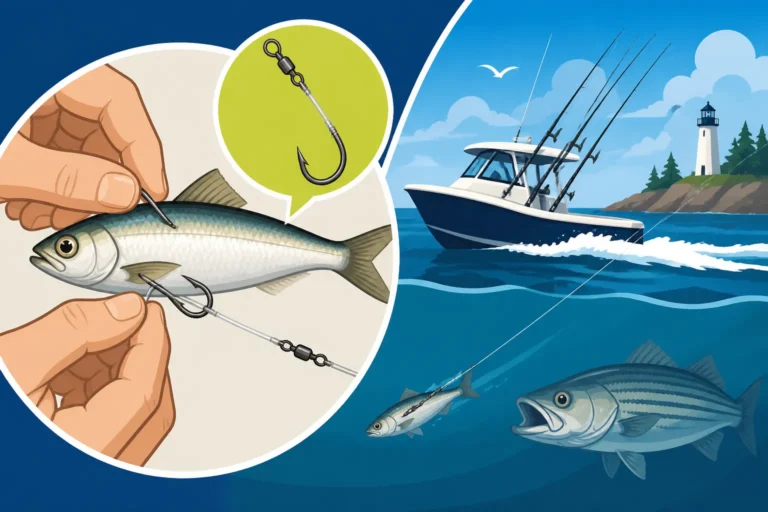
- Live Bait: If artificials aren't cutting it, consider live bait like shiners or crayfish, fished with minimal weight on a light leader. These are often irresistible to clear-water bass, as they are the ultimate natural offering. For more in-depth techniques, consult our Maine Bass Fishing Techniques by Season guide. You'll find a fantastic selection of finesse baits and accessories on Amazon to stock your tackle box for these picky eaters.
Keeping Fish Healthy
After all that effort to outsmart these wary fish, it's vital to practice responsible catch and release, especially for species like salmon and trout that can be particularly delicate. Minimize handling time, keep the fish in the water as much as possible, use wet hands when touching them, and handle them gently. Our Catch and Release Best Practices in Maine article shares more tips to ensure these beautiful fish survive to be caught another day.
Here's a quick reference for common line types in clear water:
| Line Type | Visibility in Clear Water | Key Strengths | Best Use |
|---|---|---|---|
| Fluorocarbon | Nearly Invisible | Excellent abrasion resistance, sensitivity, sinks | Leaders, main line for finesse, direct ties to lures |
| Monofilament | Low to Moderate | Good knot strength, shock absorption, floats slightly | Main line, some leader applications, topwater lures |
| Braided Line | High | Extreme strength, no stretch, excellent casting | Main line (with fluorocarbon leader), heavy cover fishing |
Clear water fishing in Maine demands patience, observation, and a willingness to adapt your techniques. It’s a rewarding challenge that forces you to become a more mindful and skilled angler. By understanding the dynamics of light and visibility, choosing the right gear, and practicing stealthy approaches, you’ll unlock the secrets of these pristine waters and experience some truly memorable fishing.
Disclaimer
This article is for general informational purposes only and does not constitute professional advice. Laws, prices and regulations vary by location and change over time. Consult a qualified professional for guidance on your specific situation.