How to Fish Muddy Water After a Storm
Oh, the age-old dilemma of a perfectly planned fishing trip ruined by a sudden downpour! You wake up, excited, only to find the usually clear waters of your favorite Maine lake or river now resemble a chocolate milkshake. It's incredibly frustrating, isn't it? You might feel like packing it in, but don't despair! Muddy water after a storm doesn't mean the fish have vanished; it just means they've changed their routines, and so should yours. This guide is all about helping you understand why Maine's waters get murky after a storm and, more importantly, how to adapt your techniques, gear, and mindset to still have a successful and enjoyable day on the water.
Understanding Muddy Water and Its Impact on Fish
When a heavy rainstorm rolls through Maine, it doesn't just make the roads slick; it dramatically alters the aquatic environment. Understanding these changes is the first step to figuring out how to catch fish in less-than-ideal conditions. It’s not just about the color of the water; it's about a whole chain reaction that affects everything from visibility to oxygen levels.
Why Maine Waters Turn Turbid After a Storm
Imagine a summer thunderstorm ripping through the Belgrade Lakes region or a prolonged autumn rain soaking the Aroostook County woods. All that water has to go somewhere, and it often flows across land, picking up soil, decaying leaves, and other organic matter. This runoff carries sediment into our beautiful lakes, ponds, and rivers, turning the water cloudy or "turbid."
The extent of this murkiness depends on several factors: the intensity and duration of the storm, the surrounding topography (steep, eroded banks will contribute more sediment than stable, forested ones), and the type of bottom composition. Rivers, especially those with clay banks or agricultural runoff, tend to get muddy faster and stay muddy longer than some of the deeper, rockier lakes. Coastal areas, too, can see significant turbidity from river outflows and stirred-up nearshore sediments. The frustration of seeing a normally clear stream like a tributary to the Kennebec River suddenly opaque is real, but it’s a natural process.
How Fish Behavior Changes in Low Visibility
For us anglers, a big part of fishing is visual – spotting rises, seeing our lure work, or even just appreciating the clarity of the water. Fish, however, rely on a symphony of senses, and when one sense (sight) is diminished, others become paramount. In muddy water, fish often behave differently:
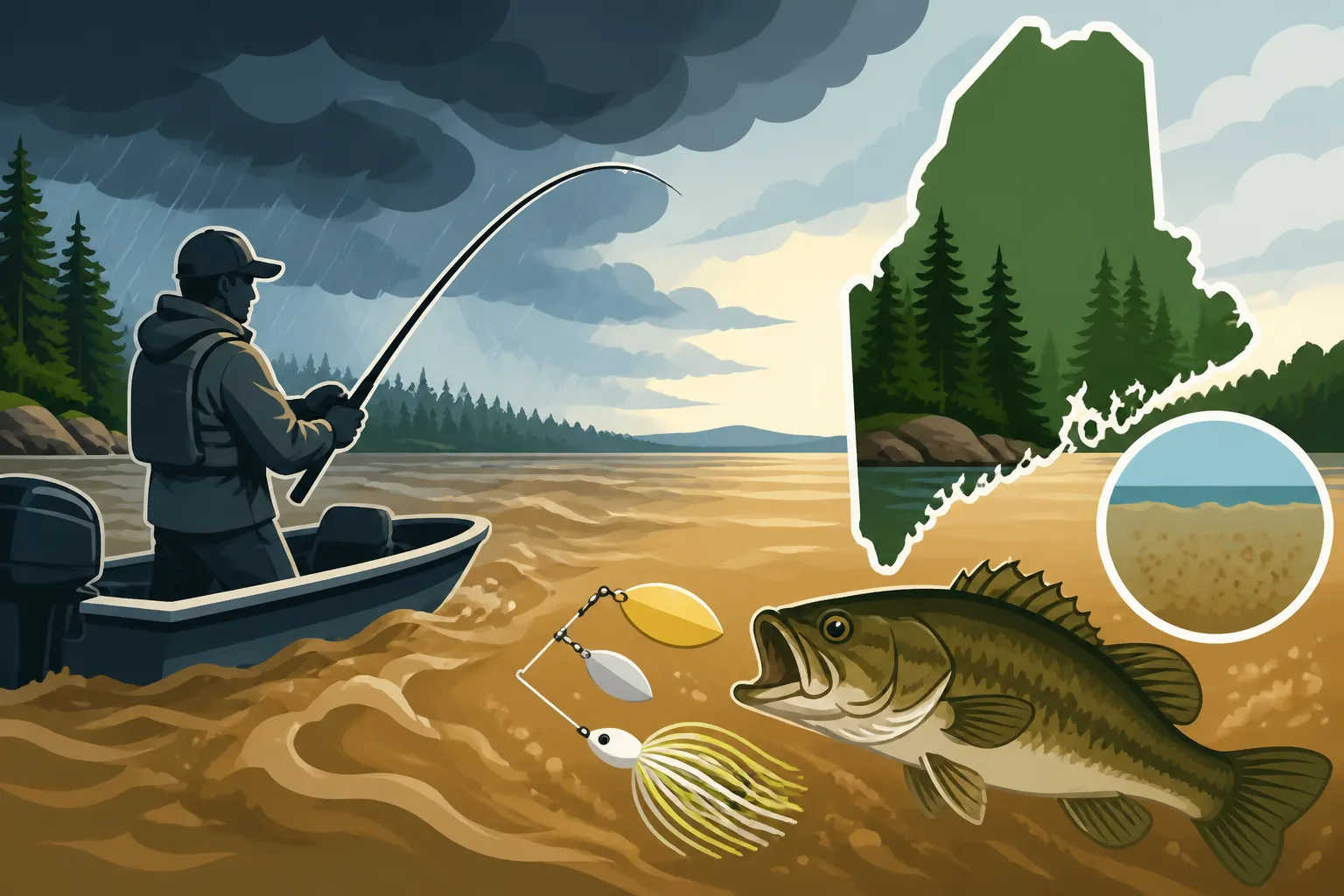
- Reduced Sight Feeding: Most predatory fish like brook trout, landlocked salmon, or even bass rely heavily on their eyesight to hunt. When the water turns murky, their visual range shrinks dramatically. This means they're less likely to chase a fast-moving lure from a distance. They need to be closer to their prey, often ambushing from cover.
- Increased Reliance on Other Senses: This is where their lateral line and sense of smell come into play. The lateral line detects vibrations and pressure changes in the water, essentially "feeling" prey nearby. Their olfactory system (smell) becomes crucial for finding food. Think of it like walking through a dark room – you'd use your hands and nose more than your eyes.
- Seeking Clearer Water or Cover: Some fish might actively seek out areas where the water is less turbid. This could be in deeper pockets where the sediment has settled, or perhaps in an area fed by a spring that maintains some clarity. Others might simply hunker down in dense cover – under docks, around fallen trees, or in thick weed beds – waiting for conditions to improve, or for an easy meal to pass by. It's not uncommon for fish to retreat to the bottom or tightly against structure when visibility drops.
Proven Tactics for Fishing Murky Conditions in Maine
Alright, so the water's murky, and the fish are acting weird. This is where adaptation comes in. Instead of throwing your hands up, let's talk about some solid strategies that can turn a seemingly hopeless day into a productive one. It's all about making your presence known to the fish, even if they can't see you coming from a mile away.
Focusing on Structure and Cover
In clear water, fish might roam widely, but in muddy conditions, they often become structure-oriented. They're looking for safety, ambush points, and areas where they can feel secure. This is your cue to target those spots relentlessly.
Think about docks, especially ones with a bit of shade or deep water underneath. Fallen trees, brush piles, rock gardens, and even bridge pilings are prime real estate. The murky water gives them an extra layer of camouflage, making them bolder about holding tight to these structures. For bass fishing in Maine, specifically, this is a golden rule. You'll want to cast right up against these features, sometimes even bouncing your lure off them to get a reaction strike. Don't be afraid to put your lure right in their living room. In rivers, look for eddies behind large rocks or logs, undercut banks, and current seams where the water might be slightly clearer or where food gets funneled. Even a small current break can hold a surprising number of fish. Check out some of the Best Fishing Lakes in Maine for common structures you can target.
Slowing Down Your Presentation
When fish can't see far, they don't have time to react to a lure zooming past. Your retrieve speed needs to slow down considerably. This isn't the time for burning spinnerbaits or rapidly twitching jerkbaits.
Instead, think about a deliberate, methodical approach. A jig-and-pig combo, worked slowly along the bottom, can be incredibly effective. Soft plastics, like Texas-rigged worms or creature baits, should be crawled and paused, allowing their inherent action and scent (if applicable) to do the work. If you're using a spinnerbait, slow-roll it just above the structure. For trout or salmon, consider drift-fishing live bait or heavily scented egg sacs through likely holding areas. The goal is to give the fish ample time to locate your offering using their lateral line and sense of smell, then make the decision to strike. Sometimes, the slowest retrieve is the deadliest in muddy water.
Exploring Shallow Edges and Inflow Areas
While heavy runoff can make inflow areas incredibly murky, these spots can also be initial hotbeds of activity. The inflowing water often brings with it new food sources – worms, insects, and other creatures washed in from the land. This can attract baitfish, which in turn attract predatory fish.
However, you need to use discretion. If the inflow is a torrent of chocolate milk, the immediate area might be too turbulent and muddy. Instead, look for the edges of these plumes of dirty water, where it starts to mix with the slightly clearer main body. Often, larger fish will stage just outside the thickest mud, picking off any baitfish that venture out or are swept their way. Shallow edges of lakes and ponds can also be productive. Why? Because the sun might warm these areas slightly, and any slight improvement in clarity can concentrate fish. Also, newly submerged vegetation along the banks can offer fresh cover and food. Always be mindful of Maine Fishing Regulations Explained when exploring new areas, as some spots might have specific rules.
Selecting the Right Gear and Lures for Muddy Water
Choosing the right tools for the job is always important in fishing, but it becomes critical when you're dealing with low visibility. You need lures that scream "EAT ME!" even when the fish can barely see them. It's about triggering strikes through other senses.
Colors and Vibrations That Stand Out
When visibility is low, you want colors that create the most contrast or are most visible in murky water. Forget the subtle, natural patterns for a moment. This is the time to embrace the loud and proud!
- Bright, Fluorescent Colors: Chartreuse, orange, bright yellow, and hot pink are often go-to colors. They absorb light differently and can appear more pronounced in stained water. Many anglers swear by a chartreuse spinnerbait blade or a bright orange soft plastic for bass.
- Dark Silhouettes: Sometimes, the opposite works. A solid black or dark purple lure can create a strong, discernible silhouette against a slightly lighter background, making it easier for fish to see. Think about jigs with dark skirts.
- High-Vibration Lures: This is where the lateral line comes in. Lures that displace a lot of water or have built-in rattles are super effective.
- Spinnerbaits: The thumping blades create significant vibration. Tandem Colorado blades are particularly good for this.
- Chatterbaits: These hybrid jig-crankbait lures have a unique vibrating blade that sends out strong pulses.
- Crankbaits with Rattles: Many crankbaits come with internal BBs that create noise and vibration as they wobble.
- Jigs with living rubber or silicone skirts: Even subtle movements of these skirts can create enticing vibrations.
On Amazon, you can find a wide array of these types of lures specifically designed for murky water. When you're choosing your Best Lures for Maine Open Water Fishing, consider their vibration profile.
Bait Choices and Scent Enhancements
Natural bait often has an edge in muddy water because it appeals directly to a fish's powerful sense of smell. If artificials aren't cutting it, switch to the real thing.
- Live Bait: This is often the undisputed champion in murky conditions. Worms, shiners, minnows, or even crawfish (if legal and native to the water) are fantastic. Their natural scent and subtle movements are irresistible. Drift a worm under a bobber or fish a shiner on a weighted hook near structure.
- Scented Artificials: Many soft plastics are impregnated with fish-attracting scents (anise, garlic, or various fish-specific formulas). Examples include Berkley PowerBait or Gulp! products. These are designed to leave a scent trail that fish can follow, even if they can't see the lure.
- Adding Scent to Lures: You can also apply liquid or paste scents directly to your jigs, spinnerbaits, or soft plastics. This adds an extra layer of attraction. There are many scent products available, and a quick search on Amazon will show you the variety. Just a dab can make a big difference, encouraging a fish to hold onto the lure longer, giving you more time to set the hook.
Line and Rod Considerations
Your tackle choices can also make a significant impact on your success in muddy water. Sensitivity and strength are key.
- Heavier Line: With reduced visibility, fish are less likely to be line-shy. You can often get away with heavier monofilament or fluorocarbon lines, especially when fishing near abrasive structure. This gives you more breaking strength for hauling fish out of heavy cover and more resistance to nicks and scrapes.
- Braided Line: Many anglers opt for braided line in murky water because of its zero-stretch property, which offers incredible sensitivity. You'll feel every subtle tap and bump, even from tentative bites in low visibility. Pair it with a fluorocarbon leader if you want to maintain a bit of stealth or protect against abrasion.
- Sensitive Rods: Whether you're using braided or monofilament, a sensitive rod is crucial. Graphite rods, especially medium-heavy power, fast-action models, transmit vibrations well, allowing you to detect those light bites that might otherwise go unnoticed. Since fish are relying on feel, you need to feel them when they finally commit. A longer rod can also help with casting accuracy to structure and provide better line control.
Here's a quick comparison of popular muddy water lure characteristics:
| Lure Type | Best Colors | Key Vibration/Action | Scent Benefit? | Target Species (Maine) | Notes |
|---|---|---|---|---|---|
| Spinnerbait | Chartreuse, White, Black | Thumping blades (Colorado), strong water displacement | Optional | Bass, Pickerel | Versatile, great for covering water, slow-roll. |
| Chatterbait | Chartreuse, Black/Blue | Erratic vibrating blade, strong thump | Yes (trailer) | Bass, Pike | Unique action, can be worked slowly. |
| Jig (Rubber/Silicone) | Black/Blue, Green Pumpkin, White | Skirt undulates, subtle jigging action | Yes (trailer, applied) | Bass, Togue, Pickerel | Mimics crawfish/baitfish, excellent for structure. |
| Crankbait | Bright Orange, Chartreuse, Dark Craw | Internal rattles, wide wobble | Optional | Bass, Salmon | Search bait, deflect off structure. |
| Soft Plastic (Worm/Creature) | Dark Green, Black, Junebug | Subtle tail action, natural profile | Yes (impregnated, applied) | Bass, Perch | Slow presentation, weedless rigging. |
| Live Bait (Worms, Shiners) | Natural | Natural movement, strong scent trail | Inherent | All species | Often the most effective, especially for trout/salmon. |
Safety and Practical Advice for Post-Storm Fishing
Fishing after a storm isn't just about what lures to use; it's also about being mindful of your surroundings. Mother Nature can leave behind some real challenges, and your safety should always come first.
Navigating Debris and Changing Water Levels
Heavy rains and increased runoff can bring a lot of unexpected guests into Maine's waterways. Floating logs, branches, and even larger debris can be serious hazards for boaters. Always proceed with caution, especially in rivers where currents might be strong and visibility limited. Keep a sharp eye out and slow your speed, particularly in areas prone to collecting debris. Even from shore, be aware of unstable banks that might have eroded, creating slippery or dangerous footing.
Water levels can also fluctuate dramatically. Rivers can rise rapidly, changing the landscape of the banks and submerging hazards that were previously visible. On lakes, runoff can create powerful currents near inlets or dams. Before heading out, consider checking local river gauges or news reports for any flood advisories. Being prepared means being aware of your environment before you even cast a line.
Checking Local Regulations and Water Quality
Just because you can fish doesn't always mean you should, or that you can fish everywhere. Heavy rainfall can sometimes lead to temporary fishing closures in certain areas, particularly if there are concerns about water quality or fish health. Always consult the Maine Department of Inland Fisheries and Wildlife (MDIFW) website or pick up a copy of the Maine Fishing Law Book Where to Get One for the latest regulations. This is especially true if you plan to fish in special regulation waters.
Furthermore, consider water quality. While fish are generally quite resilient, extreme runoff can sometimes carry pollutants from agricultural areas or urban environments. For the most part, Maine's waters are clean, but it's always wise to be informed, especially if you plan to keep fish for eating. You can often find information on Maine Fish Consumption Advisory for Mercury or other water quality concerns through state health or environmental agencies. Most of the time, post-storm fishing is perfectly fine, but a quick check can provide peace of mind.
Remember, fishing in muddy water requires patience, adaptability, and a willingness to try new things. It can be incredibly rewarding to crack the code and find those fish that others assume have disappeared. Don't let a little mud deter you from enjoying Maine's fantastic fishing opportunities!
Disclaimer
This article is for general informational purposes only and does not constitute professional advice. Laws, prices and regulations vary by location and change over time. Consult a qualified professional for guidance on your specific situation.