Maine Fall Brook Trout Fishing Techniques
As the vibrant greens of summer begin to yield to the fiery reds, oranges, and golds of autumn, many anglers in Maine start to feel a familiar pang of disappointment, thinking the best fishing is behind them. They lament the warm summer waters that send brook trout seeking refuge in the deepest, coldest pockets, making them elusive and frustratingly difficult to locate. But trust me, that feeling is completely misguided, especially when it comes to those elusive brook trout! Fall isn't the end; it's a glorious new beginning, and this guide will show you exactly how to tap into the incredible fall brook trout bite across Maine.
Understanding Fall Brook Trout Behavior in Maine
When the calendar flips to September and October, a truly magical transformation happens in Maine's waterways. The oppressive summer heat that pushed brook trout deep into cold springs and shaded pockets finally breaks, bringing with it a whole new set of opportunities for anglers. You see, brook trout are cold-water fish, and they react to these changes in water temperature and light in very specific, predictable, and exciting ways.
Why Autumn is Prime Time for Brook Trout
Fall is, without a doubt, one of the best times to target brook trout in Maine, and it's not just about the cooler temperatures. As the leaves start to turn and the air gets crisp, a couple of key biological drives kick in for these beautiful fish: feeding and spawning.
First, let's talk about food. Brook trout, like many other fish species, are trying to pack on calories before the lean winter months set in. This means they become incredibly active and opportunistic feeders. They're no longer sluggish from the heat, nor are they as wary as they might be during heavy summer pressure. They'll actively chase down baitfish, insects, and anything else that looks like a hearty meal. You'll find them moving into shallower waters, congregating in riffles and pools where food is abundant, and generally being much more aggressive in their strikes. It's a noticeable shift from the often-fussy eating patterns you might encounter in July and August. This heightened feeding activity makes them more susceptible to a wider range of presentations, whether you're tossing a spinner or drifting a perfectly presented dry fly. It’s also during this time that you can often find them in places you wouldn't expect in summer, as they broaden their foraging horizons.
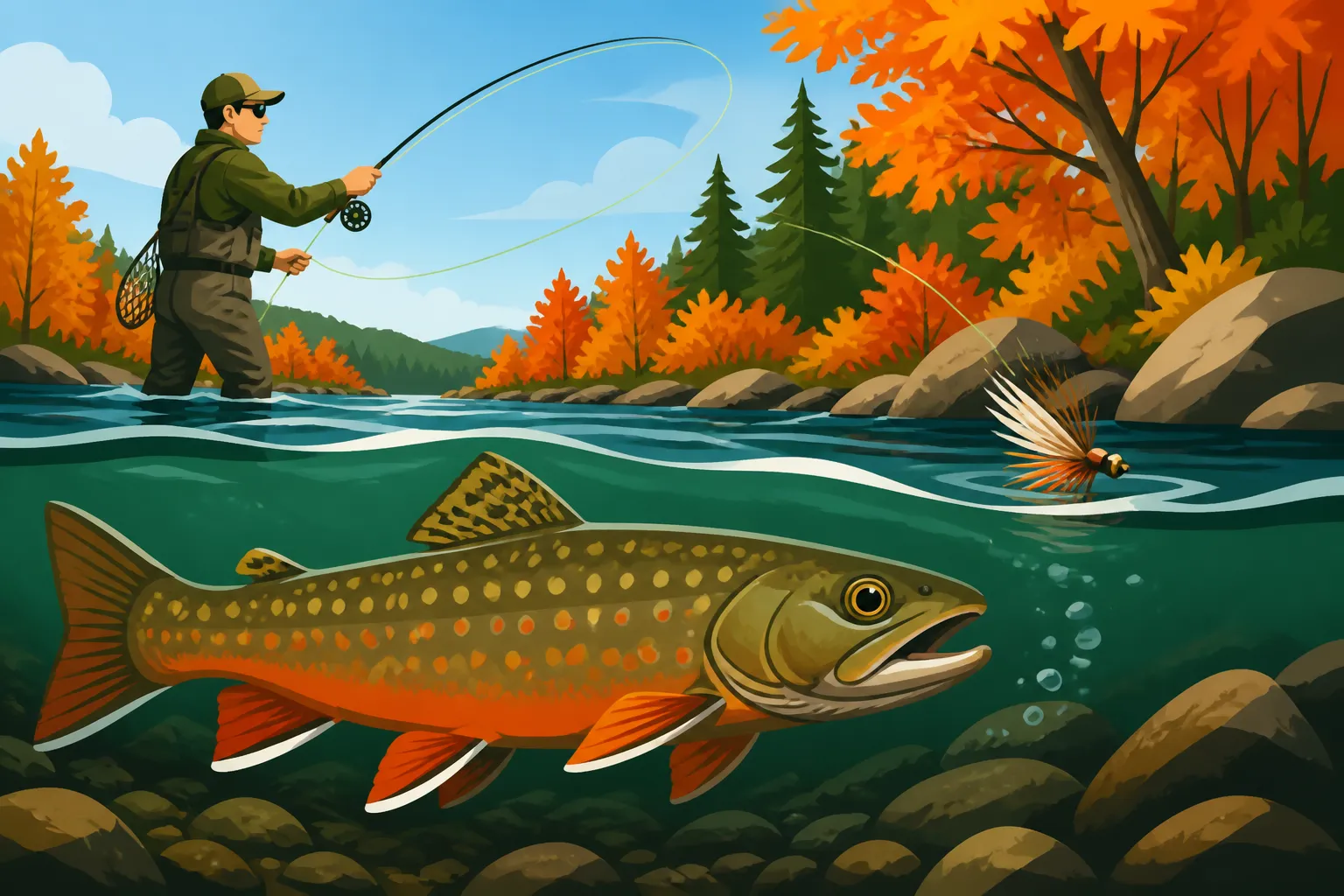
Second, and perhaps even more captivating, is the spawning run. Brook trout are fall spawners, and as the water temperatures drop into the 40s and 50s Fahrenheit, their vibrant spawning colors intensify, making them arguably one of the most strikingly beautiful freshwater fish in North America. Males develop a hooked jaw (kype) and an even more pronounced reddish-orange belly with bright white leading edges on their fins. They migrate upstream into smaller tributaries, spring-fed brooks, and gravelly shallows of ponds and lakes to build their "redds" – spawning nests. While regulations often prohibit targeting spawning fish directly on redds, their presence in these areas means they are concentrated and actively moving. Understanding this migratory pattern is crucial. Even if you're not specifically targeting spawning fish, knowing where they're headed or where they've recently been can lead you to productive stretches of water just downstream or in staging areas. Always be mindful of local Maine Fishing Regulations Explained regarding closed seasons or specific restrictions around spawning grounds.
Reading Fall Water Conditions
Successfully finding fall brook trout often comes down to keenly observing and understanding the water conditions, which can change rapidly this time of year. Temperature, water levels, and clarity all play a significant role.
Water temperature is paramount. As the air cools, so do the lakes and rivers. Brook trout thrive in cooler water, ideally between 45 and 65 degrees Fahrenheit. In early fall, you might still find them holding a bit deeper in larger lakes or in the cooler, shaded sections of rivers. However, as the season progresses, and particularly after a few cold nights, those cooler surface temperatures will encourage them to spread out and utilize more of the water column. You'll see them actively feeding closer to the surface in the morning and evening, and even throughout the day on overcast days. A good fish finder can help you pinpoint these thermal sweet spots, especially in larger ponds. Keep an eye on weather forecasts for prolonged cold snaps; these can trigger more aggressive feeding.
Water levels can fluctuate dramatically in the fall, especially after significant autumn rainfalls. While low water from a dry summer can concentrate fish, making them easier to find but also more wary, rising water levels can often put fish on the move. Increased flow in rivers and streams can stir up insects and wash terrestrial food into the water, triggering a feeding frenzy. However, too much rain can lead to murky, fast-moving water, which can make fishing challenging. Ideal conditions are usually stable or slightly elevated water levels with good clarity. In ponds and lakes, heavy rains can increase inflows from tributaries, often drawing brook trout to these areas where fresh water and food are entering. Always check current conditions before heading out, especially for smaller streams that can become unfishable after a deluge.
Finally, water clarity is important. While brook trout aren't as visually dependent as, say, a brown trout, excessively muddy water will definitely put them down. Clearer water, typical of many of Maine's pristine brooks and ponds, allows for sight fishing opportunities and better fly or lure presentation. However, don't shy away from slightly stained water, as it can sometimes make fish feel more secure and less cautious. Ultimately, observing these conditions helps you make informed decisions about where to fish, what techniques to employ, and even what colors of lures or flies might be most effective.
Essential Gear for Fall Brook Trout Angling
Having the right gear makes a world of difference when you're out chasing fall brook trout. The conditions can be variable, from crisp, sunny days to chilly, damp ones, and the fish themselves can demand different approaches. Being prepared ensures both your comfort and your success on the water.
Rods, Reels, and Lines for Cooler Waters
For fall brook trout, versatility is often key, as you might encounter them in small brooks, larger rivers, or even ponds.
If you're a fly angler, a lightweight fly rod in the 3- to 5-weight range, typically 7.5 to 9 feet long, is your bread and butter. This size offers enough backbone to handle a good-sized brook trout while still being delicate enough for accurate presentations on smaller streams. A weight-forward floating line is a great all-around choice, allowing for dry fly, nymph, and even small streamer fishing. If you anticipate fishing deeper pools or larger water bodies with bigger streamers, a sinking tip or full sinking line might be beneficial to get your offerings down to where the fish are holding. Pair this with a reliable, smooth-dragging reel that balances your rod, and you’re ready to go. Don't forget an appropriate leader and tippet; a 7.5 to 9-foot leader tapering to 4x, 5x, or even 6x tippet will cover most situations, ensuring stealth with lighter lines.
For spin fishing, a light to ultralight spinning rod between 5 and 7 feet is ideal. These rods provide the sensitivity needed to detect subtle takes and the finesse for casting small lures or bait. Pair it with a small spinning reel, typically in the 1000 to 2500 series, spooled with 4- to 6-pound test monofilament or fluorocarbon line. Monofilament offers good knot strength and shock absorption, while fluorocarbon provides lower visibility and more sensitivity. Some anglers opt for braided line with a fluorocarbon leader for ultimate sensitivity and casting distance, especially when using lightweight lures. The key is to keep your tackle balanced and light, allowing for delicate presentations that won't spook these often-wary fish. Remember, fall brook trout can be aggressive, but they’re also smart, and heavy gear can be a deterrent.
Waders and Layering for Comfort and Safety
Maine's fall weather is notoriously fickle. One moment it's sunny and calm, the next a cold front rolls in with biting wind and rain. Staying comfortable and safe on the water is paramount, and that means investing in good layering and quality waders.
Breathable chest waders are a non-negotiable item for serious fall brook trout fishing. Neoprene waders offer excellent insulation but can be bulky and hot if you're hiking a lot. Breathable waders, made from Gore-Tex or similar materials, allow moisture vapor to escape while keeping water out, making them much more comfortable for active fishing. Layering underneath is crucial. Start with a moisture-wicking base layer (synthetics or merino wool) against your skin to pull sweat away. Add a fleece or insulated mid-layer for warmth, and then a pair of durable wading pants. Avoid cotton as it retains moisture and loses its insulating properties when wet.
For your upper body, follow the same layering principle. A long-sleeve moisture-wicking base, a fleece or insulated jacket, and then a waterproof and windproof outer shell are essential. A good shell will protect you from unexpected rain or blustery winds. Don't forget a warm hat and gloves. Fingerless gloves can be particularly useful, keeping your hands warm while allowing dexterity for knot tying and handling your gear. Keeping your core warm and dry is not just about comfort; it's a safety measure against hypothermia, especially when standing in cold water for extended periods. Checking the weather forecast and dressing appropriately for the coldest part of your anticipated trip is always a smart move. When shopping for gear, check out retailers like Amazon, which offers a wide selection of breathable waders and layering options to keep you warm and dry.
Top Fall Brook Trout Techniques
Once you've got your gear sorted, it's time to dive into the actual fishing techniques. Fall brook trout can be incredibly responsive, but understanding how to present your offerings effectively can turn a good day into a fantastic one. Both fly fishing and spin fishing have their merits this time of year.
Fly Fishing for Aggressive Fall Brookies
Fly fishing in the fall for brook trout is, for many, the pinnacle of the angling experience. The vibrant colors of the fish, the crisp air, and the sheer beauty of the surroundings combine with often aggressive strikes to create unforgettable memories.
One of the most exciting aspects of fall fly fishing is the opportunity for dry fly action. While summer might see sporadic hatches, cooler fall temperatures can bring about strong hatches of late-season mayflies, caddis, and even midges. Plus, with the trees shedding their leaves, terrestrial insects like ants, beetles, and grasshoppers are often blown into the water, providing a constant food source. Casting a well-imitated dry fly to a rising brook trout is exhilarating. Focus on presenting your fly naturally, aiming for drag-free drifts in currents or subtle twitches on still water. Popular fall dry fly patterns include October Caddis, BWO (Blue-Winged Olive) imitations, and various attractor patterns that mimic larger terrestrials. Don't be afraid to experiment with larger patterns than you might use in summer; fall brookies are looking for a meal!
Below the surface, nymphing and streamer fishing can be incredibly effective. As trout focus on putting on weight, subsurface offerings often prove irresistible. Nymphs mimicking caddis larvae, stoneflies, or mayfly nymphs should be drifted naturally along the bottom, often with the aid of an indicator. Pay close attention to subtle takes, as they can be very light. If you’re fishing larger pools or areas with good current, small streamers can be absolutely deadly. Patterns like a Woolly Bugger (in black, olive, or brown), Clouser Minnow, or a Muddler Minnow fished with a slow retrieve or swung through the current can provoke aggressive strikes from larger brook trout. These patterns imitate baitfish or larger aquatic insects that fall brook trout actively pursue. Fishing these streamers on a sinking tip line can help get them down to the fish holding in deeper runs or under banks. Always consider the local Fly Selection for Brook Trout to match the natural forage in the water you're fishing.
Spin Fishing Strategies with Lures and Bait
Spin fishing offers a highly effective and versatile approach to fall brook trout, particularly when covering a lot of water or in situations where fly casting is challenging. The key is to select the right lures and presentations.
Small inline spinners are perennial favorites for brook trout, and fall is no exception. Brands like Mepps and Panther Martin produce spinners in various sizes and colors that are perfect for drawing strikes. The flash and vibration of a spinner moving through the water are incredibly attractive to hungry brookies. Opt for sizes #0 to #2, and experiment with blade colors like silver, gold, copper, or even painted patterns. Cast upstream or across current, allowing the spinner to tumble and flash as it drifts downstream, retrieving just fast enough to keep the blade spinning. In slower water or ponds, a steady retrieve with occasional pauses can trigger a chase.
Small spoons, such as a Little Cleo or Dardevle, can also be very effective, especially in larger ponds or deeper river sections. Their wobbling action imitates a wounded baitfish, a tempting target for opportunistic brook trout. Again, smaller sizes are best. For more challenging conditions or wary fish, ultralight jigs tipped with a small plastic grub or even a piece of worm can be deadly. These can be fished slowly along the bottom, bounced through structure, or suspended under a bobber.
When it comes to natural bait, nothing quite beats a juicy worm, live minnow, or even some salmon eggs for tempting fall brook trout. Nightcrawlers or garden worms, fished on a small hook with minimal weight (or none at all) and allowed to drift naturally, are a classic and highly effective method. Live minnows, especially in areas where they are naturally present, are excellent for attracting larger, more aggressive brookies. Rig them on a small bait hook, either free-lined or with a small split shot to get them down. When using bait, always be mindful of local Maine Fishing Regulations Explained regarding bait restrictions, as some waters are artificial lures only. Many anglers find the convenience of getting quality live bait or a wide variety of artificial lures from local sporting goods stores or online retailers like Amazon.
Choosing the Right Baits and Lures
The aggressive nature of fall brook trout means they're often willing to hit a variety of offerings. However, making smart choices about your baits and lures, matching them to the conditions and the specific water you're fishing, can significantly increase your success rate.
Natural Bait: The Irresistible Fall Offering
Natural bait, for many anglers, remains the gold standard for tempting brook trout, particularly when they are actively feeding in the fall. The natural scent, movement, and taste are often more than a hungry trout can resist.
Worms and Nightcrawlers: These are perhaps the most universally effective baits for brook trout, year-round, and especially in the fall. Their wriggling action and earthy scent are incredibly attractive. For fall fishing, you can fish worms in a few ways:
- Drifting: On streams and rivers, a small piece of worm threaded onto a small hook (size 8-12) with one or two tiny split shot can be drifted naturally downstream into pools, runs, and eddies. The key is to let it tumble along the bottom as if it naturally fell into the water.
- Under a Bobber: In slower moving water, ponds, or deep pools, suspending a worm under a small slip bobber allows you to control the depth and keep the bait in the strike zone. This is particularly useful for targeting fish holding near structure like submerged logs or rocks.
- Bottom Fishing: In still waters, a worm fished on the bottom with a small weight can entice trout cruising for an easy meal.
The beauty of worms is their availability and ease of use. You can often find them locally or even dig them up yourself after a good rain.
Minnows: Live minnows are a fantastic choice for targeting larger, more aggressive brook trout, especially in lakes and larger river systems where brook trout prey on smaller fish.
- Rigging: Hook a small minnow (1-3 inches) lightly through the lips or just behind the dorsal fin with a small hook (size 6-10).
- Fishing: They can be fished under a bobber, slow-trolled from a boat, or even cast and retrieved slowly in deeper pools. The natural panicked swimming action of a live minnow is a powerful trigger for predatory brook trout. Check Best Bait for Maine Open Water Fishing for more details on local baitfish.
- Regulations: Always double-check Maine's specific regulations regarding the use of live bait, as rules can vary by water body to prevent the spread of invasive species.
Salmon Eggs and Other Alternatives: While perhaps less common for brook trout in Maine compared to other trout species, salmon eggs (either natural or artificial) can sometimes be effective, particularly in areas with natural spawning activity or where trout are conditioned to feed on eggs. PowerBait or similar scented dough baits can also work, especially in stocked ponds, but for wild brook trout, natural worms and minnows usually take the cake. The natural offerings often provide a more enticing profile for discerning wild fish.
Artificial Lures and Flies That Get Bites
For those who prefer artificial presentations, fall offers an excellent opportunity to use a wide array of lures and flies, catering to the brook trout's increased activity and aggressive feeding.
Inline Spinners: As mentioned before, inline spinners are a staple. Their flash and vibration mimic small baitfish or larger insects.
- Brands and Sizes: Classic brands like Mepps (Aglia or Comet models), Panther Martin, and Roostertail are highly effective. Sizes #0 to #2 are typically best.
- Colors: Experiment with silver, gold, copper, black, and chartreuse. In clear water, natural colors often excel. On overcast days or in slightly stained water, brighter colors can grab attention.
- Technique: Cast them upstream and retrieve slowly, just enough to get the blade spinning, allowing the current to assist the presentation. They are particularly effective when cast near structure or into the heads of pools.
Small Spoons: Spoons provide a wobbling, erratic action that imitates injured baitfish.
- Examples: Little Cleo, Dardevle, or Krocodile spoons in sizes 1/16 to 1/8 oz.
- Colors: Silver, gold, copper, or two-tone combinations (e.g., silver/blue, gold/red).
- Technique: A slow, steady retrieve with occasional twitches or pauses can be deadly. They're great for covering larger areas of ponds or deep pools in rivers.
Jigs and Soft Plastics: Ultralight jigs tipped with small soft plastic grubs (like a 1-2 inch curly tail grub) are incredibly versatile.
- Sizes/Colors: 1/32 to 1/8 oz jig heads, paired with white, black, brown, or olive grubs.
- Technique: Bounce them slowly along the bottom, jig them vertically under a boat, or swim them through the water column. The subtle movement can be very enticing to hesitant fish.
Flies (Dry, Nymphs, Streamers): Fly selection for fall is broad, reflecting the varied feeding habits of brook trout.
- Dry Flies: Look for patterns that imitate late-season hatches. Blue-Winged Olives (BWO) in sizes 18-22, October Caddis in sizes 10-14, and various ant or beetle patterns (size 14-18) are excellent choices. Large attractor patterns like a Stimulator or Royal Wulff can also provoke strikes from aggressive fish looking for a big meal.
- Nymphs: Caddis larvae, stonefly nymphs, and mayfly nymphs are always on the menu. Pat's Rubber Legs, Hare's Ear Nymphs, Pheasant Tail Nymphs, and Prince Nymphs in sizes 12-18 are reliable. Fish them dead-drifted under an indicator, or high-stick nymphing in faster currents.
- Streamers: For aggressive, larger brookies, streamers that imitate minnows are powerful. Woolly Buggers (black, olive, brown, white) in sizes 6-10 are a must-have. Other patterns like Grey Ghosts, Muddler Minnows, or small Zonkers can also be very effective. Strip them slowly or swing them through current-swept pools.
For a deeper dive into specific artificial lures, check out our guide on Best Lures for Maine Open Water Fishing. Remember, always match the size and color of your artificial bait or fly to the prevalent forage and water conditions. Sometimes, a subtle change in color or size can make all the difference, and having a good selection from a place like Amazon in your tackle box is key.
Prime Maine Locations for Fall Brook Trout
Maine is blessed with an abundance of waters that hold brook trout, and fall opens up some fantastic opportunities across the state. Whether you prefer the intimacy of a small stream or the expansive feel of a large pond, there's a perfect fall brook trout spot waiting for you.
Small Streams and Brooks: The Classic Fall Haunt
There’s something truly special about fly fishing or spin fishing a small, crystal-clear Maine brook in the fall, surrounded by vibrant foliage. These smaller waterways are often overlooked by anglers pursuing larger species, but they can be teeming with wild brook trout in autumn.
Why they're great in fall:
- Spawning Migrations: Many brook trout, especially those in larger rivers and lakes, will migrate into smaller, gravelly tributaries to spawn. This concentrates fish in accessible areas.
- Accessible Food Sources: Fallen leaves often bring terrestrial insects into the water, and cooler temperatures mean less wary fish are looking up for meals.
- Scenic Beauty: The intimate setting, combined with the fall foliage, creates an unparalleled angling experience.
Finding and fishing them:
- Look for tributaries: If you're fishing a larger river or pond, scout out its feeder streams. These are prime locations for spawning runs. Focus on areas with gravelly bottoms, undercut banks, and fallen logs, which offer cover and spawning habitat.
- Headwaters: Don't be afraid to explore the upper reaches of streams. These remote sections often hold wild, unpressured brook trout.
- Access: Many smaller brooks run through public lands or alongside logging roads, offering relatively easy access. Always respect private property and leave no trace.
- Techniques: For these smaller waters, stealth is key. Approach quietly, use light tackle, and make accurate casts. Short, delicate casts with dry flies, small nymphs, or tiny spinners are usually most effective. Focus on pockets of deeper water, current seams, and areas with overhead cover. Places like the upper reaches of the Kennebec River or the less-traveled tributaries of the Penobscot River can be fantastic. Our detailed guide on Where Brook Trout Live in Maine Streams can offer more specific insights into these prime habitats.
Ponds and Lakes: Deeper Water Opportunities
While streams are excellent, don't overlook Maine's countless ponds and lakes for fall brook trout. As water temperatures cool, brook trout become more active and can be found in different parts of these larger water bodies than during the summer.
Why they're great in fall:
- Thermal Comfort: The entire water column becomes more hospitable to brook trout, allowing them to utilize a wider range of habitats. They're no longer restricted to deep, cold pockets.
- Shallow Water Feeding: In the mornings and evenings, and on overcast days, brook trout will often move into shallower areas, weed lines, and rocky shoals to feed on insects, baitfish, and even minnows.
- Brood Stock Opportunities: Many Maine ponds are stocked with brook trout, and fall often sees these fish actively feeding and growing, presenting opportunities for larger catches.
Finding and fishing them:
- Shallow Bays and Inlets: Focus on areas where streams flow into the pond or lake, or shallow bays with abundant aquatic vegetation or rocky structures. These areas attract baitfish and insects, which in turn attract brook trout.
- Shorelines: Early in the morning or late in the afternoon, brook trout will often cruise shorelines. This is a great time for shore fishing with small spinners, spoons, or even live bait.
- Outflow areas: The outflow of a pond or lake can be a real hotspot, as fish often congregate here.
- Boat or Kayak Access: Having a boat or kayak allows you to access more remote sections of larger ponds and lakes, as well as target deeper structures or troll. Consider targeting the Belgrade Lakes region or some of the smaller, lesser-known ponds in Aroostook County. Our guide to Best Fishing Lakes in Maine offers more ideas for larger waters.
- Techniques: Trolling small streamers or spoons can be effective in larger ponds, covering water and enticing active fish. In shallower areas, casting and retrieving spinners, spoons, or even presenting a weighted nymph or streamer with a fly rod can yield excellent results. Pay attention to changes in depth and structure.
| Technique/Lure | Preferred Habitat | Retrieve/Drift | Best Conditions | Notes |
|---|---|---|---|---|
| Dry Fly | Small Streams, Riffles, Still Pools | Drag-free drift, subtle twitch | Clear, stable water, active hatches/terrestrials | Stealth is crucial for presentation; observe surface activity. |
| Nymph | Streams, River Runs, Deep Pools, Lake Edges | Dead-drift along bottom, indicator use | Varied, especially when fish aren't rising | Focus on current seams and deeper pockets. |
| Streamer | Larger Rivers, Deep Pools, Lake Drop-offs | Strip retrieve, swing through current | Overcast days, aggressive fish | Imitates baitfish; effective for larger trout. |
| Inline Spinner | Small Streams, Rivers, Lake Shorelines | Slow, steady retrieve (blade spinning) | Varied, good for covering water | Experiment with colors (silver, gold, black). |
| Small Spoon | Larger Rivers, Ponds, Deeper Lake Areas | Steady retrieve with pauses, jigging | Varied, good for imitating injured baitfish | Works well when cast or trolled. |
| Worm (Natural Bait) | All Habitats | Dead-drift, under bobber, bottom | All conditions, especially for wary fish | Always check bait regulations; natural scent is key. |
| Minnow (Natural Bait) | Larger Rivers, Ponds, Lakes | Under bobber, slow troll, cast/retrieve | When targeting larger, predatory trout | Check bait regulations; lively action is crucial. |
Ethical Angling and Conservation in Autumn
As anglers, we have a responsibility to protect the resources we cherish, and fall brook trout fishing in Maine is no exception. These wild, native fish are a precious resource, and practicing ethical angling helps ensure their populations remain healthy for future generations.
Practicing Responsible Catch and Release
While catching fish is exhilarating, knowing how to properly handle and release them is just as important, especially for native species like brook trout. Fall brook trout, particularly those preparing to spawn, are under increased biological stress, and careful handling minimizes harm.
Minimize Stress:
- Fight Fast: Try to land the fish as quickly as possible to reduce exhaustion. A prolonged fight can deplete the fish's energy reserves, making it more vulnerable after release.
- Keep 'Em Wet: The most critical rule for catch and release is to keep the fish in the water as much as possible. Even a few seconds out of water can damage their delicate slime coat, gills, and eyes. If you must lift them for a photo, do it quickly and gently, holding them horizontally.
- Wet Your Hands: Always wet your hands before touching a fish. Dry hands can remove the protective slime layer, leaving the fish susceptible to fungal infections and disease.
- Use Barbless Hooks: Crushing the barbs on your hooks or using barbless hooks makes removal much easier and less damaging.
- Appropriate Tackle: Using tackle that is appropriately sized for the fish you're targeting helps you land them quickly without overstressing them.
- Net Wisely: A rubberized, knotless landing net is ideal. It’s gentler on the fish’s scales and slime coat than traditional nylon nets, and hooks don't get tangled as easily.
Hook Removal and Release:
- Pliers/Forceps: Keep a pair of long-nosed pliers or forceps handy for quick hook removal. If the hook is deeply embedded and difficult to remove without causing significant damage, it's often better to cut the line as close to the hook as possible. The hook will usually corrode and fall out.
- Support the Fish: When releasing, hold the fish gently in the water, facing upstream in a current, until it regains its strength and can swim away on its own. Never just toss a fish back; allow it time to revive. If it's a spawning fish, be extra gentle, as they are focused on reproducing.
- Avoid Spawning Beds: Be extremely cautious to avoid wading on or disturbing spawning redds (gravel nests) when fishing in the fall. These areas are vital for the next generation of brook trout. For more detailed tips, check our guide on Catch and Release Best Practices in Maine.
Understanding Fall Regulations and Limits
Regulations are in place for a reason: to manage fish populations and ensure sustainable fishing. Fall brook trout fishing often coincides with specific rules, and it’s every angler’s responsibility to know and abide by them.
Maine Fishing Regulations:
- General Law vs. Special Regulations: Maine has a "General Law" that applies to most waters, but many individual lakes, ponds, and streams have "Special Regulations" that supersede the general rules. These special regulations might include different season dates, bag limits, length limits, or tackle restrictions (e.g., artificial lures only, fly fishing only).
- Season Dates: While the open water fishing season typically runs from April 1 to September 30 for most inland waters, many lakes and ponds have extended fall fishing seasons, sometimes through October or even into November. Other waters might close early specifically to protect spawning fish. Always check the current Maine Fishing Season Dates Guide before you go.
- Bag and Length Limits: These dictate how many fish you can keep and what size they must be. For brook trout, limits can vary significantly. For example, some waters might have a five-fish bag limit, while others might have a two-fish limit with a minimum length of 12 inches. Some wild brook trout ponds are catch-and-release only. Our Brook Trout Daily Bag Limits guide provides essential information on these specifics.
- Tackle Restrictions: Some waters are designated "fly fishing only" or "artificial lures only" to reduce fishing pressure and protect fish, especially during vulnerable times like spawning. Always be aware of these restrictions.
- Licenses: Don't forget your valid Maine Fishing License Guide! Fishing without one can result in fines and loss of privileges.
- Ice Fishing: As fall transitions to early winter, some anglers might start thinking about ice fishing. Maine also has specific Maine Ice Fishing Rules Guide to be aware of if you transition to hardwater.
Before heading out for your fall brook trout adventure, take the time to consult the Maine Department of Inland Fisheries and Wildlife (MDIFW) open water fishing law book or their online regulations. It’s available as a free download and is incredibly detailed. Ignorance of the law is never an excuse, and wardens are out there making sure everyone is doing their part to conserve Maine's amazing fisheries.
Disclaimer
The information provided in this guide is for general informational purposes only and is subject to change. Fishing regulations in Maine can vary significantly by water body and are updated annually. Always consult the official Maine Department of Inland Fisheries and Wildlife (MDIFW) fishing law book or their website for the most current and specific regulations before engaging in any fishing activities. Adherence to all local, state, and federal laws is the sole responsibility of the angler.