Beginner Mistakes New Anglers Make in Maine
There is nothing quite like the rush of casting a line into Maine’s pristine lakes, rivers, and coastal waters, but new anglers often find themselves frustrated by missed bites, unexpected fines, or unproductive days. Maine’s unique geography, cold-water fisheries, and distinct regional rules present steep learning curves. This comprehensive guide walks you through the most common beginner mistakes in Maine fishing and offers actionable solutions to ensure your time on the water is safe, legal, and rewarding.
Regulatory and Licensing Blunders That Can Ruin Your Trip
One of the quickest ways to turn a dream fishing trip into a stressful ordeal is getting caught off guard by state wildlife regulations. Maine takes the stewardship of its natural resources very seriously, and the warden service enforces laws strictly across all water bodies. Beginners often assume that buying a basic license is the only hurdle, but local regulations are far more nuanced than simply having a paper slip in your pocket.
Assuming One Ruleset Applies Across All Maine Waters
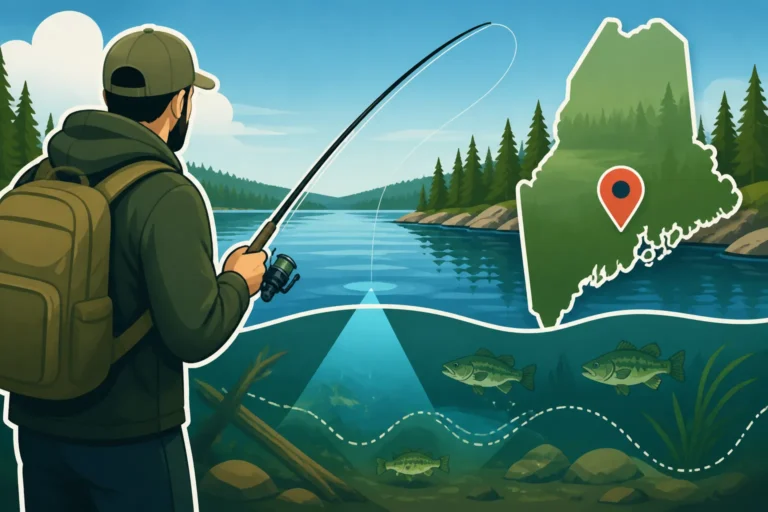
A classic pitfall for newcomers is treating every lake, pond, and river as if it falls under a single blanket policy. In reality, Maine’s inland waters are split into distinct management territories with completely different season openers, gear restrictions, and bag limits. If you are learning Maine Fishing Laws for Beginners, you must realize that what is legal on a southern pond might be strictly prohibited in a northern stream.
The state is divided primarily into two distinct zones, and ignoring this distinction is a massive error. Reviewing Maine North Zone vs South Zone Fishing Rules reveals that general law fishing seasons, line limits, and species protections vary significantly. Furthermore, individual bodies of water frequently feature special regulation codes. A specific lake might restrict tackle to artificial lures only, require barbless hooks, or enforce slot limits where keeping a fish within a certain length range is strictly illegal. Always check the law book for the exact body of water you plan to fish before making your first cast.
Overlooking Specific License Requirements and Seasonal Restrictions
Another common point of confusion revolves around where freshwater rules end and marine rules begin. New anglers often purchase an inland freshwater license and assume it covers tidal rivers and coastal bays. Understanding Maine Freshwater vs Saltwater License Differences prevents costly citation errors when you transition from inland ponds to ocean estuaries. While saltwater fishing has its own registration process, freshwater licenses expire on December 31st regardless of when you bought them during the year, catching many winter ice anglers off guard.
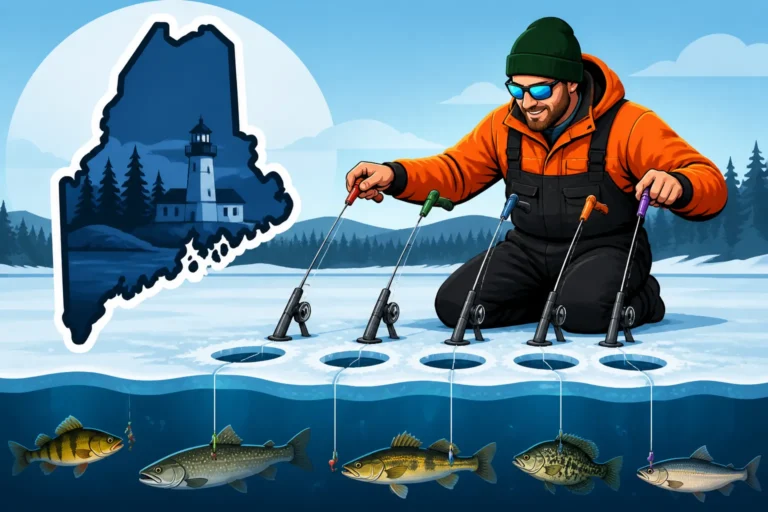
Knowing Where to Buy a Maine Fishing License in advance is essential so you do not arrive at a remote boat launch without cell service, unable to purchase one online. Additionally, do not assume that open water is legally fishable year-round. Many cold-water trout streams close in early autumn to protect spawning fish, while winter ice fishing has strict start and end dates depending on ice conditions and regional management goals.
Gear and Bait Missteps Specific to Maine Ecosystems
Maine’s lakes and streams are renowned for their exceptional water clarity and wild, pressured fish populations. Showing up with standard, heavy-duty tackle suited for murky warm-water lakes in other states is a quick recipe for getting skunked. Adjusting your terminal tackle and bait presentation to match local conditions makes all the difference between an empty net and a memorable catch.
Using Heavy Gear in Ultra-Clear Glacial Lakes and Streams
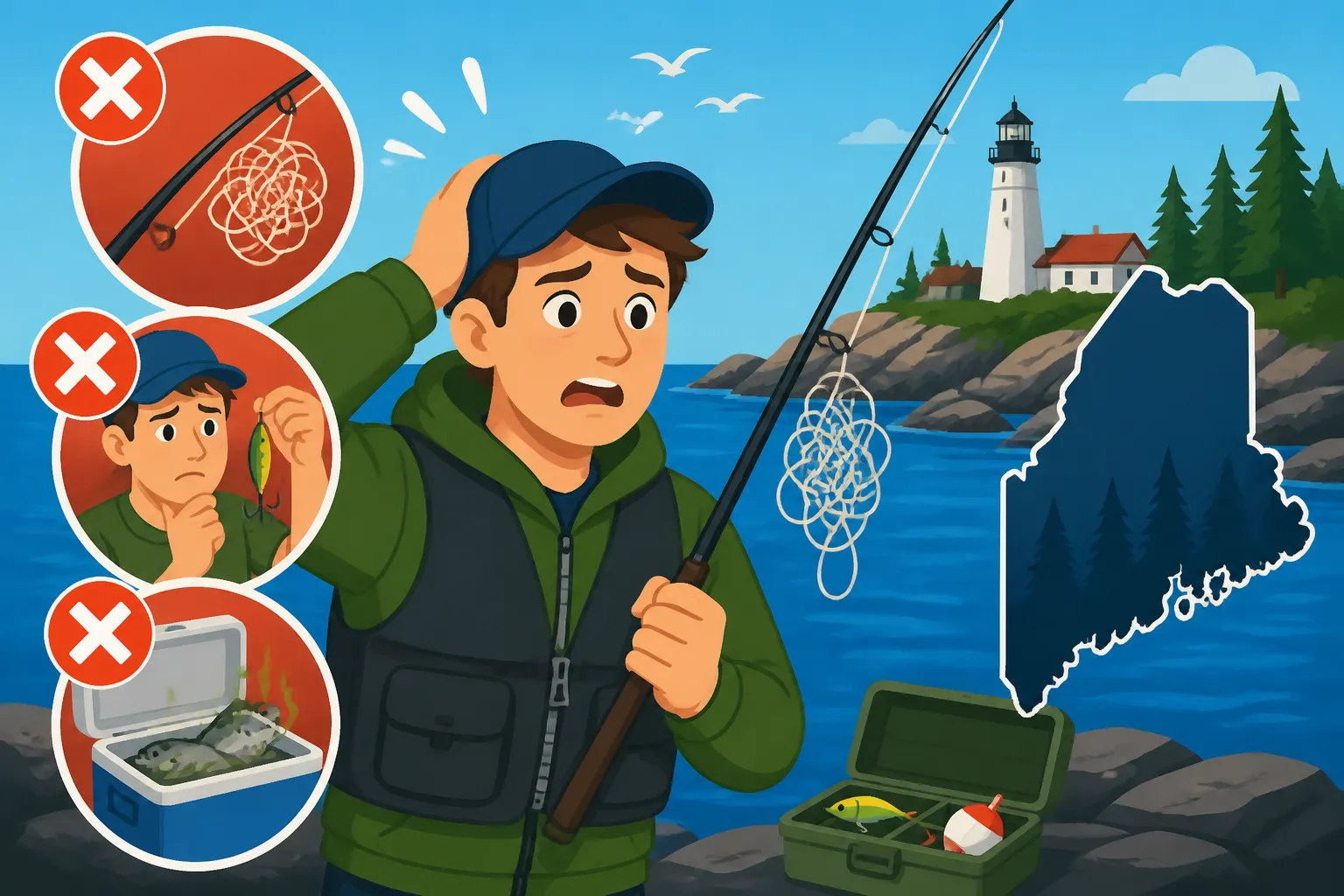
Beginners frequently spool their reels with thick, heavy monofilament or bright braided line, assuming it will prevent snags or land bigger fish. In Maine’s crystal-clear glacial waters, landlocked salmon, brook trout, and smallmouth bass possess incredible eyesight. Heavy line creates a visible shadow and unnatural lure action that causes wary fish to shy away instantly.
To fix this, downsize your terminal tackle significantly. Using ultra-light or medium-light rods paired with thin, invisible fluorocarbon leaders is critical. Many anglers stock up on bulk spools of low-visibility fluorocarbon leader material on Amazon prior to their trip so they can re-tie fresh leaders right at the water’s edge. Lightening your line diameter allows small spoons, flies, and soft plastics to swim naturally, dramatically increasing your strike rate.
Ignoring the Importance of Smelt and Native Prey Patterns
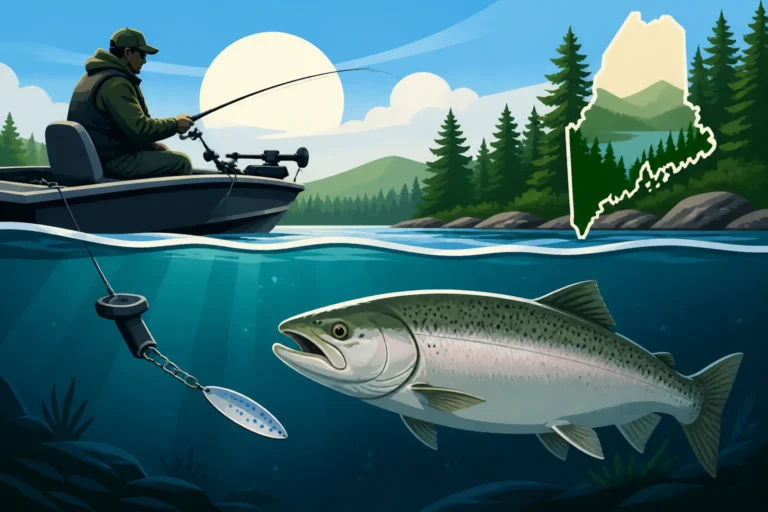
Throwing oversized, brightly colored bass lures into a deep Maine lake often yields zero results if you are targeting cold-water species. Native species like landlocked salmon, lake trout, and large brook trout feed almost exclusively on rainbow smelt. Understanding Why Smelt Matter to Maine Salmon and Trout is a fundamental requirement for anyone seeking success on deep glacial lakes.
When selecting your lures, matching the profile, size, and subtle silver-and-blue coloration of natural baitfish is crucial. Choosing the Best Lures for Maine Open Water Fishing means stocking your tackle box with slender spoons, streamer flies, and delicate crankbaits that mimic a panicked smelt. If you choose to fish with live bait, ensure your bait bucket is properly aerated and cooled; lethargic or dead minnows fail to attract strikes from fast-moving salmonids.
Tactical Errors on the Water and Seasonal Misreadings
Even with the correct gear and a valid license, positioning your bait in the wrong place at the wrong time of year guarantees a quiet day. Maine’s seasonal shifts are dramatic, and fish behavior changes radically from ice-out in spring to the heat of mid-summer.
Fishing Too Shallow During Summer Heat Spikes
During late spring, brook trout and salmon cruise the shallow shorelines where water temperatures remain cool. A frequent beginner mistake is returning to those exact same shallow coves in July and August expecting the same action. As surface waters warm, cold-water species drop down into deep, oxygenated thermal layers.
Understanding Why Do Trout Go Deep in Summer Heat? will change your entire summer strategy. Once surface temperatures cross critical thresholds, fish retreat to depths of forty to eighty feet or deeper. To reach these fish, shallow casting will fail; you must adapt by using deep jigging tactics or learn Trolling Techniques for Maine Lakes utilizing downriggers, lead-core lines, or heavy sinkers. Many successful anglers mount a basic depth finder or grab a portable, castable sonar unit on Amazon to locate the thermocline and pinpoint exactly where baitfish and predators are holding before casting.
Failing to Adapt to Rapid Seasonal Changes and Weather Fronts
Maine weather is famously unpredictable, and water conditions can shift within hours. New anglers often plan their outings based solely on their own personal calendar availability rather than checking the Maine Fishing Season Calendar or studying barometric pressure trends.
Passing weather systems heavily influence fish feeding patterns. Reviewing Cold Front Fishing Tactics in Maine teaches you that fish often go on a feeding frenzy right before a storm system hits, only to lock up and refuse lures immediately following a sharp drop in temperature and a rise in barometric pressure. During post-front conditions, slow down your presentation, downsize your bait, and fish closer to bottom cover where fish take refuge.
| Beginner Mistake | Real-World Impact | Simple Actionable Fix |
|---|---|---|
| Ignoring Zone-Specific Rules | Fines, confiscated gear, or ruined trips. | Check the state law book for exact lake/river codes before casting. |
| Using Heavy, Visible Line | Spooking wary trout and salmon in clear water. | Tie on 4lb to 8lb fluorocarbon leader material for stealth presentations. |
| Fishing Shallow in Mid-Summer | Zero bites while target fish hold in deep water. | Use downriggers, lead-core line, or deep jigging at the thermocline. |
| Dry-Hand Fish Handling | Removing protective slime layer, causing fatal infections. | Wet hands thoroughly and use a soft, knotless rubber net. |
| Overlooking Rapid Weather Shifts | Getting stranded on rough water or fishing dead bites. | Monitor local barometric pressure and pack weather-appropriate layers. |
Handling, Conservation, and Safety Neglect
Respecting the resource and preparing for Maine’s harsh environments are essential parts of becoming a skilled angler. Mismanaging a caught fish or underestimating the elements can damage fragile ecosystems or put your life at risk.
Improper Fish Handling Practices That Damage Native Species
Catching a beautiful wild brook trout or salmon is thrilling, but mishandling the fish prior to release frequently results in delayed mortality. A major error beginners make is grabbing fish with dry hands, laying them down on dry rocks or dirt, or lifting them vertically by the gill plates to take a quick photograph.
Practicing proper Catch and Release Best Practices in Maine ensures that native populations stay healthy for future generations. Always wet your hands before touching a fish to preserve its protective slime coat, which guards against parasites and fungal infections. Keep the fish submerged in the water as much as possible while removing the hook. Investing in a soft, knotless rubber landing net—easily found on Amazon—keeps the fish secured safely in the water without fraying its fins or stripping its protective coating.
Underestimating Maine Weather and Water Safety Hazards
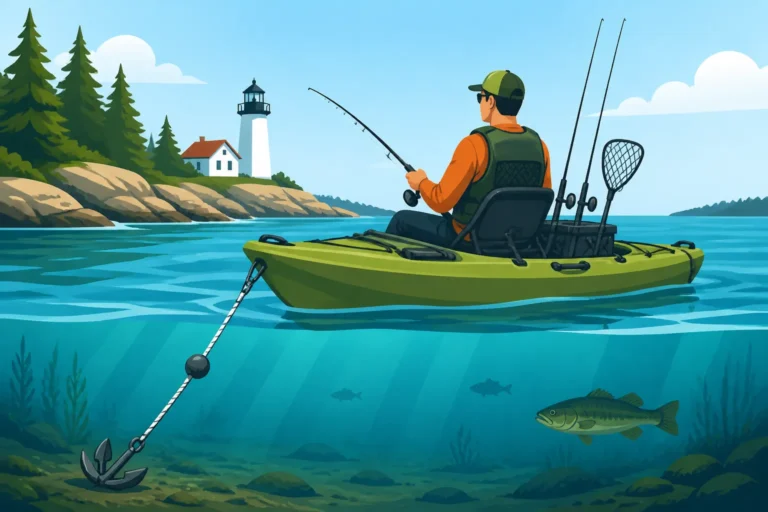
Maine’s lakes are massive, deep, and rapidly chilled by northern winds. Beginners often head out on large bodies of water in small kayaks or low-freeboard aluminum boats without taking proper safety precautions. A sudden afternoon wind can kick up three-foot whitecaps on lakes like Moosehead or Sebago within twenty minutes, creating dangerous capsize hazards.
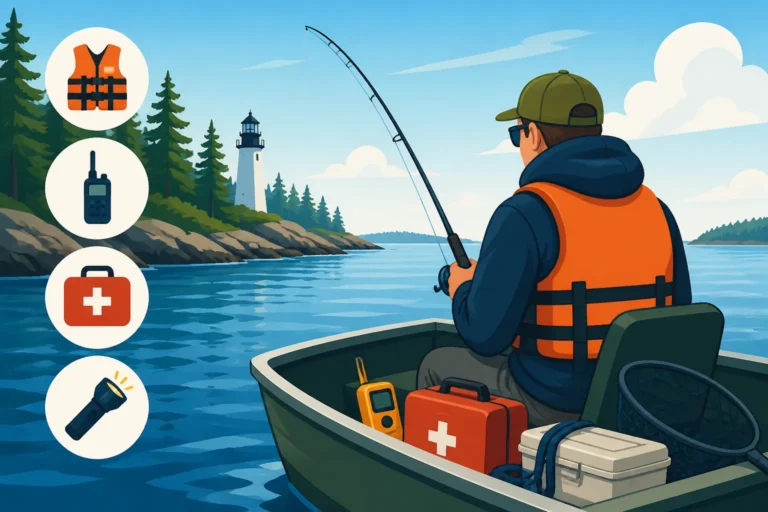
Always wear a fitted, personal flotation device (PFD) regardless of your swimming ability. Cold water shock can paralyze muscles in minutes if you fall overboard, even during mid-summer months. Keep waterproof dry bags stocked with extra fleece layers, rain gear, emergency fire starters, and basic navigation tools. Having durable, water-resistant tackle storage containers from Amazon helps keep your essential gear dry, organized, and accessible even when sudden downpours strike. Respect the power of northern waters, plan your routes carefully, and always inform someone on shore of your expected return time.
Disclaimer
This article is for general informational purposes only and does not constitute professional advice. Laws, prices and regulations vary by location and change over time. Consult a qualified professional for guidance on your specific situation.