Why Smelt Matter to Maine Salmon and Trout
The waters of Maine are truly a treasure, offering some of the most pristine and productive fishing experiences you could ask for. But beneath the surface, there's an intricate dance of life happening, and often, the unsung hero of this aquatic ballet is a small, silvery fish called the smelt. If you've ever wondered why veteran anglers often talk about the "smelt situation" when discussing salmon and trout, you've come to the right place. This guide will dive deep into the crucial role smelt play in sustaining Maine's iconic landlocked salmon and lake trout (or togue) populations, explaining why these little fish are absolutely vital to the health of our fisheries and your success on the water.
The Mighty Smelt: Small Fish, Huge Impact
It’s easy to overlook the small fish, isn't it? We dream of trophy salmon jumping out of the water or massive togue tugging at our lines. But behind every big fish, there’s usually a whole ecosystem working overtime, and often, the common denominator for many of Maine's most prized cold-water species is the humble smelt. These aren't just any baitfish; they are a nutritional powerhouse, a keystone species that dictates the health and vitality of entire lake and river systems.
What Exactly Are Smelt?
When we talk about smelt in Maine, we're usually referring to the rainbow smelt ( Osmerus mordax). These are slender, silvery fish, typically growing to about 6-8 inches, though some can get larger. What makes them so special is their life cycle. Many populations in Maine are "landlocked," meaning they live their entire lives in freshwater lakes, never venturing to the ocean. Others are "anadromous," spending most of their lives in saltwater bays and estuaries, only to return to freshwater rivers and streams in the spring to spawn, much like their larger salmonid cousins.
During their spawning runs, often in late winter or early spring just after ice-out, these anadromous smelt can be found in massive schools in rivers and streams, providing a critical, easy-to-access food source for many predators. Even the landlocked populations have distinct spawning migrations within lakes, often moving into shallower waters or tributary streams, creating feeding frenzies for hungry game fish. Their sheer numbers and accessibility during these times are what make them such a cornerstone of the food web. You can often find specialized equipment for smelt dipping on sites like Amazon, popular with folks looking to gather their own bait during the runs.
The Smelt as a Nutritional Powerhouse
Imagine a grocery store for fish. Smelt would be the prime rib, the steak, the gourmet meal that delivers maximum energy. They are packed with protein and, critically, high levels of fat. For cold-water predators like landlocked salmon and togue, which expend a tremendous amount of energy to survive, hunt, and grow in chilly waters, this high caloric content is indispensable.
A diet rich in smelt allows these game fish to grow faster, reach larger sizes, and maintain excellent health. Without smelt, or with a depleted smelt population, salmon and trout would have to work much harder to find enough food, likely resorting to less nutritious alternatives like insects or smaller, less energy-dense baitfish. This can lead to slower growth rates, poorer condition, and ultimately, fewer trophy fish for anglers to pursue. It's truly a chain reaction: healthy smelt populations mean healthy, robust game fish.
The Ecosystem Engine: How Smelt Fuel Salmon and Trout
It's no exaggeration to say that smelt are the engine driving many of Maine's most productive cold-water fisheries. Their presence, or lack thereof, directly impacts the growth, survival, and even the behavior of prized species like landlocked salmon and lake trout. Anglers who understand this relationship are often the most successful, as they know that finding the smelt usually means finding the big fish.
Landlocked Salmon: A Smelt Addict's Story
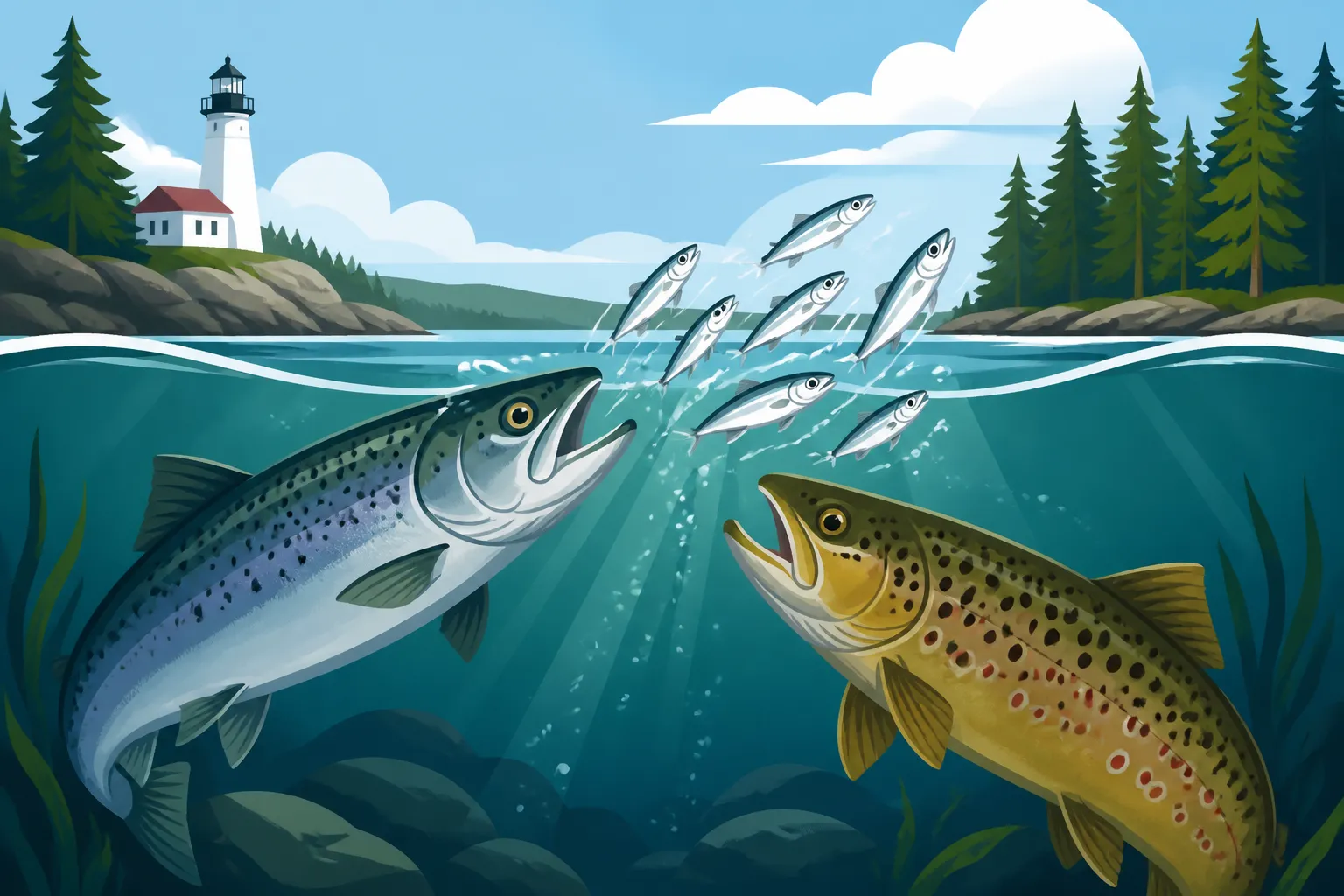
If there's one fish in Maine that absolutely defines its relationship with smelt, it's the landlocked salmon. These magnificent fish are essentially living torpedoes, built for speed and powered by a diet of high-energy forage. For most of their adult lives in Maine's big lakes, their primary food source, sometimes almost exclusively, is smelt. The salmon literally follow the smelt schools around the lake.
Think about it: during the summer months, when lake temperatures rise, both salmon and smelt seek refuge in the cooler, deeper waters. How Deep Should You Troll for Salmon in Summer? When autumn arrives, and the lake water begins to cool and mix, smelt often spread out, and so do the salmon. If you're trying to figure out Best Time of Year to Catch Landlocked Salmon in Maine, understanding the smelt's movements is key. Anglers targeting salmon will often use lures that imitate smelt, or even actual smelt as bait, because they know this is what the salmon are looking for. The size and overall health of a salmon population in a given lake are often directly correlated with the abundance of smelt in that same lake. If the smelt population crashes, so too will the salmon.
Lake Trout (Togue): Deep-Water Hunters
While landlocked salmon might be the poster child for smelt dependency, Maine's lake trout, affectionately known as "togue" by locals, are also major consumers of these small fish. Togue are deep-water dwellers, often found cruising the thermocline or hugging the bottom in search of food. And guess what forms a significant portion of that diet? You guessed it – smelt.
Togue are voracious predators, and their large mouths are perfectly adapted for gulping down schools of baitfish. In lakes like Moosehead or Sebago, where togue can grow to impressive sizes, it’s almost guaranteed that a significant part of their diet has consisted of smelt. Just like salmon, togue benefit immensely from the high fat content of smelt, allowing them to pack on weight and survive the long Maine winters. When you're trying to determine Best Depth for Togue on Moosehead Lake in Summer, chances are you're also trying to find where the smelt are holding. The relationship is undeniable, and the health of the togue population in many of Maine's deepest lakes is intrinsically linked to the health of its smelt population. Anglers often turn to specialized jigging lures or trolling setups that mimic smelt, knowing they are presenting a familiar and enticing meal.
A Table: Smelt's Role in Maine's Game Fish Diets
Here's a quick look at how different fish species rely on smelt:
| Game Fish Species | Primary Reliance on Smelt | Impact on Growth & Health | Angling Implications |
|---|---|---|---|
| Landlocked Salmon | High | Critical for fast growth, overall condition, and size. | Follow smelt schools, use smelt-imitating lures/bait. |
| Lake Trout (Togue) | High | Key for reaching large sizes and winter survival. | Target deep water where smelt reside, use large lures. |
| Brook Trout | Moderate (esp. lake dwellers) | Good supplemental energy source, opportunistic feeder. | Can be found near smelt runs, especially in spring. |
| Brown Trout | Moderate | Opportunistic, will readily feed on smelt when available. | Similar to salmon and togue in lakes where they coexist. |
| Smallmouth Bass | Low to Moderate | Will eat smelt, but have a more varied diet (crayfish, insects). | Not a primary driver of bass behavior, but a food source. |
The "Smelt Run" Phenomenon
One of the most exciting times for both fish and anglers is the annual smelt run. As mentioned, these can be either anadromous smelt returning from the ocean or landlocked smelt moving into tributaries or shallow lake areas to spawn. These events are massive natural buffets, signaling an abundance of food that attracts everything from local wildlife to every predatory fish in the area. Maine Smelt Run Timing is a crucial piece of information for many anglers looking to capitalize on this feeding frenzy.
During a smelt run, game fish will gorge themselves, packing on essential fat and protein after a lean winter or in preparation for spawning. For anglers, these are prime opportunities to intercept hungry fish. Whether you're chasing Brook Trout Fishing in Maine or aiming for a trophy salmon, being aware of and understanding the smelt runs can dramatically increase your chances of success. It's a testament to how these tiny fish create monumental ripple effects throughout the entire aquatic food chain.
Threats to Smelt Populations and Their Ripple Effect
Despite their critical importance, smelt populations in Maine face a variety of threats, and when these populations decline, the repercussions are felt throughout the entire ecosystem, directly impacting the very fish we love to catch. It’s a delicate balance, and understanding these pressures is crucial for effective conservation.
Habitat Degradation and Loss
Smelt need clean, cold water and specific habitats for spawning. Many of Maine's rivers and streams, once ideal spawning grounds, have been altered by human activity. Dams, culverts, and development can block migration routes, reduce water quality, or destroy the gravel bottoms where smelt lay their eggs. Pollution from runoff can also degrade water quality, making it difficult for sensitive smelt eggs and fry to survive.
Consider a scenario where a small stream, historically a robust smelt spawning area, becomes silted in or suffers from increased temperatures due to lack of riparian buffer. The number of smelt successfully reproducing drops dramatically. Downstream, or out in the main lake, salmon and togue that relied on this influx of new smelt suddenly find their food source diminished. This habitat loss doesn’t just affect the smelt; it sends a tremor through the entire food web, potentially impacting everything from Maine Fish Bag Limits Guide to fishing regulations designed to protect game fish struggling with food scarcity.
Competition and Predation from Invasive Species
Maine's waters are beautiful, but they're not immune to the challenges posed by invasive species. The introduction of non-native fish can wreak havoc on native populations, including smelt. For example, some invasive species might directly prey on smelt, reducing their numbers. Others might compete with smelt for the same food resources, indirectly starving them out.
Imagine a new, aggressive species of fish introduced to a lake that outcompetes young smelt for zooplankton, their primary food source. Or perhaps an invasive species that directly preys on adult smelt without the natural checks and balances of native predators. This scenario directly leads to fewer smelt, which then means less food for the salmon and togue. The ripple effect is clear: invasive species management is not just about protecting the "invaded" species, but the entire native food chain. This is why vigilance against spreading aquatic invasive species is so important for every angler and boater in Maine.
Overharvest and Baitfish Collection
While not as prevalent as it once was, the direct harvest of smelt for food or bait can also put pressure on populations, especially localized runs. Historically, smelt runs were a significant cultural event in Maine, with people gathering buckets of these fish. While modern regulations often control this, unchecked or illegal harvesting, particularly during spawning aggregations, can severely deplete local stocks.
It’s important to remember that these small fish are not just "bait" for us; they are the foundation of an entire fishery. Sustainable practices, whether by recreational anglers or commercial bait dealers, are essential. Understanding Maine Fishing Regulations Explained and abiding by them, especially concerning baitfish collection, is a crucial part of being a responsible steward of Maine's aquatic resources. Always check local guidelines for smelt dipping, as they can vary by waterbody.
Conservation Efforts and What Anglers Can Do
The good news is that Maine’s Department of Inland Fisheries and Wildlife (MDIFW) recognizes the critical importance of smelt and actively manages their populations. However, protecting these vital baitfish isn't just up to the state; it's a shared responsibility that includes every angler, boater, and resident who enjoys Maine's incredible natural resources.
MDIFW's Role in Smelt Management
The MDIFW regularly monitors smelt populations in key lakes and rivers, conducting surveys to assess abundance and health. This data helps them make informed decisions about fishing regulations for game fish, ensuring that populations of salmon and togue are managed sustainably in relation to their food sources. They also work on habitat restoration projects, removing barriers and improving water quality in critical spawning streams.
These efforts are often intertwined with broader ecological goals. For instance, projects aimed at restoring native Brook Trout Native Range in Maine might also benefit smelt by improving the overall health of tributary streams. Understanding the complex interactions between species is paramount, and MDIFW's biologists are on the front lines, striving to maintain healthy, balanced ecosystems.
Be a Responsible Angler: Protect the Food Web
As anglers, we have a direct stake in healthy smelt populations. Here’s what you can do to contribute:
- Follow Baitfish Regulations: If you're using live bait, always adhere to Maine's regulations regarding legal baitfish and where you can collect them. Never introduce baitfish from one waterbody to another, as this is a primary vector for spreading invasive species and diseases that could harm smelt. You can find excellent bait traps and buckets on Amazon, but be sure you know the regulations on their use.
- Practice Catch and Release: For game fish like salmon and togue, consider practicing catch and release, especially for larger fish. This allows more fish to remain in the water, consuming smelt and contributing to the ecosystem's balance. When practicing catch and release, use proper techniques to minimize stress on the fish. Catch and Release Best Practices in Maine offers great advice.
- Support Habitat Protection: Be an advocate for clean water and healthy aquatic habitats. Support local conservation groups and policies that protect Maine's rivers, lakes, and streams from pollution and development.
- Report Violations: If you see illegal fishing activity, habitat destruction, or the illegal introduction of species, report it to the MDIFW warden service. Protecting our natural resources is everyone's job.
- Educate Others: Share your knowledge about the importance of smelt with fellow anglers and outdoor enthusiasts. The more people who understand this critical link, the better our chances of preserving it. When you buy fishing gear, whether it's a new reel or some smelt-imitating lures, consider the impact on the environment and choose reputable brands. Many popular brands are available on Amazon, ensuring you have access to quality gear.
The health of Maine's cold-water fisheries, and indeed the future of angling for iconic species like landlocked salmon and togue, hinges significantly on the health of its smelt populations. These small, silvery fish are far more than just bait; they are the vibrant, pulsing heart of an ecosystem that provides endless joy and challenge to anglers across the state. By understanding their importance and taking steps to protect them, we ensure that Maine’s fishing heritage thrives for generations to come. So, next time you’re out on the water, remember the mighty smelt—the little fish that truly makes a big difference.
Disclaimer
This article is for general informational purposes only and does not constitute professional advice. Laws, prices and regulations vary by location and change over time. Consult a qualified professional for guidance on your specific situation.