Fly Patterns That Imitate Maine Smelt
There's nothing quite like the thrill of a big Maine landlocked salmon or a hefty lake trout slamming your fly. Often, what sparks that aggressive strike isn't some exotic insect, but a humble baitfish: the smelt. Many anglers, myself included, have spent countless hours trying to crack the code of imitating these silvery little morsels, only to find themselves scratching their heads when the fish are clearly keying in on them. It can be incredibly frustrating to see fish boiling at the surface or marked deep on your sonar, knowing they're gorging on smelt, yet your flies aren't getting a second glance. This guide is here to help you navigate the nuanced world of fly patterns that accurately mimic Maine's essential smelt, helping you understand their characteristics and how to present the perfect imitation.
Understanding Maine Smelt: The Ultimate Baitfish
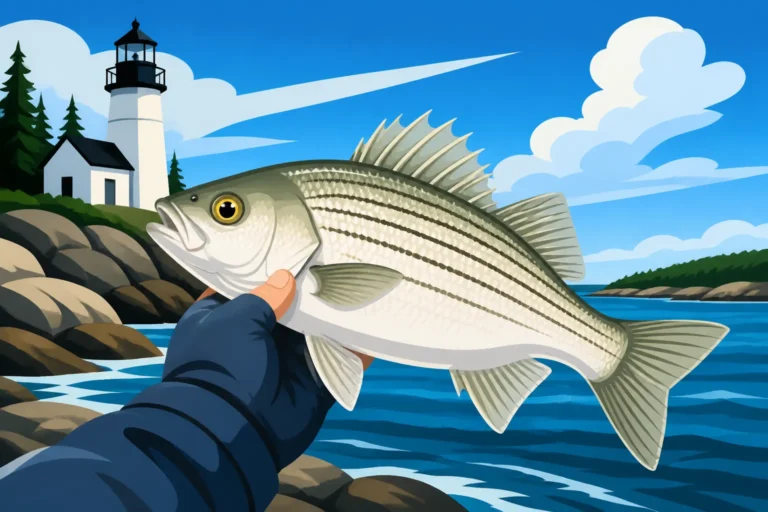
Before we can even think about tying on a fly, it's crucial to understand what we're trying to imitate. In Maine, the rainbow smelt is king when it comes to forage fish in many of our colder lakes and coastal estuaries. These small, slender fish are a primary food source for a huge array of game species, from the prized landlocked salmon and voracious lake trout (or togue, as we affectionately call them here) to robust brook trout and even some of our coastal striped bass. Ignoring their importance is like trying to bake a whoopie pie without the whoopie.
Their presence and abundance directly impact the health and size of our predatory fish populations. When the smelt are running strong, the game fish are often close behind, packing on weight and becoming more aggressive. But pinpointing the right imitation means knowing their ins and outs.
The Elusive Rainbow Smelt Profile
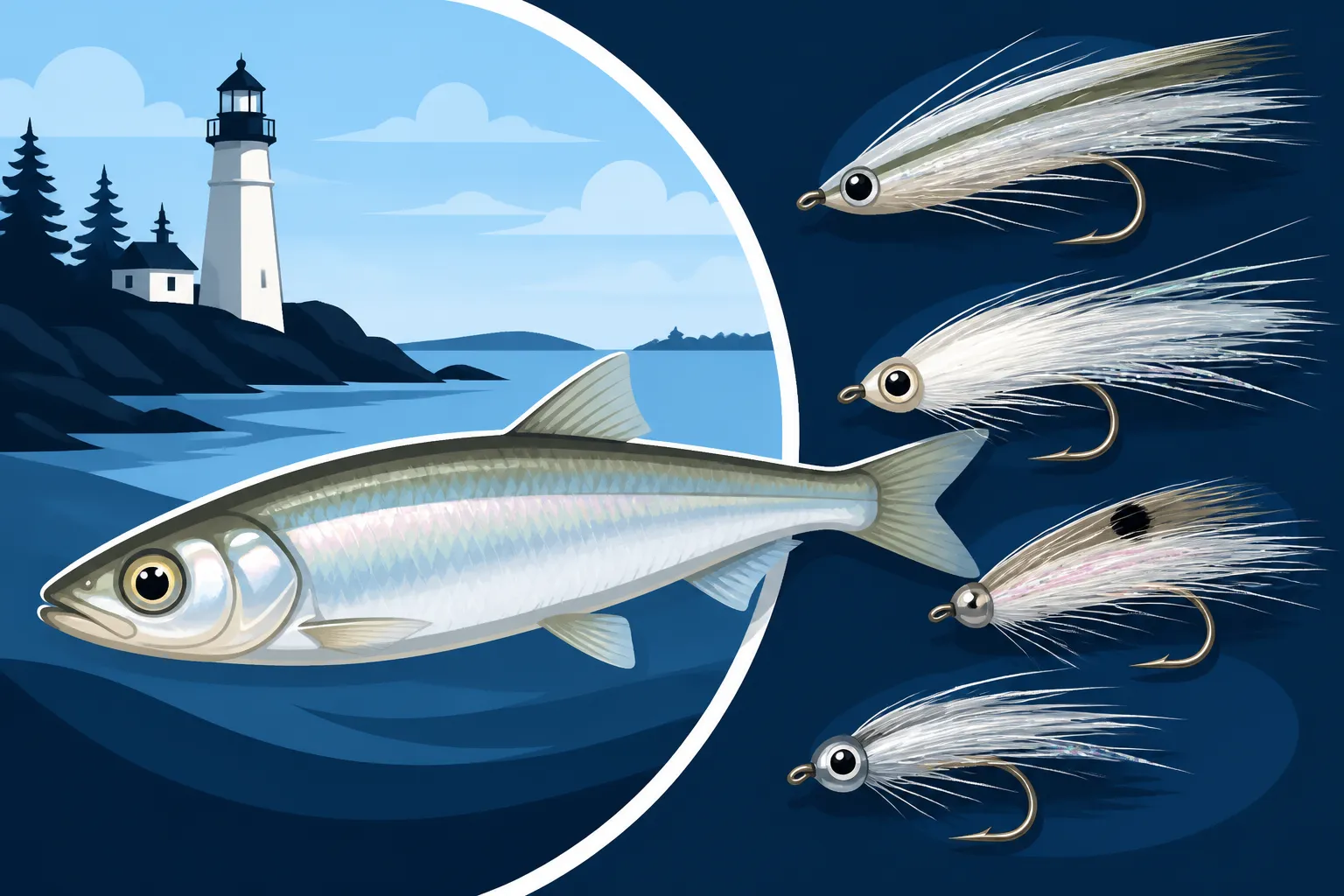
Rainbow smelt are truly a marvel of adaptation, and understanding their look is the first step to a successful imitation. They're typically quite slender and elongated, almost cigar-shaped, which gives them a distinct, hydrodynamic profile in the water. Their backs can range from an olive-green to a darker bluish-green, sometimes even a brownish hue, often fading into brilliant, iridescent silver sides and a pure white belly. This subtle blend of colors allows them to disappear against both the dark lake bottom and the bright sky, depending on whether a predator is looking down or up.
The size of smelt can vary dramatically throughout the season and depending on their age. You might encounter tiny fry, barely an inch long, all the way up to adults pushing 8-10 inches, especially during a strong smelt run. This size variation is a critical factor when selecting your fly. It's not just about length; their body depth is also quite specific, generally being deeper in the belly area and tapering gracefully towards the tail. Their large eyes are another prominent feature, which many fly patterns try to replicate to provide an enticing target for a hungry fish. Understanding these visual cues is paramount for mimicking them effectively. They are truly the foundation for a healthy population of Landlocked Salmon Fishing in Maine and Togue and Lake Trout Fishing in Maine.
Smelt Behavior and Vulnerability
Beyond just their looks, how smelt behave in the water is equally important for choosing the right fly and presentation. Smelt are schooling fish, meaning they typically gather in large groups, often moving in unison. This schooling behavior offers some protection, but it also creates a massive target for predators. When a school is attacked, individuals will often dart frantically or try to break away, presenting an easy meal.
Perhaps the most famous aspect of smelt behavior is their annual spawning migration, known locally as the "smelt run." During this time, which typically occurs in early spring as the ice recedes, smelt migrate from larger lakes or saltwater estuaries into shallower streams and rivers to lay their eggs. This event creates an absolute feeding frenzy for game fish, which stack up at the mouths of these tributaries, gorging on the easy prey. You'll want to check out our guide on Maine Smelt Run Timing to get a better handle on when and where these events occur.
Smelt are particularly vulnerable during these migrations and also when they are pushed to the surface by predatory fish, creating "breaks" or "boils" on the water. At other times, they might be holding deep in the water column, especially during warmer summer months, seeking out cooler oxygenated water. Their vulnerability, whether from spawning exhaustion, injury, or simply being singled out from a school, is what we aim to exploit with our fly patterns. A fly that mimics a wounded or isolated smelt can often be irresistible.
Essential Fly Characteristics for Smelt Imitation
So, you've got a mental picture of a smelt: silver, slender, with a dark back and a telltale eye. Now, how do we translate that into fur, feather, and synthetic materials? The key lies in focusing on a few critical characteristics that trigger a predatory response. It's not about creating an exact replica, but rather giving the fish enough convincing cues to make it think your fly is the real deal.
A good smelt pattern needs to be more than just pretty; it needs to be practical and effective in the water. We're looking for designs that can withstand the abuse of sharp-toothed fish and the elements, while still performing their intended mimicry. Think about the durability of your materials and the strength of your hooks – you don't want to lose that trophy fish because your fly fell apart after one strike.
The Art of Size and Profile Matching
Matching the size and overall profile of the prevalent smelt is probably the single most important factor. If fish are feeding on small 2-inch smelt fry, a 6-inch streamer is going to be largely ignored, no matter how perfectly colored. Conversely, if large adult smelt are the meal of choice, a tiny streamer might not offer enough caloric reward to warrant an attack.
The profile of a smelt is typically long and thin. This means your fly shouldn't be bulky or bushy, but rather streamlined. Materials like bucktail, sparse marabou, and various synthetic fibers like Flashabou or Krystal Flash are excellent for achieving this slender shape. They compress in the water, maintaining that sleek, fish-like silhouette. Articulated patterns, which are tied in multiple sections, can also provide a realistic, flowing profile that mimics the natural movement of a smelt. Getting this right is about observation: look for actual smelt in the water, check the stomach contents of fish you catch (if legal and ethical), or talk to local anglers and guides to gauge the current baitfish size.
Color, Flash, and Movement
Once you have the size and profile dialed in, it's time to think about the subtle nuances of color, flash, and movement. As mentioned, smelt have that classic counter-shaded look: a darker back transitioning to bright silver sides and a white belly. Replicating this is often done with a blend of materials. For example, a spine of olive or blue bucktail on top, flanked by white bucktail or synthetic fibers, with a layer of silver Mylar or Krystal Flash in between, can perfectly capture that shimmering effect. The flash is crucial; it mimics the reflective scales of a smelt, especially as light hits it underwater.
Movement is the final piece of the puzzle. A stiff, rigid fly won't fool a wary salmon. Smelt move with a fluid, undulating motion. Soft, mobile materials are key here. Marabou is a fantastic choice because of its incredible movement even with minimal current or retrieve. Rabbit strips also provide excellent action. The fly needs to breathe and pulsate in the water, suggesting life and vulnerability. Some patterns incorporate soft hackles or rubber legs to add even more subtle movement. These elements, when combined with the right retrieve, can make your imitation irresistible.
Top Fly Patterns to Imitate Maine Smelt
Now for the fun part: picking the patterns! Maine has a rich history of fly tying, and many classic streamer patterns were developed right here to imitate our local baitfish, especially the smelt. While these traditional patterns remain incredibly effective, modern materials and techniques have also given us some fantastic new options. You'll want to have a good variety in your box to cover different conditions and target species.
Whether you prefer tying your own or picking them up pre-made, these patterns are a must-have for any serious Maine angler looking to capitalize on a smelt bite. Remember that you can often find many of these classic patterns, as well as the materials needed to tie them, on Amazon or at your favorite local fly shop.
Classic Maine Streamer Patterns
Maine streamers are legendary for a reason—they were designed by and for anglers who understood what our fish eat. These patterns are characterized by their long, slender profile, often incorporating bucktail, feathers, and a touch of flash. They are built to move through the water with precision, mimicking the elegant yet quick darting movements of smelt. Many of these flies are specifically designed to be trolled or stripped with specific actions in mind, making them versatile tools in any angler's arsenal.
- The Gray Ghost: This is perhaps the iconic Maine smelt streamer, designed by Carrie Stevens in the early 20th century. It features a grey squirrel tail wing, golden pheasant crest, and a silver body, often with a white belly. It's a perfect imitation of a large, mature smelt. The elegance of its design is matched only by its effectiveness. I've had incredible success trolling this pattern deep for landlocked salmon on Sebago Lake or casting it into smelt-rich pockets on the Kennebec River. The way it shimmers and glides through the water, especially on a sunny day, is simply mesmerizing to fish.
- The Black Ghost: Another Stevens classic, the Black Ghost is often tied with a black bucktail wing, a white marabou body, and a silver rib. This pattern is particularly effective in lower light conditions, stained water, or when fish are keying in on a darker profile. It's also a fantastic choice for fishing during Maine Night Fishing Techniques. The contrast and movement of the marabou create a lifelike silhouette that predatory fish can't resist. It gives off a slightly different vibe than the silvery Gray Ghost, but it’s just as deadly, especially for brook trout that might be looking for a more subdued meal.
- The Supervisor: While perhaps less famous than its "Ghost" cousins, the Supervisor is another excellent Maine streamer that excels at imitating smelt. It typically features a white bucktail wing with a strip of blue or green peacock herl over it, a silver body, and white underwings. The blue or green top mimics the back of a smelt beautifully, offering a slightly different color profile. It's a versatile pattern that works well in clear water and sunny conditions, making it a great alternative when fish might be getting a bit picky.
Modern and Versatile Smelt Flies
While the classics hold a special place, modern fly tying has introduced some incredibly effective and adaptable patterns that also do a fantastic job of imitating smelt. These often incorporate synthetic materials for durability and unique actions. They tend to be a bit more impressionistic, focusing on movement and flash to trick the fish.
- Clouser Minnow (Grey/White, Olive/White): Developed by Bob Clouser, this pattern is a true powerhouse. Its inverted hook point makes it relatively snag-proof, and the weighted dumbbell eyes give it a distinct jigging action. Tied in grey/white or olive/white, it perfectly mimics a smelt darting through the water. The Clouser is incredibly versatile for various fishing styles, whether you're stripping it quickly in shallow water or letting it sink deep. Its jigging action on the retrieve is incredibly lifelike, making it a staple for both freshwater and saltwater smelt imitations. You can easily find the materials to tie these or buy them pre-tied from retailers like Amazon.
- Lefty's Deceiver: Designed by Lefty Kreh, the Deceiver is another widely popular and effective fly. Its sparse bucktail tail and saddle hackle wing create a large profile in the water while remaining relatively lightweight and easy to cast. Tied in silver/white or blue/white, it offers excellent movement and a broad, fish-like silhouette. It's particularly good for covering a lot of water and attracting aggressive strikes from bigger fish looking for a substantial meal. The Deceiver's design allows it to push a lot of water, creating vibrations that predatory fish can detect from a distance.
- Surf Candy/Epoxy Smelt: These patterns, often tied with synthetic fibers coated in epoxy or UV resin, create incredibly realistic and durable smelt imitations. The clear epoxy gives them a translucent, glass-like finish, perfectly replicating the look of a live baitfish. They sink quickly and have a very natural swimming action. While sometimes a bit more complex to tie, their effectiveness in both freshwater and especially saltwater for striped bass chasing smelt is undeniable. They are particularly effective when fish are highly visual and picky about realism.
Articulated and Larger Profile Smelt Imitations
Sometimes, you need to go big or go home, especially when targeting trophy-sized fish that are gorging on larger adult smelt. Articulated flies, which are tied on multiple hook shanks or with shanks and trailers, offer an extended, lifelike profile and incredible swimming action. These patterns are designed to move with a serpentine wiggle, truly mimicking the fluid motion of a larger smelt.
- Articulated Streamers (e.g., Sex Dungeon, Peanut Envy variations): While often associated with trout, these patterns can be adapted to imitate larger smelt. By using a combination of synthetic fibers, marabou, and sometimes even rabbit strips, they create a long, flowing profile with exaggerated movement. They are particularly effective when Maine Landlocked Salmon Bag Limits allow for larger fish, or you're specifically hunting for bigger togue that are used to swallowing substantial prey. The extra length and segmentation mean they can really undulate in the water, making them appear incredibly lifelike and enticing.
- Game Changer Style Flies: These innovative patterns are designed with multiple articulated sections, often six or more, to create an ultra-realistic baitfish profile and swimming action. They are incredibly lifelike in the water, mimicking every twist and turn of a natural smelt. While more challenging to tie, a well-constructed Game Changer in smelt colors can be absolutely deadly. They excel when you need a high degree of realism and movement to trigger strikes from otherwise selective fish.
- When to Use Bigger Flies: These larger imitations are generally best when the target fish are specifically feeding on bigger smelt, typically later in the season or during a mature smelt run. They are also excellent for casting or Trolling Techniques for Maine Lakes when you want to present a substantial meal that will grab the attention of large, aggressive predators like significant landlocked salmon or monstrous togue. Don't be afraid to experiment with these larger patterns, especially if you're not getting any action on smaller flies.
Fishing Techniques for Smelt Imitations
Having the perfect smelt fly is only half the battle; knowing how to present it effectively is the other, equally critical, half. Smelt are constantly on the move, and their behavior dictates how a predator will react. Your retrieve, depth control, and overall presentation must convince that fish that your fly isn't just a piece of fluff and feather, but a vulnerable, struggling, or fleeing smelt.
Different environments—whether you're on a vast open lake, a flowing river, or a quiet pond—will also call for adjustments in your technique. It’s about being observant and adaptable, constantly trying to put yourself in the fish’s position and thinking about what would trigger a strike.
Retrieve Techniques: Matching the Smelt's Moves
The way you strip or retrieve your smelt imitation should ideally mimic the natural movements of a smelt. Sometimes they dart quickly to escape, sometimes they cruise languidly, and sometimes they struggle when injured. Varying your retrieve is key to finding what the fish are looking for on any given day.
- Short, Quick Strips: This is a go-to technique when fish are actively chasing schools of smelt. Imagine a smelt trying to escape a hungry predator; it makes short, erratic bursts of speed. Mimic this with quick, short strips of your fly line, followed by brief pauses. This stop-and-go action can be incredibly effective, especially when fishing near schooling fish or during a Maine Fishing Season Calendar period of aggressive feeding.
- Long, Slow Pulls: Not all smelt are fleeing for their lives. Sometimes, they might be cruising, injured, or simply vulnerable. A longer, slower retrieve with occasional twitches can imitate a smelt that's less energetic or slightly disoriented. This can be particularly effective when fish are less aggressive or when fishing in colder water, such as early spring or late fall when fish aren't expending as much energy chasing prey.
- Pause-and-Go Retrieves: Combining both short, quick strips and longer pauses can create a highly erratic and tempting presentation. The pause allows the fly to sink slightly and flutter, often triggering a strike as the fish thinks the "smelt" is struggling. This technique is excellent for covering various depths and enticing fish that might be hesitant to commit to a constant retrieve. Don't be afraid to let your fly dead-drift for a moment, particularly in river current, before initiating your strip. For river anglers, mastering different retrieve speeds is crucial for Fly Fishing Techniques for Maine Rivers.
Depth Control and Presentation
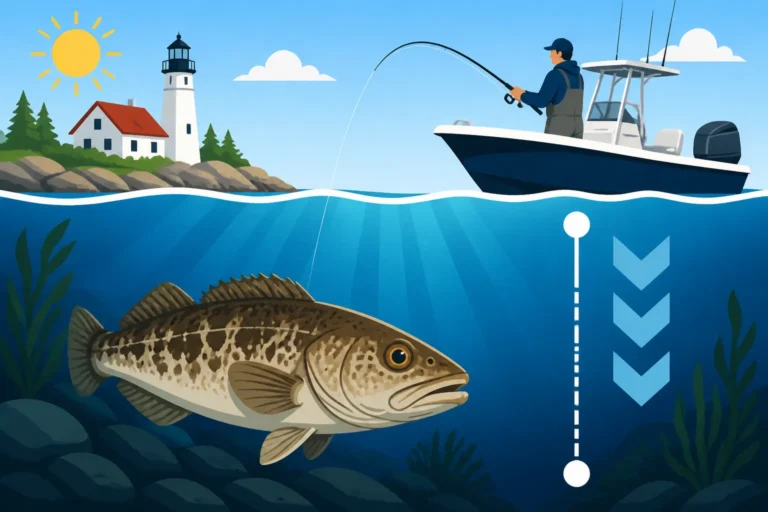
Knowing where the smelt are in the water column is just as important as how your fly moves. Smelt will move up and down in the water column based on light levels, water temperature, oxygen content, and predator presence. Your ability to get your fly to that exact depth will make all the difference.
- Sinking Lines vs. Weighted Flies: For open water lake fishing, particularly during summer or when fish are holding deep, a sinking fly line (intermediate, Type I-IV, or even faster) is invaluable. It gets your unweighted or lightly weighted smelt fly down to where the fish are. For shallower water or when you want quick depth changes, using weighted flies (like the Clouser Minnow with its dumbbell eyes) on a floating or intermediate line can be more effective. Experiment with both to see what works best in different scenarios. Our guide on Best Time of Year to Catch Landlocked Salmon in Maine often emphasizes depth.
- Fishing Near Structure or Open Water: Smelt will often relate to structure such as points, drop-offs, underwater humps, or weed beds. These areas provide cover and ambush points for predatory fish. Pay attention to your sonar if you have one, or look for visual cues on the surface. However, smelt also school in vast open water, so sometimes covering large expanses with a trolling pattern or long casts is necessary.
- Targeting Different Depths: In the early morning or late evening, smelt might be closer to the surface. During the bright mid-day sun, they'll often retreat to deeper, cooler water. As the season progresses from spring to summer, they'll generally go deeper. Continually adjust your depth until you find where the fish are holding and actively feeding. Sometimes, the subtle change of just a few feet can be the difference between a frustrating day and a fantastic one. Mastering this aspect is key for Best Time of Year to Catch Togue in Maine, as togue are renowned for their deep-water habits.
| Fly Pattern | Key Features | Best Use (Water Type/Target Species) | Recommended Retrieve |
|---|---|---|---|
| Gray Ghost | Silver body, grey squirrel tail, sleek profile | Lakes, large rivers / Salmon, Trout, Togue | Slow, deliberate strips; trolling |
| Black Ghost | Black/white contrast, marabou wing, movement | Stained water, low light / Trout, Salmon | Erratic strips, short pauses |
| Supervisor | Blue/green back, silver body, white belly | Clear water / Salmon, Trout | Medium retrieve, consistent strip |
| Clouser Minnow | Weighted eyes, jigging action, versatile | All water types / Bass, Salmon, Trout, Striper | Short, sharp strips; jigging motion |
| Lefty's Deceiver | Large profile, sparse bucktail, good casting | Open water / Salmon, Striper, Togue | Long, continuous strips; quick bursts |
| Epoxy Smelt | Realistic, translucent, durable | Estuaries, clear lakes / Striper, Salmon | Steady retrieve with occasional twitches |
| Articulated Streamer | Extended profile, serpentine movement | Trophy hunting / Large Salmon, Togue, Bass | Slow, undulating strips; long pauses |
This article is for general informational purposes only and does not constitute professional advice. Laws, prices and regulations vary by location and change over time. Consult a qualified professional for guidance on your specific situation.