What Do Brook Trout Eat in Maine Streams?
There's nothing quite like the crisp air of a Maine morning, rod in hand, standing beside a babbling stream, hoping for that tell-tale tug on your line. But let's be honest, we've all been there: casting our favorite lure or bait, seeing no action, and scratching our heads, wondering, "What are these brook trout actually eating?" It's a common frustration, especially when the water looks perfect, but the fish just aren't biting. Understanding the brook trout's ever-changing diet is the key to unlocking consistent success in our beautiful Maine streams, and this guide is here to demystify their meal plan, giving you the insights you need to choose the right offering every time.
The Core Diet of Maine Stream Brook Trout
Maine's brook trout, those vibrant, wild jewels of our waterways, are opportunistic feeders. This means they'll eat just about anything that looks like a meal and fits into their mouths, given the chance. However, their primary diet revolves around what's most readily available in their specific stream environment. Think of them as savvy diners who prefer local, seasonal fare, but won't turn down a good delivery if it floats by.
A Bug's Life: Aquatic Invertebrates
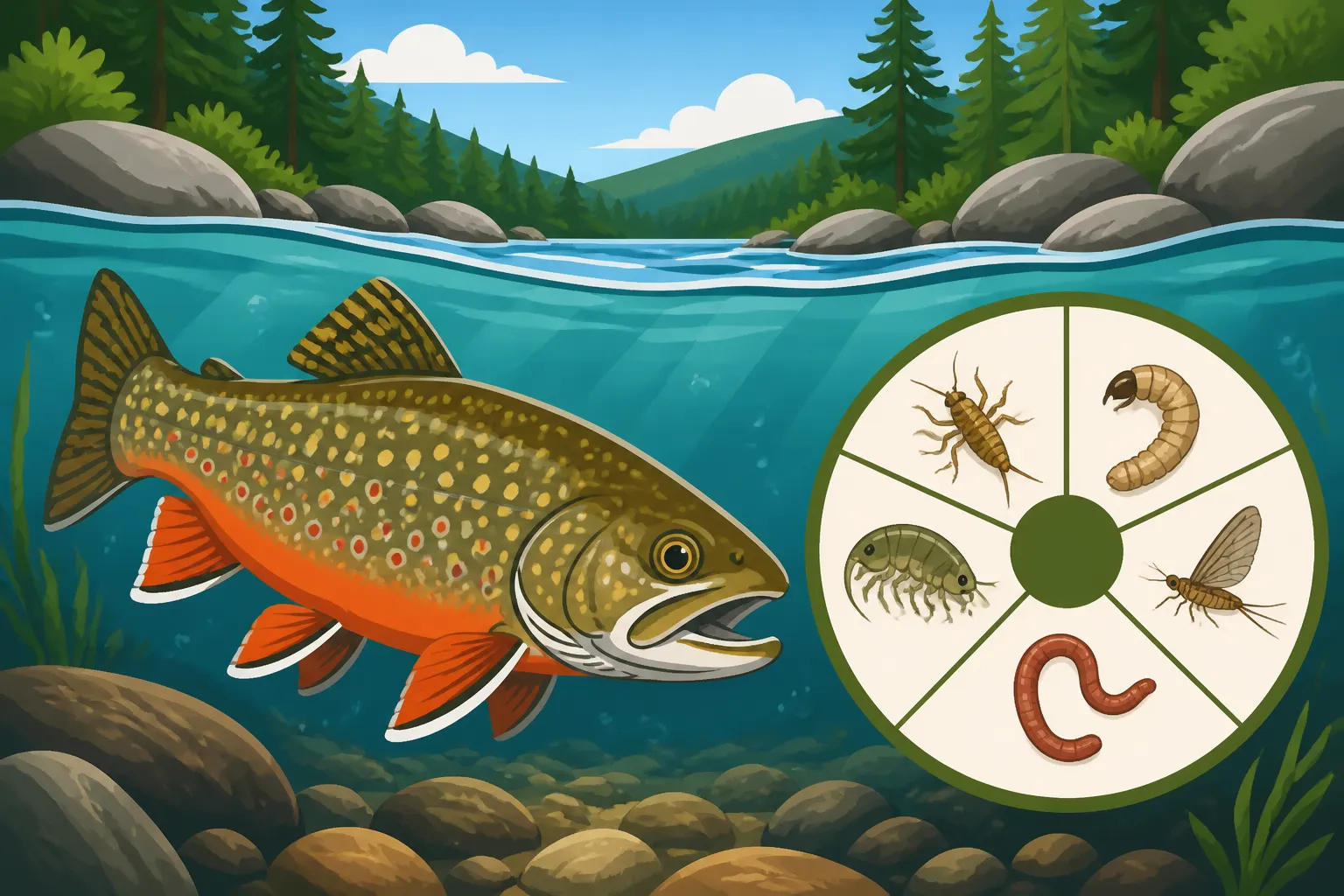
The backbone of a brook trout's diet in Maine streams is, without a doubt, aquatic invertebrates. These are the bugs that spend at least a portion of their lives underwater, making them a constant food source for trout. We're talking about the nymphs, larvae, and pupae of various insects, as well as their adult forms when they emerge from the water.
Mayflies, caddisflies, and stoneflies are the big three, and knowing their life cycles is a game-changer. Mayfly nymphs, for example, cling to rocks or burrow in the streambed, patiently waiting for their time to emerge. Caddisfly larvae often build little cases of pebbles or twigs, which you might spot if you gently turn over rocks in the stream. Stonefly nymphs are typically larger and more active. Brook trout are constantly on the lookout for these vulnerable creatures drifting downstream, either dislodged from the bottom or actively moving towards emergence. When these insects begin their transition from aquatic larvae to winged adults, they become particularly easy targets, leading to those exciting "hatches" that drive trout into a feeding frenzy. Understanding these insect life stages is crucial for anglers looking to How to Nymph Fish for Trout or choose the right Fly Selection for Brook Trout.
Beyond the "big three," brook trout also consume a host of other smaller aquatic insects and crustaceans. This includes various midge larvae, small freshwater shrimp, scuds, and even tiny leeches. These creatures are often overlooked by anglers focused solely on major hatches, but they represent a constant, underlying food source for trout. These smaller, less glamorous meals are always present, making them a reliable snack, especially when no major insect activity is happening on the surface. Healthy stream ecosystems, with good water quality and plenty of submerged structure, are typically teeming with these tiny morsels, providing a steady buffet for the resident trout population.
Terrestrial Treats: What Falls from Above
While aquatic insects are a constant staple, brook trout are also highly attuned to what falls into the water from the surrounding environment. We call these "terrestrials," and they can make up a significant portion of a trout's diet, especially during the warmer months when insect activity on land is at its peak.
Imagine a juicy grasshopper misjudging a jump from a streambank, or an ant colony washing into the water after a heavy rain. To a brook trout, these are unexpected, high-protein bonuses. Common terrestrials include grasshoppers, crickets, beetles, ants, and caterpillars. Overhanging branches laden with leaves and insects, or grassy banks where insects are abundant, are prime locations for these accidental offerings. A strong gust of wind or an unfortunate slip can send a significant meal directly into the trout's feeding lane. This is why you often find brook trout holding tight to undercut banks or under overhanging vegetation, waiting patiently for a terrestrial snack to drop.
The presence of terrestrials can dramatically change fishing conditions. Sometimes, even if there's no major aquatic hatch, trout will key in almost exclusively on these land-based insects, ignoring perfectly presented aquatic imitations. This is particularly true during summer afternoons when the sun is high, and terrestrial insect activity on land is buzzing. Savvy anglers often use patterns that imitate these land bugs during such times, knowing that a well-placed grasshopper or ant fly can be irresistible. Observing the banks and what plants are growing near the water can give you excellent clues about what might be falling into the stream.
Opportunistic Predators: Smaller Prey Items
While insects dominate the menu, Maine brook trout are also efficient predators, especially as they grow larger. They won't hesitate to prey on smaller fish, amphibians, or even their own kind if the opportunity arises. This predatory behavior is a testament to their adaptable nature and their need to consume enough calories to grow and survive in diverse stream environments.
Small baitfish, such as various minnow species or sculpins, are a prime target for bigger brook trout. These little fish dart through the water, often hiding among rocks or weeds, but a hungry trout will quickly seize a chance encounter. Leeches, though perhaps less appealing to us, are also a slow-moving, nutritious meal for trout, especially in slower-moving sections of a stream or in pools. Even tiny salamanders or frogs can occasionally fall victim to a larger brook trout's appetite. It's a tough world out there in the stream, and if it moves, fits, and looks edible, a brook trout will consider it.
This predatory aspect of their diet is particularly important for anglers targeting larger brook trout. While smaller trout might stick to insects, those truly impressive "hogs" often supplement their diet with more substantial meals. This is where offerings like streamer flies, which imitate baitfish, or even small spinners that mimic an injured minnow, come into their own. Knowing that brook trout aren't just bug-eaters expands your arsenal and encourages you to consider different fishing techniques, especially when you're after a trophy fish. If you're wondering Best Bait for Brook Trout, remember that live baitfish or worms can often trigger this predatory instinct.
Seasonal Shifts: Adapting to the Trout's Changing Menu
Just like our own eating habits change with the seasons, so do those of brook trout. What's readily available in a Maine stream in April is often very different from what's on offer in July or October. Understanding these seasonal shifts is paramount to consistent success on the water. It’s all part of the larger Maine Fishing Season Calendar and tailoring your approach to the specific time of year.
Spring's Bounty: Emerging Insects and Cold Water Forage
When spring finally breaks through the Maine winter, usually around late April or early May, the streams begin to awaken. Water temperatures slowly rise, and with that comes a burst of activity in the aquatic insect world. This period often sees significant hatches of overwintered nymphs and larvae, which have been growing under the ice all winter and are now ready to emerge.
Early spring hatches can be prolific. Large stoneflies might be one of the first major insects to emerge, followed by various species of caddisflies and mayflies as the water continues to warm. Trout, invigorated by the rising temperatures and the sudden availability of food, become incredibly active. They'll position themselves in prime feeding lanes, often in riffles or at the heads of pools, eagerly picking off emerging insects that are struggling to break the surface film. This time of year, focusing on nymph and emerger patterns, or even small dry flies that mimic the first adults, can be incredibly effective. Don't forget that as the water warms, their metabolism also picks up, making them more willing to chase down a meal. This early season surge is a fantastic time to get out on the water, as detailed in our Maine Spring Fishing Guide.
Beyond the emerging insects, trout in early spring will also opportunistically feed on anything else available in the colder water. This can include small baitfish that are just becoming active, or even small worms washed in by spring rains and snowmelt. The key is that they are shaking off their winter sluggishness and actively seeking calories after a lean period. Presentation often becomes a little less critical than later in the year, as the trout are hungry and less wary.
Summer's Buffet: Terrestrial Influx and Deep-Water Foraging
As Maine summers settle in, stream temperatures can rise, and the fishing dynamics shift considerably. While aquatic hatches still occur, they often become more sporadic and concentrated in the cooler parts of the day, like early morning or late evening. The big story in summer, however, is the explosion of terrestrial insects.
Warm summer breezes carry grasshoppers, beetles, and ants from the stream banks and overhanging vegetation directly into the water. Trout, particularly those holding near shaded banks or under brush, will quickly key into these easy meals. During the heat of the day, when the sun is high, a large, juicy grasshopper pattern can often outfish any aquatic imitation. Furthermore, as stream temperatures climb, brook trout will seek out cooler water, often congregating in deeper pools, near cold springs, or in the oxygen-rich sections of fast-moving riffles. Here, they'll become more selective, conserving energy and waiting for substantial meals to drift by or for conditions to become more favorable for active feeding. Knowing Reading Water Temperature for Maine Trout becomes crucial here.
In these deeper, cooler haunts, trout might still feed on larger nymphs that are present year-round, or even target small baitfish or leeches that share their cool-water sanctuary. It's a time for stealth and precise presentation, as the fish can be more easily spooked in lower, clearer water. Anglers often switch to lighter lines and longer leaders, presenting smaller, more subtle patterns, or using natural baits like worms that appeal to a cautious fish. The summer months offer unique challenges and rewards, demanding a keen eye for terrestrial activity and an understanding of where trout seek refuge from the heat.
Fall's Feast: Pre-Spawn Preparations and Egg Devouring
Autumn in Maine brings a spectacular display of color, cooler temperatures, and some of the most aggressive brook trout fishing of the year. As water temperatures drop, brook trout enter a period of intense feeding to build up reserves for the upcoming spawn. They become incredibly active, often less wary, and willing to chase down a variety of offerings. This is a time of year when trout are looking for big meals.
Larger aquatic insects, often the final significant hatches of the year, will be eagerly consumed. But more importantly, many species of fish, including brook trout themselves, begin their spawning rituals in the fall. During this time, fish eggs become a highly nutritious and readily available food source. Trout will aggressively gorge on the eggs of other spawning fish, or even their own kind if given the chance. This makes egg patterns incredibly effective where spawning is occurring. Additionally, terrestrial insects, though less abundant than in summer, still fall into the water, providing a varied diet. Our Maine Fall Fishing Guide goes into more detail about this productive season.
The vibrant colors of fall seem to be mirrored in the brook trout themselves, as they take on stunning spawning colors. Their aggressive feeding behavior makes this an exhilarating time to be on the water. They are less finicky and more apt to strike at larger streamers, spoons, or spinners that mimic baitfish or other protein-rich meals. It's a last hurrah of feeding before the lean winter months and the energy demands of spawning take their toll, offering anglers a chance to hook into some truly memorable fish.
Reading the Water: Clues to a Brook Trout's Meal Plan
One of the most valuable skills an angler can develop is learning to "read the water" – not just in terms of currents and structure, but in understanding what food sources are present and what the fish might be keying in on. Maine streams are dynamic ecosystems, and subtle clues can tell you volumes about a brook trout's recent meal.
Observation is Key: What's Hatching or Falling?
The first and arguably most important step in understanding what brook trout are eating is simple observation. Before you even make your first cast, take a few moments to simply watch the water. Look for signs of insect activity on the surface. Are there adult mayflies fluttering, caddisflies skittering, or midges dancing? Even small ripples or disturbances on calm water can indicate a trout sipping an emerging insect. If you see fish rising, pay close attention to the nature of the rise: a gentle sip usually means small, delicate insects, while an aggressive splash might indicate a trout chasing a larger, faster-moving meal like a caddisfly or even a terrestrial that just fell in.
Don't just look at the surface; peer into the water itself. Are there nymphs drifting downstream, or small fish darting about? Check the underside of rocks along the streambed for clinging nymphs or larvae – this gives you a direct look at what's living in the trout's pantry. Look at the surrounding vegetation: are there ants crawling on leaves, grasshoppers buzzing in the tall grass, or caterpillars munching on riverside plants? The more you observe, the more clues you'll gather about the prevailing "menu" of the stream. This detective work is fundamental to successful Maine Open Water Fishing Techniques Guide.
Mimicking the Menu: Selecting the Right Bait or Lure
Once you've done your observational detective work, the next step is to translate that information into your bait or lure selection. This is where the concept of "matching the hatch" comes into play, a cornerstone of fly fishing, but equally applicable to spin fishing. If you see a lot of small, dark caddisflies fluttering, reaching for a similar-sized caddis dry fly or a small, dark spinner that mimics an emerging insect makes perfect sense.
For situations where terrestrials are abundant, a foam grasshopper pattern, a beetle imitation, or even a small worm (which can mimic a variety of natural prey items washed into the stream) can be deadly. If fish are feeding sub-surface, nymph patterns that match the size and color of the dominant aquatic insects are your best bet. And for those larger, more predatory trout, don't shy away from streamers that imitate baitfish or small spoons that flash like a struggling minnow. It’s not always about exact replication, but about offering something that looks, moves, or smells like a natural food source the trout are currently targeting. Our guides on Best Bait for Brook Trout and How to Fish a Dry Fly for Brook Trout offer specific tips.
Habitat and Food Availability
The specific characteristics of a stream's habitat also heavily influence what brook trout eat. Different parts of a stream offer different food opportunities. Riffles and fast-moving sections are usually teeming with oxygen and aquatic insects like stonefly and caddisfly nymphs, which cling to the rocks. Trout in these areas will often be actively feeding on these dislodged or emerging insects.
Deeper pools and slower stretches, on the other hand, might hold more baitfish, leeches, or larger nymphs that prefer calmer waters. Undercut banks, fallen logs, and overhanging vegetation provide shade, cover, and a constant source of terrestrial insects falling into the water. A healthy streambed with plenty of rocks, gravel, and aquatic vegetation indicates a rich food base, full of diverse invertebrates. Conversely, in streams with less diverse habitat, trout might rely more heavily on what washes in from upstream or what falls from the banks. By understanding these connections, you can better anticipate what food sources are likely present in different sections of a stream and adjust your approach accordingly. If you want to dive deeper into where these fish reside, check out Where Brook Trout Live in Maine Streams.
| Food Source Category | Common Examples | Peak Season/Conditions | Typical Trout Behavior | Angler's Lure/Bait Suggestion |
|---|---|---|---|---|
| Aquatic Invertebrates | Mayfly nymphs, Caddisfly larvae, Stonefly nymphs, Midges | All year; specific hatches in spring/fall | Subsurface feeding, occasional rises | Nymph patterns, emerger patterns, small wet flies |
| Emerging Insects | Mayfly duns, Caddisfly adults, Stonefly adults | Spring & Fall hatches, early morning/evening | Active surface feeding (rising) | Dry flies matching hatch, soft hackles |
| Terrestrial Insects | Grasshoppers, Ants, Beetles, Caterpillars | Summer & early Fall, windy conditions | Near banks, under vegetation, opportunistic rises | Foam patterns (hoppers, beetles), ant patterns, small poppers |
| Small Fish | Minnows, Sculpins | All year, especially for larger trout | Ambush predation in deeper water/cover | Streamers, small spoons, spinners, live minnows |
| Worms/Leeches | Earthworms, various leeches | After rain, in slow pools | Bottom feeding, opportunistic | Live worms, leech patterns, dark-colored jigs |
| Fish Eggs | Brook trout eggs, salmon eggs | Fall (during spawning season) | Concentrated feeding in spawning areas | Egg patterns, bright small beads |
This article is for general informational purposes only and does not constitute professional advice. Laws, prices and regulations vary by location and change over time. Consult a qualified professional for guidance on your specific situation.