What Do Togue Eat in Deep Maine Lakes?
If you've ever spent time fishing Maine's vast, crystal-clear lakes, you've likely encountered the elusive and powerful togue, also known as lake trout. They're a truly magnificent fish, but figuring out what makes them bite can feel like cracking a secret code, especially when they're hunkered down in those deep, cold waters. This guide is all about demystifying the togue's diet, giving you the inside scoop on what these deep-water predators are really feasting on, and how understanding their menu can help you land more of them.
The Deep-Water Diner: Understanding Togue Habitat and Diet Fundamentals
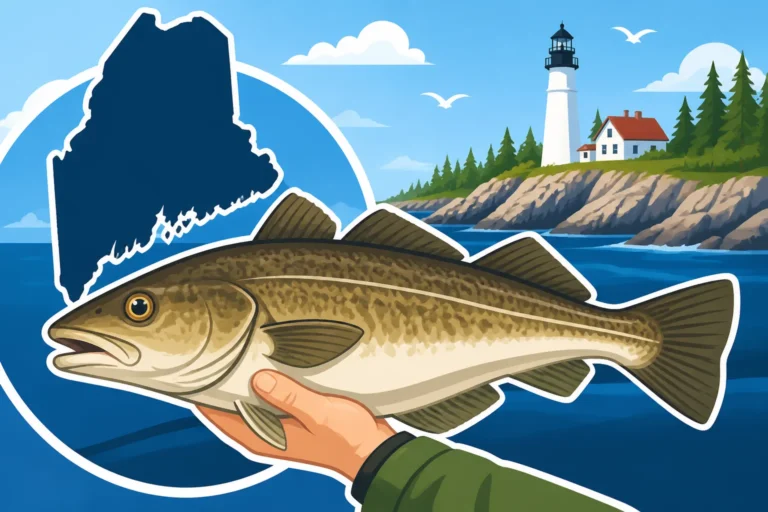
When we talk about togue, we're really talking about a fish perfectly adapted to the depths of Maine's largest and coldest lakes. They aren't like your typical brook trout that might dart around shallow streams; these are creatures of the abyss, and their diet is a direct reflection of their chosen home. You might wonder, What Does Togue Mean in Maine? – well, it's our local term for Salvelinus namaycush, the lake trout, and understanding their environment is key to understanding their hunger.
Why Depth Matters: Cold Water and Oxygen Needs
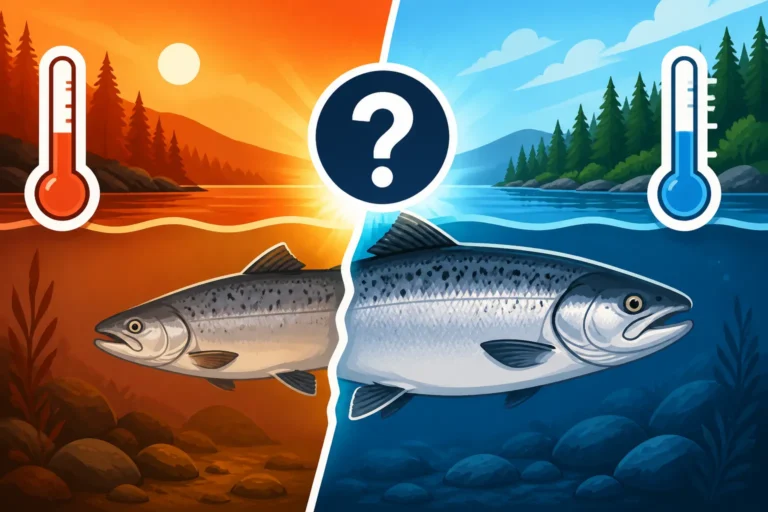
Togue thrive in cold, oxygen-rich waters. That's why you'll find them primarily in Maine's deeper lakes, places like Moosehead Lake, Sebago Lake, and Rangeley Lake. As surface waters warm up, especially during the long summer months, togue are forced to retreat to the cooler depths, often seeking out water temperatures in the mid-40s to low-50s Fahrenheit. This isn't just a preference; it's a survival instinct. Their metabolism is finely tuned to these cold conditions, and staying in warmer water can stress them and even be fatal over time.
This migration to deeper, colder zones means their available food sources are quite specific. They're not going to be chasing dragonflies off lily pads or picking worms off the bottom in a shallow cove. Instead, their diet consists almost entirely of organisms that also prefer, or are forced into, these same deep-water environments. It's a whole ecosystem down there, unseen by us from the surface, and the togue is a major player within it. Their survival literally depends on finding enough sustenance in these cold, dark reaches.
A Hunter's Instinct: Togue as Apex Predators
Don't let their deep-water dwelling fool you; togue are formidable hunters. They possess a suite of adaptations that make them incredibly efficient predators in their low-light world. Their bodies are streamlined, built for bursts of speed to ambush unsuspecting prey. They have excellent eyesight, even in dim conditions, and a highly developed lateral line system that detects vibrations in the water, allowing them to sense the movements of baitfish from a distance.
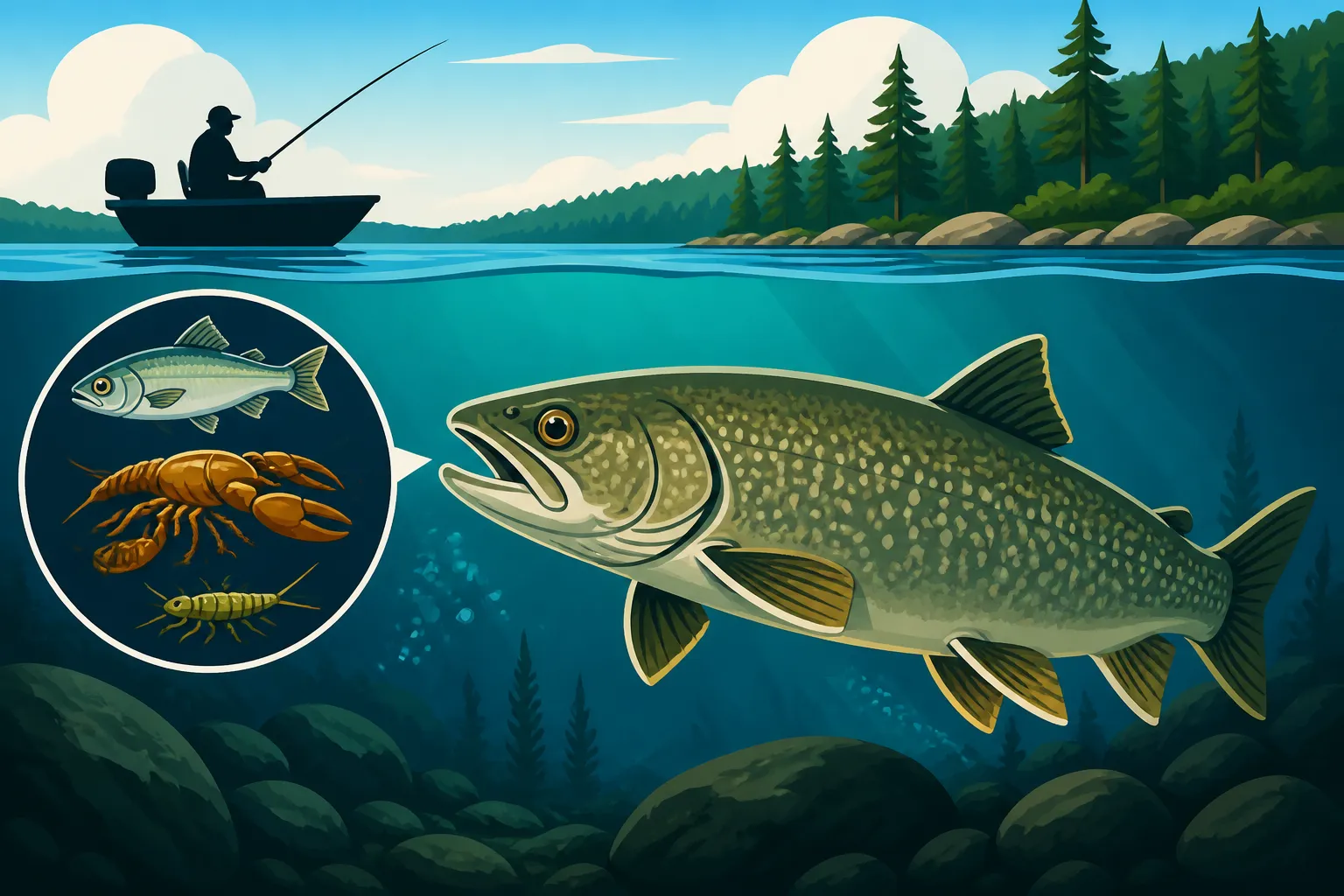
Togue are primarily piscivorous, meaning they predominantly eat other fish. While they might occasionally snack on aquatic insects or crustaceans, especially when younger or if their preferred forage is scarce, their ultimate goal is usually a protein-packed meal of baitfish. They often cruise along underwater structures like ledges, drop-offs, and humps, using these features to corner their prey. Understanding this predatory instinct helps us realize why certain lures, especially those mimicking wounded baitfish, are so effective when fishing for togue. They aren't just nibbling; they're actively hunting. In many of Maine's deep lakes, the togue sits at the top of the food chain, a true apex predator. You can learn more about Where Togue Live in Deep Maine Lakes in our detailed guide.
The Main Course: Key Forage Species for Maine's Togue
Now, let's dive into the nitty-gritty of what fills a togue's belly. While they can be opportunistic, there are a few key players that make up the vast majority of their diet in Maine's deep lakes. If you want to think like a togue, you need to think like a baitfish.
The Mighty Smelt: A Togue's Favorite Meal
Without a doubt, the single most important food source for togue in most Maine lakes is the rainbow smelt. These small, silvery fish are abundant in many of Maine's cold, deep waters and provide the perfect, energy-rich meal for growing togue. Smelt are schooling fish, which means togue can expend less energy by targeting a concentrated group of them rather than chasing individual prey.
Smelt often occupy similar thermal zones as togue, especially during the summer, creating a natural coexistence where the predators follow their prey. When smelt populations are healthy, togue thrive, growing large and fat. Anglers who understand the importance of smelt will often choose lures and baits that closely imitate these small fish, both in size, color, and action. Knowing when and where the Maine Smelt Run Timing occurs can give you a huge advantage, as togue will often follow these baitfish movements. You'll find a dizzying array of smelt-imitating lures on Amazon, from spoons to soft plastics, each designed to tempt a hungry togue.
Cisco (Lake Herring) and Other Deep-Dwelling Baitfish
While smelt are king, another significant forage fish in certain large, deep Maine lakes is the cisco, also known as lake herring. Cisco are generally larger than smelt and provide an even more substantial meal for big, trophy-sized togue. They also prefer cold, deep water, making them an ideal food source for adult lake trout. Lakes like Moosehead, with their immense size and depth, are known to support healthy cisco populations, which in turn contribute to the impressive size of the togue found there.
In some lakes, particularly those without abundant smelt or cisco, togue might also prey on other smaller baitfish species that inhabit the depths, though these are typically less common or less significant components of their overall diet. The principle remains the same: if it's small, swims in cold, deep water, and is nutritious, a togue will likely consider it dinner.
Opportunistic Eaters: What Else is on the Menu?
Even apex predators can be opportunistic. While fish are their primary target, togue will, at times, supplement their diet with other readily available morsels. This is particularly true for younger togue, or in waters where primary forage fish populations are low.
- Aquatic Insects and Larvae: Especially when young, togue will consume various aquatic insects, nymphs, and larvae. These can include chironomids (midge larvae), mayfly nymphs, and even terrestrial insects that fall into the water. As they grow, insects become less significant as a food source, simply because the energy expenditure to catch them often outweighs the caloric gain.
- Crustaceans: Small crustaceans, like scuds or even crayfish (if present in their deep habitat), can sometimes find their way onto a togue's menu. These are more common in the diets of smaller togue or as incidental catches when a togue is rooting around on the bottom.
- Fish Eggs: During spawning seasons, togue can become temporary egg predators. While they are themselves spawners, they won't hesitate to gobble up the eggs of other fish species, or even their own kind, if they encounter them on the lakebed.
- Juvenile Fish (Including Smaller Togue): The deep-water world can be tough, and cannibalism isn't unheard of. Larger togue will prey on smaller, juvenile lake trout, especially if other food sources are scarce. They're not picky when they're hungry. They'll also eat other juvenile fish species that stray into their territory.
Here's a quick look at the togue's typical diet:
| Forage Type | Importance to Togue (Maine Lakes) | Preferred Depths | Togue Size Impact |
|---|---|---|---|
| Rainbow Smelt | Primary | Mid-to-Deep Water | High |
| Cisco (Lake Herring) | Secondary (large lakes) | Deep Water | High (Trophy Fish) |
| Other Baitfish | Occasional | Varies | Moderate |
| Aquatic Insects | Juvenile/Opportunistic | Varies (bottom/water column) | Low (Adults) |
| Crustaceans | Opportunistic | Bottom | Low |
| Fish Eggs | Seasonal/Opportunistic | Bottom | Low |
| Juvenile Togue/Fish | Opportunistic/Cannibalistic | Varies | Moderate |
Seasonal Shifts and Feeding Strategies
Just like us, togue don't eat the same way all year round. Their diet and feeding behavior are heavily influenced by the seasons, particularly by water temperature and the movements of their prey. Understanding these shifts is crucial for any angler hoping to consistently catch these deep-water giants.
Summer's Deep Feast: When Thermoclines Dictate Dinner
Summer in Maine brings warm surface waters, which means togue, being cold-water specialists, retreat to the depths. This creates a distinct thermal stratification in many lakes: a warm upper layer (epilimnion), a colder bottom layer (hypolimnion), and a transition zone in between called the thermocline. It's in and around this thermocline that you'll often find both togue and their primary food sources, like smelt and cisco.
The thermocline offers the perfect balance: cold enough for the togue, but often containing enough oxygen and baitfish to create a productive feeding zone. Togue will actively patrol these depths, often suspending over deep water or hugging structures just below the thermocline, waiting for an unsuspecting school of smelt to swim by. This is why techniques like deep trolling with downriggers or lead core line, or vertical jigging with heavy spoons, become so effective in summer. Knowing What Depth Do Togue Hold at in Summer? is perhaps the most vital piece of information you can have for open water fishing.
Spring and Fall Spreads: Following the Forage
Spring and fall are transition periods, and they offer some of the most exciting togue fishing because the fish can be found much shallower, even right up to the surface. As the ice melts in spring (or as water cools in fall), the entire water column becomes a more uniform temperature, a process known as "turnover." This allows togue to disperse from their deep-water sanctuaries and actively hunt throughout the lake.
In spring, after a long winter, togue are often ravenous. They'll follow smelt and other baitfish into shallower bays and near shorelines as these prey species become more active. Fall is another prime time, as togue will again move shallower, often in preparation for their own spawning rituals later in the season. During these times, they are actively pursuing schools of baitfish, which might be found near river mouths, along rocky points, or over offshore humps. Trolling becomes very effective, often with long lines and minimal weight, covering vast areas to intercept cruising fish.
Winter's Ice Cap: Ice Fishing and the Deep Hunger
Don't think winter means the togue go dormant! Maine's ice fishing season is a fantastic time to target these fish. Under a blanket of ice, the water temperature stabilizes, remaining consistently cold throughout the water column. Togue continue their predatory ways, often holding near structure or suspended over deep basins where baitfish schools congregate.
Ice fishing for togue usually involves jigging with heavy spoons or swim baits, or setting tip-ups with live bait, typically smelts. The fish remain active, though their metabolism might slow slightly in the coldest periods. They still need to eat to survive, and the presence of schooling baitfish under the ice keeps them on the prowl. Knowing How to Fish for Togue Through the Ice effectively means understanding their winter diet and where they'll be staging to intercept it. You might pick up some of your favorite ice fishing lures and tip-up line on Amazon before heading out on the ice.
Angler Insights: Mimicking the Togue's Diet
The best way to catch a togue is to offer them something they already want to eat. By understanding their natural diet, you can make informed choices about your lures, baits, and fishing techniques.
Lure and Bait Choices to Match the Hatch
Since smelt and cisco are the bread and butter of a togue's diet, your tackle box should reflect this.
- Spoons: Classic flutter spoons and heavy jigging spoons in silver, blue, green, or combinations mimicking a smelt's flash are incredibly effective. Brands like Mooselook, Swedish Pimple, or Dardevle have been catching togue for generations. They imitate a wounded or fleeing baitfish. You can find a huge variety of spoons on Amazon.
- Stickbaits/Plugs: Long, slender hard plastic baits or even soft plastic jerkbaits, especially those with a silver, white, or blue back, can perfectly mimic a swimming smelt or cisco. Trolling these at various depths can be deadly.
- Live Bait: There's simply no substitute for the real thing. Live smelt, when legal and obtainable, are arguably the most effective bait for togue. Present them on a tip-up or still-fishing rig, especially during ice fishing, and watch for that flag to fly. Best Bait for Togue is almost always a live smelt if you can get your hands on them.
- Soft Plastics: Paddle-tail swimbaits or tube jigs in white, pearl, or silver can be jigged effectively, especially when fished on heavy jig heads that get them down to the strike zone quickly.
Trolling and Jigging: Presenting the Meal
Once you have the right bait, you need to present it convincingly. Togue are often found suspended or cruising, making covering water a key strategy.
- Trolling: This is a go-to method for open water togue fishing. By using downriggers, lead core line, or planer boards, you can present your lures at precise depths where the togue are feeding. Vary your speed and direction to make your lure look like a struggling baitfish. While often discussed in terms of salmon, the principles in Trolling Depths for Landlocked Salmon are highly applicable to togue, as both species feed on similar forage in deep water.
- Jigging: Whether from a boat during open water season or through the ice, vertical jigging is another fantastic way to imitate a dying baitfish. Drop a heavy spoon or jig to the bottom, then snap it up and let it flutter down. This erratic movement often triggers a predatory strike. Our guide on Jigging Techniques for Togue delves into this in detail.
- Still-Fishing/Tip-Ups: Especially effective for ice fishing, using a live smelt under a tip-up allows the bait to swim naturally and attract togue that are actively searching for food.
Reading the Water: Locating the Pantry
Knowing what togue eat is one thing; knowing where that food is located is another. Modern electronics are your best friend here. A good fish finder can help you pinpoint bait balls, which are often dense schools of smelt or cisco. Where there's bait, there are usually predators. Look for arcs or dense clouds on your screen, often suspended at specific depths or relating to underwater structure.
Also, pay close attention to depth contours, sudden drop-offs, and submerged humps or ledges. These are natural ambush points for togue, places where they can hide and dart out to intercept passing schools of baitfish. Learning Reading a Fish Finder on Maine Lakes will dramatically improve your success rate, as it allows you to literally see the togue's pantry and the hungry fish waiting to raid it.
Catching togue in Maine is a truly rewarding experience, offering a glimpse into the mysterious world beneath the surface of our majestic lakes. By understanding their diet, you're not just choosing a lure; you're understanding a fundamental aspect of their survival, and that insight is what transforms a hopeful cast into a successful catch. Remember, you might only be able to keep a certain number of fish, so be sure to check How Many Togue Can You Keep Per Day in Maine? and the Togue Minimum Length Limit in Maine before you head out!
Disclaimer
This article is for general informational purposes only and does not constitute professional advice. Laws, prices and regulations vary by location and change over time. Consult a qualified professional for guidance on your specific situation.