Landlocked Salmon Life Cycle
If you've ever cast a line into a pristine Maine lake or river and felt that powerful tug of a landlocked salmon, you know there's something truly special about these fish. But have you ever wondered about the incredible journey they undertake just to get to your hook? This guide will pull back the curtain on the fascinating life cycle of Maine's landlocked salmon, from tiny egg to magnificent adult, helping you appreciate them even more and perhaps even improve your chances of finding them.
The Basics: What is a Landlocked Salmon?
Before we dive deep into the specific stages of their lives, it’s worth taking a moment to truly understand what a landlocked salmon is and what makes it such an iconic species here in Maine. These aren't just any fish; they're a symbol of our state's wild, cold waters.
A Unique Maine Resident
When we talk about landlocked salmon, we're talking about a distinct, freshwater-adapted form of the Atlantic salmon. Imagine a species that historically migrated to the ocean but, over millennia, found itself cut off from the sea, perhaps by glacial rebound or geological changes. Instead of adapting to saltwater, it learned to thrive entirely within our inland lakes and rivers. This adaptation is what makes them "landlocked." They look strikingly similar to their sea-run cousins, but their entire existence unfolds within the intricate network of Maine's freshwater ecosystems. They've found a way to complete their full life cycle without ever tasting the salt, which is a pretty incredible feat of evolution if you ask me. It’s this unique journey that sets them apart and makes them such a cherished part of our angling heritage. For a deeper dive into their genetic cousins, check out Landlocked Salmon vs Atlantic Salmon Differences.
They are a true indicator species of healthy, cold-water habitats. Their presence in a lake or river tells us a lot about the water quality and the health of the entire ecosystem. They rely on specific conditions for spawning, for their young to grow, and for adults to thrive, making them a crucial part of Maine's natural balance. It’s a privilege to share our waters with such a resilient and beautiful fish.
General Characteristics and Lifespan
Maine's landlocked salmon typically boast sleek, silvery bodies with dark spots, sometimes X-shaped, on their sides. When they move into spawning colors, particularly the males, they can take on a bronze or reddish hue, becoming truly striking. Their average size can vary significantly depending on the specific water body they call home, primarily due to food availability and fishing pressure. In many of our richer lakes, a salmon of 18-24 inches is a respectable catch, with some reaching lengths well over 25 inches and pushing into the double-digit weight class.
Their lifespan is generally around 4 to 7 years in the wild, though exceptional individuals may live longer. This longevity depends heavily on factors like predation, food supply, and the rigors of spawning. Unlike some salmon species that die after their first spawning run, landlocked salmon are iteroparous, meaning they can, and often do, spawn multiple times over their lives. However, each spawning event is incredibly taxing on their bodies, and many do not survive to spawn again multiple times.
The Spawning Journey: Laying the Foundation for Life
The urge to reproduce is one of the most powerful forces in the natural world, and for the landlocked salmon, it kicks off an arduous and spectacular journey. This is where the next generation begins its fight for survival.
Fall Migration to Spawning Grounds
As the days shorten and the crisp Maine air signals the approach of autumn, adult landlocked salmon begin to feel the irresistible pull of their spawning instincts. Typically starting in late September and extending through October and sometimes into November, these mature fish leave the deeper, cooler parts of the lakes where they've spent their adult lives. They migrate upstream into tributary rivers and streams, often traveling considerable distances against currents, leaping over obstacles, and navigating shallow riffles. This migration is nothing short of heroic.
The exact timing is influenced by water temperature and flow. A good flush of autumn rain that raises water levels and drops temperatures can kick off an intense spawning run. These fish are driven by an internal clock and the primal need to find suitable gravel beds – areas with clean, well-oxygenated water flow that are perfect for their future offspring. During this period, their silvery lake colors often deepen, and males, in particular, develop a hooked jaw (kype) and brilliant reds and oranges, transforming them into truly majestic creatures. Understanding this migration is key for anglers and conservationists alike; knowing when and where these fish are most vulnerable is crucial for their protection.
Redds and Reproduction
Once the salmon reach their chosen spawning grounds, the real work begins. The female, known as a hen, selects a spot on a gravel bed with good water flow and begins to construct a "redd." Using her tail, she powerfully fans and excavates a depression in the gravel, creating a nest. This is an incredible display of strength and determination. As she digs, loose silt and debris are washed downstream, leaving behind clean gravel.
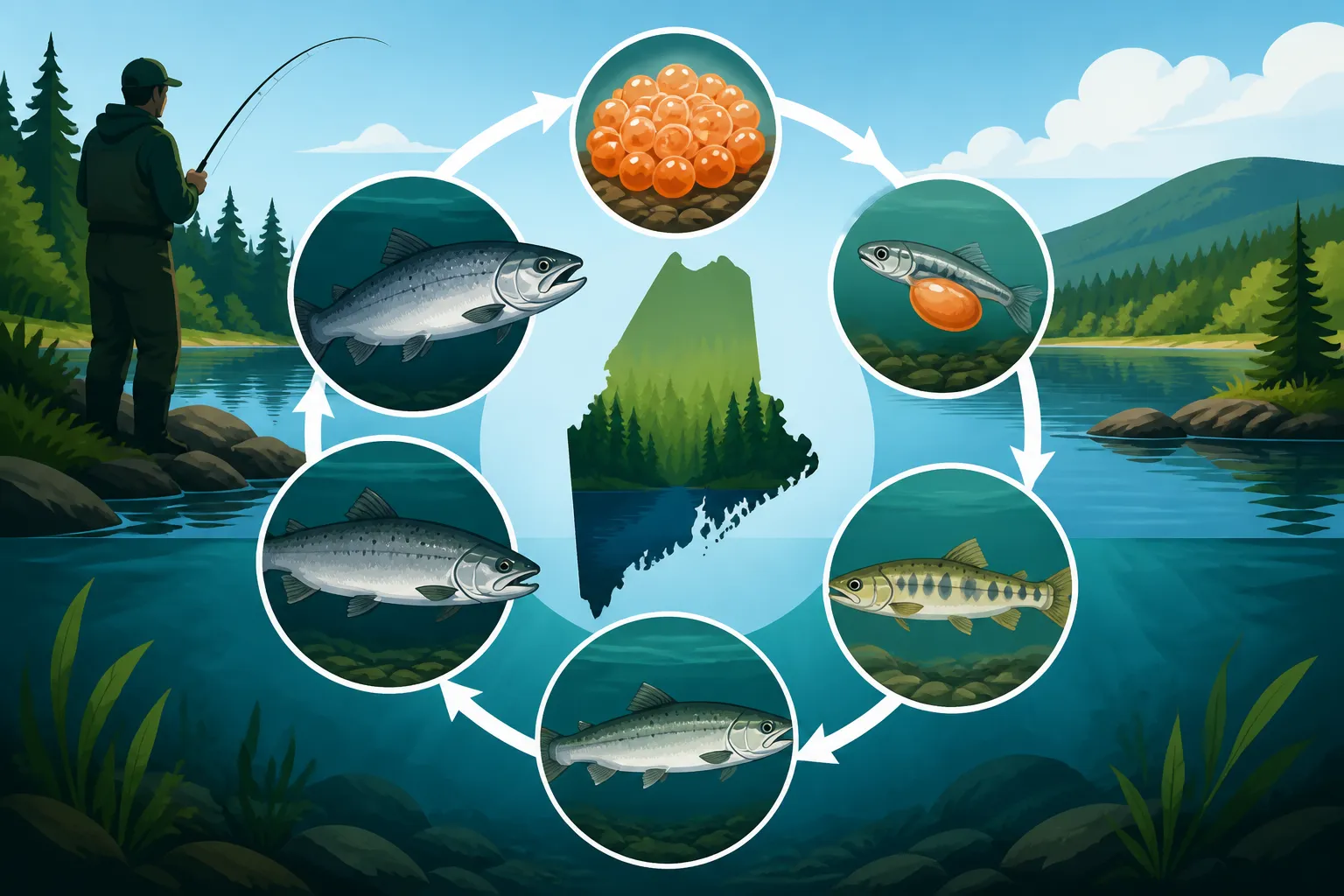
When the redd is ready, the female deposits her eggs into the depression. At the same time, one or more male salmon, called bucks, will move alongside her to fertilize the eggs with their milt. The female then moves slightly upstream and repeats the fanning motion, dislodging gravel that drifts downstream to cover and protect the newly fertilized eggs. This process is repeated several times over a period of days, creating multiple egg pockets within the redd. A single female can lay thousands of eggs, though only a tiny fraction will ever hatch and survive to adulthood. This entire process is incredibly energy-intensive for the salmon, and they are highly focused on their task, making them particularly vulnerable. It's a truly miraculous and vital stage in the Landlocked Salmon Life Cycle. Anglers are often encouraged to avoid disturbing these areas during the spawning season to ensure the success of the next generation. For those interested in the specifics of these critical areas, understanding Where Do Landlocked Salmon Spawn? is paramount.
From Egg to Fry: The Start of a New Generation
The eggs, carefully buried and fertilized within the redd, represent the future of the salmon population. But their journey is far from over; in fact, it's only just begun, filled with challenges right from the start.
Alevin Stage: Hatching and Survival
After several weeks, or even months, depending on water temperature, the salmon eggs hatch. What emerges from the gravel isn't a miniature fish as you might imagine, but a tiny, delicate creature called an alevin. These alevins are easily recognizable by the large, prominent yolk sac attached to their undersides. This yolk sac is their lifeline, providing all the nourishment they need during these crucial early weeks. They remain hidden within the protective confines of the gravel bed, seeking refuge from predators and strong currents.
During this stage, the alevins are incredibly vulnerable. They are still developing their fins and mouths, and their primary goal is to absorb that yolk sac before they need to venture out and find food on their own. The oxygen-rich water flowing through the gravel is essential for their survival, and any siltation or pollution can quickly suffocate them. Winter conditions can be harsh, but the insulating layer of gravel provides some protection from extreme cold. It’s a quiet, hidden battle for survival, far from the eyes of most.
Fry and Parr: Emerging into the World
Once the yolk sac is almost fully absorbed, the alevins undergo another transformation, emerging from the gravel as tiny, free-swimming fish known as fry. This is their first taste of independence, and it’s a dangerous world out there. They must immediately begin actively hunting for food, primarily small invertebrates and aquatic insects. These little fry are incredibly vulnerable to predators like larger fish, birds, and even other insects. They spend their time hiding in shallow, slow-moving waters along the stream banks, seeking cover among rocks and vegetation.
As they grow, they develop distinctive vertical bars along their sides, often referred to as "parr marks." This camouflage helps them blend in with the dappled light and shadows of the streambed, providing crucial protection against hungry eyes. At this stage, they are called parr. These parr will spend one to three years, sometimes even four, in these natal streams, growing stronger and learning to forage. They develop strong territorial instincts, competing with their siblings and other fish for the best feeding lies. It's a tough existence, and only the fittest will survive to the next critical stage of their life cycle.
The Smolt Transformation: Journey to the Lake
The parr stage is essentially a freshwater adolescence, a period of growth and preparation. The next major hurdle in the landlocked salmon's life cycle is a truly remarkable physiological shift that prepares them for a completely different environment.
The Smoltification Process
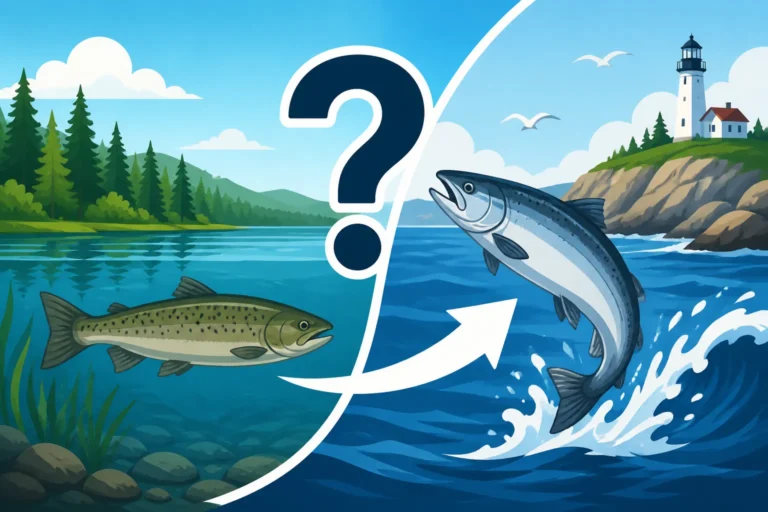
After spending a year or more in their natal streams, the parr are ready for their grand migration to the lake. But before they can make this journey, they must undergo a fascinating and complex physiological process called "smoltification." Imagine going through a growth spurt and a complete body makeover at the same time! Their bodies change dramatically: their dark, camouflaged parr marks fade, and they develop a sleek, silvery coloration. This silvering helps them blend in with the open, reflective waters of the lake, providing camouflage from predators below.
Beyond the visible changes, internal adaptations are happening too. Their gills, kidneys, and digestive systems retool to handle the different water chemistry of the lake, particularly its deeper, colder, and sometimes less oxygenated zones compared to the fast-moving, highly oxygenated stream. They become more streamlined and develop a strong downstream migratory instinct. This is a critical transition; a parr that doesn't fully smoltify before entering the lake won't thrive. The timing of smoltification is usually tied to changes in day length and water temperature in the spring, signaling that it's time to prepare for the big move.
Downstream Migration to Nursery Lakes
Once smoltification is complete, typically in late spring, the now-silvery smolts begin their downstream migration. This journey from the tributary stream to the vastness of the lake is another perilous undertaking. They often travel in schools, a strategy that offers some safety in numbers, but they are still prime targets for a wide array of predators. Mergansers, ospreys, larger fish, and even raccoons can feast on these small, migrating salmon. High water flows can make the journey faster but also more turbulent and dangerous, while low flows can leave them stranded or exposed.
This migration represents a profound shift in their lifestyle. They are leaving the relatively confined world of the stream for the expansive, open waters of the lake, which will be their home for the next several years. The lake offers a different array of food sources and challenges, and only the most resilient and fortunate smolts will make it to this next phase of growth. It's a true rite of passage, marking their transition from juvenile stream dweller to a young lake-dwelling salmon.
Life in the Lake: Growth, Feeding, and Maturation
After surviving the perilous journey from egg to smolt, the landlocked salmon enters its adult phase in the lake. This is where they put on serious size and really start to look like the magnificent fish we anglers dream of catching.
Feeding Habits and Preferred Forage
Once in the lake, landlocked salmon become efficient predators. Their diet is primarily driven by what's available, but one food source stands head and shoulders above the rest in Maine's cold-water lakes: smelt. These small, schooling baitfish are packed with calories and protein, making them the perfect fuel for rapid salmon growth. A lake with a healthy smelt population often produces large, robust salmon. Other important forage includes rainbow smelt, alewives (in some specific waters), and various aquatic insects, particularly during specific hatches. You can often see salmon actively chasing schools of smelt near the surface during dawn or dusk, or deeper in the water column during the brighter parts of the day.
Understanding their diet is crucial for anglers, influencing lure and fly selection. Many popular salmon lures are designed to mimic the appearance and action of smelt. Even if you're not using live bait, choosing a lure that imitates these primary food sources, perhaps a shiny silver spoon or a small jerkbait, can make a huge difference in your success. You can even find specialized lures and flies on Amazon designed to perfectly imitate a fleeing smelt. It's a constant hunt for these fish, and their survival and growth depend entirely on their ability to find and consume enough food. This reliance on smelt is a big reason Why Smelt Matter to Maine Salmon and Trout is such a critical topic for our fisheries.
Habitat and Seasonal Movements
Landlocked salmon are true cold-water fish, and their movements within a lake are largely dictated by water temperature and the availability of food. During the summer months, when surface waters warm up, they will seek out deeper, cooler, and more oxygenated areas of the lake, often congregating around thermal stratification lines. These are essentially "sweet spots" where they can find comfortable temperatures and still ambush baitfish. As fall approaches and surface waters cool, they may move into shallower areas, especially if these areas are near spawning tributaries.
During winter, under the ice, they might be found at various depths, still following schools of baitfish. Spring sees them becoming more active near the surface and along shorelines as the water warms and insects emerge, offering different feeding opportunities. Their ability to adapt their location based on these environmental factors is a testament to their resilience. Understanding Where Landlocked Salmon Live in Maine Lakes throughout the year is key for any angler hoping to consistently find them.
Growth Rates and Maturity
The growth rate of a landlocked salmon is a fascinating study in environmental impact. As you might expect, it's not a one-size-fits-all scenario. Lakes with an abundance of high-quality forage, like a thriving smelt population, generally produce faster-growing and larger salmon. Conversely, in waters where food is scarcer or competition is high, growth can be slower. Water temperature also plays a role; consistently cold, well-oxygenated waters allow salmon to metabolize efficiently and grow without undue stress.
Typically, landlocked salmon reach sexual maturity around 3 to 5 years of age, though this can vary. Males often mature a bit earlier than females. Once mature, the cycle repeats itself, and these adults will feel the ancient call to return to the spawning grounds to create the next generation. The sheer size and power of a mature, lake-run salmon is a direct result of several years of successful feeding and survival in our wild Maine waters. If you're wondering How Big Do Landlocked Salmon Get in Maine?, remember that it's a testament to the health and richness of their specific lake habitat.
Angler's Connection: Understanding the Cycle for Better Fishing
For us anglers, knowing the life cycle of the landlocked salmon isn't just academic; it's a practical tool that can significantly improve our success on the water and deepen our appreciation for these incredible fish.
Seasonal Fishing Strategies Aligned with the Life Cycle
Understanding when and where salmon are in their life cycle gives us a huge advantage. For example, in the early spring, after ice-out, salmon are often found cruising the shallower waters near the surface. They're hungry after a long winter and will actively chase baitfish or emerging insects. This is a prime time for trolling streamers or small spoons near the surface or even fly fishing close to shore.
As summer progresses and the surface warms, they retreat to deeper, cooler waters, making downriggers or lead core lines essential for trolling. You might find them suspended over deep basins or congregating near underwater structures where cool springs emerge. Come fall, as they prepare for spawning, they begin to stage near the mouths of tributary rivers and streams, offering unique opportunities for shore anglers or those in small boats. Knowing these patterns, which are directly tied to their life stages and environmental needs, is the cornerstone of successful salmon fishing. It's truly the Best Season to Catch Landlocked Salmon when you understand their movements.
Conservation and Responsible Angling
With great fishing comes great responsibility, and understanding the landlocked salmon's life cycle inherently makes us better stewards of the resource. During spawning season, it's crucial to avoid disturbing redds in rivers and streams. These gravel nests are fragile, and walking on them can crush eggs, undoing the hard work of the spawning fish. Many anglers voluntarily avoid fishing in spawning tributaries during peak fall activity to give the fish peace to reproduce.
Practicing Catch and Release Best Practices in Maine is also vital, especially for larger, mature fish that are important for future breeding. If you do choose to keep a fish, make sure you know and adhere to all Maine Fishing Regulations Explained, including bag limits and length restrictions. These regulations are designed by biologists who study the life cycle and population dynamics of these fish to ensure their long-term health. We all want future generations to experience the thrill of catching a Maine landlocked salmon, and responsible angling is how we make that happen. If you're planning to keep a fish, always check How Many Landlocked Salmon Can You Keep in Maine? for the specific body of water you're fishing.
| Life Stage | Typical Duration | Key Characteristics | Habitat |
|---|---|---|---|
| Egg | 45-120 days (temp. dep.) | Buried in gravel redds, relies on clean water flow, contains developing embryo. | Gravel beds in tributary rivers/streams. |
| Alevin | 2-6 weeks | Hatched from egg, has large yolk sac for nourishment, stays hidden in gravel. | Within the gravel of redds. |
| Fry | Few weeks | Yolk sac absorbed, emerges from gravel, free-swimming, starts actively feeding on tiny insects. | Shallow, slow-moving stream edges, seeking cover. |
| Parr | 1-3 years | Develops distinctive vertical bars (parr marks), grows larger, establishes territories, continues to feed on insects. | Natal streams, seeking cover of rocks/vegetation. |
| Smolt | Few weeks (migration) | Undergoes "smoltification": parr marks fade, becomes silvery, body streamlines, physiologically ready for lake life, migrates. | Migrating downstream from stream to lake. |
| Adult (Lake) | 3-7 years (post-smolt) | Full-grown, predatory, silvery, feeds primarily on smelt, matures, makes spawning runs. | Deep, cold, oxygenated areas of lakes. |
Disclaimer
This article is for general informational purposes only and does not constitute professional advice. Laws, prices and regulations vary by location and change over time. Consult a qualified professional for guidance on your specific situation.