Landlocked Salmon vs Atlantic Salmon Differences
It's easy to get a little mixed up when you're talking about salmon here in Maine. We've got these magnificent fish that share a name, but their stories, their lives, and even their very existence in our waters are actually quite different. If you've ever landed a beautiful chrome-sided fish and wondered if it was one or the other, or if you're just curious about the unique salmon species that call our state home, this guide is going to clear up all that confusion and give you a deeper appreciation for both the iconic landlocked salmon and their much rarer Atlantic cousins.
The Tale of Two Salmon: Fundamental Distinctions
For many anglers, a salmon is a salmon, especially when it's putting a bend in your rod. But when we talk about Landlocked Salmon and Atlantic Salmon in Maine, we're actually referring to two distinct populations with incredibly different life histories and conservation statuses. Understanding these differences isn't just a matter of scientific curiosity; it's crucial for responsible angling and appreciating the unique challenges each species faces.
Geographic Home and Habitat
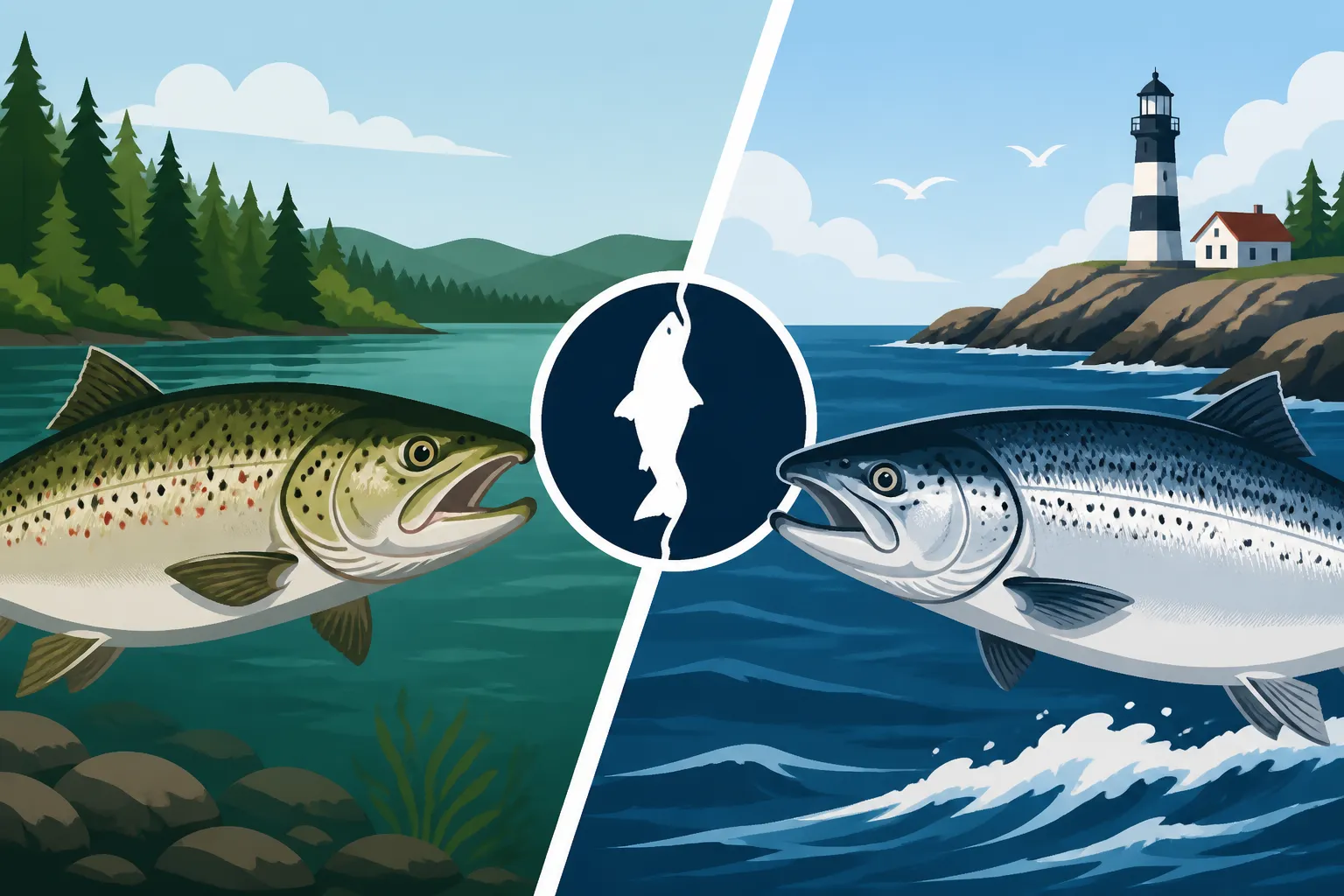
The most fundamental difference between these two fish lies in where they choose to live out their lives. It's truly a tale of two different worlds, one saltwater, one freshwater.
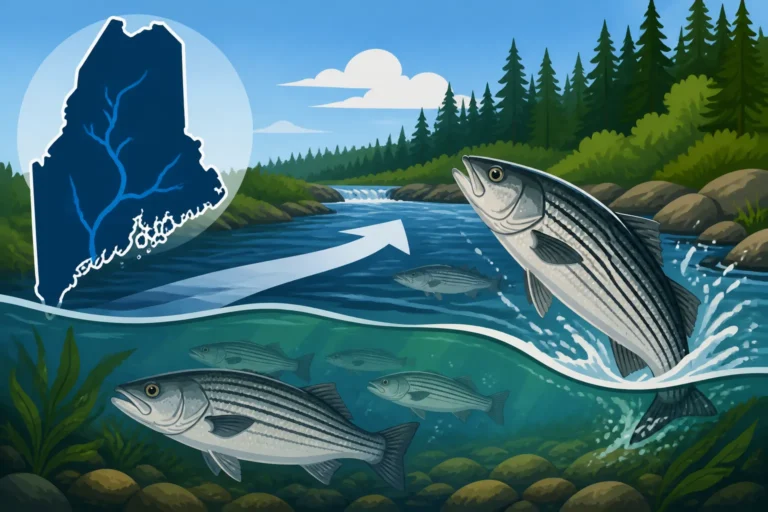
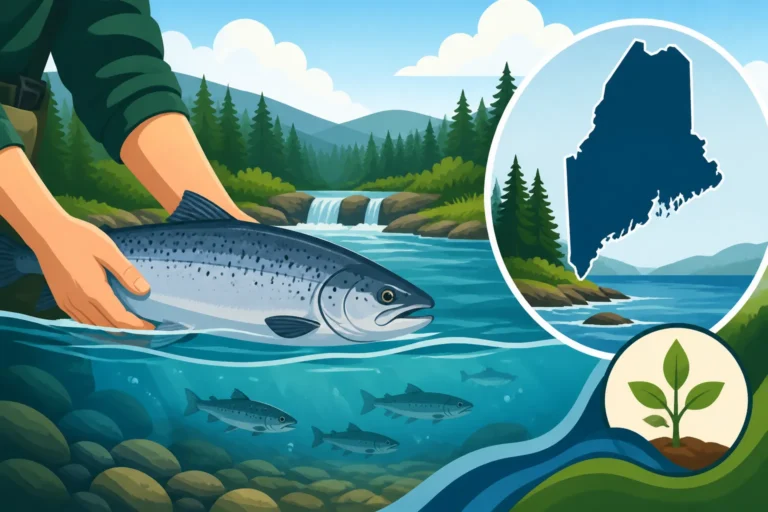
Atlantic Salmon, often simply called "salmon" in historical contexts, are anadromous fish. This means they are born in freshwater rivers, migrate downstream to the ocean to grow and mature, and then return to those same freshwater rivers to spawn. Historically, Maine's rivers, like the Penobscot, Kennebec, and Sheepscot, were teeming with Atlantic Salmon returning from the sea. They are truly ocean adventurers, navigating vast distances, feeding on abundant marine life, and then undertaking an arduous journey back to their natal streams. This migratory pattern is central to their biology and has, unfortunately, also made them incredibly vulnerable to human development.
Landlocked Salmon, on the other hand, are exactly what their name implies: they are salmon that complete their entire life cycle in freshwater. They are typically found in large, deep, cold-water lakes and the rivers and streams that feed them. In Maine, these fish thrive in iconic bodies of water like Sebago Lake, Moosehead Lake, and the Rangeley Lakes system, along with countless other smaller lakes and ponds. While they share the same genetic lineage as Atlantic Salmon, their ancestors became "landlocked" either through natural geological changes (like retreating glaciers) or, more commonly in many areas, due to artificial barriers like dams that prevented their return to the ocean centuries ago. These fish have adapted remarkably to a purely freshwater existence, finding all the food and habitat they need without ever seeing saltwater.
Life Cycle and Spawning Habits
The different habitats of Atlantic and Landlocked Salmon naturally lead to significant variations in their life cycles, particularly when it comes to their reproductive strategies.
Atlantic Salmon undertake one of nature's most epic journeys. After hatching from eggs laid in freshwater gravel beds, the young salmon, called "parr," spend 1-3 years in the river, feeding on insects and growing. As they prepare for their ocean migration, they undergo a physiological transformation known as "smoltification," adapting their bodies to tolerate saltwater. These "smolts" then journey downstream to the ocean, where they spend 1-3 years (or more) growing rapidly, often ranging far into the North Atlantic. When it's time to spawn, they navigate thousands of miles back to their exact birth river, sometimes even their specific redd area. Unlike Pacific salmon species that typically die after spawning, Atlantic Salmon are iteroparous, meaning they can survive, become "kelts," return to the ocean to regain strength, and then undertake multiple spawning migrations. This incredible resilience, however, has been severely hampered by human alterations to their environment.
Landlocked Salmon share many genetic traits with their Atlantic cousins, and their spawning habits are quite similar, but without the ocean leg of the journey. In the fall, adult landlocked salmon migrate from the main body of the lake into tributary rivers and streams, seeking out cold, well-oxygenated gravel beds. There, the females construct "redds" – nests in the gravel – where they deposit their eggs, which are then fertilized by the males. After spawning, many landlocked salmon, like their anadromous relatives, can survive and return to the lake, potentially spawning in subsequent years. The young parr then spend a year or two in these natal streams before migrating downstream into the lake, where they will spend the rest of their lives, feeding and growing until they are ready to begin the cycle anew. While their journey is shorter, the survival of their young is still heavily dependent on the health of these critical tributary streams.
Physical Appearance: Telling Them Apart in Hand
Identifying salmon species can be tricky, as there are subtle variations even within the same species. However, when you've got a salmon in hand in Maine, there are some reliable physical cues that can help you determine if it's a Landlocked Salmon or a wild Atlantic Salmon. Remember, encountering a wild Atlantic Salmon is exceedingly rare due to their endangered status, so most salmon you catch in Maine's freshwater will be landlocked.
One of the most distinguishing features is the caudal peduncle, which is the narrow part of the body connecting to the tail fin. Atlantic Salmon generally have a much more slender caudal peduncle. Imagine gripping the fish just before the tail; an Atlantic's will feel noticeably slimmer. Landlocked Salmon, in contrast, tend to have a thicker, more robust caudal peduncle. Another key difference often lies in the spotting pattern. Atlantic Salmon typically have fewer spots below their lateral line (the prominent line running along the side of the fish). Their spots tend to be more X-shaped or oval and less numerous on the lower half of their body. Landlocked Salmon often display more abundant spots, which can be more irregular in shape and extend well below the lateral line, sometimes even down to their belly. The gill plate can also offer a clue: on an Atlantic Salmon, the spots on the gill cover are typically few or absent, while a Landlocked Salmon will often have more distinct spots on its gill plates. Finally, if you're lucky enough to see one, an Atlantic Salmon's overall body shape might appear more sleek and streamlined, a testament to its ocean-dwelling, migratory lifestyle, while a landlocked can sometimes appear a bit more stout, especially in larger, older specimens. For a deeper dive into visual cues, check out Maine Fish Species Identification Guide.
Understanding Their Roles in Maine's Ecosystem and Fishing Culture
Beyond the biological distinctions, these two salmon species hold vastly different places in Maine's natural heritage and the traditions of its angling community. One is a symbol of a wild past, striving for recovery, while the other is a cherished sport fish, carefully managed for recreational enjoyment.
Conservation Status and Efforts
Here's where the stories of these two salmon diverge most dramatically. The Atlantic Salmon holds the unfortunate distinction of being an endangered species in the United States, with the remaining populations in Maine representing the southernmost wild Atlantic Salmon populations in the world. Their numbers have plummeted due largely to a combination of factors including habitat loss from dam construction, pollution, overfishing (historically), and climate change impacts. Because of this dire situation, wild Atlantic Salmon are protected under the Endangered Species Act. This means that angling for them in Maine's rivers is subject to strict regulations – typically, they are strictly catch-and-release only in specific, designated waters, if they can even be targeted at all. The focus is entirely on recovery, with significant efforts from state, federal, and non-profit organizations dedicated to dam removal, fish passage improvements, habitat restoration, and careful genetic management through hatchery programs. You can learn more about Maine Atlantic Salmon Restoration Efforts to see the dedication involved.
Landlocked Salmon, while sharing ancestry with their endangered cousins, are in a much more stable position. They are a cornerstone of Maine's freshwater sport fishery, enjoyed by thousands of anglers each year. Thanks to proactive management by the Maine Department of Inland Fisheries and Wildlife (MDIFW), populations in many of Maine's large lakes and ponds are robust and healthy. This management includes regular surveys, habitat protection, and extensive stocking programs. These programs often involve raising salmon in hatcheries and releasing them into lakes to supplement natural reproduction and ensure ample angling opportunities. While their populations are generally strong, maintaining suitable cold-water habitat and managing baitfish populations (like smelt) are ongoing challenges that require careful attention to ensure the long-term health of these beloved sport fish.
Angling Experience and Regulations
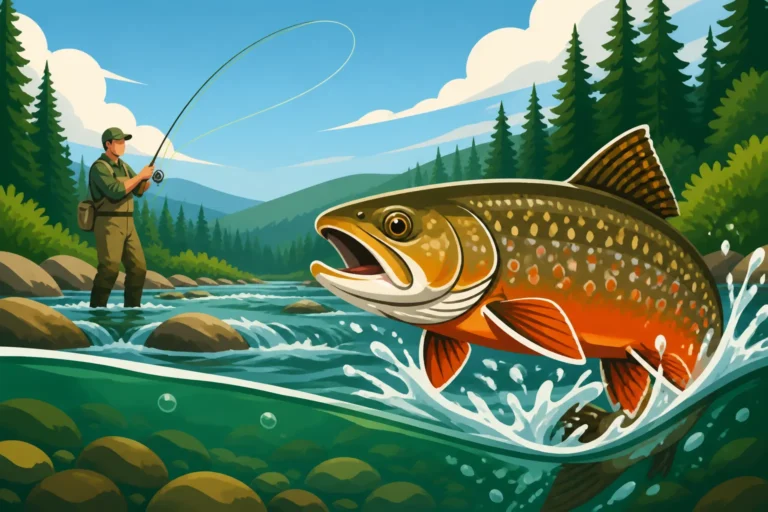
The fishing experience for these two species could not be more different, largely due to their conservation status. For most anglers in Maine, fishing for "salmon" means targeting Landlocked Salmon. These fish are a highly sought-after game fish, known for their powerful runs and acrobatic jumps. They can be caught using a variety of methods, including trolling with various lures and flies (especially early in the season or deep in summer), fly fishing in tributary streams during spawning migrations, and even ice fishing. Regulations for Landlocked Salmon are specific to each body of water and often include daily bag limits, minimum length requirements, and sometimes even specific lure or bait restrictions. Anglers planning to target landlocked salmon should always consult the latest Maine Fishing Regulations Explained for the specific lake or pond they intend to fish, paying close attention to details like Landlocked Salmon Size and Bag Limits in Maine.
Fishing for wild Atlantic Salmon, however, is a profoundly different and incredibly rare experience. Due to their critically endangered status, there are very few opportunities to fish for them, and where it is allowed, it is almost exclusively strictly catch-and-release, often with specific gear and season restrictions to minimize stress on the fish. It's not a recreational fishery in the traditional sense, but rather a chance for dedicated conservationists or those participating in highly regulated scientific programs to interact with these magnificent fish. The emphasis is always on minimal handling, quick release, and ensuring the fish's survival to contribute to future spawning. Most encounters with wild Atlantic Salmon these days happen incidentally by anglers targeting other species in rivers where salmon are present. Any angler who accidentally hooks an Atlantic Salmon must release it immediately and unharmed. A valid Maine Fishing License Guide is required for either species.
Diet and Foraging Differences
The environments these two salmon inhabit directly dictate their diets, which in turn influences their growth rates, physical conditioning, and even their flesh quality.
Atlantic Salmon, during their time in the ocean, are opportunistic predators, feeding on a wide variety of marine organisms. Their diet often includes capelin, herring, sand eels, and other small schooling fish, as well as crustaceans. This rich, protein-filled diet in the vast ocean allows them to grow large and accumulate significant fat reserves, which are essential for their arduous return migration and spawning. Once they enter freshwater rivers to spawn, they generally stop actively feeding. Their digestive systems begin to shut down, and they rely entirely on those stored fat reserves to fuel their journey, maintain their bodies through the spawning process, and potentially survive as kelts.
Landlocked Salmon, confined to their freshwater domains, have a different menu. Their primary forage consists of baitfish that are native or established in Maine's lakes. The most important of these is the rainbow smelt, a small, silvery fish that forms the backbone of the diet for many of Maine's premier game fish. Landlocked salmon will actively pursue smelt throughout the water column, particularly in deeper, cooler waters during the warmer months. They will also prey on other small fish like alewives (where present), yellow perch, and even juvenile white suckers. The availability and health of these baitfish populations directly impact the growth rates and overall health of the landlocked salmon. For fly anglers, understanding these forage patterns is key, and patterns that imitate smelt are often highly effective, like those discussed in Fly Patterns That Imitate Maine Smelt. Their freshwater diet results in flesh that is often a vibrant orange or red, leaner than their ocean-fed counterparts, but still highly prized for its flavor.
The Historical Context: How Did We Get Here?
The current status of Landlocked Salmon and Atlantic Salmon in Maine is not merely a quirk of nature; it's a direct result of geological processes and, perhaps more significantly, centuries of human interaction with our waterways. To truly appreciate these fish, we need to understand their past.
The Impact of Dams and Human Development
For Atlantic Salmon, the story of their decline in Maine is inextricably linked to the industrial development of our rivers. For millennia, these magnificent fish returned from the Atlantic Ocean to spawn in virtually every major river system in Maine. However, starting in the 17th and 18th centuries and accelerating through the 19th and 20th centuries, humans began to dam rivers for hydropower, log drives, and mills. These dams, built without fish passage, created impassable barriers, effectively blocking the salmon's migratory routes to their ancestral spawning grounds. Upstream populations, unable to complete their life cycle, gradually disappeared. Adding to this habitat fragmentation was widespread pollution from mills, agriculture, and burgeoning towns, which degraded water quality and spawning habitat. The cumulative effect was devastating, leading to the near extirpation of wild Atlantic Salmon from most of their historical range in the United States.
For Landlocked Salmon, human development also played a role, though in a different way. While some populations, particularly in remote northern lakes, may have become naturally landlocked thousands of years ago due to glacial rebound and geological changes, many of the landlocked populations we cherish today are a direct consequence of those same dams that decimated Atlantic Salmon. When anadromous Atlantic Salmon were blocked from returning to the sea, some populations adapted to a freshwater-only existence, effectively becoming landlocked. In other cases, Landlocked Salmon were intentionally introduced to lakes where they didn't historically exist, often to create recreational fisheries in waters that could no longer support sea-run fish. This adaptation and human intervention have created the vibrant landlocked salmon fisheries we enjoy today, a bittersweet legacy of a changing landscape.
Stocking Programs and Genetic Considerations
Given their vastly different population statuses, the approach to stocking and genetic management for these two salmon species also differs significantly.
For Atlantic Salmon, stocking programs are a critical, yet complex, component of recovery efforts. Hatcheries raise juvenile Atlantic Salmon from carefully selected wild broodstock, aiming to maintain the genetic integrity of specific river populations. These hatchery-reared fish are then released into rivers to supplement the dwindling wild runs, providing a "stepping stone" for the population to rebuild until natural reproduction can sustain itself. However, there's a delicate balance. Excessive reliance on hatchery fish can sometimes dilute the genetic fitness of wild populations, as hatchery-reared fish may not be as well-adapted to surviving in the wild. Scientists and managers work tirelessly to ensure that stocking contributes positively to recovery without undermining the long-term genetic health and wild instincts of the species.
For Landlocked Salmon, stocking is primarily a tool for enhancing and sustaining recreational fishing opportunities. The MDIFW operates several hatcheries that rear Landlocked Salmon, releasing them into lakes and ponds across the state. These programs aim to maintain robust populations, particularly in waters where natural reproduction might be insufficient to meet angling demand or where habitat conditions are marginal. Genetic considerations are still important; managers strive to use broodstock that are well-suited to the specific conditions of the receiving waters and to avoid introducing genetic traits that could negatively impact existing wild populations (where they exist). These stocking efforts are a testament to the popularity of landlocked salmon fishing and the commitment to providing excellent angling experiences, year after year.
Practical Identification Tips for Anglers
Even with all the biological and historical knowledge, when you're out on the water and a beautiful, silver-sided fish hits your line, making a positive identification in the moment can still be a challenge. But don't worry, a few key observations can help you confidently distinguish between these two salmon species, especially important if you happen upon one of the rare Atlantic Salmon.
Key Visual Cues for a Quick ID
Having a few specific visual markers in mind can make all the difference for a rapid identification at the boat or stream bank. When you land a salmon-like fish in Maine, here's what to look for, keeping in mind that you'll most likely encounter a Landlocked Salmon:
First, quickly check the tail (caudal) fin. The tail of an Atlantic Salmon is typically more deeply forked, giving it a more V-shaped appearance, especially in younger fish. The Landlocked Salmon's tail, while still forked, tends to be less so, often appearing more squared off or slightly emarginate in larger adults. Next, examine the spots on the body. Atlantic Salmon typically have relatively large, distinct, dark spots, often x-shaped or oval, predominantly above the lateral line. They rarely have spots on the lower half of their body. In contrast, Landlocked Salmon often have smaller, more numerous, and irregular spots that extend well below the lateral line, sometimes even to the belly. A crucial spot check is on the gill cover: Atlantic Salmon usually have few to no spots on the gill plate, whereas Landlocked Salmon frequently have several distinct spots on theirs. Finally, consider the caudal peduncle, the narrow waist just before the tail fin. Atlantic Salmon possess a noticeably slender caudal peduncle, which can be easily grasped by hand, while Landlocked Salmon generally have a thicker, more robust one. Combining these cues will give you a very strong indication.
Location-Based Clues
Knowing where you are fishing is perhaps the single most important clue for identifying which salmon species you might encounter. This is often far more reliable than trying to remember all the subtle spotting patterns when the adrenaline is pumping.
If you are fishing in one of Maine's large, cold-water lakes, such as Moosehead Lake, Sebago Lake, or any of the Rangeley Lakes – or indeed, most of Maine's inland waters managed for salmon – then the fish you've caught is almost certainly a Landlocked Salmon. These are the strongholds of Maine's landlocked fishery, where they are actively managed and stocked. It's safe to assume any salmon-like fish in these areas is a landlocked. Conversely, if you are fishing in a river that flows directly to the ocean, especially one known for Atlantic salmon restoration efforts like the Penobscot River or the Kennebec River, then there is a very small chance you might encounter a wild Atlantic Salmon. However, even in these rivers, accidental catches are rare. If you're in a freshwater river, a significant distance from the coast, and it's not a major system known for Atlantic returns, it's overwhelmingly likely to be a Landlocked Salmon that has moved up from a connecting lake or a stocked stream. Always familiarize yourself with the specific regulations for the water body you are fishing, as some rivers might have specific rules for Atlantic Salmon. You can find out more about rivers like the Penobscot River Atlantic Salmon Restoration if you are fishing there.
Recommended Gear for Responsible Handling
Regardless of whether you think you've caught a Landlocked or a rare Atlantic Salmon, responsible handling is paramount, especially if you intend to release the fish. Stressed fish, particularly those slated for release, need to be handled with care to ensure their survival.
One of the most important pieces of gear is a knotless, rubberized landing net. These nets minimize damage to the fish's protective slime coat, fins, and scales. Traditional knotted nylon nets can abrade the fish, making them more susceptible to disease after release. You can easily find high-quality rubberized nets on platforms like Amazon that are perfect for this purpose. Another essential tool is a pair of long-nosed pliers or hemostats. These allow for quick and easy hook removal, especially with deeply hooked fish, minimizing the time the fish is out of the water or stressed. Again, these are readily available and essential for any responsible angler; you can pick up a good pair on Amazon before your next trip. If you plan to photograph your catch, consider wearing wet, cotton gloves. Dry hands can strip a fish of its protective slime, so keeping your hands wet or using appropriate gloves helps protect the fish. Handle the fish as little as possible, support its body horizontally (especially larger fish), and revive it in the water before release. Quick and careful handling, combined with the right tools, dramatically increases the chances of a successful release. Always follow Catch and Release Best Practices in Maine.
Side-by-Side Comparison
To help solidify the differences, here's a quick reference table summarizing the key distinctions between Landlocked Salmon and Atlantic Salmon:
| Feature | Landlocked Salmon | Atlantic Salmon |
|---|---|---|
| Primary Habitat | Freshwater lakes and connecting rivers | Anadromous: Freshwater rivers for spawning, Ocean for growth |
| Life Cycle | Entire life in freshwater | Born in freshwater, migrates to ocean, returns to freshwater to spawn |
| Conservation Status | Stable, managed sport fishery | Endangered (in the U.S.), protected under ESA |
| Angling Status | Popular sport fish, regulated harvest allowed | Primarily catch-and-release only in specific, highly regulated waters |
| Spotting Pattern | More numerous, irregular spots often below lateral line; spots on gill cover common | Fewer, larger, X/oval spots mainly above lateral line; few/no spots on gill cover |
| Caudal Peduncle | Thicker, more robust | More slender, "waist" before tail |
| Typical Diet | Freshwater baitfish (smelt, alewives, perch) | Ocean (capelin, herring); fasts in freshwater |
| Size Potential | Up to 10-15 lbs common, records larger | Larger in ocean, can reach 20-30+ lbs, records much larger |
| Historical Range | Often a result of natural or artificial landlocking | Extensive historical range in Atlantic drainages |
The Future of Salmon in Maine
The story of salmon in Maine is ongoing, a testament to both the resilience of nature and the dedicated efforts of countless individuals and organizations. The paths of Landlocked Salmon and Atlantic Salmon may have diverged, but both are vital to the ecological and cultural fabric of our state.
Ongoing Restoration and Management
For Atlantic Salmon, the future hinges on continued, intensive restoration efforts. This includes large-scale projects like dam removals to reopen historical migratory routes, installing state-of-the-art fish passages where dams must remain, and restoring degraded river habitats. Research into their genetics, ocean survival, and freshwater needs is ongoing, guiding every decision made in their favor. It's a long, uphill battle, but one driven by the hope of seeing robust, self-sustaining populations of wild Atlantic Salmon once again grace Maine's rivers. This commitment requires significant funding, collaboration between state and federal agencies, tribal nations, and local conservation groups.
For Landlocked Salmon, the future involves meticulous, adaptive management. The MDIFW continuously monitors populations through creel surveys, netting, and electrofishing to assess fish health, growth rates, and angler harvest. Stocking programs are adjusted based on these findings, ensuring the right number of fish are released into the appropriate waters. Protecting and enhancing critical cold-water lake and stream habitat is also paramount, especially in the face of changing climate patterns that can warm waters and reduce oxygen levels. Anglers play a crucial role in this management by adhering to regulations, reporting their catches (and any unusual observations), and supporting conservation initiatives. Maintaining the quality of our Best Fishing Lakes in Maine for these fish is a never-ending task.
How Anglers Can Contribute
As anglers, we are not just participants in Maine's rich fishing tradition; we are stewards of its resources. Our actions on and off the water directly impact the future of both Landlocked and Atlantic Salmon.
For both species, the fundamental contribution is adhering strictly to all fishing regulations. This includes understanding bag limits, length limits, open and closed seasons, and any gear restrictions for the specific waters you are fishing. These rules are put in place by biologists to protect fish populations and ensure sustainable fishing for generations to come. Additionally, for any fish you intend to release, practicing proper catch and release techniques is vital. Minimize fight time, use appropriate gear (like the rubberized nets and pliers mentioned earlier from places like Amazon), keep the fish in the water as much as possible, and revive it gently before letting it go. Any suspected Atlantic Salmon must be released immediately and unharmed, so knowing how to identify it is crucial.
Beyond direct angling practices, supporting conservation organizations that work on salmon restoration and habitat protection is incredibly impactful. Many non-profits are on the front lines, advocating for policy changes, raising funds for dam removal, and organizing volunteer efforts. Furthermore, reporting unusual catches or observations to the MDIFW or local game wardens can provide invaluable data for biologists. Whether it's an unexpectedly large fish, signs of disease, or even just confirming an identification if you're unsure, every piece of information helps paint a clearer picture of our fisheries. By being informed, responsible, and engaged, Maine anglers can help ensure that both Landlocked and Atlantic Salmon continue to thrive in our beautiful state for generations to come. Don't forget, knowing Best Time of Year to Catch Landlocked Salmon in Maine can also help plan your responsible angling trips.
Disclaimer
This article is for general informational purposes only and does not constitute professional advice. Laws, prices and regulations vary by location and change over time. Consult a qualified professional for guidance on your specific situation.