Are Chain Pickerel Good to Eat?
Ah, the age-old question that’s sparked countless debates around Maine campfires and ice shacks: are chain pickerel actually good to eat? If you've spent any time fishing our beautiful lakes and rivers, you've probably encountered these aggressive, toothy critters, and perhaps, like many, you've tossed them back, thinking they're just too bony or not worth the effort. But let me tell you, that assumption might be costing you a delicious meal. This guide is here to tackle the pickerel prejudice head-on, giving you the real scoop on their culinary potential and how to unlock it.
The Great Debate: Are Chain Pickerel Really Edible?
For decades, the chain pickerel has suffered from a pretty tough reputation in the fishing world, often unfairly lumped into the category of "trash fish" or simply seen as a nuisance that snags your bait when you're targeting more "glamorous" species like landlocked salmon or brook trout. It’s a perception that’s deeply ingrained, and it largely stems from a few key misconceptions that we’re going to bust wide open. Many anglers, especially those new to Maine Fishing Regulations Explained, just assume that if a fish isn't a trout or a salmon, it's not worth keeping for the pan. But trust me, that's a mistake with pickerel.
Why the Reputation for Being "Trash Fish" Persists
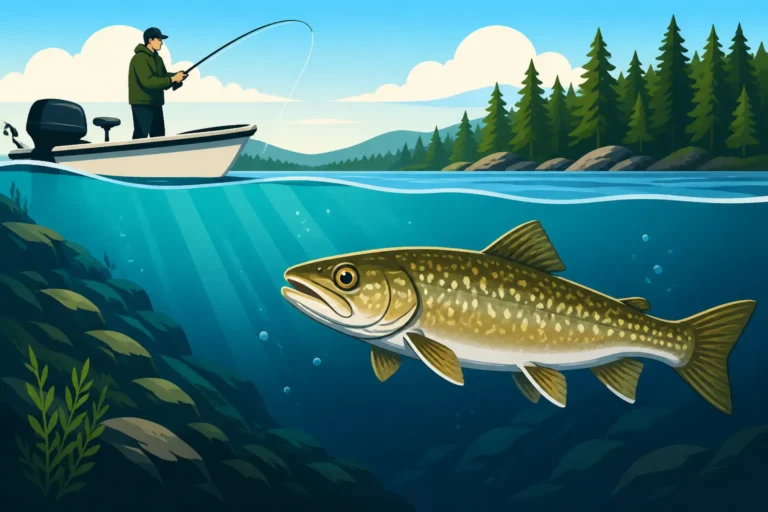
Let’s be honest, chain pickerel aren't exactly the prettiest fish in the lake. Their elongated, almost reptilian bodies, razor-sharp teeth, and often murky coloration don't exactly scream "gourmet meal." When you first hook into one, it's more likely to inspire a quick photo and a careful release than thoughts of dinner. Compounding this, they're incredibly common and aggressive, which means they often outcompete other species in certain waters, leading some anglers to view them as a pest rather than a prize. People often see them as less desirable because they're so easy to catch, almost too eager, which makes them feel less "sporting" to some. This can lead to a general disregard for their table quality without ever actually trying them.
Furthermore, many anglers simply haven't been taught how to properly prepare a pickerel. Unlike the thick, easily filleted slabs of a cod or a haddock, a pickerel requires a bit more finesse due to its unique bone structure. Without knowing the right techniques, you can end up with a plate full of tiny bones, which can quickly turn a potential meal into a frustrating experience. This initial bad experience, or even just the fear of it, propagates the idea that they're not worth the trouble. It's a self-fulfilling prophecy where the lack of knowledge leads to a lack of appreciation.
Debunking the "Too Bony to Eat" Myth (Mostly)
Here’s the absolute biggest hurdle for chain pickerel: the bones. Yes, it's true, chain pickerel have a distinctive bone structure that includes a series of small, needle-like "Y-bones" running along their lateral line, in addition to their standard rib bones. This is why many anglers, especially those used to the simpler bones of perch or bass, throw their hands up in despair. They try to fillet a pickerel like they would a typical fish, run into a wall of tiny bones, and declare the fish inedible. However, this is precisely where the "myth" comes in. The bones aren't impossible to deal with; they just require a specific filleting technique, often referred to as a "five-fillet" method or a specialized "pickerel cut."
Once you learn this method (which we’ll get into later), you can actually extract surprisingly large, completely boneless fillets from a chain pickerel. It's a skill, like tying a specific fishing knot or casting a perfect fly, that once mastered, opens up a whole new world of culinary possibilities. Think of it less as a problem and more as a challenge that, once overcome, rewards you handsomely. For those who are intimidated by the filleting process, there are also cooking methods that render the bones soft and edible, or easily removed, so don't let a few extra bones deter you from exploring this delicious fish.
The Importance of Proper Handling and Preparation
Like any fish you plan to eat, proper handling of a chain pickerel is paramount to ensuring its quality on the plate. These fish are often caught in warmer, shallower waters, especially during the summer months, which can mean their flesh can spoil more quickly if not handled correctly. The moment you decide to keep a pickerel, it should be immediately killed and placed on ice. This quick cooling stops bacterial growth and prevents the breakdown of enzymes that can affect the flavor and texture of the meat. A cooler with plenty of ice is your best friend when Chain Pickerel Fishing in Maine.
Furthermore, gutting the fish as soon as possible after catching it can make a significant difference. Removing the internal organs prevents digestive enzymes from tainting the flesh and helps to cool the fish from the inside out. Don't just toss a pickerel into a bucket and hope for the best; treat it with the same respect you would a prized landlocked salmon, especially if you intend to eat it. The little extra effort in the field will pay dividends when you sit down to a delicious, fresh-tasting meal later. This attention to detail from catch to cooler is a cornerstone of responsible angling and culinary success.
Unpacking the Flavor and Texture of Maine Chain Pickerel
So, if you get past the bone hurdle, what's waiting for you on the other side? A surprisingly delightful culinary experience, actually! Chain pickerel, when properly prepared, boasts a flavor and texture that many people find incredibly appealing. It’s not just "edible," it’s genuinely tasty, and can be a fantastic addition to your table, especially if you enjoy other freshwater species.
What to Expect from Pickerel Flesh
The flesh of a chain pickerel is generally white, firm, and flaky when cooked. It has a mild, sweet flavor that's often compared to other popular panfish like perch or even walleye. It's not "fishy" in the overpowering way some oily saltwater species can be, which makes it a great option for those who prefer a more subtle fish flavor. The exact taste can vary a bit depending on where the fish was caught and what it's been eating, but generally, you can expect a clean, fresh taste. This mildness means it's a versatile fish in the kitchen, readily absorbing the flavors of marinades, seasonings, and sauces without being overwhelmed.
One of the great things about pickerel is that they tend to have a relatively low fat content, especially compared to some colder-water species. This contributes to their firm texture and mild flavor profile. Because of this, it's important not to overcook them, as lean fish can dry out quickly. A little bit of attention to cooking times will ensure your pickerel fillets remain moist and succulent. If you’ve enjoyed Is White Perch Good Eating? or Is Yellow Perch Good Eating?, you're likely to appreciate the delicate qualities of pickerel.
How Water Quality and Diet Influence Taste
Just like any fish, the environment a chain pickerel lives in can have a big impact on its flavor. Pickerel caught in clear, cold water tend to have a cleaner, milder taste than those from murky, warm, stagnant ponds. This isn't unique to pickerel; it's a general rule for most freshwater fish. A pickerel thriving in a clean, healthy Maine lake with a good food source will undoubtedly taste better than one pulled from a stagnant, weed-choked ditch. Their diet also plays a role; pickerel are opportunistic predators, eating smaller fish, frogs, and insects. A varied, natural diet contributes to better flavor.
Therefore, when you’re out on the water, consider the source. A pickerel from a pristine, well-oxygenated lake like some of the smaller ponds around the Moosehead Lake Fishing Guide or Rangeley Lakes Fishing Guide regions might offer a superior culinary experience compared to one from a shallow, muddy pond. This isn't to say pickerel from all waters aren't edible, but it's a factor worth considering for optimal taste. It's always a good idea to check local advisories on Maine Fish Consumption Advisory for Mercury for any water bodies you plan to fish, regardless of species.
Comparing Pickerel to Northern Pike and Other Game Fish
Often, chain pickerel are confused with their larger cousins, the northern pike. While they belong to the same family (Esocidae), they are distinct species. Northern pike, especially the larger ones, share a similar bony structure and a mild, white flesh. If you've ever had pike, you'll find the pickerel's flavor and texture to be quite comparable, perhaps just a touch milder due to their generally smaller size. Some might even argue that smaller pickerel have a more delicate flavor than very large pike, which can sometimes develop a stronger, earthier taste.
When comparing them to other popular Maine game fish, the difference is more pronounced. Brook trout and landlocked salmon, for instance, tend to have richer, oilier flesh with a more distinct "fish" flavor, often pink or orange in color due to their diet. Pickerel, with its white, flaky, mild meat, stands in contrast. If you're someone who prefers a lighter, less assertive fish, pickerel might actually be more to your liking than some of the more heralded species. It's certainly a different experience than Smallmouth Bass Fishing in Maine, which offers a firm, often slightly stronger-flavored white meat.
Here's a quick comparison of some common freshwater fish you might encounter in Maine:
| Fish Species | Flavor Profile | Texture | Bone Structure | Best Cooking Methods |
|---|---|---|---|---|
| Chain Pickerel | Mild, slightly sweet | Firm, flaky | "Y-bones" present | Frying, baking, broiling, pickling |
| Northern Pike | Mild, slightly sweet | Firm, flaky | "Y-bones" present | Frying, baking, broiling, pickling |
| Brook Trout | Rich, delicate, mild | Tender, flaky | Fine, easy-to-remove | Pan-frying, baking, grilling |
| Landlocked Salmon | Rich, buttery, distinct | Firm, moist | Large, easy-to-remove | Baking, grilling, pan-searing, smoking |
| Smallmouth Bass | Mild, clean, firm | Firm, flaky | Standard, easy-to-remove | Frying, baking, grilling |
| White Perch | Very mild, sweet | Fine, flaky | Standard, easy-to-remove | Frying, baking, pan-frying |
Mastering the Art of Filleting Chain Pickerel: The "Y-Bone" Challenge
Okay, so we've established that chain pickerel are delicious. Now, how do we get past those infamous bones? This is where the magic happens, and once you get the hang of it, you'll wonder why you ever let a perfectly good pickerel swim away. It truly is more about technique than difficulty. Investing in a good, sharp fillet knife from a place like Amazon will make all the difference here.
Understanding the Unique Bone Structure
Before you even touch your knife, it helps to visualize the pickerel's skeleton. Like most fish, they have a central backbone and rib bones. However, pickerel (and pike) also possess a distinct set of intramuscular bones, often called "Y-bones" because of their shape. These bones start near the head and extend down the sides, primarily above the lateral line, forming a "Y" around the muscle tissue. They are parallel to the backbone for a stretch and then fork outwards. It's these particular bones that often frustrate anglers trying to fillet them using conventional methods.
The key to successful filleting isn't to try and cut through these bones, but rather to cut around them. Think of it like carving a turkey; you follow the bone structure to get clean meat, rather than trying to chop through bone. With practice, you'll develop a feel for where these bones lie, allowing your knife to navigate their path and leave them behind, resulting in beautiful, boneless fillets. Don't worry if your first few attempts aren't perfect; it's a learning curve, just like learning to cast accurately.
Step-by-Step Filleting for Boneless Portions
While a full visual demonstration is ideal, I can walk you through the general "five-fillet" method that many seasoned anglers use.
- Start with the back fillet: Lay the fish on its side. Make a cut behind the gill plate, down to the backbone. Then, cut along the top of the backbone from head to tail, just like a normal fillet.
- Separate the first side fillet: Follow the backbone from head to tail, cutting down to the rib cage. Once past the rib cage, continue cutting all the way through to the tail, separating the entire side.
- Address the Y-bones: Now you have a fillet with the Y-bones still embedded. Lay this fillet skin-side down. Starting from the head end, identify the row of Y-bones. Carefully slide your knife above the Y-bones, following their curve, to remove a strip of meat from the top (the back strap).
- Remove the lower fillet: Then, slide your knife below the Y-bones, again following their curve, to remove the lower strip of meat. What you're left with in the middle is essentially a strip of Y-bones and a little bit of meat that you can discard or save for stock. You now have two boneless strips from one side!
- Repeat on the other side: Flip the fish over and repeat steps 1-4 for the other side.
- Skinning: Once you have your boneless strips, simply skin them as you would any other fillet, by holding the tail end and sliding your knife between the skin and the meat.
This method yields not two, but four boneless strips (two from the top, two from the bottom) and a small "back strap" or "tenderloin" from the top of the fish near the backbone, totaling five distinct pieces of boneless meat. It takes a little more time than a standard fillet, but the reward is boneless, delicious pickerel. You can find many excellent video tutorials online that show this technique visually.
Alternative Preparation Methods to Avoid Bones
If the five-fillet method sounds like too much work, or you're just not quite ready to tackle it, there are still ways to enjoy chain pickerel without worrying about the bones.
- Grinding: One popular method, especially for larger pickerel, is to simply fillet the fish (bones and all), then run the meat through a grinder. This process pulverizes the small Y-bones, making them completely unnoticeable. The ground fish can then be used to make delicious fish cakes, patties, or even fish "meatballs." This is a fantastic way to utilize the fish, and it's particularly forgiving for beginners.
- Pickling: Pickling is another fantastic way to prepare pickerel. The acidity in the pickling brine (usually vinegar-based) actually softens the fine bones to the point where they become edible and dissolve. Pickled pickerel can be a real treat, offering a tangy, savory snack or appetizer. This method has been a traditional way of preserving and preparing bony fish for generations, and it’s especially popular in areas where pike and pickerel are abundant.
- Deep Frying Whole (Smaller Fish): For very small pickerel, you can sometimes deep fry them whole until they are crispy. The intense heat and oil can make the smaller bones brittle enough to crunch through without issue, similar to how small smelt or anchovies are prepared. This isn't for everyone, but for those who enjoy eating small fish whole, it's an option. Just ensure they are truly small enough.
Bringing Pickerel to the Plate: Cooking Techniques and Recipe Ideas
Now that you've got those beautiful, boneless fillets (or prepared the fish using one of the bone-mitigating methods), it's time for the fun part: cooking! Pickerel's mild flavor and firm texture make it a versatile ingredient, ready to shine in various dishes.
Optimal Cooking Methods for Firm, Flaky Meat
Because pickerel is a lean fish, it benefits from cooking methods that help retain moisture and prevent it from drying out.
- Frying (Pan-Frying or Deep Frying): This is perhaps the most popular way to cook pickerel. A simple dredge in seasoned flour or cornmeal, followed by pan-frying in butter or oil until golden brown and flaky, is absolutely delicious. The firm flesh holds up well to frying, and the crispy exterior provides a lovely contrast to the tender interior. For deep frying, a light batter works wonders.
- Baking: Baking is a healthy and easy option. Place your fillets on a baking sheet, drizzle with olive oil, season with salt, pepper, lemon, and your favorite herbs (dill, parsley, or thyme work wonderfully), and bake at a moderate temperature until cooked through. Covering the dish with foil for part of the cooking time can help keep the fish moist.
- Broiling: For a quick cook with a nice crust, broiling is a good choice. Marinate your fillets for 15-30 minutes, then place them under a hot broiler. Keep a close eye on them, as they cook very quickly!
- Grilling (with care): While not as common due to the lean nature, pickerel can be grilled. It’s best to use a fish basket or foil packet to prevent sticking and breaking apart, and brush regularly with oil or butter. The smoky flavor can be a fantastic complement to the mild fish.
No matter the method, aim for an internal temperature of around 145°F (63°C) or until the flesh flakes easily with a fork. Overcooking will lead to dry, less enjoyable fish.
Simple, Delicious Recipes to Try
You don't need fancy ingredients to make pickerel shine. Here are a few simple ideas:
- Classic Fried Pickerel:
- Pat your boneless fillets dry.
- Dredge them in a mixture of flour, salt, pepper, and a pinch of paprika.
- Pan-fry in a hot skillet with about a quarter-inch of butter and a little oil until golden brown on both sides and cooked through (about 3-5 minutes per side, depending on thickness).
- Serve with a squeeze of fresh lemon and a side of tartar sauce. This is my go-to, and it's always a hit.
- Baked Pickerel with Lemon-Dill:
- Preheat oven to 375°F (190°C).
- Place fillets on a lightly oiled baking dish.
- Spread a thin layer of butter or olive oil over each fillet.
- Season generously with salt, black pepper, and fresh dill. Place thin lemon slices on top.
- Bake for 12-18 minutes, or until fish flakes easily.
- Pickerel Fish Cakes:
- If you've ground your pickerel meat, mix it with some mashed potatoes, finely diced onion, fresh parsley, an egg, and a bit of breadcrumb or flour as a binder.
- Form into patties and pan-fry until golden brown. These are wonderful with a spicy aioli or plain ketchup. You can find similar recipes for Best Bait for Landlocked Salmon as well!
For those who are just starting out, there are many basic fish cookbooks available on Amazon that can provide even more inspiration for cooking lean, white fish.
Tips for Serving and Enjoying Your Catch
Once cooked, pickerel pairs beautifully with a range of sides. Think about classic accompaniments for fried fish: coleslaw, french fries, cornbread, or a simple green salad. The mild flavor also means it works well with roasted vegetables like asparagus or broccoli. Don't forget that squeeze of lemon juice—it truly brightens the flavor of most white fish.
If you’re wondering Is It Safe to Eat Fish From Maine Lakes?, the answer is generally yes, but always consult current local advisories for any specific water bodies regarding mercury or other contaminants. For most commonly fished waters in Maine, pickerel is a safe and healthy option. When considering what fish species to target, remember that pickerel can be a fun and rewarding catch, especially when you factor in the delicious meal awaiting you. So next time you hook a chain pickerel, don't be so quick to dismiss it. Give it a chance on your plate—you might just discover a new favorite!
Disclaimer
This article is for general informational purposes only and does not constitute professional advice. Laws, prices and regulations vary by location and change over time. Consult a qualified professional for guidance on your specific situation.