Rangeley Lakes Fishing Guide
There's nothing quite like the feeling of heading to a new fishing spot, full of anticipation, only to be overwhelmed by conflicting regulations, local knowledge gaps, and the sheer vastness of a place like the Rangeley Lakes region. It's a common frustration for anglers, feeling like you're missing out on the best techniques or secret spots. This comprehensive guide is here to cut through that confusion, providing you with detailed, practical insights into making your Rangeley Lakes fishing adventure truly unforgettable.
Welcome to the Rangeley Lakes Region: A True Maine Gem
The Rangeley Lakes region in Western Maine isn't just a place on a map; it's a feeling, a deep breath of fresh mountain air, and a call to the wild that speaks to the heart of every angler. Nestled among rolling hills and pristine forests, this iconic area is renowned for its interconnected chain of large, cold-water lakes and countless tributary streams, creating a paradise for native brook trout and the majestic landlocked salmon. Many first-timers arrive here with grand expectations, and rightly so, but without a clear understanding of its unique characteristics, it's easy to feel lost.
The Allure of Rangeley's Waters
What draws generations of anglers back to Rangeley isn't just the promise of a trophy fish, though there are plenty of those. It's the entire experience. Imagine the serene quiet of a misty morning on Mooselookmeguntic Lake, the only sound the gentle dip of your paddle or the whir of your reel as you cast into a promising cove. These waters offer a challenge and a reward that go beyond just the catch. The air is crisper, the scenery more breathtaking, and the fish, well, they're often bigger and feistier than what you might find elsewhere. This region boasts some of the most historic and productive cold-water fisheries in the eastern United States. From the deep, clear waters of Rangeley Lake itself to the extensive shallow flats of Cupsuptic, each body of water in this chain has its own personality and its own secrets to unveil. The sheer variety of fishing environments, from vast open lakes ideal for trolling to intimate stream sections perfect for fly fishing, ensures that there's an experience for every type of angler, regardless of their preferred method or skill level.
Understanding the Unique Ecosystem
The Rangeley Lakes region is an intricate network of interconnected waterways, all part of the larger Androscoggin River drainage. This interconnectedness is key to understanding its vibrant fishery. The major lakes—Rangeley Lake, Mooselookmeguntic Lake, Cupsuptic Lake, Upper Richardson Lake, Lower Richardson Lake, and Umbagog Lake—flow into one another, creating a dynamic environment where fish can migrate and thrive. The health of this system relies heavily on cold, oxygen-rich water, which is why species like landlocked salmon, brook trout, and lake trout (togue) flourish here. The deep basins of Rangeley and Mooselookmeguntic, for example, provide crucial thermal refugia during the warmer summer months, allowing these cold-water species to survive and grow to impressive sizes.
Crucial to this ecosystem are the abundant forage fish, particularly the rainbow smelt. These small, silvery fish are the primary food source for Rangeley's prized salmon and togue, influencing their behavior, distribution, and overall health. Understanding the smelt runs, which often happen in the spring, can give you a significant edge in finding active fish. Anglers often spend years, even decades, studying the nuances of these lakes, learning about the complex interplay of water temperature, depth, currents, and insect hatches that dictate where and when the fish will be biting. It’s a perpetual learning curve, but one that makes every successful trip feel like a hard-earned victory.
Getting Your Ducks in a Row: Licenses and Regulations
Before you even think about dropping a line in the Rangeley Lakes, you absolutely need to make sure you're legally prepared. Maine has specific requirements, and the Rangeley region, with its diverse and precious fishery, often has additional local rules that are vital to follow. Nothing ruins a serene day on the water faster than a run-in with a Maine Warden for an avoidable infraction. It's not just about avoiding fines; it's about respecting the conservation efforts that keep this incredible resource healthy for everyone.
Essential Maine Fishing License Requirements
First things first: everyone aged 16 and older needs a valid Maine fishing license to fish in the Rangeley Lakes or any other freshwater in the state. Even if you're just visiting for a short while, you'll need one. Maine offers a variety of licenses to suit different needs, whether you're a resident, a non-resident, or just looking for a short-term permit. You can easily purchase your license online through the Maine Department of Inland Fisheries and Wildlife (MDIFW) website, or in person at many local sporting goods stores, town offices, or bait shops throughout the state. It's always a good idea to carry a physical copy or a clear digital image on your phone, along with photo identification, just in case a warden asks to see it. If you're wondering about the specific costs, you can find detailed information in a guide like Maine Fishing License Costs Guide.
For non-residents, options range from a single-day license to a full season, or even multi-day options like the Maine 3-Day Nonresident Fishing License or Maine 7-Day Nonresident Fishing License. Choose the one that best fits the length of your trip. Don't forget, if you're planning any saltwater fishing in Maine, that's a separate registration, though not typically relevant for the Rangeley Lakes themselves. Always ensure your license is valid for the current calendar year, as they expire on December 31st regardless of when purchased.
Navigating Rangeley-Specific Rules
While a general Maine fishing license covers you, the Rangeley Lakes region often has unique regulations designed to protect its fragile populations of salmon and trout. These special regulations supersede the general statewide laws, so simply knowing the statewide rules isn't enough. It's absolutely crucial to consult the current Maine Open Water Fishing & Ice Fishing Regulations book, specifically the section pertaining to the Rangeley Lake Region. You can often pick up a physical copy wherever licenses are sold, or access the digital version on the MDIFW website.
For example, certain bodies of water in the Rangeley chain might have specific restrictions on bait types (e.g., artificial lures only), limits on the number of lines you can use, or even entirely different season dates for certain species. Some tributary streams leading into the lakes might have special "fly fishing only" sections or be closed to fishing during specific spawning periods to protect sensitive fish populations. Always check the regulations for the specific lake or stream you plan to fish. It's common to find sections designated for "General Law" and others with "Special Regulations," so pay close attention to the details. A quick phone call to a local bait shop or a Registered Maine Guide can also provide invaluable, up-to-date local knowledge on specific rules and current conditions, saving you from a potential headache.
Bag Limits and Size Restrictions You Need to Know
Beyond just having a license, knowing the specific bag limits and size restrictions for the fish you're targeting is critical. These rules are in place to ensure sustainable fishing and protect the health of fish populations, especially for trophy species like landlocked salmon and brook trout. What you can keep often varies not only by species but sometimes by the specific body of water or even the zone within a larger lake system.
For landlocked salmon, for instance, there's often a minimum length requirement and a daily bag limit. If you're lucky enough to hook into a true Rangeley trophy, ensure it meets the legal size before deciding to keep it. The same goes for brook trout; while some waters allow a liberal harvest, others, particularly those managed for wild trout, might have very stringent rules, sometimes even requiring immediate release. Lake trout (togue) often have different limits entirely. You can find detailed information on these specific limits in resources like the Landlocked Salmon Size Limit in Maine or Brook Trout Daily Limit in Maine South Zone (though Rangeley is in the North Zone, the guide will still explain the concept of zone differences). A quick look at the MDIFW regulations guide before each trip is the best way to stay informed, as these rules can change from year to year. Always measure your fish carefully and release anything that doesn't meet the legal requirements with minimal harm.
| Species | Typical Minimum Length (inches) | Typical Daily Bag Limit | Notes (Always check current regulations!) |
|---|---|---|---|
| Landlocked Salmon | 14 inches | 1 fish | Some waters may have a slot limit or higher minimum. |
| Brook Trout (Wild) | 6-8 inches | 1-5 fish | Highly variable by water; many wild ponds are catch-and-release. |
| Brook Trout (Stocked) | 6 inches | 5 fish | More liberal limits on waters stocked by MDIFW. |
| Lake Trout (Togue) | 18 inches | 2 fish | Max length may apply on certain waters, e.g., no more than one over 25". |
| Smallmouth Bass | No minimum | 5 fish | Some lakes may have special rules for bass. |
Note: The table above provides general examples. Always consult the current Maine fishing regulations book for the exact, up-to-date rules for the specific body of water you intend to fish. Regulations can change annually and vary significantly by location.
Targeting the Legends: What You'll Catch Here
The Rangeley Lakes region is synonymous with some of Maine's most iconic cold-water game fish. Anglers flock here from all over to pursue the feisty landlocked salmon, the brilliantly colored brook trout, and the deep-dwelling lake trout, affectionately known as "togue" by locals. Each species offers a unique challenge and requires different approaches, but the thrill of hooking into one of Rangeley's legends is a universal experience. Understanding their habits, preferred habitats, and feeding patterns is your first step toward a successful trip.
The Iconic Landlocked Salmon
The landlocked salmon (Salmo salar sebago) is arguably the crown jewel of the Rangeley Lakes. These magnificent fish are essentially Atlantic salmon that, through geological changes, became landlocked in freshwater systems after the last ice age. They retain all the fighting prowess and acrobatic displays of their ocean-going cousins, making them an incredible target for anglers. In Rangeley, you're not just catching a fish; you're connecting with a piece of natural history. They are sleek, silvery, and renowned for their powerful runs and spectacular jumps when hooked.
Landlocked salmon thrive in the cold, clear, oxygen-rich waters of the Rangeley chain, particularly in larger lakes like Rangeley Lake and Mooselookmeguntic Lake, which have ample deepwater habitat and a healthy smelt population. They are primarily piscivorous, meaning they feed heavily on smaller fish, especially rainbow smelt. This dietary preference dictates many of the most effective fishing techniques, such as trolling with bait or lures that mimic smelt. The best times to target them are often in the cooler months: spring, immediately after ice-out when they are cruising the surface, and again in the fall as water temperatures drop and they begin their spawning migrations into tributary rivers. For those truly dedicated to the chase, learning about Landlocked Salmon Fishing in Maine is a must.
Majestic Brook Trout Opportunities
While the salmon get a lot of press, the brook trout (Salvelinus fontinalis) is the native king of Maine's cold, pristine waters, and the Rangeley Lakes region offers some phenomenal opportunities to pursue them. Often called "squaretails" by old-timers, these fish are celebrated for their vibrant colors—worm-like markings (vermiculations) on a dark olive-green back, brilliant red spots surrounded by blue halos along their sides, and white-edged fins. Catching a wild brook trout in a remote Rangeley pond or stream is a quintessential Maine experience.
In the Rangeley area, you'll find brook trout in a variety of habitats. The main lakes hold large, often deep-dwelling brook trout, especially in areas where tributary streams enter, bringing in cooler, oxygenated water. However, the real gems for brook trout fishing are often the smaller, remote ponds and the numerous cold-water streams that feed into the larger lakes. These smaller waters often harbor wild, native populations that have never been stocked, making each catch feel incredibly special. While the main lakes offer opportunities for larger, sometimes stocked, brook trout, the true spirit of brook trout fishing here is found in the more secluded spots. Many fly anglers dream of visiting the Rangeley region, specifically for its brook trout. You can learn more about Brook Trout Fishing in Maine to enhance your skills. Spring and fall are prime times, as these fish are more active and accessible in cooler surface waters.
Deeper Waters: Lake Trout (Togue)
For those who love to fish deep and appreciate a powerful, sustained fight, the Rangeley Lakes offer excellent opportunities for lake trout, locally known as "togue." These char species are built for the depths, often preferring the colder, deeper sections of lakes like Rangeley and Mooselookmeguntic, especially during the summer months when surface waters warm up. Togue are typically dark grey or olive green, with lighter spots, and can grow to impressive sizes and weights, making them a formidable opponent on the line.
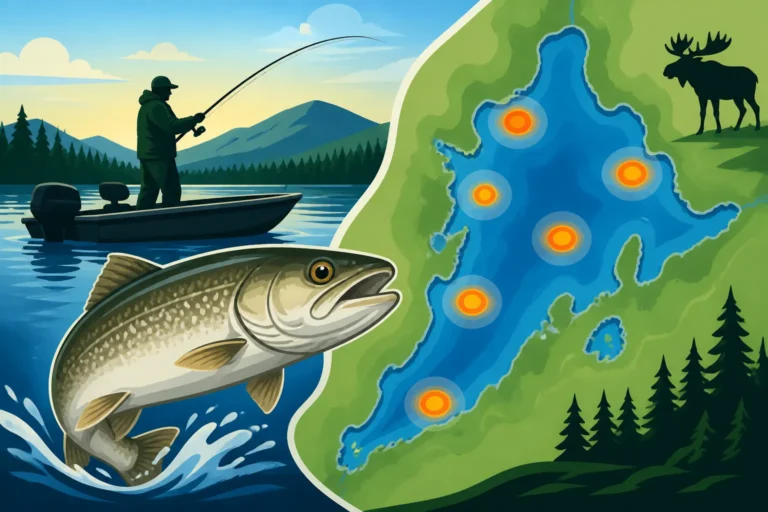
Togue are voracious predators, feeding on smelt and other forage fish, and their presence indicates a healthy, cold-water ecosystem. While they might not offer the aerial acrobatics of a salmon or the flash of a brook trout, they make up for it with sheer strength and stubbornness, often hugging the bottom and requiring powerful gear to bring them up from the depths. They are a popular target during the ice fishing season, but open-water anglers also pursue them successfully through deep trolling or jigging. For further reading, check out our guide on Lake Trout and Togue Fishing in Maine. During the peak summer, finding them often means using a fish finder to locate schools of baitfish and the temperature breaks where togue ambush their prey, sometimes 40 to 80 feet down or even deeper.
Prime Fishing Spots Across the Rangeley Chain
The Rangeley Lakes region is a sprawling network, and knowing where to focus your efforts can make all the difference. Each major lake in the chain offers distinct characteristics, from sprawling open water to intricate coves and varying depths. While some anglers prefer the well-known trophy waters, others seek out the more remote, challenging, but often highly rewarding experiences. Let's dive into some of the most popular and productive spots.
Rangeley Lake: The Heart of It All
Rangeley Lake is, quite literally, the heart of the region and one of Maine's premier cold-water fisheries. Spanning over 6,000 acres with depths reaching over 100 feet, it offers vast opportunities for landlocked salmon, brook trout, and togue. Its sheer size can be intimidating for first-time visitors, but understanding its key features will help you unlock its potential. The lake's clear, deep waters are ideal for supporting healthy populations of smelt, which in turn fuel the growth of trophy-sized game fish.
Anglers often target the lake's many coves, points, and drop-offs. Popular spots include the area around Doctors Island, Haley Pond outlet, and the numerous humps and reefs that dot the lake's bottom. Early in the season, after ice-out, salmon and trout can be found cruising near the surface, often along the shorelines or near stream inlets where cool water and forage are abundant. As summer progresses, these fish move deeper, requiring trolling with lead core line, downriggers, or substantial jigging efforts to reach them. The main basin of Rangeley Lake is also a favorite for ice fishing, offering consistent action for all three target species. Remember, understanding Rangeley Lake Trolling Depths can give you a significant advantage, particularly during the warmer months.
Mooselookmeguntic Lake: A Salmon and Trout Haven
Connected directly to Rangeley Lake by the Rangeley River, Mooselookmeguntic Lake is another expansive and incredibly productive water body, famous for its trophy landlocked salmon and large brook trout. In fact, many believe Mooselookmeguntic holds some of the largest wild brook trout in the entire state. Its name, derived from the Abenaki language, means "moose feeding place," and while you might spot a moose, you're more likely to be focused on the incredible fishing opportunities. At over 16,000 acres, it's significantly larger than Rangeley Lake and equally deep in parts.
Mooselookmeguntic features a more complex shoreline with numerous islands, coves, and shallow flats, particularly in its northern sections towards Cupsuptic. These varied habitats provide excellent holding areas for fish. The areas around Toothaker Island, Student's Island, and the mouths of several feeder streams are often hot spots for salmon and trout. Like Rangeley Lake, spring and fall see salmon and trout cruising the shallows, making them accessible to a wider range of techniques. During summer, deeper trolling or jigging becomes necessary. The lake's extensive shallow areas also provide fantastic habitat for brook trout, especially in the vicinity of stream mouths and cool water springs. This lake often vies with Rangeley for the best salmon and trout action, making it a must-fish destination for serious anglers.
Aziscohos Lake: Remote and Rewarding
For those seeking a more remote and wilderness fishing experience, Aziscohos Lake is a fantastic choice, though it requires a bit more effort to access. This large impoundment, located northwest of the main Rangeley chain, is known for its rugged beauty and excellent cold-water fishery, particularly for brook trout and landlocked salmon. While it doesn't receive the same fishing pressure as Rangeley or Mooselookmeguntic, it can be incredibly rewarding for anglers willing to make the journey. The lake is vast, spanning over 7,000 acres, and its irregular shoreline with many islands and remote coves creates a true wilderness feel.
Access to Aziscohos is primarily via dirt logging roads, which can be rough, so a high-clearance vehicle is often recommended. Once there, you'll find a peaceful environment where the fishing can be exceptional, especially for wild brook trout in the feeder streams and larger brook trout in the lake itself. Landlocked salmon are also present, often found in the deeper sections. Due to its more remote nature, Aziscohos offers a different kind of fishing adventure, one where solitude is often part of the reward. It's a place to truly disconnect and immerse yourself in the natural beauty and fishing challenge of the Maine woods. Camping opportunities are available, enhancing the wilderness experience.
Smaller Gems: Cupsuptic, Richardson, and Umbagog
Beyond the giants, the Rangeley chain includes several other significant lakes, each with its own character and fishing opportunities.
Cupsuptic Lake: Technically part of Mooselookmeguntic, Cupsuptic is a shallower, sprawling body of water known for its excellent brook trout fishing. It's fed by several important tributary streams, including the Kennebago River, which is famed for its wild trout. Cupsuptic's shallower nature means it warms up faster in summer, but its extensive weed beds and structure make it a prime location for casting and fly fishing, especially for brook trout, particularly in spring and fall. The mouths of the inflowing rivers are often hotspots for cruising salmon and trout.
Upper and Lower Richardson Lakes: These two lakes are connected by the short Rapid River, one of Maine's most renowned fly-fishing destinations. The Richardsons themselves are beautiful, long, and winding lakes that offer fantastic opportunities for landlocked salmon, brook trout, and togue. They are known for their picturesque islands and diverse shoreline. Due to their connection to the Rapid River, fish populations are robust, and they receive strong runs of salmon and trout, particularly in the fall during spawning season. Trolling is a very popular and effective method here, especially in the deeper sections for salmon and togue.
Umbagog Lake: Straddling the border of Maine and New Hampshire, Umbagog is a truly unique lake, larger and generally shallower than the other Rangeley lakes. While still offering good cold-water fishing, particularly for lake trout (togue) and some brook trout, it also supports warm-water species like smallmouth bass in its shallower, warmer sections. Its varied habitat makes it an interesting destination, and its remoteness on the Maine side provides a distinct wilderness feel. It's also known for its excellent birdwatching opportunities, including nesting bald eagles and loons. This lake is less focused on salmon but still provides excellent fishing for other species.
Mastering the Techniques: How to Fish the Rangeley Lakes
Fishing the Rangeley Lakes is an art form, perfected over generations. While the fish are abundant, they're also discerning, requiring a thoughtful approach and an understanding of the conditions. Whether you're a seasoned angler or just starting out, having a grasp of the most effective techniques for this region will dramatically increase your chances of success. It’s not just about what lure you use, but how you present it, and when and where you present it.
Trolling for Deepwater Success
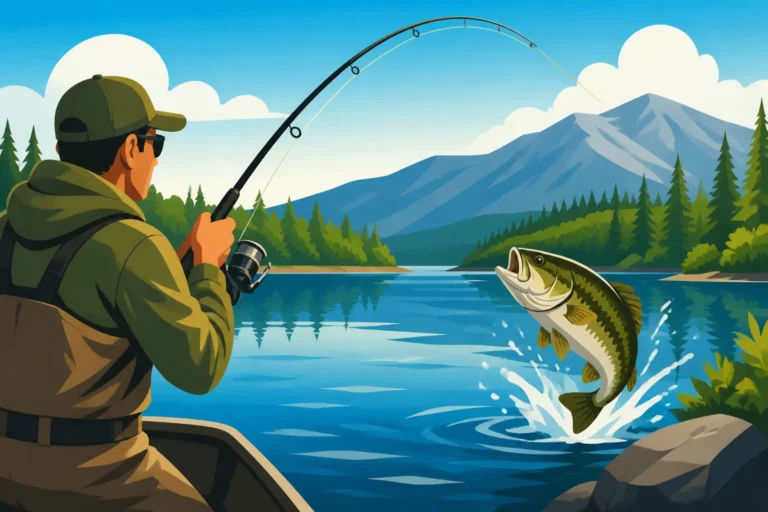
Trolling is arguably the most iconic and consistently productive method for targeting landlocked salmon and lake trout (togue) in the Rangeley Lakes. This technique involves slowly moving through the water, usually by boat, dragging lures or bait at specific depths behind you. The goal is to cover a lot of water, searching for active fish and mimicking their primary forage: the rainbow smelt. During the spring and fall, when water temperatures are cooler, salmon and trout often feed near the surface, making shallow trolling or flat-lining a good option. However, as summer progresses and the surface waters warm, these cold-water species retreat to deeper, cooler thermal refugia, requiring more specialized trolling methods.
For deepwater trolling, anglers employ a variety of tactics. Lead core line, a braided line with a lead core, helps lures sink to precise depths without additional weight, changing color every 10 yards to indicate depth. Downriggers, on the other hand, are sophisticated devices that use a heavy cannonball weight on a cable to carry your fishing line (and lure) down to a set depth, releasing your line when a fish strikes. This allows you to fish light tackle even at significant depths. Popular lures for trolling include spoons like the Mooselook Thrasher, Grey Ghost, or DB Smelt, often tipped with a piece of bait like a live smelt or a shiner. Speed and pattern are crucial; typically, a slow, methodical retrieve with occasional turns to vary the lure's action is most effective. Understanding the nuances of Trolling Techniques for Maine Lakes will definitely elevate your game on the Rangeley chain.
Fly Fishing the Inflows and Outflows
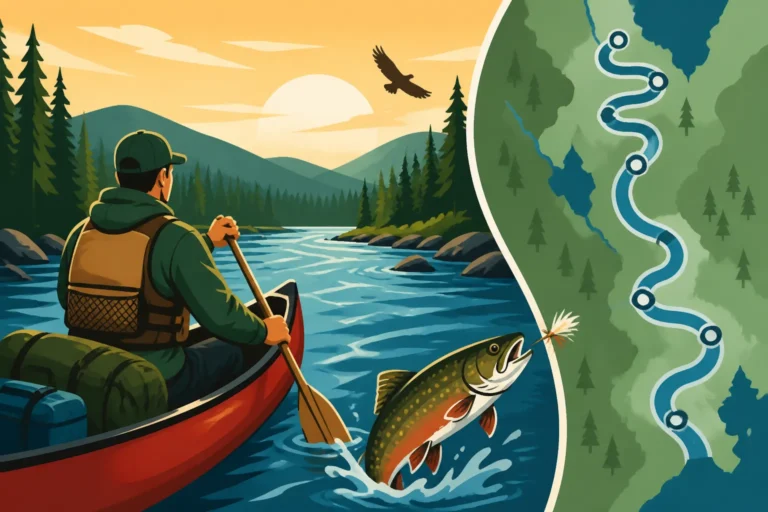
The Rangeley Lakes region is a renowned destination for fly fishing, especially for brook trout and, at certain times, landlocked salmon. The numerous rivers and streams that flow into and out of the big lakes provide incredible opportunities for wade fishing and drift fishing from canoes or kayaks. The Kennebago River, Rapid River, and the upper reaches of the Rangeley River are legendary fly-fishing destinations, often managed with special "fly-fishing-only" regulations.
Spring and fall are prime seasons for fly fishing in the Rangeley area. In spring, as insect hatches begin, trout and salmon become very active. Nymphs and wet flies can be highly effective, imitating the aquatic insects that are a major food source. Later in spring and into early summer, dry fly fishing can be exceptional during specific hatches, such as Hendricksons, Caddis, or Mayflies. Casting to rising fish in a clear, cold stream is an unforgettable experience. In the fall, as salmon begin their spawning runs, they often congregate in the lower sections of rivers, providing opportunities for anglers using streamers that imitate baitfish or egg patterns. Streamer patterns like the Grey Ghost, Black Ghost, and Supervisor are local favorites. Wade fishing requires careful, stealthy approaches to avoid spooking fish, and understanding local hatches and stream conditions is paramount. For those new to the sport or looking to refine their skills, our Fly Fishing Techniques for Maine Rivers guide can offer a solid foundation.
Ice Fishing: A Winter Wonderland Pursuit
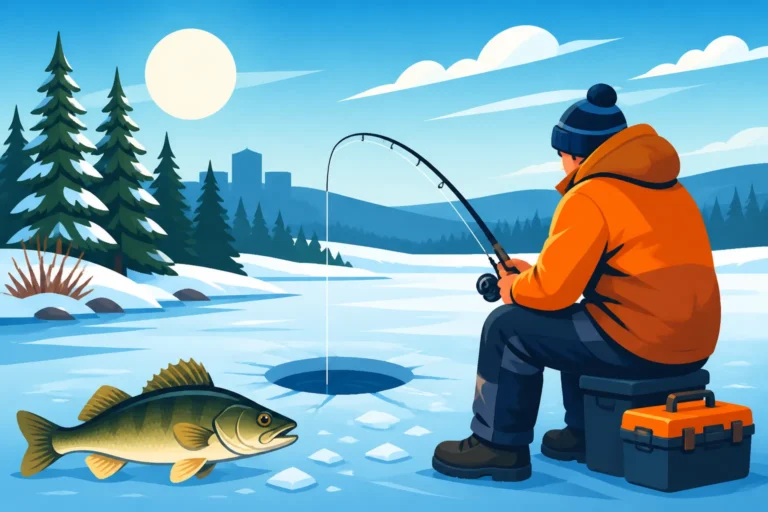
When the Rangeley Lakes freeze over, a whole new world of fishing opens up for hardy anglers. Ice fishing is a deeply ingrained tradition in Maine, and the Rangeley region offers some of the best hardwater action in the state, particularly for landlocked salmon, brook trout, and large togue. The season typically runs from late December or early January through March, depending on ice conditions. It's a social affair, with anglers gathering in shacks or clusters of tip-ups, often enjoying the camaraderie as much as the fishing.
The primary methods for ice fishing in Rangeley involve using tip-ups and jigging. Tip-ups are simple devices that hold a baited line in the water, flagging when a fish takes the bait, allowing you to hand-line it in. Live bait, especially smelt or shiners, is incredibly effective for attracting salmon and togue. Jigging involves using a short rod and reel to vertically jig a lure or baited hook through the ice, often with the aid of a fish finder to locate fish and monitor their reactions. Spoons, soft plastics, and lead head jigs tipped with bait are popular jigging choices. Safety is paramount during ice fishing; always check ice thickness, especially early and late in the season, and inform someone of your plans. Common ice fishing spots include the major basins of Rangeley Lake and Mooselookmeguntic, as well as many smaller ponds known for brook trout. For those venturing out, learning about Maine Ice Fishing Line Limits is crucial for compliance.
Planning Your Trip: Essentials for a Successful Adventure
A successful fishing trip to the Rangeley Lakes region isn't just about showing up with a rod and reel. It requires careful planning, from understanding the best times to visit for your target species to knowing where to get the right gear and, potentially, hiring a local expert. The rugged nature of the region means being prepared can make the difference between a frustrating outing and a truly memorable adventure.
When to Visit: Best Seasons for Each Species
Timing is everything in fishing, and the Rangeley Lakes are no exception. The best time to visit depends heavily on what species you're hoping to catch and what experience you're after.
- Spring (Ice-out to early June): This is often considered the prime season for many anglers. Immediately after ice-out (which can vary from late April to mid-May), landlocked salmon and brook trout are found near the surface and along the shorelines, actively feeding in the cooler water. Trolling flat lines or casting from shore can be incredibly productive. The fish are often aggressive after a long winter under the ice. Smelt runs in tributary streams also draw hungry predators. This is a fantastic time for both fly fishing in rivers and trolling the lakes.
- Summer (June to August): As surface waters warm, salmon, brook trout, and togue move to deeper, cooler parts of the lakes. This is the season for deep trolling with downriggers, lead core, or copper lines, and for jigging. While more challenging, big fish are caught in summer by those who know how to find them in the depths. Smallmouth bass, which are present in some of the shallower areas and connected ponds, become more active and accessible in summer.
- Fall (September to November): Fall offers another incredible opportunity, especially for large brook trout and landlocked salmon. As water temperatures drop and the days shorten, these fish become more active in shallower waters again. Salmon begin their spawning runs into the tributary rivers, providing unique sight-fishing opportunities for fly anglers (though often catch-and-release only in these sensitive areas). The fall foliage adds an extra layer of beauty to the fishing experience, making it a favorite season for many.
- Winter (December/January to March): Once the lakes freeze solid, it's ice fishing season! This is an excellent time for targeting large lake trout (togue) and often very aggressive landlocked salmon and brook trout. The solitude and unique challenges of hardwater fishing make it a distinct and rewarding experience. For a more detailed look at the year-round opportunities, our Maine Fishing Season Calendar can provide a comprehensive overview.
Local Gear Shops and Bait Information
You'll definitely want to know where to find reliable gear, fresh bait, and up-to-date local information once you're in the Rangeley region. While it's always smart to bring your core tackle with you, local shops are invaluable resources for specific local lures, bait, and, most importantly, current conditions and hot tips.
In the town of Rangeley, you'll find a couple of excellent sporting goods stores that cater specifically to anglers. These shops are not just places to buy gear; they are hubs of local knowledge. The staff are often experienced local anglers themselves and can tell you what's biting, where, and on what. They'll know if the smelt are running, what flies are hatching, or what depth the togue are holding at. This kind of intel is priceless. You can also pick up your Maine Fishing Regulations Explained booklet here, along with a map of the region.
When it comes to bait, live smelt or shiners are often preferred for salmon and togue, especially for trolling and ice fishing. Ensure you buy your bait from a reputable local dealer to avoid introducing invasive species to the lakes. These shops will also carry a wide selection of proven spoons, stickbaits, and fly patterns that are known to work well in Rangeley's waters. Don't be afraid to ask for recommendations on specific colors or sizes that are currently performing well. They can also advise on necessary accessories like bait buckets, nets, and ice fishing equipment.
Hiring a Registered Maine Guide
For many, especially those new to the Rangeley Lakes or looking to maximize their chances of a trophy catch, hiring a Registered Maine Guide is one of the best investments you can make. These guides are state-licensed professionals with intimate knowledge of the local waters, fish behavior, and effective techniques. They can save you countless hours of trial and error, take you directly to productive spots, and teach you the specific nuances of fishing this unique region.
A good Rangeley guide will not only put you on fish but also share invaluable information about the ecosystem, the history of the area, and conservation efforts. They'll typically provide all the necessary gear, including specialized trolling setups or fly-fishing equipment, as well as bait and sometimes even a shore lunch. This is particularly beneficial for deepwater trolling for salmon and togue, which requires specialized boats and gear, or for navigating the more remote rivers for wild brook trout.
When choosing a guide, look for one specializing in the type of fishing you want to do (e.g., fly fishing, trolling, ice fishing) and for the species you want to target. You can find reputable guides through local sporting goods shops, the Maine Professional Guides Association, or online platforms like FishingBooker. Reading reviews and asking for references can help you find the perfect match. A guide can significantly enhance your experience, turning a good trip into an extraordinary one. You can find more information about Hiring a Maine Fishing Guide if you're considering this option.
Beyond the Rod: Exploring the Rangeley Region
While fishing is undoubtedly the main draw, the Rangeley Lakes region offers a wealth of other experiences that can enrich your trip. Taking a break from casting to explore the natural beauty and local culture can provide a well-rounded and unforgettable adventure. After all, a truly great fishing trip isn't just about the fish caught, but the memories made outside of it too.
Accommodations and Dining Options
The Rangeley Lakes region offers a diverse range of accommodations to suit every preference and budget, from rustic sporting camps to luxurious lakeside resorts and cozy cabins. The town of Rangeley serves as the central hub, providing access to many of the area's amenities.
- Sporting Camps: These traditional Maine establishments often offer a classic wilderness experience, ranging from very basic cabins to more comfortable lodges. Many provide meals and can often arrange guided fishing trips. They are perfect for those seeking a more authentic, rustic feel.
- Resorts and Lodges: Several higher-end resorts and lodges offer amenities like fine dining, spas, and organized activities, providing a comfortable base after a long day on the water. These are great for families or couples seeking a bit more luxury.
- Cabin Rentals and Vacation Homes: Renting a private cabin or vacation home, especially one directly on the lake, is a popular option. This provides flexibility, privacy, and often allows for self-catering, which can be budget-friendly. Websites like Airbnb, Vrbo, and local real estate agencies list many options.
- Campgrounds: For those who love roughing it, several private and state park campgrounds offer sites for tents and RVs, putting you right in the heart of nature.
Dining in Rangeley leans towards classic American fare, often with a New England twist. You'll find options ranging from casual diners serving hearty breakfasts perfect for fueling a day of fishing, to pub-style restaurants offering burgers and craft beers, and a few establishments providing more upscale dining experiences with lake views. Many places feature local ingredients and, of course, fresh seafood if you venture closer to the coast (though less common in Rangeley itself). Don't forget to grab a classic Maine Whoopie Pie!
Other Outdoor Activities
The Rangeley Lakes region is an outdoor enthusiast's paradise, offering plenty to do when you're not fishing.
- Hiking: Miles of scenic hiking trails crisscross the region, ranging from easy strolls to challenging climbs. The Rangeley Lakes Trails Center offers groomed trails, while more strenuous options like the Appalachian Trail (which passes nearby) provide breathtaking views from mountain summits. The Bald Mountain trail, for instance, offers panoramic views of Rangeley Lake.
- Boating and Kayaking: With so many interconnected lakes, boating, kayaking, and canoeing are incredibly popular. You can rent various watercraft locally to explore secluded coves, paddle along tranquil shorelines, or even embark on multi-day canoe trips through the interconnected waterways.
- Wildlife Viewing: The region is home to abundant wildlife, including moose, deer, loons, bald eagles, and various waterfowl. Early morning and late evening drives along quiet roads can often yield moose sightings, especially near wetlands and ponds.
- Scenic Drives: Take a drive along the Rangeley Lakes Scenic Byway (Route 4 and Route 16) to experience stunning vistas, especially during the peak fall foliage season. There are numerous pull-offs and viewpoints perfect for photography.
- Skiing and Snowmobiling (Winter): In winter, the region transforms into a snowy playground. Saddleback Mountain offers fantastic downhill skiing, while an extensive network of groomed snowmobile trails connects the entire region, making it a major snowmobiling destination.
Conservation and Ethics: Protecting Rangeley's Future
The Rangeley Lakes are a precious natural resource, sustaining not just incredible fishing but also a delicate ecosystem. As anglers, we have a responsibility to be stewards of these waters, ensuring that future generations can enjoy the same pristine beauty and abundant fish that we do today. Adhering to ethical fishing practices and supporting conservation efforts is not just a suggestion; it's a critical part of the Rangeley experience.
Catch and Release Best Practices
While keeping a legal-sized fish for dinner is certainly part of the fishing experience, practicing catch and release, especially for larger or particularly vulnerable fish, is vital for maintaining healthy populations. This is particularly true for trophy-sized brook trout and landlocked salmon, which are key breeders. Releasing fish properly increases their chances of survival and allows them to continue their role in the ecosystem.
Here are some best practices for catch and release:
- Minimize Fight Time: Bring the fish in quickly but smoothly to reduce exhaustion.
- Wet Hands: Always wet your hands before handling a fish to protect its protective slime coat, which guards against infection.
- Support the Fish: Support the fish horizontally, especially larger ones, using two hands. Avoid holding them vertically by the jaw or tail, which can damage their internal organs or spine.
- Use Barbless Hooks: Crushing the barbs on your hooks or using barbless hooks makes removal much easier and less damaging to the fish's mouth.
- Remove Hook Quickly: Use needle-nose pliers or a de-hooking tool to remove the hook swiftly. If the fish is deeply hooked, cut the line as close to the hook as possible rather than trying to rip it out.
- Keep Fish in Water: Keep the fish in the water as much as possible, especially during warm weather. If you must take a photo, do it quickly and return the fish to the water immediately.
- Revive Gently: If a fish is lethargic, hold it gently in the water, facing upstream, allowing water to flow over its gills until it regains strength and swims away on its own.
By following these practices, you play a crucial role in conserving the Rangeley Lakes' incredible fishery, ensuring that those magnificent Rangeley Lakes Landlocked Salmon Fishing in Maine continue to thrive.
Respecting the Environment
Beyond fish handling, responsible angling extends to respecting the entire environment. The Rangeley region's beauty lies in its wildness, and it's up to every visitor to help keep it that way.
- Leave No Trace: Pack out everything you pack in, including all trash, leftover bait, and fishing line. Even small pieces of fishing line can be deadly to wildlife.
- Stay on Trails and Designated Access Points: Avoid trampling vegetation, especially along fragile stream banks or spawning areas.
- Prevent Invasive Species: Clean your boat, trailer, and all fishing gear thoroughly before moving from one body of water to another. This prevents the spread of aquatic invasive species, which can devastate native ecosystems.
- Be Mindful of Wildlife: Observe wildlife from a respectful distance. Avoid disturbing nesting birds, animals, or their habitats.
- Respect Private Property: Many areas around the lakes and streams are privately owned. Always be aware of property lines and respect landowners' rights. Access only where public access is permitted.
- Support Conservation Efforts: Consider donating to or volunteering with local conservation organizations that work to protect the Rangeley Lakes watershed and its fisheries. These groups often undertake vital habitat restoration, water quality monitoring, and educational initiatives.
By embracing these ethical considerations, every angler contributes to the long-term health and enjoyment of the Rangeley Lakes region, ensuring its status as a premier fishing destination for generations to come.
Disclaimer
Please be aware that fishing regulations in Maine, including those specific to the Rangeley Lakes region, are subject to change annually. While this guide provides comprehensive and accurate information based on current knowledge, it is your responsibility to consult the most recent Maine Open Water Fishing & Ice Fishing Regulations published by the Maine Department of Inland Fisheries and Wildlife (MDIFW) before you go fishing. This guide is for informational purposes only and should not be considered a substitute for official state regulations.