Where to Catch Togue on Moosehead Lake
If you've ever found yourself gazing across the vast expanse of Moosehead Lake, wondering where those elusive togue might be hiding, you're not alone. This immense body of water, with its incredible depths and diverse underwater structures, can feel overwhelming to even seasoned anglers trying to pinpoint where to drop a line for these magnificent fish. This guide is dedicated to breaking down the mystery, offering practical advice on where to find togue (also known as lake trout) across Moosehead Lake throughout the seasons, helping you maximize your chances of a successful catch.
Understanding Togue Behavior in Moosehead Lake
To consistently catch togue in Moosehead Lake, you first need to understand their nature. Togue are cold-water fish, members of the char family, and their behavior is heavily dictated by water temperature and the availability of their favorite foods, primarily smelt. Moosehead Lake provides an ideal habitat for them, with its sheer size and deep, oxygen-rich waters.
Seasonal Movements and Preferred Depths
Togue are constantly on the move, chasing optimal temperatures and their prey. Their behavior changes significantly from ice-out to the peak of summer, and again into the fall and winter.
As the ice retreats in spring, typically around late April or early May, togue will often be found shallower than at any other time of year, actively feeding on smelt and other baitfish in waters ranging from 10 to 40 feet deep. The entire water column is still quite cold, so they have more freedom to roam. You might find them cruising along shorelines, near rocky points, or in the shallower sections of large coves as the water warms slightly. This post-ice-out period is often considered one of the best times for aggressive bites, as the fish are hungry and more accessible.
As summer progresses and the surface waters warm, togue retreat to the cooler, deeper parts of the lake. They'll seek out the thermocline, a layer of water where the temperature changes rapidly, or settle into the deepest basins where the water remains consistently cold. During the hottest parts of July and August, they can be found anywhere from 60 to over 100 feet deep. This is when understanding the lake's contours and utilizing electronics becomes crucial. In the fall, as water temperatures begin to drop again, togue will move shallower once more, particularly as they prepare for spawning. This is another excellent time to target them before winter sets in.
Togue Forage and Habitat
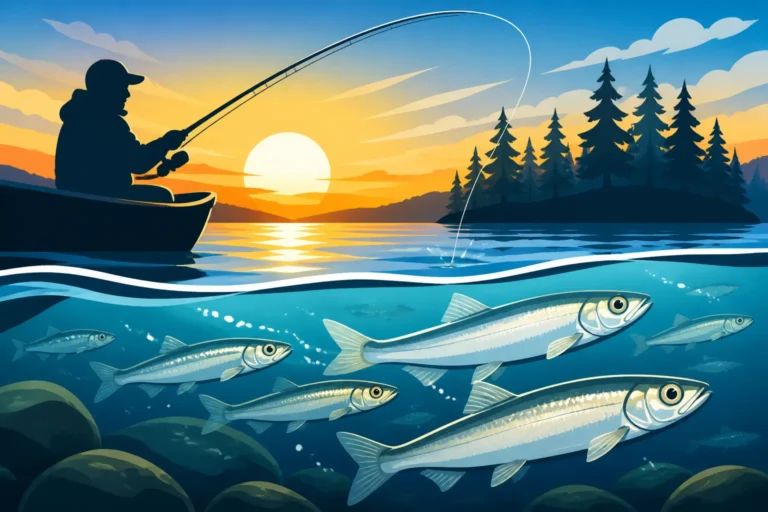
The diet of togue in Moosehead Lake is heavily reliant on baitfish, with smelts being their absolute favorite. If you can locate schools of smelt, you're likely to find togue nearby. They are opportunistic predators, also consuming other smaller fish species and even insects when available. This strong reliance on a baitfish diet means they are constantly searching, which influences their location and how they respond to various fishing techniques.
Togue prefer structured habitats in deep water, such as underwater humps, steep drop-offs, deep points, and the edges of vast basins. These features provide ambush points and cover, allowing them to hide from predators while also offering easy access to deeper, cooler water. They also appreciate areas with rocky bottoms or submerged timber, which can offer additional shelter. The sheer size of Moosehead Lake means there are countless such structures, but knowing the most productive general areas can save you a lot of time and effort. Understanding Maine Togue and Lake Trout Limits is also important to ensure you're fishing responsibly and legally.
Prime Togue Fishing Spots on Moosehead Lake
Moosehead Lake is the largest lake in Maine, stretching approximately 40 miles long and 10 miles wide at its broadest point. This means there's a lot of water to cover, but certain areas consistently hold more togue due to their depth, structure, and baitfish concentrations.
Northern Lake Basins
The northern end of Moosehead Lake is renowned for its remote feel and excellent deepwater fishing. This area, particularly north of Mount Kineo, features vast, deep basins where togue thrive.
One key area to focus on is the main basin north of the narrows around Mount Kineo. This section of the lake drops off quickly to depths exceeding 150 feet, providing ample cold, oxygenated water for togue throughout the summer months. Look for areas where the lake bottom features slight rises or humps, even if they're still in 80-100 feet of water. These subtle changes in depth can concentrate baitfish and, in turn, togue. Trolling along the edges of these deep basins, or jigging directly over identified structures, can be highly effective. The water here tends to be clearer, so paying attention to light conditions and presentation is important.
Another productive spot is the area around Seboomook Point and further north towards the Roach River mouth. While the Roach River itself is more famous for its fall salmon run, the deep waters surrounding its outflow in Moosehead hold plenty of togue. The river brings in nutrients, which can attract baitfish, and the confluence of depths creates excellent foraging grounds for togue. During early season and late fall, these northern shallow margins can be very active. Don't forget to check the Maine Fishing Regulations Explained for any specific rules related to these unique zones.
Central and Southern Lake Structure
The central and southern parts of Moosehead Lake offer a different array of structures, with numerous islands, points, and coves, many of which hide excellent deepwater havens for togue.
The vast central basin of Moosehead, stretching from the Kineo area south towards Lily Bay, is essentially a massive togue playground. This is where you'll find some of the deepest parts of the lake, exceeding 200 feet in places. When targeting these fish in the summer, focus on the major drop-offs and the deep edges of large underwater flats. For instance, the area west of Sugar Island, or the deep water near the outlet of Lily Bay, can be very productive. These extensive deep zones offer consistent cold water, making them ideal summer sanctuaries. Anglers often employ downriggers or lead core line to reach these significant depths.
Further south, areas around Sand Bar and the infamous Rockwood Strip also hold their share of togue. While these spots might be shallower in some sections, they often have distinct channels and deep pockets that funnel baitfish and attract larger predators. In spring and fall, the points and submerged structures around larger islands like Farm Island and Cow Island can be quite active. Even during ice fishing season, these southern areas, once the ice is safe, can be very productive, especially if you're targeting areas where depth changes dramatically. If you're planning an ice fishing trip, be sure to check the Maine Ice Fishing Rules Guide for specific regulations.
Best Depths for Togue on Moosehead Lake in Summer
During the dog days of summer, when the surface waters of Moosehead Lake are at their warmest, finding togue means going deep. This is a common frustration for many anglers; you know they're there, but how deep?
Generally, from mid-June through late August, togue in Moosehead Lake will be concentrated in depths ranging from 50 feet to over 100 feet. The exact depth can vary day-to-day and even hour-to-hour depending on current weather patterns, cloud cover, and baitfish movements. A good rule of thumb is to start searching around 50-60 feet and then systematically work your way deeper if you're not finding fish or bait on your electronics. They often suspend just above the bottom, or relate directly to underwater structures like humps or ledges.
Using a quality fish finder is absolutely essential during this time. Look for schools of baitfish, often appearing as dense clouds or arcs on your screen, and target the larger fish (togue) that you see nearby or underneath them. Pay close attention to temperature readings if your unit provides them; togue are generally most comfortable in water temperatures between 45-55 degrees Fahrenheit. This specific depth and temperature range is often referred to as the "comfort zone" for togue in summer. Understanding the behavior of Maine Togue and Lake Trout Limits can also give you insights into their preferred habitats.
Effective Techniques for Targeting Moosehead Lake Togue
Once you have a general idea of where the togue are, knowing how to present your lure is the next crucial step. Togue can be finicky, but with the right techniques, you can entice them to bite.
Trolling Strategies
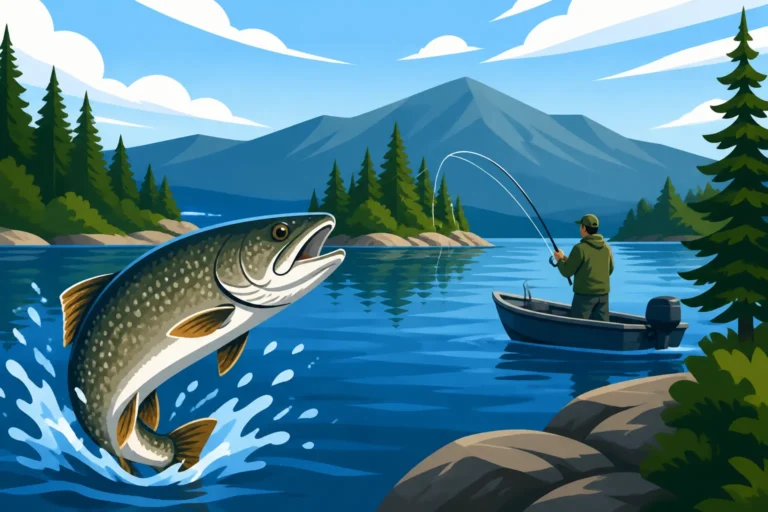
Trolling is arguably the most popular and effective method for covering water and locating togue on Moosehead Lake, especially during the open water season.
Choosing Your Gear: Heavy-duty spinning or baitcasting setups with 15-20 lb test line are common. You'll need specialized gear to get your lures down to the deep haunts of the togue. This usually means using lead core line, copper line, or downriggers. Lead core line, with its various colors indicating depth, is a staple, allowing you to estimate your lure's depth based on the number of colors out and your trolling speed. Copper line sinks even faster and is often used for getting lures deeper with less line out. For precision depth control, downriggers are unmatched, allowing you to present a lure at a very specific depth, independent of your boat speed or line type. Choosing the Best Rods for Maine Lake Trolling can make a significant difference in your success.
Lure Selection and Presentation: Spoons are incredibly effective for togue, mimicking their primary forage: smelt. Popular choices include the Mooselook Wobbler, Sutton Spoon, and the ever-reliable Top Gun spoon. Colors like silver, gold, blue/silver, and chartreuse are often productive. Consider the size of the spoon relative to the typical smelt in the lake; generally, 2.5-4 inch spoons work well. Trolling speed is critical, usually between 1.5 to 2.5 miles per hour. Experiment with slight variations in speed and direction; often, a subtle turn or speed change is all it takes to trigger a strike.
Jigging and Still Fishing
While trolling covers ground, jigging and still fishing are excellent for targeting togue once you've located a concentration of fish or a specific structure on your fish finder.
Ice Fishing Success: During the winter, jigging and still fishing through the ice are the predominant methods. Togue fishing through the ice on Moosehead Lake is a cherished tradition. Anglers typically use heavy-duty ice fishing rods paired with reels spooled with strong braided line. Tip-ups are also popular, set with live bait such as shiners or smelts, suspended at varying depths. For jigging, heavy spoons like Swedish Pimples or Crippled Herrings, tipped with a small piece of bait (like a smelt head or grub), are deadly. The key is to actively jig your lure with varying retrieve patterns until you find what the fish are responding to. Remember to review Maine Ice Fishing Line Limits before you head out.
Open Water Vertical Jigging: In open water, if you mark a fish or a school of fish holding tight to a specific piece of structure, vertical jigging can be incredibly effective. Use heavier jigs or spoons, up to 1-2 ounces, to get down to the fish quickly. Drop your lure past the fish and then retrieve it with a series of lifts and drops, mimicking an injured baitfish. Watch your fish finder closely for reactions; often, a togue will rise to investigate before striking. This is where Reading a Fish Finder on Maine Lakes becomes an art form, as you learn to interpret what those marks mean.
Understanding Togue Bite Times
Togue, like most fish, have periods of increased activity. While they can be caught at any time of day, there are certain windows that tend to be more productive.
Dawn and Dusk: The low-light conditions of early morning (dawn) and late evening (dusk) are often prime times for togue. During these periods, baitfish are often more active, moving into shallower areas, and togue will follow. The light penetration is also reduced, making togue feel more comfortable moving into slightly shallower water to feed. If you're trolling, these are excellent times to be on the water.
Overcast Days: Overcast or rainy days can also provide excellent togue fishing opportunities, especially in summer. The reduced light penetration from the clouds mimics low-light conditions, encouraging togue to be more active throughout the day and potentially even move slightly shallower from their usual deep haunts. Bright, sunny days can sometimes push them even deeper or make them less willing to chase, requiring more precise presentations. Remember, understanding Best Time of Year to Catch Togue in Maine can further refine your timing strategy.
Planning Your Moosehead Lake Togue Adventure
A successful togue fishing trip to Moosehead Lake involves more than just knowing where and how to fish; it also requires careful planning and the right mindset.
Hiring a Local Guide
Given the immense size and complexity of Moosehead Lake, especially for those new to the area, hiring a Registered Maine Guide can be an absolute game-changer. These local experts have spent countless hours on the water, understanding the nuanced movements of togue, the best spots for different seasons, and the most effective techniques.
A guide can provide not only the knowledge but often the necessary specialized equipment like downriggers, quality rods, and the right lures, saving you significant investment. They'll also ensure you're compliant with all Maine Fishing Regulations Explained and have the correct Maine Fishing License Guide. Platforms like FishingBooker can be an excellent resource for finding reputable guides in the Moosehead Lake region. You can browse through various local guides, read reviews from other anglers, and compare offerings to find the perfect fit for your trip. Many of these guides specialize in specific species, and finding one focused on "Maine Lake Fishing Guides" or even "Moosehead Lake Fishing Guides" will greatly enhance your chances of success. They often know the subtle underwater contours and current baitfish movements that aren't apparent on standard charts. This local expertise, easily accessed through services like FishingBooker, can turn a frustrating search into a truly memorable fishing experience.
Essential Gear and Safety
Beyond your rod and reel, there are several items that are crucial for a successful and safe togue fishing trip on Moosehead Lake.
Electronics: As mentioned, a good quality fish finder/chartplotter is non-negotiable for open water togue fishing. It allows you to identify depths, bottom structure, and most importantly, the presence of baitfish and togue.
Cold Weather Gear: Even in summer, Maine mornings can be chilly, and if you're out on the lake for an extended period, especially in the spring or fall, layers are key. Waterproof and windproof outerwear is a must. For ice fishing, specialized insulated suits, warm boots, and plenty of layers are vital for staying comfortable and safe in potentially extreme cold.
Safety Equipment: Always carry essential safety gear, including life jackets (which must be readily accessible for everyone on board), a first-aid kit, communication devices (cell phone, VHF radio), and signaling devices. Moosehead Lake is vast, and weather can change quickly, so being prepared for sudden storms or mechanical issues is paramount. If you're on a guided trip booked through a service like FishingBooker, your guide will typically provide all necessary safety equipment and ensure a safe outing. However, it's always wise to be aware of safety protocols yourself.
Navigational Aids: Given the lake's size, a reliable GPS or navigational app on your phone, combined with a detailed lake map, is highly recommended. This helps you track your trolling paths, mark productive spots, and safely navigate back to shore, especially in unfamiliar territory or foggy conditions.
Togue Hotspots and General Guidelines
Moosehead Lake's sheer size means there are almost always fish to be found, but here's a quick summary of areas and strategies to consider:
| Season | General Depth Range | Key Areas / Structure | Recommended Technique | Key Lure/Bait |
|---|---|---|---|---|
| Early Spring | 10-40 feet | Shallow coves, rocky points, river mouths | Trolling, Casting | Spoons, Smelt-imitators |
| Late Spring/Early Summer | 30-60 feet | Drop-offs, edges of flats | Trolling | Spoons, Live smelt |
| Mid-Summer | 50-100+ feet | Deep basins, underwater humps, steep ledges | Trolling (downriggers), Vertical Jigging | Heavy spoons, Live smelt |
| Fall | 20-50 feet (pre-spawn), deeper after | Points, rocky shorelines, spawning areas | Trolling, Casting | Spoons, Streamers |
| Winter (Ice) | 20-100+ feet | Deep holes, humps, edges of structure | Jigging, Tip-ups | Swedish Pimples, Live Bait |
Always remember that these are general guidelines. Togue are wild creatures, and their behavior can be influenced by countless factors. The most successful anglers are those who adapt, experiment, and spend time on the water, learning the subtle nuances of this magnificent fishery.
Disclaimer
Fishing conditions and regulations in Maine can change. Always consult the latest Maine Department of Inland Fisheries & Wildlife (MDIFW) regulations book or website before heading out to ensure you are fishing legally and safely. This guide is for informational purposes only and does not constitute official legal advice or guarantees of fishing success.