Best Depth for Togue on Moosehead Lake in Summer
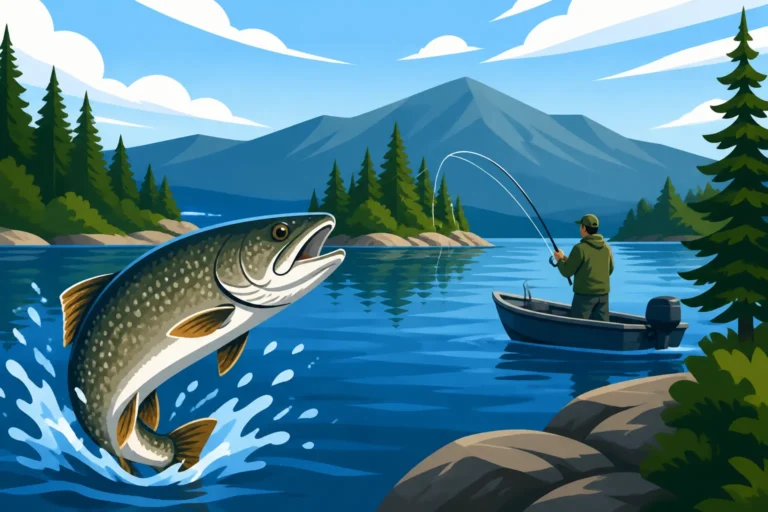
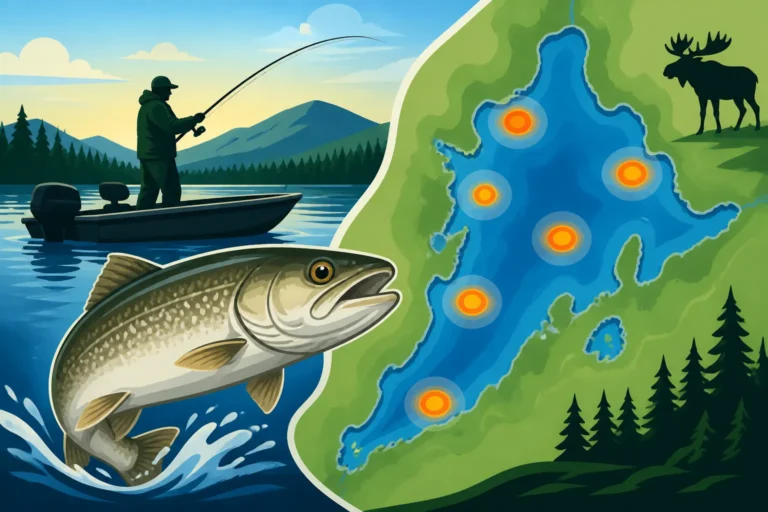
It’s a classic summer dilemma for any angler on Moosehead Lake: the sun is high, the water shimmers invitingly, but where in the world have all the togue gone? Those big, beautiful lake trout can feel like ghosts when the water warms up, but don’t despair. They haven’t vanished entirely; they’ve simply retreated to their preferred cold-water havens. This guide will delve deep into understanding where togue hide in Moosehead Lake during the summer months and how to effectively target them in those cooler depths.
Understanding Summer Togue Behavior on Moosehead Lake
Summer on Moosehead Lake, Maine’s largest lake, brings with it a significant change in water conditions that profoundly impacts where togue, also known as lake trout, can be found. These majestic fish are cold-water creatures at heart, thriving in temperatures that most of us would find quite brisk. As the surface waters warm, the lake undergoes a process called thermal stratification, creating distinct layers of water with different temperatures.
The Thermocline and Togue Preferences
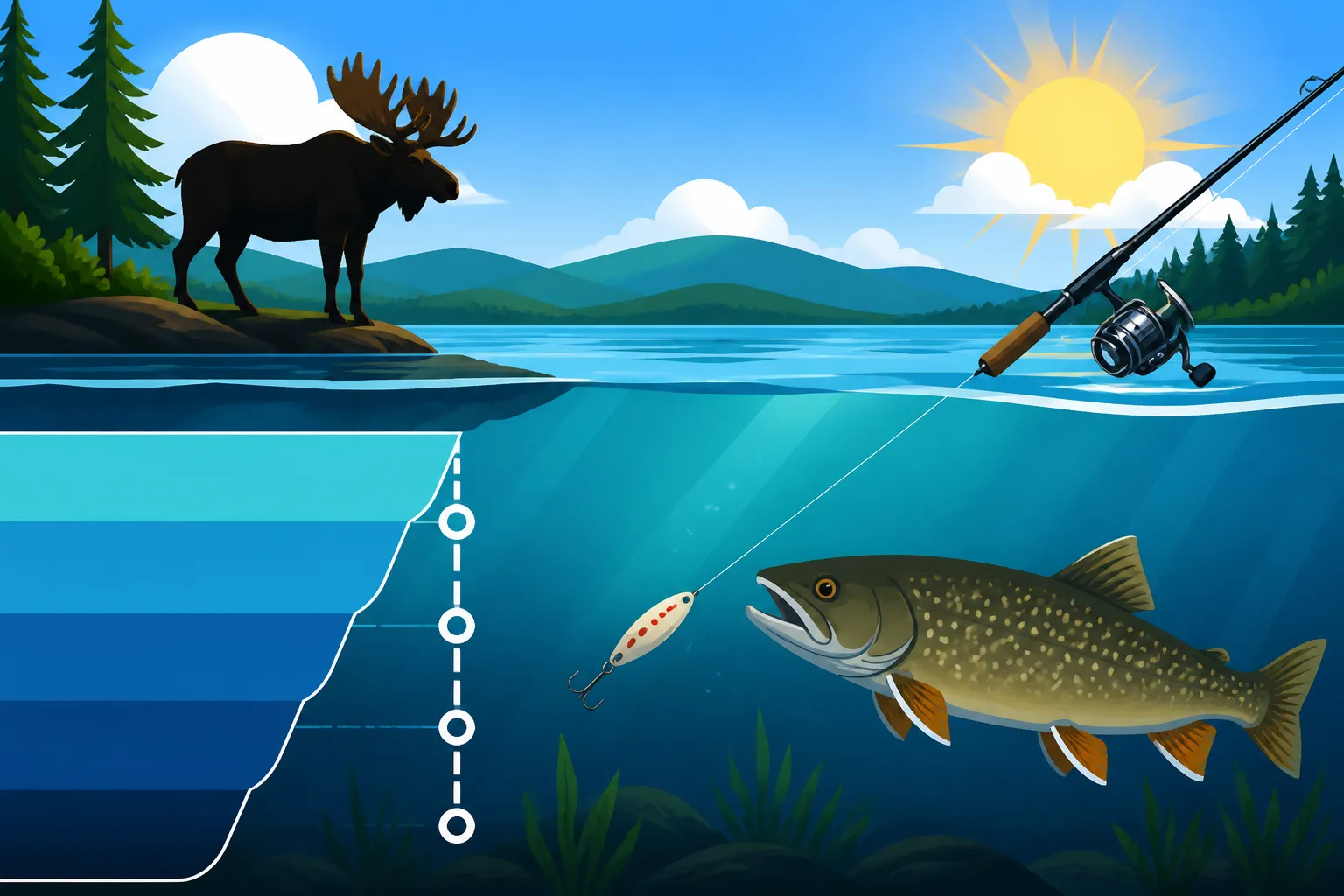
Imagine Moosehead Lake as a giant, layered cake. In the summer, you'll find a warm top layer (the epilimnion), a rapidly cooling middle layer (the thermocline), and a consistently cold bottom layer (the hypolimnion). For togue, the thermocline and the upper reaches of the hypolimnion are their sanctuary. This is where they find that sweet spot of cold, oxygen-rich water that keeps them comfortable. Their ideal temperature range is generally between 45 and 55 degrees Fahrenheit (7-13°C). Once the surface temperatures climb past the low 60s, togue will descend, sometimes rapidly, to find these cooler conditions. This makes understanding the thermocline absolutely critical for successful summer fishing. Knowing how to locate this thermal boundary, whether with a temperature probe or a good fish finder, is half the battle won when trying to find togue on Moosehead Lake.
Food Sources and Daily Movements
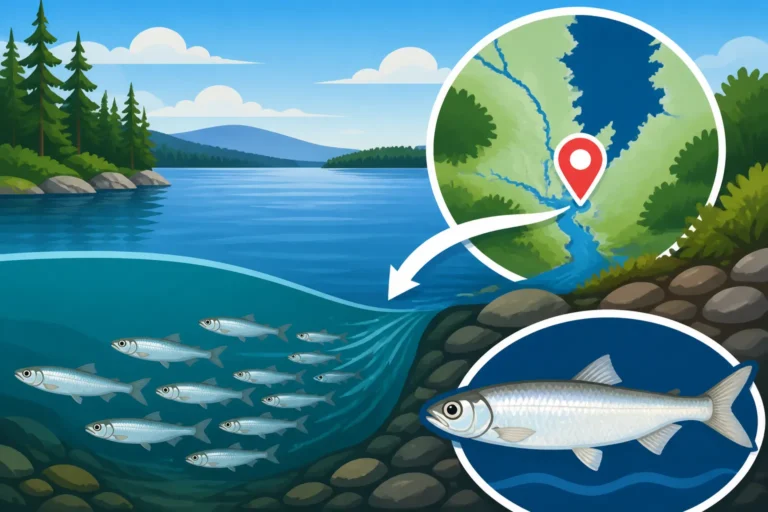
Togue aren't just seeking comfort; they're also following their food. In Moosehead Lake, popular forage fish like smelts and cusk are also temperature-sensitive. As the main lake basin warms, these baitfish often school up in or just above the thermocline, providing a ready buffet for hungry togue. So, when you're searching for togue, you're often indirectly searching for their dinner plate. Their daily movements in summer tend to be more vertical than horizontal. They might move up slightly into the cooler edges of the thermocline during periods of low light (dawn, dusk, or overcast days) to feed more actively, but they'll quickly retreat to the deeper, colder water as the sun gets high. This is why early morning or late evening can still be prime times, even for deep-dwelling fish.
Key Depths to Target for Summer Togue on Moosehead
Moosehead Lake is a vast and deep body of water, with some areas plunging to over 240 feet. This depth is precisely what makes it such excellent togue habitat, even in the warmest months. However, simply saying "deep" isn't enough; we need to get more specific. The exact depth will fluctuate throughout the summer, but there are general ranges and indicators you can look for.
Identifying the Thermocline's Depth
As June turns into July and August, the thermocline on Moosehead Lake typically sets up anywhere from 30 to 60 feet down. However, don't take that as a hard and fast rule; wind, prolonged heat waves, and even underwater currents can shift it. A good fish finder with temperature-sensing capabilities is your best friend here. It won't just show you fish; it will often display the water temperature at various depths, allowing you to pinpoint that comfortable 45-55°F zone. Without a depth finder, you can sometimes find the thermocline by lowering a weighted thermometer and noting where the temperature drops rapidly. This layer is usually where the baitfish will congregate, and consequently, where the togue will be lurking. If you find large bait balls suspended at 50 feet, for instance, you can bet the togue are nearby, either directly in that school or just below it, looking up for an easy meal.
Specific Depth Ranges and Locations
On average, you'll want to start your search for summer togue on Moosehead Lake in depths ranging from 40 to 100 feet. This encompasses the primary thermocline layer and the cooler waters just below it. However, don't be afraid to go even deeper, especially during prolonged hot spells. Anglers have reported catching togue well over 100 feet, sometimes even down to 150 feet or more, particularly in the vast, deep basins of the lake.
Consider these areas:
- Around Mount Kineo: The waters surrounding Mount Kineo are known for their significant depths and structure. The steep drop-offs and deep troughs here offer prime real estate for togue seeking refuge from the summer sun.
- The Big Squaw Island area: Similar to Kineo, the deeper sections around Big Squaw Island provide excellent habitat.
- Open water basins: Don't overlook the expansive open water areas in the main body of the lake. While seemingly featureless, these vast deep basins hold untold numbers of baitfish, and thus, hungry togue.
- Drop-offs and underwater humps: Look for any underwater structure that provides a sudden change in depth. Togue love to stage on the edges of deep humps or along steep drop-offs, ambushing passing bait.
It’s often a game of trial and error. Start in the 40-60 foot range, and if you're not seeing any activity on your electronics or getting bites, gradually increase your depth by 10-20 feet increments until you hit that sweet spot. Remember, the togue are there, but they demand a bit more effort and precision during the warmest months. For more detailed insights into various fishing locations, check out our guide on the Moosehead Lake Fishing Guide.
Here’s a general guideline for summer togue depths on Moosehead Lake:
| Time of Summer | Typical Thermocline Depth | Primary Togue Depth Range | Notes |
|---|---|---|---|
| Early June | 20-40 feet | 30-70 feet | Togue may still be shallower after ice-out; less stratification. |
| Mid-June to Early July | 30-50 feet | 40-90 feet | Thermocline establishing; togue starting to go deeper. |
| Mid-July to Mid-August | 40-60 feet | 50-120+ feet | Strong stratification; warmest surface temps push togue deepest. Baitfish will be key indicator. |
| Late August | 40-70 feet | 50-100 feet | Surface water may begin to cool slightly, but togue remain deep. |
Effective Techniques for Reaching Deep Summer Togue
Once you’ve identified those deep zones where the togue are hanging out, the next challenge is getting your lures down to them. This isn't your typical casting-from-shore kind of fishing; it requires specialized techniques and equipment designed to present your offering at precise depths.
Trolling with Specialized Gear
Trolling is hands down the most popular and often most effective method for covering water and finding active togue at depth on Moosehead Lake in the summer. However, you can't just throw out a spinner and expect to hit 80 feet.
- Downriggers: These are perhaps the most precise tools. A downrigger uses a heavy cannonball weight on a cable to carry your fishing line (which is clipped to the cable via a release clip) down to a specific, electronically measured depth. Once a fish strikes, your line pops free from the clip, allowing you to fight the fish directly without the weight of the cannonball. This allows you to run multiple lines at different, exact depths.
- Lead Core Line: Lead core line is essentially a lead wire wrapped in a braided nylon sheath. It sinks at a predictable rate (typically around 5-7 feet per color, with each "color" being 10 yards of line). By letting out a certain number of colors, you can estimate your depth. It's less precise than a downrigger but more portable and doesn't require extra equipment mounted to your boat. You'll need a stout rod and reel to handle the heavy line.
- Copper Line: Similar to lead core, copper line is a solid copper wire that sinks even faster than lead core. It's fantastic for getting lures down deep with less line out, but it’s heavier and stiffer, requiring even more specialized rods and reels. It's particularly effective for getting those spoons down to 80-120 feet.
- Diving Planers/Discs: Tools like Dipsy Divers or Pink Lady planers use water resistance to dive, carrying your lure to a set depth. They can be adjusted to dive at different angles and depths, offering another way to get your presentation down without dedicated downriggers.
No matter which method you choose, remember that presentation is key. Togue often strike trolled lures that mimic their natural prey, like smelts. Spoons, often in silver, blue, or green patterns, are perennial favorites. You can find more specific advice on Trolling Techniques for Maine Lakes. If you're considering hiring a professional, services like FishingBooker can connect you with experienced guides who have all the right gear and knowledge of Moosehead's summer depths.
Vertical Jigging for Suspended Togue
While trolling covers ground, vertical jigging is an excellent technique when you've located schools of togue or baitfish on your fish finder and want to present a lure directly to them. This is often done while drifting or slowly motoring over known fish-holding structures.
- Heavy Jigs: You'll need jigs heavy enough to quickly descend to depths of 50, 80, or even 100+ feet. Metal jigs, sometimes called "butterfly jigs" or vertical jigs, in weights ranging from 1 to 4 ounces or more, are ideal. The action of these jigs on the drop is often what entices a strike.
- Technique: Drop your jig to the desired depth, then use a rhythmic lifting and dropping motion of your rod tip. This makes the jig flutter and dart, imitating a distressed baitfish. Experiment with the retrieve speed and jigging cadence. Sometimes a slow, subtle lift is all it takes, while other times an aggressive jigging motion will trigger a strike. It’s a lot about feel and watching your sonar screen. If you see fish come up to inspect your jig, keep working it!
- Bait Tipping: Tipping your jig with a small piece of cut bait, like a smelt head or a piece of sucker meat, can often make a big difference, adding scent and a bit more natural appeal, especially on tougher days.
Jigging can be incredibly rewarding, as the strike often comes with a sudden, powerful jolt. It's a more active way to fish and can be highly effective once you've pinpointed the fish's exact location. Our guide on Jigging Techniques for Togue offers even more detail on this exciting method.
Essential Gear and Tactics for Moosehead Togue
Successfully targeting deep summer togue on Moosehead Lake requires more than just knowing where they are; it demands the right tools and a strategic approach. Having the proper rods, reels, lines, and especially electronics can significantly increase your chances of success.
Rods, Reels, and Line Choices
Fishing at extreme depths puts considerable strain on your equipment, so don't skimp on quality.
- Rods: For trolling with lead core or copper, you'll need medium-heavy to heavy action rods, typically 7 to 9 feet long, with a moderate or slow taper. This allows the rod to absorb the shock of the heavy line and the fight of a strong togue. For downriggers, a medium-heavy rod with a sensitive tip is ideal, allowing you to see subtle bites even when the line is clipped. For jigging, a sensitive, fast-action rod in the 6-7 foot range, rated for heavy lures, will give you the control and feel needed to work your jig and detect light strikes at depth.
- Reels: Large capacity baitcasting or conventional reels are essential for lead core and copper, as these lines are thick and you'll be letting out a lot of them. Look for reels with a strong drag system. For downrigger fishing, any good quality conventional reel with a line counter can be useful to know how much line you're letting out behind the ball. For jigging, a sturdy spinning reel or a low-profile baitcaster spooled with braid is excellent, offering quick line retrieval and good sensitivity.
- Line:
- Monofilament: While versatile, mono has too much stretch for deep-water trolling and jigging. It's mainly used as a leader material.
- Braided Line: Excellent for jigging and as a backing for lead core/copper. Its no-stretch properties provide incredible sensitivity for feeling bites and working jigs, even at 100 feet. Use 20-30 lb test for jigging, often with a fluorocarbon leader (10-20 lb) for invisibility and abrasion resistance.
- Lead Core/Copper: As mentioned, these are specialty lines designed for depth. You'll typically spool them onto a large capacity conventional reel.
Lures and Bait Selections
Togue in Moosehead Lake feed primarily on smelts and cusk, so your lure choices should mimic these forage fish.
- Trolling Lures:
- Spoons: Classic flutter spoons from brands like Mooselook Thinfish, Sutton, or DB Smelt are incredibly effective. Sizes range from 2.5 to 4 inches, in patterns like silver, blue/silver, green/silver, or even glow-in-the-dark for very deep water.
- Stickbaits/Plugs: Long, slender plugs that imitate baitfish can also be deadly when trolled.
- Flashers/Dodgers: These are not lures themselves but attractors. They create flash and vibration that draw fish in, and then you trail a spoon or bait behind them on a short leader.
- Jigging Lures:
- Vertical Jigs: Heavy metal jigs from brands like Luhr-Jensen or similar, in silver, white, or chartreuse patterns. Again, tipping with a small piece of cut bait can make a huge difference.
- Live Bait: While artificials are popular, live bait, particularly small suckers or large shiners, can be irresistible to togue. If allowed by regulations, slow-trolling live bait on a downrigger or weighted line can be very productive. Always check current Maine Fishing Regulations Explained for bait rules.
The Crucial Role of Electronics
Modern electronics are not just a luxury; they are a necessity for efficient deep-water togue fishing.
- Fish Finders/Sonar: A quality fish finder with a powerful transducer is your most important tool. It will show you the bottom contour, identify schools of baitfish, and, most importantly, mark the togue themselves. Pay attention to arches or dots near the bottom or suspended in the water column at those key depths. Many modern units also have temperature graphs, allowing you to instantly see the thermocline. Brands like Humminbird and Garmin offer excellent units with high-definition side imaging and down imaging, which can reveal structure and fish hiding off to the sides of your boat.
- GPS/Chartplotter: Moosehead Lake is enormous, and it's easy to get disoriented. A GPS unit with detailed lake maps will help you navigate safely, mark productive spots (waypoints), and return to them later. If you find a hump or a deep drop-off that holds fish, you'll want to save it!
Remember, while the gear is important, patience and persistence are key. Don’t be afraid to experiment with different depths, lures, and retrieve speeds until you find what the togue are responding to on any given day. If you're serious about mastering these techniques, a guided trip with a local expert booked through a platform like FishingBooker can provide invaluable hands-on experience and local knowledge. This is particularly useful when exploring the diverse fishing opportunities in Maine.
Additional Considerations for Summer Togue Success
Beyond the technical aspects of depth and gear, a few other factors can influence your success when chasing togue on Moosehead Lake in the summer.
Weather and Water Conditions
Summer weather on Moosehead can be unpredictable, and these conditions directly impact togue behavior.
- Cloud Cover vs. Bright Sun: Overcast days or periods of low light (dawn and dusk) often bring togue slightly higher in the water column within their preferred temperature zone, making them a bit more accessible and active. On bright, sunny days, they tend to hug the bottom or bury themselves even deeper to escape the light. This is when going really deep, sometimes 100 feet or more, becomes critical.
- Wind and Waves: A moderate chop on the water can actually be beneficial, as it breaks up the surface and makes your boat less visible to the fish. It can also create currents that stimulate baitfish activity. However, strong winds can make boat control difficult, especially when trying to maintain precise trolling speeds or jigging vertically. Always prioritize safety on large waters like Moosehead Lake.
- Water Clarity: Moosehead generally has good water clarity. In clear water, fish can be more wary, which means you might need longer, lighter fluorocarbon leaders and more natural-looking presentations.
Respecting the Resource and Regulations
Togue are a precious resource in Moosehead Lake, and responsible angling ensures their populations remain healthy for future generations.
- Catch and Release Best Practices: If you plan to release fish, handle them with care. Minimize their time out of the water, use wet hands, and support their body weight. If fishing very deep, consider the effects of barotrauma (the expansion of gases in their swim bladder due to rapid pressure change). Sometimes, fish brought up from extreme depths cannot survive release. Be prepared to keep fish that are not likely to survive, adhering to all bag and length limits. You can learn more about Catch and Release Best Practices in Maine.
- Know the Limits: Always consult the current Maine Fishing Regulations Explained published by the Maine Department of Inland Fisheries and Wildlife (MDIFW) before you head out. Regulations for togue, including bag limits and minimum length, can vary by lake and even by specific zones within a lake, and they can change year to year. For example, Moosehead Lake often has specific rules for lake trout.
- Be Prepared: Bring plenty of water, sunscreen, and appropriate clothing. Always let someone know your float plan, especially if you're venturing into remote areas of the lake. Moosehead is vast and can be unforgiving if you're unprepared.
Summer togue fishing on Moosehead Lake is a rewarding challenge. It tests your patience, your gear, and your understanding of fish behavior. But when that rod bends over and you feel the powerful surge of a deep-water togue, all the effort becomes incredibly worthwhile. Whether you're a seasoned angler or planning your first trip, consider our comprehensive guide to Lake Trout and Togue Fishing in Maine for even more in-depth information. For those new to the area, a local guide, easily found on a platform like FishingBooker, can shorten the learning curve significantly, guiding you to the precise depths where these magnificent fish reside.
Disclaimer
Please note that fishing conditions and regulations can change. Always consult the latest official Maine Department of Inland Fisheries and Wildlife (MDIFW) rules and regulations before planning your fishing trip. This guide is for informational purposes only and should not be considered legal advice.