Sebago Lake Fishing Guide
There's nothing quite like the allure of Sebago Lake, a truly iconic body of water in Maine, but for many anglers, the sheer size and depth can feel overwhelming. You might have heard tales of legendary landlocked salmon and monstrous togue, only to get out on the water yourself and wonder where on earth to even begin, or how to consistently put fish in the net. This comprehensive guide is here to demystify Sebago Lake fishing, breaking down everything from prime species and seasonal strategies to essential gear and local regulations, ensuring your next trip is productive and enjoyable.
Unveiling the Majestic Waters of Sebago Lake
Sebago Lake isn't just any lake; it's a colossal, magnificent fishery, stretching across 45 square miles and plunging to incredible depths of over 300 feet. This isn't your average pond, and understanding its unique geography is the first step to unlocking its angling potential. Its deep, clear waters are a testament to glacial activity, creating a diverse underwater landscape of steep drop-offs, expansive flats, and hidden ledges that hold a treasure trove of fish species. Navigating these waters requires respect and a good understanding of what lies beneath.
Geographic Features and Ecosystem
Nestled in the heart of Cumberland County, Sebago Lake is Maine's second-largest lake and a vital source of drinking water for the greater Portland area. This designation means its pristine condition is meticulously maintained, which is fantastic news for the fish and the anglers who pursue them. The lake is fed by numerous smaller streams and rivers, notably the Songo River, which connects it to Long Lake and the rest of the Sebago Lake watershed, including the popular Naples Causeway area. This intricate system provides a rich and varied ecosystem, supporting robust populations of cold-water species like landlocked salmon and lake trout, as well as warm-water species such as smallmouth and largemouth bass. The sheer size of Sebago means that understanding thermoclines, the layers of water at different temperatures, becomes absolutely critical, especially during the warmer months, as fish will seek out their preferred temperatures.
Importance for Anglers and Local Communities
For generations, Sebago Lake has been a spiritual home for countless Maine anglers and visitors alike. It's a place where traditions are born, where families return year after year, and where the pursuit of trophy fish is a deeply ingrained part of the local culture. The lake’s reputation for producing significant landlocked salmon, in particular, draws anglers from across the country, eager to test their skills against these powerful, acrobatic fish. Beyond the fishing, Sebago supports a vibrant community with numerous lodges, guides, and businesses catering to outdoor enthusiasts. It’s not uncommon to see several generations of a family out on the water together, each sharing their knowledge and making new memories, truly embodying the spirit of Maine fishing.
Prime Fish Species to Target in Sebago Lake
Sebago Lake is a multi-species angler's dream, offering a fantastic variety of fish that cater to different preferences and fishing styles. While it's most famous for its cold-water species, the lake also provides excellent opportunities for warm-water enthusiasts. Knowing what to target and when can dramatically improve your success rate.
Landlocked Salmon: The Crown Jewel
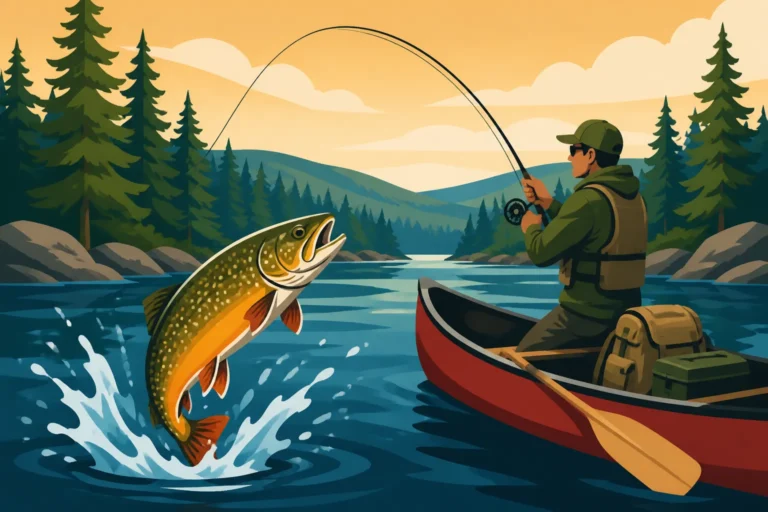
When you talk about Sebago Lake, the conversation invariably turns to landlocked salmon. These magnificent fish are the undisputed royalty of the lake, renowned for their explosive runs and aerial acrobatics once hooked. They thrive in Sebago’s deep, cold, and oxygen-rich waters, feeding heavily on the abundant smelt population. Anglers often dream of landing a Sebago salmon, which are known for their strong fight and beautiful silver flanks. To learn more about proper identification and behavior, check out our guide on How to Identify a Landlocked Salmon. Targeting them often involves patience and specific trolling techniques, especially as the seasons change and they move through different depths.
Lake Trout (Togue) and Brook Trout
Sebago Lake is also home to a significant population of lake trout, affectionately known as "togue" by locals. These deep-dwelling predators are often found in the coldest parts of the lake, especially during summer. Togue can grow to impressive sizes, making them a formidable and rewarding catch. While perhaps not as acrobatic as salmon, they offer a powerful, stubborn fight that tests an angler's tackle and resolve. Understanding Lake Trout and Togue Fishing in Maine is key to success here.
Additionally, while less common in the main body of the lake, respectable brook trout can be found, particularly in the cooler, shallower sections near stream inlets or in some of the lake's more remote coves and feeder streams. These native beauties, with their vibrant colors, are a cherished catch for any angler.
Smallmouth and Largemouth Bass
Don't let Sebago's cold-water reputation fool you; it offers some truly exceptional bass fishing. The rocky shorelines, numerous islands, and submerged structures provide ideal habitat for a thriving population of smallmouth bass. These bronze beauties are aggressive fighters and can be incredibly fun to target with a variety of lures and techniques. For detailed tactics, consult our guide on Smallmouth Bass Fishing in Maine. You'll find them in relatively shallower waters, especially during spring and early summer.
While less prevalent than smallmouth, largemouth bass also inhabit Sebago, particularly in the weedier, shallower bays and protected coves. They prefer areas with more cover and are often targeted by anglers seeking a different kind of bass fishing experience.
Other Notable Species
Beyond the main targets, Sebago Lake also hosts a healthy population of brown trout, which are stocked periodically and can offer a strong fight, often found in similar areas to salmon. White perch and yellow perch are abundant and provide excellent fishing opportunities, especially for families or those looking for consistent action and delicious table fare. Chain pickerel, known for their aggressive strikes and sharp teeth, are also present in the weedier areas, offering an exciting, albeit toothy, fight. For a full rundown on all the species you might encounter, our Maine Fish Species Identification Guide is an invaluable resource.
Best Times to Fish Sebago Lake
Understanding the seasonal movements of fish in Sebago Lake is crucial for a successful outing. The lake's vastness means that fish behavior can change dramatically with water temperature and forage availability throughout the year.
Spring: Post-Ice Out Frenzy
Spring, particularly right after the ice melts, is arguably one of the most exciting times to fish Sebago Lake. As the ice recedes, often around late April or early May, the cold-water species like landlocked salmon and togue become incredibly active and often move into shallower waters. The lake's abundant smelt population also moves shallower to spawn, drawing predators with them. This is when you can find salmon and togue cruising just below the surface, making them accessible to various fishing methods, including flat-line trolling or even casting from shore in certain areas. It's a window of opportunity that seasoned Sebago anglers eagerly await, often yielding some of the biggest fish of the year. The early season also means fewer boats on the water, offering a more serene experience.
Summer: Deeper Pursuits
As Maine's summer sun warms the surface waters, Sebago Lake's cold-water fish retreat to the cooler, deeper parts of the lake. This doesn't mean the fishing stops; it just means your tactics need to adapt. Trolling with downriggers, lead core line, or weighted methods becomes paramount to get your lures down to the thermocline, typically between 30 and 80 feet, where salmon and togue hold. During summer, the smallmouth bass fishing really heats up around rocky points and islands. Early mornings and late evenings are prime times for bass as they might move shallower to feed. Mid-day summer fishing can be challenging but rewarding if you know where to look and have the right gear. Our Best Time of Year to Fish in Maine guide elaborates on these seasonal shifts across the state.
Fall: The Salmon Run and Aggressive Bass
Autumn brings a spectacular transformation to Sebago Lake, both in scenery and fishing opportunities. As water temperatures begin to drop, cold-water species once again become more active and move shallower, preparing for their spawning rituals. Landlocked salmon, in particular, stage in the lake's tributaries and around stream mouths, offering fantastic fishing, often with flies or streamers. This period, typically from late September through October, can be incredibly productive for aggressive salmon. Smallmouth bass also become very active, feeding heavily in preparation for winter, making for some intense topwater action or excellent fishing with jigs and soft plastics around structures. The crisp air and vibrant fall foliage make for an unforgettable angling experience.
Winter: Ice Fishing Extravaganza
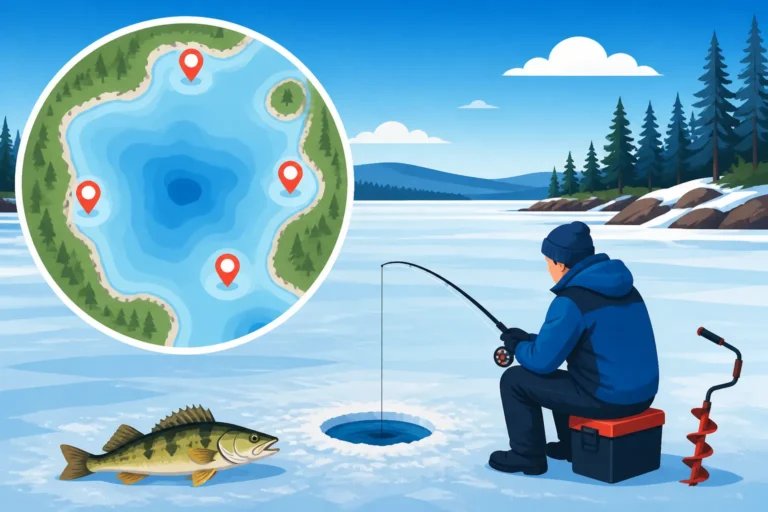
When Sebago Lake freezes over, it transforms into a bustling ice fishing hub. Ice fishing for togue and salmon is immensely popular, drawing hundreds of anglers to its frozen surface. Sebago Lake is known for producing large togue through the ice, with many anglers using tip-ups and jigging techniques. The vastness of the lake means you can spread out, but local knowledge or a good guide is invaluable for finding productive spots, often over deep humps or near drop-offs. Always prioritize safety on the ice; knowing when Maine Ice Fishing Season Start and end, and understanding the guidelines in our Maine Ice Fishing Rules Guide, is paramount. Portable shacks and even larger, heated shelters dot the landscape, creating a unique community atmosphere on the frozen expanse.
Effective Fishing Techniques for Sebago Lake
Fishing Sebago Lake effectively requires a diverse set of skills and a willingness to adapt your approach based on the target species, season, and conditions. From covering vast expanses of water to precise presentations, there's a technique for every angler.
Trolling for Salmon and Togue
Trolling is by far the most popular and often the most effective method for targeting landlocked salmon and togue on Sebago Lake, especially during the open water season. It involves slowly pulling lures or bait behind a boat, covering large areas of water to locate actively feeding fish. The key to successful trolling on Sebago is getting your presentation to the correct depth where the fish are holding.
- Lead Core and Copper Line: These specialized lines are designed to sink, allowing your lure to reach significant depths without the need for additional weights. Different colors on lead core indicate specific depth segments, making it easier to manage your presentation. Copper line, being heavier, sinks even deeper, often preferred for deep-holding togue in the summer.
- Downriggers: For ultimate depth control, downriggers are indispensable. They allow you to precisely position your lure at a specific depth, typically marked by your fish finder, and then release it when a fish strikes. This method is incredibly effective for targeting fish hugging the thermocline.
- Flashers and Dodgers: These attractors are often used in conjunction with lures or bait to create visual commotion and draw fish in from a distance. Their wobbling action mimics struggling baitfish, triggering predatory instincts. Common lures include spoons (such as Suttons or Mooselook Wobblers), sewn smelt, or streamer flies behind a dodger.
- Speed and Pattern: Varying your trolling speed and making S-turns can often entice reluctant fish to strike. Salmon and togue often prefer different speeds, so experimenting is key. For more in-depth knowledge, check out our Trolling Techniques for Maine Lakes guide.
Jigging and Still Fishing
While trolling covers water, jigging and still fishing offer more focused approaches, particularly effective for ice fishing or when fish are concentrated in specific areas.
- Ice Fishing Jigging: Through the ice, jigging small spoons, Swedish Pimples, or soft plastics tipped with a piece of bait (like a live smelt or a shiner head) can be incredibly effective for togue. Electronic fish finders or "flasher" units are invaluable for identifying fish below and monitoring their reaction to your jigging motion.
- Tip-Ups: During ice fishing, tip-ups are widely used, allowing anglers to cover a broader area. These devices hold a baited line in the water, and when a fish bites, a flag "tips up," signaling a strike. Live bait, especially large shiners or smelt, is often preferred for enticing larger togue and salmon. Each angler needs to be aware of Maine Ice Fishing Line Limits.
- Still Fishing: In open water, still fishing with live bait, typically a shiner or smelt suspended under a bobber or on the bottom, can be productive in specific areas where fish are known to congregate, such as near deep structure or where schools of baitfish are present. This method can also be surprisingly effective for bass and perch.
Fly Fishing and Casting
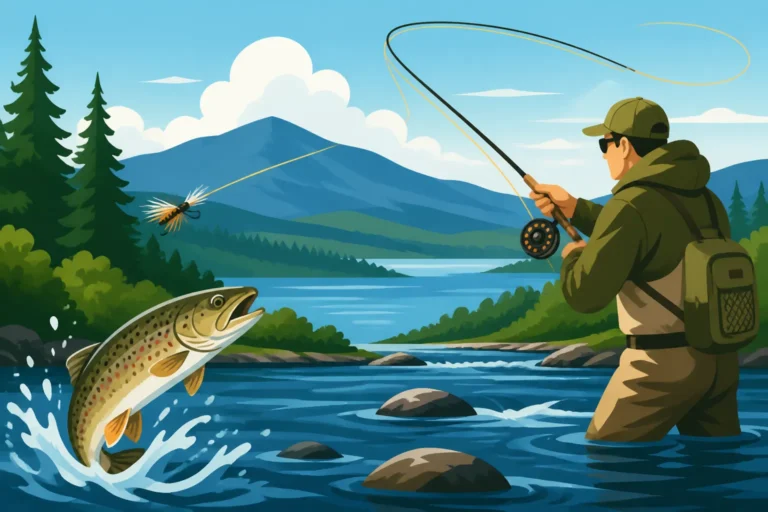
Fly fishing opportunities on Sebago are more specialized but incredibly rewarding. While the vast open waters aren't ideal for fly casting, the feeder streams and shallower coves can provide excellent action.
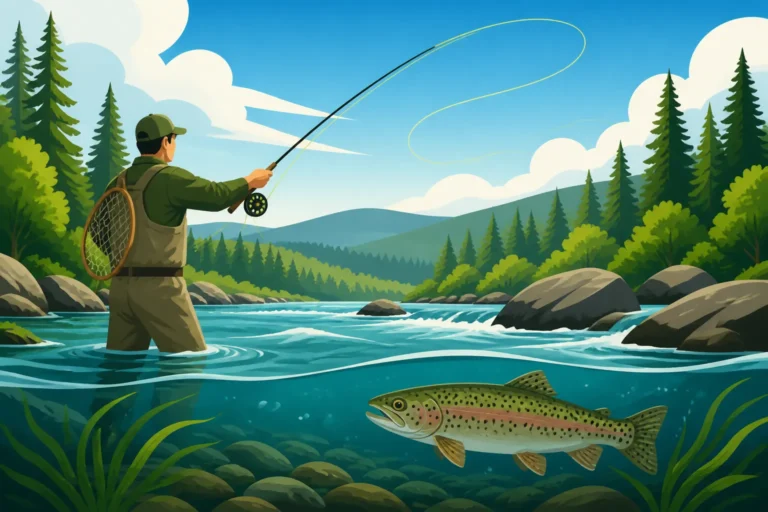
- Tributary Fishing: The Songo River and other inlets, especially during spring and fall, can offer fantastic fly fishing for staging salmon and brook trout. Streamer patterns that imitate smelt or local baitfish are often highly effective. Dry flies and nymphs can also work in these areas for trout.
- Shoreline and Island Casting: For smallmouth bass, casting from shore or around the many islands and rocky structures can be highly productive. Spin fishing with topwater lures, crankbaits, or soft plastic jigs are popular choices. Fly anglers can target bass with poppers and various streamer patterns, especially in low-light conditions.
Essential Gear and Tackle for Sebago Lake
Being properly equipped is half the battle when fishing a lake as diverse and expansive as Sebago. The right gear not only enhances your comfort but significantly increases your chances of success.
Rods, Reels, and Line
The tackle you choose for Sebago Lake will largely depend on what species you're targeting and what techniques you'll be employing.
- For Trolling (Salmon/Togue): Medium-heavy action trolling rods (7-9 feet) paired with level-wind baitcasting reels are ideal. Look for reels with a good line capacity, capable of holding 200-300 yards of 15-20 lb monofilament or braided line, often with lead core or copper sections spliced in. The longer rod helps spread lines and cushion the fight of strong fish.
- For Jigging (Togue/Ice Fishing): Sturdy spinning rods (6-7 feet, medium to medium-heavy action) with sensitive tips are excellent for open-water jigging. For ice fishing, dedicated ice fishing rods (28-36 inches, medium-heavy action) are paired with small spinning reels spooled with 6-10 lb fluorocarbon or braided line. The sensitivity allows you to detect subtle bites in deep water.
- For Bass Fishing: A versatile medium-action spinning rod (6'6" to 7'6") with a 2500-3000 series spinning reel spooled with 8-12 lb fluorocarbon or braided line is perfect for smallmouth bass. If you prefer baitcasting, a medium-heavy rod with a baitcaster reel is excellent for throwing heavier lures or fishing in cover for largemouth.
Lures, Baits, and Terminal Tackle
Having a diverse tackle box is crucial for adapting to changing conditions and fish preferences on Sebago.
- Salmon and Togue Lures: Classic spoons like Mooselook Wobblers, Suttons, and DB Smelt in silver, gold, and various color patterns are staples. Streamer flies (Grey Ghost, Nine-Three, Supervisor) trolled behind a dodger or attached to lead core are deadly, especially during the smelt runs. And of course, live or dead smelt and shiners are consistently effective, particularly when fished with an appropriate gang troll or sewn rig.
- Bass Lures: For smallmouth, consider topwater poppers and walk-the-dog baits, crankbaits, spinnerbaits, tube jigs, and various soft plastic presentations (worms, creature baits) fished on jig heads or Texas-rigged. For largemouth, focus on heavier jigs, soft plastics, and frogs in weedy areas.
- Terminal Tackle: Stock up on swivels, snap swivels, leaders (fluorocarbon is preferred for its invisibility), various hooks (Aberdeen, octopus, treble), and weights (pencil sinkers, split shot). Having a good selection ensures you can rig for any situation.
Electronics and Navigation
On a lake as large and deep as Sebago, electronics are not just a luxury; they're almost a necessity for efficient and safe fishing.
- Fish Finder/Sonar: A quality fish finder is invaluable for identifying baitfish schools, marking individual fish, and most importantly, mapping underwater structure and depth changes. Understanding how to read your unit can guide your trolling depth and pinpoint productive areas. Our guide on How to Read a Fish Finder on Maine Lakes can help you maximize this tool.
- GPS/Chartplotter: A GPS unit, often integrated into modern fish finders, allows you to navigate safely, mark waypoints of productive fishing spots, and follow trolling paths. This is especially useful on vast waters like Sebago, where landmarks can be distant or obscured.
- VHF Radio: For safety on such a large body of water, a VHF radio is highly recommended. It allows for direct communication with other boaters and emergency services, especially if you're venturing far from shore.
- Lake Map: Always carry a detailed physical map of Sebago Lake, even if you have electronics. It provides invaluable information on depths, contours, and potential hazards, and serves as a backup in case of electronic failure.
Access Points and Navigation on Sebago Lake
Getting onto and around Sebago Lake can be straightforward if you know where to go, but planning is essential given its size.
Public Boat Launches and Marinas
Sebago Lake offers numerous public boat launches and private marinas that provide access to its expansive waters.
- State-Owned Launches: The Maine Department of Inland Fisheries and Wildlife (MDIFW) maintains several public boat launches around the lake, offering ample parking and easy access. Popular options include the launch in Raymond (Route 302), the Standish launch, and the Sebago Lake State Park launches. These facilities are generally well-maintained and open to the public. For a comprehensive list, see our guide on Public Boat Launches for Maine Lakes.
- Private Marinas: Numerous private marinas also dot the shoreline, offering boat rentals, fuel, supplies, and launch services for a fee. These can be great options if you need specific services or are renting a boat for your trip. Places like Port Harbor Marine or Naples Marina are popular choices, especially around the Naples Causeway area, which connects Sebago to Long Lake. Always check ahead for availability and current fees.
Shore Fishing Opportunities
While Sebago Lake is famous for its boat fishing, there are still excellent opportunities for shore anglers, particularly in the spring and fall.
- Sebago Lake State Park: This expansive park offers numerous areas for shore access, including beaches and rocky points. In the spring, salmon and bass can be caught from these areas as they move shallower.
- Songo Lock/River Area: The area around Songo Lock, which connects Sebago to Long Lake, can be a productive spot for shore anglers, especially when fish are moving through the system.
- Roadside Pull-offs and Public Access Points: Throughout the lake's perimeter, there are smaller public access points and roadside pull-offs that can provide good shore fishing, though these may require a bit of exploration to find the best spots. Always be mindful of private property.
Safe Boating Practices
Given Sebago Lake's size, depth, and popularity, safe boating is paramount. The lake can become rough very quickly, especially with strong winds, so always check the weather forecast before heading out.
- Life Jackets: Ensure everyone on board has a properly fitted life jacket and wears it, especially children.
- Navigation: Be aware of navigation markers, submerged rocks, and other hazards. The main channels are generally well-marked, but venturing into unknown areas requires caution.
- Communication: Carry a fully charged cell phone and ideally a VHF radio.
- Weather Watch: Keep a constant eye on the sky. Sebago's open expanse offers little shelter during sudden storms. If conditions worsen, head for shore immediately.
- Respect Other Boaters: Share the water responsibly. Maintain safe distances from other boats, especially those trolling or anchored.
Regulations Specific to Sebago Lake
Maine has a comprehensive set of fishing regulations, and Sebago Lake, as a premier fishery, often has specific rules that go beyond the general statewide laws. It's absolutely crucial to familiarize yourself with these regulations before casting a line.
Maine General Fishing Laws
First and foremost, all anglers must possess a valid Maine fishing license, unless exempt (e.g., during Maine Free Fishing Days). For detailed information on permits, refer to our Maine Fishing License Guide. The state's general fishing laws cover aspects like legal fishing hours, definitions of artificial lures and flies, and restrictions on certain types of bait. These general rules form the foundation of responsible angling throughout the state. You can find a comprehensive breakdown in our Maine Fishing Regulations Explained article.
Sebago Lake Special Regulations
Sebago Lake is often classified as a "special regulation water" by the Maine Department of Inland Fisheries and Wildlife (MDIFW). This means certain rules, particularly concerning bag limits, length limits, and season dates for key species like landlocked salmon and togue, might differ from the statewide general law. These special regulations are put in place to manage the fishery sustainably and ensure its health for future generations.
- Landlocked Salmon: Sebago Lake often has specific slot limits and daily bag limits for landlocked salmon. For instance, there might be a minimum length, and then a slot where fish within a certain size range must be released, allowing smaller and larger fish to contribute to the spawning population. Always consult the current Maine Fishing Law Book for the precise details, as these can change annually. Our Landlocked Salmon Size and Bag Limits in Maine guide provides further context.
- Togue (Lake Trout): Similar to salmon, togue regulations on Sebago frequently include specific length and bag limits. The goal is often to encourage the harvest of smaller, more numerous togue to help manage their population, while protecting larger, older fish.
- Bass and Other Species: While often falling under general law, it's always wise to double-check the regulations for smallmouth and largemouth bass, especially concerning catch-and-release practices during spawning seasons or any zone-specific rules. The Maine Fish Bag Limits Guide covers many of these details.
- Season Dates: While many species can be fished year-round in Maine, specific seasons for certain species or methods may apply to Sebago. For example, specific dates might dictate when live bait can be used or when ice fishing is permitted. Always check the official Maine Fishing Season Dates Guide.
Where to Find Current Regulations
The most accurate and up-to-date source for Sebago Lake's fishing regulations is the official Maine Open Water and Ice Fishing Law Book, published annually by the MDIFW. This book is available free of charge at most license vendors, MDIFW offices, and online on their official website. Before every trip, especially if it's been a while, make it a habit to check the current regulations to avoid any unintentional violations. Wardens patrol Sebago Lake regularly, and ignorance of the law is no excuse.
Hiring a Guide or Charter for Sebago Lake
For many, navigating a vast and complex fishery like Sebago Lake can be daunting. This is where the expertise of a Registered Maine Guide or a fishing charter captain becomes invaluable. They can transform a potentially frustrating day into a memorable and successful one.
Benefits of Hiring a Local Expert
A local guide brings an unparalleled depth of knowledge that can significantly enhance your Sebago Lake fishing experience, especially if you're visiting for the first time or targeting a specific, elusive species.
- Local Knowledge: Guides spend hundreds of hours on the water. They know the current fish patterns, the most productive spots, the "secret" trolling lanes, and the depths where fish are holding. They understand the nuances of Sebago's ever-changing conditions, from water temperature to baitfish movements.
- Specialized Gear: A good guide will have all the necessary specialized gear, including high-end rods, reels, and electronics, as well as a vast selection of proven lures and baits. This means you don't have to invest in expensive equipment for a one-off trip. They’ll also often provide live bait, which can be challenging to source on your own.
- Technique Instruction: For beginners, a guide can provide hands-on instruction on various techniques, such as proper trolling setups, reading a fish finder, or even fly casting. They can help you refine your skills and understand why certain methods work better than others.
- Safety and Navigation: On a large lake like Sebago, safety is paramount. Guides are highly experienced in navigating the waters, understanding weather patterns, and responding to emergencies. They ensure your trip is not only productive but also safe and enjoyable.
- Access to Prime Fishing: Guides often have access to areas or methods that might be difficult for the average angler to find or replicate, such as precise trolling depths or remote ice fishing spots. They can also ensure you're compliant with all Maine Fishing Regulations Explained.
Finding a Reputable Guide or Charter
Choosing the right guide or charter for your Sebago Lake adventure is key to a positive experience.
- Research and Reviews: Start by researching guides online. Look for reviews and testimonials from past clients. Websites like FishingBooker are excellent resources for finding and booking reputable guides and charters on Sebago Lake. They allow you to filter by species, trip duration, and customer ratings, making it easier to find a perfect match for your needs.
- Specialization: Some guides specialize in specific species (e.g., solely focusing on salmon trolling) or fishing styles (e.g., ice fishing). Ensure the guide's expertise aligns with what you want to target.
- Communication: Contact potential guides directly. Discuss your expectations, what's included in the trip (gear, bait, snacks), and their rates. A good guide will be responsive and happy to answer all your questions.
- Licensing: Always ensure your guide is a Registered Maine Guide. This certification indicates they have passed rigorous exams on outdoor skills, first aid, and Maine-specific regulations. For charter captains operating larger vessels, they may also hold a US Coast Guard Captain's License. You can find more information in our Maine Fishing Charters Guide.
- Booking Through Platforms: Platforms like FishingBooker simplify the booking process, often providing secure payment options and transparent cancellation policies. This can offer an extra layer of confidence when planning your trip. Many excellent Sebago Lake guides list their services on such platforms, allowing you to easily compare options and secure your date.
What to Expect on a Guided Trip
When you book a trip with a Sebago Lake guide, you can typically expect a full day (or half-day) of fishing, during which the guide provides the boat, all necessary fishing gear, bait, and often snacks or drinks. They will handle the navigation, set up the lines, and provide instruction as needed. It's common for guides to offer to clean and package your legal catch at the end of the trip. Remember to discuss tipping etiquette, which is customary and appreciated for good service. Planning ahead and booking through a trusted source, perhaps even using a platform like FishingBooker to browse options, ensures you have a hassle-free and enriching experience on Sebago’s magnificent waters.
Disclaimer
The information provided in this guide is for general informational purposes only and is subject to change. Fishing regulations, season dates, and access points can vary and are updated annually by the Maine Department of Inland Fisheries and Wildlife (MDIFW). Always consult the most current official Maine Open Water and Ice Fishing Law Book or the MDIFW website before planning your fishing trip to Sebago Lake to ensure compliance with all laws and to verify safety information.