Best Lakes Near Greenville Maine for Fishing
Figuring out where to cast your line when you're visiting a new place can be a real head-scratcher, especially in a region as vast and fish-rich as Maine. Greenville, nestled right in the heart of the state, often serves as a launching point for incredible outdoor adventures, but many anglers wonder which specific lakes nearby offer the best chances for a memorable catch. This comprehensive guide is designed to cut through the guesswork, spotlighting the best lakes near Greenville, Maine, for fishing, helping you plan your perfect angling getaway.
Why Greenville is a Prime Fishing Hub
Greenville isn't just a picturesque town on the shores of Moosehead Lake; it's a strategic outpost for anyone looking to truly immerse themselves in Maine's legendary fishing scene. The sheer variety of water bodies within a short drive, combined with the wild, untamed nature of the surrounding North Woods, makes it a truly unique destination for anglers of all stripes.
Gateway to Maine's North Woods
Think of Greenville as your personal welcome mat to the vast, sprawling wilderness that is the Maine North Woods. This isn't always your average drive-up-and-cast kind of place, at least not for all the incredible opportunities it offers. It's a region where the air smells cleaner, the silence is deeper, and the fish, well, they often grow bigger and fight harder, having seen fewer lures than their southern counterparts. Being so close to such immense stretches of wild forest means that many of the lakes and ponds are less pressured, offering that true wilderness fishing experience that's becoming harder and harder to find in other parts of the country.
It's a place where you might suddenly spot a majestic moose wading in the shallows at dawn, or watch an eagle soar effortlessly overhead, making the entire trip about so much more than just the fish you bring to the net. The rugged terrain and the occasional remoteness of certain spots mean that some areas require a bit more planning, perhaps a trusted Registered Maine Guide, a robust vehicle, or even a hike in, but the effort often leads to truly unforgettable experiences.
This unique access to genuine wilderness is what makes Greenville stand out. It provides a sense of adventure, a connection to nature that's often missing in more developed fishing destinations. Whether you’re seeking solitude or just a break from crowded waters, the North Woods deliver. For those keen on venturing into the truly remote parts, sometimes even a short bush plane flight can open up pristine, untouched waters brimming with wild fish.
Diverse Fisheries Right at Your Doorstep
What truly sets the Greenville area apart is the incredible diversity of its fisheries. Within an hour's drive, you can transition from trolling vast, deep lakes for monstrous togue to delicately fly fishing a remote pond for wild brook trout. This isn't a one-trick pony; it caters to every angling preference, every skill level, and every season. We're talking about everything from classic cold-water species like landlocked salmon, our beloved native Brook Trout Fishing in Maine, and the formidable lake trout (or "togue" as we call them here in Maine) to warm-water fighters like feisty smallmouth bass.
Each lake near Greenville has its own personality, its own intricate ecosystem, and its own unique angling challenges and rewards. This diversity means that no matter the season or your preferred technique, there's always an exciting opportunity waiting. From the deep, cold waters where togue lurk to the shallower, warmer coves where bass feed, the variety ensures that you can always find a productive spot.
This wide range of options also means you can easily switch up your game plan if conditions change. If the big lake is too windy for comfortable trolling, a smaller, sheltered pond might be perfect for casting for brookies. If you’re looking to explore different options or even book a guided trip to maximize your time and learn the local nuances, platforms like FishingBooker can connect you with local experts who know these varied waters inside and out. They can help you navigate the diverse opportunities, ensuring you pick the right lake and technique for your desired catch.
Iconic Lakes Just a Cast Away from Greenville
When you think of fishing near Greenville, a few names immediately jump to mind. These aren't just any lakes; they're legendary for a reason, offering some of the best and most diverse fishing experiences Maine has to offer.
Moosehead Lake: The Crown Jewel
You simply can't talk about fishing near Greenville without starting with Moosehead Lake. It's not just Maine's largest lake; it's an inland sea, covering over 75,000 acres, and it literally laps at Greenville's shores. This colossal body of water is an absolute paradise for cold-water species, often producing trophy-sized fish.
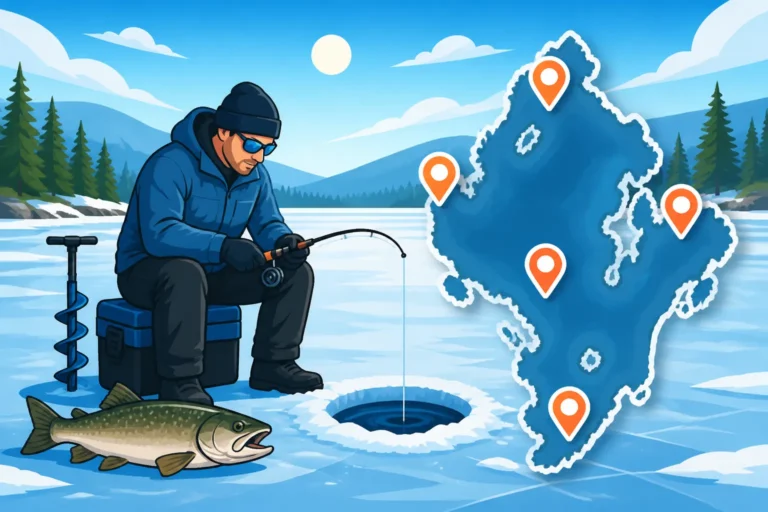
Moosehead is renowned for its population of Lake Trout and Togue Fishing in Maine, often growing to impressive sizes, making it a bucket-list destination for many anglers. Trolling is a hugely popular and effective method here, especially when targeting these deep-dwelling fish. Anglers often employ downriggers, lead core line, or even copper line to get their lures down to the thermocline where togue and salmon lurk, particularly during the warmer summer months. You'll also find a healthy population of Landlocked Salmon Fishing in Maine that are known for putting up an incredible fight, often leaping clear of the water in spectacular fashion when hooked. For those who love the chase of native fish, many of Moosehead's feeder streams and smaller coves hold fantastic brook trout. Ice fishing on Moosehead is also a huge draw, with hundreds of shacks popping up across its frozen expanse in winter, presenting a completely different challenge and reward.
Given its immense size, knowing where to start on Moosehead can be daunting for newcomers. Areas around Lily Bay, Rockwood, and the mouth of the Roach River (a prime salmon spawning tributary) are perennial favorites for both salmon and brook trout. Early mornings and late evenings are often the most productive times, especially for salmon and brook trout near the surface. During summer, when the surface water warms, targeting deeper structures like underwater humps, drop-offs, and deep basins becomes crucial for togue. For serious anglers looking to maximize their time or learn the intricacies of this vast lake, checking out a Moosehead Lake Fishing Guide can provide invaluable insights into current hot spots and effective presentations, saving you hours of trial and error.
Safety on Moosehead Lake can't be overstated. Its vastness means that weather conditions can change rapidly, and strong winds can whip up dangerous waves in a hurry. Always check the marine forecast before heading out, ensure your boat is in top condition, and carry all necessary safety gear. A good marine map and sonar are almost as important as your rod and reel when navigating Moosehead's immense size, helping you identify structure and avoid hazards. And remember to always consult the current Maine Fishing Regulations Explained for specific rules on Moosehead Lake, as special provisions often apply to larger, managed waters, including bait restrictions and slot limits.
Sebec Lake: Togue and Salmon Haven
Just a short, scenic drive east of Greenville, Sebec Lake offers another fantastic cold-water fishing experience, though on a somewhat smaller, more manageable scale than its giant neighbor, Moosehead. Sebec spans roughly 10,000 acres, making it large enough to hold significant fish populations but small enough to feel a bit more intimate and less intimidating for those without large boats.
Sebec Lake is particularly famous for its thriving populations of landlocked salmon and togue. While Moosehead might get more headlines for its sheer size and potential for record-breakers, Sebec often produces consistent action and some truly beautiful fish, especially for salmon. Trolling with spoons, stickbaits, or even live bait like smelts (where legal and permitted by regulation) are tried-and-true methods here. The lake has distinct deep basins where togue congregate, and shallower points and rocky structures that attract salmon, especially in spring and fall. For those interested in specifics, exploring articles like Sebec Lake Togue Fishing Spots in Maine can give you a head start on where to focus your efforts for these deep-water predators.
The deep main basin near Dover-Foxcroft is a known togue hotspot, often producing consistent catches. For salmon, look for structure along the shorelines, particularly where tributaries enter the lake, especially during the colder months of spring and fall. Spring, right after ice-out, is often phenomenal for both salmon and togue as they feed actively near the surface, recuperating from winter. Fall, too, offers excellent fishing as the water cools and fish become more aggressive in preparation for winter. Always keep an eye on the Maine Fishing Season Dates Guide to ensure you're fishing within legal windows and respecting spawning closures.
Sebec's renowned clarity can be a double-edged sword; while it makes for beautiful scenery, it can also make fish a bit spookier on bright, sunny days. Consider longer leaders, lighter line, and more subtle presentations when conditions are calm and clear. Using fluorocarbon leaders can also help with invisibility. If you're planning a trip and want the best chance of success, consider using FishingBooker to browse and compare local charters and guides operating on Sebec Lake; their expertise can make a significant difference, especially if you're unfamiliar with the water.
Indian Pond: A Hidden Gem for Trout
For something a little different and perhaps a bit less trafficked, Indian Pond, located northwest of Greenville, offers a fantastic opportunity, particularly for those who appreciate native brook trout. It's a large flowage, created by a dam on the Kennebec River, providing a unique blend of riverine and lake characteristics that creates a diverse and productive fishery.
Indian Pond is known for its excellent brook trout fishing, with some healthy landlocked salmon and even smallmouth bass present in certain areas, particularly closer to the original river channels and warmer coves. Unlike the deep trolling often required on Moosehead or Sebec, Indian Pond's shallower average depth (though it has some very deep sections, especially near the dam) can make for some exciting casting and fly fishing opportunities, especially in the numerous coves and along the diverse, often rocky, shoreline. Drifting with worms or small spinners can be highly effective, as can casting streamers or nymphs from a canoe or kayak, allowing you to cover more water effectively.
The various arms and coves of Indian Pond provide ample structure and cover for fish. Look for areas with submerged timber, rocky points, and current seams, particularly where the original river channel meanders through the pond. Spring and fall are prime times for trout and salmon, when they are most active near the surface, feeding on insects and baitfish. In summer, they will retreat to cooler, deeper pockets, often in the deeper sections of the old river channel. Access can be a bit more rugged compared to the larger lakes, but there are several public and private boat launches available.
One important local tip: Indian Pond's water levels can be significantly impacted by dam operations on the Kennebec River. It's always a good idea to check local conditions and water release schedules before heading out, as drastic changes can affect fishing success and navigation. For the latest info on Brook Trout Daily Bag Limits and any other specific regulations for Indian Pond, always consult the current MDIFW rule book, as flowages often have unique rules.
Exploring Smaller, Productive Waters Near Greenville
While the giants like Moosehead get a lot of attention, there are numerous smaller lakes and ponds surrounding Greenville that offer fantastic, sometimes less-pressured, fishing opportunities. Don't overlook these gems; they can provide incredibly rewarding and peaceful experiences.
Shirley Pond and Wilson Pond: Accessible Opportunities
Not every fishing trip needs to be an epic, multi-day expedition. Sometimes, the most rewarding experiences are found on accessible, yet highly productive, waters close to town. These smaller ponds are perfect for a quick outing, a family trip, or simply when you want to enjoy a quieter day on the water.
Shirley Pond, located southwest of Greenville, is a wonderful option for those looking for brook trout and, surprisingly, some decent smallmouth bass. It's a modest-sized pond, roughly 300 acres, making it perfect for a half-day trip or for families with young anglers. Shore fishing access is decent in places, and it's easily navigable by kayak, canoe, or small boat, avoiding the need for a large, powerful craft. Its relatively shallow nature means fish are often active closer to the surface, and a simple spinner, a well-placed worm under a bobber, or a small streamer can be very effective. It's a great spot for teaching kids how to fish, without the overwhelming scale and potential challenges of a massive lake.
Wilson Pond, situated just north of Greenville Junction, is another easily accessible spot known primarily for its brook trout. It's a picturesque pond, often stocked by the state, which means a good chance of success, especially for younger anglers or those new to the sport. Like Shirley Pond, it’s well-suited for canoes, kayaks, or even just casting from shore in designated access areas. Early mornings are magical here, with mist often rising gracefully off the water, and trout dimpling the surface as they feed on hatching insects. These ponds truly offer a tranquil escape, where the focus is less on battling giants and more on enjoying the peaceful surroundings and the simple joy of a bending rod. Always be sure to check the Maine Fish Bag Limits Guide for species like brook trout, as limits can vary by specific water body and may be subject to special regulations.
For these smaller ponds, ultra-light spinning gear or a delicate fly rod with dry flies or small nymphs can provide incredible sport. You don't need heavy tackle here; finesse and presentation often win the day, allowing you to truly feel the fight of even a modest-sized fish. These spots are also great for honing your casting skills in a less demanding environment.
Remote Trout Ponds: For the Adventurous Angler
Beyond the easily accessible lakes and ponds, the vast North Woods surrounding Greenville are dotted with countless remote trout ponds. These are not for the faint of heart, often requiring a hike, a float plane, or a long drive down unpaved logging roads, but they offer the quintessential Maine wilderness experience and the chance at truly wild, native fish.
The lure of the wild is strong here. Imagine casting a fly on a pond where the only sounds are the gentle buzz of dragonflies, the rustle of leaves in the breeze, and the sudden, satisfying splash of a rising brook trout. These remote ponds, many of which are managed specifically for wild brook trout populations, offer unparalleled solitude and the chance to catch brilliantly colored, native fish that have never seen a hatchery. They are typically cold, gin-clear, and hold healthy populations of trout that thrive in their undisturbed, pristine environments.
Finding and accessing these ponds often involves a bit of detective work. You might need to consult detailed topographical maps, pore over satellite imagery, or, ideally, inquire with local guides or seasoned anglers who know the area well. Many are accessible via active logging roads (always be aware of active logging operations and respect private landowner access rules), often followed by a hike through the woods or a paddle across smaller waters. Some reputable outfitters also offer float plane services that can drop you off at truly remote locations for an unforgettable multi-day trip, providing access to waters almost entirely untouched by human pressure. However, be prepared for primitive conditions, carry all necessary safety gear, and understand that you will be far from immediate assistance.
For such adventures, "leave no trace" principles are absolutely paramount. Pack out everything you pack in, and practice catch-and-release, especially for the larger, wilder fish, to preserve these precious resources for future generations. Many of these remote waters have special regulations regarding gear, bait (often artificial lures and flies only), and bag limits to protect their fragile ecosystems, so always double-check the current rules before heading out. Before embarking on such an adventure, consulting with local registered guides listed on platforms like FishingBooker can significantly enhance your safety and chances of success, as they possess invaluable knowledge of these challenging, yet incredibly rewarding, waters.
Planning Your Greenville Fishing Adventure
A successful fishing trip in the Greenville area requires a bit of planning and preparation, but with the right mindset and information, you're set for an incredible time surrounded by Maine's natural beauty.
Essential Gear and Local Knowledge
Bringing the right gear is crucial, but equally important is tapping into local wisdom and understanding the unique conditions you might encounter.
For the big lakes like Moosehead and Sebec, especially when trolling for powerful togue and salmon, a medium-heavy rod with a reliable baitcasting or large spinning reel spooled with 10-20 lb test monofilament or braided line is appropriate. Having a good drag system is key, as these fish fight hard. For brook trout in smaller ponds or streams, a light-to-ultra-light spinning setup with 4-6 lb test line, or a 3-5 weight fly rod, will give you plenty of sport and sensitivity. Don't forget an extra spool of line and basic repair tools for your reels.
When it comes to lures and bait, some staples are universal. Spoons (like Mooselook Wobblers, Suttons, or DB Smelts), stickbaits (like Rapalas or Yo-Zuris), and streamer flies are essential for salmon and togue. For brook trout, small inline spinners (Mepps, Panther Martin), garden worms, or a variety of dry flies and nymphs (depending on the hatch) work wonders. Always check if live bait is allowed on your chosen water body, as Maine Fishing Regulations Explained can be quite specific and vary from lake to lake. Being prepared with a variety of offerings will increase your chances of success, as fish preferences can change throughout the day.
Beyond rods and reels, a good quality depth finder or fish finder is invaluable on larger lakes, helping you identify structure and locate fish suspended in the water column. A sturdy net (preferably rubberized for fish health), polarized sunglasses (to spot fish and protect your eyes), sunscreen, insect repellent (essential, especially for black flies in spring/early summer), and proper clothing layers are non-negotiables for comfort and safety. Always carry a PFD (personal flotation device) for everyone aboard your boat, and know how to use it. A first-aid kit is also a wise addition for any outdoor excursion.
The best way to get current conditions, hot spots, and effective patterns is to talk to locals. The tackle shops in Greenville, like Indian Hill Trading Post, are goldmines of information. They often have real-time reports from other anglers and can steer you in the right direction based on recent catches and weather. Another excellent resource is to consider Hiring a Maine Fishing Guide, especially if it's your first time or you're targeting a specific species. Many experienced guides can be found and booked through platforms like FishingBooker, offering invaluable insights into fish behavior, local geography, and often providing all the necessary, high-quality gear. Their expertise can turn a good trip into a truly exceptional one.
Regulations and Responsible Angling
Maine has comprehensive regulations designed to protect its precious fisheries and ensure their sustainability for future generations. It's every angler's responsibility to understand and abide by these rules, not only to avoid penalties but to contribute to conservation efforts.
First and foremost, you'll need a Maine Fishing License Guide. Whether you're a resident or non-resident, daily, weekly, or annual licenses are available, depending on the length of your stay. You can conveniently purchase them online through the Maine Department of Inland Fisheries and Wildlife (MDIFW) website or from various licensed agents and sporting goods stores around Greenville. Even on "Free Fishing Days" like Maine Free Fishing Weekend Rules, while a license isn't required, all other regulations regarding bag limits, gear restrictions, and open seasons still apply. Never assume; always verify.
Each species and often each specific lake or pond will have its own Maine Fish Bag Limits Guide and minimum/maximum size restrictions. For example, Maine Landlocked Salmon Bag Limits might differ significantly from Maine Togue and Lake Trout Limits, and these can also vary by fishing zone (Maine has both North and South fishing zones with different general laws). It's imperative to always carry a current MDIFW rule book (available online or at license agents) or have the MDIFW app handy on your smartphone. Wardens regularly patrol these waters, and ignorance of the law is never an acceptable excuse for non-compliance. Double-checking regulations is a fundamental part of preparing for your trip.
Practicing conservation and ethical angling is paramount in Maine's delicate ecosystems. Practice catch-and-release, especially for trophy fish or species you're not planning to eat, and particularly for native brook trout which can be vulnerable. Learn proper fish handling techniques to ensure released fish have the best chance of survival; minimizing air exposure and using wet hands are key. Avoid leaving any trash behind; pack out everything you pack in, and perhaps even a little more. Respect private land and access points, and be mindful of other anglers. These practices, aligned with Catch and Release Best Practices in Maine, help ensure that the incredible fishing opportunities around Greenville remain vibrant and healthy for generations to come.
| Lake Name | Primary Species | Key Fishing Technique | Average Depth (approx.) | Best Time of Year | Proximity to Greenville (Drive) | Notes |
|---|---|---|---|---|---|---|
| Moosehead Lake | Togue (Lake Trout), Landlocked Salmon, Brook Trout | Trolling, Jigging, Fly Fishing | 50-100 ft (deepest 246 ft) | Spring, Fall, Winter (ice) | On the edge of town | Maine's largest lake, vast, wilderness feel, renowned for trophy fish. |
| Sebec Lake | Landlocked Salmon, Togue | Trolling | 40-70 ft (deepest 150 ft) | Spring, Fall | ~30-40 minutes (East) | Excellent salmon and togue fishing, clearer waters, more manageable size. |
| Indian Pond | Brook Trout, Landlocked Salmon, Smallmouth Bass | Casting, Fly Fishing, Drifting | 15-30 ft (deepest 60 ft) | Spring, Fall | ~30 minutes (Northwest) | Flowage of Kennebec River, unique habitat, good for native brook trout. |
| Shirley Pond | Brook Trout, Smallmouth Bass | Spin Casting, Fly Fishing | 10-20 ft | Spring, Early Summer, Fall | ~15-20 minutes (Southwest) | Accessible, good for families and beginners, smaller, often stocked. |
| Wilson Pond | Brook Trout | Spin Casting, Fly Fishing | 10-25 ft | Spring, Early Summer, Fall | ~10-15 minutes (North) | Easily accessible, stocked, very scenic, good for a quick trip. |
Disclaimer
The information provided in this guide is for general informational purposes only. Fishing regulations and conditions in Maine can change frequently. Always consult the latest official Maine Department of Inland Fisheries and Wildlife (MDIFW) regulations before planning your fishing trip to ensure compliance and safety.