Best Striped Bass Spots on Casco Bay
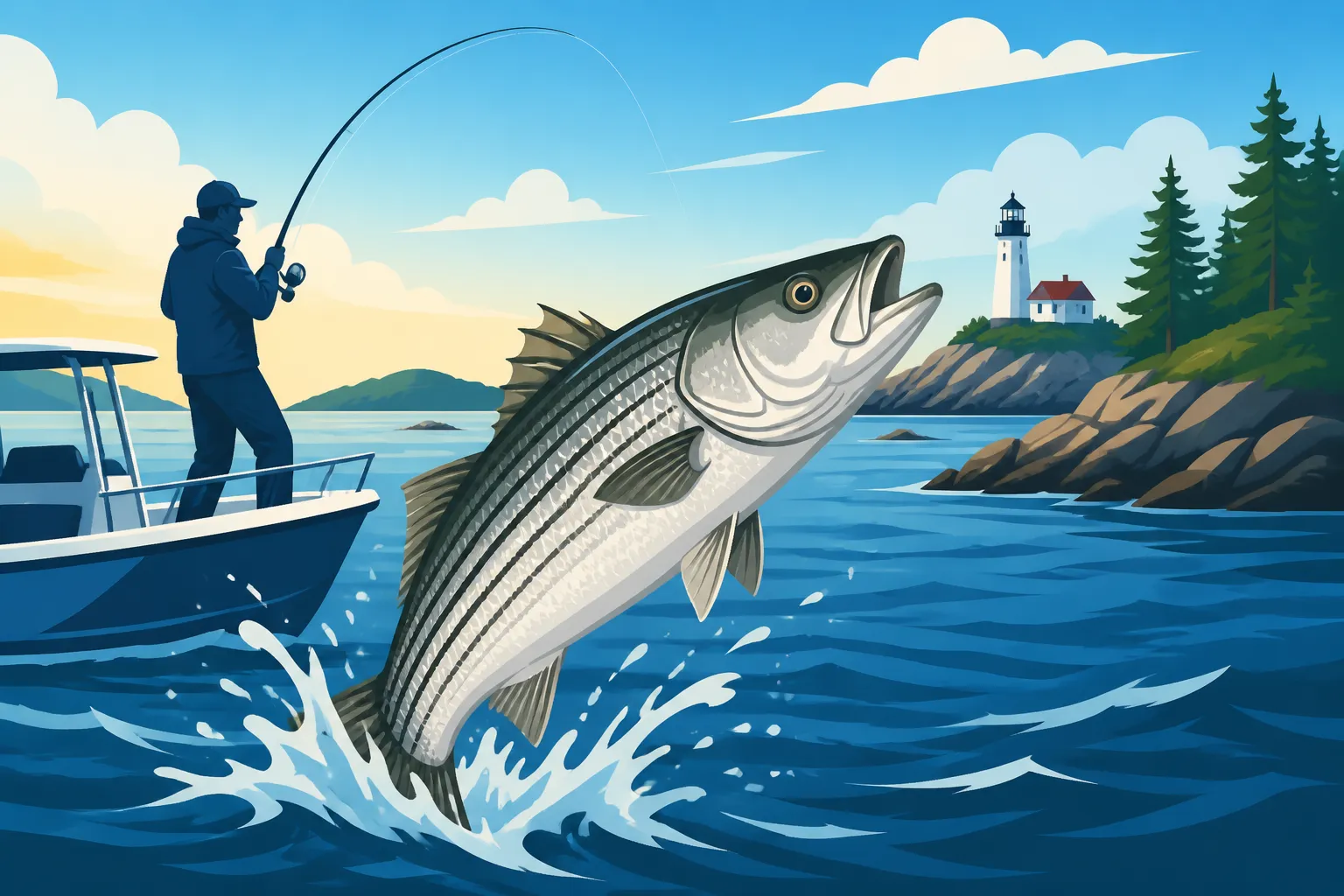
Chasing striped bass in Maine is an exhilarating experience, but finding those truly productive spots within a vast area like Casco Bay can feel like a daunting treasure hunt. You might spend hours casting without a nibble, wondering if you're even in the right zip code. This guide is here to cut through that frustration, leading you straight to the best places to hook into some impressive stripers across Casco Bay, giving you the insider knowledge you need for a successful trip.
Understanding Casco Bay's Allure for Stripers
Casco Bay, with its intricate coastline, myriad islands, and dynamic tidal flows, is nothing short of a striper paradise. Anglers come from all over to experience the thrill of battling a hard-fighting striped bass against the stunning backdrop of Maine's rugged coast. But what exactly makes this bay such a magnet for these powerful fish? It’s not just one thing, but a perfect storm of environmental factors that create an ideal habitat.
Why Striped Bass Love Casco Bay
Striped bass are opportunistic predators, and Casco Bay offers an abundant buffet. The cooler waters here are teeming with their preferred forage, primarily mackerel and herring, which migrate into the bay in spring and stay through the warmer months. These baitfish congregate around structure—rocky ledges, underwater shoals, and island shorelines—providing perfect ambush points for stripers.
Beyond the food source, the geography of Casco Bay plays a massive role. The countless islands, coves, and river mouths create complex current patterns and eddies where baitfish gather and stripers lie in wait. These features provide shelter from strong ocean currents, deeper holes for resting, and shallow flats for feeding, making it a highly diverse and productive ecosystem. The blend of freshwater input from rivers and the expansive saltwater environment also contributes to a nutrient-rich environment, supporting a robust food chain that striped bass thrive on.
Key Features of Casco Bay
Casco Bay stretches roughly from Cape Elizabeth in the south to Phippsburg in the north, encompassing a vast and varied aquatic landscape. It's characterized by its rocky shoreline, numerous islands (over 70, in fact!), and several significant river systems emptying into it, like the Presumpscot, Royal, and Kennebec Rivers. These rivers carry nutrients and sediment, creating fertile estuarine environments that are prime feeding grounds.
The tidal range in Casco Bay is considerable, often exceeding 9 feet in some areas. This constant movement of water is crucial for striped bass fishing, as it dictates bait movement and feeding patterns. Strong currents around points, ledges, and through narrow channels act as conveyor belts for food, attracting hungry stripers. The bay also features varying depths, from shallow mud flats that warm quickly in the sun, attracting bait, to deep channels that provide cool refuge for larger fish during hot summer days. Understanding these depths and tidal influences is key to successful striper fishing.
Top Shore Fishing Locations in Casco Bay
For many anglers, the accessibility and challenge of shore fishing for striped bass are unmatched. You don't need a boat, just your rod, reel, and a keen eye for reading the water. Casco Bay offers some fantastic opportunities for those who prefer to keep their feet on solid ground, whether you're casting plugs from a rocky outcrop or soaking bait from a sandy beach.
Fort Williams Park (Cape Elizabeth)
Located in Cape Elizabeth, just a short drive from Portland, Fort Williams Park is a gem for shore anglers. This iconic park, home to the picturesque Portland Head Light, boasts a rugged coastline with a mix of rocky ledges, small coves, and crashing surf. These features create perfect conditions for stripers to hunt. The deep water close to shore, combined with the currents wrapping around the points and ledges, makes it an excellent spot for casting artificials like poppers, pencil poppers, and soft plastic paddletails.
Anglers often target the areas around the lighthouse itself, or venture further south along the shore where the rocks offer excellent vantage points. Early mornings or late evenings, especially around high tide or the outgoing tide, tend to be the most productive. Be mindful of slippery rocks and wear appropriate footwear. The scenery alone makes a trip here worthwhile, even if the fish aren't biting aggressively. You might even want to check out the specific rules for Maine Striped Bass Season and Limits before you head out, as regulations can vary.
Eastern Promenade (Portland)
Right in the heart of Portland, the Eastern Promenade offers urban anglers a surprisingly productive stretch of water. The Eastern Prom trail runs along the bay, providing easy access to several piers, jetties, and rocky sections that extend into the harbor. While it might not feel as "wild" as Fort Williams, the abundance of baitfish in the harbor, attracted by the warmer, shallower waters and urban runoff, draws stripers in consistently.
Here, anglers often find success casting from the public piers or exploring the rocky shoreline at low tide to identify structure. Soft plastics rigged on jig heads, small swimming plugs, and even chunk bait can be effective. This spot is particularly good during the spring and fall runs when stripers are actively moving in and out of the harbor. It’s also a convenient location if you’re staying in Portland and want to grab a quick fishing session without a long drive. Remember that you also need to register for Maine Saltwater Fishing Registry Guide if you're planning to fish saltwater.
Old Orchard Beach Area
While perhaps more famous for its amusement pier and sandy shores, the Old Orchard Beach area, particularly the mouths of the small rivers and creeks that empty into the bay, can be prime striped bass territory. These brackish water transition zones are nurseries for baitfish and shrimp, making them irresistible to hungry stripers.
Focus your efforts around the mouth of the Goosefare Brook, particularly during incoming and outgoing tides. The deeper channels created by the current, and the sandy flats adjacent to them, provide excellent ambush points. Using sandworms, bloodworms, or small artificials that mimic baitfish can be very productive here. The surf fishing along the main beach can also yield results, especially during twilight hours or at night, casting into the deeper troughs just beyond the breakers. Pay attention to how the tide influences fish behavior; understanding How to Read Tides for Striped Bass Fishing is crucial here.
Prime Boat Fishing Hotspots in Casco Bay
For those with access to a boat, Casco Bay truly opens up, offering an unparalleled array of fishing opportunities. Navigating between islands, exploring hidden coves, and targeting offshore ledges allows for a more versatile approach to chasing striped bass. If you're without your own vessel, consider looking into Maine Fishing Charters Guide or Hiring a Maine Fishing Guide for an expert-led experience. Platforms like FishingBooker are excellent resources for finding reputable guides and charters in the Casco Bay area, making it easy to book a trip tailored to striper fishing.
Islands and Ledges
The numerous islands and submerged ledges throughout Casco Bay are undeniably prime real estate for striped bass. Islands like Chebeague Island, Long Island, and Bustins Island, along with the smaller, unnamed rock outcroppings, create dynamic current seams, eddies, and tidal rips. Stripers will position themselves along these structures, waiting for baitfish to be swept past.
To fish these spots effectively, you'll want to target the points, coves, and channels where the current is concentrated. Trolling with swimming plugs or tube-and-worm rigs around these islands, especially during tidal changes, can be incredibly productive. Alternatively, anchoring up-current from a prominent ledge or point and casting soft plastics, bucktail jigs, or live bait (like mackerel or pogies) into the current is another successful strategy. The key is to find where the bait is holding and the stripers are staging. If you're targeting those bigger fish, remember the Striped Bass Slot Limit in Maine will dictate what you can keep.
River Mouths and Estuaries
The confluence of freshwater rivers with the saltwater of Casco Bay creates incredibly rich ecosystems that are irresistible to striped bass. The mouths of the Kennebec River (though technically just north of Casco Bay, its influence is significant), the Presumpscot River, and the Royal River are all major striper thoroughfares. These estuaries provide warmer water, abundant forage, and vital spawning habitat for many baitfish species.
Fishing these areas often involves targeting the ebb and flow of the tide. On an incoming tide, stripers will push into the rivers, chasing bait upstream. On an outgoing tide, they'll hold at the river mouths, ambushing baitfish being flushed out. Live bait, especially pogies (menhaden), can be deadly here, either fished on a float or free-lined. Artificial lures like large soft plastics or topwater plugs can also provoke aggressive strikes, especially during low light conditions. If you're wondering How Many Striped Bass Can You Keep in Maine?, it's important to consult the most current regulations for these specific river systems, as they can sometimes have unique rules.
Inner Harbor Channels and Bridges
Even within the busier inner harbor areas of Portland and South Portland, striped bass can be found patrolling the deeper channels and lurking around bridge structures. These spots offer deeper water for refuge, strong currents that bring food, and plenty of cover from predatory birds and boats. The shipping channels, in particular, often hold substantial schools of baitfish, which in turn attract larger stripers.
When fishing these areas by boat, focus on the edges of the main channels, any submerged structures, and especially around bridge pilings. Trolling or jigging with heavier lures can be effective, especially when using your fish finder to locate schools of bait or deeper holding fish. During the night, the lights from bridges and piers can attract baitfish, making these spots excellent for night fishing, which is a common and often highly productive technique for stripers. Remember that fishing near active shipping lanes requires extra vigilance and adherence to maritime safety rules. For specific techniques, check out Maine Striped Bass Fishing Techniques.
Essential Techniques and Tackle for Casco Bay Stripers
No matter where you choose to fish in Casco Bay, having the right techniques and tackle in your arsenal will significantly increase your chances of success. Striped bass are powerful fish, and they require gear that can stand up to their strong runs and head shakes. Being prepared with the right setup for the conditions you'll encounter is paramount.
Baits and Lures That Work
Casco Bay stripers aren't overly picky, but certain baits and lures are consistently more effective. Live bait is often king, especially when targeting larger fish. Mackerel are a top choice, either slow-trolled, drift-fished, or kept lively under a float. Pogies (menhaden) are another excellent live bait, particularly in the river mouths and estuaries. If live bait isn't available, fresh cut bait, like mackerel chunks or clam bellies, can also be very effective, especially when soaked on the bottom around structure.
When it comes to artificial lures, the options are vast. Soft plastic paddletails or swim shads rigged on jig heads (e.g., Al Gag's Whip-It Fish or Hogy Pro Tail Paddles) are incredibly versatile and can mimic various baitfish. Topwater lures like pencil poppers and walk-the-dog baits are thrilling to fish, especially during low light, as they provoke explosive surface strikes. Swimming plugs (like Daiwa SP Minnows or Tsunami Talkin' Poppers) are great for covering water, while bucktail jigs can be deadly when bounced along the bottom near ledges or drop-offs. Don't forget the classic tube-and-worm rig, which is a staple for trolling on the lakes and estuaries for Best Lures for Striped Bass in Maine.
Optimal Fishing Conditions and Strategies
Understanding the optimal conditions and employing smart strategies will make all the difference. Tides are arguably the most critical factor for striper fishing in Casco Bay. Generally, the two hours before and after high or low tide, when the water is moving most actively, tend to be the most productive. However, strong currents can sometimes make fishing difficult, so experimentation is key. Learning Best Tide for Striped Bass Fishing in Maine will give you a significant advantage.
Time of day also plays a huge role. Striped bass are often most active during low light conditions – dawn, dusk, and at night. These periods offer them cover to hunt and cooler water temperatures. If you're heading out early, check out tips for Best Time to Fish for Striped Bass at Dawn. Weather conditions, such as overcast skies or light chop on the water, can also encourage stripers to feed more aggressively. Keep an eye on the marine forecast; safety first, always.
When fishing, think about how stripers behave. They are ambush predators. Look for current seams, eddies behind structure, and areas where baitfish are congregating. Use your electronics if boating to locate bait schools and depth changes. If you're on shore, observe bird activity – diving terns or gulls often signal baitfish on the surface, which means stripers are likely below. Patience, observation, and adaptability are your best tools for success in Casco Bay. If you are looking for a guided trip, many local guides specialize in specific conditions; FishingBooker is a great way to find a guide who can capitalize on current weather patterns and tides.
| Location | Access Type | Primary Techniques | Best Tide | Notes |
|---|---|---|---|---|
| Fort Williams Park | Shore | Casting artificials, soaking bait | High/Outgoing | Rocky ledges, deep water, scenic. |
| Eastern Promenade | Shore | Artificials, cut bait, jigging | Incoming/Outgoing | Urban access, piers, jetties. |
| Old Orchard Beach Area | Shore | Live/cut bait, small artificials | Incoming/Outgoing | River mouths, sandy surf. |
| Chebeague/Long Island | Boat | Trolling, live bait, casting jigs/plastics | All Tides | Island points, ledges, current seams. |
| Presumpscot River Mouth | Boat/Shore | Live bait (pogies), large soft plastics | Outgoing | Estuarine environment, strong currents. |
| Portland Harbor Channels | Boat | Trolling, jigging, live bait | All Tides | Deep water, bridge pilings, structure. |
Disclaimer
Fishing regulations, conditions, and fish populations can change. Always consult the latest Maine Department of Inland Fisheries and Wildlife (MDIFW) regulations and local advisories before heading out on any fishing trip. Be aware of safety, especially when fishing near changing tides, rocky shorelines, or in busy waterways.