Fishing Spots in the Rangeley Lakes Region Beyond the Main Lake
It's easy to get caught up in the grandeur of Rangeley Lake itself when you picture fishing in this iconic region of Maine. And don't get me wrong, Rangeley Lake is magnificent. But for those of us who love to explore, who crave that sense of discovery and the thrill of a less-pressured bite, there’s a whole world of incredible fishing spots just waiting beyond its main expanse. This guide is your deep dive into those other hidden gems, the lakes, ponds, and rivers that truly complete the Rangeley Lakes Region fishing experience.
Exploring the Vast Waters of Mooselookmeguntic Lake
Mooselookmeguntic Lake, often just called "Mooselook," is the second largest lake in the Rangeley system, and it offers an entirely different feel and set of challenges than its famous neighbor. Its sheer size – over 16,000 acres – can be intimidating, but that also means less crowded waters and diverse habitats for some truly fantastic fish. Many anglers, especially those new to the area, might stick to the more accessible areas of Rangeley Lake, but Mooselookmeguntic holds its own unique charm and trophy potential.
Target Species and Seasonal Hotspots
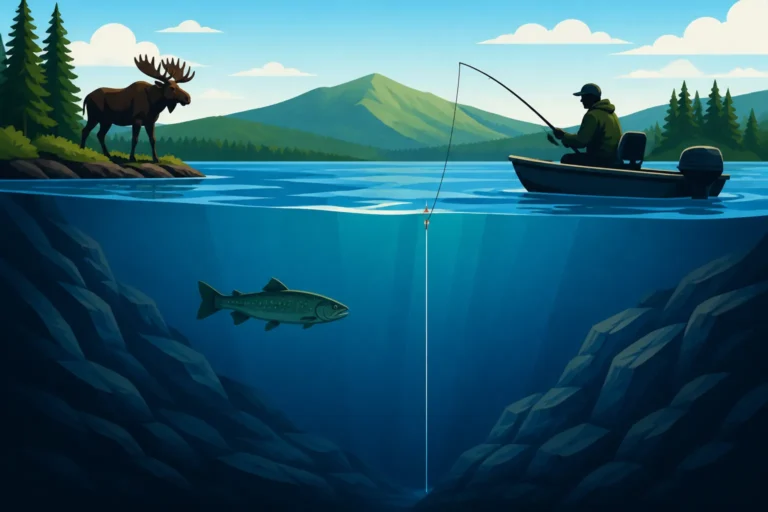
When you venture onto Mooselookmeguntic, you're primarily after two main species: landlocked salmon and brook trout, though a healthy population of togue (lake trout) also thrives in its depths. Early season, right after ice-out, is prime time for salmon and brookies, as they cruise the shallower waters near shore, gorging on smelt. Look for feeder streams and rocky points where baitfish congregate. Popular areas include the mouth of the Kennebago River or the stretch leading into Cupsuptic Lake. As the water warms in summer, these fish retreat to deeper, cooler zones. This is when your fish finder becomes your best friend, helping you locate the thermocline where baitfish and predators alike suspend. For those targeting togue, deeper trolling patterns become essential, especially near the lake's many submerged structures and drop-offs. Ice fishing on Mooselookmeguntic is also very popular, offering a chance to target all three species. When the hardwater season arrives, understanding Maine Ice Fishing Techniques Guide can make all the difference for success on such a large body of water.
Access, Techniques, and Local Tips for Mooselookmeguntic
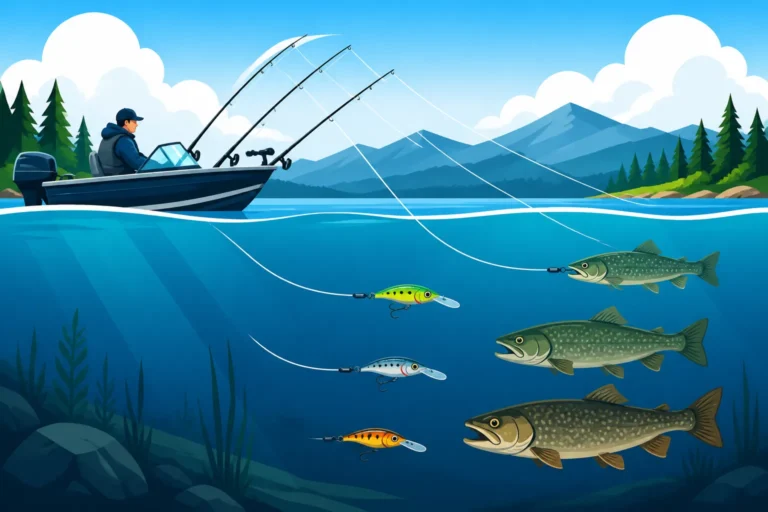
Access to Mooselookmeguntic is available via several public boat launches, including one conveniently located right off Route 4 in Oquossoc, providing easy entry to this expansive water body. For optimal results, trolling is often the most effective method on such a large lake. Flat-lining with a long lead, or using planer boards, can cover vast areas for salmon and brook trout, especially with smelt-imitating lures or baitfish. For deeper presentations, downriggers are indispensable for reaching those summer togue. Many local guides, often found through services like FishingBooker, specialize in Mooselookmeguntic and can dramatically shorten your learning curve, offering invaluable insights into current patterns and fish locations. They know the subtle nuances that only years on the water can teach.
When it comes to tackle, a medium-light to medium action rod is versatile enough for both salmon and brook trout, paired with a reliable spinning or baitcasting reel spooled with 8-10 pound test line. If you're specifically targeting togue, stepping up to a medium-heavy rod and 12-15 pound test will give you the backbone needed to handle these deepwater fighters. Don't forget to check the specific Maine Fishing Regulations Explained for Mooselookmeguntic, as special rules might apply to certain species or areas of the lake.
The Serene Beauty of the Richardson Lakes
Just downstream from Mooselookmeguntic, connected by the scenic Rapid River, lie the Upper and Lower Richardson Lakes. These waters, while still substantial, offer a slightly more intimate experience compared to their larger upstream neighbor. They are known for their picturesque shoreline, studded with islands and coves, and hold a fantastic fishery that often gets overshadowed. It’s a perfect escape for those seeking quiet contemplation alongside excellent angling.
Upper and Lower Richardson: Species and Strategies
The Richardson Lakes are primarily renowned for their brook trout and landlocked salmon. While you might encounter some smaller lake trout, the focus here is often on the former two. The connection to the Rapid River means a constant influx of cold, oxygenated water, which keeps the fish healthy and active. In spring, the coves and shallower bays of both lakes come alive with feeding salmon and trout. Drifting live bait, like shiners, or casting small spoons and stickbaits can be incredibly effective. As summer progresses, the fish will move to deeper pockets, particularly in Upper Richardson, which boasts some impressive depths. Trolling small streamer flies or spoons behind lead core line or small downriggers is a productive strategy for locating suspended fish.
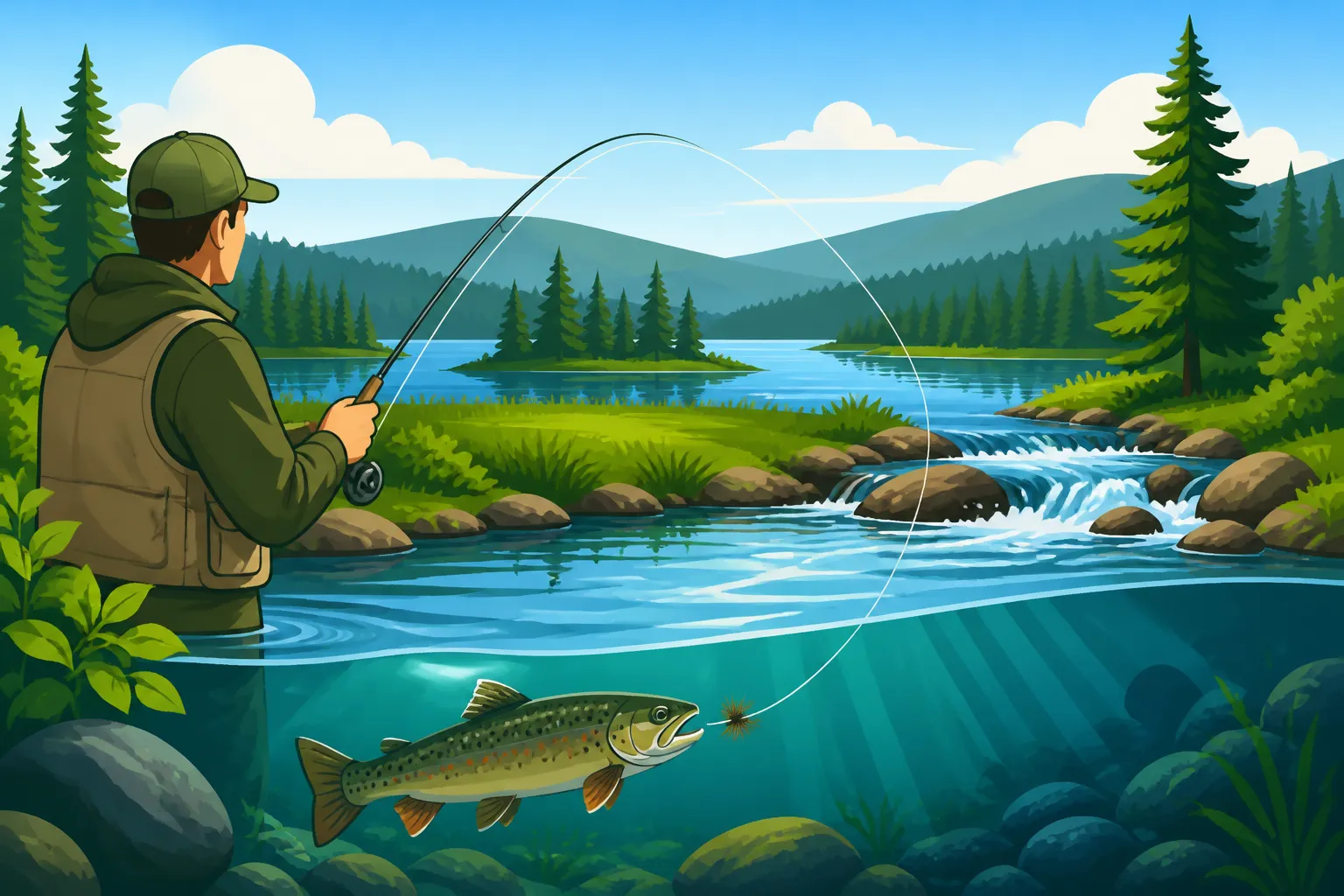
The Rapid River itself, which flows between the two lakes and then out of Lower Richardson, is a world-class fly-fishing destination known for its large, wild brook trout. If you're a fly angler, dedicating a day to this storied river, even if just to explore a few access points, is an absolute must. Understanding the nuances of Fly Fishing Techniques for Maine Rivers will certainly give you an edge in this highly regarded fishery.
Accessing and Fishing the Richardson Lakes
Access to Upper and Lower Richardson Lakes is primarily via public boat launches at the southern end of Lower Richardson Lake, near the town of Andover, or by portaging in from the Rapid River. While larger boats are certainly common, the Richardsons are also very popular for smaller craft like canoes, kayaks, and small aluminum boats, especially if you plan to explore the narrower sections or paddle into the Rapid River.
For trolling, aim for areas around points, islands, and where depth changes occur. The many islands in Lower Richardson provide excellent structure for fish to hold around. Fly fishing the river sections requires a more stealthy approach, typically using traditional Maine streamers like Grey Ghosts, Black Ghosts, or various nymph patterns. Remember that some sections of the Rapid River are fly-fishing-only, and careful attention to the Maine Fishing Regulations Explained is paramount to ensure you're fishing legally and responsibly. Booking a guide through platforms like FishingBooker who specializes in the Rapid River can unlock access to private stretches and offer insights into the ever-changing conditions.
The True Hidden Gems: Smaller Ponds and Remote Backcountry Fishing
While the large lakes offer endless opportunities, the Rangeley region truly shines for those willing to explore its numerous smaller ponds and backcountry waters. These are the places where you can find truly wild brook trout, often in settings so pristine you feel like you're the first person to cast a line there. Many anglers overlook these spots, favoring the bigger names, which is exactly why they remain so special. This is where the real adventure begins.
Discovering Wild Brook Trout Sanctuaries
The Rangeley Lakes Region is dotted with countless smaller ponds, many of them remote and accessible only by foot, canoe, or floatplane. These are the strongholds of native brook trout, fish that have never seen a hatchery truck. Pond names like Sabbath Day Pond, West Richardson Pond, and several "Little Ponds" scattered across the landscape offer incredible opportunities for solitude and some of the most beautiful trout you'll ever lay eyes on. These fish might not be as large as their lake-dwelling cousins, but their vibrant colors and wild spirit make every catch a trophy.
Fly fishing or light spin fishing with small lures and worms are the go-to techniques here. stealth is key; these fish are wary. Look for fallen logs, weed beds, and springs feeding into the pond. Early mornings and late evenings are often the most productive times. A detailed map and a compass or GPS are essential for navigating the backcountry to find these secluded spots. This is also where understanding topics like Maine Fish Bag Limits Guide becomes critical, as many of these smaller, fragile waters have very specific regulations to protect their wild populations.
Planning Your Backcountry Fishing Adventure
A trip to these smaller ponds requires more planning and preparation. Think light tackle, durable hiking boots, insect repellent, and plenty of water. Pack out everything you pack in, and leave no trace. While a guide might seem unnecessary for a small pond, many Maine Registered Guide License Requirements include knowledge of these remote areas, and a local expert can guide you to productive spots, navigate tricky terrain, and ensure your safety. They also often have invaluable insights into the specific access rules for private lands or remote camps. Some of these remote waters are managed as "special regulation waters," meaning specific lure restrictions or catch-and-release-only rules might apply. Always consult the latest Maine fishing law book or the Maine Department of Inland Fisheries and Wildlife (MDIFW) website before heading out.
Rangeley's Rivers and Streams: Fly Fishing Nirvana
Beyond the lakes and ponds, the Rangeley Lakes Region boasts an impressive network of rivers and streams that feed these larger bodies of water. These flowing waters are a paradise for fly anglers, offering a dynamic and challenging environment for catching brook trout, landlocked salmon, and even some brown trout in certain sections. While the Rapid River is world-renowned, there are many other waterways that deserve your attention.
The Kennebago and Magalloway Rivers: Premier Flowing Waters
The Kennebago River, famous for its trophy brook trout and landlocked salmon, is a jewel of the Rangeley region. Much of the river runs through private land, but there are accessible sections and specific fishing camps that offer access. Its pristine, cold waters are ideal for wild fish, and it's a popular destination for those seeking a true fly-fishing challenge. Dry flies, nymphs, and streamers all have their place depending on the season and hatch. The Kennebago River Fishing Access points are often well-known to local guides, which can simplify your trip planning.
Further west, the Magalloway River, particularly the section below the Aziscohos Dam, is another fantastic fishery known for its feisty brook trout and landlocked salmon. This river offers varied water, from swift rapids to slower pools, providing diverse fishing opportunities. Access points for the Magalloway River Fishing Spots are generally more public, making it a great option for those who want to explore on their own. Again, careful adherence to regulations, especially for special sections, is critical here.
Techniques and Etiquette for River Fishing
River fishing, especially with a fly rod, demands a different approach than lake fishing. Understanding how to "read" the water – identifying seams, riffles, pools, and current breaks – is fundamental. For brook trout, prospecting with dry flies like Adams or Caddis patterns during hatches, or nymphing through deeper pockets, can be incredibly effective. For salmon, larger streamer patterns fished aggressively often provoke a strike. Always be mindful of other anglers on the river. Maine's fishing culture values courtesy and respect for fellow fishermen. If someone is already fishing a pool, give them ample space and time, or ask politely if you can fish a different section. Remember, solitude is often part of the allure of river fishing, and maintaining that experience for everyone is important.
If you're new to fly fishing or tackling a challenging river, consider booking a trip with a guide. Guides found through platforms like FishingBooker often possess unparalleled knowledge of local entomology, fly patterns, and fish behavior specific to these rivers, turning a potentially frustrating day into a memorable success.
Rangeley Lakes Region Fishing Overview
To help you visualize the diverse fishing opportunities, here's a quick overview of some of the key non-Rangeley Lake spots:
| Fishing Spot | Primary Species | Key Techniques | Best Time of Year | Notes |
|---|---|---|---|---|
| Mooselookmeguntic Lake | Landlocked Salmon, Brook Trout, Togue | Trolling (smelt, spoons), Jigging | Spring, Summer, Winter | Second largest in system, diverse depths, good for bigger boats |
| Upper Richardson Lake | Landlocked Salmon, Brook Trout | Trolling (flies, spoons), Fly Fishing | Spring, Summer | Connects to Rapid River, great wild brook trout potential |
| Lower Richardson Lake | Landlocked Salmon, Brook Trout | Trolling, Casting (lures, bait) | Spring, Summer, Winter | Picturesque, many islands, good ice fishing |
| Kennebago River | Brook Trout, Landlocked Salmon | Fly Fishing (dry, nymph, streamer) | Spring, Summer, Fall | Trophy trout potential, some private access, famous fishery |
| Magalloway River | Brook Trout, Landlocked Salmon | Fly Fishing, Spin Fishing | Spring, Summer, Fall | Varied water, good public access below Aziscohos Dam |
| Smaller Backcountry Ponds | Wild Brook Trout | Fly Fishing, Light Spin Fishing | Spring, Summer, Fall | Remote, pristine, requires hiking/canoeing, very specific regulations |
Plan Your Rangeley Adventure Beyond the Main Lake
The Rangeley Lakes Region is an angler’s dream, and by looking beyond the main lake, you unlock a wealth of diverse and rewarding fishing experiences. Whether you're chasing trophy salmon on Mooselookmeguntic, casting dry flies to wild brook trout in a remote pond, or drifting nymphs on the Kennebago River, the opportunities are truly endless. Remember to always respect the local regulations and the pristine nature of these precious resources. If you're looking for an added advantage, especially when exploring less familiar waters, remember that resources like FishingBooker can connect you with experienced local guides who can truly enhance your trip, guiding you to the best spots and sharing their deep knowledge of these incredible waters. So, pack your gear, study your maps, and get ready to discover the Rangeley Lakes Region in a whole new light!
Disclaimer
Please remember that fishing regulations, conditions, and access points can change. Always consult the latest official Maine Department of Inland Fisheries and Wildlife (MDIFW) regulations book or website before planning your trip to ensure you have the most up-to-date information for a safe and legal fishing experience.