How Deep Is Moosehead Lake?
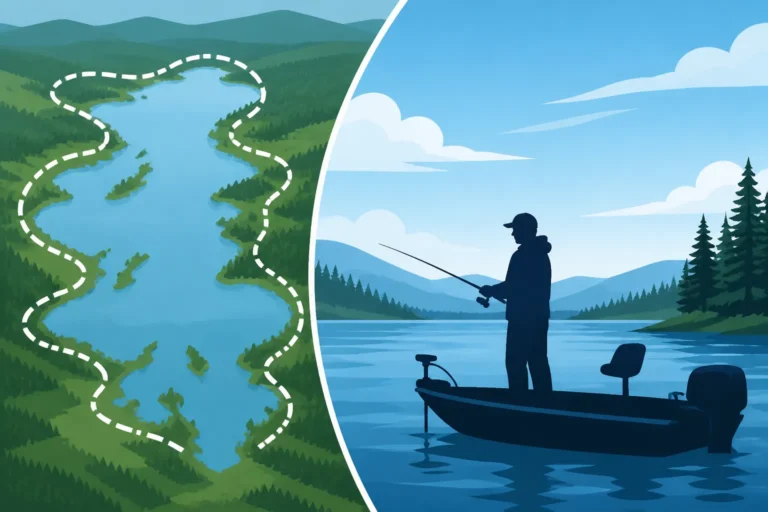
When you're dreaming of a fishing trip to Maine, Moosehead Lake often comes up as a top destination. But for anyone who's never been, or even those who visit regularly, trying to grasp the sheer scale and character of this vast body of water can be intimidating. One of the most common questions, and a crucial one for anglers, is just how deep Moosehead Lake really is. Understanding its depths isn't just a fun fact; it fundamentally changes how you approach fishing here, dictating where certain species live, when they're active, and what techniques you'll need to employ. This guide will take a deep dive into Moosehead's watery secrets, helping you unlock its fishing potential.
The Depths of Moosehead Lake Revealed
Moosehead Lake isn't just Maine's largest lake; it's also one of its deepest, a true inland sea that holds secrets in its cold, dark waters. Its immense size and glacial origins have sculpted a fascinating underwater landscape that's a paradise for cold-water fish and a challenge for the uninitiated angler.
Understanding Moosehead Lake's Maximum Depth
Let's cut right to it: Moosehead Lake plunges to an impressive maximum depth of approximately 75 meters, or 246 feet. This deepest point is typically found in the central part of the lake, particularly in the basin off the magnificent Mt. Kineo, an iconic landmark rising dramatically from the lake's surface. To put that into perspective, that's roughly the height of a 20-story building submerged underwater! This profound depth is a direct result of the powerful glaciers that scoured the Maine landscape thousands of years ago, leaving behind deep basins and dramatic underwater topography.
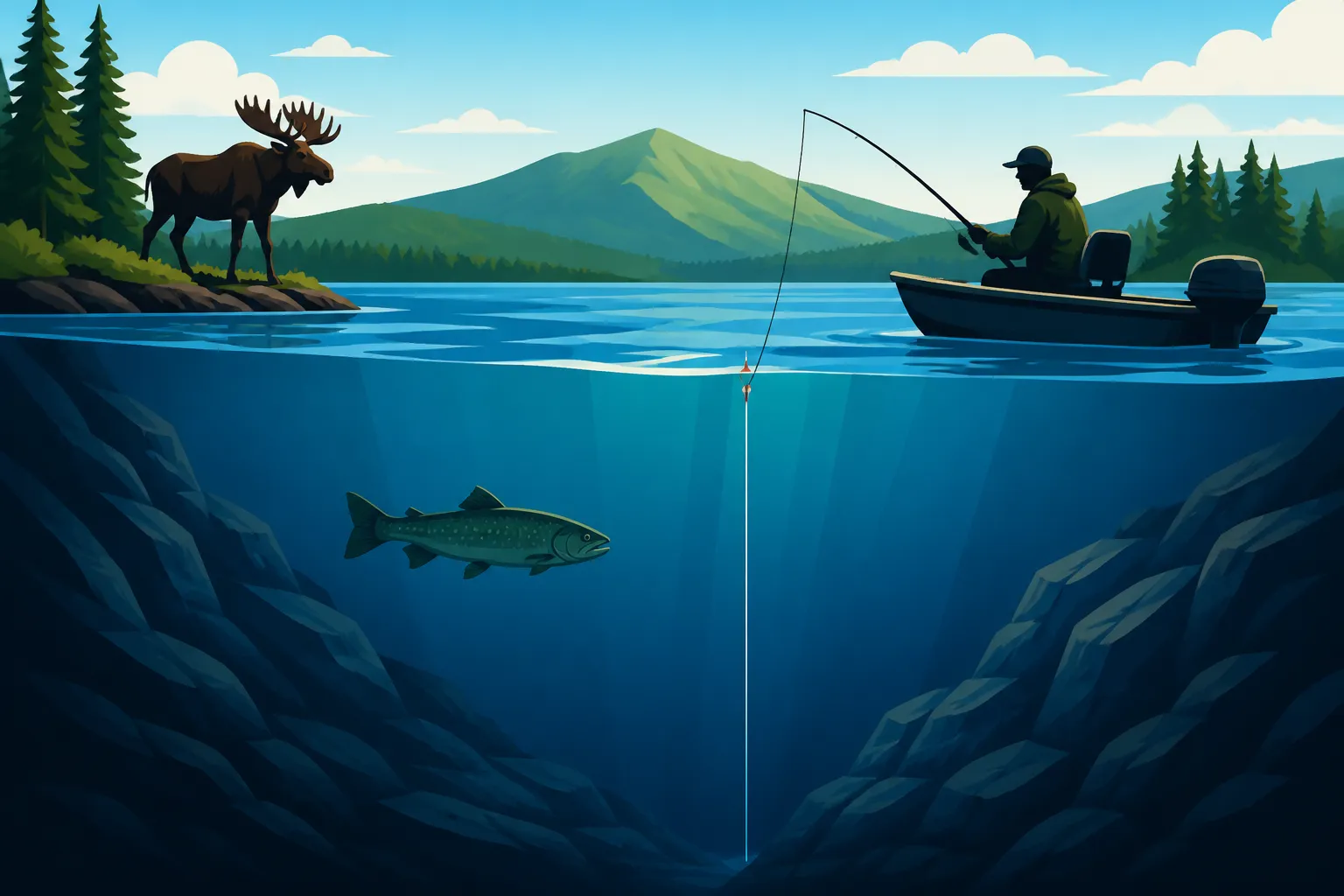
This deep trench is incredibly important for specific fish species. Imagine the summer sun beating down on the lake's surface; while the top few feet might warm up considerably, those extreme depths remain consistently cold, often in the 40s Fahrenheit. This makes these deep areas crucial refuges for cold-water species like togue (lake trout) and landlocked salmon, especially during the warmer months when they retreat from the shallower, warmer waters. Anglers targeting these species often focus their efforts on these deep basins, knowing that’s where the thermal refuge is.
Average Depth and Its Implications for Anglers
While the maximum depth is certainly impressive, it's also important to consider the lake's average depth, which offers a more representative picture of its overall character. Moosehead Lake has an average depth of around 17.7 meters, or 58 feet. This average depth still places it among the deeper lakes in Maine, and it signifies a vast expanse of water that is significantly deeper than many other popular fishing spots.
This combination of deep average depth with pockets of extreme depth means Moosehead Lake offers an incredibly diverse range of habitats. You'll find expansive, relatively shallow flats in some bays, sudden drop-offs into much deeper water, and long, sloping contours. For an angler, this diversity is both a blessing and a challenge. Fish aren't evenly distributed; they follow depth contours, underwater structures, and temperature gradients. Knowing the average depth helps you understand that a significant portion of the lake will require specialized deep-water techniques, but there are also plenty of shallower zones to explore. It also means that different sections of the lake will "fish" completely differently, requiring varied approaches from one cove to the next.
What the Depth Means for Moosehead Lake Fishing
The profound depths of Moosehead Lake aren't just statistics; they are the very essence of its fishing character. Understanding how depth influences fish behavior and distribution is key to unlocking successful angling experiences here.
Impact on Fish Species and Habitat
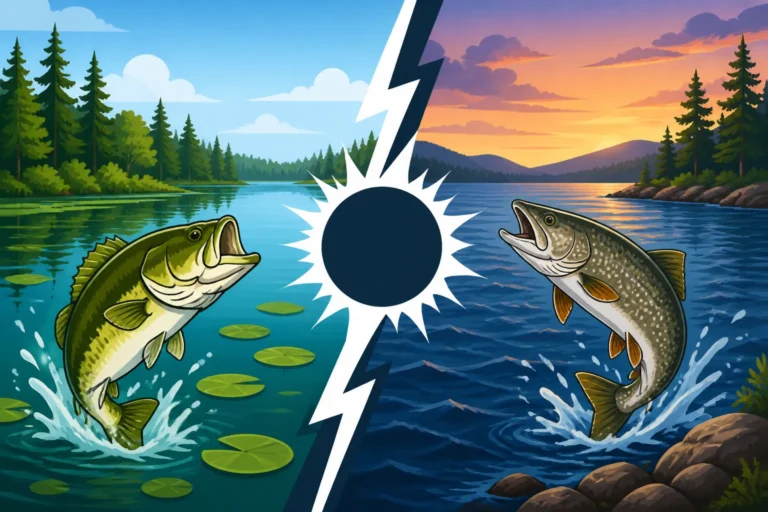
Moosehead Lake is renowned for its cold-water fishery, and its depth is the primary reason why. The deep, cold, and well-oxygenated waters create an ideal environment for species that thrive in these conditions.
- Togue (Lake Trout): These are perhaps the quintessential deep-water dwellers of Moosehead. Togue, or lake trout as they're known elsewhere, absolutely love the deep, dark, cold environments. During the peak of summer, you'll find them holding at specific depths, often near the bottom in the deepest basins, where the water temperature hovers in their preferred range. They seek out these cooler zones to stay comfortable and to ambush baitfish that also migrate to these depths. If you're looking to target the bigger togue, you'll almost certainly be fishing in significant depths, often 50 feet or more. For more specific insights, check out our guide on Moosehead Lake Togue Fishing Spots in Maine.
- Landlocked Salmon: While often found shallower than togue during certain seasons, landlocked salmon also rely heavily on Moosehead's deep, cold water. They are pelagic, meaning they often suspend in the water column, frequently following schools of baitfish like smelt. During summer, these baitfish, and consequently the salmon, will move into the deeper parts of the lake, often suspending over deep water rather than directly on the bottom. The rich oxygen content at these depths is crucial for their survival and growth. Our article on Landlocked Salmon Fishing in Maine provides more details on this elusive species.
- Brook Trout: While primarily associated with streams and smaller ponds, Moosehead Lake does offer opportunities for brook trout, especially in its shallower bays, coves, and near the mouths of tributary streams. These areas, though still part of the large lake, offer shallower, often rockier or weedy habitats that brook trout prefer, particularly in spring and fall when surface waters are cooler. They don't typically venture into the extreme depths like togue or salmon, preferring the more littoral zones. If you're interested in pursuing these native beauties, exploring Moosehead Lake Brook Trout Fishing can give you a head start.
The deep nature of Moosehead creates distinct thermal layers, known as a thermocline, during the warmer months. This thermocline acts like an invisible floor, separating the warmer surface water from the colder, deeper water. Fish often congregate just above, within, or just below this layer, making a fish finder and an understanding of water temperature essential tools for locating them.
Seasonal Fishing Strategies by Depth
The lake's depth doesn't just dictate where fish live; it also dictates how you fish for them, and these strategies change dramatically with the seasons.
- Summer Fishing: Going Deep for Cold-Water Species: As summer progresses and surface temperatures rise, the deep-water species like salmon and togue descend to their cold-water refuges. This is when trolling techniques become paramount. Anglers will often employ downriggers, lead core line, or heavy sinkers to get their lures down to the precise depths where fish are holding. Knowing the target depth is critical; a few feet can make all the difference. For instance, understanding the Best Depth for Togue on Moosehead Lake in Summer or the Best Depth for Salmon on Rangeley Lake in Summer (which often applies to Moosehead as well) can significantly increase your chances. This deep-water trolling can be a patient game, but it often rewards anglers with some of Moosehead's largest fish.
- Spring and Fall Fishing: Fish Move Shallower: During the cooler shoulder seasons of spring and fall, the lake's water column becomes more uniformly cool. This allows salmon and togue to move into shallower waters, often chasing baitfish into bays or along rocky points and shoals. In spring, after the ice-out, fish are hungry and often found in the upper 20-30 feet of water. Casting spoons, stickbaits, or jigging in these shallower areas can be incredibly effective. As fall approaches, especially during the salmon spawning run, you might find them even shallower in tributary areas.
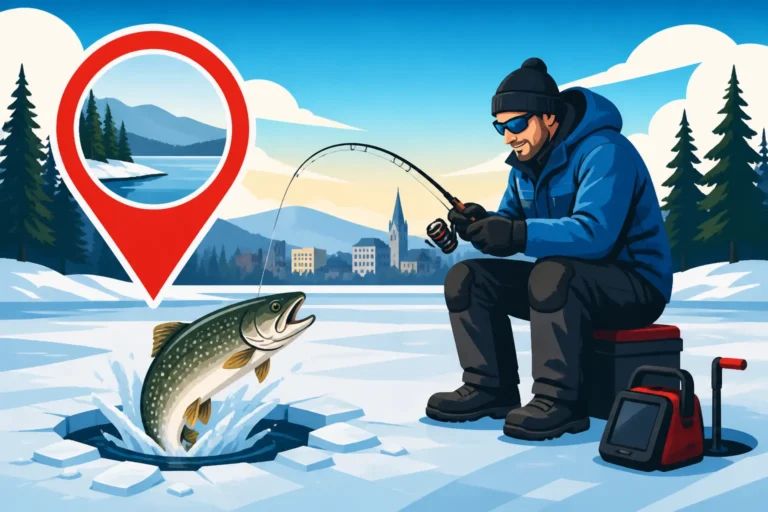
- Winter Ice Fishing: Vertical Approaches to Depth: Moosehead Lake freezes over for a significant portion of the winter, ushering in the ice fishing season. Even under the ice, depth remains crucial. Anglers set up tip-ups or jig through the ice, targeting specific depths. For togue, this often means jigging near the bottom in deep water, while salmon might be suspended higher up. Understanding the lake's bathymetry is just as important in winter as it is in summer. Our comprehensive Maine Ice Fishing Techniques Guide delves into this in much greater detail, covering everything from setting up tip-ups to choosing the right gear for specific depths.
Navigating Moosehead Lake's Varied Bottom Structure
The depths of Moosehead Lake aren't just a uniform bowl; they hide a fascinating and complex underwater terrain. This varied bottom structure, shaped by ancient geological forces, provides critical habitat and dictates where fish congregate.
Understanding Drop-Offs and Underwater Structures
Moosehead Lake's glacial history has carved out incredible underwater features, from sheer drop-offs to sprawling ledges and isolated humps. These structures act as highways and ambush points for fish.
- Dramatic Drop-Offs: Imagine a gentle slope suddenly plummeting into a chasm. These dramatic drop-offs are common throughout Moosehead, and they are goldmines for anglers. Cold-water species often cruise along these edges, transitioning between shallower feeding grounds and deeper thermal refuges. Baitfish also use these contours, and the predators are never far behind. Learning to read your depth finder to identify these sudden changes in depth is paramount. Look for areas where the depth quickly changes from, say, 20 feet to 100 feet.
- Submerged Humps and Reefs: Beyond the main drop-offs, Moosehead also boasts numerous submerged humps, reefs, and rocky ledges that rise from the lake bed. These "underwater mountains" attract baitfish, which in turn attract game fish. They provide structure, shelter, and feeding opportunities. A good topographic map, combined with a reliable fish finder, will allow you to pinpoint these hidden gems. For example, some of the most productive fishing spots are actually smaller, unnamed reefs that are only a few feet from the surface, surrounded by hundreds of feet of water. These create ideal ambush points for lurking togue and salmon.
When you're out on the water, spend time identifying these structures. A good GPS unit can mark these spots once you find them, allowing you to return to productive areas time and again. Remember, fish are creatures of habit, and they often relate to specific types of structure at certain depths, depending on the time of year and day.
Shallow Bays and Coves: Nurseries and Feeding Grounds
Despite its reputation as a deep lake, Moosehead also has numerous shallow bays and coves that play a crucial role in its ecosystem and offer excellent fishing opportunities, particularly at certain times.
- Warmer, Productive Waters: These shallower areas, such as Lily Bay or the upper reaches of the Northeast and Northwest Carry, warm up faster in the spring and retain warmth longer into the fall. This makes them fertile grounds for aquatic insects and smaller baitfish, providing a rich food source. While not the domain of the trophy deep-water togue, these bays are crucial nursery areas for many fish species.
- Brook Trout and Bass Opportunities: In the spring and fall, when water temperatures are more hospitable, you can find brook trout exploring these shallower fringes, especially where feeder streams enter the lake. Additionally, while not as dominant as its cold-water fishery, Moosehead does have smallmouth bass, particularly in the warmer, rockier sections of its shallower bays. These areas offer exciting opportunities for casting topwater lures or jigs, a stark contrast to the deep-water trolling often associated with the lake. Knowing the Maine Bass Fishing Limits by Zone is always a good idea, even when targeting other species. These sheltered coves also offer calmer waters, making them ideal for new anglers or those seeking a more relaxed experience compared to the open expanses of the deep lake.
Tools and Techniques for Fishing Moosehead's Depths
To effectively tackle the vast and deep waters of Moosehead Lake, you'll need the right gear and a solid understanding of specific techniques. It's not just about getting a line in the water; it's about precision and safety.
Essential Gear for Deep-Water Angling
Fishing Moosehead's depths requires more than just a basic rod and reel. Here's what you'll typically need to be successful:
- Fish Finder/Sonar: This is perhaps the most critical piece of equipment. A good fish finder will not only show you the depth but also reveal bottom contours, submerged structures, and most importantly, actual fish or bait balls. Modern units with side-imaging or down-imaging can paint a detailed picture of the underwater world, helping you identify prime fishing spots that would otherwise remain hidden. Learning to interpret the readings on your fish finder, understanding the thermocline, and identifying potential fish schools is a skill that pays off immensely on a deep lake like Moosehead. For more on this, check out our guide on Reading a Fish Finder on Maine Lakes.
- GPS (Global Positioning System): Integrated with your fish finder or as a standalone unit, GPS allows you to mark productive spots, navigate safely, and return to those honey holes. On a lake the size of Moosehead, it's easy to get disoriented, so a reliable GPS is indispensable.
- Downriggers: These mechanical devices allow you to precisely control the depth of your lure while trolling. A heavy lead ball keeps your line at a predetermined depth, and when a fish strikes, the line releases from a clip, allowing you to fight the fish directly without the weight of the cannonball. Downriggers are essential for presenting lures to salmon and togue holding at specific depths, especially in summer.
- Lead Core Line: An alternative to downriggers, lead core line is a fishing line with a lead core that sinks. Different colors on the line indicate specific lengths, allowing you to estimate your lure's depth based on how many "colors" you have out and your trolling speed. It's a simpler, often more affordable way to get lures deep, though less precise than a downrigger. Learning various Trolling Techniques for Maine Lakes will certainly include how to best utilize lead core.
- Heavy Jigs and Specialized Lures: For vertical jigging in deep water, you'll need jigs weighted appropriately to reach the bottom quickly and effectively. Spoons, swimbaits, and even large bucktail jigs are popular choices for both jigging and trolling. Often, larger lures are used to attract the attention of bigger, deeper-dwelling fish.
- Robust Rods and Reels: You'll need sturdy rods with enough backbone to handle heavy weights (for trolling) and fight large, powerful fish from the depths. Reels should have ample line capacity, especially when dealing with long lengths of lead core or deep-set lines.
Safety Considerations in Deep Water
Fishing on Moosehead Lake, given its size and depth, requires a strong emphasis on safety. This isn't a small pond where you can easily paddle back to shore.
- Weather Awareness: The weather on Moosehead Lake can change rapidly and dramatically. What starts as a calm morning can quickly turn into high winds and large, dangerous waves, especially on the main lake basins. Always check the forecast before heading out, and be prepared to cut your trip short if conditions deteriorate. Many experienced anglers utilize weather apps that provide real-time updates and forecasts specific to lake conditions.
- Proper Boat Maintenance and Equipment: Ensure your boat is in excellent working order, with a reliable engine, sufficient fuel, and all necessary safety equipment (PFDs for everyone on board, flares, whistle, anchor, paddle, first-aid kit). A VHF radio is also highly recommended for communication, as cell service can be spotty in remote areas.
- Navigation and Awareness: With numerous islands, submerged ledges, and vast open water, navigation is crucial. Always be aware of your surroundings, use your GPS, and be mindful of other boaters. If you're unfamiliar with the lake, consider bringing a detailed chart or map.
- Let Someone Know Your Plans: Before heading out, especially into remote areas or for extended periods, always inform someone of your itinerary, including where you plan to fish and when you expect to return.
- Consider a Guide: For those new to Moosehead's immense waters or deep-water fishing, hiring a local, experienced guide is invaluable. A Registered Maine Guide knows the lake's depths, its best fishing spots, and all the critical safety protocols. They can provide all the specialized gear and expertise you need for a safe and successful trip. Reputable platforms like FishingBooker can help you find and book experienced local guides who specialize in Moosehead Lake fishing, ensuring you have a safe and productive outing.
Beyond Depth: Other Factors Influencing Moosehead Fishing Success
While depth is undoubtedly a primary factor in Moosehead Lake fishing, it's part of a larger ecological puzzle. Several other interconnected elements play a significant role in where fish are found and how actively they feed.
Water Temperature and Oxygen Levels
The relationship between depth, water temperature, and oxygen levels is critical, especially for cold-water species.
- The Thermocline: In deep lakes like Moosehead, a distinct thermocline often forms during summer. This is a layer of water where the temperature changes rapidly with depth. Above it, the water is warmer; below it, it's significantly colder. Fish like salmon and togue often position themselves around this thermocline, seeking out their preferred temperature range (typically in the 40s and 50s Fahrenheit). A good fish finder will often show this layer as a distinct band. Anglers who can identify and target this zone dramatically increase their chances of success.
- Oxygen Availability: While deep water is cold, it must also be well-oxygenated to support fish life. Moosehead Lake, being large and having numerous inlets and outlets, generally maintains excellent oxygen levels throughout its depths, which is why it can support such a robust cold-water fishery. However, in some shallower, stagnant areas, oxygen levels can drop, especially during hot spells, pushing fish out. Understanding that fish need both cool temperatures and adequate oxygen helps refine your depth choices.
Forage Base and Food Availability
What the fish eat, and where that food is found, directly influences where the game fish will be.
- Smelt are Key: The primary forage fish in Moosehead Lake is the rainbow smelt. These small, silvery fish are a vital food source for both landlocked salmon and togue. Smelt themselves are sensitive to light and temperature, often moving into deeper water during the day and warmer months, and migrating shallower at night or during cooler periods.
- Following the Food: As a result, salmon and togue are often found in close proximity to schools of smelt. If you can locate baitfish on your sonar, you're often in a prime spot for game fish. This means your fishing depth isn't just about temperature; it's also about finding the food. During the spring, when smelt make their spawning runs into tributary streams, predators will congregate near these areas, making them hotspots. Our guide on Maine Smelt Run Timing can give you an idea of when to expect this exciting event.
- Other Forage: While smelt are dominant, other smaller baitfish and aquatic insects contribute to the diet of Moosehead's fish. The presence of insect hatches in shallower areas can draw in brook trout, while smaller perch or other panfish might also serve as prey for larger predators in certain zones. Choosing the Best Bait for Moosehead Lake Brook Trout might vary depending on the specific forage available in different areas.
By considering not just the raw depth, but also how temperature, oxygen, and food availability interact within those depths, you can develop a much more sophisticated and successful fishing strategy for Moosehead Lake. Remember, experienced guides listed on platforms like FishingBooker possess intimate knowledge of these dynamics and can significantly enhance your understanding and success on the water.
| Characteristic | Measurement / Description | Impact on Fishing |
|---|---|---|
| Maximum Depth | 75 meters (246 feet) | Creates thermal refuge for togue and salmon in summer; requires deep-water trolling/jigging; home to largest cold-water fish. |
| Average Depth | 17.7 meters (58 feet) | Indicates overall deep nature; suggests widespread need for deep-water techniques but also varied habitats; demands good navigation and depth understanding. |
| Thermocline | Distinct temperature layers in summer | Fish (especially salmon/togue) congregate around this layer for comfort; critical to identify with fish finder for targeting specific depths. |
| Bottom Structure | Drop-offs, humps, ledges, shallow bays | Provides diverse habitats, ambush points, and feeding zones; requires varied techniques (trolling, jigging, casting); GPS and sonar essential for locating. |
| Forage Base | Primarily Rainbow Smelt | Game fish follow baitfish; locating smelt schools with sonar helps pinpoint predators; informs bait/lure selection; seasonal migrations (smelt runs) create hotspots. |
| Oxygen Levels | Generally high throughout depths | Supports healthy cold-water fishery; ensures fish can thrive at various depths; less of a limiting factor than in some shallower, warmer lakes. |
| Seasonal Changes | Fish migrate between depths seasonally | Requires adapting techniques: deep trolling in summer, shallower casting/jigging in spring/fall, vertical jigging through ice in winter; understanding fish movement patterns is key. |
Disclaimer
The information provided in this guide is for general informational purposes only and is not intended as legal advice. Fishing regulations, license requirements, and safety guidelines can change. Always consult the most current regulations issued by the Maine Department of Inland Fisheries and Wildlife (MDIFW) or other relevant authorities before planning any fishing trip. Adherence to all local, state, and federal laws is the responsibility of the angler. Safety should always be your top priority on the water.