Moosehead Lake Brook Trout Fishing
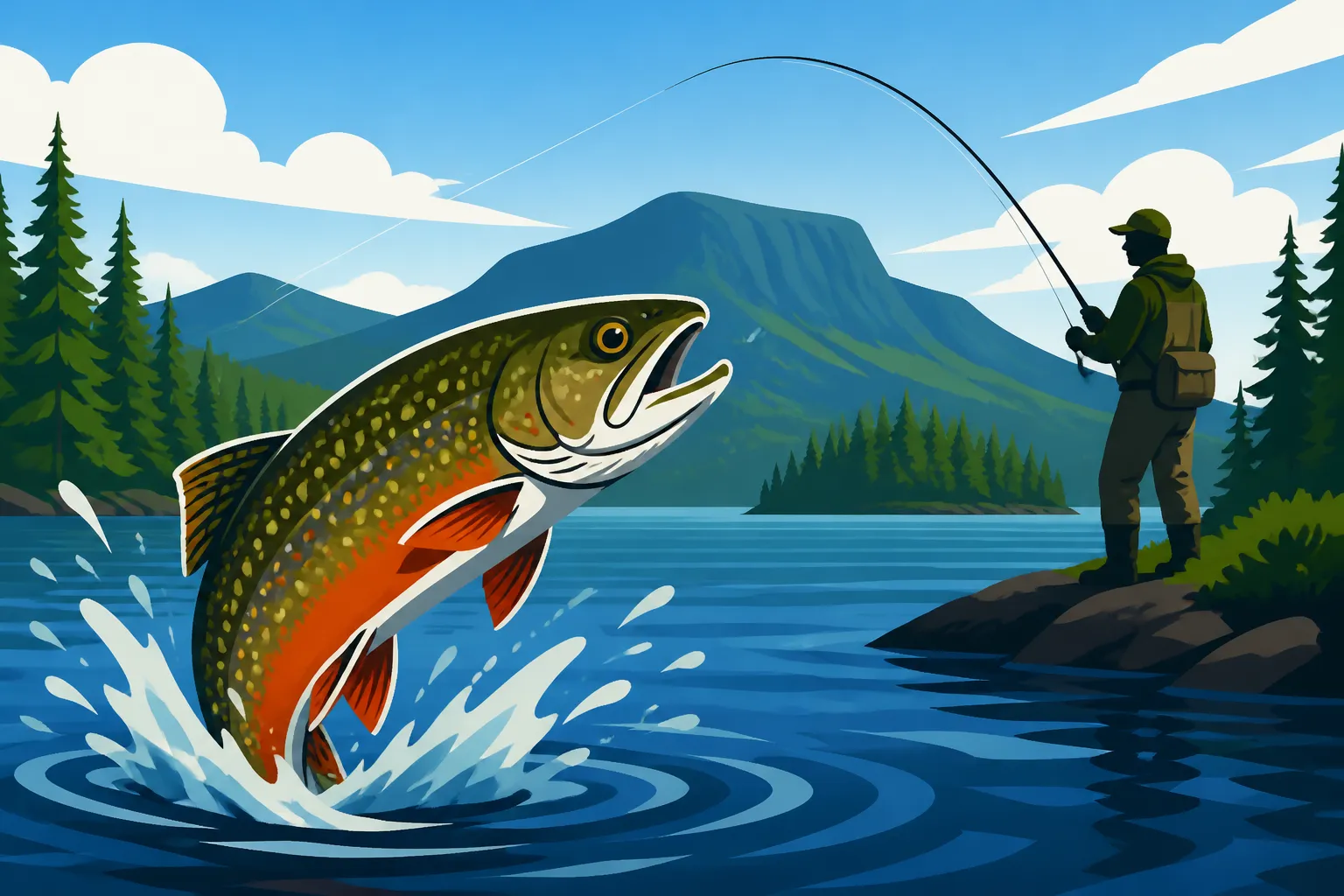
There's nothing quite like the dream of hooking into a robust, wild brook trout, especially in a place as iconic as Maine. But let's be honest, dreaming about it and actually doing it are two very different things. The sheer size of a lake like Moosehead can feel utterly overwhelming, leaving you wondering where to even start, what gear to use, and when the best time to go actually is. This guide is designed to cut through that confusion, giving you the real-world insights and detailed strategies you need to successfully target brook trout in Maine's magnificent Moosehead Lake.
Why Moosehead Lake is a Brook Trout Paradise
Moosehead Lake isn't just big; it's a living legend in the angling community, especially if you've got a soft spot for brook trout. There's a certain mystique that surrounds this place, a feeling that you're stepping into a wild, untamed environment where the fish are as robust and resilient as the landscape itself. It's not just a beautiful spot; it's an intricate ecosystem that has allowed brook trout to thrive for generations, offering an experience that's truly unparalleled.
A Legacy of Wild Brook Trout
When you talk about brook trout in Moosehead Lake, you're not just talking about any fish. You're talking about a legacy. Many of the brook trout found here are wild, native fish, not simply hatchery-raised stock. This distinction is huge for anglers who appreciate the vibrant colors, aggressive fight, and intrinsic value of a truly wild fish. The genetics of these trout have been shaped by the cold, clear waters and abundant food sources of Moosehead for thousands of years. It's an important part of Maine's natural heritage, and fisheries biologists work tirelessly to maintain these populations. You can explore more about what makes these trout special in our guide to Brook Trout Native Range in Maine.
The lake's immense size and numerous cold-water tributaries provide perfect spawning grounds and year-round habitat. Rivers like the Roach River, Moose River, and smaller unnamed brooks constantly feed the lake with oxygenated, nutrient-rich water, creating ideal conditions for young trout to grow and mature. This constant influx of fresh water is crucial, especially during the warmer summer months when many shallower lakes struggle to maintain cold enough temperatures for brook trout. When you hook into a brook trout from Moosehead, you're not just catching a fish; you're connecting with an ancient lineage, a wild creature that has survived and thrived in one of Maine's last great wildernesses.
Unique Forage and Ecosystem
What makes Moosehead Lake's brook trout so robust? A huge part of it comes down to their diet, which is incredibly varied and abundant thanks to the lake's rich ecosystem. Unlike smaller ponds where brook trout might primarily rely on insect hatches, Moosehead offers a smorgasbord of forage. Smelt are perhaps the most crucial food source, acting as a high-protein, energy-dense meal that allows brook trout to grow to impressive sizes. These small baitfish school in large numbers, providing a consistent food supply throughout the year. When you're fishing, understanding the smelt patterns can be key to locating feeding trout.
Beyond smelt, brook trout in Moosehead also feast on a variety of aquatic insects like caddisflies, mayflies, and stoneflies, especially in the shallower sections and near tributary mouths. Crayfish, minnows, and even small frogs can also make up a significant portion of their diet, particularly in specific habitats. This diverse menu contributes not only to their size but also to their incredible fighting spirit and vibrant coloration. The deeper, colder sections of the lake act as a refuge, while the shallower, structured areas provide fertile hunting grounds. It's a dynamic environment, and knowing what the brook trout are currently feeding on can drastically improve your chances of success.
Prime Seasons for Moosehead Brook Trout
Timing is everything when it comes to fishing, and Moosehead Lake is no exception. While you can technically fish for brook trout throughout the open water season, certain periods offer significantly better chances and different experiences. Understanding these seasonal shifts in trout behavior is paramount to planning a successful trip. The lake's vastness means that fish will move and adapt to changing water temperatures, food availability, and spawning instincts.
Spring's Awakening: Ice-Out to Early Summer
The period immediately following ice-out is arguably the most anticipated and often the most productive time for brook trout on Moosehead. As the ice recedes, usually sometime in April or early May, the cold, oxygen-rich water spreads throughout the lake. This allows brook trout, which have been confined to deeper waters or limited feeding areas during winter, to spread out and actively feed in shallower areas. They're often hungry and less wary after a long winter, making them more susceptible to various presentations. The general law fishing season start date in Maine usually coincides nicely with this prime opportunity.
During this time, concentrate your efforts in bays, around points, and near the mouths of tributaries where snowmelt runoff provides additional cold water and washes in food. Water temperatures are still low, typically in the 40s to low 50s Fahrenheit, which is ideal for brook trout. Both trolling and casting with spoons, small crankbaits, or bait like shiners can be incredibly effective. As the season progresses into late May and early June, you might find trout still relatively shallow, but they'll start to move a bit deeper as surface temperatures begin to climb. This is when understanding the "turnover" can be helpful, as the entire water column becomes more uniform in temperature.
Summer's Challenge: Deep Water Tactics
As summer truly sets in, usually by late June and through August, Moosehead Lake undergoes a significant change. The surface waters warm up considerably, pushing brook trout into their preferred colder, deeper habitats. This doesn't mean the fishing stops, but it definitely changes. You won't find them cruising the shallow bays anymore; instead, they'll be congregated around deep structure, humps, and thermoclines where water temperatures remain in their comfort zone (typically 50-65 degrees F).
To succeed during the summer, you'll need to employ deep-water tactics. Trolling with downriggers or lead core line is often the most effective way to present lures at the precise depths where trout are holding. Focus on areas with significant depth changes, underwater islands, and deep points. Electronics, like a good fish finder, become invaluable for locating schools of baitfish and the trout feeding on them. Early mornings and late evenings can offer brief windows when trout might move slightly shallower to feed, but for the most part, be prepared to target fish from 30 to 60 feet deep, or even deeper, depending on the specific location and current conditions. This is where insights into How to Fish Deep Water for Summer Trout can be a game-changer.
Fall's Frenzy: Spawning Runs and Aggressive Bites
Fall fishing on Moosehead Lake for brook trout is nothing short of spectacular, both for the fishing action and the stunning scenery. As water temperatures begin to cool in September and October, brook trout become incredibly active and aggressive as they prepare for their annual spawning ritual. They move back into shallower areas and congregate near the mouths of tributaries that feed the lake, preparing to run upstream to spawn.
This is a prime time for fly anglers, as brook trout will eagerly chase streamers and nymphs near river mouths like the Roach River, Moose River, or any smaller incoming streams. Spin anglers can also find great success casting spoons or small minnow imitations into these areas. The fish are often in their most vibrant spawning colors, displaying brilliant oranges, reds, and greens, making for truly memorable catches. Remember that during spawning runs, it's crucial to be extra mindful of ethical angling practices and strict adherence to regulations to protect these vital populations. This season also offers fantastic opportunities for those who enjoy the cooler weather and the solitude of the Maine woods.
Essential Gear and Techniques for Success
Success on Moosehead Lake, especially when targeting its elusive brook trout, hinges on having the right equipment and knowing how to use it. It's not about having the most expensive gear, but rather the appropriate gear for the conditions and the specific techniques you'll be employing. This section will help you cut through the noise and focus on what truly matters for putting brook trout in your net.
Rods, Reels, and Line Choices
Your tackle setup needs to be versatile enough to handle both the sometimes-gentle takes of brook trout and their powerful, acrobatic fights.
- Spinning Gear: For general casting and light trolling, a 6'6" to 7' medium-light spinning rod paired with a 2000-2500 series reel is an excellent choice. Spool it with 6-8 lb test monofilament or fluorocarbon. Monofilament offers good stretch and knot strength, while fluorocarbon is nearly invisible underwater and has less stretch for better sensitivity. A braid main line with a fluorocarbon leader is another popular option for increased sensitivity and casting distance. This setup is perfect for throwing small spoons, spinners, and twitch baits.
- Trolling Gear: If you're planning on covering a lot of water by boat, especially during summer, you might want a slightly longer and more parabolic rod, around 7' to 8', with a medium action. This will absorb the shock of a strike better when trolling at speed and handle larger fish more effectively. You might opt for specific trolling setups like those detailed in Best Rods for Maine Lake Trolling. For line, lead core line or copper line is commonly used to get lures down to specific depths without the need for downriggers, or a good quality braided line with a fluorocarbon leader for downrigger setups.
- Fly Fishing Gear: For fly anglers targeting river mouths or shallow lake sections, a 5 or 6-weight fly rod, 8'6" to 9' in length, is ideal. Pair this with a matching reel spooled with a weight-forward floating line for dry flies and nymphs, and a sinking tip or full sinking line for streamers. A 4X or 5X fluorocarbon leader will be your friend for stealthy presentations.
Best Baits and Lures for Moosehead Brook Trout
Brook trout in Moosehead Lake can be picky one day and aggressive the next, so having a variety of offerings is key.
- Live Bait: Shiners, smelt, and worms are consistently effective. Shiners and smelt, fished either still on a slip bobber rig or slow-trolled, can be irresistible to larger brook trout. Worms, fished under a bobber or on the bottom, often entice trout in shallower areas or near structure. Be sure to check regulations regarding live bait use, as rules can vary. For more specific guidance, check out our article on Best Bait for Moosehead Lake Brook Trout.
- Artificial Lures:
- Spoons: Classic metal spoons like Mooselook Wobblers, Daredevils, and Little Cleos in silver, gold, orange, or green are perennial favorites. Sizes from 1/8 to 1/4 ounce are usually perfect. Their wobbling action mimics injured baitfish.
- Spinners: In-line spinners such as Mepps Aglias or Panther Martins with dressed treble hooks in sizes #1-3 are deadly, especially in moving water or when cast into shallow lake areas. Gold, silver, and black are reliable colors.
- Crankbaits/Stickbaits: Small minnow-imitating crankbaits or stickbaits like Rapala Original Floaters, countdowns, or Yo-Zuri Pin's Minnows are excellent for trolling or casting, especially in the spring and fall. Colors that imitate smelt or perch are often very productive.
- Flies: For fly fishing, streamers that imitate smelt are paramount. Patterns like the Gray Ghost, Black Ghost, Supervisor, and Lefty's Deceiver are highly effective. For insect hatches, classic dry flies like Adams or Hendrickson, and nymphs like Prince Nymphs or Pheasant Tails, can work in appropriate conditions.
Trolling and Drifting Strategies
Trolling is a cornerstone of Moosehead Lake fishing, especially for covering vast expanses of water and targeting deeper fish.
- Depth Control: This is critical. Utilize lead core line (typically 10-pound test, where each color gets you approximately 5 feet deeper at common trolling speeds), downriggers, or weighted dodgers/flashers to get your lures to the desired depth. During spring, you might be trolling in the top 10-20 feet. In summer, you'll be much deeper, often 30-60 feet, or even more.
- Speed: Maintain a steady trolling speed, typically between 1.5 to 2.5 miles per hour, adjusting based on lure action and fish preference. Sometimes a slight speed change, or a "S" turn with the boat, can trigger a strike as your lure speeds up or slows down.
- Patterns: Don't just troll in straight lines. Follow contour lines, target underwater humps, and zig-zag through productive areas. Keep an eye on your fish finder for bait balls or individual fish. When you get a strike, mark the spot on your GPS and circle back through the same area. Pay attention to our comprehensive guide on Trolling Techniques for Maine Lakes to refine your approach.
Drifting with live bait or a jig can also be productive, especially in specific areas where current is present or over rocky structure. Let the wind and current carry your boat, presenting your bait naturally. This method works well in spring and fall.
Fly Fishing Hotspots and Approaches
Moosehead offers excellent fly-fishing opportunities, particularly in its tributaries and the shallower areas of the lake.
- Tributary Mouths: The mouths of the Roach River and Moose River, along with other smaller streams, are incredible hotspots, especially in spring and fall. Brook trout congregate here, feeding on insects washing downstream and preparing for spawning. Wading anglers can often find success casting streamers or large nymphs into the current and allowing them to swing into the lake.
- Shoreline and Shallow Bays: During the cooler months, trout will cruise shallow, rocky shorelines and calm bays, looking for insects or baitfish. Casting traditional wet flies, nymphs, or small streamers can be very effective. Look for areas with submerged timber or rock piles that offer cover and food.
- Matching the Hatch: While Moosehead is known for its baitfish, don't overlook insect hatches. Keep an eye out for rising fish, especially in calmer conditions. Having a selection of standard dry flies and nymphs to match local insects can pay off.
Remember, stealth is key in fly fishing. Approach slowly, cast accurately, and use appropriate leader lengths to avoid spooking wary trout.
| Season | Primary Location | Depth Range (Approx.) | Recommended Techniques | Key Lures/Baits |
|---|---|---|---|---|
| Spring | Bays, River Mouths, Shorelines | 5-20 feet | Trolling, Casting, Drifting | Spoons, Spinners, Shiners, Smelt |
| Summer | Deep Structure, Thermocline | 30-60+ feet | Downrigger Trolling, Lead Core | Spoons, Minnow Plugs, Live Smelt |
| Fall | River Mouths, Shallow Spawning | 5-25 feet | Fly Fishing, Casting, Trolling | Streamers, Spoons, Shiners |
| Winter | Submerged Structure, Drop-offs | Varied (Ice Fishing) | Jigging, Tip-Ups | Small Jigs, Live Bait |
Navigating Moosehead Lake: Key Fishing Spots
Moosehead Lake is enormous, encompassing over 75,000 acres. To simply say "fish Moosehead" is like saying "fish the ocean." You need to know where to focus your efforts, and for brook trout, certain areas consistently outperform others. Understanding the lake's topography and how fish relate to it throughout the seasons is crucial.
River Mouths and Inflows
As mentioned, the various rivers and streams that feed into Moosehead Lake are absolute magnets for brook trout. These areas provide vital cold water, oxygen, and a constant supply of food, making them prime locations year-round.
- Roach River: This is perhaps the most famous brook trout fishery connected to Moosehead. The mouth of the Roach River, where it empties into the lake, is a renowned spot, especially in spring and fall. Trout stage here before and after spawning, and are drawn to the abundant smelt and insect life. Anglers can fish from shore or by boat, but remember that the river itself has specific regulations that might differ from the main lake, so always check the Maine Fishing Regulations Explained for that particular stretch.
- Moose River: Another significant tributary, the Moose River also offers excellent brook trout opportunities near its confluence with the lake. The deeper, colder water here provides a sanctuary, and the current concentrates baitfish, creating ideal ambush points for trout.
- Smaller Brooks and Streams: Don't overlook the myriad of smaller, unnamed brooks and streams that feed Moosehead. While less accessible, their mouths can be fantastic, especially in spring, for those willing to explore. These often hold strong numbers of wild brook trout. You'll often find these areas marked by cooler water temperatures or distinctive current lines visible from a boat.
Shallow Shoals and Structure
While brook trout are known for their cold-water preference, they will venture into shallower areas, especially during cooler periods like spring and fall, to feed. These spots are rich in aquatic insect life and provide cover.
- Rocky Points and Ledges: Throughout the lake, numerous rocky points, underwater ledges, and humps rise from the depths. These structures break up current, provide ambush points, and often hold baitfish. Look for these structures using your depth finder and explore them by casting or slow trolling. The sheer variety of structure on Moosehead makes finding these sweet spots an adventure in itself.
- Islands and Submerged Islands: Moosehead is dotted with islands, and the areas around them, especially their shallower sides or submerged extensions, can be highly productive. The transition zones from shallow to deep water around these islands are prime real estate for cruising brook trout. Smallmouth bass also frequent these areas, so be prepared for a mixed bag!
Deep Water Haunts
During the peak of summer, when surface temperatures rise, brook trout retreat to the cooler, deeper parts of the lake. Locating these "deep water haunts" is essential for summer success.
- Thermoclines: A thermocline is a distinct layer in the lake where water temperature changes rapidly with depth. Brook trout will often suspend just above, in, or below the thermocline, seeking optimal temperature and oxygen levels while also ambushing baitfish. Your fish finder will be instrumental in identifying this layer.
- Mid-Lake Humps and Drop-Offs: Moosehead Lake has numerous underwater humps and dramatic drop-offs into deeper basins. These features provide a break in the monotonous lake bottom and act as gathering points for both baitfish and predatory trout. Trolling over and around these structures, carefully monitoring your depth, is a very effective strategy. Consider reading our guide on Moosehead Lake Togue Fishing Spots in Maine as these deeper areas often hold both species.
Access Points and Launching
Getting onto Moosehead Lake is relatively straightforward, but knowing the main access points can save you time and hassle.
- Greenville and Rockwood: These two towns are the primary hubs for accessing Moosehead Lake. Greenville, at the southern end, offers several public boat launches and marinas, making it a popular starting point. Rockwood, further north on the western shore, also has public launches and provides access to the central and northern parts of the lake.
- Remote Launches: There are also more remote, smaller launches around the lake, but these may be less developed and require a 4×4 vehicle. Always check local conditions before heading to a remote launch.
- Hiring a Guide: If navigating the vastness of Moosehead feels daunting, especially if you're unfamiliar with the area, hiring a local Registered Maine Guide is an excellent option. They know the lake intimately, have the right equipment, and can put you on fish quickly. Many fantastic guides operate out of Greenville and Rockwood, and platforms like FishingBooker can help you find reputable ones. Our Moosehead Lake Fishing Guides article provides more specific details.
Regulations and Conservation for Brook Trout
Fishing for brook trout in Maine, especially in a storied water body like Moosehead Lake, comes with the responsibility of understanding and adhering to the state's fishing regulations. These rules are in place not to make your life harder, but to protect the precious wild fisheries that draw so many of us here. Ignoring them can lead to significant fines and negatively impact the very resource we cherish.
Understanding Maine's General Law and Special Regulations
Maine's fishing regulations are a bit of a patchwork, with "General Law" applying broadly across the state, but many individual lakes, ponds, and rivers having "Special Regulations." Moosehead Lake, given its size and importance, has specific rules that you must be aware of.
- Maine Fishing Regulations Explained: Before you even cast a line, you need to consult the current Maine Open Water & Ice Fishing Laws and Rules booklet, available online through the Maine Department of Inland Fisheries and Wildlife (MDIFW) or at most license agents. This comprehensive document is your bible for understanding what's allowed. Our detailed guide on Maine Fishing Regulations Explained can give you a head start.
- Size and Bag Limits: For brook trout specifically, there will be rules on the minimum and/or maximum length of fish you can keep (a "slot limit"), as well as a "daily bag limit" – how many fish you can harvest in one day. For example, some areas might have a slot limit where you can only keep brook trout within a certain size range, or a maximum length, to protect larger, spawning fish. Always verify the current Brook Trout Daily Bag Limits for Moosehead Lake itself.
- Terminal Tackle Restrictions: Pay close attention to rules regarding terminal tackle. There might be restrictions on the number of lines you can use at one time (see Maine Open Water Line Limits), whether live bait is allowed, or even specific hook types (e.g., single hook, barbless hooks only) in certain areas, particularly in tributaries during spawning season.
- Fishing Season Dates: Always confirm the exact Maine Fishing Season Dates Guide for Moosehead Lake. While many large lakes have extended seasons, individual tributaries or specific sections of the lake might have different opening and closing dates, especially if they are important spawning grounds.
The onus is on the angler to know and follow these rules. A quick check of the MDIFW website or a chat with a local bait shop or guide can clarify any uncertainties. It's better to ask than to unknowingly break a regulation.
Catch and Release Best Practices
Moosehead Lake's wild brook trout population is a treasure, and responsible angling means embracing catch and release, especially for larger fish or when not planning to eat your catch. Practicing proper catch and release ensures that these magnificent fish survive to fight another day and continue to contribute to the fishery.
- Minimize Handling: The less you handle a fish, the better its chances of survival. Try to keep the fish in the water as much as possible. If you need a photo, do it quickly and hold the fish horizontally, supporting its belly. Avoid squeezing the fish or holding it vertically by the jaw.
- Barbless Hooks: Consider crimping down the barbs on your hooks. Barbless hooks make removal much quicker and cause less damage to the fish's mouth, reducing stress and injury. Many dedicated trout anglers swear by this practice.
- Proper Hook Removal: Use needle-nose pliers or a hook-remover tool to carefully extract the hook. If the hook is deeply swallowed, it's often better to cut the line as close to the hook as possible rather than tearing at internal organs.
- Revive the Fish: If a fish seems sluggish, hold it gently in the water, facing into the current, until it can swim away under its own power. Never simply toss a tired fish back into the water. Ensuring the fish is fully revived before release is critical.
- Know Your Limits: Even if you're legally allowed to keep a certain number of fish, consider practicing voluntary catch and release, especially for trophy-sized brook trout that are valuable spawners. Protecting these larger fish helps maintain the health and vigor of the population. Our guide on Catch and Release Best Practices in Maine offers more in-depth advice.
By being mindful of these practices, you play a crucial role in safeguarding Moosehead Lake's brook trout fishery for future generations of anglers.
Planning Your Moosehead Lake Brook Trout Adventure
A trip to Moosehead Lake is more than just a fishing expedition; it's an immersion into Maine's vast wilderness. To make the most of your brook trout adventure, a little planning goes a long way. From where you'll lay your head to who you might hire to show you the ropes, thinking ahead ensures a smooth and memorable experience.
Lodging and Local Services
Moosehead Lake's main gateway towns, Greenville and Rockwood, offer a range of amenities, but remember, this is largely a wilderness area, so don't expect big-city conveniences.
- Greenville: Located at the southern tip of the lake, Greenville is the larger of the two main towns. It boasts a variety of lodging options, from charming inns and motels to cabins and vacation rentals. You'll find bait and tackle shops like Indian Hill Trading Post, restaurants, gas stations, and basic grocery stores here. It's a great base for exploring the southern and central parts of the lake.
- Rockwood: Situated on the western shore, further north, Rockwood is smaller but offers excellent access to the central and northern regions of Moosehead. Lodging here tends to be more rustic, with sporting camps, cabins, and a few motels. It's often favored by those seeking a more remote feel. You'll find bait shops, general stores, and boat rentals, but dining options are more limited.
- Sporting Camps: For a truly immersive experience, consider one of the traditional Maine sporting camps scattered around the lake. These often provide lodging, meals, and sometimes even guide services, giving you an authentic taste of the North Woods.
- Camping: There are also numerous campgrounds and remote campsites, some accessible by boat, for those who prefer roughing it. Check with the MDIFW or local land trusts for information on permits and regulations.
No matter where you choose to stay, booking well in advance, especially during peak seasons like spring and fall, is highly recommended. Cell service can be spotty in many areas, so having physical maps or downloaded GPS information is a smart move.
Hiring a Local Guide
While going it alone on Moosehead can be rewarding, hiring a local guide, especially for your first trip or when targeting a specific species like brook trout, can significantly enhance your experience and success.
- Unrivaled Knowledge: A Registered Maine Guide knows Moosehead Lake like the back of their hand. They understand the seasonal movements of brook trout, the best depths to target, the most effective baits and lures for current conditions, and all the hidden hotspots that aren't on any map. They can save you countless hours of trial and error. Our guide on Hiring a Maine Fishing Guide goes into more detail about what to expect.
- Equipment and Expertise: Guides come fully equipped with appropriate boats, rods, reels, and a vast array of tackle tailored to the lake. They often employ specialized techniques like trolling with lead core or downriggers, which can be intimidating for beginners. They can teach you the ropes, refine your casting, or help you understand your fish finder better.
- Safety First: Moosehead Lake can be challenging, with rapidly changing weather, strong winds, and hidden shoals. A guide prioritizes your safety, navigates safely, and knows how to handle unexpected situations.
- Conservation and Regulations: A good guide is also a steward of the resource. They are intimately familiar with all the local and general regulations, ensuring you fish legally and ethically, including proper catch and release practices.
- Finding a Guide: You can find reputable Registered Maine Guides through the MDIFW website, local sporting camps, or online platforms like FishingBooker. When searching on FishingBooker, specify "Moosehead Lake" and "brook trout" to narrow down your options to guides specializing in this particular fishery and location. Be sure to book in advance, as the best guides fill their schedules quickly. Discuss your goals for the trip – whether it's learning new techniques, catching a trophy, or simply enjoying a relaxing day on the water – so your guide can tailor the experience to you.
Remember, even with a guide, you'll still need your own Maine Fishing License Guide!
Disclaimer
Please note that fishing regulations, season dates, and license requirements can change. While every effort has been made to provide accurate and up-to-date information, it is the angler's responsibility to consult the current Maine Department of Inland Fisheries and Wildlife (MDIFW) regulations booklet or website before heading out on the water. This article is intended for informational purposes only and should not be considered a substitute for official legal documents.