Sebago Lake Smallmouth Bass Fishing in Maine
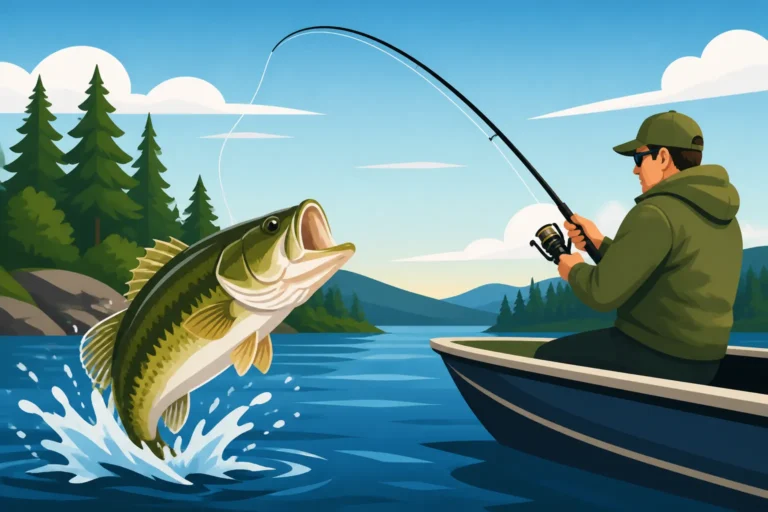
For many anglers, the vast, shimmering waters of Sebago Lake can feel intimidating, especially when you're specifically chasing after those feisty smallmouth bass. It’s easy to get lost on such a large body of water, wondering where to even begin your search for these hard-fighting fish. This comprehensive guide will strip away the mystery, focusing on practical, on-the-water strategies and local insights to help you successfully target smallmouth bass on Maine's iconic Sebago Lake.
Understanding Sebago Lake's Smallmouth Bass Habitat
Sebago Lake isn't just a pretty face; its geology and structure make it an ideal playground for smallmouth bass. Unlike some of Maine's other lakes that might lean heavily towards cold-water species, Sebago offers a fantastic blend of environments, and its smallmouth population truly thrives. But finding them means understanding why they choose certain spots over others.
The Lake's Structure and Smallmouth Preference
Sebago Lake is a massive body of water, encompassing over 45 square miles, and its depths can plunge to over 300 feet in some areas. However, smallmouth bass aren't typically found in those abyss-like sections. Instead, they prefer the rocky, shallower, and often current-swept areas. Think about the lake as a series of underwater neighborhoods; the smallmouth are drawn to the "suburbs" – the gradual slopes, submerged points, rocky reefs, and islands that offer both cover and access to food.
These areas, especially those with clean, gravelly, or boulder-strewn bottoms, are perfect for ambushing baitfish and crayfish, which make up a large part of the smallmouth diet. Look for areas where the bottom transitions from soft mud to hard rock, or where submerged timber or old dock pilings create complexity. The clear waters of Sebago mean that smallmouth often rely on these structures for cover and camouflage, waiting for an unsuspecting meal to swim by. This distinct preference is crucial when you're scouting new spots, as just drifting over open water with a soft bottom is unlikely to yield consistent results. You'll often find them congregating around specific depths, typically between 5 and 25 feet, depending on the season and time of day.
Seasonal Movements of Sebago Smallmouth
Just like us, smallmouth bass don't stay in one place all year round; their movements are dictated by water temperature, spawning cycles, and food availability. Understanding these patterns is like having an insider's map to their hideouts throughout the year.
In the early spring, after ice-out, smallmouth will begin to move from their deeper wintering holes towards shallower, sun-warmed bays and rocky points. This pre-spawn period is characterized by fish feeding aggressively to build energy for spawning. As the water warms further, typically into the high 50s and low 60s Fahrenheit, they move into even shallower waters, often in less than 10 feet, to begin their spawning rituals. They'll create circular "nests" on gravel or sand bottoms, and the males become fiercely protective. After the spawn, they'll often linger nearby for a short period, still somewhat shallow, before transitioning to their deeper summer haunts. When you're trying to figure out the best time of year to catch smallmouth bass in Maine, keep these seasonal shifts in mind.
During the peak of summer, when surface temperatures soar, Sebago's smallmouth tend to seek refuge in deeper, cooler water. They might pull out to the main lake basin, congregating around offshore humps, deep rock piles, and extended points that offer access to the thermocline – the layer of water where temperature changes rapidly. As fall approaches and the water begins to cool again, they reverse their migration, moving shallower once more for a final feeding binge before heading back to their deep wintering grounds. This fall run can be incredibly productive, as the fish are packing on weight. Knowing these general patterns will dramatically improve your chances, allowing you to anticipate their movements rather than just react.
Essential Gear and Techniques for Sebago Smallmouth
Chasing smallmouth on Sebago Lake requires a thoughtful approach to gear and a versatile bag of tricks when it comes to techniques. It's not about having the most expensive equipment, but rather the right tools for the job and the knowledge of how to use them effectively in Sebago's unique environment.
Rods, Reels, and Line for Sebago's Bass
When it comes to smallmouth bass, you want tackle that offers a good balance of sensitivity, power, and casting distance. For most applications on Sebago, a medium-light to medium power spinning rod, typically 6'6" to 7' in length, will be your workhorse. This length provides excellent casting accuracy and the ability to fight a hard-charging bass without overpowering it. A fast action tip is highly desirable, as it allows for quicker hook sets and better feel when working subtle lures. For baitcasting setups, a similar medium power, fast action rod can be effective for heavier lures like crankbaits or larger jigs, especially when you're fishing areas with more cover where a bit more backbone is needed to pull fish out.
Pair these rods with a quality spinning reel in the 2500-3000 series size, or a reliable baitcasting reel with a smooth drag system. The drag is paramount, as Sebago smallmouth are notorious for their powerful runs and acrobatic jumps. For line, 8-12 pound test fluorocarbon or monofilament is a solid choice. Fluorocarbon offers excellent sensitivity and low visibility, which can be a huge advantage in Sebago's clear waters, while monofilament provides a bit more stretch, which can be forgiving when a smallmouth makes a sudden surge. Many anglers also opt for braided line as their main line (10-15 lb test), with a 6-10 foot fluorocarbon leader tied on, combining the sensitivity and strength of braid with the stealth of fluorocarbon. This combination allows for longer casts and better feel, which can be critical when fishing deeper or in windy conditions.
Lure Selection and Presentation Strategies
The clear waters and rocky structure of Sebago Lake often call for specific lure choices and presentations. Smallmouth bass are visual predators, so realistic baits and varied presentations often yield the best results.
For topwater action, especially during low light conditions in summer or during the early morning and late evening, classic poppers, walking baits, and prop baits can be incredibly effective when worked over rocky points and shallow flats. The key is to vary your retrieve, sometimes letting the lure sit motionless for several seconds before giving it a subtle twitch. If you're wondering about the best lures for smallmouth bass in Maine, these topwater options are often thrilling.
Moving below the surface, soft plastics rigged on jig heads (Ned Rigs, tube jigs, or small swimbaits) are phenomenal for vertical jigging over deep structure or dragging slowly along rocky bottoms. Colors like green pumpkin, watermelon, or natural baitfish patterns tend to work best in Sebago's clear water. Small crankbaits that dive to 5-15 feet, mimicking baitfish like smelt or perch, are excellent for covering water quickly along points and reefs. Vary your retrieve speed and incorporate pauses to entice strikes. Additionally, drop-shot rigs are unbeatable for suspended fish or when you need a very subtle presentation to tempt finicky bass, allowing your bait to hover precisely at the fish's depth. Think about the forage base in Sebago – smelt, perch, and crayfish are primary food sources – and choose lures that imitate these natural prey items both in size and color. This thoughtful approach to lure selection, combined with a willingness to experiment with retrieve styles, will significantly increase your success rate on Sebago Lake.
Top Smallmouth Bass Fishing Spots on Sebago Lake
Sebago Lake is vast, and knowing where to start looking for smallmouth bass can feel like finding a needle in a haystack. But certain areas consistently hold fish due to their structure, depth, and proximity to prime habitat. These are the spots that often get whispers among local anglers.
Key Island Structures and Rocky Shoals
Sebago Lake is dotted with numerous islands and submerged rock piles that serve as magnets for smallmouth bass. These features break up the monotonous lake bottom, providing current breaks, ambush points, and vital cover. Islands like Frye Island, Raymond Cape, and others in the central and northern parts of the lake are prime examples. The key isn't just the island itself, but the underwater topography surrounding it. Look for areas where the bottom quickly drops off from the shoreline, forming ledges and rock shelves.
Specific rocky shoals, often marked on navigational charts, are absolute goldmines. These submerged structures rise sharply from deeper water, creating current funnels and feeding stations. Fish will position themselves on the deeper side of these shoals, waiting for baitfish to be swept over the top. A great strategy is to start by working the shallower edges of these structures, especially early in the morning or late in the evening, with topwater lures or shallow-diving crankbaits. As the sun climbs higher or if fish aren't biting shallow, gradually move deeper, employing jigs, drop-shots, or slower-moving presentations along the contours of the shoal. When fishing around these areas, always keep an eye on your fish finder; you'll often mark baitfish and larger arches indicating hungry smallmouth lurking nearby. Remember that some of these shoals can be navigation hazards, so always exercise caution and consult your charts.
Targeting Transition Areas and Drop-offs
Smallmouth bass love transitions – where one type of bottom gives way to another, where shallow water plunges into deep, or where rock meets sand. These "edges" are where they spend a lot of their time because they offer the best of both worlds: shallow feeding opportunities and quick access to deep-water safety. Drop-offs, in particular, are incredibly productive, especially during the warmer months when smallmouth retreat to cooler, deeper water but still want to be able to dart up to feed.
Consider areas around prominent points that extend far out into the lake, especially those with a rocky composition. These points often have steep drop-offs on their flanks, acting as highways for smallmouth moving between shallow and deep water. The mouth of rivers or larger brooks that flow into Sebago can also create interesting transition zones, where slightly different water temperatures or currents attract baitfish, and in turn, smallmouth. Areas where streams or rivers enter a lake are often referred to as "fishing holes" or "hot spots" for a reason. Using your sonar to identify these distinct changes in depth and bottom composition is key. Once you've located a promising drop-off or transition line, try to cast parallel to it, working your lure along the edge where the bass are most likely to be holding. For example, if you're looking for where to catch landlocked salmon on Sebago Lake, you might target different depths, but for smallmouth, those distinct transitions are where the action often is. Patience and methodical coverage of these transition lines will often lead to solid hookups.
Best Times to Fish for Sebago Lake Smallmouth
Timing is everything when it comes to fishing, and Sebago Lake smallmouth are no exception. Their activity levels ebb and flow with the seasons, the time of day, and even the immediate weather conditions. Understanding these patterns helps you plan your trip for maximum success.
Spring and Early Summer: Pre-Spawn and Spawn Aggression
Spring on Sebago Lake, usually from late April through June, is a truly exciting time for smallmouth bass anglers. As the ice melts and water temperatures begin their slow ascent, smallmouth shake off their winter lethargy and embark on a mission to feed heavily before the rigors of spawning. This pre-spawn period sees them moving from their deeper wintering areas into shallower bays, coves, and rocky points where the water warms up faster. They are hungry, active, and often less wary than later in the season.
During this time, you'll find them gorging on crayfish and baitfish, making crankbaits, jerkbaits, and tube jigs incredibly effective. Look for water temperatures in the 45-55 degree Fahrenheit range for optimal pre-spawn activity. As the water creeps into the high 50s and low 60s, the smallmouth begin their spawning ritual. They build nests on shallow, hard bottoms, typically in 2-10 feet of water. While the fishing can be fantastic during this actual spawn, with males aggressively defending their nests, responsible anglers often practice catch and release at this time to allow the fish to successfully reproduce. After the spawn, there's often a post-spawn lull, but it's usually brief, and the fish quickly resume feeding as they recover. This spring window provides some of the most consistent and action-packed fishing of the entire year, especially if you focus on the warmest, rockiest shallow areas. Keep in mind that the Maine fishing season dates guide will outline the general framework for when you can target different species.
Summer and Fall: Deep Water and Feeding Frenzies
As Maine's summer heat sets in, typically from July through early September, Sebago Lake's smallmouth bass adjust their patterns to the warming water. Surface temperatures can climb, driving the fish into deeper, cooler zones where they can find thermal comfort and continued access to baitfish. This means moving away from the shallow shorelines and targeting offshore structures like deep humps, ledges, and rocky reefs that rise from the depths.
In summer, effective techniques often involve vertical presentations. Drop-shot rigs, football jigs, and deep-diving crankbaits are excellent for targeting fish suspended over deeper structure or hugging the bottom in 20-40 feet of water. Early mornings and late evenings can still bring fish into slightly shallower areas, especially if there's cloud cover or wind chop, but generally, the summer bite requires you to go deeper. As the days shorten and the water begins to cool in late September and October, the smallmouth once again become incredibly active. This fall period is another feeding frenzy, as they prepare for winter. They'll often move back to slightly shallower rocky points and breaklines, actively chasing schools of baitfish. This is a prime time for throwing larger jerkbaits, swimbaits, and blade baits, as the fish are focused on putting on weight. The clear, crisp air of a Maine fall, combined with aggressive smallmouth action, makes this a truly special time to be on Sebago Lake, especially for those who enjoy how to fish for smallmouth bass in summer heat and then transition to fall patterns.
Navigating Regulations and Conservation
Fishing on Sebago Lake, especially for a popular species like smallmouth bass, requires more than just knowing where and when to cast. It also means understanding and respecting the local regulations and practicing responsible angling to ensure the health of this incredible fishery for generations to come.
Maine Bass Fishing Limits by Zone and Sebago Specifics
Maine has specific regulations concerning bass, and it's absolutely crucial to familiarize yourself with them before you wet a line on Sebago Lake. The state is divided into different fishing zones, and Sebago Lake falls into what is generally considered the South Zone for bass fishing rules. These rules can dictate bag limits, minimum length requirements, and even specific closed seasons for certain bodies of water, so never assume the rules are the same everywhere.
For smallmouth bass on Sebago, the general law typically allows for a certain daily bag limit, often a combination of smallmouth and largemouth bass, and there might be specific size restrictions, such as a slot limit where fish within a certain size range must be released. For instance, sometimes you might be allowed to keep two bass, only one of which can be over 14 inches. These regulations are designed to protect the breeding stock and allow smaller fish to grow, contributing to a healthier population. Always consult the most current Maine fishing regulations explained issued by the Maine Department of Inland Fisheries and Wildlife (MDIFW) before each fishing season. These can be found in print at license agents or online. Ignoring these rules can lead to significant fines and penalties, and more importantly, it can harm the very fishery we all love.
Responsible Angling and Catch & Release
Beyond the legal requirements, practicing responsible angling and catch-and-release is vital for sustaining Sebago's smallmouth bass population. While Maine does allow keeping some bass, many anglers choose to release most, if not all, of their smallmouth catches, especially the larger, older fish that are critical for breeding.
When you do catch a smallmouth, handle it with care. Minimize its time out of the water, use wet hands to protect its slime coat, and support its body horizontally to avoid damage to its internal organs. If the fish has swallowed the hook deeply, it's often better to cut the line as close to the hook as possible rather than trying to remove it, as this can cause more harm. For more detailed information, consider reviewing the best practices for catch and release in Maine to ensure you're doing your part. Utilizing barbless hooks can also make releasing fish easier and less stressful for them. Additionally, always make sure to properly dispose of any trash, fishing line, or broken lures. Leave no trace, and ensure that your visit to Sebago Lake preserves its beauty and vitality for future anglers. Being a good steward of the environment is just as important as being a skilled angler.
Hiring a Guide for Sebago Smallmouth
While this guide provides a solid foundation, there's truly no substitute for local knowledge, especially on a lake as vast and complex as Sebago. For many anglers, particularly those visiting or new to the area, hiring a registered Maine fishing guide can be an invaluable investment.
The Advantage of Local Expertise
Sebago Lake, with its sprawling waters and intricate underwater topography, can be overwhelming. A seasoned local guide brings years, if not decades, of experience fishing these specific waters. They understand the nuances of the lake's ever-changing conditions, from water temperature fluctuations to subtle current patterns that influence where smallmouth bass hold. They've spent countless hours on the water, mapping out every rock pile, every drop-off, and every weed line.
This local expertise means they can put you on fish faster and more consistently than you might achieve on your own. They know which lures are working right now, what depth the fish are holding at, and how recent weather patterns have impacted the bite. Moreover, a guide can teach you specific techniques tailored to Sebago's environment, helping you refine your casting, presentation, and fish-fighting skills. It’s like having a fishing professor right there with you, offering real-time instruction and sharing secrets that only come from deep familiarity with the lake. They can save you hours of trial and error, ensuring your precious time on the water is spent productively, making the most of your Sebago Lake fishing guide experience.
Finding the Right Sebago Lake Fishing Guide
When it comes to finding a guide for your Sebago Lake smallmouth adventure, you want to look for someone reputable, experienced, and who specifically specializes in bass fishing on that body of water. Not all guides are the same, and while many are fantastic, some might focus on other species or different lakes.
Start by doing some research. Look for guides with positive reviews and a strong track record. Websites like FishingBooker are excellent resources for browsing local guides, checking their availability, and reading testimonials from other anglers who have fished with them. You can filter by species, location, and even types of trips offered. When you contact a potential guide, don't hesitate to ask questions:
- How much experience do they have fishing Sebago Lake specifically for smallmouth bass?
- What kind of boat and equipment do they provide?
- What's included in the trip (bait, tackle, snacks, drinks)?
- What's their cancellation policy?
- Do they offer half-day or full-day trips, and what are the rates?
A good guide will be happy to answer all your questions and make you feel comfortable. They should also be a Registered Maine Guide, which ensures they've met the state's rigorous standards for safety and outdoor expertise. While the cost of hiring a guide is an investment, the knowledge gained, the memories made, and the increased chance of success often make it well worth it, especially for a memorable trip to one of Maine's premier fishing destinations. Many local sporting goods stores around Sebago Lake, like those in Raymond or Standish, can also often recommend trusted local guides.
Table: Sebago Lake Smallmouth Bass Seasonal Strategies
| Season | Typical Water Temps (°F) | Preferred Habitat | Key Techniques | Recommended Lures/Baits | Notes |
|---|---|---|---|---|---|
| Spring | 45-58 | Shallow rocky points, sun-warmed bays, coves | Casting, Slow Retrieves | Jerkbaits, Crankbaits, Tube Jigs | Pre-spawn aggression, fish are actively feeding. Focus on warmest areas. |
| Spawn | 58-64 | Shallow flats, gravelly bottoms (2-10 ft) | Sight Fishing, Casting | Jig & plastic, Small Tubes, Wacky Worms | Males guarding nests; practice catch & release. |
| Early Summer | 65-72 | Mid-depth rocky points, main lake humps (10-25 ft) | Casting, Power Fishing | Crankbaits, Spinnerbaits, Swimbaits | Post-spawn recovery and aggressive feeding as fish spread out. |
| Mid-Summer | 70-78 | Deep offshore humps, ledges, rocky reefs (20-40+ ft) | Vertical Jigging, Drop-Shotting | Drop-shot worms, Football jigs, Spoons | Fish move deeper for cooler water. Target early/late for shallower bite. |
| Fall | 65-50 | Mid-depth to shallower rocky points, main lake breaks | Casting, Power Fishing | Jerkbaits, Blade Baits, Swimbaits | Intense feeding frenzy before winter. Fish are aggressive and robust. |
Disclaimer
The information provided in this guide is for general informational purposes only and is subject to change. Fishing regulations, season dates, and limits for Maine's waters, including Sebago Lake, are established by the Maine Department of Inland Fisheries and Wildlife (MDIFW) and can be updated annually. It is the responsibility of every angler to consult the most current official MDIFW fishing law book or website before fishing to ensure compliance with all applicable rules and regulations. This guide does not constitute legal advice or an official interpretation of fishing laws. Always prioritize safety on the water and practice responsible angling.