How to Find a Boat Launch on Any Maine Lake
There’s nothing quite like the excitement of a fishing trip to a new lake in Maine, but that thrill can quickly turn to frustration when you’re left wondering, "Where in the world do I even put my boat in?" It’s a common scenario: you’ve got your gear ready, your boat hitched, and a promising spot on the map, only to realize you have no idea if there's a usable public launch, let alone one that suits your vessel. This comprehensive guide is here to cut through that confusion, arming you with the knowledge and resources to confidently locate the perfect boat launch on any Maine lake, ensuring your next angling adventure starts smooth and stress-free.
Why Finding the Right Boat Launch Matters More Than You Think
Dropping your boat into a lake might seem like a simple task, but in Maine, where access can range from pristine, well-maintained state parks to remote, rugged logging roads, choosing the right boat launch is crucial. It’s not just about getting wet; it's about setting the stage for your entire day on the water, impacting everything from your comfort to your safety and even your fishing success.
More Than Just Getting on the Water
Imagine arriving at a beautiful, secluded pond with your bass boat, only to discover the "launch" is nothing more than a muddy rut that would swallow your trailer whole. Or perhaps you're an avid fly angler looking for quiet solitude on a brook trout pond, only to find yourself at a bustling public ramp filled with jet skis and large pleasure crafts. The type of boat launch dictates the kind of experience you'll have. A shallow, hand-carry access point is perfect for canoes and kayaks seeking quiet waters, while a wide, paved ramp with ample parking is essential for larger powerboats on popular lakes like Sebago Lake or Moosehead Lake. Understanding these distinctions and matching them to your fishing goals and vessel size is the first step in avoiding disappointment. You're not just finding a place to launch; you're finding the gateway to the experience you envision.
Avoiding Frustration and Wasted Time
We’ve all been there: driving around in circles, trying to decipher vague map markers, or pulling into a "public access" point only to find it's a private driveway or a shoreline choked with weeds. This wasted time isn't just annoying; it eats into precious fishing hours and can sour the mood before you even cast a line. Maine’s diverse landscape means that access points vary wildly. Some smaller, remote ponds, particularly in the North Woods, might have very primitive or even non-existent drive-up launches, requiring you to portage your craft. Conversely, some popular spots can be unexpectedly crowded, especially during peak seasons or on weekends, leading to long waits and parking nightmares. Knowing how to research and verify launch details before you leave home will save you untold headaches, gas money, and lost fishing time, allowing you to maximize your time actually on the water.
Essential Resources for Locating Maine Boat Launches
When you're trying to pinpoint that perfect spot to put your boat in, a variety of resources can come in handy. It’s often best to cross-reference a few different options to get the most accurate and up-to-date information, especially for lesser-known waters.
Official State Resources: IFW and Maine DEP
Your first and most reliable stop should always be the official state agencies. The Maine Department of Inland Fisheries and Wildlife (IFW) is the quintessential authority on all things fishing in the state. They maintain extensive resources, including detailed maps and access guides, often with specific information about public boat launches. Their website is a treasure trove, frequently updated with specific access points, parking availability, and even photos of many ramps. Similarly, the Maine Department of Environmental Protection (DEP) often has information on public access points, particularly concerning environmental regulations or specific lake programs.
Navigating their websites can sometimes feel a bit like a treasure hunt, but it's well worth the effort. Look for sections dedicated to "Boating Access," "Public Waters Access," or "Fishing Guides and Maps." Many of these resources will even link directly to detailed PDF maps you can download and print. It's a smart practice to consult the IFW’s official resources, including where you can typically find a hard copy of the Maine Fishing Law Book Where to Get One, which often contains maps and listings of public access sites. Beyond printed guides, the state also offers a Maine Fishing Regulations App and Website, which can be invaluable for real-time information, not just on rules but often on access points as well. These official channels are your best bet for accurate, legally sanctioned information on where you can launch your boat.
Online Mapping Tools and Apps
In our digital age, online mapping tools are indispensable for preliminary scouting. Google Maps, Apple Maps, and similar services are excellent starting points. Begin by searching for the specific lake you intend to fish, then zoom in on its shoreline. Look for distinct features like roads leading right to the water's edge, large cleared areas that might indicate parking, or even visible boat ramps in satellite view. Satellite imagery, in particular, can be incredibly revealing. You can often discern the condition of a ramp (paved vs. gravel), the size of the parking lot, and sometimes even estimate the water depth at the end of the ramp by looking for submerged structures or sandy areas.
Beyond general mapping services, a plethora of specialized fishing apps have emerged. Many of these apps not only provide detailed contour maps of lakes but also crowd-sourced information on boat launches, fishing hot spots, and even recent catch reports. While user-generated content should always be taken with a grain of salt, it can offer valuable clues, especially for popular lakes. When considering a guided trip, platforms like FishingBooker often connect you with experienced Maine guides who already know the best launches for the target species and conditions, meaning you don't have to worry about the logistics yourself. These digital tools are fantastic for planning, allowing you to virtually "drive" to the launch and assess its suitability before you even start your engine.
Local Knowledge: Sporting Goods Stores and Chambers of Commerce
Sometimes, the best information isn't found online or in an official manual; it's found by simply asking a local. Local sporting goods stores, bait and tackle shops, and even general stores near your chosen lake are absolute goldmines of local knowledge. The folks working there live and breathe Maine fishing, and they often know about smaller, unlisted access points, current conditions of ramps, and what to avoid. They can tell you if a particular gravel ramp gets too soft after heavy rain or if a certain launch is better for morning or afternoon sun.
Don't hesitate to pick up the phone or, better yet, stop in for a visit. You'll not only get invaluable advice on boat launches but also tips on local hotspots, what bait is working, and general lake etiquette. Similarly, local Chambers of Commerce or regional tourism offices are excellent resources. They often have printed maps, brochures, and staff members who can guide you to public access points and provide details on amenities. These are also excellent places if you're looking for Where to Buy a Maine Fishing License In Person, and they can answer other general questions you might have about fishing in the area. This grassroots approach can unlock access to secret spots or provide crucial updates that haven't made it to official channels yet.
Key Factors to Consider When Choosing a Boat Launch
Once you’ve identified a few potential boat launches, it's time to evaluate them based on your specific needs. Not all launches are created equal, and what works perfectly for one angler might be completely unsuitable for another.
Type of Launch and Vessel Compatibility
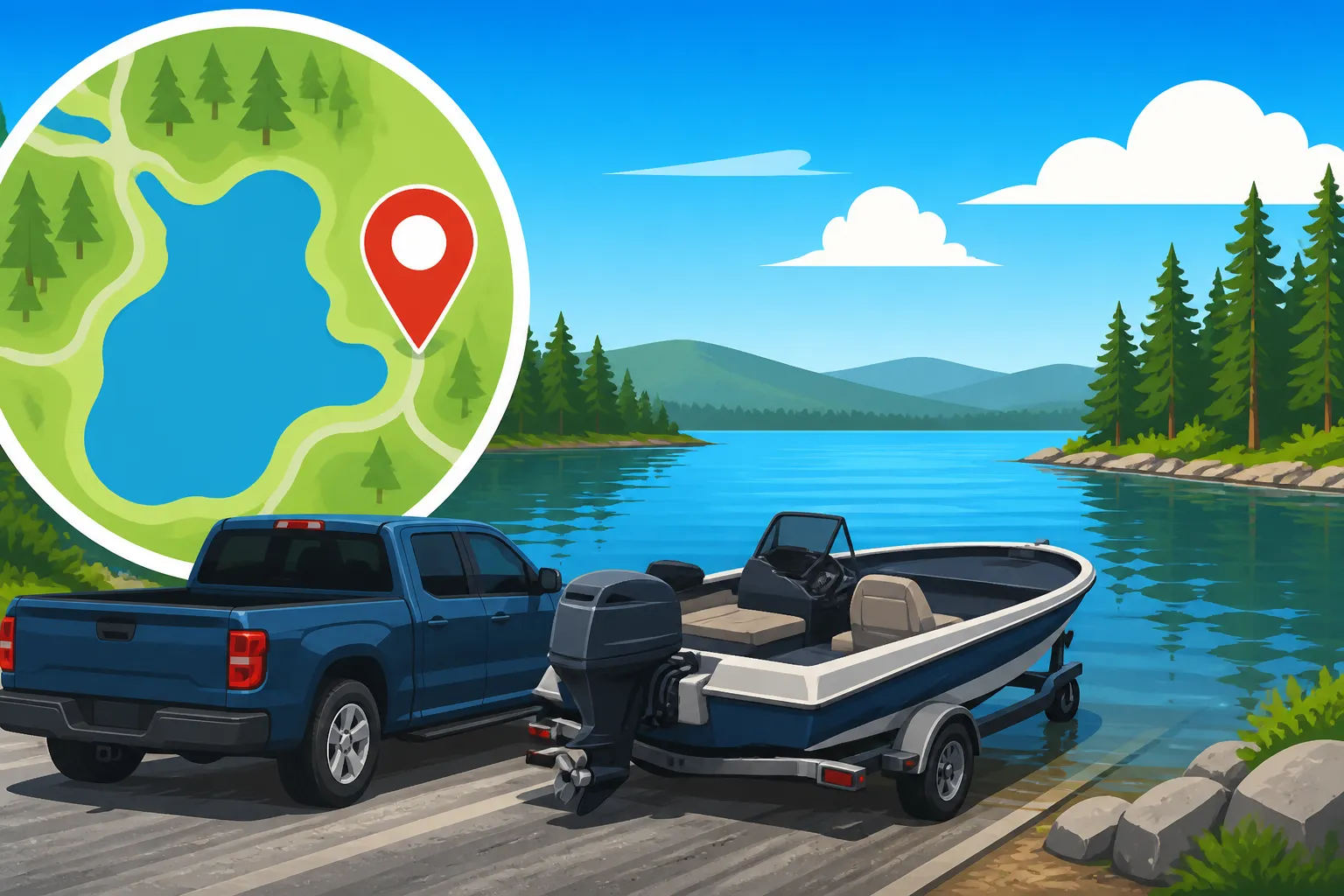
Maine's boat launches come in a few main flavors, and understanding these differences is key to a successful outing. Paved boat ramps are typically found on larger, more popular lakes and are designed for trailer-launched powerboats. They offer a smooth, stable surface, making launching and retrieving larger vessels much easier and safer. These often come with associated parking areas and sometimes docks for temporary tie-ups.
Gravel or dirt ramps, on the other hand, are common on smaller ponds or more remote sections of larger lakes. While they offer access, they can be a bit more challenging, especially for heavier boats. Your trailer might dig in if the surface is too soft, and four-wheel drive is often recommended. These are often better suited for smaller aluminum boats, jon boats, or those with lighter trailers. Finally, hand-carry access points are for canoes, kayaks, and other car-top vessels. These are typically undeveloped sections of shoreline or short trails to the water, offering a peaceful entry point to pristine waters where motorized boats might be restricted. Ensure the launch type aligns with your boat's size, weight, and your vehicle's capability to avoid getting stuck or damaging your equipment.
Parking, Amenities, and Accessibility
Beyond the ramp itself, consider the surrounding infrastructure. Adequate and safe parking is paramount. There’s nothing worse than launching your boat only to find you have nowhere legal or safe to park your truck and trailer, potentially resulting in a ticket or, worse, a tow. Many popular launches will have designated parking areas for vehicles with trailers. Always double-check signage for restrictions, fees, or overnight parking rules if you're planning an extended trip.
Amenities can also greatly enhance your experience. Restrooms are a welcome sight, especially on longer trips. Some launches might offer picnic areas, trash receptacles, or even fish cleaning stations. For those with mobility challenges, look for truly accessible launches that comply with ADA standards, featuring gentle slopes and stable surfaces. Consider the time of year too; a launch that's perfectly fine in spring might be overcrowded or have limited parking during peak summer weekends.
Waterbody Regulations and Special Considerations
Maine lakes are governed by specific fishing and boating regulations, and the choice of your launch can be affected by these. Some lakes have motor restrictions, such as "no wake" zones or outright bans on internal combustion engines, making them ideal for electric motors, canoes, or kayaks. Other waters might have specific invasive species check stations where you’re required to clean your boat and trailer before launching to prevent the spread of aquatic invaders. It's vital to be aware of these local rules.
Always consult the Maine Fishing Regulations Explained for the specific waterbody you plan to visit. Some bodies of water are designated as a What Is a Maine Special Regulation Water? and may have unique rules regarding bag limits, fishing methods, or even seasonal closures. Knowing How to Find Maine Fishing Regulations for a Specific Lake will save you from potential fines and ensure you're fishing responsibly. If you’ve enlisted a Registered Maine Guide for your outing, they will handle these details, providing peace of mind. For those managing their own adventure, careful research beforehand is key to avoiding an unwelcome surprise or a warden visit.
Step-by-Step Guide to Finding and Assessing a Launch
Now that we understand why finding the right launch is important and what resources are available, let's walk through a practical approach to confidently locate and evaluate boat launches for your next Maine fishing trip.
Pre-Trip Planning and Research
The most critical phase of finding a boat launch happens long before you leave your driveway. Start by identifying your target lake or pond. If you're looking for ideas, consider checking out resources like Best Fishing Lakes in Maine or the Public Boat Launches for Maine Lakes list. Once you have a destination, head to the Maine IFW website. Their "Public Boat Access" section is gold. Many listings include driving directions, detailed descriptions of the ramp, and photos. Cross-reference this information with satellite imagery on Google Maps or your preferred fishing app. Look for:
- Road Access: Does a public road lead directly to the launch, or is it on a private road with an easement? Are there any gates or restrictions?
- Ramp Condition: Can you see a paved ramp, or does it look like a dirt track? This will dictate if your boat and trailer can handle it.
- Parking Area: Is there ample space for your vehicle and trailer, especially if you're going during a busy time? Over-optimistic parking descriptions can lead to serious headaches.
- Proximity to Fishing Spots: While not always the top priority, a launch closer to your intended fishing grounds can save you travel time on the water.
If you have any doubts, don't hesitate to make a phone call. Contact the local town office, a nearby sporting goods store, or even the Maine IFW regional office for up-to-the-minute information on launch conditions, particularly after heavy rains or during early spring run-off. This level of thorough planning, much like preparing for How to Plan a Multi-Day Fishing Trip, is essential for a smooth experience.
On-Site Assessment for a Smooth Launch
You've done your homework, driven to the launch, and now you're there. Don't just back up and hope for the best! A quick on-site assessment can prevent damage, delays, and embarrassing situations. Here’s what to look for:
- Ramp Condition: Is the ramp free of debris, large potholes, or excessive gravel? Is it slippery with algae? Does it extend far enough into the water for your boat, even if the water levels are a bit low? If it's a dirt ramp, is it firm enough to support your vehicle and trailer, or is it a muddy mess that will quickly bog you down?
- Water Depth and Obstructions: Visually check the water at the end of the ramp. Are there submerged rocks, stumps, or shallow sandbars that could damage your prop or lower unit? On tidal waters or rivers, be mindful of currents that could make launching and retrieving tricky.
- Wind Conditions: Strong crosswinds can make launching and loading a boat much more difficult, especially for solo anglers. If the wind is pushing directly against the ramp, consider waiting for a lull or even seeking an alternative launch if possible.
- Parking Availability: Re-confirm that there’s adequate space to park your trailer safely and legally. If the lot is full, consider waiting or having a backup plan.
Remember, safety first. If a launch looks questionable, trust your gut. There’s no fish worth risking your vehicle, boat, or personal safety. If the thought of navigating unfamiliar boat launches feels daunting, remember that booking a trip with a local expert through services like FishingBooker means they'll handle all the logistics, including finding the perfect spot to put in and ensuring everything runs smoothly.
Here's a quick comparison of common boat launch types in Maine:
| Launch Type | Best For | Key Characteristics | Pros | Cons |
|---|---|---|---|---|
| Paved Boat Ramps | Larger powerboats, bass boats, heavier trailers, popular lakes | Concrete or asphalt surface, often gentle slope, sometimes includes courtesy docks and designated parking. | Easy and safe launching/retrieving, good for heavy boats, usually well-maintained. | Can be crowded, steep user fees, less "wilderness" feel, limited to larger, accessible lakes. |
| Gravel/Dirt Ramps | Smaller powerboats, aluminum boats, jon boats, lighter trailers, kayaks | Unpaved, can vary in condition (firm to muddy), steeper slopes possible, less infrastructure. | Access to more remote ponds, often free or low-cost, less crowded. | Can be rough on trailers, risk of getting stuck (4WD often needed), may not extend deep enough, limited parking. |
| Hand-Carry Access | Canoes, kayaks, paddleboards, small car-top boats | Undeveloped shorelines, short trails from parking, no vehicle access to the water's edge, minimal signage. | Access to pristine, quiet waters, minimal environmental impact, free. | Requires carrying gear, not suitable for larger boats, can be physically demanding, very limited parking. |
Disclaimer
The information provided in this guide is for general informational purposes only and is subject to change. Always consult the official Maine Department of Inland Fisheries and Wildlife (IFW) regulations and local ordinances before heading out on the water. Fishing conditions, access points, and regulations can change frequently.