Sebec Lake Togue Fishing Depths
Trying to dial in the perfect depth for togue on Sebec Lake can feel like you're playing a high-stakes game of hide-and-seek with fish that have mastered camouflage and evasion. It's frustrating when you're out on the water, seeing activity but not getting bites, knowing those elusive lake trout are down there somewhere. This guide is here to help you crack the code, offering insights into Sebec Lake's unique structure and the specific depths where togue are most likely to be lurking, no matter the season.
Understanding Togue Behavior and Habitat in Sebec Lake
Sebec Lake, nestled in Piscataquis County, is a gem for anglers, especially those chasing togue, which is what we Mainers affectionately call lake trout. These cold-water warriors aren't just found anywhere; they have very specific needs for temperature and oxygen, which dictate their movements throughout the year. Knowing their preferences is the first step to understanding where to drop your line.
Seasonal Movements and Temperature Preferences
Togue in Sebec Lake are slaves to the thermometer. Their ideal water temperature range is quite narrow, typically between 40 to 55 degrees Fahrenheit. This means their depth changes dramatically from season to season. In the icy grip of winter, when the entire lake is uniformly cold, they can be found at a wider range of depths. However, once spring arrives and the surface water begins to warm, a thermocline forms – a distinct layer where water temperature changes rapidly. This thermocline essentially compresses the togue into specific zones where the water suits them best.
During the height of summer, the surface waters of Sebec Lake can get too warm and oxygen-depleted for togue. This forces them deeper, often below the thermocline, into the colder, more oxygen-rich abysses. Come fall, as the lake begins to cool and "turn over" – a process where surface and deep waters mix – togue can once again be found shallower, chasing baitfish that are also reacting to the changing conditions. This constant dance with temperature makes understanding the calendar crucial for successful togue fishing.
Foraging Habits and Preferred Structures
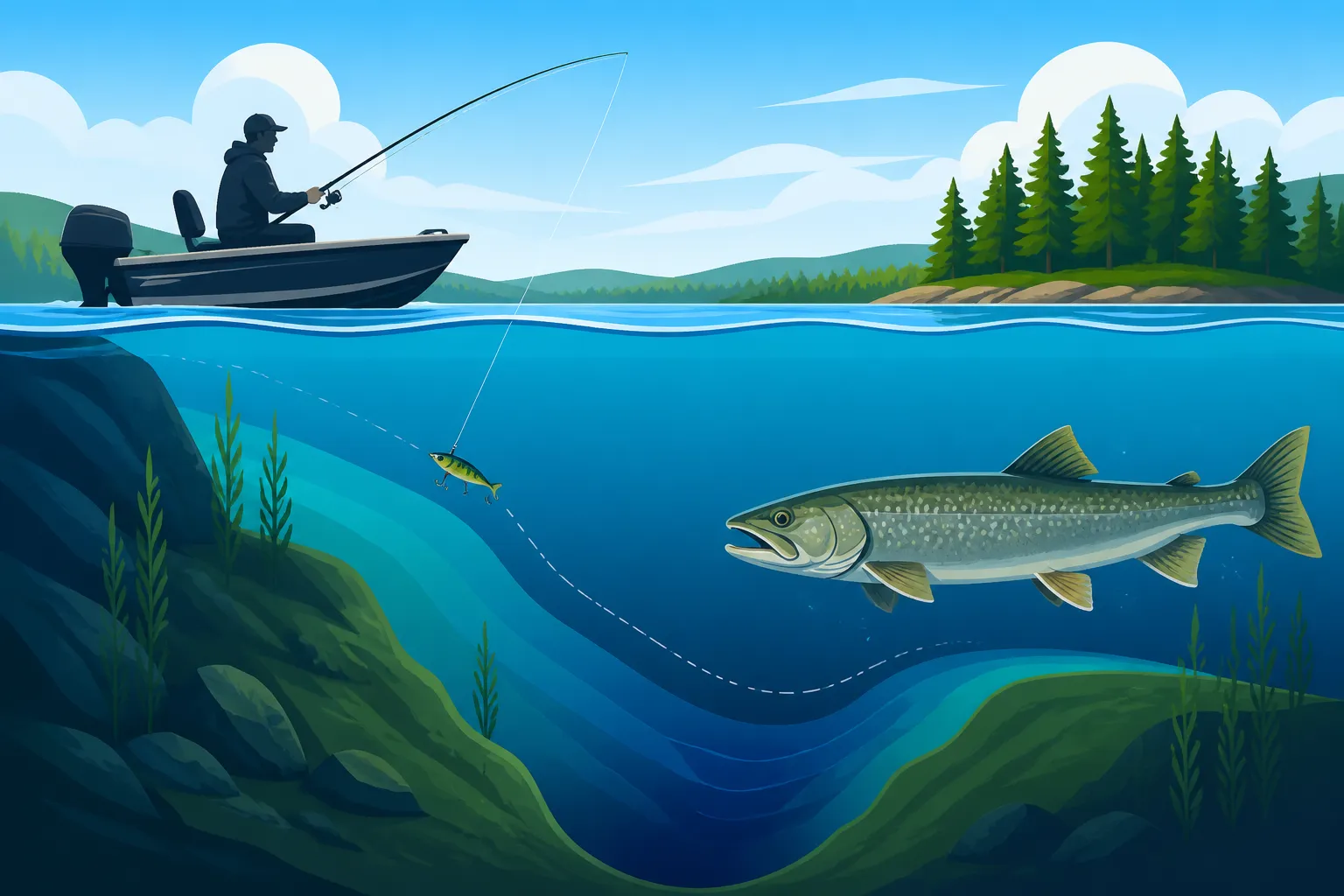
Togue are opportunistic predators, and their diet heavily influences where you'll find them. In Sebec Lake, their primary forage includes smelt, cusk, and even smaller salmon or trout. These baitfish often congregate around specific underwater structures like rocky shoals, steep drop-offs, underwater humps, and points. When you're searching for togue, you're really searching for these baitfish and the structures they relate to.
Imagine a large, underwater boulder field dropping off into a deep basin. This is a classic togue hangout. Why? Because the boulders provide cover, the drop-off offers easy access to deeper, cooler water, and the varied terrain is perfect for ambush hunting. Additionally, areas with underwater springs or currents can create subtle temperature differences that attract both bait and predator. Many anglers find it helpful to consult local fishing maps or use their sonar to identify these crucial underwater landscapes, as knowing the Togue Minimum Length Limit in Maine and how many you can keep is only useful if you can find them!
Key Depths and Structures for Togue in Sebec Lake
Now that we understand why togue move, let's get into the specifics of where they typically hold in Sebec Lake. This isn't an exact science, as fish can be unpredictable, but these ranges provide excellent starting points for your exploration.
Spring and Fall Transitions: Moderate Depths
During the spring and fall, Sebec Lake undergoes significant changes, offering some of the best opportunities for catching togue at more accessible depths.
- Spring (Ice-Out to Early June): Right after ice-out, the entire lake is cold and well-oxygenated. Togue are often found shallower, sometimes as shallow as 15-30 feet, especially near areas where tributaries flow in, bringing in nutrients and drawing baitfish. As the surface begins to warm, they’ll start to move towards 30-60 feet. Focus on rocky points and the edges of flats that drop into deeper water. This is also a fantastic time to target them, as they can be quite active. If you're wondering Best Season to Catch Togue, spring and fall are prime.
- Fall (September to November): As summer heat dissipates and the lake cools, togue once again become more active and can be found shallower, from 20-50 feet. They might move closer to the surface in pursuit of schools of smelt, which are often found in these moderate depths. Look for areas with a mix of structure – gravel bottoms, submerged humps, and ledges that offer both cover and access to open water for foraging. This is also when you might encounter some truly robust fish, packing on weight before winter.
Summer Stratification: Deepwater Sanctuaries
Summer fishing for togue on Sebec Lake is almost exclusively a deepwater game. This is where your sonar and understanding of lake topography become invaluable.
- Summer (Late June to August): Once the thermocline is firmly established, togue retreat to the cooler, oxygenated water below it. This typically means depths ranging from 60 to 120 feet, or even deeper in some of Sebec's profound basins. The exact depth will depend on the lake's specific thermocline, which can vary year to year based on weather patterns. Look for abrupt drop-offs into deep basins, submerged islands, and deepwater points. Using your fish finder to identify schools of baitfish suspended at these depths is key, as togue won't be far behind. Remember, Maine's Maine Togue and Lake Trout Limits still apply, even when you're way down deep!
Winter Ice Fishing: Variable Depths Under the Lid
Ice fishing on Sebec Lake for togue is an exhilarating experience, offering unique challenges and rewards. The depths you target will depend on the time of winter and the specific conditions.
- Early Ice: Similar to late fall, togue can be quite active and found in shallower to moderate depths, around 25-50 feet, especially near rocky areas and points. They're still actively foraging before the full weight of winter sets in.
- Mid-Winter: As the ice thickens and fishing pressure builds, togue might move deeper, holding in the 40-80 foot range. They tend to relate to distinct structures like humps or channels in the deeper basins. You'll often find them suspended over deeper water, but always near a structure. Learning Maine Ice Fishing Techniques Guide can really boost your success here.
- Late Ice: Before ice-out, togue can become more active again, often moving slightly shallower, back into the 30-60 foot range, as baitfish start to move. This can be a fantastic time for jigging or setting tip-ups.
Here's a quick reference table for general togue fishing depths on Sebec Lake:
| Season | Typical Depth Range (Feet) | Key Structures to Target | Common Forage Depths |
|---|---|---|---|
| Early Spring | 15-60 | Tributary mouths, rocky points, shallow-to-deep transition zones | 10-40 |
| Late Spring | 30-70 | Deep edges of flats, submerged humps, start of thermocline | 20-50 |
| Summer | 60-120+ | Deep basins, abrupt drop-offs, submerged islands, below thermocline | 50-100+ |
| Early Fall | 20-60 | Rocky ledges, deep points, areas of lake turnover | 15-45 |
| Late Fall | 30-70 | Channels, deeper rocky areas, baitfish concentrations | 20-50 |
| Winter (Ice) | 25-80 | Humps, deep structure edges, suspended over basins, depending on baitfish movement | 20-70 |
Remember, these are general guidelines. Always start by scanning a range of depths with your sonar and adjust based on what you see.
Essential Gear and Techniques for Deepwater Togue
Once you've identified the depths, having the right gear and knowing the effective techniques is paramount. Togue fishing, especially in the deeper parts of Sebec Lake, demands specific approaches.
Rods, Reels, and Line for Trolling and Jigging
For deepwater togue, you need equipment that can handle the heavy forces of trolling and jigging at significant depths, as well as the powerful fight of a healthy lake trout.
- Rods: When trolling, a medium-heavy to heavy action rod, usually 7 to 9 feet in length, with a moderate or fast tip is ideal. This combination allows for effective lure presentation, good hook sets, and enough backbone to handle a fighting fish and the drag of deepwater gear. For jigging, especially through the ice, a shorter, stout rod with a sensitive tip is preferred, typically 28-40 inches for ice fishing, and 6-7 feet for open water jigging.
- Reels: For trolling, a reliable line counter reel is a game-changer. Brands like Daiwa or Penn offer excellent options. This lets you precisely replicate successful depths and presentations. A baitcasting reel with a smooth drag system is also a good choice. For jigging, a high-quality spinning reel with a robust drag is essential, allowing for quick drops and powerful retrieves.
- Line: Braided line (20-30 lb test) is often preferred as a main line due to its lack of stretch and thin diameter, which helps with sensitivity and cutting through the water. You'll typically use a fluorocarbon leader (10-20 lb test) for abrasion resistance and invisibility, as togue can be line-shy in clear waters like Sebec. For deeper trolling, lead core line or copper line, which sinks at a predictable rate, is indispensable. Knowing Trolling Techniques for Maine Lakes and how to rig these specialized lines is a skill worth developing.
Lure and Bait Selection for Depth
Choosing the right lure or bait is just as important as choosing the right depth. Togue are predators, but they can be finicky.
- Spoons: Classic trolling spoons like Mooselook Wobblers, Suttons, or Daredevils are incredibly effective. Their erratic action mimics injured baitfish. Experiment with sizes and colors, often favoring silver, blue, green, or gold. For deepwater, heavier spoons are often needed, or they are fished in conjunction with downriggers.
- Stickbaits/Plugs: Long, slender plugs that imitate smelt are excellent, especially when togue are actively chasing bait. Brands like Rapala or Bomber are popular. You can troll these with a weight or downrigger to reach deeper fish.
- Live Bait: Live smelt are arguably the best bait for togue, either still-fished on a quick-strike rig or trolled slowly. If smelt aren't available, large shiners can also work. Remember, Maine has specific rules about using live bait, so always check the latest Maine Fishing Regulations Explained. If you're wondering Best Bait for Togue, live smelt is often the answer.
- Jigs: Heavy jigging spoons, tubes, or bucktail jigs are fantastic for vertical presentations, especially during ice fishing or when you've marked fish on your sonar. Tip them with a piece of bait for added attraction. This is a common method for ice fishing and can be incredibly effective when you've located a school of fish at a specific depth.
To find local expertise or book a trip with a captain who knows Sebec Lake's unique deepwater fishing challenges, checking out services like FishingBooker can be incredibly helpful. They often list guides who specialize in specific lakes and target species.
Reading the Water and Adapting to Conditions
Successful togue fishing is not just about knowing the depths; it's about being able to read the conditions and adapt your strategy on the fly. Sebec Lake, like any large body of water, has its own nuances that require keen observation.
Utilizing Sonar and GPS Effectively
Modern electronics are your best friends when targeting deepwater togue. They eliminate much of the guesswork.
- Fish Finder/Sonar: This is non-negotiable for deepwater togue. Use it to identify the thermocline, mark schools of baitfish, and most importantly, locate the togue themselves. Pay attention to suspended arches or blobs, especially those hovering near underwater structures or just above the thermocline. Don't just look for fish, look for the structure that holds them. Many guides will also confirm that mastering how to Reading a Fish Finder on Maine Lakes is paramount.
- GPS: Mark waypoints of productive spots – especially those deep humps, drop-offs, and points. This allows you to return to them reliably and saves time when you're searching. You can also use GPS to track your trolling paths, ensuring you cover key areas effectively. Don't be afraid to make a mental note, or even a literal note, about how a spot produces under different conditions.
Weather, Time of Day, and Subtle Cues
While depths are primary, other factors play a significant role in togue activity.
- Weather: Overcast days or periods of low light often provide excellent deepwater togue fishing, as the reduced light penetration makes them more comfortable moving to shallower depths to feed. Bright, sunny days often push them deeper. Storm fronts can sometimes trigger a feeding frenzy before the front arrives, but fishing often slows during and immediately after a strong system.
- Time of Day: Early morning and late afternoon are generally prime times for togue, especially during summer. However, in deeper water, the light conditions are more consistent, so togue can be caught throughout the day if you're hitting the right depths and structures.
- Barometric Pressure: A stable or slowly falling barometric pressure is often ideal. Rapidly rising or falling pressure can put fish off the bite.
- Subtle Cues: Watch for surface activity if you're fishing during a transition period (spring/fall). Loons diving repeatedly in a certain area can sometimes indicate concentrations of baitfish, which means togue might be lurking nearby. Pay attention to how the wind affects current, as baitfish and therefore togue, can stack up on wind-blown points.
A seasoned guide, often found through platforms like FishingBooker, can offer invaluable insights into these subtle cues that might take years to learn on your own. They can explain nuances of Sebec Lake's specific currents or how particular wind directions affect the bite. Many charter captains who frequent Sebec Lake have decades of experience with these conditions.
Ultimately, cracking the code of Sebec Lake's togue fishing depths is a journey of patience, observation, and adaptability. By understanding their seasonal movements, focusing on key structures, and employing the right gear and techniques, you'll significantly increase your chances of connecting with these incredible fish. Remember to always check the latest Maine Fishing Season Dates Guide and How Many Togue Can You Keep Per Day in Maine? before heading out on the water.
Disclaimer
The information provided in this guide is for general informational purposes only and is subject to change. Always consult the most current Maine Department of Inland Fisheries and Wildlife (MDIFW) regulations before engaging in any fishing activities. Fishing conditions, fish behavior, and specific rules can vary. Stay safe and respect the environment.