Is Rangeley Lake Stocked With Salmon Every Year?
There’s nothing quite like the thrill of fishing for landlocked salmon in Maine, and for many anglers, Rangeley Lake is the ultimate destination. But a common question often swirls around the campfire: "Is Rangeley Lake stocked with salmon every year, or am I just hoping for a miracle?" It’s a valid concern, especially when you’re planning a trip around catching these magnificent fish. Understanding the stocking practices of such an iconic fishery is key to managing your expectations and, more importantly, increasing your chances of a successful outing. This guide will dive deep into the Rangeley Lake stocking program, explore the balance between stocked and wild populations, and help you understand how best to approach this renowned salmon haven.
The Importance of Stocking Programs in Maine Lakes
When we talk about fishing in Maine, especially for sought-after species like landlocked salmon, the conversation inevitably turns to stocking. Many of our incredible fisheries simply wouldn't be as productive, or even exist in their current form, without the strategic hand of state biologists.
Why Stocking is Necessary for Recreational Fisheries
Think about it: Maine's lakes and ponds are under immense fishing pressure. Anglers flock from all over, drawn by the promise of pristine waters and the chance to hook into a hard-fighting salmon or a vibrant brook trout. While many waters have healthy wild populations, others face challenges that natural reproduction alone can't overcome. Things like limited suitable spawning habitat, fluctuating water levels, predation, and even the sheer volume of fish being caught can all impact a species' ability to maintain strong numbers.
This is where stocking programs become crucial. They act as a vital supplement, ensuring that there are always enough fish to support the recreational demand. For species like landlocked salmon, which often require very specific conditions for successful spawning—think cold, oxygen-rich water and clean, gravelly streambeds for their eggs—these programs can be the difference between a thriving fishery and one that struggles. Without regular infusions of fish, many of Maine's most popular fishing spots would see their populations dwindle, leading to disappointing trips and a decline in the overall quality of the fishing experience. It's not about creating an artificial environment, but rather enhancing and sustaining a natural resource that provides so much enjoyment to so many.
The Role of Maine Inland Fisheries and Wildlife MDIFW
The Maine Department of Inland Fisheries and Wildlife (MDIFW) is the unsung hero behind much of our state’s fantastic fishing. Their mission is to protect and manage Maine's fish and wildlife resources, and they take that job incredibly seriously. When it comes to stocking, MDIFW biologists are constantly monitoring fish populations, assessing habitat quality, and gathering data on angler success rates. They're like the master chefs of our aquatic ecosystems, carefully balancing ingredients to create the best possible outcome.
MDIFW operates several hatcheries across the state, raising millions of fish each year, including brook trout, brown trout, lake trout (togue), and of course, landlocked salmon. These fish are reared in controlled environments, growing to a size where they have a much better chance of survival once released into a lake. The decisions about where, when, and how many fish to stock aren't made on a whim. They are based on decades of scientific research, population surveys, and a deep understanding of each body of water. For example, some lakes might receive fall fingerlings (smaller fish) that can grow into larger, wilder-acting fish over several years, while others might get yearlings (larger, catchable fish) to provide more immediate angling opportunities. The goal is always to create a balanced and sustainable fishery that benefits both the fish and the anglers who pursue them. If you’re ever curious about specific regulations, the MDIFW website is the go-to resource, or you can check out our guide on Maine Fishing Regulations Explained.
Rangeley Lake's Landlocked Salmon Stocking Program
Rangeley Lake, a crown jewel in the Western Mountains, is famous for its incredible landlocked salmon fishing. The reason it maintains such a robust population year after year is a fascinating blend of natural abundance and strategic management.
Is Rangeley Lake Stocked Annually with Salmon?
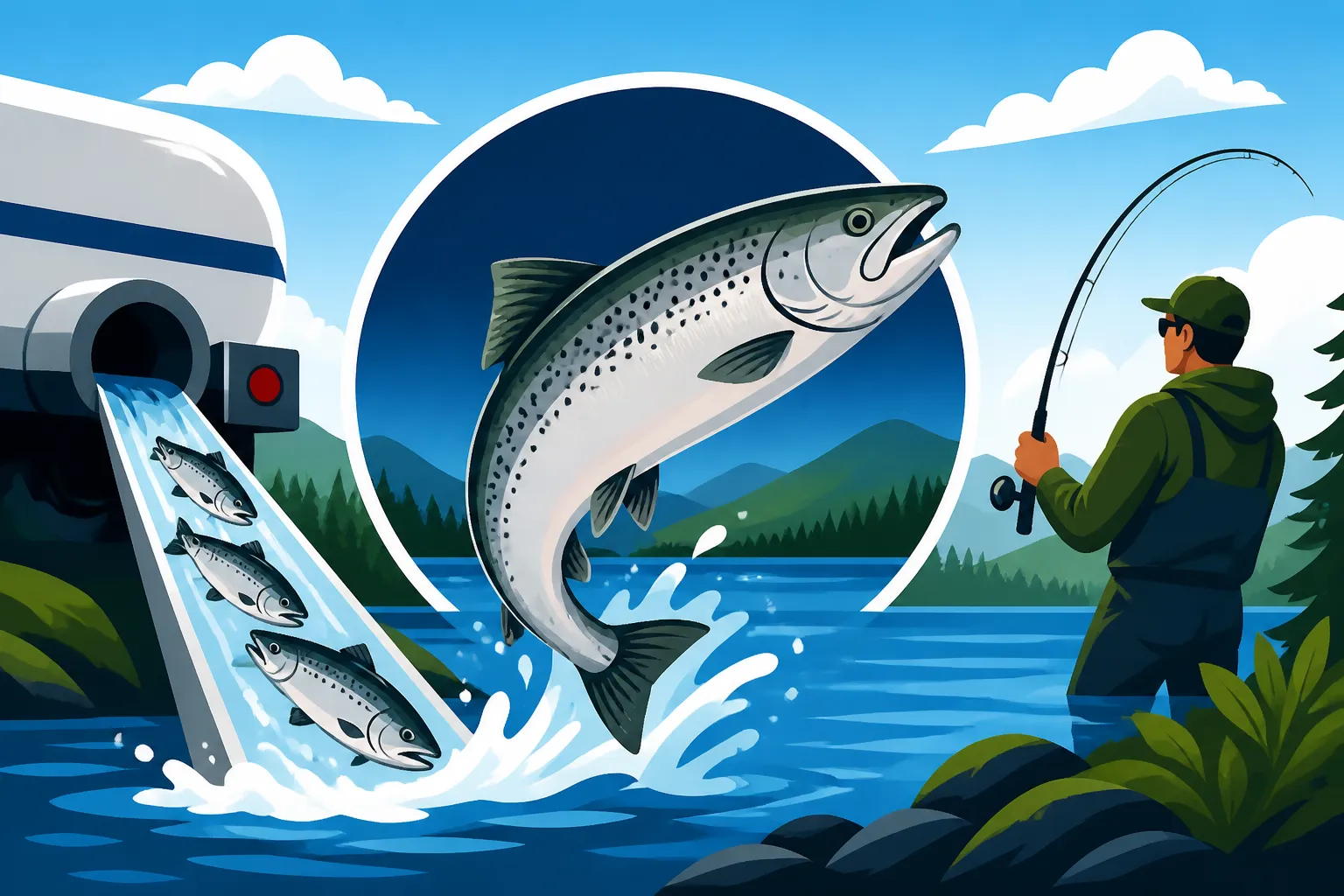
Let's cut right to the chase: Yes, Rangeley Lake is typically stocked with landlocked salmon every single year. This isn't a "sometimes" or "if needed" situation; it's a consistent, annual effort by the MDIFW to ensure that Rangeley remains a premier destination for salmon anglers. The department recognizes the lake's importance to the state's recreational fishing economy and its reputation as one of the best places to catch a trophy landlocked salmon.
The specific numbers and sizes of fish can vary slightly from year to year based on hatchery production, habitat conditions, and the MDIFW's ongoing assessments of the lake's fish population health. However, you can generally count on Rangeley receiving a significant stocking of landlocked salmon, primarily yearlings, to bolster its fishery. These stockings usually occur in the spring, giving the fish time to acclimate to their new environment before the peak fishing season. This regular influx of fish helps to balance the angling pressure, ensuring that both residents and visitors have a good chance to hook into some impressive salmon. If you're planning a trip, knowing that the lake is regularly replenished can give you extra confidence in your efforts. For a deeper dive into the area, take a look at our comprehensive Rangeley Lakes Fishing Guide.
The Types and Sizes of Salmon Stocked
When MDIFW stocks Rangeley Lake, they're not just dumping any old fish in. There's a very deliberate strategy behind the types and sizes of landlocked salmon they introduce. Most commonly, you'll find that Rangeley receives yearling salmon. These are fish that are typically around one year old and have reached a size that gives them a strong survival advantage in the lake. They're big enough to avoid many predators and can quickly adapt to foraging for natural food sources.
The advantage of stocking yearlings is two-fold: First, they're already a decent size, meaning they can become catchable fish relatively quickly, sometimes even within the same season they are stocked. This provides immediate opportunities for anglers. Second, they have the potential for significant growth, especially given the abundant forage base in Rangeley, which includes plenty of smelt. Over time, these stocked fish can grow into impressive specimens, adding to the lake's reputation for producing large, hard-fighting salmon. While some lakes might receive fall fingerlings (smaller fish from the same year's hatch), the emphasis in Rangeley often leans towards yearlings to ensure a robust and immediate contribution to the fishery. This ensures that the tradition of excellent Rangeley Lake salmon fishing continues, year after year.
How Stocking Affects the Fishery and Angler Experience
The consistent stocking of landlocked salmon in Rangeley Lake has a profound impact on both the overall health of the fishery and the experience of every angler who casts a line there. From the fishery's perspective, stocking helps maintain a healthy population balance, especially in the face of intense fishing pressure. It ensures that enough fish are present to sustain the food web and provide a robust predator base. Without it, the population might struggle to recover from heavy fishing seasons or environmental fluctuations.
For anglers, the benefits are clear and immediate. A well-managed stocking program means higher catch rates and a more consistent fishing experience. You’re simply more likely to hook into a salmon when the numbers are kept strong through stocking. This contributes to Rangeley's reputation as a reliable spot for landlocked salmon, drawing anglers from far and wide. While some might argue for purely wild fisheries, the reality for a popular destination like Rangeley is that stocking complements natural reproduction, making it a sustainable and enjoyable place to fish for decades to come. It ensures that the effort you put into learning Trolling Techniques for Maine Lakes or mastering your Fly Fishing Techniques for Maine Rivers will be rewarded.
Let's take a look at a typical stocking strategy:
| Fish Species | Age/Size Stocked | Primary Season Stocked | Goal of Stocking | Impact on Fishery |
|---|---|---|---|---|
| Landlocked Salmon | Yearlings (6-8 in.) | Spring | Supplement natural reproduction, provide catchable fish | Sustains high angler success, allows for trophy growth |
| Brook Trout | Yearlings (6-8 in.) | Spring | Create diverse opportunities, supplement specific areas | Adds variety, supports specific tributary fishing |
This table illustrates the targeted approach MDIFW takes, using stocking as a precise tool to enhance the fishery without overshadowing the lake's natural capabilities.
Beyond Stocking: Natural Reproduction and Habitat in Rangeley
While stocking plays a significant role in Rangeley Lake's salmon fishery, it's crucial to remember that the lake also boasts vital natural reproduction. The healthiest fisheries are often those where stocking works in harmony with thriving wild populations and robust natural habitats.
Natural Spawning Grounds for Landlocked Salmon
Rangeley Lake is blessed with several significant tributaries that offer prime real estate for naturally reproducing landlocked salmon. Unlike some lakes where salmon are almost entirely dependent on stocking, Rangeley has a strong foundation of wild fish. The most notable of these spawning grounds is the mighty Kennebago River, renowned for its pristine waters and gravelly beds which are ideal for salmon spawning. Other streams and rivers feeding into Rangeley Lake, such as the Rangeley River itself (especially sections below spawning barriers that have been addressed), also contribute significantly to the wild salmon population.
These wild salmon are often celebrated for their incredible fighting spirit and vibrant coloration, a testament to their natural origins. For successful natural reproduction, salmon require cold, clean, well-oxygenated water, and gravel stream bottoms where they can dig their redds (nests) to lay eggs. The eggs need to remain undisturbed by silt and have a constant flow of oxygenated water to develop properly. The presence of these crucial natural spawning grounds is a major reason why Rangeley Lake maintains such a healthy and diverse salmon population, providing a true wild fish experience alongside the stocked fish. When you learn how to Identify a Landlocked Salmon, you might even be able to tell the difference between a stocked fish and a wild one by subtle fin differences.
Habitat Management and Conservation Efforts
The ongoing health of Rangeley Lake's landlocked salmon population, both wild and stocked, relies heavily on continuous habitat management and conservation efforts. MDIFW works in tandem with local conservation groups, angling associations, and landowners to protect and enhance the critical environments that salmon need to thrive. These efforts often focus on the very spawning grounds we just discussed. Projects might include restoring stream banks to prevent erosion and siltation, which can smother salmon eggs. Removing obsolete dams or installing fish-friendly culverts helps connect fragmented habitats, allowing salmon to access more upstream spawning and nursery areas.
Water quality monitoring is another vital aspect. Ensuring that the lake and its tributaries remain clean and free from pollutants is paramount for cold-water species like salmon. Organizations like the Rangeley Lakes Heritage Trust are instrumental in protecting shorelines, conserving vital uplands, and educating the public about responsible land use that impacts the watershed. By safeguarding these habitats, we’re not only ensuring the survival of naturally reproducing salmon but also maximizing the potential for stocked fish to grow large and healthy. It's a holistic approach that recognizes the interconnectedness of the entire ecosystem, solidifying Rangeley's status as a world-class fishing destination. These efforts are crucial for the long-term sustainability of Landlocked Salmon Fishing in Maine.
Angler's Perspective: Fishing for Stocked and Wild Salmon in Rangeley
Whether you're after a fresh-from-the-hatchery fighter or a wily wild veteran, Rangeley Lake offers fantastic opportunities. Understanding how to approach the lake and its diverse salmon population will significantly improve your chances of success.
Best Techniques for Targeting Landlocked Salmon in Rangeley
Fishing for landlocked salmon in Rangeley Lake requires a blend of traditional techniques and an understanding of the fish's behavior throughout the seasons. Trolling is undeniably one of the most popular and effective methods, especially when the salmon are holding in deeper, cooler water. Early in the spring, just after ice-out, salmon can be found near the surface, cruising the shallower bays as they feed on smelt. Spoons like Mooselook Wobblers, DB Smelts, or small sewn baits like live smelt or shiners are incredibly effective. As the water warms, these salmon will descend, often to depths of 20 to 60 feet or even deeper during the dog days of summer. This is when downriggers, lead core line, or even copper line become essential to get your lures down to where the fish are holding. Understanding Rangeley Lake Trolling Depths is key here.
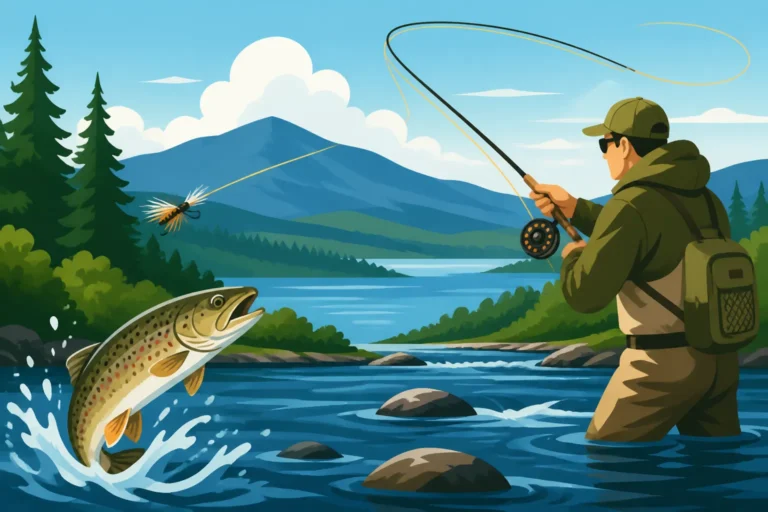
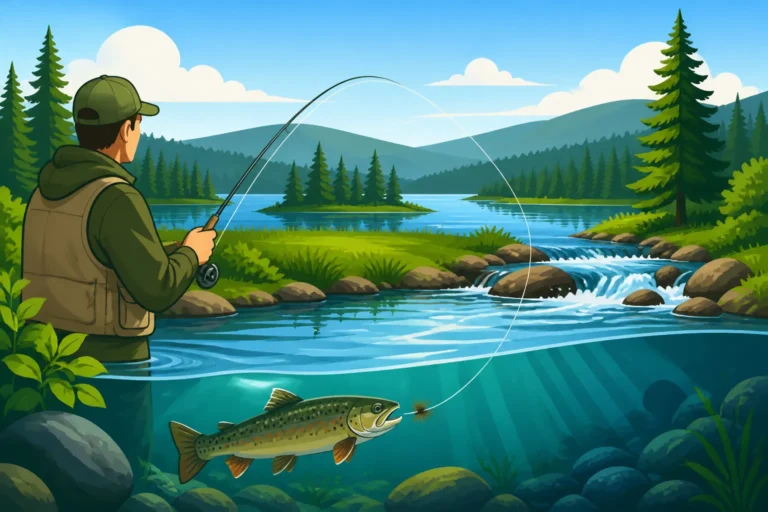
Fly fishing also shines in Rangeley, particularly in the spring and fall when salmon are concentrated near the mouths of tributaries or in shallower areas. Streamer patterns that imitate smelt, such as Gray Ghosts, Black Ghosts, or Nine-Three patterns, are incredibly productive. Early morning and late evening often provide the best topwater action, but nymphing or swinging streamers can also entice strikes throughout the day. Remember to always consult the Maine Fishing Season Dates Guide to ensure you're fishing legally and to understand specific regulations for different areas of the lake, especially near river mouths. Whether you're a troller or a fly caster, success often comes down to matching the forage (usually smelt), paying attention to water temperature, and being persistent.
Planning Your Trip to Rangeley Lake
Planning a fishing trip to Rangeley Lake is an exciting endeavor, but a little preparation goes a long way. The best times to visit for salmon fishing are typically late spring (May and early June) and throughout the fall (September and October). In spring, the salmon are active and often closer to the surface, making for some aggressive strikes. Fall offers spectacular scenery and active fish preparing for spawning. Summer can be excellent, but requires more knowledge of deep-water trolling techniques to find the salmon in cooler temperatures.
When it comes to accommodations and resources, Rangeley offers a variety of options, from cozy cabins to lakeside resorts. Many anglers opt to bring their own boats, with several public launches available. However, if you're new to the lake or want to maximize your chances, consider hiring a local guide. A Registered Maine Guide who specializes in Rangeley Lake fishing can provide invaluable local knowledge, expertise in various techniques, and access to prime fishing spots. Services like FishingBooker can be an excellent resource for finding reputable guides in the Rangeley area, allowing you to compare options and book a trip that suits your style. They list many experienced guides who know the ins and outs of this vast lake. Before you head out, ensure your Maine Fishing License Guide is up to date, and don't forget essentials like appropriate clothing for Maine's unpredictable weather, sunscreen, insect repellent, and plenty of snacks and water. Consider reading about Hiring a Maine Fishing Guide for more tips on making the right choice for your trip.
Disclaimer
Please remember that fishing regulations, stocking schedules, and local conditions can change. Always consult the latest Maine Department of Inland Fisheries and Wildlife (MDIFW) regulations and local advisories before planning any fishing trip. This guide is for informational purposes only and does not constitute legal advice.