Best Fishing Spots on Sebasticook Lake
There’s nothing quite as frustrating as showing up to a new lake with your rods and reels, full of anticipation, only to spend hours casting into empty water. You know the fish are somewhere, but without local knowledge or a solid game plan, it feels like you're just guessing. Well, if you’ve got your sights set on Sebasticook Lake in Central Maine, you’re in luck! This guide is here to cut through the guesswork and point you directly to the prime fishing spots, species by species, ensuring your next trip isn’t just a pretty boat ride, but a productive angling adventure.
A Deep Dive into Sebasticook Lake's Fishing Appeal
Sebasticook Lake, nestled mostly within the towns of Newport and Palmyra, isn't always the first name that comes to mind when people think of Maine's renowned fishing destinations. Lakes like Moosehead or Sebago often steal the spotlight with their deep, cold waters and trophy salmon and togue. But for anglers who appreciate abundant warm-water species and a more relaxed, often less crowded atmosphere, Sebasticook Lake is an absolute gem waiting to be explored. It offers a fantastic experience, especially if you're looking for consistent action and a chance to truly hone your skills with bass, perch, and pickerel.
Why Sebasticook Stands Out
What makes Sebasticook Lake truly special is its warm-water fishery. Unlike many of Maine's iconic glacial lakes, Sebasticook is shallower and more fertile, leading to robust populations of species that thrive in these conditions. This lake doesn't boast the dramatic depths of its larger cousins, but what it lacks in profundity, it more than makes up for in productive habitat. The extensive weed beds, gradual slopes, and numerous coves create an ideal environment for bass to ambush prey and for perch to school up. It’s a lake where you can truly connect with nature and enjoy a day of casting without feeling overwhelmed by vast, featureless expanses of water. Many local anglers consider it one of the Best Fishing Lakes in Maine for these particular species, even if it flies under the radar for those chasing salmon.
Understanding the Lake's Layout
Sebasticook Lake spans approximately 4,288 acres, making it a sizable body of water, but its average depth is quite modest, typically around 12-15 feet, with a maximum depth that hovers around 35 feet. This relatively shallow nature means that water temperatures warm up quickly in the spring, kicking off the fishing season earlier for warm-water species, and stay comfortable for fish well into the fall. The lake's bottom structure is a mix of sand, gravel, and rich organic sediments, particularly in the shallower coves and flats. Weed beds are prolific in many areas, providing crucial cover and feeding grounds. You'll find numerous points, slight depressions, and small channels that create excellent ambush points for predators. Knowing the lake's general layout and how its features interact with different depths is key to unlocking its fishing potential. For instance, understanding the Maine North Zone vs South Zone Fishing Rules might give you an idea of how fishing regulations vary, but Sebasticook falls squarely within the general warmwater approaches.
Top Fishing Spots for Key Species on Sebasticook Lake
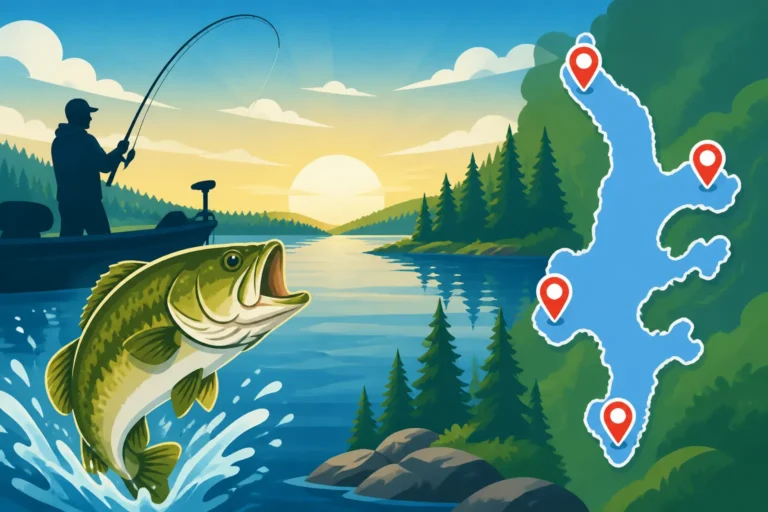
Fishing Sebasticook Lake means focusing on its dominant warm-water species. While you might occasionally hook into something else, the real stars here are the smallmouth and largemouth bass, and the plentiful white perch and chain pickerel. Each species has its preferred haunts, and knowing where to cast for what can make all the difference in your day.
Targeting Smallmouth and Largemouth Bass
Sebasticook Lake is a fantastic bass fishery, offering both smallmouth and largemouth action. The key to finding them often lies in identifying structure and cover, especially where those features meet deeper water.
- The Northern End and Inlet Areas: Near the towns of Newport and Pittsfield, where the Sebasticook River feeds into the lake, you'll find excellent opportunities for both bass species. The incoming current often concentrates baitfish, which, in turn, draws in hungry bass. Look for submerged logs, rocky outcroppings, and points where the current creates eddies. Largemouth often hold tight to the heavier weed beds and fallen timber found closer to shore in these areas, while smallmouth might patrol the slightly deeper, rockier edges. Try casting spinnerbaits or jigs into these transition zones.
- Perkins Cove (East Side): This large cove on the eastern side of the lake is a consistent hotspot, especially for largemouth bass. Its shallower, weedy flats and numerous docks provide perfect ambush cover. During the warmer months, pitching Texas-rigged worms or soft plastic creature baits into the thickest cover can be incredibly effective. The edges of the cove, particularly where the weeds meet slightly deeper water (8-12 feet), are great places to work crankbaits or chatterbaits for active fish.
- The Island (Mid-Lake): There's a prominent island in the middle of Sebasticook Lake that acts as a magnet for smallmouth bass. The rocky shorelines and underwater ledges surrounding this island create ideal habitat. Smallmouth love to cruise these rocky areas, especially when the sun is high and they're looking for crayfish or baitfish. Drop-shot rigs with small plastics, tubes, or even live shiners fished along the ledges can be deadly. Topwater lures can also produce explosive strikes around dawn and dusk here.
- Southern Coves and Points: As you head towards the southern end of the lake, you'll encounter a series of smaller coves and distinct points. These areas often feature a mix of rocky bottoms and developing weed lines. The points, in particular, serve as migration routes and staging areas for bass. Cast jerkbaits or swim jigs along the contours of these points. Don't overlook any isolated clumps of reeds or lily pads, as largemouth will often hold tight to them. For specific regulations, be sure to consult the Maine Bass Fishing Limits by Zone before you head out.
Chasing White Perch and Chain Pickerel
While bass get a lot of attention, Sebasticook Lake offers fantastic fishing for white perch and chain pickerel, providing consistent action, especially for younger anglers or those simply looking for a fun day on the water.
- Shallow Flats and Weed Edges for White Perch: White perch are schooling fish, and once you find them, you can often catch several in a short amount of time. They love to congregate on the shallower, sandy flats, particularly those adjacent to deeper water, and along the edges of weed beds throughout the lake. The large flat between the main boat launch in Newport and the island is a prime area. Use small jigs tipped with a piece of worm, Sabiki rigs, or even tiny spinners. Look for disturbances on the surface or use your fish finder to locate schools. They are delicious panfish, and reeling in a stringer full of them is a real treat! The Maine Fish Bag Limits Guide will have current regulations on perch.
- Lily Pad Fields and Heavy Cover for Chain Pickerel: Chain pickerel are aggressive, toothy predators that thrive in the dense vegetation of Sebasticook Lake. They love to lurk in lily pad fields, thick weed beds, and areas with submerged timber, waiting to ambush unsuspecting prey. The numerous shallow coves around the entire perimeter of the lake, especially Perkins Cove and the areas along the western shore, are prime pickerel territory. Cast weedless spoons, spinnerbaits, or even topwater frogs directly into the thickest cover. Pickerel are not shy, and their strikes are often ferocious. While they might not be everyone's target species for the dinner table, they offer exciting action and a good fight. Remember to bring a pair of pliers for easy hook removal, as their mouths are full of sharp teeth!
Seasonal Strategies for Success on Sebasticook Lake
The beauty of fishing Sebasticook Lake is that it offers opportunities throughout the open water season, but knowing how fish behavior changes with the seasons can significantly improve your catch rates. From the awakening of spring to the cooling waters of fall, adapting your approach is key.
Springtime Opportunities
As the ice melts off Sebasticook Lake (you can usually get a good idea of typical ice-out dates by checking records for similar nearby lakes), the waters begin to warm, stirring the fish into action. Spring is an incredible time for active fish before they settle into their deeper summer patterns.
- Pre-Spawn Bass Action: In early spring, as water temperatures climb into the 40s and 50s Fahrenheit, bass will move from their deeper wintering grounds to shallower staging areas. Look for northern coves and protected bays that warm up faster due to sun exposure and shallower depths. These areas, especially those with dark bottoms, are magnets for pre-spawn bass. Lipless crankbaits, jig and pig combinations, or even slow-rolled spinnerbaits can be incredibly effective when fished along points and gradual slopes leading into these warmer bays. This is a time when bass are aggressively feeding to build energy for the upcoming spawn.
- Perch and Pickerel in the Shallows: White perch will also become very active in the shallower waters, often schooling up in the same warmer bays and flats as the bass. Small jigs, grubs, or even a simple worm under a bobber can lead to non-stop action. Chain pickerel will be ravenous after the long winter, and they'll be found patrolling the edges of any emerging weed growth or submerged timber in the shallowest sections of the lake. Throwing spoons or brightly colored spinnerbaits into these areas can lead to explosive strikes.
Summer Tactics
Summer on Sebasticook Lake brings warmer water and more recreational boat traffic, requiring a shift in strategy. Fish will often move to deeper, cooler waters during the heat of the day, but remain active during prime feeding windows.
- Early Morning and Late Evening: These are your golden hours for summer fishing. As the sun rises and sets, bass will often move into shallower water to feed. Topwater lures like poppers, walking baits, or hollow-body frogs fished over lily pads and weed mats can provide thrilling surface strikes. Otherwise, stick to the edges of deeper weed lines or drop-offs with jigs, shaky heads, or deep-diving crankbaits. For those looking to maximize their time, considering a local guide found on a platform like FishingBooker can help you pinpoint these elusive summer patterns quickly.
- Mid-Day Deep Water & Structure: During the brightest and hottest parts of the day, smallmouth bass will retreat to cooler, deeper water, often holding tight to rocky ledges, submerged humps, or the deep side of the island. Largemouth might burrow into the densest overhead cover they can find – thick weed mats, large fallen trees, or shaded docks. Vertical jigging with spoons, drop-shotting, or even slow-trolling can be effective for smallmouth. For largemouth, punching heavy jigs or Texas-rigged plastics through thick mats requires patience but can yield big results. Knowing How to Fish Deep Water for Summer Trout might not apply directly to Sebasticook's bass, but the principle of finding cooler water remains relevant.
Fall Fishing Hotspots
As the days shorten and water temperatures begin to drop, Sebasticook Lake experiences a "fall turnover" where the water column mixes. This, combined with fish bulking up for winter, creates some of the most exciting fishing of the year.
- Bass Feeding Frenzy: Fall is when bass become incredibly aggressive, trying to pack on calories. They'll often school up and actively chase baitfish. Look for bass concentrated along main lake points, channel edges, and secondary breaks. Crankbaits, spinnerbaits, and jerkbaits worked aggressively can trigger strong reactions. As the water cools further, fishing jigs and slow-rolling spinnerbaits on the bottom can be very productive. This is often when you'll find the biggest bass of the year.
- Perch and Pickerel Still Active: White perch will continue to school up, often in shallower areas initially, then moving to deeper flats as temperatures drop. Following the baitfish is key. Chain pickerel remain aggressive, attacking anything that moves. They'll still be found in those familiar weed lines and cover, often becoming even more opportunistic. For specific guidance on seasonal shifts and regulations, referring to the Maine Fishing Season Dates Guide is always a good idea, as some regulations might be species-specific or zone-specific, though Sebasticook generally follows statewide warm-water rules.
Essential Tips and Access for Anglers on Sebasticook Lake
Fishing Sebasticook Lake is an enjoyable experience, but a little preparation can go a long way. Knowing where to launch your boat, what gear to bring, and generally how to approach the lake will make your trip smoother and more successful.
Public Access and Boat Launches
Getting onto Sebasticook Lake is relatively straightforward, with good public access points available.
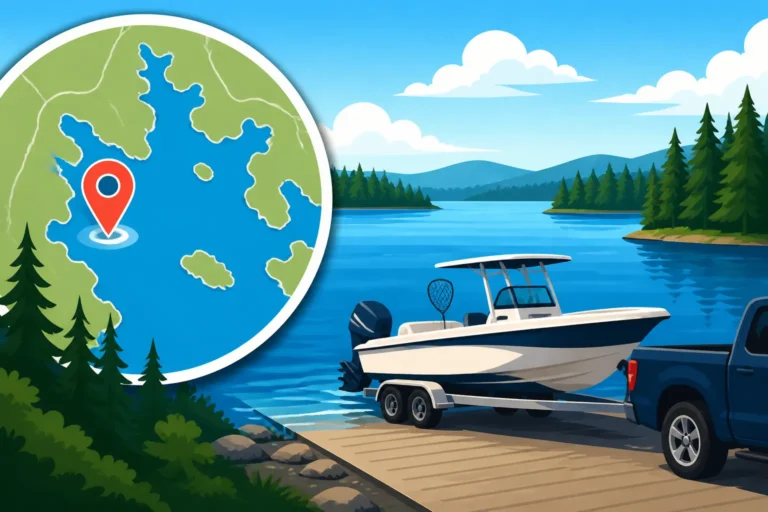
- Newport Public Boat Launch: The primary public boat launch is located in Newport, off Route 7 (Main Street), near the causeway that crosses the lake. This is a well-maintained, paved launch with ample parking, suitable for most trailerable boats. From here, you have easy access to the northern end of the lake, including the river inlet and the popular central island. It’s also a convenient spot to explore the various coves and points along the eastern and western shores.
- Smaller Access Points: There might be smaller, less formal access points around the lake, particularly for kayaks, canoes, or smaller jon boats. Always be respectful of private property and ensure you are using designated public access areas. When planning your trip, particularly if you're coming from out of state, platforms like FishingBooker can sometimes offer insights into local access points or connect you with guides who know the ins and outs of getting on the water.
Gear and Techniques for Sebasticook
Given the primary target species on Sebasticook Lake, a versatile fishing setup is your best bet.
- Rods and Reels: A medium-heavy spinning or baitcasting rod (6'6" to 7'3") paired with a matching reel spooled with 10-15 lb fluorocarbon or braided line will handle most situations. For throwing into heavy cover, a heavier action rod and stronger braid (30-50 lb) are advisable, especially for hauling largemouth out of thick weeds.
- Lure Selection:
- Bass: Focus on a variety of lures: spinnerbaits (1/4 – 1/2 oz), crankbaits (both shallow and medium divers), soft plastics (Texas-rigged worms, creature baits, Senkos), jigs (flipping and football jigs), and topwater lures (frogs, poppers, walking baits).
- Perch: Small jigs (1/16 – 1/8 oz) tipped with a small plastic grub, a piece of worm, or a small minnow are incredibly effective. Sabiki rigs can also be used to catch multiple perch at once.
- Pickerel: Weedless spoons, inline spinners, spinnerbaits, and even larger soft plastics can entice pickerel. Remember their sharp teeth – a wire leader isn't a bad idea if you're targeting them specifically, although it can sometimes deter bass.
- Live Bait: Live shiners or worms can be incredibly effective for all species, especially white perch. Fishing them under a bobber or on a bottom rig is a simple yet deadly technique. Just be aware of local regulations on baitfish use; you can find more information in the Maine Fishing Regulations Explained.
- Electronics: A good fish finder or sonar unit can be invaluable for locating schools of perch, identifying submerged structure for bass, and finding those critical depth transitions. Knowing how to Reading Lake Structure for Maine Bass on your unit will give you a significant advantage.
- Essential Tools: Don't forget long-nose pliers for unhooking fish (especially pickerel!), a net, a measuring tape (for adherence to Maine Fish Bag Limits Guide and size limits), and a cooler for any fish you plan to keep. And, of course, ensure you have your Maine Fishing License Guide in order!
Table: Sebasticook Lake Fishing Hotspots and Techniques
To help you visualize the best approaches, here's a quick reference table for Sebasticook Lake:
| Species | Best Areas | Recommended Techniques | Key Lures/Baits |
|---|---|---|---|
| Smallmouth Bass | The Island (rocky shores/ledges), Main Lake Points | Drop-shot, Tubes, Jerkbaits, Topwater | Soft plastics, Live shiners, Crayfish imitations |
| Largemouth Bass | Northern Inlet, Perkins Cove, Southern Coves | Texas-rig, Jigs, Spinnerbaits, Frogs, Crankbaits | Worms, Creature baits, Jigs, Frogs, Minnows |
| White Perch | Shallow Flats (near Newport launch), Weed Edges | Small Jigs, Sabiki Rigs, Bobber Fishing | Worms, Small minnows, Micro-grubs |
| Chain Pickerel | Lily Pad Fields, Heavy Weed Beds, Timber Areas | Weedless Spoons, Spinnerbaits, Topwater | Spoons, Spinnerbaits, Frogs, Large shiners |
Remember that conditions on the lake can change daily, but by understanding these core strategies and spots, you'll be well-equipped to enjoy a fantastic day of fishing on Sebasticook Lake. If you're looking for guidance, remember that many experienced local guides can be found through resources like FishingBooker, who specialize in Sebasticook and can help you pinpoint the best action given current conditions. And don't forget to check the Maine Open Water Line Limits to ensure you're fishing legally!
Disclaimer
Please note that fishing conditions, regulations, and fish populations can change. Always consult the latest Maine Department of Inland Fisheries and Wildlife (MDIFW) regulations before planning your fishing trip to Sebasticook Lake or any other body of water in Maine. This guide is for informational purposes only and should not be considered a substitute for official regulations or professional guidance.