Fishing China Lake Near Augusta, Maine
It can be a real headache trying to figure out where to go fishing in Maine, especially if you're looking for a spot that's not too far off the beaten path but still offers fantastic angling opportunities. You want a lake that's easy to get to, has diverse fish species, and isn't so overwhelmingly large that you feel lost before you even cast a line. This comprehensive guide is designed to cut through that confusion, focusing specifically on China Lake near Augusta, and will walk you through everything you need to know to have a successful and enjoyable fishing trip on its beautiful waters.
Welcome to China Lake: An Angler's Overview
China Lake, nestled comfortably in Kennebec County, just a short drive from Augusta, is one of those quintessential Maine lakes that truly has something for every angler. It’s not just a pretty face; this lake boasts a healthy fishery, diverse habitats, and a welcoming atmosphere that makes it a favorite among locals and visitors alike. If you’re tired of driving for hours only to find crowded waters or tricky access, China Lake offers a refreshing change.
Location and Accessibility
China Lake is located in the towns of China and Vassalboro, Maine, making it incredibly accessible from the state capital, Augusta. You can usually reach it within a 20 to 30-minute drive, which is a huge bonus when you're itching to get your line in the water without a massive road trip. This convenience means you can easily plan a day trip or even just a few hours of fishing without committing to an overnight stay, unless, of course, you want to soak in the serene surroundings. Its proximity to major routes means less time navigating backroads and more time enjoying the picturesque Maine landscape. For those wondering about the broader context of local regulations, understanding the general principles laid out in the Maine General Fishing Law Definition Explained can be helpful, even for specific lakes like China Lake.
Lake Characteristics and Ecosystem
China Lake is quite substantial, covering about 3,840 acres, making it large enough to explore different areas but small enough not to feel intimidating. It’s divided into two distinct basins: the northern basin and the southern basin, connected by a narrow channel. This natural division creates varied fishing environments, from shallower, weedier coves in the northern part to deeper, cooler waters in the south. The lake’s average depth is around 26 feet, with some spots dropping to about 85 feet, particularly in the southern basin. This depth variation is crucial because it provides ideal habitats for a wide array of fish species, from warm-water dwellers like bass and pickerel to cold-water favorites such as landlocked salmon and brook trout. The lake bottom varies too, with rocky ledges, sandy stretches, and muddy flats, all contributing to a rich and complex underwater ecosystem.
Why China Lake Stands Out for Anglers
What truly makes China Lake shine for anglers is its incredible diversity. You're not just limited to one type of fishing or one species of fish. Whether you prefer casting for aggressive bass along the shorelines, trolling for elusive salmon in deeper waters, or jigging through the ice in winter, China Lake delivers. Its robust populations of both warm-water and cold-water species mean there’s always something biting, no matter the season or your preferred technique. Plus, being so close to Augusta, it's easy to pop into a local tackle shop if you forgot something crucial or need some fresh bait. For anglers just starting out or those looking for an easy day on the water, China Lake provides a less pressured environment than some of Maine’s more famous, sprawling waters, making it a truly rewarding destination.
Prime Fish Species in China Lake and What They Eat
One of the greatest joys of fishing China Lake is the sheer variety of species you can target. From the hard-fighting bass to the graceful landlocked salmon, there's a thrilling catch waiting for every angler. Understanding what these fish eat is your first step to choosing the right bait and boosting your chances of success.
Largemouth and Smallmouth Bass: The Aggressive Hunters
China Lake is a fantastic destination for bass anglers, boasting healthy populations of both largemouth and smallmouth bass. These fish are known for their aggressive strikes and powerful fights, providing an exciting challenge.
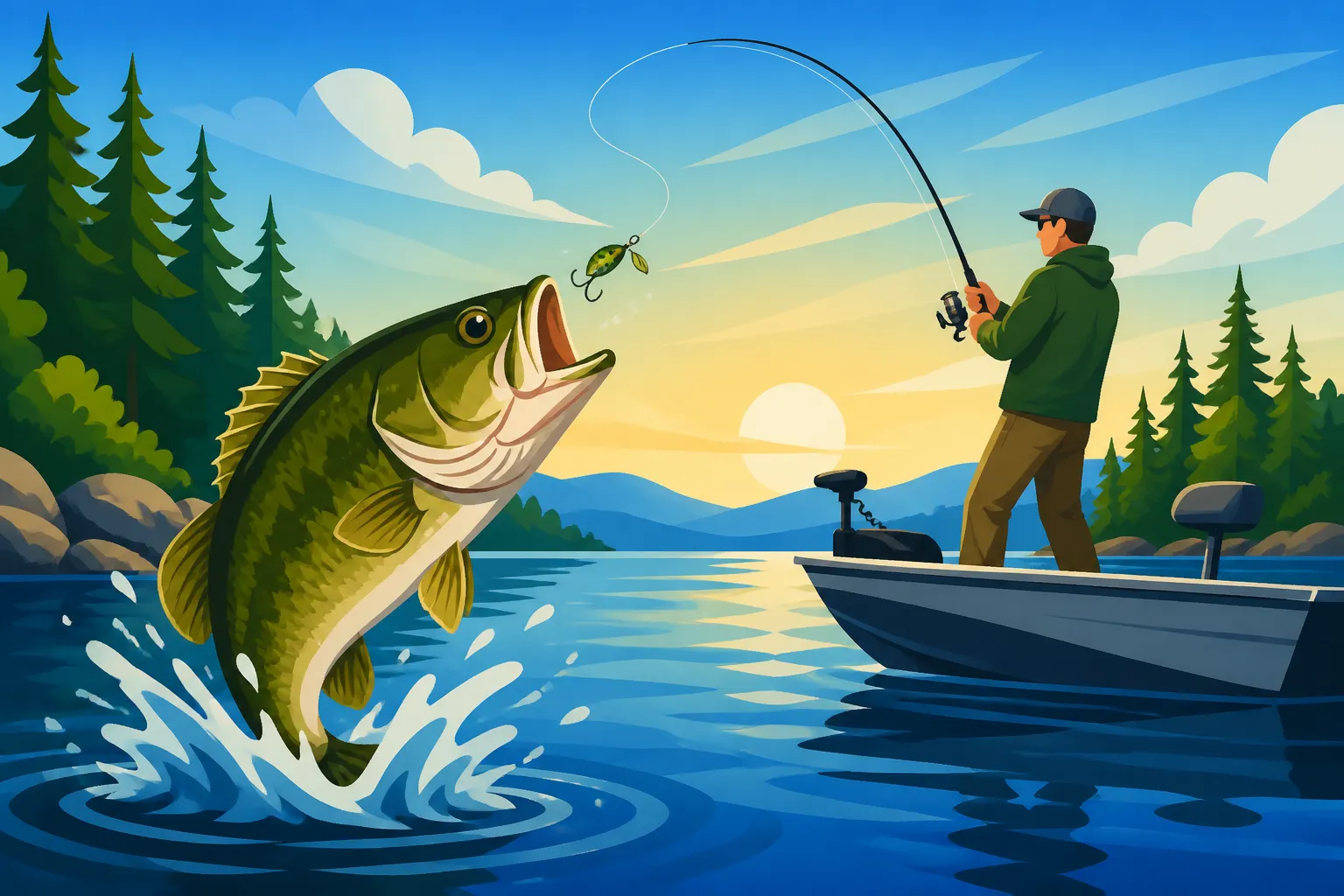
- Largemouth Bass: You'll typically find largemouth bass lurking in the shallower, weedier areas of China Lake, especially in the northern basin. They love cover, so target lily pads, submerged timber, and dense weed beds. Their diet is diverse; they're opportunistic predators. Juvenile bass will feast on insects, small crustaceans, and minnows. As they grow, their diet expands to include larger baitfish like golden shiners, yellow perch, and even frogs, crayfish, and juvenile panfish. If you’re looking to catch a hefty largemouth, consider throwing crankbaits that mimic baitfish, soft plastic worms, or topwater frogs fished right over dense vegetation. Remember to check the Maine Bass Fishing Limits by Zone to stay compliant with regulations.
- Smallmouth Bass: In contrast, smallmouth bass prefer the clearer, rockier areas, often found around ledges, drop-offs, and points in both basins, though the southern basin's deeper structure can be particularly productive. They have a slightly different palate than their largemouth cousins, with a strong preference for crayfish, various insects, and baitfish such as alewives (which are present in China Lake), rainbow smelt, and sculpins. When targeting smallmouth, jigs, tubes, and Ned rigs that imitate crayfish, or spinnerbaits and jerkbaits that mimic baitfish, can be incredibly effective. Smallmouth are often more active in slightly cooler water than largemouth, making them a great target during early summer or fall.
Landlocked Salmon and Brook Trout: Coldwater Gems
For those who love the challenge and beauty of coldwater species, China Lake offers opportunities for both landlocked salmon and brook trout, particularly in its deeper, cooler sections.
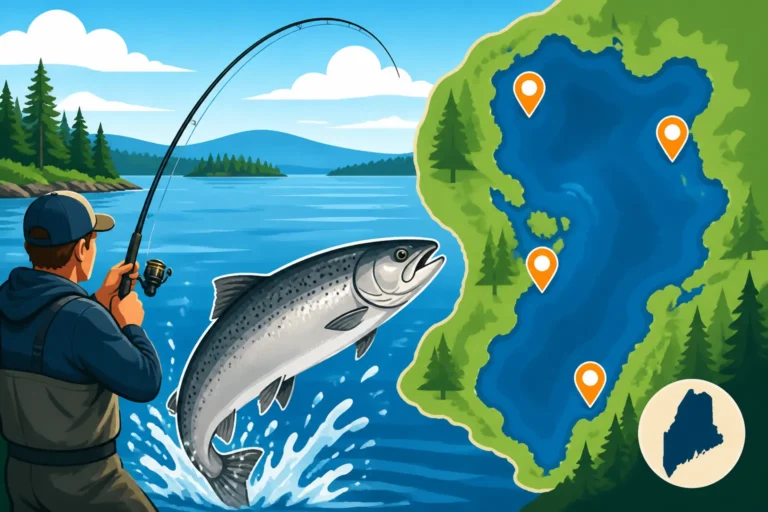
- Landlocked Salmon: These majestic fish are a prized catch in Maine, and China Lake supports a good population. They are typically found in the deeper, cooler waters of the southern basin, especially during the warmer months when they retreat from the surface. Their primary forage includes smelt, alewives, and small minnows, which they actively pursue in open water. During spring and fall, when surface temperatures are cooler, salmon may move closer to the surface or into shallower areas near tributary mouths. Trolling with spoons, stickbaits, or baitfish imitations like shiners is a classic and highly effective technique for these fish. For an in-depth understanding of these magnificent fish, check out our guide on Landlocked Salmon Fishing in Maine.
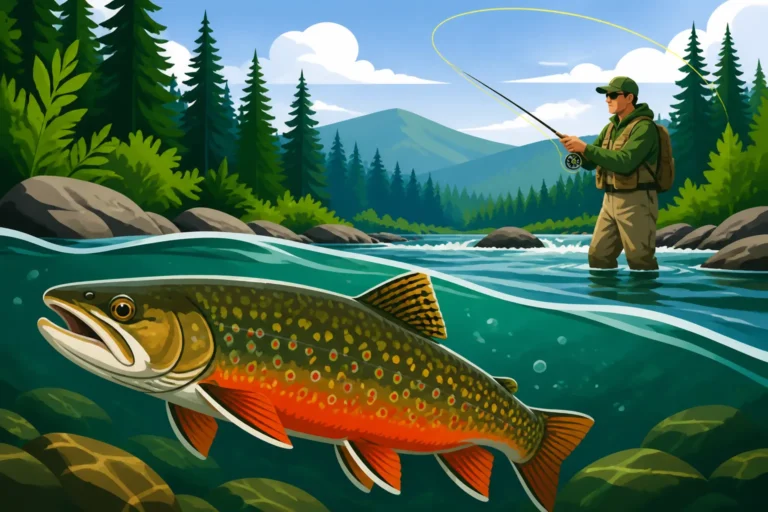
- Brook Trout: While not as abundant as in some wilderness ponds, brook trout are present in China Lake, particularly in areas near cold spring inputs or the mouths of feeder streams. These native char are beautiful fish, known for their vibrant colors. Their diet largely consists of aquatic insects (nymphs, larvae), terrestrial insects (grasshoppers, beetles), and small baitfish. Fly fishing with streamers or nymphs, or spin casting with small spinners or worms, can yield success, especially during the cooler parts of the day or early in the season. Learning more about Brook Trout Fishing in Maine can provide additional strategies.
Perch and Pickerel: Year-Round Action
Beyond the main game fish, China Lake provides excellent opportunities for catching yellow perch, white perch, and chain pickerel, offering consistent action, especially for family outings or when other species are finicky.
- Yellow Perch: These panfish are abundant throughout China Lake and are a fantastic target for anglers of all ages. They travel in schools and are often found in moderate depths, around weed lines, submerged structures, and drop-offs. Yellow perch feed on insects, small crustaceans, and the eggs and fry of other fish. They are relatively easy to catch using small jigs tipped with worms or grubs, small minnows, or tiny spoons. They offer great table fare, too!
- White Perch: Similar to yellow perch, white perch are found in schools and prefer slightly deeper, open water areas, though they can also be found near structure. They're aggressive eaters, preying on insects, small baitfish, and crustaceans. Small jigs, worms, or even tiny chunks of clam or shrimp can entice a bite. White perch are known for their strong fight for their size, making them a fun catch.
- Chain Pickerel: These slender, toothy predators are widespread in China Lake, favoring the shallower, weed-choked areas where they can ambush unsuspecting prey. Pickerel are voracious eaters, targeting nearly any baitfish, frogs, and even mice or small birds if they fall into the water. They're not particularly picky, often hitting spinnerbaits, spoons, or live minnows with explosive strikes. While some anglers view them as a nuisance, they provide exciting action, particularly when other species are slow. Just be careful with their sharp teeth!
Best Spots to Cast Your Line on China Lake
Knowing which species inhabit China Lake is one thing, but knowing where to find them is the key to a successful day on the water. China Lake's two distinct basins and varied bottom structure offer a range of prime fishing locations.
Northern Basin: Bass and Structure Fishing
The northern basin of China Lake is generally shallower and tends to have more weed growth and submerged structure, making it a haven for warm-water species, particularly largemouth bass.
- Weed Beds and Lily Pads: Along the northern and eastern shores, you'll find extensive weed beds and lily pad fields. These areas are prime ambush points for largemouth bass. Fan-cast spinnerbaits, Texas-rigged worms, or topwater frogs directly into these pockets and along the edges. The cover provides both food and protection, so bass will often be holding tight here. Early morning or late evening are prime times for topwater action over the pads.
- Shoreline Structure: Keep an eye out for fallen trees, docks, and rock piles along the shoreline. These structures break up the uniform bottom and attract baitfish, which in turn attract bass. Pitch jigs or creature baits into these areas, allowing them to fall slowly. Often, the strike will come on the initial drop. Areas around the causeway that separates the northern and southern basins can also be productive, as the constriction often concentrates fish.
- Inlets and Coves: The numerous small coves and inlets in the northern basin warm up faster in spring, attracting baitfish and providing excellent early-season bass fishing. These areas also hold fish during summer, especially those with deeper pockets or access to cooler water sources. Using a fish finder to locate submerged humps or deeper channels within these shallower coves can reveal hidden gems.
Southern Basin: Deeper Water and Salmon/Trout Holds
The southern basin is characterized by deeper, clearer, and cooler waters, making it the primary target for cold-water species like landlocked salmon and brook trout, and also home to smallmouth bass.
- Deep Water Trolling Runs: For landlocked salmon, focus on trolling patterns in the main body of the southern basin, especially over depths of 30 to 60 feet. Salmon will often suspend in the water column, tracking schools of smelt or alewives. Experiment with different trolling speeds and depths using downriggers or lead core line. Popular trolling lures include Mooselook Wobblers, DB Smelt, and various minnow imitations. Early morning or late afternoon often produce the best salmon action. If you're new to this, a Maine Fishing Charters Guide could show you the ropes.
- Ledges and Drop-offs: Smallmouth bass, yellow perch, and white perch will gravitate towards the sharp drop-offs and rocky ledges found throughout the southern basin. Look for areas where the bottom quickly transitions from shallow to deep. Vertical jigging with spoons or soft plastic baits can be very effective here. Use your sonar to identify schools of baitfish or individual fish holding near these structures. The points extending into the lake are also excellent for smallmouth.
- Mouths of Feeder Streams: While not as pronounced as in some other lakes, any small stream or brook feeding into the southern basin can attract brook trout, especially during cooler periods or after a rain. These areas provide cooler, oxygenated water and a steady food supply. Small spinners or worms fished near these inputs can be fruitful.
Coves, Inlets, and Weed Beds: Hiding Spots for Prey
Beyond the main basin distinctions, specific features like coves, inlets, and weed beds are universally important across China Lake for various species, acting as crucial hiding spots and feeding grounds.
- Sheltered Coves: Every angler knows that sheltered coves offer a refuge from wind and current, making them comfortable places for fish to congregate. Many coves in China Lake have a mix of weeds, docks, and rocky shorelines, creating diverse habitats. Bass, pickerel, and panfish will all utilize these areas. Explore them thoroughly with various casting techniques.
- Shallow Inlets: The transition zones where smaller streams or wetlands meet the main lake can be highly productive. These areas often have slightly warmer water in spring, attracting baitfish to spawn, and thus larger predators. They can also offer unique opportunities for brook trout if cold water flows in.
- Emergent and Submerged Vegetation: Don't be afraid to fish in and around the dense vegetation. While it can lead to snags, it's where the fish live. Punching through lily pads with heavy jigs or flipping soft plastics into thick weeds are highly effective strategies for largemouth bass. Even landlocked salmon and brook trout will cruise the edges of deeper weed lines, particularly during low light conditions, looking for an easy meal. Utilizing a good depth finder can help you map out these weed edges and submerged structures, giving you a distinct advantage.
| Species | Preferred Habitat | Common Forage | Best Times to Target |
|---|---|---|---|
| Largemouth Bass | Shallow, weedy coves; lily pads; submerged timber | Baitfish, frogs, crayfish, insects | Spring, Summer, Fall |
| Smallmouth Bass | Rocky ledges, drop-offs, points; clear water | Crayfish, baitfish (smelt, alewives), insects | Spring, Summer, Fall |
| Landlocked Salmon | Deep, open waters of southern basin; near baitfish schools | Smelt, alewives, minnows | Spring, Fall, Ice-out |
| Brook Trout | Near cold spring inputs; mouths of feeder streams | Aquatic insects, terrestrial insects, small baitfish | Spring, Fall |
| Yellow Perch | Moderate depths, weed lines, submerged structures | Insects, small crustaceans, fish eggs/fry | Year-round |
| White Perch | Slightly deeper, open water; near structure | Insects, small baitfish, crustaceans | Year-round |
| Chain Pickerel | Shallow, weed-choked areas | Baitfish, frogs, small birds/mice | Year-round |
Effective Techniques for China Lake's Diverse Waters
Fishing China Lake isn't just about knowing where the fish are, but how to catch them. The lake's varied fish populations and environments demand a range of techniques, from the subtle art of trolling to the precision of ice jigging. Mastering these methods will significantly improve your chances of success.
Open Water Tactics: Trolling, Casting, and Jigging
When the ice is out and the lake is open, a variety of techniques can be employed depending on your target species and the conditions. For a broader overview of methods, refer to the Maine Open Water Fishing Techniques Guide.
- Trolling for Salmon and Togue: Trolling is arguably the most effective method for targeting landlocked salmon and larger lake trout (togue) in China Lake’s deeper southern basin. Use downriggers or lead core line to get your lures to the precise depth where fish are holding, often tracking schools of baitfish like smelt. Common trolling lures include spoons (such as Mooselook Wobblers, Suttons, or other classic Maine patterns), stickbaits (like Rapalas or Yo-Zuris), or even live bait (like a shiner) pulled behind a dodger or flasher. Experiment with speed; often, a slow, methodical pace is best, but sometimes a burst of speed can trigger a strike. Pay attention to your fish finder to identify baitfish schools and temperature breaks, as salmon will be actively pursuing food in specific thermal zones.
- Casting for Bass and Pickerel: For largemouth and smallmouth bass, casting is king.
- Largemouth: In the weed-choked northern basin, cast weedless soft plastics (Texas-rigged worms, creature baits, frogs) into dense cover. Flip or pitch jigs with plastic trailers under docks or into brush piles. Topwater lures like poppers, walking baits, or buzzing frogs can create explosive strikes during low light conditions or when fish are active near the surface.
- Smallmouth: Target rocky points, ledges, and transition areas in the southern basin. Use tube jigs, Ned rigs, or drop shots to probe bottom structure. Crankbaits, jerkbaits, and spinnerbaits are excellent for covering water and enticing active smallmouth. Look for schooling smallmouth breaking the surface in pursuit of baitfish, especially in summer.
- Jigging for Panfish and Bass: Vertical jigging can be incredibly effective, especially when fish are concentrated in specific areas or holding tight to structure. For yellow and white perch, small teardrop jigs tipped with a grub or a piece of worm, or micro spoons, can yield continuous action. For bass, heavier jigs with plastic trailers can be dropped to precise depths around submerged structures, and then worked with subtle lifts and drops. This technique is particularly useful when fish are less active and require a more enticing presentation.
Ice Fishing Strategies: Tip-Ups and Jigs
When winter blankets China Lake in ice, the fishing doesn't stop; it just transforms. Ice fishing is a beloved Maine tradition, and China Lake is a fantastic spot for it. For a full guide on winter methods, explore the Maine Ice Fishing Techniques Guide.
- Setting Up Tip-Ups: Tip-ups are a cornerstone of ice fishing, allowing you to cover a wider area and target larger, more migratory fish like landlocked salmon, togue, and pickerel. Set your tip-ups with live bait, typically golden shiners or smelt, at varying depths to determine where the fish are holding. For salmon and togue, focus on the deeper parts of the southern basin, suspending bait anywhere from 10 to 40 feet down, or even deeper, depending on what your fish finder shows. For pickerel, shallower, weedy coves are best, with bait suspended just above the bottom or midway up the water column. Always ensure your bait is lively and presented naturally.
- Jigging Through the Ice: Jigging through the ice offers a more active and engaging fishing experience.
- Perch and Panfish: For yellow and white perch, small ice jigs (like Swedish Pimples, tear drops, or tungsten jigs) tipped with a small piece of worm, a mealworm, or a plastic grub, are incredibly effective. Fish these close to the bottom or suspended just above baitfish schools, often in moderate depths. You'll often find these fish in large schools, providing fast action.
- Bass and Trout: Larger jigs and spoons can be used to target bass or even opportunistic trout and salmon that might cruise through shallower ice fishing grounds. Try a heavier spoon jigged aggressively for bass, or a small jigging Rapala for trout and salmon in areas where they might be feeding. Use a flasher or fish finder to observe how fish react to your presentation and adjust accordingly. Don't forget to check out the Best Bait for Maine Ice Fishing for specific recommendations.
Bait and Lure Selection: What Works Best
Choosing the right bait and lure is paramount. While there are local favorites, adapting to conditions and fish preferences is key. More general tips can be found in our guide on Best Lures for Maine Open Water Fishing.
- Live Bait: Live bait is often irresistible. Golden shiners are excellent for bass, pickerel, and even salmon (when regulations allow). Worms (nightcrawlers, earthworms) are fantastic all-around baits for perch, trout, and smaller bass. Smelt, if legally acquired, are prime forage for salmon and togue. Always check local bait regulations before using any live bait.
- Artificial Lures:
- Spoons: Classic spoons like the Mooselook Wobbler (especially in silver/blue or copper/orange) are lethal for salmon and togue, both trolling and jigging. Dardevles and Kastmasters work for pickerel and bass.
- Jigs: From small finesse jigs for smallmouth to heavy punching jigs for largemouth in thick cover, jigs are versatile. Colors like green pumpkin, black and blue, and white are perennial favorites. For ice fishing, tungsten jigs in bright colors can be very effective.
- Plugs and Crankbaits: Minnow-imitating plugs (Rapala, Yo-Zuri) are great for casting and trolling for salmon, bass, and pickerel. Deep-diving crankbaits can reach suspended bass.
- Soft Plastics: Worms, creature baits, tubes, and swimbaits are essential for bass fishing. Rig them Texas-style for weedless presentations, or on a Ned rig for smallmouth.
- Fly Fishing: While China Lake isn't primarily a fly-fishing destination, early spring and late fall can offer opportunities for fly anglers, especially around tributary mouths or in shallower coves for bass and brook trout. Streamers that imitate baitfish (Smelt patterns, Grey Ghosts) are good for salmon and larger trout, while poppers and deer hair bugs can tempt bass.
Seasonal Strategies for Fishing China Lake
Fishing success on China Lake, like any body of water, hinges significantly on understanding seasonal patterns. Fish behavior changes dramatically with water temperature, light conditions, and spawning cycles. Adapting your approach through spring, summer, fall, and winter is crucial. To get a comprehensive overview of when to fish, check out the Maine Fishing Season Dates Guide.
Spring Awakening: Post-Spawn Action
Spring on China Lake is a time of renewed activity as the ice melts (ice-out typically occurs sometime in April), and the water begins to warm. Fish become much more active, shaking off their winter lethargy and beginning to feed heavily.
- Early Season Cold Water: Immediately after ice-out, the water is still quite cold, and fish are often found in shallower areas that warm up first, or near tributary mouths where slightly warmer water flows in. This is prime time for landlocked salmon and brook trout, as they may be more accessible near the surface before retreating to deeper water. Trolling slowly with smelt imitations or casting small spoons and stickbaits can be very productive. Smallmouth bass will also begin to move into shallower, rocky areas, preparing for their spawn.
- Bass Pre-Spawn and Spawn: As spring progresses and water temperatures climb into the 50s and 60s Fahrenheit, bass fishing really heats up. Largemouth and smallmouth bass will be in their pre-spawn and spawning phases. Look for largemouth in protected coves, around emergent vegetation, and near docks, while smallmouth will be on rocky points, shallow humps, and gravel bottoms. Use soft plastics, jigs, and crankbaits to target these fish. During the actual spawn, fish protecting nests can be caught with subtle presentations, but ethical catch-and-release is vital during this sensitive period to ensure future populations.
- Panfish Action: Yellow and white perch become incredibly active in spring, moving into shallower areas to feed and spawn. They offer excellent, consistent action for anglers using small jigs, worms, or minnows, making it a great time for family outings.
Summer Heat: Adapting to Warmer Waters
Summer brings warmer water temperatures to China Lake, which impacts fish distribution and behavior. While some species become harder to find, others remain active if you know where to look.
- Deep Water Retreat: As surface waters warm, cold-water species like landlocked salmon and brook trout will retreat to the deeper, cooler sections of the southern basin. Trolling with downriggers or lead core line becomes essential to reach these fish. Concentrate your efforts in depths where your fish finder indicates a thermocline or schools of baitfish. Early mornings and late evenings will be your best bet, as fish may temporarily move shallower during these cooler periods.
- Bass in Cover and Deep Structure: Largemouth bass will seek out dense cover to escape the midday sun. Target thick weed mats, lily pads, and submerged timber. Fishing topwater lures at dawn and dusk can be thrilling. During the heat of the day, flipping jigs or punching heavy soft plastics into the thickest cover can elicit strikes. Smallmouth bass will move to deeper rocky structures, humps, and main lake points. Drop-shotting, deep-diving crankbaits, or Ned rigs fished on these structures can be very effective.
- Night Fishing Opportunities: For an exciting change of pace, consider night fishing for bass in summer. Largemouth often become more active after dark, especially around docks with lights or shallow weed edges. Large dark-colored spinnerbaits or topwater lures can be highly effective. Is Night Fishing Legal in Maine? Yes, but always check local ordinances and stay safe!
Autumn Colors: Pre-Winter Feeding Frenzy
Fall is often considered one of the best times to fish China Lake. As water temperatures cool, fish become exceptionally active, feeding aggressively in preparation for winter.
- Salmon and Trout Resurface: Landlocked salmon and brook trout, which were deep during the summer, will begin to move back into shallower water as the lake cools. They can be found cruising shorelines, around points, and near tributary mouths. Trolling with spoons or stickbaits, or even casting from shore in some areas, can be incredibly productive. The fish are often in prime condition and put up spectacular fights.
- Aggressive Bass: Bass, both largemouth and smallmouth, go on a major feeding binge in the fall. Largemouth will pack on the calories in weed beds and around fallen timber, hitting a variety of lures from spinnerbaits to crankbaits. Smallmouth will school up on deep rocky points and humps, actively chasing baitfish. Vertical jigging, casting jerkbaits, and even trolling can catch multiple smallmouth. This is a great time to target trophy-sized bass.
- Perch and Pickerel Feast: Panfish and pickerel are also highly active. They will concentrate in shallower areas before the ice forms, providing excellent fishing opportunities. Use minnows, jigs, and small spoons for continuous action.
Winter Wonderland: Ice Fishing Extravaganza
When China Lake freezes solid, it transforms into a winter playground for ice anglers. The action can be fantastic, offering a unique opportunity to target a variety of species.
- Salmon and Togue Under the Ice: Target landlocked salmon and togue in the deeper parts of the southern basin. Tip-ups set with live smelt or shiners are popular, especially fished at various depths to locate active fish. Jigging with heavier spoons or jigging Rapalas can also entice strikes from these cold-water predators.
- Bass Through the Ice: While less common than in open water, bass can absolutely be caught through the ice. Smallmouth will often relate to deep structure like humps and drop-offs, hitting jigging spoons or tungsten jigs tipped with a small minnow. Largemouth might be found in shallower, weedy coves, where tip-ups with shiners can be effective.
- Perch and Pickerel Galore: Yellow and white perch are a staple of China Lake ice fishing. They school up and can provide fast and furious action. Small jigs tipped with bait (worms, mealworms, fish eyes) are the go-to. Pickerel are also very active through the ice, especially in shallower, weedy areas, hitting tip-ups with shiners. Remember to check Maine Ice Fishing Rules Guide for line limits and other regulations.
Planning Your Trip: Access, Amenities, and Local Resources
A successful fishing trip to China Lake involves more than just knowing where and when to cast. Planning for access, understanding available amenities, and knowing where to find local resources can make all the difference, especially if you’re visiting the area.
Public Access Points and Boat Launches
Getting your boat into China Lake is straightforward, with several public access points available. Knowing these beforehand can save you time and hassle, especially on busy summer weekends.
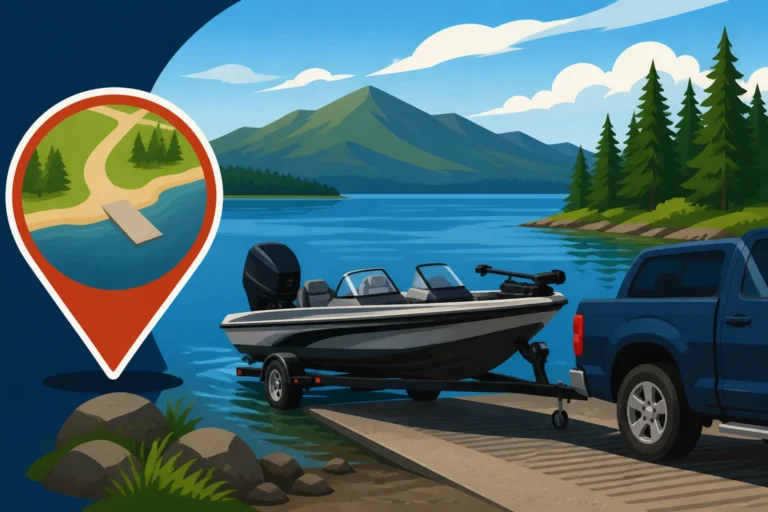
- Causeway Boat Launch (Route 137): One of the most popular and easily accessible launches is located off Route 137, right on the causeway that separates the lake's two basins. This launch provides good access to both the northern and southern parts of the lake. It typically features a concrete ramp and ample parking, but it can fill up quickly during peak season. This is generally a state-managed facility, well-maintained for public use.
- Webber Pond Road Boat Launch (Vassalboro): On the eastern side of the lake, in Vassalboro, another public launch can be found off Webber Pond Road. This launch tends to provide better access to the northern basin and its more numerous shallow, weedy areas. It’s a good alternative if the causeway launch is too crowded.
- Shoreline Access: For anglers without a boat, there are limited shoreline access points, primarily near the public boat launches or along roadside pull-offs. While not ideal for extensive casting, these spots can still yield panfish or opportunistic bass. Always be respectful of private property and adhere to posted signs.
- Kayaks and Canoes: For paddlers, the boat launches are perfect for putting in a kayak or canoe. These smaller craft allow you to silently explore the numerous coves and weed beds that larger boats might struggle to access, providing excellent opportunities for bass and pickerel.
Local Gear Shops and Bait Suppliers
Even the most prepared angler might forget something or need to restock. Luckily, China Lake’s proximity to Augusta means you’re never far from essential fishing supplies.
- Augusta and Surrounding Towns: You’ll find several general sporting goods stores and bait shops in Augusta, Waterville, and other nearby communities. Stores like Kittery Trading Post (a bit of a drive but well-stocked) or local independent bait shops often have the freshest live bait, a good selection of tackle specific to Maine waters, and invaluable local knowledge. Don’t hesitate to ask the staff for current fishing reports or hot tips for China Lake.
- Gas Stations and Convenience Stores: Many gas stations or convenience stores in the towns of China, Vassalboro, and Albion often carry basic bait like worms and shiners, especially during the peak fishing seasons. It's always a good idea to call ahead to confirm availability, especially for specific live bait.
- Seasonal Availability: Remember that some bait shops may operate on seasonal hours, particularly in the shoulder seasons. Always check opening times before you make a special trip. Stocking up on essential gear like extra line, hooks, and your favorite lures from a place like L.L.Bean (another Maine staple, though not directly on China Lake) before you arrive can save you a headache.
Considering a Guided Experience
For those unfamiliar with China Lake or looking to maximize their time on the water, hiring a local guide can be an excellent investment. A Registered Maine Guide brings a wealth of knowledge and experience directly to your trip.
- Benefits of a Guide: A guide knows the lake's nuances, current fish patterns, and the most effective techniques for the day. They can help you locate specific species, understand fish behavior, and teach you new skills. This can be especially valuable for targeting more elusive fish like landlocked salmon or for ice fishing if you’re new to the sport. They typically provide all the necessary gear, bait, and often even clean your catch. You can find more information about this in our guide on Hiring a Maine Fishing Guide.
- Booking a Guide: You can often find local guides through sporting goods stores, online searches for "Maine fishing guides," or through platforms like FishingBooker. This platform connects you with experienced captains and guides in the area, allowing you to compare options, read reviews, and book directly. Many guides specialize in particular species or techniques, so be sure to communicate your preferences. Booking in advance, especially during peak season, is highly recommended.
- What to Expect: Most guides offer half-day or full-day trips. They’ll usually provide life jackets, rods, reels, and tackle. Discuss what you need to bring (snacks, drinks, appropriate clothing, sunscreen, sunglasses) when you book. While technically not required to have your own license on a chartered trip if the guide operates under certain permits, it’s always best to have your own Maine Fishing License Guide to avoid any confusion. For longer trips, platforms like FishingBooker might even offer options for multi-day excursions or packages that include lodging.
Disclaimer
Please remember that fishing regulations in Maine are subject to change. Always consult the latest Maine Department of Inland Fisheries and Wildlife (MDIFW) regulations book or their official website before heading out. This guide provides general information and recommendations, but it is the angler's responsibility to know and follow all current laws, including those pertaining to Maine Fish Bag Limits Guide, fishing license requirements, and any specific rules for China Lake.