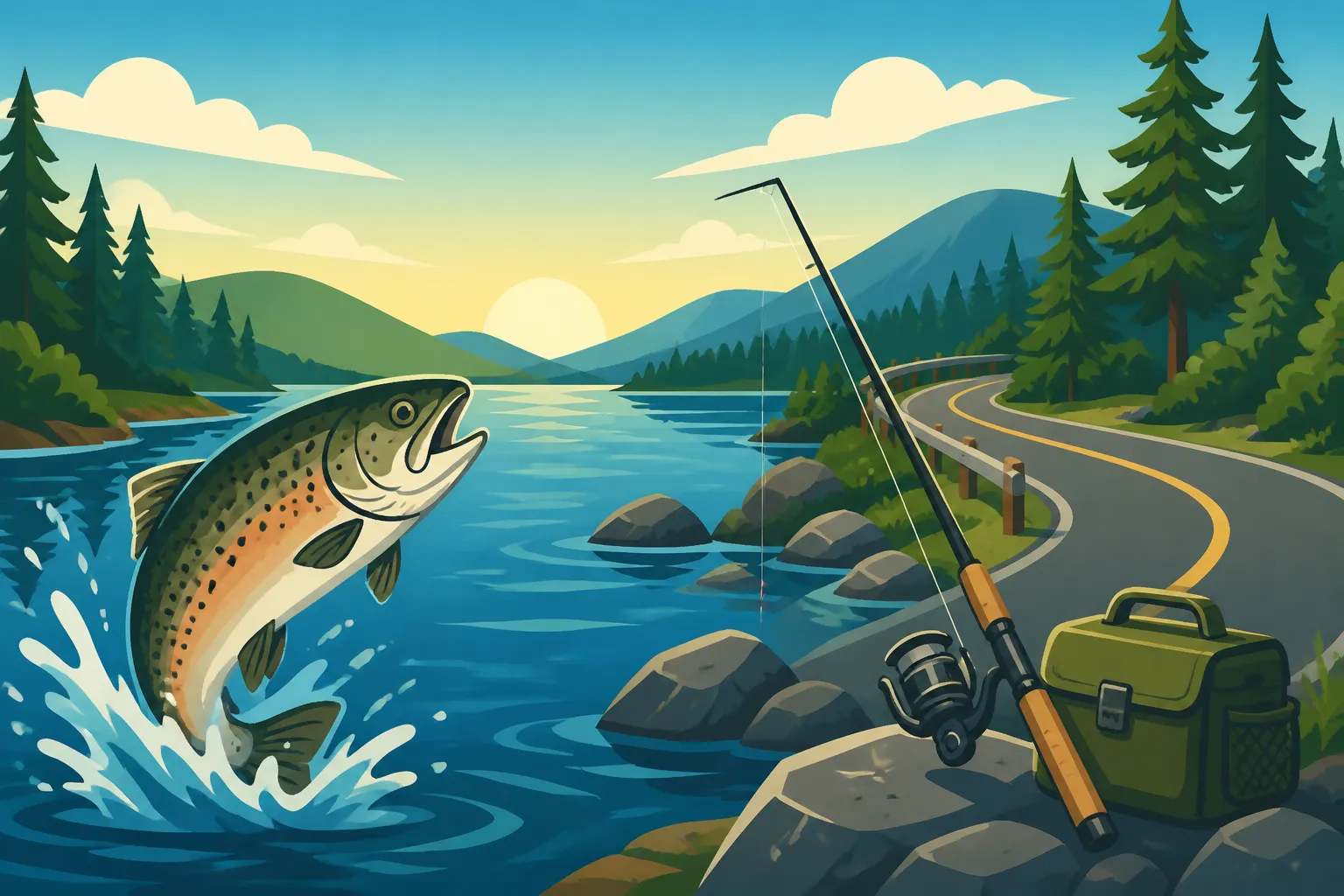
Fishing Spots Along Route 27 in Western Maine
Planning a fishing trip to Western Maine can feel like an overwhelming task, with so many pristine lakes and rivers beckoning. It's easy to get lost trying to figure out where the best spots are, especially when you're looking for a focused experience without driving aimlessly. This guide is designed to cut through the confusion, taking you on a virtual tour of the prime fishing spots directly accessible or just a short hop from Route 27, revealing the species you can expect to catch and offering practical advice for a successful outing.
Understanding Route 27's Fishing Landscape
Route 27 in Western Maine is more than just a road; it's a scenic corridor that carves through some of the state's most revered wilderness, connecting a string of incredible fishing opportunities. As you travel this route, you'll encounter a diverse range of aquatic environments, each with its unique charm and angling challenges. From vast, deep lakes to meandering rivers and secluded ponds, the fishing along this route is as varied as the landscape itself.
The Character of Western Maine's Waters
The waters along Route 27 are predominantly coldwater fisheries, shaped by the region's mountainous terrain and long winters. This means you'll find an abundance of trout and salmon, species that thrive in these oxygen-rich, cooler conditions. The lakes can be surprisingly deep, offering complex underwater structures that provide excellent habitat. Rivers, on the other hand, often present a mix of fast-moving currents and calmer pools, ideal for fly fishing or targeting fish that prefer moving water. Many of these waters are fed by snowmelt and natural springs, contributing to their exceptional clarity and health, which is a major draw for anglers. It's not just about the fish; it's about the entire experience of being surrounded by rugged beauty.
Key Fish Species to Target
When you cast your line along Route 27, you're primarily going after some of Maine's most iconic and sought-after fish. The stars of these coldwater havens are often the majestic landlocked salmon, the spirited brook trout, and the deep-dwelling lake trout, affectionately known as "togue" by locals. Each of these species offers a distinct challenge and reward for anglers.
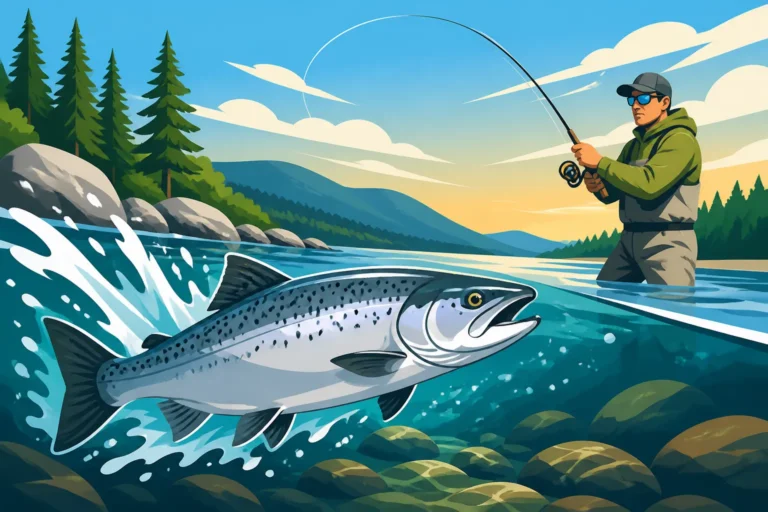
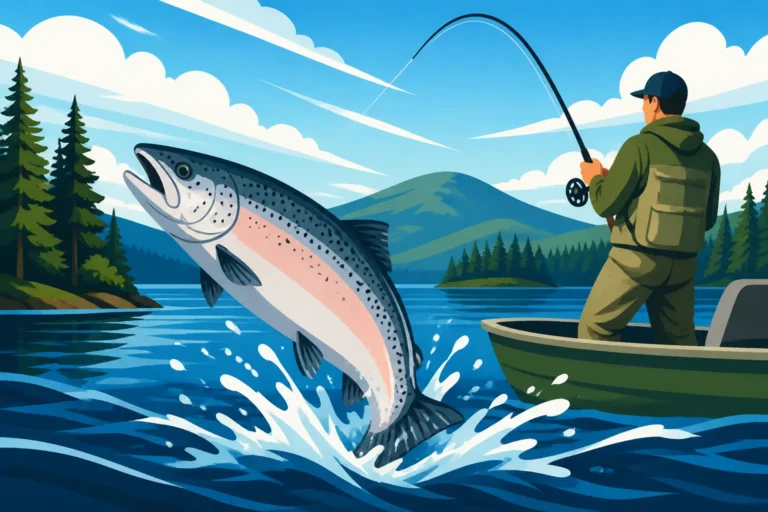
Landlocked salmon are renowned for their acrobatic fights and can be found in many of the larger lakes. They are powerful swimmers and often require trolling techniques to entice them. Brook trout, Maine's state fish, are plentiful in both lakes and the smaller feeder streams. They're beautiful fish, often displaying vibrant colors, and are a favorite for fly anglers. Then there are the togue, the true denizens of the deep. These large, predatory lake trout prefer cooler temperatures and can grow to impressive sizes, offering a powerful tug on the line, especially during the ice fishing season. While these three are the main attractions, you might also encounter brown trout in some stocked waters, or even smallmouth bass in certain lakes that have warmer shallow areas, adding a bit of variety to your catch list. Knowing your target species helps tailor your gear and approach, ensuring you have the best possible chance of success.
Northern Stretches: Flagstaff Lake and Beyond
As you head further north on Route 27, the landscape becomes wilder, and the fishing opportunities lean more towards remote and natural experiences. This part of Western Maine truly embodies the spirit of wilderness fishing, with vast waters and a sense of solitude that's hard to find elsewhere.
Flagstaff Lake's Untamed Beauty and Trout
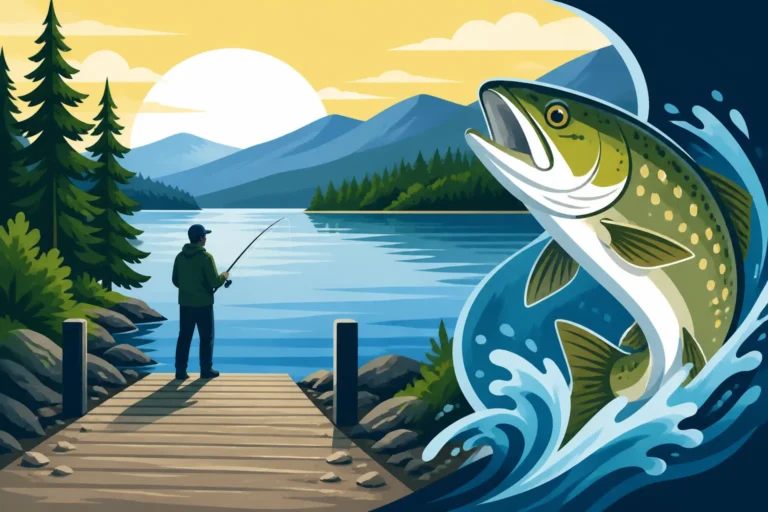
One of the crown jewels of the northern Route 27 corridor is Flagstaff Lake. This massive, shallow lake, created by a dam, offers a unique fishing experience. Unlike many deep, clear Maine lakes, Flagstaff Lake has extensive submerged structure, remnants of the forest that was flooded to create it. This creates a complex habitat for fish, making it both challenging and incredibly rewarding. The lake is particularly known for its thriving brook trout population. Anglers here often find success casting traditional streamers, nymphs, or even dry flies in the calmer coves and along the reedy edges, especially during the spring and fall.
The sheer size of Flagstaff Lake means that exploring it thoroughly often requires a boat or kayak. You can find several public access points to launch your vessel and delve into the various sections of the lake. During the warmer months, the brook trout might seek cooler, deeper pockets, but during prime times like early season or late fall, they are often more active closer to the surface. It's a truly wild fishing experience that allows you to connect with nature, and its beauty is undeniable. Make sure to check the specific rules for Flagstaff Lake Brook Trout Fishing before you go, as regulations can vary.
Remote Ponds and Smaller Waterways
Beyond Flagstaff Lake, and often requiring a bit of exploration down unpaved roads or even a hike, are countless smaller ponds and streams. These hidden gems are often stocked with brook trout and provide an intimate angling experience away from the crowds. Many of these ponds are designated as "remote ponds," meaning they have specific regulations designed to preserve their wild character, sometimes requiring only artificial lures or fly fishing.
These smaller waterways offer fantastic opportunities for wading anglers or those who enjoy paddling a canoe or small boat into quieter waters. The tactics here are often simpler: casting small spinners, spoons, or a classic worm under a bobber can yield excellent results, particularly for native brook trout. For the dedicated fly angler, these streams and ponds are a dream, offering chances to "match the hatch" with various insect imitations. Before venturing into these more secluded areas, it’s always a good idea to consult a local sporting goods store or even a Registered Maine Guide. They can provide up-to-date information on access, conditions, and specific regulations for these lesser-known, yet incredibly productive, spots. Searching for guides on platforms like FishingBooker can help you find someone experienced in these secluded areas.
Central & Southern Sections: Rangeley Region and Its Gems
As Route 27 sweeps south, it guides you into the heart of the renowned Rangeley Lakes Region, an area synonymous with some of Maine's most legendary fishing. This stretch offers a blend of expansive lakes, connecting rivers, and a vibrant angling culture.
The Iconic Rangeley Lakes Region
The Rangeley Lakes Region is an angler's paradise, a chain of interconnected lakes including Rangeley Lake, Mooselookmeguntic Lake, and Aziscohos Lake, among others. This area is world-famous for its trophy landlocked salmon and brook trout. The deep, cold waters of these lakes provide ideal habitat for these species, and the scenery is simply breathtaking. Trolling is a hugely popular and effective method here, with anglers often using downriggers, lead core line, or copper line to present lures and bait at specific depths where salmon and togue are holding. Common lures include spoons, plugs, and flies trolled behind dodgers or flashers.
For those interested in Landlocked Salmon Fishing in Maine or chasing impressive brook trout, the Rangeley Lakes offer unparalleled opportunities. The season here is carefully managed, and anglers flock from all over to experience the thrill of a Rangeley salmon or trout. Beyond the main lakes, numerous smaller ponds and streams in the region also provide excellent fishing, often for smaller, but equally beautiful, native brook trout. When planning your trip, consider checking the Maine Fishing Season Dates Guide to ensure you're visiting during peak times for your target species. Many local guides listed on platforms like FishingBooker specialize in these specific lakes and can greatly enhance your chances of success.
Connecting Waters and River Fishing Opportunities
The Rangeley Lakes are not isolated; they are part of an intricate network of rivers and streams that flow into and out of them, creating fantastic river fishing opportunities. Rivers like the Kennebago River, Rapid River, and Magalloway River are legendary among fly anglers. These rivers are often characterized by their swift currents, rocky bottoms, and pools, providing ideal habitat for wild brook trout and a significant population of landlocked salmon, especially during spawning runs.
For the fly fishing enthusiast, these rivers offer some of the best experiences in the state. Fly Fishing Techniques for Maine Rivers often involve delicate presentations with dry flies during hatches, nymphing in deeper runs, or swinging streamers for more aggressive fish. Access to some of these river sections can be limited, sometimes requiring permission from landowners or specific entry points, but the reward of a wild trout or salmon on a fly rod is well worth the effort. Always respect private property and leave no trace. Understanding Maine Fishing Regulations Explained for these specific waters is crucial, as many have special rules regarding gear, bait, and catch limits to protect these precious fisheries.
Planning Your Route 27 Fishing Adventure
Embarking on a fishing trip along Route 27 requires a bit of preparation to ensure a smooth and successful experience. From understanding the rules to having the right equipment, a little foresight goes a long way.
Essential Gear and Local Regulations
The diverse fishing opportunities along Route 27 mean your gear list might vary depending on your target species and preferred method. For lake trolling for salmon and togue, you'll want medium-heavy rods, robust reels spooled with monofilament or braided line, and a selection of spoons, plugs, and perhaps some shiners or cut bait. If you're targeting brook trout in streams or smaller ponds, a lighter spinning rod with small spinners or worms will work, or a 4-6 weight fly rod with an assortment of dry flies, nymphs, and streamers. Don't forget waders if you plan on river fishing.
A valid Maine Fishing License Guide is absolutely non-negotiable, and you'll need to be familiar with the statewide regulations as well as any special laws that apply to specific bodies of water. The state's fishing law book, available online and at license agents, is your best friend. Always carry a copy, either physical or digital, and be prepared to show identification if requested by a Maine Warden Service officer. Safety gear, like a first-aid kit, whistle, navigation tools, and appropriate clothing for changing weather, is also vital, especially in more remote areas. Remember, cell service can be spotty, so don't rely solely on your phone.
When to Visit and Why a Guide Can Help
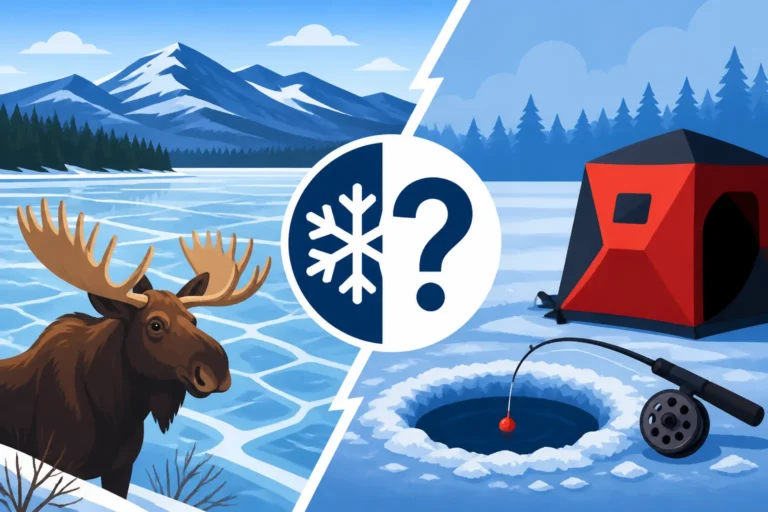
The best time to fish along Route 27 largely depends on what you're hoping to catch. Spring, immediately after ice-out (typically late April to mid-May), is fantastic for landlocked salmon and brook trout as they are more active near the surface before the water warms. Summer can be excellent for smallmouth bass in certain lakes, and deeper trolling techniques for salmon and togue remain productive. Fall, with its vibrant foliage, brings a resurgence of active trout and salmon, especially as they begin their spawning preparations. Winter, of course, transforms the landscape into an ice fishing wonderland, offering unique opportunities for all three coldwater species.
For those new to the area or looking to maximize their fishing time, Hiring a Maine Fishing Guide is an invaluable investment. A Registered Maine Guide knows the local waters intimately – where the fish are holding, what they're biting on, and how to navigate safely. They can provide all the necessary gear, bait, and local expertise, turning a potentially frustrating trip into a memorable success. A guide can teach you specific techniques, like effective Trolling Techniques for Maine Lakes, or help you perfect your cast on a challenging river. Services like FishingBooker make it easy to find and book experienced guides who specialize in the waters along Route 27, ensuring you get the most out of your Maine fishing adventure. They handle all the logistics, leaving you free to simply enjoy the pristine beauty and exhilarating fishing that Western Maine has to offer.
Disclaimer
Please note that fishing regulations, seasons, and conditions in Maine can change. Always consult the most current Maine Department of Inland Fisheries and Wildlife regulations before planning any fishing trip. Safety is paramount; be aware of weather conditions, ice thickness in winter, and proper boating safety at all times.