Public Access Points on the Kennebec River
Oh, the Kennebec River! It's one of Maine's truly iconic waterways, but let's be honest, figuring out exactly where you can legally and conveniently wet a line can feel like trying to solve a puzzle. You hear all these stories about fantastic fishing, but then you're driving around, staring at "No Trespassing" signs or private property markers. It's frustrating when you just want to find a good spot without a hassle. This comprehensive guide is here to untangle that for you, providing a detailed look at public access points along the Kennebec, from its wild headwaters down to its tidal stretches, so you can spend less time searching and more time fishing.
Why the Kennebec River is a Premier Maine Fishing Destination
The Kennebec isn't just a river; it's a living, breathing ecosystem that offers an incredible variety of fishing experiences, making it a standout even among Maine's many fantastic waterways. Its journey from the remote North Woods to the Atlantic Ocean transforms its character and, with it, the types of fish you can target. It truly offers something for every angler, from the seasoned fly fisherman to the family looking for a relaxing day by the water.
Diverse Fisheries and Habitats Along the River
What makes the Kennebec truly special is its incredible ecological diversity. As it flows from the highlands of Northern Maine all the way down to the coast, the river transforms dramatically, creating distinct habitats that support a wide array of fish species.
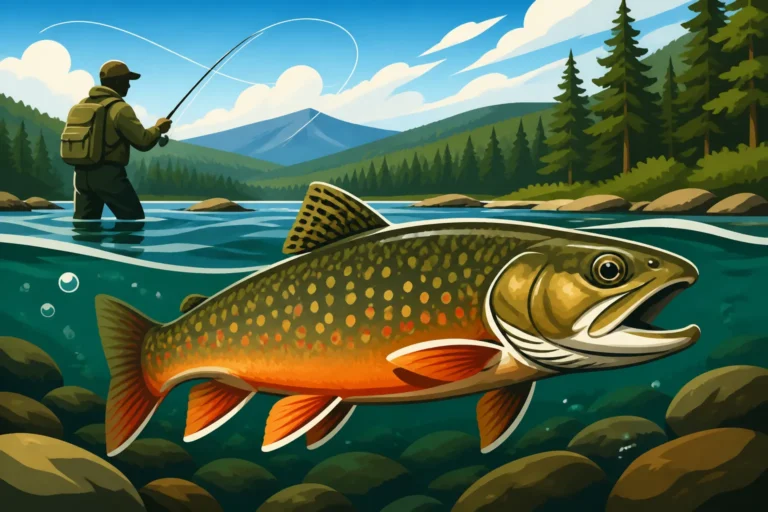
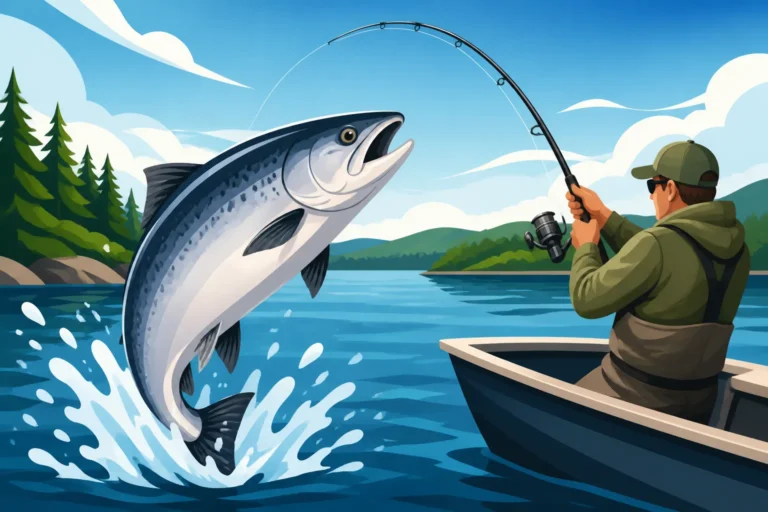
In its upper reaches, where the water runs cold and fast, you'll find classic cold-water fisheries. Think beautiful, feisty brook trout, especially in the tributaries and smaller ponds that feed into the main stem. Further downstream, but still in the colder, faster sections, you'll encounter landlocked salmon and lake trout (or "togue," as we often call them here in Maine), particularly in larger impoundments like Wyman Lake. These areas often lend themselves well to traditional fly fishing, where the challenge of casting in varied currents adds to the reward. If you're looking to target these species, it's always wise to consult the Maine Fishing Season Dates Guide to know when they're most active and legally catchable.
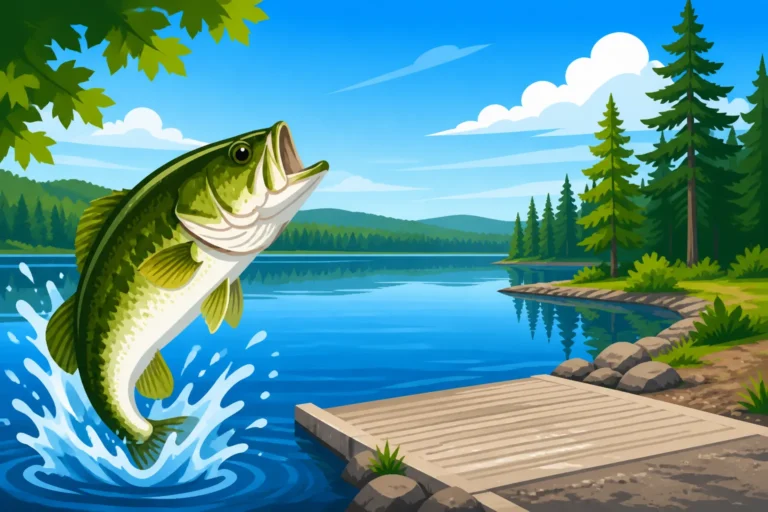
As the Kennebec broadens and slows in its middle sections, often influenced by various dams and reservoirs, it transitions into excellent warm-water habitat. This is prime territory for smallmouth bass, known for their aggressive strikes and acrobatic fights. You'll find them holding around rocky structures, current breaks, and submerged timber. Largemouth bass also make an appearance in some of the slower, weedy coves and backwaters. White perch and yellow perch are abundant throughout these middle sections, offering consistent action for anglers of all skill levels, especially for kids.
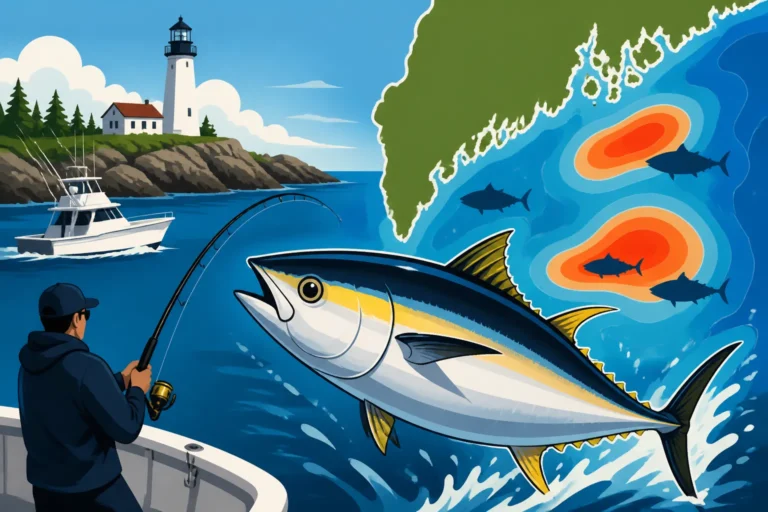
The lower Kennebec, from Augusta southward to the ocean, becomes a tidal river, a truly dynamic environment where freshwater mixes with saltwater. This creates a fantastic opportunity for anadromous species, fish that migrate between fresh and saltwater. Here, the undisputed king is the striped bass. During their seasonal migrations, the Kennebec becomes one of the best rivers in Maine for chasing these powerful fish. You'll also find alewives and blueback herring making their spawning runs, which in turn attract stripers. Understanding the Maine Striped Bass Season and Limits is crucial for fishing these tidal zones responsibly.
The Kennebec's Unique Character and Recovery Efforts
The Kennebec River isn't just biologically diverse; it possesses a unique character shaped by its geological history, the human impact of industry, and remarkable conservation successes. Spanning over 170 miles, it's a journey from untamed wilderness to bustling coastal communities. The upper river carves through rugged terrain, offering breathtaking scenery and a true sense of solitude, particularly around The Forks region. This area is famous for its whitewater rafting but also provides incredible fishing opportunities in the quieter stretches and eddies.
Historically, the Kennebec was a major industrial artery, dotted with mills and dams that, while vital for the economy, severely impacted fish migration and water quality. However, thanks to decades of dedicated conservation efforts, particularly the removal of the Edwards Dam in Augusta in 1999, the river has seen an astonishing recovery. This dam removal was a monumental achievement, opening up over 17 miles of mainstem river and nearly 500 miles of historic habitat to migratory fish. This restoration has allowed species like Atlantic salmon, alewives, and striped bass to return to their ancestral spawning grounds, significantly boosting the river's ecological health and its value as a fishery. While wild Atlantic salmon are still federally protected and catch-and-release only, their presence is a testament to the river's revitalization. This journey of recovery adds another layer of appreciation for anyone fishing the Kennebec today.
Navigating Public Access Points Along the Kennebec
Now that you know why the Kennebec is such a gem, let's talk about the nitty-gritty: where exactly can you get to the water? The river offers a mix of access types, from developed boat launches to informal shore fishing spots, depending on which stretch you're exploring.
Upper Kennebec: From The Forks to Skowhegan
This is the wilder, often faster-flowing section of the Kennebec, known for its stunning natural beauty and excellent cold-water fishing, particularly for trout and salmon in certain areas. Access here can be a bit more rugged, often requiring a bit of driving on unpaved roads, but the solitude and scenery are well worth it.
- The Forks Area: Up near The Forks, the Kennebec is a premier whitewater destination. While many come for rafting, the quieter sections and eddies offer fantastic wade fishing, especially for brook trout and landlocked salmon. Public access here often involves finding pull-offs along Route 201 or utilizing access points provided by rafting companies (just be respectful and ask about fishing access if you're using their property). Some state-owned lands and designated fishing areas exist, but they might not be as formally marked as boat launches. For a truly immersive experience, considering a Maine Fly Fishing Techniques Guide might be beneficial here.
- Wyman Lake (Moscow/Bingham): This large impoundment formed by the Wyman Dam offers excellent fishing for landlocked salmon, lake trout (togue), and smallmouth bass. There are several public boat launches around Wyman Lake that are managed by the state or local towns. The Pleasant Ridge Boat Launch (near Moscow) on Route 201 is a popular spot, offering paved access and parking. Further north, there are often smaller, less developed launches. These are great for bringing a small boat or kayak to explore the lake's many coves and points.
- Harris Station Dam Downstream: Below the Harris Station Dam, the river flows through a more controlled environment due to the hydro-power operations. The water is cold and oxygenated, making it an excellent fishery. Access immediately below the dam is typically controlled by the hydro company, but nearby areas often have designated public fishing spots for wading and shore fishing. Always check local signage for specific restrictions or access points.
- Town Access Points (Solon, Bingham, Madison, Anson, Norridgewock, Skowhegan): As the river flows through these towns, you'll find a mix of town parks, informal pull-offs, and occasionally, small public boat launches. In Skowhegan, for example, the downtown area around the Great Eddy and Skowhegan Falls often provides shore fishing opportunities. Many of these spots are perfect for casting for smallmouth bass or soaking a worm for various panfish. You might need to do a little exploring on Google Maps or ask at a local bait shop for the best, most current spots, as these can change.
Middle Kennebec: Skowhegan to Augusta
This stretch sees the Kennebec widen and become a more substantial river, moving through a mix of agricultural lands and small to medium-sized towns. It's a fantastic area for smallmouth bass and general panfish, with several well-maintained access points.
- Waterville Area: Waterville is a major hub along the Kennebec, and it offers several good access points.
- Head of Falls Park: Located right in downtown Waterville, this park provides excellent shore fishing access, especially for smallmouth bass, pickerel, and perch. It's a convenient spot with good parking and even some walking trails along the river. It's a great example of urban river access.
- Kennebec River Rail Trail: While primarily for walking and biking, this trail offers numerous informal access points to the river''s edge along its route from Waterville south towards Augusta. You can often find quiet spots to cast a line from the bank, though steep banks in some areas might limit access to experienced anglers.
- Boat Launches: There are public boat launches available in the greater Waterville area, such as the one off Gilman Street, which offers good access for larger boats looking to explore wider sections of the river.
- Fairfield and Winslow: These towns, adjacent to Waterville, also have public parks and boat launches that offer good access. Look for town-managed parks or municipal boat ramps that might provide shore fishing or launching for kayaks and canoes. These are often great spots for Smallmouth Bass Fishing in Maine.
Lower Kennebec: Augusta to Popham Beach (Tidal Influence)
This is the tidal section, where the river widens considerably and the influence of the ocean is felt. This area is famous for its striped bass fishing, especially during the warmer months, but also holds other species. Access here is generally more developed, with larger boat launches and dedicated parks.
- Augusta (Capital Area): As the state capital, Augusta offers several excellent public access points.
- Cushnoc Park: Located downtown, Cushnoc Park provides shore fishing opportunities right in the heart of Augusta. You can cast for stripers, especially during incoming and outgoing tides, or target other species. There are often good spots near the public boat launch.
- Bond Brook Boat Launch: This is a very popular, well-maintained state boat launch in Augusta, offering easy access to the tidal Kennebec. It's suitable for a wide range of boats and provides ample parking. This is a prime spot for launching your boat to chase striped bass further downriver.
- Mill Park: Another excellent shore access point in Augusta, offering views of the river and plenty of space to cast.
- Gardiner: Just south of Augusta, Gardiner also offers riverfront access. The Gardiner Waterfront Park provides shore fishing access and is a pleasant spot to spend an afternoon. There's also a public boat launch in Gardiner, providing another option for getting on the tidal Kennebec.
- Richmond: Further downstream, the town of Richmond has a public boat launch on the Kennebec. This spot allows access to broad, tidal waters perfect for trolling or casting for stripers.
- Bath and Phippsburg (Near the Mouth): As you approach the river's mouth, the Kennebec becomes quite wide, almost like an estuary.
- Bath Waterfront Park: While less about launching a boat, the park in Bath can offer some shore fishing opportunities, especially for those casting for mackerel or smaller stripers near the edges during high tide.
- Phippsburg (Popham Beach State Park Area): While Popham Beach itself is oceanfront, the surrounding area in Phippsburg has tidal creeks and coves that connect to the Kennebec estuary. These can offer excellent opportunities for kayak fishing or exploring by small boat for stripers and other estuarine species. However, some of these smaller access points might be less formal and require local knowledge.
- If you're fishing these lower, tidal sections, remember that a Maine Saltwater Fishing Registry Guide might be required, even if you're technically in a river.
Here's a quick overview of some key public access points:
| Location / Section | Type of Access | Target Species | Key Features / Notes |
|---|---|---|---|
| Upper Kennebec | |||
| The Forks Area | Shore/Wade | Brook Trout, Salmon | Wild, scenic, fly fishing |
| Wyman Lake (Moscow) | Boat Launch | Togue, Salmon, SMB | Large impoundment |
| Skowhegan (Falls) | Shore/Limited Boat | SMB, Perch, Pickerel | Urban access, moving water |
| Middle Kennebec | |||
| Waterville (Head of Falls) | Shore | SMB, Perch, Pickerel | Downtown park, convenient |
| Waterville (Gilman St.) | Boat Launch | SMB, Perch, Pickerel | Good for larger boats |
| Kennebec River Rail Trail | Shore | SMB, Perch, Pickerel | Numerous informal spots |
| Lower Kennebec | |||
| Augusta (Bond Brook) | Boat Launch | Striped Bass, Perch | Paved, ample parking |
| Augusta (Cushnoc Park) | Shore | Striped Bass, Perch | Downtown, tidal flow |
| Gardiner (Waterfront) | Shore/Boat Launch | Striped Bass, Perch | City park, tidal |
| Richmond | Boat Launch | Striped Bass, Perch | Wide tidal river access |
| Phippsburg (Estuary) | Kayak/Small Boat | Striped Bass, Flounder | Near river mouth, coastal vibe |
Note: SMB = Smallmouth Bass. Always consult local regulations and signage.
Practical Tips for Maximizing Your Kennebec River Fishing Experience
Just knowing where to go is only half the battle. To truly make the most of your time on the Kennebec, it pays to be prepared and understand some of the nuances of fishing this fantastic river. It's a dynamic environment, and a little planning can go a long way.
Understanding Regulations and Seasonal Considerations
Maine has a reputation for its pristine waters and abundant fisheries, and a big part of that is due to sensible regulations designed to protect these resources. The Kennebec River, being so diverse, has regulations that can vary significantly from one section to another.
For instance, the upper Kennebec and its tributaries often fall under specific cold-water fishing rules, which might include special tackle restrictions (like fly-fishing-only sections), length limits, or bag limits for brook trout and landlocked salmon. These are often stricter to protect wild populations. Further downstream, in the middle and lower sections, general law often applies, but you still need to be aware of species-specific rules for smallmouth bass or the ever-popular striped bass. The tidal section of the Kennebec is also influenced by saltwater fishing regulations, particularly regarding the slot limits for striped bass. These details can be found in the Maine Fishing Regulations Explained booklet, which is updated annually. It’s absolutely critical to pick up a copy or check the Maine Department of Inland Fisheries and Wildlife (IFW) website before you go. Missing these details can lead to fines, and nobody wants that!
Seasonally, the Kennebec offers year-round opportunities, but what you target will change. Spring sees the anadromous runs begin, with striped bass arriving in the lower river. It's also prime time for actively feeding trout and salmon in the upper reaches after ice-out. Summer means strong smallmouth bass action throughout the middle river and consistent striper fishing in the tidal zones. Fall brings incredible foliage and renewed vigor to cold-water species, often presenting some of the best fishing of the year for trout and salmon as they prepare to spawn. Even in winter, dedicated anglers can find ice fishing opportunities on some of the quieter impoundments or slower sections of the river, provided conditions are safe. Always check Maine Fishing Season Dates Guide to plan your trip effectively.
Gear and Safety at Public Access Sites
Your gear choices should align with the section of the Kennebec you plan to fish and your intended species. For wade fishing in the upper river, a good pair of waders and wading boots are essential, as river bottoms can be rocky and currents swift. A medium-light to medium-action spinning rod with 6-10 lb test line is versatile for most freshwater species. If you're targeting larger striped bass in the lower river, you'll want a heavier medium-heavy rod with 15-30 lb braided line to handle their power and the strong currents. Don't forget a landing net, especially for larger fish, to ensure a smooth and safe release or retention.
Safety is paramount, especially on a river as powerful and diverse as the Kennebec.
- Currents: Be extremely mindful of currents, particularly below dams or in narrow, fast-flowing sections. Always assume the current is stronger than it looks.
- Tides: In the lower, tidal sections, always check tide charts. Incoming and outgoing tides can drastically change water levels and current speeds, impacting both fishing success and safety, especially if you're wading or launching a small boat.
- Footing: River banks and submerged rocks can be extremely slippery. Wear appropriate footwear with good grip.
- Boating Safety: If you're launching a boat, ensure all safety equipment is on board (life jackets, sound-making device, visual distress signals) and that your vessel is properly registered. The river can get busy, especially in the warmer months, so knowing basic boating rules is crucial.
- Wildlife: You're in Maine! Be aware of local wildlife. While moose and bears are less common right at public access points, it's always good to be observant, especially in more remote areas.
Respecting the Resource and Other Anglers
We all share the Kennebec, and maintaining its beauty and productivity for future generations is a shared responsibility.
- Leave No Trace: Pack out everything you pack in, and then some. This includes all trash, fishing line, and any bait containers.
- Parking Etiquette: Public access points often have limited parking. Park considerately, ensuring you're not blocking boat ramps, access roads, or private driveways.
- Share the Space: Especially in popular areas, you'll likely encounter other anglers. Be courteous, give others space, and avoid casting over their lines. A friendly nod or a brief chat can go a long way.
- Catch and Release: Practice proper catch and release techniques, especially for vulnerable species or those you don't intend to keep. Handle fish gently, minimize their time out of water, and use barbless hooks when possible to reduce harm. Understanding best practices for releasing fish helps ensure their survival and contributes to the overall health of the fishery.
Planning Your Kennebec River Adventure: Resources and Next Steps
The Kennebec River is a vast and ever-changing landscape. While this guide gives you a solid foundation, truly mastering it is a journey of continuous learning and exploration. Luckily, there are plenty of resources to help you along the way.
Utilizing Online Resources and Local Knowledge
The digital age has made planning a fishing trip easier than ever. The Maine Department of Inland Fisheries and Wildlife (IFW) website is an invaluable first stop. They provide detailed maps of public boat launches, access points, and specific regulations for various waters, including the Kennebec. You can often find interactive maps that show waterbody boundaries, special regulations, and even stocking reports. This is also where you can find information on how to get a Maine Fishing License Guide.
Beyond official sources, local knowledge is golden. Visit local bait and tackle shops in towns like Augusta, Waterville, or Skowhegan. These folks are often anglers themselves, deeply connected to the river, and can provide real-time, hyper-local insights into what's biting, where the fish are, and any recent changes in access or conditions. They might even share a secret spot or two if you're friendly! Online fishing forums or local Facebook groups dedicated to Maine fishing can also be a great way to tap into the collective experience of the angling community. Just remember to take everything with a grain of salt and verify important details with official sources.
Considering a Guide or Charter for Tricky Spots
Sometimes, even with all the maps and online resources, a river as complex as the Kennebec can feel overwhelming, especially if you're new to the area or targeting a specific, elusive species. This is where a professional fishing guide or charter captain can be an absolute game-changer.
A Registered Maine Guide specializing in the Kennebec River knows its every bend, current, and fish-holding structure. They can take you directly to productive spots that might be difficult to find on your own, teach you specialized techniques for the Kennebec's unique conditions, and provide all the necessary gear. For example, if you're determined to catch a trophy landlocked salmon in the upper river or want to experience the thrill of the striped bass run without the hassle of navigating tidal waters and finding your own boat launch, a guide is an excellent investment. They'll also ensure you're fishing legally and safely, following all Maine Fishing Regulations Explained.
Platforms like FishingBooker make it incredibly easy to find and book experienced guides and charter captains who operate on the Kennebec. You can search by location, target species, and even read reviews from other anglers to find the perfect match for your trip. This can be especially helpful if you're short on time, don't have your own boat, or simply want to maximize your chances of success on this incredible river. Don't underestimate the value of local expertise – it can turn a frustrating day into an unforgettable adventure.
Disclaimer
The information provided in this guide is for general informational purposes only and is subject to change. Fishing regulations, access points, and conditions on the Kennebec River can vary. Always consult the latest official regulations from the Maine Department of Inland Fisheries and Wildlife (MDIFW) and local authorities before fishing. Prioritize safety and respect private property.