Great Pond vs Long Pond Belgrade Fishing
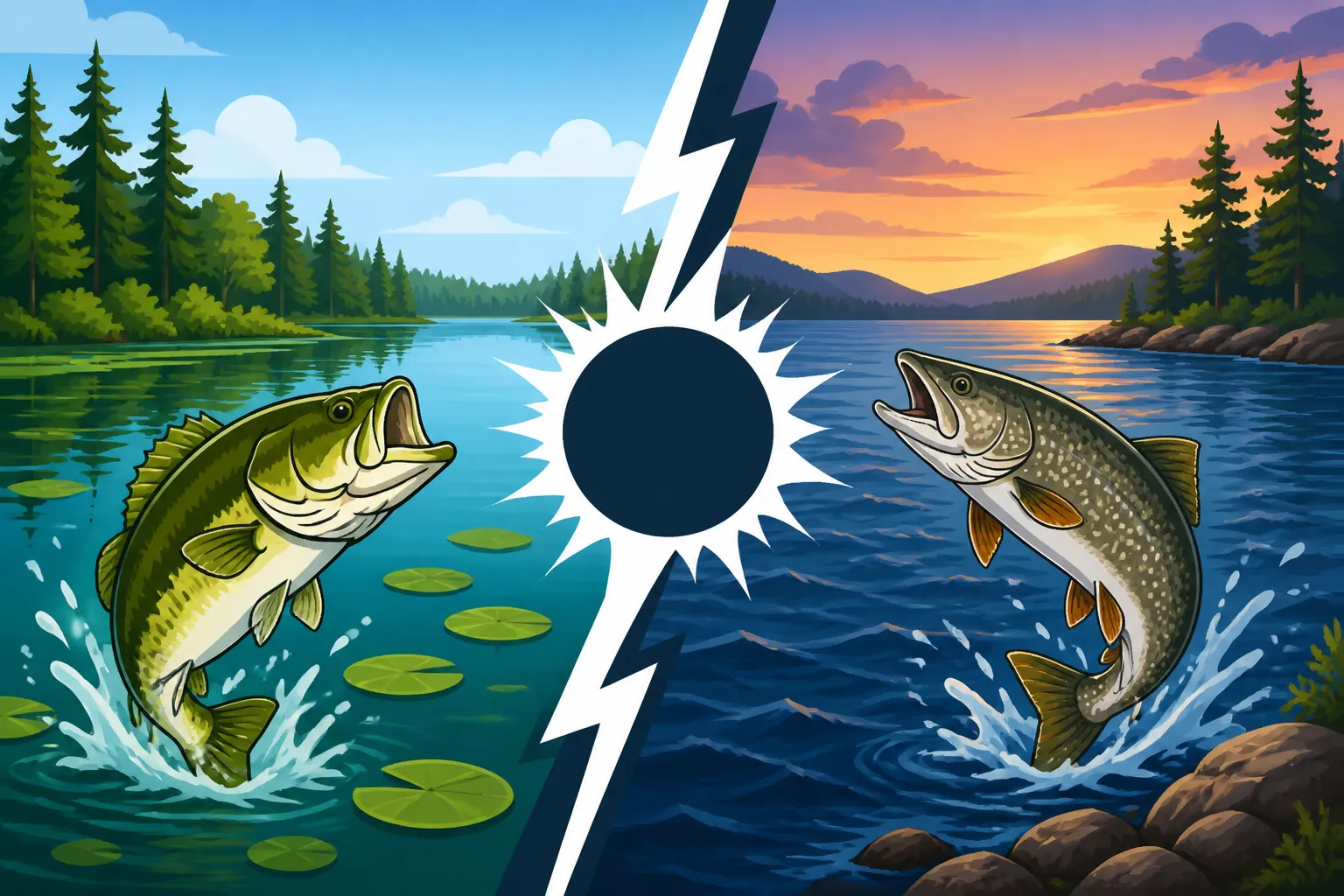
When planning a fishing trip to Maine's beloved Belgrade Lakes region, many anglers find themselves at a crossroads, pondering the age-old question: Great Pond or Long Pond? It’s a truly tough choice because both offer incredible, yet distinct, angling adventures. The frustration of trying to pick the "right" one without a clear understanding of their unique personalities is real, and it can sometimes overshadow the excitement of the trip itself. This comprehensive guide is designed to cut through that confusion, meticulously detailing the fishing opportunities, characteristics, and nuances of both Great Pond and Long Pond, so you can confidently cast your line in the perfect spot for your next Maine fishing excursion.
The Belgrade Lakes Region: A Twin Fishing Paradise
The Belgrade Lakes are a true jewel in Central Maine, a chain of seven interconnected lakes and ponds renowned for their natural beauty and exceptional fishing. Great Pond and Long Pond stand out as two of the most popular and diverse, drawing anglers from all corners eager to experience their waters. While they share the same general locale and charm, their underwater worlds couldn't be more different, offering contrasting experiences depending on what you're hoping to hook.
Understanding the Appeal of Great Pond
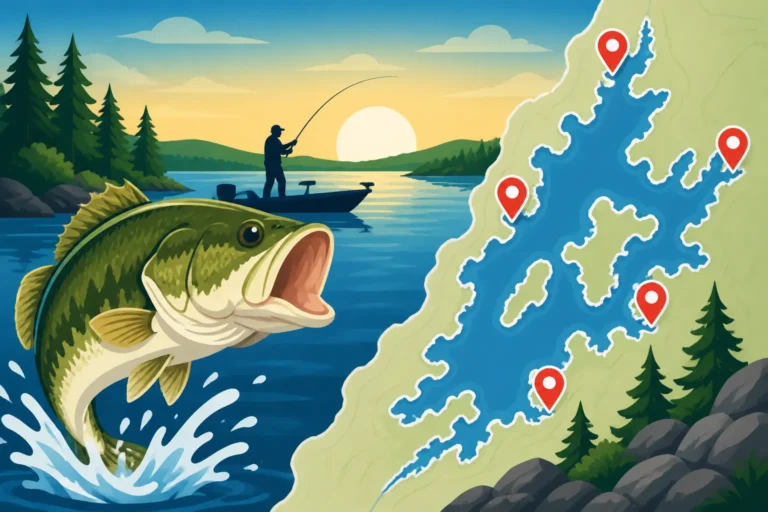
Great Pond is exactly what its name implies: a truly great pond. It's the largest of the Belgrade Lakes, sprawling over more than 8,200 acres. When you look at a map, you’ll notice its irregular shape, dotted with numerous islands, submerged structures, and intricate coves. This complex topography is a paradise for warmwater fish species, making it a hotspot for those who love to chase bass and various panfish. It's a lake that feels vast, almost like an inland sea in some areas, offering endless opportunities to explore new fishing grounds. The average depth is around 21 feet, but it can reach up to 69 feet in its deeper sections, providing a diverse range of habitats for its finned inhabitants.
Exploring the Charms of Long Pond
Just a short drive away, and connected by a narrow river, lies Long Pond. While smaller at roughly 2,700 acres, it possesses a completely different character. As its name suggests, it’s long and relatively narrow, stretching out with less of the sprawling complexity of Great Pond. What truly sets Long Pond apart is its depth and water clarity. Averaging around 35 feet deep and plunging to an impressive 106 feet in places, Long Pond supports a robust coldwater fishery alongside its warmwater inhabitants. The clearer, cooler waters make it a prime location for those seeking species like landlocked salmon and lake trout, offering a different kind of challenge and reward. It’s a lake that feels more intimate in some ways, but still offers plenty of room to roam and discover.
Great Pond: A Largemouth Haven with Surprises
Great Pond is undeniably celebrated as one of Maine's premier warmwater fisheries, a reputation it has certainly earned. Its extensive shallow areas, weed beds, and numerous structures provide ideal habitat for explosive bass action.
Dominant Species and Seasonal Hotspots on Great Pond
When you think of fishing Great Pond, think bass – specifically, robust largemouth bass. These feisty fighters absolutely thrive in the lake's rich, fertile waters, making it a top destination for tournaments and casual anglers alike. You'll find them lurking in the abundant lily pads, beneath fallen trees along the shoreline, and around the edges of the many islands. While largemouth take center stage, smallmouth bass are also present, often found on rockier points and deeper humps.
Beyond bass, Great Pond is teeming with panfish. White perch and yellow perch are incredibly numerous, offering fast-paced action, especially for families or anglers looking to fill a cooler. Chain pickerel, with their sharp teeth and aggressive strikes, are also common, providing a thrilling fight and often hitting baits meant for bass. Understanding the Maine Fishing Season Dates Guide will help you pinpoint the best times to target each species. In spring, as waters warm, the shallower coves and sun-drenched flats come alive with bass preparing to spawn. Come summer, bass often move to slightly deeper weed lines or shady cover, while perch schools can be found almost anywhere. Fall brings another burst of activity as fish aggressively feed before winter, and even ice fishing can be productive for perch and pickerel.
Effective Techniques and Gear for Great Pond Anglers
For largemouth bass on Great Pond, a variety of techniques prove highly effective. Topwater lures like poppers and frogs are incredibly exciting to use over weed beds and lily pads, especially during early morning or late evening. Spinnerbaits and chatterbaits are excellent for covering water and enticing strikes from aggressive bass. For targeting specific structure or denser cover, Texas-rigged worms, creature baits, or jigs flipped into tight spots are deadly. When fishing for smallmouth, crankbaits, tubes, and drop shots excel on rocky bottoms.
If you're after the abundant white and yellow perch, light spinning tackle with small jigs, worms, or pieces of nightcrawler under a bobber will keep you busy. This is also a fantastic lake for Maine Ice Fishing Techniques Guide, where jigging with small spoons or using tip-ups with minnows can yield excellent results for perch, pickerel, and even some surprising bass. Many local guides, easily found through platforms like FishingBooker, specialize in these specific techniques, helping you get on the fish faster. Remember to always consult the current Maine Fish Bag Limits Guide to ensure you're compliant with regulations.
Accessing Great Pond and Local Amenities
Accessing Great Pond is relatively straightforward, which adds to its appeal. There are several public boat launches around the lake, with the most popular being in Belgrade Lakes Village. This village itself offers a classic Maine lakeside experience with general stores, restaurants, and places to stay, making it a convenient base for a fishing trip. You can find more details about launches in our Great Pond Belgrade Fishing Access article.
Shoreline fishing opportunities are a bit more limited, as much of the lakefront is privately owned, but public access points in the village and near some bridges can provide limited bank fishing. For those without their own boat, canoe, or kayak, there are local outfitters that rent watercraft, and guided trips are readily available. Considering the lake's size, it's a good idea to have a boat or kayak to truly explore its many coves and islands, maximizing your chances for a successful outing.
Long Pond: A Coldwater Fishery with Depth and Diversity
While Great Pond shines for its warmwater action, Long Pond offers a thrilling contrast, primarily known for its excellent coldwater fishing. Its deeper, colder waters create the perfect environment for some of Maine's most sought-after game fish.
Target Species and Prime Locations in Long Pond
Long Pond is a fantastic destination for landlocked salmon, brook trout, and togue (lake trout). These coldwater species thrive in the pond's deeper, oxygen-rich zones, especially during the warmer months. Anglers often troll for salmon and togue using downriggers or lead core line, targeting the thermocline where these fish suspend. In spring and fall, when water temperatures are cooler throughout the water column, salmon can be found nearer the surface, sometimes even in tributaries. The pond is regularly stocked with brook trout, providing good opportunities, especially in the cooler spring and fall periods or through the ice.
While celebrated for its coldwater species, Long Pond also boasts a healthy population of smallmouth bass, which prefer the rockier shorelines and deeper structure. Largemouth bass are also present in the shallower coves and weedier areas. White perch and yellow perch are abundant here too, offering consistent action for panfish enthusiasts. Understanding the varying Maine Bass Fishing Limits by Zone is critical for anglers targeting either species. Deep trolling is often the name of the game for salmon and togue in summer, while bass fishing peaks in spring and early summer along the edges.
Recommended Fishing Strategies for Long Pond Success
For landlocked salmon and togue, trolling is the most common and often most effective method on Long Pond. Spoons like Mooselook Wobblers, Flash Kings, or DB Smelts in various colors are popular choices. During warmer months, you'll need to get your lures down deep, often using lead core line, copper line, or downriggers. Many anglers also find success slow-trolling live bait, like shiners or smelts, especially for larger togue. Fly fishing can be excellent in the spring and fall for salmon when they are cruising the surface or in the feeder streams, offering a truly classic Maine experience.
For smallmouth bass, look for rocky points, humps, and submerged ledges. Jigs, tubes, drop shots, and crankbaits are highly effective. For largemouth, stick to the shallower, weedier coves with topwater lures, spinnerbaits, or Texas-rigged plastics. Long Pond also offers exciting ice fishing opportunities. Jigging for perch, and setting tip-ups for togue and even salmon, can provide incredible winter action. Local guides listed on FishingBooker can provide invaluable insights into current fish patterns and hot techniques, ensuring a productive trip.
Boat Launches and Shoreline Opportunities on Long Pond
Long Pond has a well-maintained public boat launch located off Long Pond Road (Route 135) in North Belgrade, providing easy access for trailered boats. Due to its shape and somewhat steeper shores in places, shore fishing opportunities are more limited than on Great Pond, but there are some spots near the launch and along portions of Route 135.
Kayaks and canoes are excellent for exploring Long Pond's quieter coves, especially for bass, or for paddling out to access specific coldwater drops. Given the depth and the need for specialized trolling gear to target salmon and togue effectively, having a boat equipped with sonar and trolling capabilities will significantly enhance your experience. As with any Maine waterbody, always review the Maine Fishing Regulations Explained before heading out.
Great Pond vs. Long Pond: Making Your Choice
Deciding between Great Pond and Long Pond really boils down to your personal fishing preferences and what kind of experience you're seeking. Both offer fantastic fishing, but they cater to different styles.
Direct Comparison: Which Lake Suits Your Style?
Let's break down the key differences to help you decide:
| Feature | Great Pond | Long Pond |
|---|---|---|
| Primary Target | Largemouth Bass, Perch, Pickerel | Landlocked Salmon, Togue, Brook Trout, Smallmouth Bass |
| Water Type | Warmer, shallower, extensive weed beds | Colder, deeper, clearer, rocky structure |
| Best Techniques | Topwater, Spinnerbaits, Jigs, Worms (Bass); Bobber (Perch) | Trolling (Salmon/Togue); Jigs, Tubes (Smallmouth) |
| Typical Gear | Medium-heavy casting/spinning rods | Medium-light to medium spinning/trolling rods, downriggers (for coldwater) |
| Challenge Level | Moderate for bass; easy for panfish | Moderate to high for coldwater species; moderate for bass |
| Scenic Appeal | Islands, coves, sprawling; busy in summer | Long, narrow, deep, clearer; quieter |
| Best For | Bass anglers, families, panfish enthusiasts | Coldwater trophy hunters, trollers, fly anglers, smallmouth purists |
If you dream of pulling in a monster largemouth from thick cover, or spending a relaxed day catching plenty of panfish with the kids, Great Pond is probably your best bet. It offers that classic, active warmwater fishery experience that many anglers adore. Our guide to Belgrade Lakes Bass Fishing in Maine dives even deeper into this.
However, if the thought of a screaming reel as a landlocked salmon takes off, or the challenge of jigging up a deep-dwelling togue excites you more, then Long Pond will call your name. It offers a more serene, coldwater-focused adventure, demanding different techniques and often yielding different rewards. It's a fantastic spot for those looking to experience the thrill of Maine's premier coldwater game fish.
Planning Your Belgrade Lakes Fishing Expedition
No matter which pond you choose, planning ahead is crucial for a successful and enjoyable trip. First, ensure you have a valid Maine Fishing License Guide. These can be purchased online, or at many local sporting goods stores and town offices. It's also wise to check the specific regulations for the Belgrade Lakes region, as individual lakes sometimes have special rules that supersede general state laws. You can usually find a copy of the current law book at local bait shops or on the Maine Department of Inland Fisheries and Wildlife (MDIFW) website. Don't forget to account for the Best Time of Year to Fish Belgrade Lakes based on your target species.
Consider hiring a local guide, especially if you're new to the area or targeting a specific species. A registered Maine guide will have intimate knowledge of the lakes, current fishing patterns, and the right gear, significantly increasing your chances of success. Platforms like FishingBooker are excellent resources for finding experienced guides in the Belgrade Lakes area who can cater to your specific interests, whether it's chasing bass on Great Pond or trolling for salmon on Long Pond. Don't underestimate the value of local knowledge, it can truly make or break a trip, particularly on large, complex waterbodies.
Essential Regulations and Resources for Your Trip
Maine takes its fisheries management seriously, and understanding the rules is not just about compliance; it's about preserving these incredible resources for future generations of anglers.
Navigating Maine's Fishing Laws
Before you even launch your boat, make sure you're well-versed in Maine's fishing regulations. This includes not only needing a Maine Fishing License Guide but also being aware of species-specific size and bag limits, which can vary by water body and even by zone within the state. For instance, the general law for brook trout might be different in the Belgrade Lakes compared to a remote pond up north. Our article on How to Find Maine Fishing Regulations for a Specific Lake can be a lifesaver here.
Beyond fish limits, there are rules about lead tackle, live bait use, and especially for ice fishing, regulations concerning the number of lines you can use and the removal of ice shacks. For example, our Maine Ice Fishing Rules Guide details important dates for shack removal to prevent them from becoming hazards during ice-out. Ignorance of the law is not an excuse, and game wardens are dedicated to protecting Maine’s natural heritage. A quick check of the MDIFW website or grabbing a physical law book from a local agent like an Indian Hill Trading Post or Cabela's will keep you informed and out of trouble.
Local Expertise and Booking Options
While this guide offers a solid foundation, nothing beats current, hyper-local knowledge. Bait and tackle shops in Belgrade Lakes Village or nearby towns like Oakland or Augusta are invaluable resources. Shop owners and their staff hear daily reports from anglers, know what's biting, and can recommend the best baits or lures for the current conditions. They're also fantastic places to hear a good fishing story or two!
For those who want to maximize their time on the water, especially if targeting specific species or learning new techniques, consider booking a trip with a registered Maine fishing guide. These professionals are passionate about Maine fishing and possess years of experience on these specific waters. Whether you're interested in mastering Maine Open Water Fishing Techniques Guide or simply want a relaxing day catching perch, a guide can tailor the experience to your skill level and preferences. Using a service like FishingBooker makes it easy to compare guides, read reviews, and book a reputable professional who can turn your Belgrade Lakes fishing dreams into reality. They'll often provide all the necessary gear, bait, and local know-how, ensuring a seamless and productive day on either Great Pond or Long Pond.
Disclaimer
Please note that fishing regulations and conditions can change rapidly. Always consult the latest Maine Department of Inland Fisheries and Wildlife (MDIFW) regulations before planning your trip. The information provided in this guide is for general informational purposes only and should not be considered legal advice or a substitute for official state regulations.