Notable Landlocked Salmon Catches on Sebago Lake
There’s something truly special about the pursuit of a trophy fish, especially when you’re casting lines in a legendary spot like Sebago Lake. Many of us have spent countless hours dreaming of that one monumental tug on the line, the one that signals a truly notable landlocked salmon. This guide is all about those impressive Sebago Lake catches, diving into what makes them so remarkable, how anglers achieve them, and how you might just land one of your own.
The Allure of Sebago Lake Salmon
Sebago Lake isn't just another body of water in Maine; it's a deep, pristine basin renowned for its incredible landlocked salmon fishery. For generations, anglers have flocked here, drawn by the promise of battling one of these powerful, acrobatic fish. The sheer size and fighting spirit of Sebago's salmon are what set them apart, making every notable catch a story worth telling.
Sebago Lake's Unique Fishery
What makes Sebago Lake such a powerhouse for landlocked salmon? It boils down to a few key factors that create an almost perfect habitat. First, the lake itself is massive and incredibly deep, providing vast stretches of cold, oxygen-rich water that salmon thrive in. These conditions are crucial, especially during the warmer months when salmon retreat to the cooler depths.
Beyond its impressive size, Sebago Lake boasts an incredibly robust forage base, particularly its healthy population of rainbow smelt. Smelt are the primary food source for landlocked salmon, acting as the fuel that allows them to grow to impressive sizes. A strong smelt population means well-fed, energetic salmon, and that's precisely what you find here. The delicate balance of this ecosystem is meticulously managed, ensuring that these iconic fish continue to thrive. You can learn more about what makes this lake so special in our full Sebago Lake Fishing Guide.
What Makes a Landlocked Salmon "Notable"?
When we talk about a "notable" landlocked salmon catch on Sebago Lake, we’re not just talking about any salmon. We’re discussing fish that leave an impression, not only on the angler who caught it but often within the wider fishing community. Typically, a notable salmon is one that significantly exceeds the average size for the species, both in length and weight, often pushing into the double-digit pound range or breaking personal or local records.
It’s more than just a number on a scale, though. A notable catch often involves an epic battle, a true test of an angler's skill, patience, and tackle. These are the fish that run hard, jump repeatedly, and demand every ounce of focus to bring to the net. The story behind the catch – the conditions, the technique, the sheer effort – often contributes just as much to its "notable" status as its physical dimensions. For many, simply breaking the 20-inch mark is a fantastic achievement, but a truly notable one often starts closer to 24 inches and upwards of 5 or 6 pounds, with the real giants pushing much heavier.
Documenting Sebago's Trophy Catches
For as long as people have fished Sebago Lake, stories of immense landlocked salmon have been passed down. These aren't just fishing tales; they represent the pinnacle of angling achievement in a truly challenging environment. Over time, these legendary catches become part of the lake's rich history, inspiring future generations.
Historical Records and Local Lore
Sebago Lake has a storied past when it comes to impressive salmon. While official state records capture the absolute largest, local tackle shops, fishing derbies, and long-time guides hold a treasure trove of anecdotal evidence and photographs of truly massive fish. Back in the day, before digital cameras and widespread internet, these catches were often commemorated with mounted fish displayed in local establishments, forever etched into the folklore of the region. Maine's state record landlocked salmon, weighing a staggering 22 pounds, 8 ounces, was actually caught in Sebago Lake way back in 1907 by Edward Blakely. While fish of that colossal size are exceedingly rare today, anglers still consistently pull out magnificent salmon that are noteworthy in their own right, often ranging from 7 to 12 pounds, with occasional specimens pushing even larger.
These stories fuel the passion of local anglers and visitors alike. It's not uncommon to hear tales of a grandfather's immense catch, or to see photos from a fishing derby proudly showcasing a hefty salmon that might not be a record-breaker but is certainly a personal best and a triumph of skill. These local accounts, whether formally recorded or simply shared around a campfire, underscore the persistent allure of Sebago's salmon.
The Role of Angler Reports and Organizations
In today's connected world, documentation of notable catches goes far beyond local lore. Anglers regularly share their successes through online forums, social media, and dedicated fishing platforms. Websites and apps dedicated to fishing often feature "brag boards" or recent catch reports, allowing anglers to share photos and details of their biggest fish. These platforms provide a real-time snapshot of the lake's productivity and often highlight the truly exceptional specimens being caught.
Fishing organizations, like the Sebago Lake Anglers Association, play a vital role in encouraging responsible angling and celebrating impressive catches. They often host tournaments and derbies, providing official weigh-ins and recognition for significant fish. Moreover, many professional guides list their successes, sometimes showcasing recent impressive catches on platforms like FishingBooker, which not only celebrates the fish but also helps prospective clients gauge a guide's expertise. These reports, whether casual or official, are incredibly valuable, offering insights into fishing trends, successful techniques, and, of course, the ongoing legacy of monster salmon in Sebago.
Factors Influencing Big Salmon Catches
Catching a truly notable landlocked salmon isn't just about luck; it's a complex interplay of environmental conditions, the health of the fishery, and the angler's skill. Understanding these factors can significantly increase your chances of hooking into that fish of a lifetime on Sebago Lake.
Ecosystem Health and Forage
The health of Sebago Lake's ecosystem is paramount to producing large, robust salmon. At the core of this health is the abundance of rainbow smelt, the primary food source. When smelt populations are thriving, salmon have ample food to grow quickly and reach impressive sizes. Conversely, a decline in smelt can lead to smaller, less numerous salmon. The Maine Department of Inland Fisheries and Wildlife (MDIFW) closely monitors both smelt and salmon populations to ensure a sustainable fishery. This includes ongoing stocking programs for salmon and implementing regulations designed to protect the smelt population.
Beyond forage, water quality and temperature play critical roles. Landlocked salmon are cold-water fish, preferring temperatures in the 40s and low 50s Fahrenheit. Sebago Lake's depth provides crucial thermal refuge for these fish during warmer summer months. Oxygen levels at these depths are also vital. A healthy, well-oxygenated lake with a strong forage base and appropriate water temperatures is the foundation for trophy salmon. Understanding the Maine Fishing Season Dates Guide and how they relate to these ecological factors can be hugely beneficial.
Angler Skill and Persistence
While the lake's ecosystem sets the stage, it's the angler's skill and persistence that ultimately land a notable salmon. These fish are not easily fooled. Successful anglers dedicate countless hours to understanding salmon behavior, migration patterns, and preferred habitats at different times of the year. This includes mastering various techniques, such as trolling with downriggers or lead core line to reach the depths where salmon feed, or precise casting with spoons and flies.
Persistence is key. Trophy fish are often solitary and require patience, sometimes hours of trolling or casting without a bite, before that single, powerful strike. Learning to read the water, understand sonar readings, and adapt to changing conditions are hallmarks of successful Sebago Lake salmon anglers. It’s also crucial to be familiar with Maine Fishing Regulations Explained, including specific size and bag limits for Sebago Lake.
The Impact of Season and Conditions
The time of year and prevailing weather conditions have a significant impact on salmon activity and where they can be found. Early spring, just after ice-out, is often considered one of the best times to target large salmon. The fish are often shallower, hungry after winter, and aggressively feeding on smelt. This period offers some of the most exciting fishing, often involving trolling near the surface. Our Maine Spring Fishing Guide offers more in-depth advice on this.
As summer progresses and water temperatures rise, salmon retreat to deeper, cooler water. This requires different tactics, often involving deeper trolling techniques like using copper line or downriggers to present lures at specific depths. Fall brings another surge of activity as water temperatures cool, and salmon become more active in preparation for spawning, moving into shallower areas again, sometimes even near river mouths. Knowing the specific Maine Fishing Season Dates Guide for Sebago is crucial for planning your trip to align with peak salmon activity.
Strategies for Your Own Notable Sebago Catch
So, you're dreaming of a massive Sebago Lake landlocked salmon. While there are no guarantees in fishing, employing proven strategies can dramatically increase your chances of success. It's all about understanding the fish, the lake, and having the right approach.
Best Techniques for Trophy Salmon
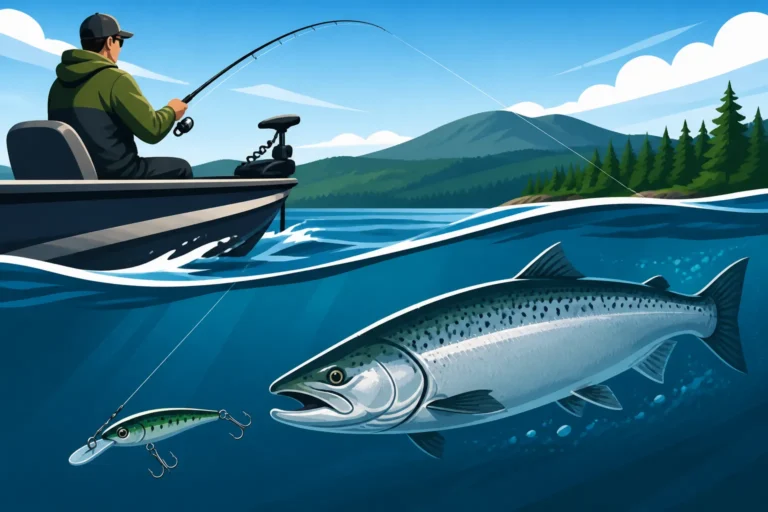
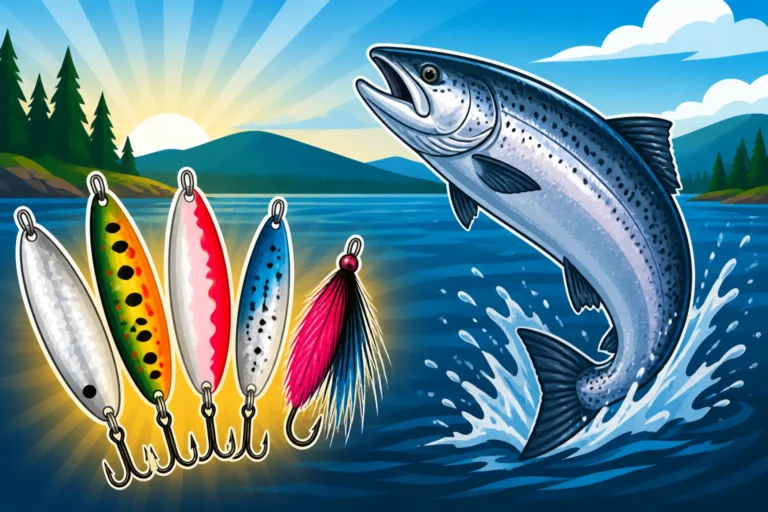
Catching a notable landlocked salmon on Sebago Lake typically involves specific techniques designed to target these deep-dwelling, often finicky predators. Trolling is king here, allowing anglers to cover vast expanses of water and present lures at precise depths. For trophy salmon, consistent trolling speeds and the ability to mimic natural baitfish like smelt are critical. Popular setups often involve using various methods to get your lure down, such as lead core line, copper line, or sophisticated downrigger systems. Anglers use a variety of lures, including spoons like Mooselook Wobblers, DB Smelt, and Suttons, or stickbaits that imitate smelt.
Fly fishing can also be incredibly effective, especially in the spring and fall when salmon are shallower. Streamer patterns that resemble smelt or other baitfish are often the most productive. Presentation is key, whether you're trolling or fly casting; making your offering look as natural and enticing as possible is what draws strikes from the big ones. You can find more detail on effective methods in our Trolling Techniques for Maine Lakes and Best Lures for Maine Open Water Fishing articles.
Timing Your Trip for Success
When you plan your Sebago Lake salmon adventure can make all the difference. While salmon can be caught year-round (including through the ice!), certain periods offer the best chances for a truly notable catch. As mentioned, early spring, right after ice-out, is prime time. The water is cold throughout the lake, and salmon are actively chasing smelt closer to the surface. This can continue into late spring and early summer before the thermocline fully sets up.
During the heat of summer, targeting trophy salmon requires a shift to deeper water. The fish will be concentrated in the cooler, deeper sections of the lake. This means early mornings and late evenings can be particularly productive, even in summer, as salmon might move slightly shallower to feed during low-light conditions. Fall also presents excellent opportunities, especially as water temperatures drop and salmon become more aggressive before the spawn. Understanding the Best Time of Year to Catch Landlocked Salmon in Maine is crucial.
Considering a Guided Trip
For many anglers, especially those new to Sebago Lake or specifically targeting a trophy landlocked salmon, hiring a Registered Maine Guide is an invaluable investment. These professionals spend countless hours on the water, intimately understanding the lake's currents, depths, and the ever-changing patterns of the salmon. A good guide can provide all the specialized equipment, share their expertise on optimal depths, trolling speeds, and lure choices, and most importantly, put you on the fish.
They often have real-time information on recent catches and hot spots, which is a huge advantage. If you're serious about increasing your odds of a notable catch, a guided trip can turn a dream into a reality. You can explore options for experienced local experts through services like FishingBooker, where many Sebago Lake Fishing Guides list their services and specialties. They can teach you the specific tactics and nuances required for success on Sebago, saving you years of trial and error.
Here's a quick overview of some factors involved in notable Sebago Lake salmon catches:
| Characteristic | Average Catch (Typical) | Notable Catch (Trophy) | Key Factors |
|---|---|---|---|
| Weight | 2-4 pounds | 6-12+ pounds | Age, forage availability, genetics |
| Length | 18-22 inches | 24-30+ inches | Growth rate, food supply |
| Common Techniques | Trolling, Casting | Deep Trolling, Specific Flies | Precision, gear, deep water tactics |
| Best Seasons | Spring, Fall | Early Spring, Late Fall | Water temperature, spawning cycles |
| Forage Importance | High | Critical | Smelt abundance, ecosystem health |
| Angler Skill Req. | Moderate | High | Experience, patience, adaptability |
| Fight Intensity | Strong, Acrobatic | Epic, Sustained | Size, health of the fish, angler setup |
Disclaimer
Please note that fishing conditions, regulations, and fish behavior are subject to change. Always consult the latest Maine Department of Inland Fisheries and Wildlife (MDIFW) regulations before heading out on the water. This guide is for informational purposes only and does not constitute official legal advice.