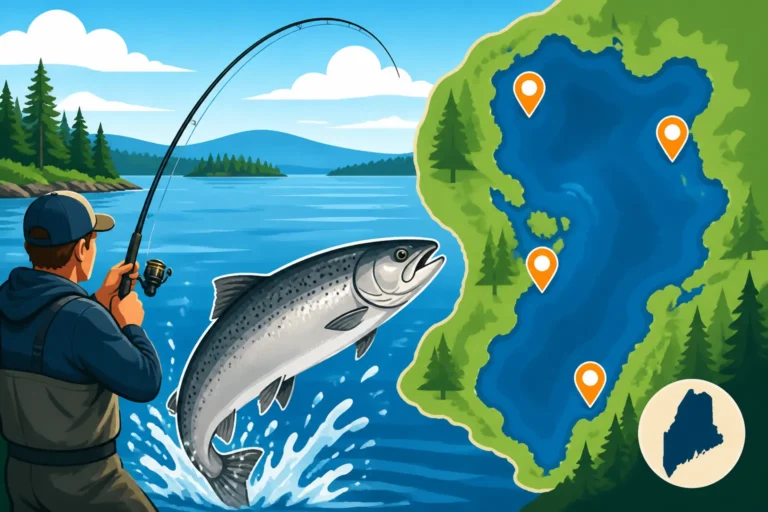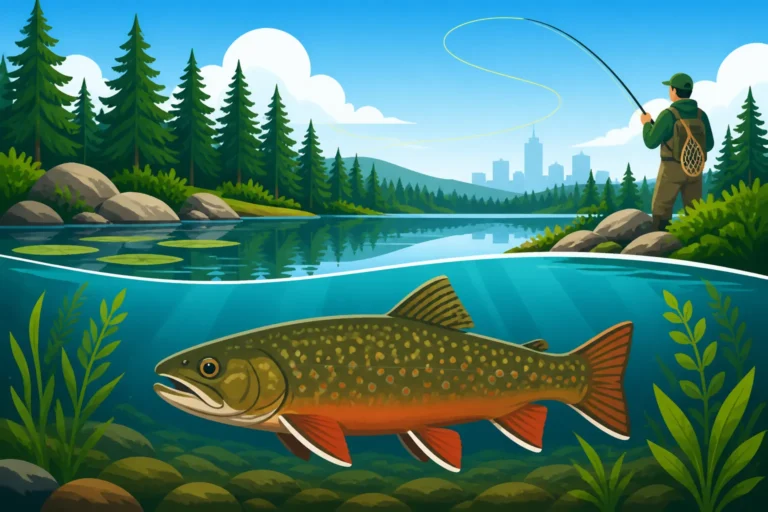
Record Brook Trout Caught in the Allagash
There’s a special kind of magic, and sometimes a whole lot of frustration, that comes with dreaming of catching a truly monumental fish. For many of us who love Maine fishing, that dream often centers around a giant brook trout, especially when whispers turn to the legendary waters of the Allagash Wilderness Waterway. You hear tales, you see photos, and you start wondering: just how big do they really get up there, and what would it take to land one of those elusive, record-breaking brookies? This guide will dive deep into the allure of the Allagash and the quest for its magnificent brook trout, exploring why this remote region holds such a reputation and how you might experience its incredible fishing firsthand.
The Allagash Wilderness Waterway: A Sanctuary for Trophy Brook Trout
The Allagash Wilderness Waterway isn't just a river; it's a 92-mile stretch of lakes, ponds, rivers, and streams that carves its way through the vast, unspoiled forests of northern Maine. This remote and protected area is a designated National Wild and Scenic River, a testament to its pristine nature and unparalleled beauty. For anglers, it’s nothing short of a pilgrimage site, particularly for those with an insatiable longing for wild, native brook trout that grow to exceptional sizes. It’s a place where the air is cleaner, the quiet is profound, and the chances of seeing more moose than people are incredibly high. The sheer remoteness and protected status of the Allagash play a massive role in why it remains such a prolific fishery.
The Allagash's Unique Ecosystem
What makes the Allagash so special for brook trout? It comes down to a perfect storm of environmental factors. The waterway boasts consistently cold, clean water, even during the peak of summer, fed by countless springs and tributaries that flow through heavily forested landscapes. This stable cold water is absolutely crucial for brook trout, which thrive in oxygen-rich environments and struggle in warmer temperatures. Imagine streams so clear you can see every pebble on the bottom, flowing into deep, tannin-stained lakes that hide ancient, gnarled submerged timber. These conditions create ideal habitats for trout to not only survive but to flourish and grow large.
The Allagash is also teeming with diverse insect life and baitfish, providing a banquet for growing brook trout. Mayflies, caddisflies, stoneflies, and various minnow species are abundant, offering a consistent and rich food source throughout the year. This natural larder allows brook trout to pack on weight and reach sizes rarely seen in more accessible, heavily pressured waters. Unlike many other systems, the Allagash's ecosystem is largely undisturbed by human development, meaning the natural cycles of life and death, predator and prey, remain largely intact, fostering robust fish populations. If you want to learn more about the specific creatures inhabiting these waters, our guide on Brook Trout Fishing in Maine delves deeper into their habitat.
Historical Context of Allagash Trout Fishing
Fishing the Allagash has a long and storied history, dating back to Indigenous peoples who utilized its bounty for centuries. Later, logging operations brought in new populations, but even then, the remoteness preserved much of its wild character. Over time, the waterway gained a reputation among serious anglers and outdoor enthusiasts as a premier destination for wild brook trout. Stories of gargantuan brookies pulled from its depths have been whispered around campfires for generations, solidifying its mystique.
Before modern fishing regulations were fully established, some truly colossal trout were undoubtedly caught and eaten, with only anecdotal evidence to support their size. As conservation efforts grew, the importance of protecting this unique resource became clear, leading to the establishment of the Allagash Wilderness Waterway itself and a commitment to maintaining its wild character. This focus on preservation has ensured that while some areas might see more traffic, large sections remain as wild and productive as they were a century ago, continuing to offer the chance at a fish of a lifetime. The waterway is managed with a keen eye on sustainability, allowing the natural population dynamics of brook trout to thrive.
Maine's Brook Trout Records: Fact vs. Legend
When we talk about a "record brook trout caught in the Allagash," it’s important to understand the nuance between an official state record and the kind of "record" that means a true trophy for an individual angler or a legendary fish within a specific waterway. Maine has an official state record for brook trout, a truly immense specimen, but the Allagash itself consistently produces fish that are considered giants by any standard, even if they don't break the statewide record books.
State Record vs. Unofficial Big Fish
The official state record brook trout for Maine stands at a staggering 8 pounds, 8 ounces, caught back in 1993 from an undisclosed pond. It's a testament to the potential for truly massive brookies in Maine's pristine waters. While the Allagash is famous for its large brook trout, it's rare for an official state record to come from such a well-known, albeit remote, waterway. Often, the truly record-breaking fish come from smaller, less-fished ponds or isolated sections that fly under the radar.
However, many anglers who ply the waters of the Allagash regularly report catches of brook trout weighing over 4 pounds, and occasionally even 5 or 6 pounds. These aren't necessarily "state records," but for anyone who has chased brookies for years, a 4-pound wild brook trout is an absolute trophy and a personal record worth celebrating. These unofficial "big fish" are the heart of the Allagash's legend, fish that represent the pinnacle of wild trout fishing and provide a thrill that few other species can match. The thrill isn't just in the size, but in the fight and the pristine environment where they are found.
Measuring and Documenting Your Catch
Catching a potential record, or even just a personal best, requires careful documentation. For an official state record, strict protocols are in place: the fish must be weighed on a certified scale, usually at a post office or official weigh station, witnessed by multiple individuals, and verified by Maine Department of Inland Fisheries and Wildlife (MDIFW) personnel. You'll need high-quality photos, and sometimes even a tissue sample, depending on the species.
For those simply seeking to document a magnificent catch, a good camera and a reliable measuring tape are essential. Many anglers now use bump boards or release rulers to get accurate length measurements without harming the fish. Always try to keep the fish in the water as much as possible, handle it gently with wet hands, and release it quickly. It's a great practice to follow Catch and Release Best Practices in Maine to ensure these incredible fish continue to thrive. Remembering the fish is more important than taking it home for the wall, especially if you're deep in the wilderness.
Here's a quick comparison of what defines a "record" in different contexts:
| Record Type | Description | Key Criteria | Typical Location |
|---|---|---|---|
| State Record | Heaviest fish officially documented in Maine's history. | Certified scale weight, MDIFW verification, multiple witnesses. | Often remote, unnamed ponds. |
| Allagash Trophy | Exceptionally large brook trout from the Allagash. | Over 4-5 lbs, often 20+ inches. Personal achievement. | Allagash Wilderness Waterway lakes/rivers. |
| Personal Best | The largest fish you have ever caught of a specific species. | Photo, accurate length/weight (if kept). Often catch-and-release. | Anywhere you fish. |
| Unofficial Legend | Large fish stories passed down, often unverified. | Anecdotal evidence, often pre-dates strict record keeping. | Remote, legendary waters like the Allagash. |
Why the Allagash Nurtures Giant Brook Trout
The ability of the Allagash to consistently produce such large brook trout isn't by accident. It's the result of a delicate balance of ecological factors, all working in harmony to create an environment where these fish can truly thrive. It’s a natural laboratory demonstrating optimal conditions for brook trout growth.
Abundant Food Sources and Cold Water
As mentioned, the Allagash is a buffet for brook trout. The cold, clear waters provide excellent conditions for a diverse array of aquatic insects, from hefty stonefly nymphs that provide a protein-rich meal to numerous hatches of caddisflies and mayflies that bring trout to the surface in spectacular feeding frenzies. Beyond insects, the waterway is home to a healthy population of baitfish, particularly various species of minnows and juvenile suckers. For a brook trout looking to bulk up, these larger caloric meals are essential. The presence of ample smelt, for instance, in some of the deeper Allagash lakes, can turn an average brook trout into a truly monstrous specimen, as smelt are a highly nutritious food source.
Moreover, the consistent cold water temperature is perhaps the most critical factor. Brook trout are salmonids, closely related to salmon and lake trout, and they are incredibly sensitive to water temperature. Optimal temperatures for brook trout are generally between 50-65°F (10-18°C). The Allagash, with its spring-fed tributaries and deep lake sections, maintains these ideal temperatures year-round, even during the dog days of summer. This means trout aren't stressed by warm water and can continue to feed and grow actively for longer periods, rather than expending energy simply trying to survive. This also means less metabolic stress and more energy conversion into growth.
Limited Pressure and Remote Access
One of the biggest advantages the Allagash has over more accessible fisheries is its inherent remoteness. Reaching many prime fishing spots requires a significant effort—often involving paddling for miles, navigating rapids, or even flying into remote camps. This natural barrier discourages casual anglers and significantly reduces fishing pressure. When fish aren't constantly being harassed by anglers, they become less wary, feed more naturally, and have a better chance of living to an older age, allowing them to grow larger.
The "wilderness waterway" designation itself helps to protect the Allagash from overdevelopment and excessive access. While there are some established campsites and put-in points, large sections of the waterway require self-sufficient travel. This means that the biggest, oldest, and most cunning brook trout often reside in the most difficult-to-reach pockets, rewarding those anglers willing to put in the effort. It creates a natural selection process, where the fish that survive and grow large are those that have learned to thrive in a wild environment, away from constant human interference. This environment also benefits other species, as detailed in our guide on Brook Trout Native Range in Maine.
Strategies for Pursuing Allagash Trophy Brookies
Chasing a trophy brook trout in the Allagash is a challenging but incredibly rewarding endeavor. It requires patience, skill, and a deep respect for the wild environment. It’s not about sheer numbers; it’s about the quality of the experience and the possibility of encountering a truly magnificent fish.
Choosing the Right Gear and Techniques
When targeting large brook trout in the Allagash, your gear choices are paramount. For fly anglers, a 5 or 6-weight rod is generally suitable, providing enough backbone to handle a large fish and cast heavier streamers or nymphs. A good quality floating line and a sinking tip or full sinking line are essential for presenting flies at various depths. Effective fly patterns include streamers imitating baitfish (e.g., Grey Ghost, Black Ghost, Marabou Smelt patterns), large nymphs (e.g., Stonefly nymphs, Prince Nymphs), and dry flies like large caddis or attractor patterns during hatches. Our Best Flies for Brook Trout in Maine Streams guide offers more specific recommendations.
Spinning gear can also be highly effective. A light to medium-light spinning rod paired with a reel spooled with 6-8 pound test monofilament or fluorocarbon line will give you the necessary sensitivity and strength. Small spoons (like Dardevles or Mooselooks), spinners (Mepps, Panther Martin), and small jerkbaits or soft plastics imitating minnows are excellent choices. Trolling these lures at slow speeds, especially over drop-offs or around submerged structures in the lakes, can be particularly productive. Understanding how to properly present your chosen lure or fly is often more important than the specific pattern itself; reading the water and adjusting your approach based on conditions is key. Remember, you'll also want to be familiar with general Maine Fishing Regulations Explained for your chosen technique.
Best Times and Locations for Big Brookies
Timing is everything when it comes to trophy brook trout. Early spring, shortly after ice-out, is a fantastic time. The water is cold, and trout are often actively feeding closer to the surface or near stream inlets as they recover from winter. Fall, particularly late September through October, is another prime window. As brook trout prepare for spawning, they become more aggressive and can be found in shallower waters, making them more accessible to anglers. Check our Maine Fishing Season Dates Guide for precise timings. During the summer months, focus on early mornings, late evenings, or target deeper, colder sections of lakes and pools, as trout will seek thermal refuge.
As for locations within the Allagash, the deeper sections of lakes like Eagle Lake, Chamberlain Lake, and Churchill Lake are known for holding big trout. Focus your efforts around submerged structures, deep drop-offs, and points. The river sections, especially below rapids or where tributaries flow in, also create excellent holding water. Don't be afraid to explore smaller, less-known ponds or feeder streams; these often hold truly wild and unpressured fish. Consider hiring a Registered Maine Guide who specializes in the Allagash; they can provide invaluable insight into current conditions and hot spots. Platforms like FishingBooker can help you connect with experienced guides who know these waters like the back of their hand, ensuring you make the most of your remote trip. They are experts in guiding you to the best possible areas and ensuring your safety in the wilderness.
Planning Your Allagash Adventure
A trip to the Allagash Wilderness Waterway is an expedition, not just a day trip. It requires careful planning, preparation, and a healthy respect for the wild. This isn't your average roadside pond fishing.
Essential Gear and Supplies
Beyond your fishing tackle, a successful Allagash trip demands a comprehensive packing list. A canoe is often the primary mode of transportation, so ensure it’s sturdy and suitable for carrying gear and navigating potential rapids. Essential camping gear includes a durable tent, sleeping bags rated for cold nights (even in summer), a cooking system, and enough non-perishable food for the duration of your trip, plus extra for emergencies. A water filter or purification tablets are non-negotiable. Navigation tools such as maps, a compass, and a GPS device are critical, as cell service is non-existent in most areas.
Personal safety items like a first-aid kit, emergency shelter, fire-starting supplies, and appropriate clothing layers for all weather conditions are also crucial. Don't forget bug spray – mosquitoes and black flies can be intense during certain times of the year! For longer trips, consider a bear-proof food container or methods for hanging food away from camp. Remember, you’ll be far from civilization, so self-reliance is key.
Securing Permits and Licenses
Before you even dip a paddle, make sure all your paperwork is in order. You'll need a Maine Fishing License Guide for fresh water fishing, which can be purchased online through the Maine Department of Inland Fisheries and Wildlife website, or from various agents across the state. In addition to your fishing license, a permit is required to enter and camp within the Allagash Wilderness Waterway. These permits help manage visitor numbers and fund the upkeep of the waterway. It's crucial to reserve your permit well in advance, especially if you plan to visit during peak season. You can often find detailed information about permits and regulations on the Maine Bureau of Parks and Lands website. Understanding these rules is critical for a smooth trip.
When planning your trip, consider using resources like FishingBooker to find guides who can help navigate the permit process and ensure you have all necessary documentation for a safe and legal journey. Their platform can simplify the logistics of booking an experienced professional who understands the local regulations, like those found in Maine Fishing Regulations Explained, inside and out. Always be sure to review the most up-to-date regulations, as they can change from year to year, especially concerning specific water bodies or species limits within the Allagash. Knowing these rules ensures you're a responsible angler.
Conservation and the Future of Allagash Trout
The presence of record-sized brook trout in the Allagash is not just a testament to the waterway's natural splendor but also to ongoing conservation efforts. Protecting this unique fishery ensures that future generations can also experience the thrill of pursuing these magnificent fish.
Catch and Release Ethic
For anglers targeting trophy brook trout in the Allagash, practicing a strong catch-and-release ethic is paramount. While keeping a fish for a meal is certainly part of the fishing experience, especially with smaller, more abundant brook trout, releasing the largest fish helps maintain the population's genetic diversity and allows those fish to contribute to future generations. These older, larger fish are often the most prolific spawners, and their survival is vital for the health of the entire ecosystem.
When practicing catch and release, minimize handling time, keep the fish in the water as much as possible, and use barbless hooks to reduce injury. If you want a photo, prepare your camera beforehand, quickly snap a few shots, and gently revive the fish before releasing it. This mindful approach ensures that the Allagash continues to be a haven for big brook trout. For more detailed best practices, refer to our Catch and Release Best Practices in Maine article. It outlines critical steps to ensure the fish you release have the best chance of survival.
Ongoing Management Efforts
The Allagash Wilderness Waterway is actively managed by the Maine Bureau of Parks and Lands, in cooperation with the MDIFW, to preserve its natural resources, including its exceptional fisheries. This management includes monitoring fish populations, enforcing regulations, and maintaining the ecological integrity of the waterway. Studies are regularly conducted to assess brook trout health, growth rates, and reproductive success, informing decisions about fishing limits and special regulations.
Efforts also focus on preventing the introduction of invasive species, which could severely disrupt the delicate balance of the Allagash ecosystem and outcompete native brook trout for food and habitat. The continuous commitment to keeping the Allagash wild and undeveloped is its greatest asset, allowing its natural processes to flourish and, in turn, producing the record-quality brook trout that draw anglers from around the world. These collective efforts safeguard this precious resource for everyone who cherishes Maine's wild places. If you’re ever curious about the specific rules for certain areas, our guide on How to Find Maine Fishing Regulations for a Specific Lake can be a huge help.
Disclaimer
The information provided in this guide is for general informational purposes only and is subject to change. Always consult the official regulations and guidelines from the Maine Department of Inland Fisheries and Wildlife (MDIFW) and the Maine Bureau of Parks and Lands before planning any fishing trip to ensure compliance with current laws and safety recommendations. Fishing conditions, fish populations, and access rules can vary.