Sebago Lake Fishing Guides
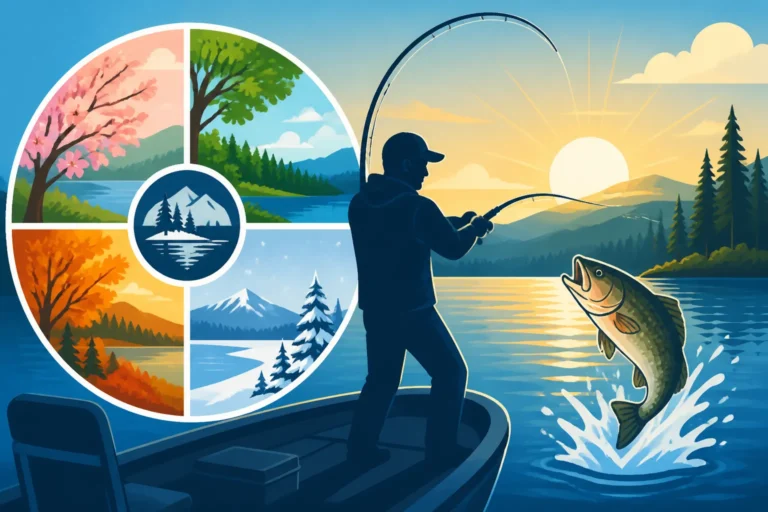
Heading out to Sebago Lake, rod in hand, can feel like stepping into a vast, beautiful puzzle. It's a massive body of water, famous for its incredible fishing, but also incredibly intimidating if you're not intimately familiar with its nooks, crannies, and seasonal moods. Many anglers, even experienced ones, find themselves spending more time searching than fishing, and that's exactly why this guide is here: to help you understand the invaluable role a local Sebago Lake fishing guide plays and how to choose the right one for your next unforgettable adventure.
Why Consider a Fishing Guide for Sebago Lake?
Sebago Lake isn't just any lake; it's Maine's second-largest, a deep, complex, and sometimes temperamental fishery. While the allure of discovering a honey hole on your own is undeniable, the reality can often be frustrating. That's where a seasoned guide truly shines, transforming a potentially confusing trip into a productive and genuinely enjoyable experience.
Navigating Sebago Lake's Unique Challenges
Imagine staring out at 45 square miles of water, dotted with islands, crisscrossed by hidden shoals, and plunging to depths of over 300 feet. Sebago Lake is a serious challenge, even for those who've fished large waters before. It has its own microclimates, where conditions can change in a flash, making navigation tricky and understanding fish movement even harder. From the shallow, rocky coves perfect for bass to the vast, open stretches where Landlocked Salmon Fishing in Maine and togue roam deep, each area presents its own set of puzzles. Trying to figure out where the fish are holding, what they're biting on, and how deep to run your lines without local knowledge can eat up precious fishing time.
Expertise and Local Knowledge
This isn't just about someone who knows how to drive a boat. A true Sebago Lake fishing guide has dedicated countless hours, seasons, and years to understanding this specific ecosystem. They've lived through the ice-out, tracked the Sebago Lake Landlocked Salmon Run, seen how the wind pushes baitfish, and observed how barometric pressure affects everything from a smallmouth bass bite to a sluggish togue. They know the subtle clues the water provides, the secret spots that hold fish during different times of day, and the most effective presentations for finicky eaters. This isn't knowledge you can get from a map or a quick internet search; it's earned through relentless dedication on the water.
Enhancing Your Fishing Experience
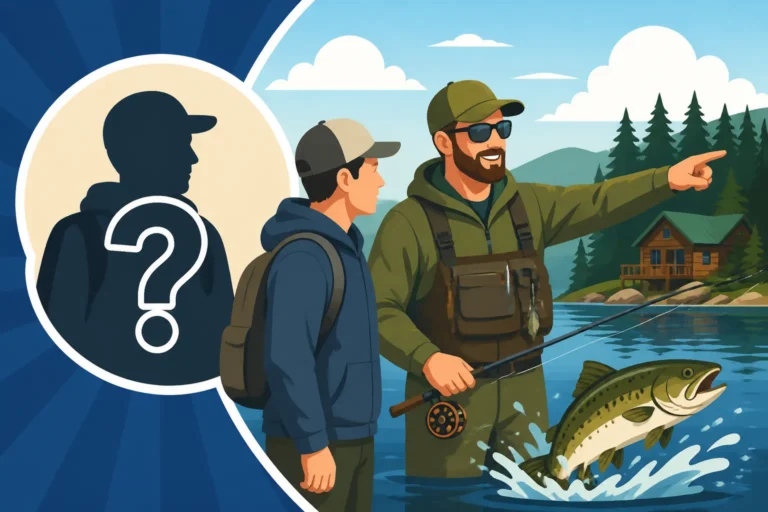
Beyond just catching fish, a guide dramatically enhances the overall experience. For starters, safety on a large body of water like Sebago is paramount. A guide knows the lake's hazards, understands changing weather patterns, and is equipped to handle emergencies. Then there's the learning aspect: a good guide isn't just there to put you on fish; they're often enthusiastic teachers. You'll learn new casting techniques, knot tying, how to read your electronics, and most importantly, how to approach a challenging lake. This insight can elevate your own angling skills for future trips. Plus, they handle the boat, the tackle, and all the logistics, allowing you to simply relax, cast, and enjoy the stunning Maine scenery.
What Species Can a Sebago Lake Guide Help You Target?
Sebago Lake is a cold-water fishery paradise, but it also boasts fantastic warm-water opportunities, making it a truly diverse destination. A skilled guide will specialize in, or at least be highly proficient at, targeting several of these popular species.
Landlocked Salmon and Togue
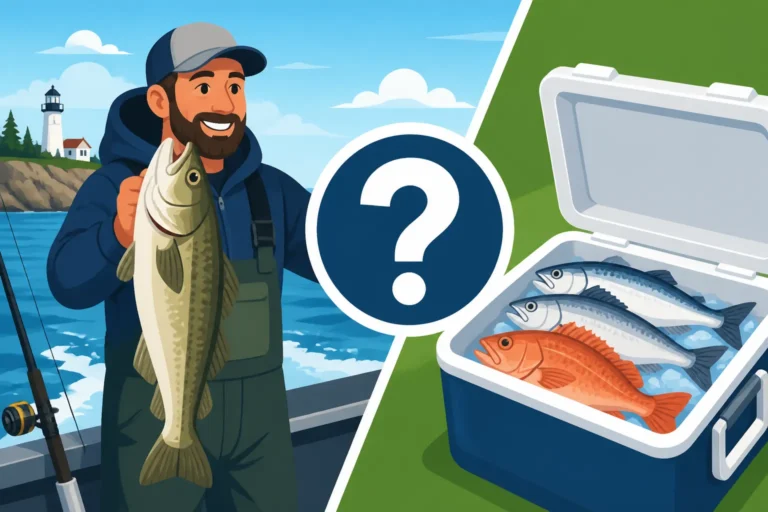
These are often the crowning jewels of a Sebago Lake fishing trip. Landlocked salmon are renowned for their acrobatic fights and delicious table fare, while the lake trout, locally known as togue, are powerful, deep-dwelling giants that test your strength and patience. Sebago Lake is famous for producing trophy-sized fish for both. Guides specializing in these species will have sophisticated trolling setups, often using downriggers, lead core, or copper line to present bait and lures at the precise depths where these cold-water predators lurk. They understand the patterns of Sebago Lake Trolling Depths throughout the seasons and how to adjust for current conditions. They'll know the best tactics for early spring, when salmon are near the surface, versus the dog days of summer when togue retreat to the abyss.
Smallmouth and Largemouth Bass
While salmon and togue steal much of the Sebago spotlight, the lake also offers exceptional bass fishing. Sebago Lake Smallmouth Bass Fishing in Maine is a vibrant pursuit, especially in the shallower, rockier sections and around its many islands. Largemouth bass, while less prevalent, can also be found in the lake's weedier coves and warmer backwaters. A bass guide will focus on different tactics entirely, from throwing topwater lures at dawn to working jigs and soft plastics along drop-offs and structure. They know how to "read" the lake for prime bass habitat, whether it's submerged timber, rocky points, or lily pad fields. They understand the seasonal movements of bass, from their aggressive prespawn feeding frenzies to their deeper, lethargic summer patterns.
Other Species and Opportunities
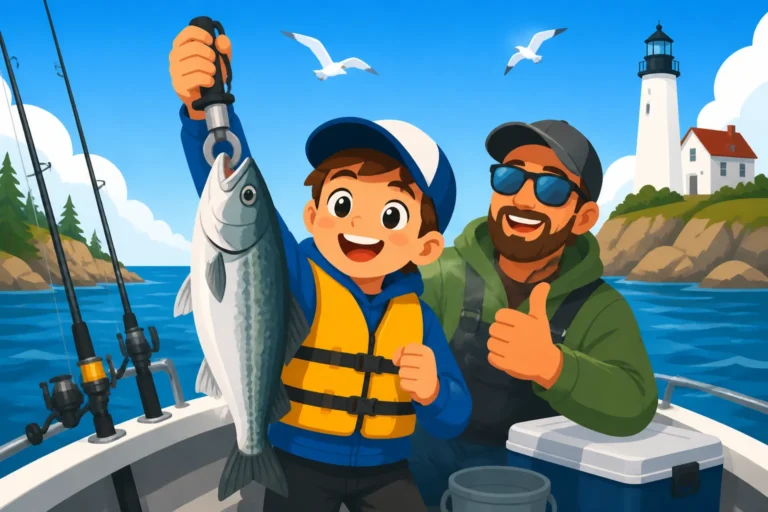
While salmon, togue, and bass are the main draws, Sebago Lake holds other species that can provide fun action, especially for family trips or when the primary targets are elusive. White perch are abundant and offer fast-paced action, perfect for kids or those looking for a lot of bites. Chain pickerel, while often overlooked, are aggressive fighters and can be a blast on light tackle. Some guides are happy to diversify your trip, perhaps spending a few hours jigging for perch to guarantee some rod bending, or exploring areas where you might hook into a surprise brown trout. It's always a good idea to discuss your preferences with your guide beforehand, especially if you're open to catching a mixed bag.
Choosing the Right Sebago Lake Fishing Guide
Selecting a guide isn't just about finding someone with a boat; it's about finding the right personality and expertise to match your fishing goals and style. A little homework goes a long way in ensuring a memorable trip.
Experience and Specialization
When looking for a Sebago Lake guide, consider their track record specifically on this body of water. How many years have they been guiding here? Do they specialize in the species you're most eager to catch, whether that's targeting Where to Catch Landlocked Salmon on Sebago Lake or chasing smallmouth bass? Some guides are masters of trolling for coldwater species, while others are bass fishing experts. If you're passionate about fly fishing, seek out a guide with strong fly-fishing credentials. Don't hesitate to ask about their preferred techniques, what kind of boat they run, and what their typical day looks like on the water. A guide who is passionate about their craft and the lake will be happy to share these details.
Licensing and Safety
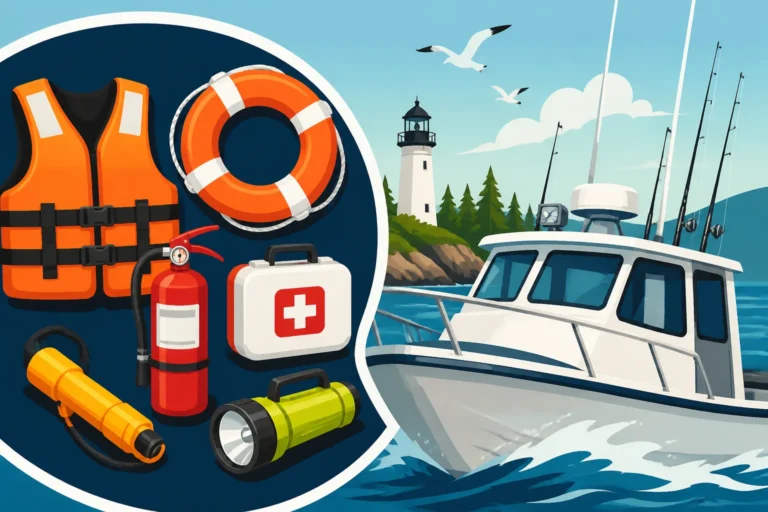
This is non-negotiable. Any legitimate guide operating on Sebago Lake must be a How to Become a Registered Maine Fishing Guide. This means they've passed rigorous state exams covering outdoor skills, navigation, first aid, and Maine's extensive fishing regulations. If they're operating a motor vessel carrying passengers for hire, they also need to hold a Coast Guard captain's license. Always verify a guide's credentials. Beyond licenses, inquire about their safety protocols. Do they carry all required safety equipment, including life jackets for all passengers, a first aid kit, and communication devices? A professional guide prioritizes your safety above all else, and you should feel confident in their ability to handle any situation on the water.
Testimonials and Reputation
In today's interconnected world, checking a guide's reputation is easier than ever. Look for reviews and testimonials on their personal websites, social media, or dedicated booking platforms. Platforms like FishingBooker are excellent resources, offering a wide array of Sebago Lake guides with detailed profiles, customer reviews, and transparent pricing. Pay attention to comments about their professionalism, patience (especially with beginners or children), and ability to put clients on fish. Word-of-mouth is also huge in the guiding community, so ask around in local tackle shops or online fishing forums if you have the chance. A guide with a consistent string of positive feedback is usually a safe bet.
What to Expect from Your Sebago Lake Guided Trip
Knowing what's included and what's expected of you can help set the stage for a smooth and enjoyable day on the water.
Trip Planning and Inclusions
Most Sebago Lake guides offer half-day (typically 4-5 hours) and full-day (6-8 hours) trips. They usually provide all the necessary fishing gear, including rods, reels, bait, and a variety of lures specifically chosen for the day's conditions and target species. Their boats are generally well-maintained, comfortable, and equipped with modern electronics like GPS and fish finders.
However, there are a few things you'll almost always need to bring yourself. First and foremost, you'll need a valid Maine Fishing License Guide. It's crucial to purchase this beforehand, as guides cannot provide them. Additionally, plan to bring appropriate clothing layers for changing weather, rain gear, sunscreen, sunglasses, a hat, and any personal snacks or drinks. Some guides may offer a shore lunch on full-day trips, but it's best to confirm this when booking. Always pack for cooler conditions than you expect, especially when out on the open water.
On-the-Water Experience
Once you're on the lake, your guide will typically start by heading to a productive area based on recent success and current conditions. They'll explain the techniques they're using, demonstrate how to work the rod, and help you refine your presentation. Don't be afraid to ask questions! This is your chance to learn from a pro. While guides work incredibly hard to put you on fish, remember that fishing is never a guarantee. The focus should be on the experience, the beauty of Sebago Lake, and the knowledge gained. A good guide will keep spirits high, even during slow periods, and work tirelessly to find active fish. You might troll for salmon and togue for hours, patiently waiting for a rod to bend, or cast endlessly for bass in a productive cove. Every day is different, and that's part of the adventure.
Cost and Tipping Etiquette
The cost of a Sebago Lake fishing guide varies depending on the duration of the trip (half-day vs. full-day), the number of anglers, and the guide's reputation and amenities. Generally, you can expect to pay a flat rate for the trip, with additional costs for things like live bait if it's not included. For current pricing structures, it's always best to check directly with individual guides or platforms like FishingBooker, which often provide clear breakdowns.
Regarding tipping, it's customary to tip your guide, much like you would a server or other service professional. A typical tip ranges from 15-20% of the total trip cost, assuming you had a good experience. If your guide went above and beyond, battled tough conditions to find fish, or was an exceptional teacher, consider a more generous tip. This gesture acknowledges their hard work, expertise, and dedication to making your trip a success.
Maximizing Your Guided Fishing Adventure
You've invested time and money into a guided trip; now make the most of it! A successful outing is often a collaborative effort between you and your guide.
Communication is Key
Before, during, and after your trip, open communication with your guide is paramount. When you book, clearly articulate your expectations. Are you hoping to catch a trophy Maine Landlocked Salmon Bag Limits? Are you more interested in learning new techniques? Is it a family outing where catching any fish is the priority? Share your skill level – whether you're a seasoned angler or a complete beginner. The more information your guide has, the better they can tailor the trip to your preferences and ensure a great experience. During the trip, if you have questions, concerns, or even just want to try a different lure, speak up. Your guide wants you to have a good time, and they can only help if they know what's on your mind.
Learning from the Pros
One of the greatest benefits of hiring a guide is the opportunity to absorb their knowledge. Watch how they set up lines, how they read their fish finder, and how they approach different types of structure. Ask "why" they're doing something – why that lure, why that depth, why that particular spot. A good guide will patiently explain their reasoning, turning your trip into a valuable learning clinic. Take mental notes (or even actual notes!) about techniques, fish behavior, and specific spots. This information can be invaluable for your future independent fishing trips on Sebago or other large lakes. Don't just catch fish; learn how to catch them.
Respecting the Lake and Its Resources
A responsible Sebago Lake fishing guide is not just focused on catching fish today, but also on preserving the fishery for tomorrow. They will operate under strict adherence to Maine Fishing Regulations Explained, including bag limits, size restrictions, and specific rules for certain waters. Many anglers and guides practice Catch and Release Best Practices in Maine, especially for larger, older fish that are vital to the breeding stock. Listen to your guide regarding fish handling, proper release techniques, and minimizing stress on the fish. Dispose of any trash properly and leave no trace. By respecting the lake, its fish, and the regulations, you contribute to the health and longevity of this incredible natural resource for all to enjoy.
Disclaimer
This article is for general informational purposes only and does not constitute professional advice. Laws, prices and regulations vary by location and change over time. Consult a qualified professional for guidance on your specific situation.