Can You Keep the Fish You Catch on a Maine Charter?
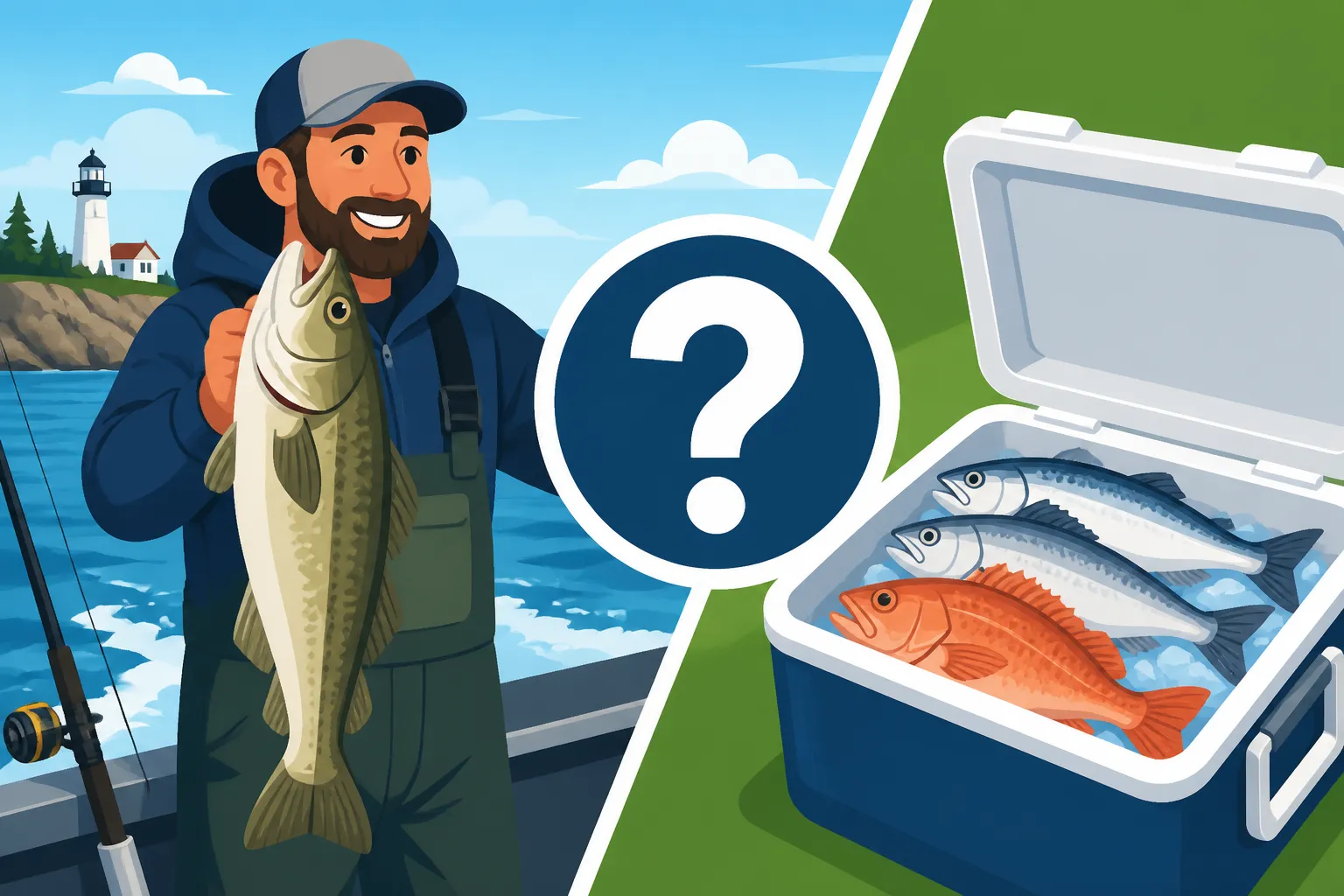
It's one of the most exciting moments of any fishing trip: reeling in a beautiful catch, feeling that surge of pride, and immediately picturing it on your dinner plate. But when you're on a guided fishing charter in Maine, the question often pops up: "Can I actually keep this fish?" The answer isn't always a simple yes or no, and it depends on a few key factors that every angler should understand. This guide will help you navigate the nuances of keeping your catch on a Maine fishing charter, so you know exactly what to expect before you even cast a line.
Understanding Maine's Fishing Regulations First
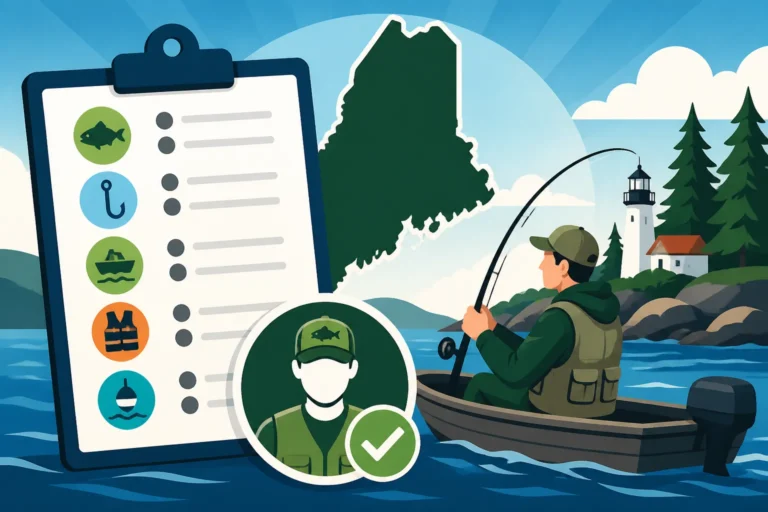
Before you even step foot on a charter boat, it's crucial to understand that Maine has very specific fishing laws. These aren't suggestions; they are legal requirements that apply to every angler, regardless of whether you're fishing solo, with friends, or with a professional guide. Your guide will certainly know these rules inside and out, but it's always smart for you to have a basic grasp of them too.
General Law vs. Special Regulations
Maine's fishing landscape is incredibly diverse, and so are its rules. Many waters operate under "General Law," which provides a baseline for bag limits, length limits, and open seasons for various species. However, many of Maine's most popular and productive fishing spots, from large lakes to specific stretches of rivers, are designated as "Special Regulation Waters." These areas often have unique rules designed to protect specific fisheries, promote trophy fishing, or manage fish populations more intensely.
For example, a lake might have a general law for brook trout, but a specific pond just a few miles away could have a "fly-fishing only, catch-and-release" rule, or a much stricter daily bag limit. This means that while you might be able to keep a certain number of trout in one spot, you might not be able to keep any in another, even if they're the same species. Your charter captain will always adhere to these regulations, but it highlights why simply asking "Can I keep it?" isn't always enough without knowing the exact location and species. It's a good idea to check out the Maine Fishing Regulations Explained before your trip to get familiar with the framework.
Saltwater vs. Freshwater Rules
Maine offers fantastic fishing opportunities in both freshwater and saltwater, but the rules for each environment are distinctly different and managed by separate agencies, for the most part. If you're heading out on a deep-sea charter for groundfish or aiming for striped bass in an estuary, you'll be dealing with saltwater regulations. These often involve specific slot limits (a size range where you can keep fish, with smaller and larger ones needing to be released), daily bag limits, and seasonal closures that can change more frequently than freshwater rules due to migratory patterns and federal management plans.
On the other hand, if you're targeting landlocked salmon, brook trout, or bass in one of Maine's many lakes or rivers, you'll be governed by freshwater regulations. These rules are usually laid out clearly in the Maine Department of Inland Fisheries and Wildlife (MDIFW) open water and ice fishing regulations books. Knowing which type of water you'll be fishing will help you understand which set of rules applies to your potential catch. Don't forget to review the Maine Fish Bag Limits Guide for the specific species you hope to encounter.
The Charter's Role: Guide Rules and Practices
Beyond the state laws, individual charter captains and guide services often have their own operational policies regarding what happens to your catch. These policies can vary significantly, so it’s essential to clarify them directly with your chosen service.
It Depends on the Charter and Trip Type
Not all fishing charters are created equal, and their approach to keeping fish can reflect that. Some charters, particularly those specializing in offshore species like tuna or certain groundfish, are often geared towards clients keeping their catch, as these fish are highly prized for their meat. These boats might have large fish boxes and a crew ready to clean and fillet. Others, especially those focusing on delicate freshwater species like wild brook trout in remote ponds, might operate almost exclusively as catch-and-release trips.
The type of trip you book also plays a role. A private charter where you've hired the whole boat might offer more flexibility than a shared "headboat" trip, where multiple parties are fishing simultaneously. On a shared trip, there might be communal fish boxes and a system for tagging or dividing the catch at the end of the day. For example, if you book a trip through a service like FishingBooker, you'll often find details about the charter's general approach, but it's always best to confirm directly.
Catch and Release vs. Keep
Many Maine guides are passionate conservationists and will strongly encourage, or even require, catch-and-release for certain species or in specific waters. This is particularly true for trophy-sized fish, wild native populations, or species that are slower to reproduce. For instance, if you're seeking a true monster Landlocked Salmon Fishing in Maine, your guide might suggest a quick photo and careful release to ensure that magnificent fish can spawn again.
Some trips are explicitly advertised as "catch and release only." This is common for fly-fishing trips on pristine trout streams or for targeting certain bass populations during specific spawning periods. It’s not about preventing you from enjoying your catch, but about ensuring the long-term health and vitality of the fishery. Even if a trip isn't strictly C&R, a responsible guide will always emphasize proper handling techniques for any fish you decide to release, a topic well covered in our Catch and Release Best Practices in Maine article.
Guide Services for Your Catch
If you do legally keep fish, most reputable charter services will offer to process your catch for you. This typically includes gutting and filleting the fish, making it ready for cooking or freezing. This service is often included in the charter price, but some might charge a small additional fee, especially for a large number of fish or particularly big specimens that require more time and effort. It's always a good idea to clarify this beforehand.
The guide or crew will often have dedicated coolers with ice to keep your catch fresh throughout the day. They'll know the best practices for quickly dispatching and chilling the fish to maintain optimal quality. Some even provide basic packaging, like plastic bags, though it's often a good idea to bring your own cooler for transport and possibly some freezer bags if you plan to keep them longer.
What to Ask Before You Book Your Maine Fishing Charter
The best way to avoid any disappointment or confusion about keeping your fish is to have a clear conversation with the charter captain or booking agent before you commit to a trip. Don't be shy; this is a very common question, and reputable services will be happy to explain their policies.
Clarifying Catch Policies Upfront
When you're researching potential charters, whether it's for a coastal striper hunt or a deep lake trolling adventure, make a list of questions. Specifically ask:
- "What is your policy on keeping fish caught on the trip?"
- "For the species we're targeting, what are the current legal limits (size and bag) for keeping them?"
- "Are there any species or specific trips where catch-and-release is mandatory?"
- "Do you provide cleaning and filleting services for legal catches?"
- "Is there an extra charge for cleaning the fish?"
- "Do I need to bring my own cooler for the cleaned fish, or do you provide packaging/ice?"
Getting these answers upfront will set clear expectations for your trip. If you're looking at a listing on a platform like FishingBooker, often they'll have details, but a quick call or email directly to the captain is always the most reliable way to get personalized answers. Knowing the specifics helps you choose a charter that aligns with your fishing goals, whether you're aiming for a freezer full of fillets or a memorable catch-and-release experience.
Understanding Costs Beyond the Catch
While the excitement of the catch is paramount, there can sometimes be minor costs associated with processing your fish that are worth clarifying. As mentioned, some guides might charge a small fee for filleting, especially if it's a significant amount of work or if it's a species that requires more intricate handling. This isn't common for every charter, but it’s not unheard of.
Also, consider the cost of transporting your catch home. While most guides will put your filleted fish in plastic bags, you might want to invest in good quality freezer bags, vacuum sealer bags, or even a hard-sided cooler with ample ice, especially if you have a long drive. Some high-end services might even offer vacuum sealing for a premium, but this is less common. Budgeting for these practical aspects ensures your delicious catch makes it home in prime condition.
Factors Influencing Whether You Keep Your Fish
Even if a charter allows you to keep fish and the state regulations permit it, there are still a few other factors that might influence your decision on the water.
Species and Size Limits
This is the most critical factor. No matter what your personal preference or the charter's policy, you absolutely cannot keep a fish that doesn't meet Maine's legal requirements. This includes being within the designated slot limit for species like Maine Striped Bass Slot Limit Explained, being over a minimum length, or under a maximum length. You also cannot exceed the daily bag limit for any species. Your guide will be vigilant about these rules, often measuring fish immediately upon landing to ensure compliance.
Different species have different limits. For instance, the Brook Trout Daily Bag Limits might be different than the limits for lake trout or bass. It’s important to respect these rules, as they are in place to ensure the sustainability of Maine's fisheries for future generations of anglers. If you're unsure about specific limits for the fish you're targeting, don't hesitate to ask your guide – they are a wealth of knowledge!
Personal Preference and Conservation
Many anglers choose to practice catch and release for personal reasons, even when keeping fish is legally permitted. Perhaps they prefer to release larger, older breeding fish, or simply enjoy the thrill of the catch without the need to take it home. This conservation mindset is increasingly common and highly respected within the angling community. A good guide will always support your decision if you choose to release a legal fish.
However, if you're on a trip specifically to bring home some fresh fillets for a meal, and you catch a legal fish within all the limits, there’s no shame in keeping it! Just make sure you communicate your intentions with your guide. Responsible harvesting is a part of sustainable fishing, and enjoying your catch with family and friends is one of the great joys of the sport.
Practical Considerations
Finally, practical matters can dictate whether you keep your fish. How far are you traveling home? Do you have proper cooler space and enough ice? Are you flying, and if so, what are the airline's regulations for transporting fish? Fresh fish is best enjoyed promptly, but if you have a long journey, ensuring it stays properly chilled and is eventually frozen correctly is key to maintaining its quality.
Consider how much fish you actually need or will eat. Catching your limit can be exciting, but if you only have a small freezer or don't plan to consume it all, it might be more responsible to keep only what you truly want and release the rest, assuming it's legal and the fish can be safely released. Your guide can offer advice on the best ways to care for your catch until you get home.
After the Catch: Processing and Transporting Your Fish
So, you've caught a legal fish, and you've decided to keep it. Fantastic! Now, what happens next to get it from the water to your plate?
Filleting and Cleaning Services
As mentioned, most Maine fishing charters offer cleaning and filleting services. This is a huge convenience, especially after a long day on the water. The guide or deckhand will expertly clean your fish, removing the guts, scales, and bones, leaving you with ready-to-cook fillets. This usually happens either on the boat at the end of the trip or at the dock.
It's common for guides to be highly efficient at this, ensuring minimal waste and clean fillets. If there's a charge for this service, it's typically reasonable and well worth it for the time and mess it saves you. Just remember to confirm this detail when you book your trip.
Packing for the Journey Home
Once your fish is filleted, it will typically be rinsed and placed into plastic bags. From there, it's usually transferred to a cooler full of ice. For shorter trips home, this might be all you need. However, for longer drives or if you plan to freeze the fish, it's a good idea to bring your own high-quality cooler filled with plenty of ice. Some anglers even bring Ziploc freezer bags to double-bag their fillets, preventing ice melt from diluting the fish or freezer burn later on.
If you're particularly keen on preserving quality, you might look into vacuum sealing options if you have access to one once you get home. This removes air, which significantly extends the freezer life and prevents freezer burn. Either way, keeping your fish cold, ideally on fresh ice, is paramount until it reaches your kitchen or freezer.
Regulations for Transporting Fish
Believe it or not, there are sometimes specific rules about how you transport your catch, especially when it comes to certain species or across state lines. In Maine, generally, you can transport filleted fish. However, for some species, or if a warden suspects you might be violating a size or bag limit, they might ask to see the intact carcass. It's rare for fillets to be an issue, but it's good to be aware.
The critical takeaway here is to ensure that if you're keeping a fish, it meets all legal requirements before it's processed. Your guide will handle this aspect meticulously. When it comes to crossing state lines, especially if flying, check the regulations of both Maine and your destination state, as well as airline policies, to ensure a smooth journey for your prize catch.
Here's a quick summary to help you remember the key points:
| Scenario | Can I Keep the Fish? | Key Considerations |
|---|---|---|
| Legal Size & Bag Limit Met | Yes, if charter policy allows. | State regulations (size, bag, season) are non-negotiable. Always prioritize legal limits. |
| Catch-and-Release Trip | No, trip is specifically for release. | Common for sensitive fisheries or trophy waters. Confirm before booking. |
| Guide Encourages C&R | Your choice, but consider the guide's advice. | Often for larger breeding fish or specific conservation goals. Proper release techniques are crucial if you opt for C&R. |
| Filleting Service Available | Yes, usually included or for a small fee. | Confirm service and cost with the charter beforehand. Bring a cooler for transport. |
| No Cleaning Service | Yes, but you're responsible for cleaning. | Less common for full charters, but possible for smaller independent guides. Be prepared. |
| Species with Slot Limits | Only if within the specific size window. | Strict adherence to slot limits (e.g., striped bass) is required. Fish too small or too large must be released. |
Ultimately, keeping your catch on a Maine fishing charter is often possible and a fantastic way to enjoy the fruits of your labor. Just remember to do your homework, communicate with your guide, and always prioritize legal compliance and ethical angling practices. Happy fishing!
Disclaimer
This article is for general informational purposes only and does not constitute professional advice. Laws, prices and regulations vary by location and change over time. Consult a qualified professional for guidance on your specific situation.