Do Maine Charters Clean and Fillet Your Fish?
You've just returned from an incredible day on the stunning waters of Maine, your cooler brimming with a fantastic catch, and that exhilarating adrenaline rush is still buzzing. But then, a practical question often pops up: who's going to clean all these fish? It's a common thought for many anglers, especially after a long day battling the elements and the fish. This guide will dive deep into whether Maine fishing charters typically include the service of cleaning and filleting your hard-won catch, helping you manage expectations and plan for the delicious feast to come.
The Great Filleting Debate: What to Expect from Maine Fishing Charters
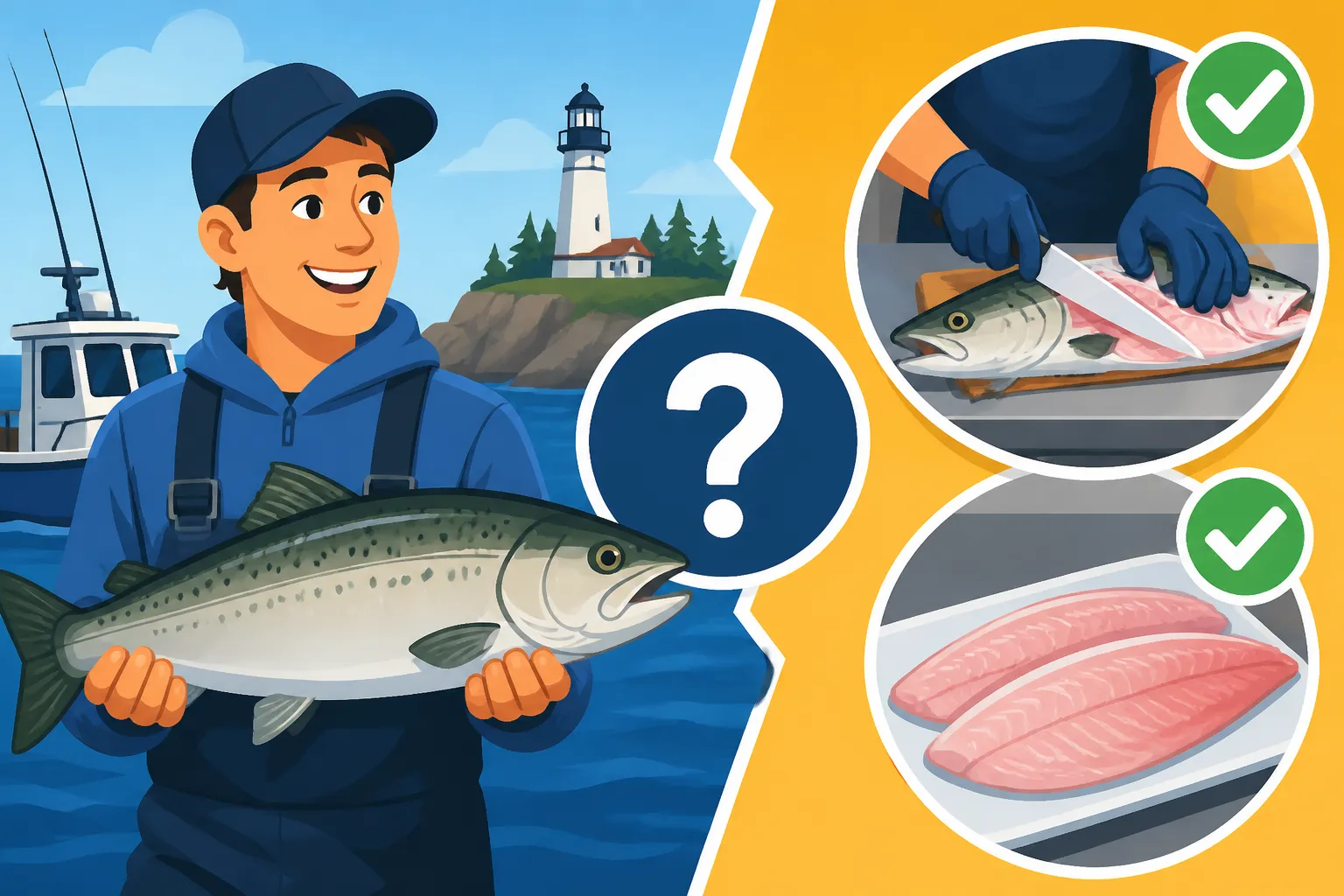
After a successful fishing trip, the last thing many anglers want to do is spend hours scaling, gutting, and filleting their fish. It's messy, takes time, and requires a certain skill set. So, it's natural to wonder if your charter captain or crew will handle this for you. While many Maine fishing charters do offer this service, it's not universally guaranteed, and understanding the nuances can save you from a post-trip surprise.
Standard Practice vs. Added Service
For many anglers, the expectation is that a charter, especially a full-service one, will take care of the catch from hook to cooler. And often, that's indeed the case! Many captains and their crew pride themselves on providing a seamless experience, which includes prepping your fish for the dinner table. They understand that a happy customer who gets to take home ready-to-cook fillets is more likely to book again and spread positive word-of-mouth.
However, it's essential to realize that this might not always be a complimentary service or even available on every boat. Some smaller charters, particularly those focused on specific techniques like fly fishing or highly specialized trips where catch-and-release is often the norm, might not have the facilities or the time built into their schedule for extensive fish processing. Other charters might view it as a separate, albeit optional, service that comes with a small additional fee, especially if you've had a truly bumper harvest. It’s not a slight on their part; rather, it reflects the extra time, effort, and resources (like ice and cleaning supplies) involved. When you’re looking at options on platforms like FishingBooker, sometimes these details are explicitly listed, but if not, a quick message to the captain can clarify things right away.
Why It Matters: Convenience and Freshness
The ability to have your fish cleaned and filleted right on the boat or at the dock offers immense convenience. Imagine heading straight home from the marina with vacuum-sealed, perfectly portioned fillets, ready for your freezer or tonight's grill. It saves you the mess in your kitchen, the learning curve if you're not an experienced fish cleaner, and ensures the fish is handled properly from the moment it leaves the water.
Beyond convenience, proper and prompt filleting is crucial for maintaining the quality and freshness of your catch. Fish that are bled, gutted, and iced quickly will taste significantly better than those that sit whole in a cooler for hours. A skilled crew knows how to handle fish to minimize bruising, remove unwanted parts, and preserve the delicate texture and flavor. This professional touch means you get the best possible eating experience from your Landlocked Salmon Fishing in Maine or Striped Bass Fishing in Maine adventure.
Understanding the Variables: When Charters Offer Filleting (and When They Don't)
The decision to offer fish cleaning and filleting services, and whether it's included in the base price, can depend on several factors unique to each Maine fishing charter. It’s not a one-size-fits-all situation, and these variables play a big role in what you can expect when you step off the boat.
Trip Duration and Fish Volume
Consider the length of your trip. A half-day charter, say, a quick four-hour jaunt for mackerel or smaller bottom fish, might have enough time built in for the crew to clean a reasonable number of fish at the end. However, if you’ve booked a full-day offshore trip, like a Maine Deep Sea Fishing Charters excursion targeting cod, haddock, or even tuna, and everyone on board has limited out, that's a tremendous amount of fish to process.
On such a trip, a captain might be willing to clean a portion of the catch, or perhaps even all of it, but it might take a significant amount of extra time after you return to the dock. This could cut into their turnaround time for the next charter or their personal evening. Some charters will offer to fillet a few "trophy" fish for photos, but leave the rest to you, or guide you to a local fish processor at the marina. It's often a practical matter of sheer volume and the time commitment involved.
Boat Size and Onboard Facilities
The vessel itself can dictate what's possible. A large, well-equipped charter boat, especially one designed for offshore excursions or longer trips, might have dedicated cleaning stations on deck or at the stern. These boats often have ample space, fresh water hoses, and proper drainage, making it relatively easy for the crew to clean fish during the ride back to shore or once docked.
Smaller boats, on the other hand, might lack the space or specialized equipment for efficient cleaning. Imagine trying to fillet a dozen sizable fish on a center console designed for quick, inshore runs. It’s not just about the mess; it’s about safety, stability, and practicality. A captain operating a smaller craft might prefer to keep the deck clear and refer you to an onshore facility if you're looking to process a large catch. When browsing charters on sites like FishingBooker, take a look at the boat photos and descriptions; they can often give you a hint about the available space and amenities.
Type of Fish and Processing Complexity
Not all fish are created equal when it comes to cleaning. Some species, like mackerel or many types of groundfish, are relatively straightforward to gut and fillet. Their scales are small or easily removed, and their bone structure is simple. A skilled hand can process these quickly.
However, other species present more of a challenge. Large striped bass, with their tough scales and robust frames, take more effort and a sharper knife. Tuna, if you're lucky enough to catch one, is a whole different beast – often requiring specialized tools and techniques for proper bleeding, quartering, and chilling, sometimes even a commercial processor due to its size and value. If you're targeting specific species, it’s worth considering the complexity of their cleaning process when asking about services. For instance, How Many Striped Bass Can You Keep in Maine? might be a smaller number, making filleting more manageable, but a great day catching numerous White Perch Fishing in Maine could mean a lot more work.
Captain's Policy and Crew Availability
Ultimately, the policy often comes down to the individual captain and their crew. Some captains view fish processing as part of their comprehensive service package and include it in their rates. They might have a dedicated mate whose primary job after the lines are in is to clean the day's catch, ensuring everyone gets home with beautiful fillets.
Other captains might operate on a tighter schedule or with a smaller crew, making extensive fish cleaning less feasible. They might offer it for an extra charge, or only for a certain number of fish. It's truly a variable that can differ from one charter to the next, even within the same marina. This is why clear communication before you book is so important. Don't assume anything; always ask!
Asking the Right Questions Before You Book
To avoid any disappointment or confusion after a great day of fishing, the best approach is to be proactive. Just like you'd ask about what gear is included or what you need to bring, inquiring about fish processing services should be high on your list of questions.
Direct Communication is Key
Before you finalize your booking, pick up the phone or send an email/message to the charter captain directly. Many online booking platforms, like FishingBooker, offer a direct messaging feature to connect with captains. This is your chance to ask, plainly and directly: "Do you clean and fillet the fish we catch?"
Don't be shy about it. Captains are used to these questions, and a reputable one will appreciate your upfront communication. It allows them to set expectations clearly and ensures there are no surprises for either party. This question should be as standard as asking about fishing techniques or target species. Also, consider asking about the Best Season to Book a Maine Charter for the fish you want to catch, as this might impact the volume and cleaning time.
Confirming Costs and Expectations
If the answer is "yes," your next question should be about any associated costs. Is it included in the price of the charter, or is there an additional fee? Some charters might charge a flat fee per trip, while others might charge per fish, or per pound of cleaned fish. Knowing this upfront helps you budget and avoid any awkward conversations at the end of the day.
You should also clarify what "cleaning and filleting" entails. Will the fish be simply gutted, or fully filleted? Will they be skinned? How will they be packaged – in bags, on ice? Will the captain have sufficient ice to keep your fillets fresh for your journey home? These details might seem small, but they contribute significantly to your overall experience and the quality of your take-home bounty. It's important to know if you're getting just a basic cleaning or a full-service treatment.
Post-Filleting Logistics
Even after the fish are cleaned and filleted, you'll need a plan for getting them home safely and fresh. Ask the captain if they provide bags or coolers for your cleaned fish, or if you need to bring your own. Most experienced anglers arrive with their own cooler packed with ice, ready for the fillets.
Consider your travel time home. If you have a long drive ahead, having well-iced, properly packaged fillets is paramount. Some captains might even offer vacuum-sealing services for an extra charge, which is a fantastic way to preserve freshness for longer. Thinking through these logistics beforehand, especially if you're on a Maine Overnight Guided Fishing Trips, ensures your delicious catch makes it from the ocean to your plate in pristine condition.
What to Do If Filleting Isn't Included
So, you've booked your charter, and it turns out cleaning and filleting isn't part of the package, or perhaps it's an extra cost you'd rather avoid. Don't fret! You still have options to ensure your fresh Maine catch is ready for cooking.
DIY Filleting at Home or the Dock
Many anglers prefer the satisfaction of cleaning their own fish. If you're one of them, or if you're willing to learn, this can be a great way to save a little money and gain a valuable skill. Many marinas in Maine have public cleaning stations, often with fresh running water and ample space. Just be sure to bring your own sharp knives, cutting board, and plenty of bags or containers for your fillets.
If you plan to clean them at home, ensure you have a designated cleaning area, plenty of ice to keep the fish cold until you start, and a good system for waste disposal. There are countless online tutorials available for filleting different species, from How to Fillet a Fish You Plan to Keep to more specific guides for certain fish. It might take a bit of practice, but soon you'll be a pro at turning a whole fish into beautiful, boneless fillets. Just remember, the sooner you get them on ice after the catch, the better they will taste, regardless of who does the cleaning.
Finding Local Fish Processors
For those who prefer not to clean their own fish, or if you've had an exceptionally large haul, there's often a commercial fish processor nearby. Many bustling fishing ports and marinas along the Maine coast, especially in popular spots like Portland or Boothbay Harbor, have businesses that offer professional fish processing services for a fee.
These processors have specialized equipment and experienced staff who can quickly and efficiently clean, fillet, and often even vacuum-seal or freeze your catch. They're typically set up for high volume and can handle a wide variety of species, ensuring your fish is processed to the highest standards. Your charter captain or the marina staff will usually be able to point you in the right direction if such a service is available in their area. It’s an excellent option for large catches or if you simply want to relax after your trip and let the pros handle the messy work.
Here’s a quick overview of what to expect regarding fish cleaning services:
| Charter Type / Situation | Likelihood of Filleting Service | Common Practice / Notes |
|---|---|---|
| Inshore Half-Day Trip | High, often included | For smaller catches, usually done at the dock by crew. |
| Offshore Full-Day Trip | Moderate to High, sometimes extra fee | Depends on fish volume and species. May be a per-fish or flat fee. |
| Specialized Fly Fishing/Light Tackle | Low, often catch & release focused | Less common, usually not equipped for heavy processing. |
| Trophy Hunt (e.g., Tuna) | Varies, often professional processing | Very large fish often require commercial processors for proper handling. |
| Private/Small Boat Charter | Variable, inquire directly | Depends heavily on captain's preference and boat amenities. |
| Large Party Boat Charter | Moderate, often for a fee | Crew might offer for a small fee, especially if many fish are caught. |
Remember, the best advice is always to communicate directly with your chosen charter captain before you book. Platforms like FishingBooker make it easy to reach out and confirm these vital details, ensuring your Maine fishing adventure ends just as deliciously as it began. Whether you're planning a trip for Maine Bass Fishing Limits by Zone or chasing Maine Landlocked Salmon Bag Limits, knowing about fish processing services will help you plan your entire experience.
Disclaimer
This article is for general informational purposes only and does not constitute professional advice. Laws, prices and regulations vary by location and change over time. Consult a qualified professional for guidance on your specific situation.