Best Spots to Catch Striped Bass From Shore in Maine
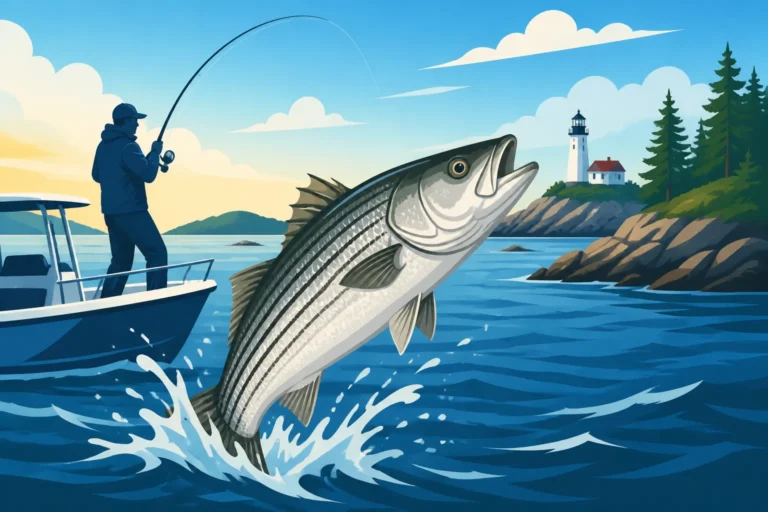
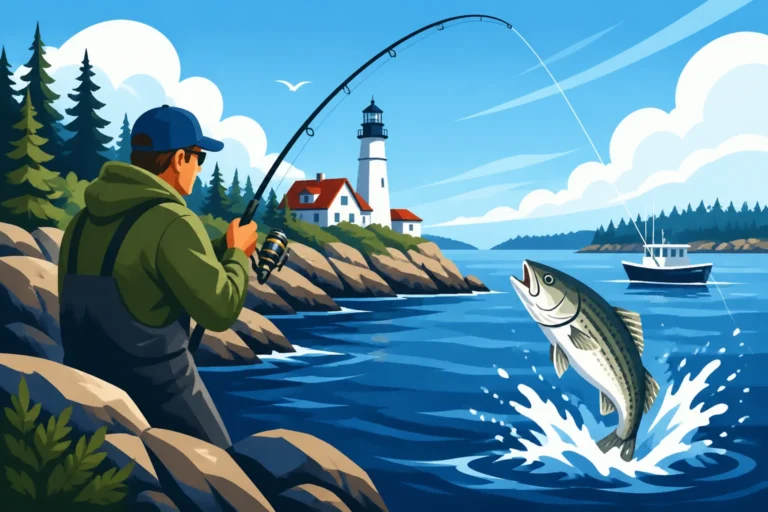
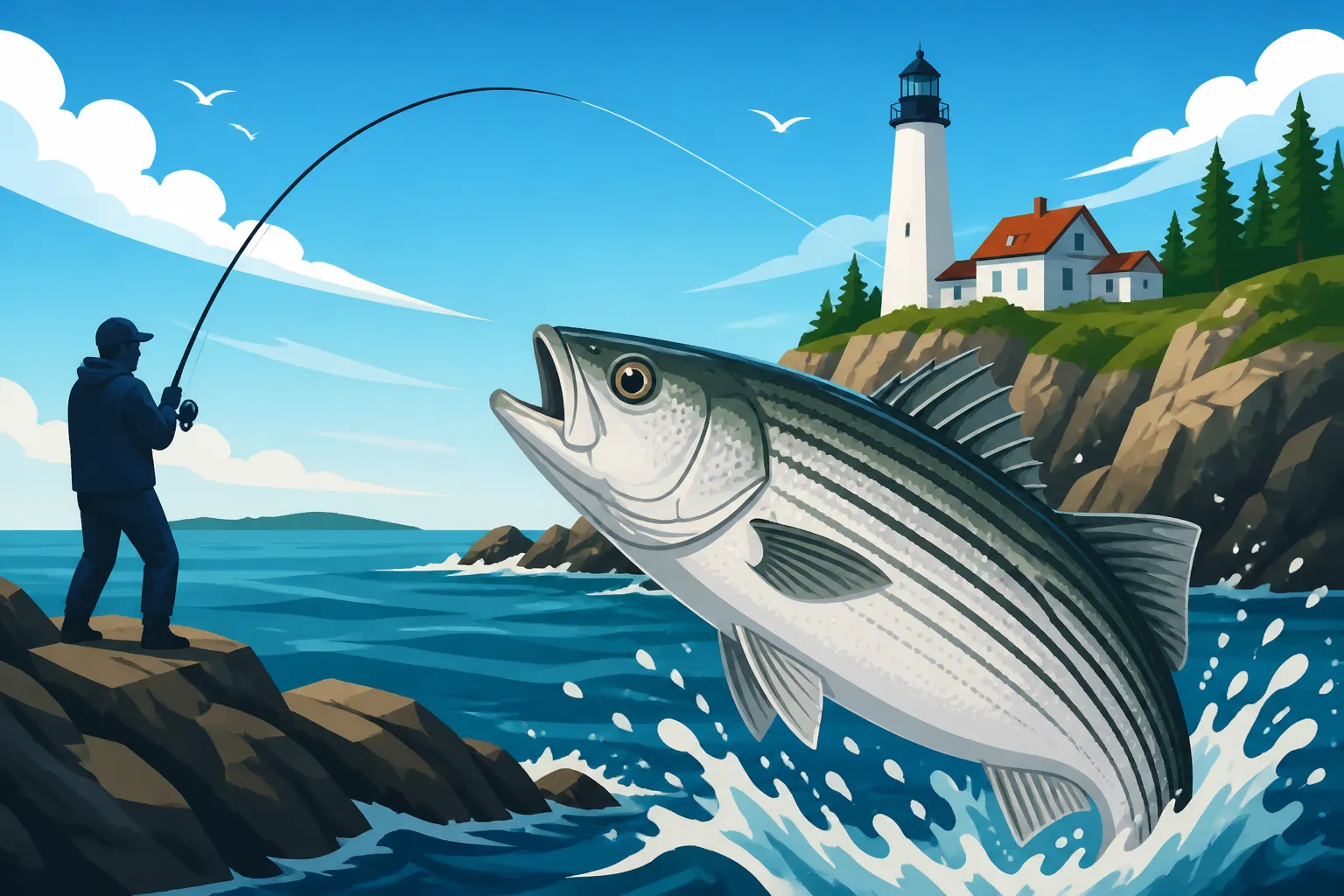
There's nothing quite like the thrill of feeling that powerful tug on your line when a striped bass decides to smash your lure, especially when you're standing on solid ground. But let's be honest, finding the best spots to catch striped bass from shore in Maine can feel like trying to find a needle in a haystack, especially with our rugged coastline and ever-changing tides. This comprehensive guide is here to cut through the guesswork, sharing tried-and-true locations and tactics that will put you in prime position to hook into some impressive Maine stripers right from the shore.
Understanding Shore Striped Bass Fishing in Maine
Maine's coastline is a wild and beautiful place, but it can be intimidating for the uninitiated shore angler. Unlike the sandy stretches further south, our shores are often rocky, punctuated by dramatic ledges, powerful currents, and the mouths of cool rivers. This unique environment makes for a distinct striper fishing experience, one that demands a bit of local knowledge and a lot of persistence.
The Allure of Maine Stripers from Shore
There's a raw, primal satisfaction that comes with landing a strong striped bass from the shore. You're not relying on a boat or a guide; it's just you, your rod, and the ocean. In Maine, our stripers are often chasing baitfish in areas with strong currents or around structure, making them incredibly strong fighters. The challenge of navigating the rocky shoreline, timing the tides, and pinpointing where these migratory fish will pass by is what draws so many anglers. It's a dance between patience and readiness, often rewarded with explosive strikes that will get your heart pounding.
However, it's not always easy. Unlike some states where stripers are thick in harbors, Maine's cooler waters mean these fish are often on the move, chasing schools of baitfish like mackerel, herring, and sand eels. This means you might need to move around, cover some ground, and be prepared for periods of quiet before the action suddenly ignites. The sheer beauty of the Maine coast, from rugged cliffs to expansive sandy beaches, makes every outing an adventure, regardless of the catch count.
Prime Conditions for Shore Stripers
To maximize your chances of success when fishing for striped bass from shore in Maine, understanding the optimal conditions is crucial. It’s not just about showing up; it’s about timing.
Tides and Currents
Striped bass are opportunists, and they use tidal currents to their advantage to ambush baitfish. For most shore fishing in Maine, the moving tide is your best friend.
- Incoming Tide: As the tide floods in, it pushes baitfish closer to shore, into estuaries, and over submerged structure. This is often an excellent time to target stripers, especially around river mouths, points, and coves where bait might be concentrated.
- Outgoing Tide: A strong outgoing tide can also be productive, as it flushes baitfish out of rivers and estuaries, creating feeding lanes for waiting stripers. Focus on bottleneck areas where the water is funneling, like bridge abutments, narrow channels, or the mouths of rivers emptying into the ocean.
- Slack Tide: Generally, the period of slack tide (the brief pause between incoming and outgoing) is the least productive, as the lack of current means less bait movement and often less aggressive fish.
Always consult a local tide chart for your chosen fishing spot. Understanding the local currents is paramount; sometimes the strongest currents occur an hour or two before or after the peak of high or low tide, creating prime feeding opportunities.
Time of Day
While stripers can be caught at any time, certain periods tend to be more productive for shore anglers.
- Dawn and Dusk: These low-light conditions are classic striper times. The fish feel safer to hunt closer to shore, and baitfish are often more active. Many trophy stripers are caught during these magical hours.
- Night Fishing: Don't shy away from night fishing for stripers. They are often more aggressive and less wary after dark. Big stripers especially are known to move into very shallow water under the cover of darkness. Just be extra careful navigating Maine's rocky shorelines in the dark!
- Overcast Days: On cloudy or drizzly days, the low light can mimic dawn/dusk conditions, encouraging stripers to feed throughout the day.
Combine these optimal times with the moving tide, and you'll put yourself in a great position. For instance, an incoming tide just before dawn or an outgoing tide at dusk can be phenomenal.
Weather and Water Conditions
While you can't control the weather, knowing how different conditions affect striper behavior can help.
- Breezy Days: A light to moderate breeze, especially one that creates a chop on the water, can be beneficial. It breaks up the surface, making it harder for baitfish to see predators and easier for stripers to move in unnoticed. It also creates current and can push bait.
- Warm Water (Relatively): Stripers are temperature-sensitive. While Maine waters are cooler overall, look for areas where the water might be slightly warmer, such as shallower coves, mudflats, or the outflows of rivers after a warm rain. These areas can hold bait and, consequently, stripers.
- After a Storm: Sometimes, after a good summer storm, the water might be churned up and discolored. This can actually be good for stripers, as the reduced visibility makes them bolder, and the churned-up bottom can dislodge food. Just be wary of dangerous surf conditions.
Top Shore Fishing Hotspots for Striped Bass in Maine
Maine offers an incredible array of shoreline environments, each with its own character and potential for striped bass. From the sandy beaches of Southern Maine to the rugged, rocky coves of the Midcoast, there are plenty of places to wet a line.
Southern Maine Beaches and Estuaries
The southern part of Maine, with its more expansive sandy beaches and numerous river estuaries, provides fantastic opportunities for shore-based striped bass fishing. These areas are often more accessible and can hold large schools of baitfish.
Ogunquit Beach and River Mouth
Ogunquit is famous for its beautiful sandy beach, but the mouth of the Ogunquit River is a real striper magnet. As the tide pushes in, stripers follow baitfish into the river, and as it recedes, they wait at the mouth to ambush anything flushed out.
- Access: You can fish from the beach near the river mouth, or walk along the Marginal Way for access to rocky points that jut out into the ocean. There's ample parking (though it fills up fast in summer).
- Tactics: Early morning or late evening, especially on an incoming tide, are prime times. Cast bucktail jigs, soft plastic paddle tails (like a Hogy Pro Tail or a Z-Man swimbait), or even live mackerel if you can catch them from a nearby pier. Topwater lures like poppers or walk-the-dog baits can be explosive during low light. Focus on casting into the current rips where the river meets the ocean.
Kennebunk and Kennebunkport
The Kennebunks boast several excellent spots. The Kennebunk River and its various coves and jetties are prime territory.
- Mother's Beach/Gooch's Beach: These popular beaches can hold stripers, especially around dawn and dusk. Look for rips and structure where the sand meets rocky outcrops.
- Kennebunkport Harbor: The mouth of the Kennebunk River, where it meets the ocean, can be very productive. Fish the jetties or the rocky points along the harbor entrance. Watch for schooling baitfish.
- Tactics: Similar to Ogunquit, soft plastics, bucktails, and topwater lures work well here. Consider throwing a D.O.A. shrimp pattern or a Gulp! Swimming Mullet in the estuaries as well. The varied structure here means you can try different approaches – fan casting across sandy flats or working a lure slowly around rocks.
Biddeford Pool and Fortunes Rocks
This area offers a mix of sandy beaches and rocky headlands, providing diverse striper habitat.
- Biddeford Pool: The channel connecting the pool to the ocean is a classic ambush point. Fish the incoming and outgoing tides with livelier baits or lures that mimic small fish. The rocky shoreline surrounding the pool entrance also offers great casting platforms.
- Fortunes Rocks Beach: A beautiful sandy beach that can see stripers cruising the surf line, especially during migration periods. Keep an eye out for bird activity, which often signals baitfish and stripers below.
- Tactics: For the pool entrance, consider heavier bucktails or larger soft plastics to contend with stronger currents. Along Fortunes Rocks Beach, lighter lures that can be worked across the surf, like smaller swimming plugs or weighted soft plastics, are effective. Always be aware of your surroundings, especially on the often-slippery rocks.
Casco Bay and Greater Portland Area
Moving northward into the Casco Bay region, the coastline becomes more jagged, with more islands, deep channels, and ledges. This creates fantastic, complex habitat for striped bass.
Scarborough's Pine Point and Prouts Neck
Scarborough offers a fantastic mix of sandy beach and rugged points.
- Pine Point Beach: This long sandy beach offers surf fishing opportunities, especially at the mouth of the Scarborough River. The confluence of the river and the ocean creates excellent current breaks and feeding zones.
- Prouts Neck: This beautiful peninsula, while largely private, has public access points and rocky ledges that extend into deeper water. These ledges can hold bait and stripers, especially on a moving tide.
- Tactics: At Pine Point, focus your efforts on the river mouth and the surf breaks. Use sand eel imitations, weighted plastics, or even chunks of fresh bait like mackerel. Around Prouts Neck's rocky points, consider pencil poppers or large swimming plugs to draw fish from deeper water. Wading out can be productive in some areas, but always be mindful of hidden rocks and strong currents.
Portland Area (Eastern Prom, Back Cove, Jetties)
Portland might be a city, but it's surrounded by prime striper water.
- Eastern Prom: The rocky shoreline along the Eastern Prom offers shore access with views of Casco Bay. Cast out into the channels or along the rocky bottom. The deeper water here can hold larger fish.
- Back Cove: While not strictly oceanfront, Back Cove is tidal and can hold surprising numbers of stripers, especially smaller "schoolie" stripers. It's a great spot for beginners or those looking for consistent action. Light tackle and small soft plastics or flies work well here.
- Bug Light Park Jetties (South Portland): The jetties at Bug Light offer excellent vantage points and access to deeper water. Fish the edges of the channel on moving tides.
- Tactics: For the Eastern Prom, heavier casting plugs or metal lures can reach fish further out. In Back Cove, keep it light and focus on areas with current or structure. If you're looking for a guided trip to explore Casco Bay more thoroughly, remember that platforms like FishingBooker list many local charter captains who know these waters intimately.
Midcoast Maine's Rocky Shores and River Mouths
As you move further up the coast, the terrain becomes even more dramatic, with fewer long sandy beaches and more rugged, rocky outcroppings and deep river estuaries. These areas are fantastic for stripers, offering complex structure and strong currents.
Popham Beach State Park (Phippsburg)
Popham Beach is a gem, offering both expansive beach and the powerful mouth of the Kennebec River.
- Access: This state park provides excellent access to a long sandy beach and the rocky island of Fox Island, which is accessible at low tide. The mouth of the Kennebec River, one of Maine's largest, is a major migratory highway for striped bass.
- Tactics: Fish the main beach where the Kennebec current meets the ocean. Heavy casting spoons, large swimming plugs, and large soft plastics are effective for stripers waiting to ambush bait. Fishing the rips around Fox Island can be incredibly productive, but always be aware of the tide and don't get stranded. This is a powerful fishery, so be prepared for a strong fight. If you're new to the area, a local guide found on FishingBooker could provide invaluable insight into the nuances of this specific location.
Five Islands (Georgetown)
The Five Islands area is quintessential Midcoast Maine, with deep water, strong currents, and plenty of rocky structure.
- Access: While much of it is private, there are public access points and rocky ledges where you can cast into the swift currents. The Five Islands Lobster Co. area itself is picturesque and offers some shore fishing opportunities around the docks and nearby rocky points.
- Tactics: This is a spot for heavier gear and lures that can handle strong currents, such as heavy bucktail jigs or large metal lures. Live mackerel, if you can jig them up, would be king here. Focus on the moving tide, especially around any visible current breaks or eddies behind rocks.
Boothbay Harbor Region
The Boothbay region is another area characterized by a deeply indented coastline, numerous islands, and deep coves.
- Ocean Point (East Boothbay): This scenic rocky shoreline offers many casting platforms into relatively deep water. Stripers will cruise these ledges, especially on a pushing tide, looking for baitfish that get swept along.
- Townsend Gut: This narrow, tidal channel between Southport Island and the mainland can be a striper highway. Fish the strong currents from shore where accessible.
- Tactics: For rocky points like Ocean Point, consider casting poppers or stickbaits during low light, or work weighted soft plastics or swimming plugs along the edges of the ledges. In Townsend Gut, a fast-moving jig or live bait would be effective to present to fish in the strong current. Remember that knowing the local Maine Striped Bass Season and Limits is crucial for all these spots.
Here's a quick look at some general characteristics of these fantastic shore fishing locales:
| Location Category | Typical Shoreline | Key Features | Recommended Lures/Bait | Best Tidal Conditions | Notes |
|---|---|---|---|---|---|
| Southern Beaches | Sand, River Mouths | Estuaries, jetties, surf breaks | Soft plastics, bucktails, topwater, cut bait | Incoming/Outgoing | Easier access, good for schoolies & larger |
| Casco Bay/Portland | Rocky, Urban, Coves | Deep channels, ledges, tidal coves, jetties | Jigs, swimming plugs, smaller soft plastics | Moving tide, especially in channels | Diverse opportunities, some urban fishing |
| Midcoast Rocky Shores | Rugged Rock, Rivers | Strong currents, deep water, complex structure | Heavy jigs, large plugs, live mackerel | Strong moving tides | More challenging access, potential for bigger fish |
Essential Gear and Tactics for Maine Shore Stripers
Having the right gear and understanding effective tactics can make all the difference when targeting striped bass from the rugged Maine shoreline. This isn't your average pond fishing!
Rods, Reels, and Lines
When you're fishing for Maine stripers from shore, you need tackle that can stand up to powerful fish, strong currents, and abrasive environments.
Choosing Your Rod
- Length: A medium-heavy to heavy spinning rod, typically between 9 to 11 feet in length, is ideal. This length provides the casting distance needed to reach distant rips or structure and helps keep your line out of the waves when fishing the surf. Shorter rods (7-8 feet) might work in tight quarters around jetties or calmer estuaries but will limit your reach.
- Action: A moderate-fast to fast action is generally preferred. This gives you enough backbone to fight powerful fish and cast heavy lures, while still having enough tip flexibility to absorb lunges and detect subtle bites.
- Power: A rating of medium-heavy or heavy is usually appropriate. You want enough power to handle a 1-4 ounce lure range and to control a fish that could easily weigh 10-30 pounds.
Selecting Your Reel
- Size: A durable spinning reel in the 4000 to 6000 size range is a solid choice. Brands like Penn, Shimano, and Daiwa offer reliable saltwater spinning reels. Look for models with good line capacity, a smooth drag system, and construction designed for saltwater environments.
- Features: A sealed drag system is a big plus to prevent sand and saltwater intrusion. An all-metal body or significant metal components will provide better rigidity and longevity than purely graphite reels.
- Maintenance: Rinse your reel thoroughly with fresh water after every saltwater outing, and periodically apply a light coat of corrosion-inhibiting spray.
Line Choices
- Braided Mainline: For shore stripers, braided line is almost universally recommended. It offers incredible strength-to-diameter ratio, no stretch (for better feel and hooksets), and superior casting distance. A good choice would be 30-50 lb test braid. The bright color of some braids can also help you see your line in low light.
- Fluorocarbon Leader: Always tie on a fluorocarbon leader to your braided mainline. Fluorocarbon is nearly invisible underwater, more abrasion-resistant than braid (crucial around rocks), and offers a bit of stretch for shock absorption. A leader of 20-40 lb test and 3-5 feet in length is a good starting point. You can connect your braid to fluorocarbon with a strong knot like an FG knot or a double uni-knot. For more comprehensive insights into different fishing line types and their applications, consider checking out our guide on Maine Open Water Line Limits.
Baits, Lures, and Rigs
The right presentation is just as important as the right location. Striped bass can be picky eaters, but they're also opportunistic predators.
Topwater Lures
- Poppers: These lures create a commotion on the surface, mimicking struggling baitfish. They are incredibly exciting to fish, especially at dawn, dusk, or overcast conditions. Work them with a "pop-pause-pop" retrieve.
- Walk-the-Dog Baits: These lures glide side-to-side across the surface when retrieved with a rhythmic twitching motion. They're subtle but incredibly effective when stripers are feeding on small baitfish near the surface.
- Pencil Poppers: Longer and sleeker than traditional poppers, these are designed for long casts and can be worked with a unique "nose-down" action that drives stripers wild.
Subsurface Lures
- Soft Plastics: These are incredibly versatile. Paddle tails (like Keitech Swing Impact Fat or Hogy Pro Tail Paddle) rigged on a weighted swimbait hook or jig head are deadly. They imitate various baitfish and can be retrieved steadily, bounced along the bottom, or jigged. Straight-tail soft plastics (like a Zoom Fluke) can also be highly effective when twitched erratically.
- Bucktail Jigs: A classic for a reason. Bucktails can be fished naked or tipped with a piece of Gulp! or a soft plastic trailer. They're excellent for probing deeper water, fishing in current, or imitating squid or various baitfish. Vary your retrieve from slow lifts and drops to a fast jigging motion.
- Swimming Plugs: Minnow-imitating plugs (like a Bomber Long A or a Rapala X-Rap) are great for covering water. They can be retrieved steadily or with a stop-and-go motion. Some are designed to run shallow, others deeper.
- Metal Lures (Spoons/Jigs): These are great for casting long distances into heavy wind or reaching distant rips. They imitate fleeing baitfish and can be reeled in quickly or jigged.
Live Bait and Cut Bait
- Mackerel: If you can jig up fresh mackerel, they are arguably the best live bait for Maine stripers. Fish them freelined or with a minimal weight.
- Clams: Fresh clams, shucked and hooked, are a natural food source for stripers, especially in sandy or muddy bottom areas.
- Worms: Bloodworms and sandworms can be very effective, especially for schoolie stripers in estuaries and on lighter tackle.
- Eels: Live eels are a favorite bait for large stripers, particularly when fishing at night.
Rigging
- Fish Finder Rig: For fishing cut bait or live bait on the bottom, a fish finder rig is excellent. It consists of a sliding sinker, a swivel, and a leader with a hook. This allows the fish to pick up the bait without feeling the weight of the sinker.
- Jig Head Rig: For soft plastics, simply thread them onto a lead jig head of appropriate weight (1/2 oz to 2 oz depending on current and depth).
- Carolina Rig: Another good option for soft plastics in certain situations, especially when you want the bait to drift more naturally.
Safety and Etiquette
Shore fishing in Maine presents unique challenges. Always prioritize safety and respect your fellow anglers and the environment.
Navigating the Shoreline
- Footwear: Invest in good quality, felt-soled wading boots or cleats if you plan to fish rocky areas. Maine's granite ledges are often covered in slick seaweed. A pair of Korkers wading boots is a game-changer.
- Headlamp/Flashlight: Essential for night fishing or accessing spots in low light. Make sure it has a red light option to preserve your night vision and not disturb others.
- Watch the Waves: Always be aware of rogue waves, especially on rocky points. Never turn your back on the ocean.
- Tide Charts: Double-check tide charts to avoid getting cut off by the incoming tide, especially when walking out to islands or points.
Respecting Others and the Environment
- Give Space: If another angler is already at a productive spot, give them ample room. Don't cast over their lines.
- Leave No Trace: Pack out everything you pack in, and perhaps even a little extra trash you find. Broken line and discarded bait containers are harmful to wildlife.
- Regulations: Understand and follow all Maine Fishing Regulations Explained, including specific size and bag limits for striped bass. These regulations are in place to ensure a healthy fishery for everyone.
Navigating Regulations and Planning Your Trip
Before you even make your first cast, it's critical to be informed about Maine's fishing regulations and to plan your trip effectively. This ensures a legal, safe, and enjoyable experience.
Key Maine Striped Bass Regulations
Maine, like all coastal states, has specific rules governing striped bass fishing. These regulations are subject to change, so always check the most current information from the Maine Department of Marine Resources (DMR) or the Maine Department of Inland Fisheries and Wildlife (MDIFW).
Licensing Requirements
- Saltwater Fishing Registry: For saltwater species like striped bass, Maine does not have a traditional saltwater license. Instead, you must register with the Maine Saltwater Fishing Registry Guide. This is free for residents and non-residents, but it is mandatory.
- No Freshwater License Needed: You do not need a regular freshwater Maine fishing license to fish for striped bass in saltwater, even if you are fishing in the tidal sections of rivers. However, if you plan to target freshwater species in the same trip, you would need the appropriate freshwater license. For details, see our guide on the Maine Fishing License Guide.
Size and Bag Limits
- Slot Limit: Maine often employs a "slot limit" for striped bass. This means you can only keep fish within a specific size range (e.g., between X and Y inches). Fish smaller than the minimum or larger than the maximum must be immediately released. This is designed to protect both juvenile fish and the large, reproductive females.
- Daily Bag Limit: There will also be a daily bag limit, typically one fish per person per day.
- Season Dates: While striped bass are migratory and generally present in Maine waters from late spring through fall, there might be specific open or closed seasons or dates to be aware of.
Always consult the latest Maine Striped Bass Season and Limits and the Maine Fish Bag Limits Guide directly from the state authorities before heading out. Ignorance of the law is no excuse, and wardens are serious about protecting our fisheries.
Finding Local Intel and Booking Resources
Connecting with local knowledge can significantly enhance your shore fishing success. Don't be afraid to tap into community resources.
Local Bait and Tackle Shops
These are goldmines of information! The folks working at your local Maine bait and tackle shop live and breathe fishing. They know what's biting, what lures are working, recent tide conditions, and even specific hot spots that might not be widely published.
- Examples: Shops like Kittery Trading Post (further south, but a great resource), Saco Bay Tackle Co., or Harmon's & Barton's in Westbrook are fantastic places to get up-to-date intel, purchase the right gear, and soak in some local wisdom. They can tell you if mackerel are running, if sand eels are abundant, or if a particular river mouth has been producing.
Online Forums and Social Media Groups
There are many online communities dedicated to Maine fishing. Participating in these forums or Facebook groups can provide real-time reports, advice, and a sense of camaraderie. Just remember to take some online advice with a grain of salt and always verify information.
Hiring a Local Guide or Charter
While this guide focuses on shore fishing, sometimes you just need an expert. If you're struggling to consistently find fish from shore, or if you want to understand the nuances of a specific area more deeply, consider hiring a Registered Maine Guide. Many guides specialize in light tackle or even shore-based striper fishing, and their expertise can shorten your learning curve dramatically.
- Booking Resources: Platforms like FishingBooker are excellent for finding and booking local guides and charters. You can read reviews, compare prices, and find captains who specialize in different types of fishing, including targeting striped bass in specific coastal regions. Even if you want to primarily fish from shore, a day with a guide on the water can teach you invaluable lessons about structure, currents, and fish behavior that you can then apply to your shore efforts. They might even offer "learn-to-fish-from-shore" style trips. Investing in a day with a professional can fast-track your success and deepen your understanding of Maine's incredible fishery.
Disclaimer
The information provided in this guide is for general informational purposes only. Fishing conditions, regulations, and access points can change frequently. Always consult the most current regulations from the Maine Department of Inland Fisheries and Wildlife (MDIFW) and the Maine Department of Marine Resources (DMR) before planning any fishing trip. Fishing carries inherent risks, and it is the angler's responsibility to ensure their own safety and adhere to all local, state, and federal laws.