Kayak Fishing on Sebago Lake
There’s nothing quite like the allure of paddling out onto a vast, shimmering lake, your kayak cutting silently through the water, with the promise of a memorable catch just ahead. But let’s be real, the sheer size and unpredictable nature of Sebago Lake can feel a little daunting when you're thinking about tackling it from a kayak. This guide is here to break down everything you need to know, from essential gear to proven strategies, so you can confidently embark on an incredible kayak fishing adventure on one of Maine's most iconic waters.
Why Sebago Lake is a Kayak Angler's Dream and Challenge
Sebago Lake isn't just any body of water; it’s a colossal, stunning gem in Southern Maine, offering incredible fishing opportunities. However, its immense size and depth also present unique challenges for the kayak angler. Understanding both the allure and the potential difficulties is key to a successful trip.
The Allure of Sebago's Waters
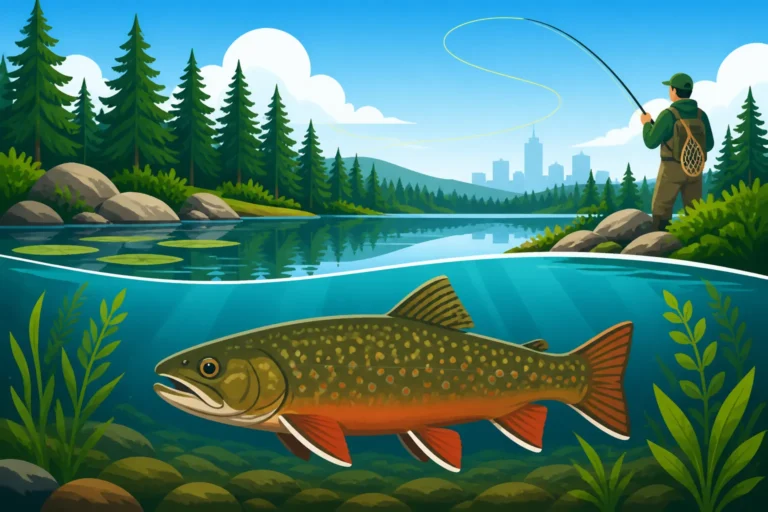
Imagine launching your kayak into Sebago, gazing across its 45 square miles of pristine water, surrounded by the picturesque Maine landscape. This lake is a true marvel, known for its crystal-clear depths and an incredibly diverse fishery. For many, it's the chance to connect with some of Maine's most sought-after game fish that truly makes Sebago special. You'll find healthy populations of landlocked salmon, which are notoriously feisty fighters, alongside powerful lake trout, often called "togue" by locals, lurking in the deeper, cooler sections. Beyond the cold-water species, Sebago is also a fantastic spot for warm-water fish. Anglers regularly target robust smallmouth bass, particularly around rocky structures and points, and you can even find largemouth bass in shallower, weedy coves.
The sheer variety means that no matter your preference, there's always something to chase. The beauty of kayak fishing here is the stealth and access it provides. You can slip into quiet coves that bigger boats can't reach, or silently approach prime fishing structures without spooking wary fish. Many anglers dream of experiencing the annual Sebago Lake Landlocked Salmon Run, a spectacle that brings these magnificent fish closer to shore and makes them more accessible, even for kayak anglers. Furthermore, the lake's diverse habitats mean you can switch tactics and target different species throughout the day, keeping your fishing dynamic and exciting.
Navigating the Size and Conditions
While Sebago's vastness is part of its charm, it also demands a healthy respect, especially for those in smaller crafts like kayaks. The biggest challenge is often the weather and wind. What might start as a calm, glassy morning can quickly turn into a choppy, white-capped afternoon as the wind picks up across such a large expanse of open water. Kayak anglers need to be acutely aware of forecasts and understand that conditions can change rapidly. A strong westerly wind, for instance, can create significant waves that make paddling or pedaling difficult, tiring, and even dangerous, particularly if you’re trying to cross a wide-open section.
It’s not just the wind; the sheer scale of the lake means that shorelines can feel very far away if you venture too far out. Hypothermia can be a real concern if you capsize, even in the summer months, due to the deep, cold water. Preparing for these conditions is paramount. Always let someone know your float plan, including where you're launching, your intended route, and when you expect to return. Having reliable communication, like a waterproof VHF radio or fully charged cell phone in a dry bag, is a non-negotiable part of your safety kit. The vastness also means that fish can be spread out, requiring more effort to locate them, but the reward of finding a hot bite in such an expansive environment is all the more satisfying.
Essential Gear for Kayak Fishing Sebago Lake
Outfitting yourself properly for kayak fishing on Sebago Lake is half the battle. Given the lake's size and diverse fishery, your gear needs to be reliable, versatile, and above all, safe. Skimping on the essentials here isn't just uncomfortable; it can be genuinely risky.
The Right Kayak and Propulsion
Choosing the right kayak for Sebago is crucial. While smaller, recreational kayaks can work for quick trips near shore on calm days, for serious angling, you'll want something designed for stability, efficiency, and comfort over longer periods. Look for "fishing kayaks" specifically, as they are wider, more stable, and often feature integrated gear tracks, rod holders, and ample storage. When considering propulsion, you essentially have two main options: paddle kayaks and pedal kayaks. Paddle kayaks are generally lighter and less expensive, but require constant upper body effort, which can be tiring when covering large distances or fighting against wind.
Pedal kayaks, on the other hand, utilize a fin-drive or prop-drive system, freeing up your hands for fishing while your legs do the work. This is a massive advantage on a lake the size of Sebago, allowing you to cover more water with less fatigue and even "hands-free" troll. Brands like Hobie, Old Town, and Native Watercraft offer excellent pedal-drive options that are popular among serious kayak anglers. Whatever you choose, ensure it has enough storage for your gear, a comfortable seat for long hours on the water, and most importantly, excellent stability to handle potential waves and allow you to stand up and cast if you wish. Remember, a comfortable and efficient kayak will drastically improve your enjoyment and success on Sebago.
Safety Gear and Electronics
Safety on Sebago Lake cannot be overstated. Even on a beautiful day, things can change quickly. A properly fitting personal flotation device (PFD) is not just a recommendation; it's a legal requirement and your most important piece of safety gear. Wear it at all times. Beyond that, a loud whistle attached to your PFD is essential for signaling. Consider a bright flag or light pole to increase your visibility to other boaters, especially if you're out during low light conditions or fog. An anchor system, ideally a collapsible grapple anchor with enough rope for Sebago's depths (think 50-100 feet of rope minimum), is vital for holding your position against wind or current when fishing a specific spot.
In terms of electronics, a reliable fish finder with GPS capabilities is almost a necessity on such a large lake. It helps you navigate, mark waypoints, identify depths, and locate underwater structures where fish might be holding. Modern units from companies like Humminbird or Garmin offer incredible detail and side-imaging features that can reveal hidden gems. A waterproof case for your cell phone or a VHF marine radio ensures you can communicate in an emergency. Finally, always pack a dry bag with extra layers, snacks, water, and a first-aid kit. Being prepared for anything will give you peace of mind and allow you to focus on the fishing.
Rods, Reels, and Tackle for Sebago's Species
The diverse fishery of Sebago Lake calls for a versatile tackle selection. You’ll want to be prepared for both the powerful runs of cold-water species and the explosive strikes of bass. For landlocked salmon and lake trout, a medium-light to medium-action spinning rod (6'6" to 7' feet) paired with a 2000-3000 series reel spooled with 8-10 lb braided line and a fluorocarbon leader is a good starting point. This setup provides the sensitivity needed for light bites and the backbone to handle these strong fish. For targeting bass, a medium to medium-heavy action casting or spinning rod (6'8" to 7'4") with 10-15 lb braided line is ideal.
When it comes to specific lures, a few standbys always perform well on Sebago. For salmon and togue, small spoons like Mooselook wobblers, DB Smelt, or Suttons in silver, gold, or copper are classic choices. Trolling these at varying depths is often the most effective method, and you can learn more about Best Lures for Maine Open Water Fishing to diversify your tackle box. For bass, crankbaits, jerkbaits, soft plastic worms (Texas-rigged or wacky-rigged), and jigs are all highly effective, particularly around rocky areas and drop-offs. Live bait, such as shiners or smelt, can also be incredibly potent for all species, especially when fishing with a bobber or drifting. Don't forget a net – a decent-sized, rubberized landing net is crucial for safely landing larger fish, especially when you're perched in a kayak.
Key Fishing Techniques and Strategies for Kayak Anglers on Sebago
Kayak fishing on Sebago Lake requires adapting your techniques to the unique advantages and limitations of your vessel. While you might not have the raw speed of a motorboat, your stealth and ability to access tight spots are unparalleled.
Targeting Sebago's Prized Landlocked Salmon
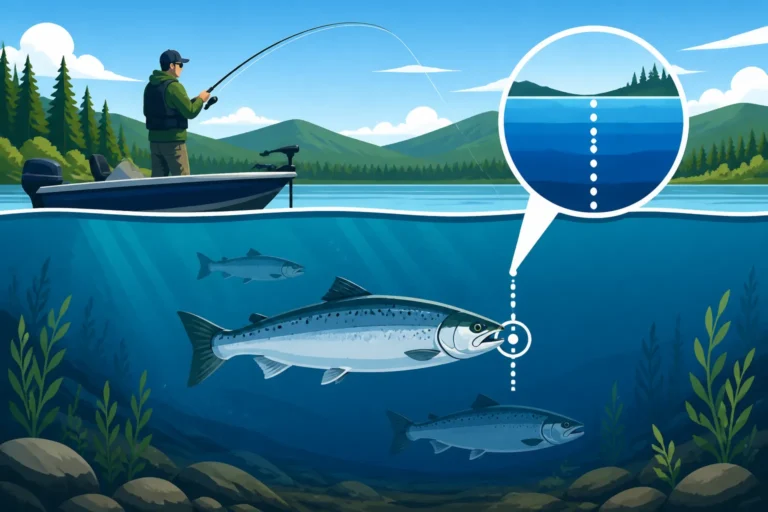
Landlocked salmon are a premier target on Sebago Lake, known for their acrobatic jumps and strong fighting ability. For kayak anglers, trolling is often the most productive method. You’ll typically want to target them in the upper water column during spring and fall, when they are chasing baitfish like smelt. As the water warms in summer, they move deeper, seeking cooler temperatures and their food source. To effectively troll from a kayak, you can use various setups. Flat-lining with a long leader and a small spoon or stickbait is effective when fish are shallow. For deeper presentations, you might consider using lead core line, which allows your lure to sink to specific depths based on the amount of line let out and your trolling speed. Some dedicated kayak anglers even equip their boats with small, manual downriggers for precise depth control, especially in summer.
Look for areas where baitfish congregate, often near points, underwater humps, or temperature breaks. Early morning and late evening are prime times, as salmon are more active in lower light conditions. You can find detailed information on Trolling Depths for Landlocked Salmon to help you fine-tune your approach for different seasons. Keep your trolling speed consistent – generally between 1.5 and 2.5 mph – and experiment with different lures and colors until you find what the salmon are biting on that day. Sebago Lake also offers a great opportunity to catch salmon during the Best Time of Year to Catch Landlocked Salmon in Maine, so planning your trip around these peak times can greatly increase your chances.
Chasing Smallmouth and Largemouth Bass
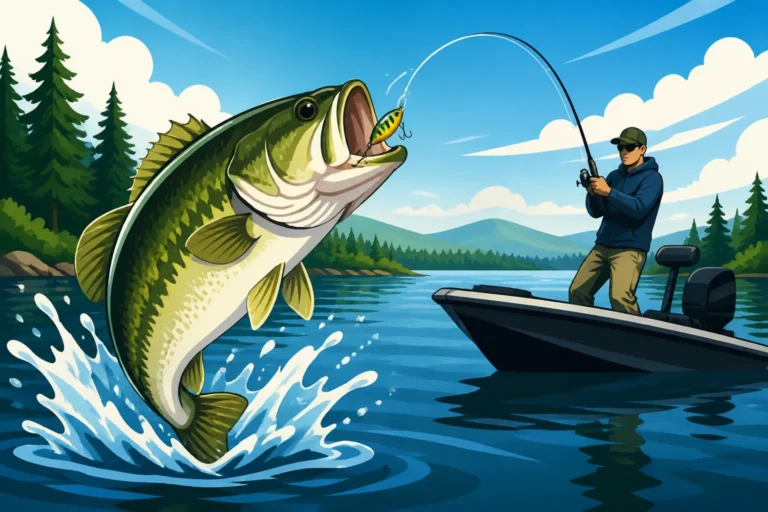
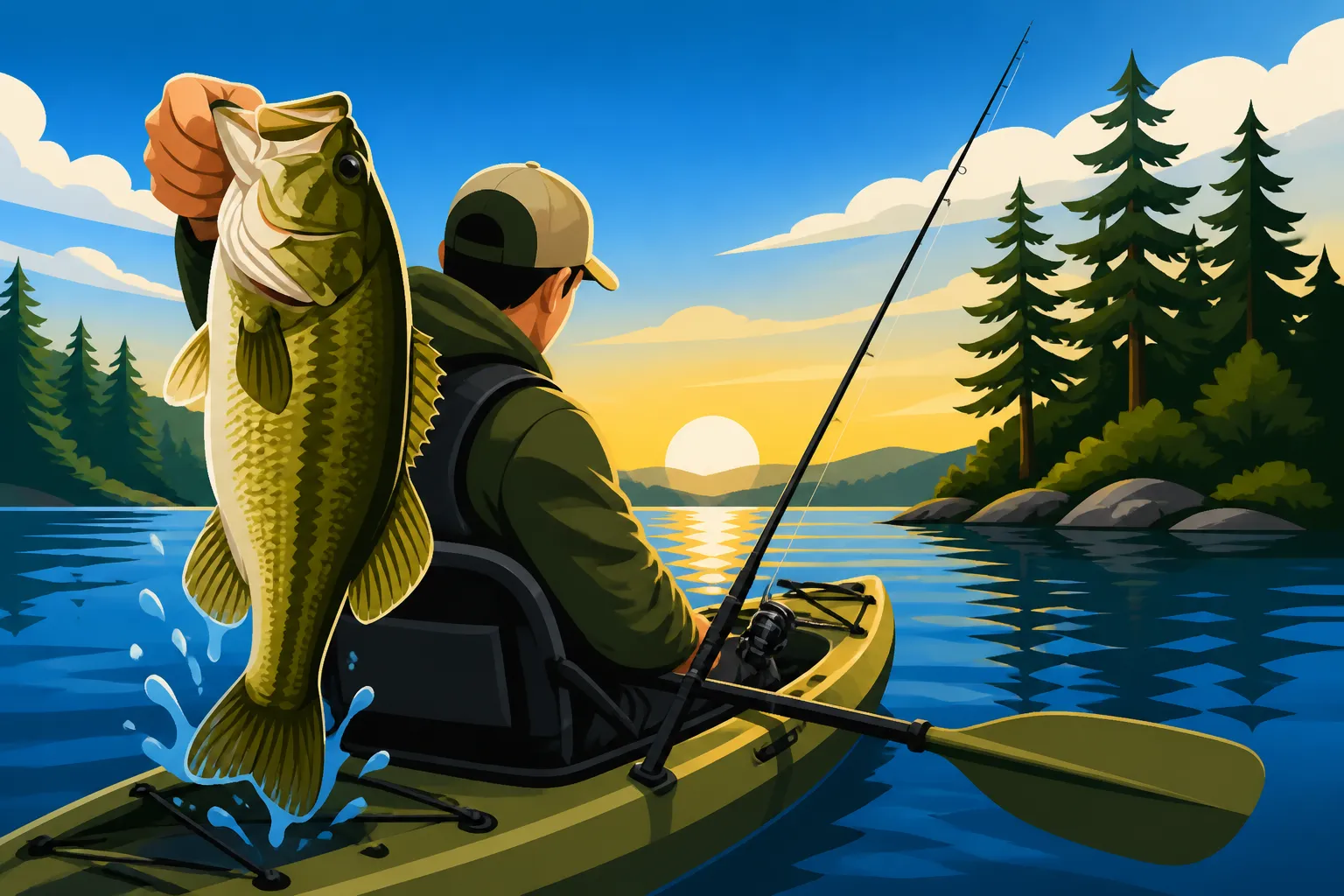
Sebago Lake boasts an excellent bass fishery, with both smallmouth and largemouth providing exciting action for kayak anglers. Smallmouth bass, often referred to as "bronzebacks," thrive in Sebago’s clear, rocky environments. Focus your efforts around rocky points, submerged humps, ledges, and transition areas from rock to sand. Drop-offs are always a good bet, as smallmouth love to ambush bait from deeper water. Effective techniques include casting jigs, soft plastic tubes, Ned rigs, or drop shots right into these structures. In the warmer months, topwater lures can produce explosive strikes early and late in the day. The clear water means that presentation is key; using lighter fluorocarbon leaders can make a big difference.
Largemouth bass, while less prevalent than smallmouth in the main lake, can be found in shallower, weedy coves and bays, particularly in the northern sections and tributaries. Look for lily pads, fallen trees, and thick submerged vegetation. Spinnerbaits, chatterbaits, and weedless soft plastics like frogs or Texas-rigged worms are excellent choices for these heavy cover situations. Kayak anglers have a distinct advantage here, as they can quietly slip into these dense areas that larger boats can't access. Understanding the Sebago Lake Smallmouth Bass Fishing in Maine patterns and local regulations, like the Smallmouth Bass Limits by Zone in Maine, will enhance your success.
Finding Togue (Lake Trout) in Deeper Waters
Togue, or lake trout, are the true deep-water dwellers of Sebago Lake. They prefer the cold, oxygen-rich water found at significant depths, especially once the surface waters warm up. Catching togue from a kayak usually involves either deep trolling or vertical jigging. For deep trolling, heavy lead core lines, copper lines, or downriggers are necessary to get your spoons, stickbaits, or baitfish imitations down to where these fish reside, often 40-80 feet or even deeper. Your fish finder becomes an indispensable tool here, helping you locate the thermocline (the layer where water temperature changes rapidly) and mark concentrations of baitfish or individual togue.
Vertical jigging is another productive method, especially if you’ve marked fish on your sonar. Large spoons, blade baits, or heavy soft plastics rigged on jig heads can be dropped directly to the depth of the fish. Work these lures with a lift-and-fall motion, mimicking a wounded baitfish. This technique requires patience and precise boat control, which can be challenging in a kayak but incredibly rewarding when you hook into a massive togue. Familiarizing yourself with Jigging Techniques for Togue can significantly improve your chances. Remember, togue are powerful fish, so be prepared for a long fight when you hook one in the depths of Sebago.
Planning Your Sebago Lake Kayak Fishing Adventure
A successful kayak fishing trip on Sebago Lake is not just about the fishing itself, but also about careful planning and preparation. Considering the lake's size and potential conditions, a well-thought-out plan is your best friend.
Access Points and Launching
Knowing where you can safely and easily launch your kayak is paramount. Sebago Lake has several public boat launches and access points, but not all are ideally suited for kayaks, especially if you're looking for a quieter, less congested experience. Popular public launches like those in Sebago Lake State Park (both Naples and Casco sides), or the town launch in Raymond, offer paved ramps and ample parking. However, these can get very busy with motorboat traffic, especially on weekends. For kayak-specific launches, you might seek out smaller, less developed access points that allow for an easier hand-launch.
Before you go, scout your chosen launch point using online maps or local resources. Consider the proximity to your target fishing areas. If you're targeting smallmouth bass in rocky coves, launching nearby will save you a lot of paddling. If you're planning a long trolling run for salmon, you might prioritize a launch that gives you quicker access to open water. Always park legally and be considerate of other users. Remember, a smooth launch and retrieval contribute significantly to a stress-free fishing day. Finding information on Where to Launch a Boat on Sebago Lake can save you a lot of guesswork.
Weather, Wind, and Water Conditions
This is perhaps the single most critical factor for kayak fishing on Sebago Lake. As mentioned earlier, conditions can change rapidly. Always check the weather forecast before you leave home, and then again as you’re getting ready to launch. Pay close attention to wind speed and direction. A strong breeze (10+ mph) can quickly make large sections of Sebago uncomfortable or even dangerous for a kayak. Gusts can be even more problematic. If high winds are predicted, it’s often best to stick to sheltered coves or postpone your trip.
Water temperature also plays a significant role. Sebago’s deep waters stay cold, but surface temperatures can warm up considerably in summer, affecting fish behavior and creating thermoclines. Understanding How Wind Affects Lake Fishing and how water temperatures influence fish activity will help you choose the best areas and techniques for your target species. If you encounter unexpected chop or wind, head for the nearest shore or a protected bay immediately. Never push your limits; your safety is always more important than catching fish.
Regulations and Responsible Angling
Before you even think about putting a line in the water, you need to ensure you're compliant with Maine's fishing regulations. First and foremost, you'll need a valid Maine Fishing License Guide. Whether you're a resident or a visitor, this is non-negotiable. Beyond the license, Sebago Lake has specific rules regarding bag limits, length limits, and sometimes even terminal tackle restrictions for certain species. Always consult the current Maine Fishing Regulations Explained provided by the Maine Department of Inland Fisheries and Wildlife (MDIFW). This can usually be found online or at license vendors.
Practicing responsible angling is also key to preserving Sebago's fantastic fishery. If you're not planning to keep your catch, or if you catch fish outside of the legal slot limits, practice proper catch and release techniques. Minimize handling time, keep the fish in the water as much as possible, and use a rubberized net to protect their slime coat. For more details, review Catch and Release Best Practices in Maine. By adhering to regulations and acting as a good steward of the resource, you help ensure that Sebago Lake remains a world-class fishing destination for generations of kayak anglers to come. If you're looking for an alternative way to experience Sebago and its fishing, or perhaps want to try a different body of water, services like FishingBooker can help you find local guides or charters who are experts on Maine's diverse waters, even if you don't have your own kayak setup. They can connect you with experienced captains who know the lake's nuances and can provide all the necessary gear.
| Feature / Consideration | Smallmouth/Largemouth Bass | Landlocked Salmon | Lake Trout (Togue) |
|---|---|---|---|
| Best Season | Late Spring, Summer, Fall | Spring, Fall | Spring, Summer, Fall |
| Typical Depth | 5-25 feet (Smallmouth), <15 feet (Largemouth) | 10-40 feet (Spring/Fall), 40-80+ feet (Summer) | 40-100+ feet (Deepest waters year-round) |
| Primary Technique | Casting (jigs, plastics, crankbaits) | Trolling (spoons, stickbaits) | Deep Trolling, Vertical Jigging |
| Preferred Kayak | Any stable fishing kayak | Pedal-drive recommended | Pedal-drive recommended |
| Key Gear | Rods (M-MH), variety of lures | Rods (ML-M), spoons, lead core/downrigger | Rods (M-MH), heavy spoons, electronics |
| Typical Habitat | Rocky points, structure, weed beds | Open water, baitfish schools | Deep basins, cold water |
Disclaimer
Please note that fishing regulations and conditions can change. Always consult the latest rules and advisories from the Maine Department of Inland Fisheries and Wildlife (MDIFW) before heading out. Safety should always be your top priority on the water.