Ice-Out Date for Moosehead Lake Most Years
There's nothing quite like the anticipation of open water fishing on Moosehead Lake, but that excitement is often met with the frustrating uncertainty of when the ice will actually come off. Anglers eager to cast their lines after a long winter often find themselves checking forecasts daily, wondering exactly when that glorious transition from solid ice to shimmering water will occur. This comprehensive guide is here to demystify the Moosehead Lake ice-out, explaining what influences it, its typical timing, and how to best prepare for your early season adventures.
Understanding Moosehead Lake's Ice-Out Phenomenon
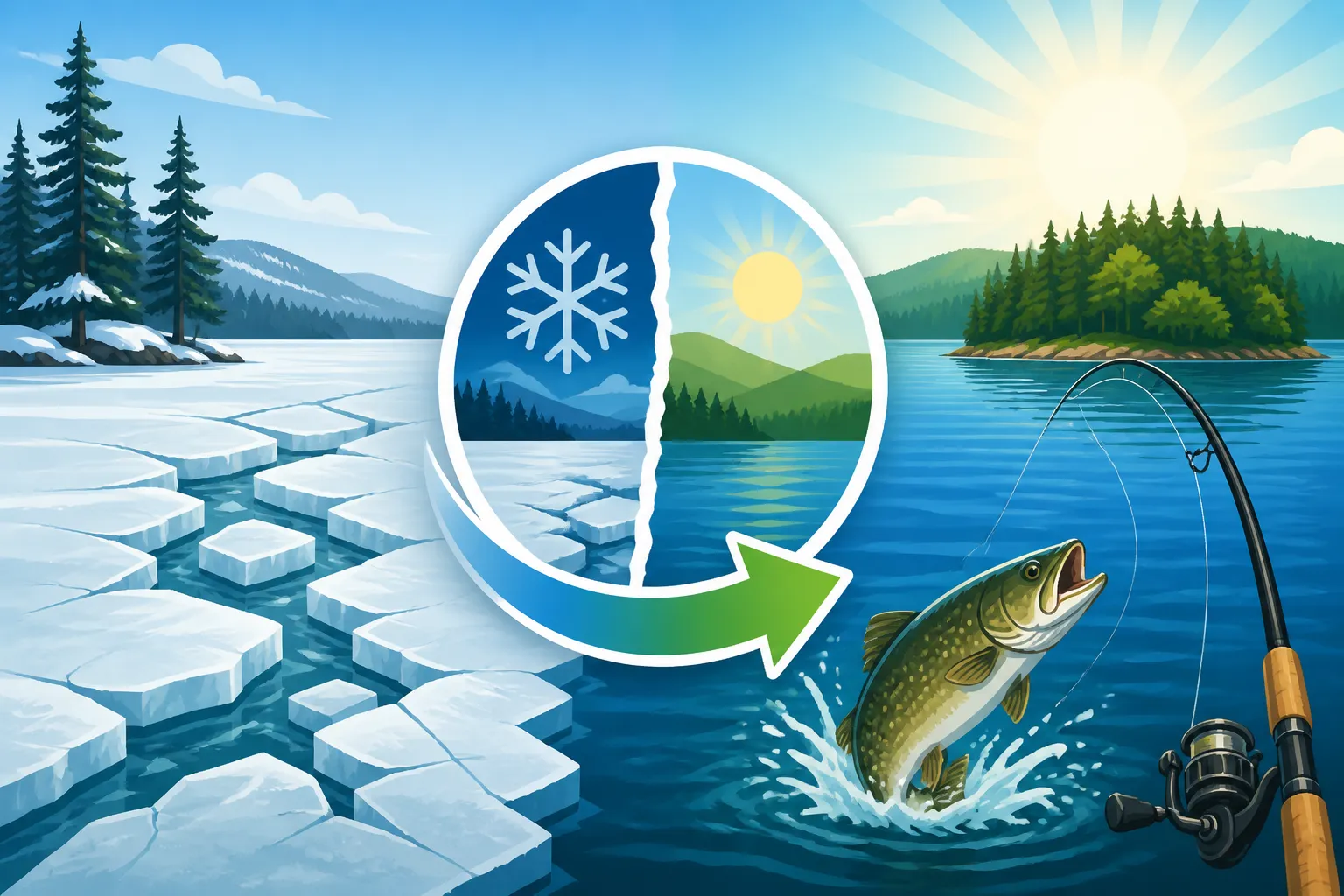
The "ice-out" date isn't just a casual observation; it's a pivotal moment for Maine's angling community, signaling the true beginning of the open water fishing season on many of our larger lakes. For a massive body of water like Moosehead Lake, the largest lake entirely within Maine, this event is especially significant, marking the shift from ice fishing to traditional casting and trolling opportunities. It's the moment when navigation becomes possible again for boats, and the resident fish species start to change their patterns in response to warming waters.
What "Ice-Out" Truly Means
For official record-keeping purposes on Moosehead Lake, the "ice-out" is generally declared when a boat can navigate unimpeded from Greenville to the upper reaches of the lake, specifically to Northeast Carry. This isn't just about a few patches of open water near shore; it signifies that the main body of the lake is clear enough for safe passage and widespread fishing. This official declaration, often tracked by local observatories or community groups, provides a consistent benchmark year after year, even though smaller coves and shallower areas might clear days or even weeks before the main basin.
Historical Trends and Average Dates
While every year is a unique dance between winter's grip and spring's thaw, Moosehead Lake typically sees its ice-out occur between late April and early May. It's rarely before April 20th and almost never extends beyond mid-May. The sheer size and depth of Moosehead Lake mean it holds onto its ice longer than many smaller, shallower water bodies in the region.
Looking at historical data, which has been diligently recorded for over a century, the average ice-out date for Moosehead Lake hovers around April 29th to May 3rd. However, averages can be deceiving. Some years, like 2010, saw an early ice-out on April 15th, while others, such as 2002, held on until May 17th. This variability is why relying on a single date for planning your trip can lead to disappointment.
Here's a look at some recent Moosehead Lake ice-out dates to give you a clearer picture of the fluctuations:
| Year | Moosehead Lake Ice-Out Date | Notes/Context |
|---|---|---|
| 2023 | April 29 | Consistent with the average |
| 2022 | April 24 | Slightly earlier than average |
| 2021 | May 3 | Right on the average |
| 2020 | April 27 | Slightly earlier than average |
| 2019 | May 7 | Later end of the typical range |
| 2018 | April 28 | Very close to the long-term average |
| 2017 | April 20 | One of the earlier ice-outs |
| 2016 | May 1 | Perfectly average |
This table clearly illustrates that while there's a window, predicting the exact day is a fool's errand. It's always best to be flexible and stay informed as the season progresses. If you're planning a trip to the region, remember that Moosehead typically loses its ice later than smaller lakes in Southern Maine.
Factors Influencing Ice-Out Timing
The dance of ice-out is influenced by a complex interplay of environmental factors, making it a true annual suspense story for anglers.
Snowpack and Ice Thickness
The amount of snow cover on the ice throughout winter plays a significant role. A thick blanket of snow acts as insulation, slowing down the ice formation in early winter but also protecting it from melting rays in the spring. If there's a heavy snowpack, the ice might be slower to melt even if air temperatures rise. Conversely, a winter with less snow and colder temperatures can lead to very thick, hard ice that takes longer to break up, even if the spring arrives quickly. The depth and overall thickness of the ice at the end of winter are paramount.
Air Temperatures and Sunlight
Unsurprisingly, spring air temperatures are a huge driver. A prolonged period of warm, sunny days in March and April will rapidly accelerate the ice melting process. Conversely, late-season cold snaps or even significant snowfall in April can halt or reverse the melting progress, pushing the ice-out date back. Sunlight doesn't just warm the air; it penetrates clearer ice, warming the water underneath and causing the ice to melt from below, a process known as "candling." Overcast and rainy spring days, while potentially warmer than sunny ones, might not have the same melting effect due to less direct solar radiation hitting the ice.
Wind and Rain Events
Heavy wind can break up weakening ice much faster than calm conditions. Strong winds create waves and currents, eroding the ice edges and physically breaking larger sheets into smaller, more manageable pieces that melt faster. Significant rain events in spring, especially when accompanied by warmer temperatures, can also accelerate ice-out by adding warmer water to the lake and creating slush on the ice surface, which absorbs more solar radiation. These events often work in tandem with warmer temperatures to chip away at the ice.
The Impact of Ice-Out on Early Season Fishing Opportunities
For many Maine anglers, the sound of cracking ice and the sight of open water on Moosehead Lake signify the real start of the fishing season. The ice-out transforms the lake, creating new opportunities and challenges for catching cold-water species. Understanding this transition is key to a successful early season trip.
Targeting Post-Ice-Out Species
Once the ice clears, Moosehead Lake's prime cold-water species become incredibly active. This period is renowned for some of the best fishing of the year, as fish are often hungry and found in more accessible areas.
Landlocked Salmon
Often considered the king of Maine's freshwater game fish, Landlocked Salmon are a primary target immediately after ice-out. These powerful fighters are usually found near the surface in the upper water column during this time. As the ice recedes, the water is still very cold and well-oxygenated throughout the lake, meaning salmon don't have to retreat to deeper, colder refuges just yet. They'll be cruising near shorelines, stream mouths, and over shallow points, actively feeding on smelt and other baitfish that become available. If you're looking to target these silver bullets, checking out our guide on Landlocked Salmon Fishing in Maine can provide a wealth of information.
Brook Trout
While Moosehead is primarily known for its salmon and togue, native Brook Trout also become more accessible after ice-out, especially in areas where streams and rivers feed into the lake. These beautiful, colorful fish will often congregate in these cooler, oxygen-rich inflows, eager to feed on emerging insects and baitfish. Fishing the shallow bays and points near these feeder streams can be incredibly rewarding. Our article on Brook Trout Fishing in Maine offers great insights into chasing these gems.
Togue Lake Trout
Lake Trout, or "Togue" as they're affectionately known in Maine, also offer excellent opportunities right after ice-out. Unlike later in the summer when they retreat to the deepest, coldest parts of the lake, in early spring, togue can be found in shallower waters, often in depths of 15-30 feet. They'll be cruising along bottom structures, ledges, and transition zones, looking for a substantial meal. This is a fantastic time to connect with a trophy-sized togue before they go deep. If you're wondering Where to Catch Togue on Moosehead Lake once the ice is gone, this early window is prime!
Recommended Techniques for Early Season Success
The tactics you employ immediately after ice-out will differ significantly from mid-summer fishing. Cold water means fish are often less energetic, and bait presentation needs to be slower and more deliberate.
Trolling
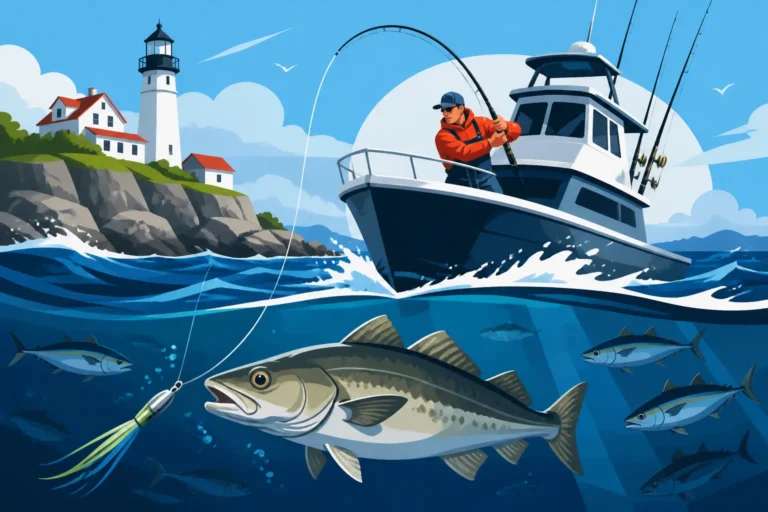
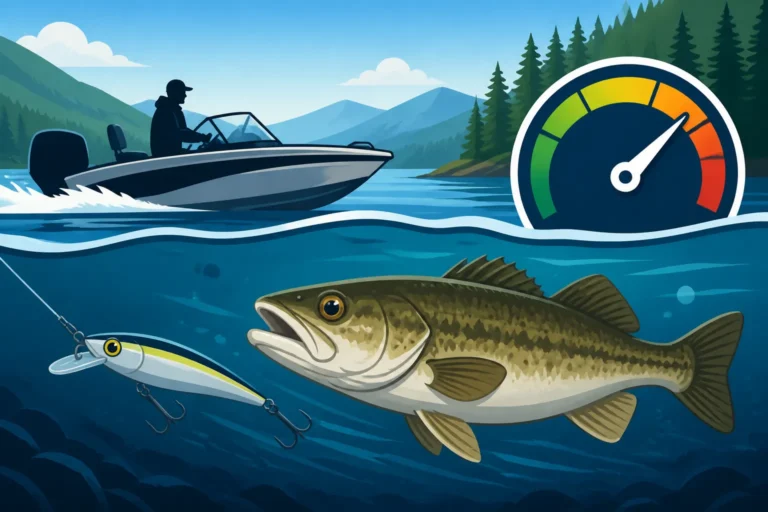
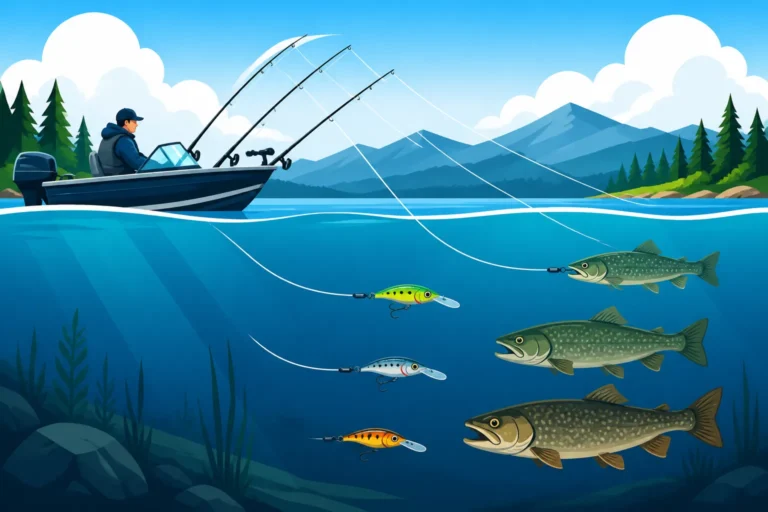
For both landlocked salmon and togue, trolling is arguably the most effective technique right after ice-out. Using light tackle, small spoons, stickbaits, or baitfish imitations (like sewn smelt or shiners) fished close to the surface or at shallow depths can be incredibly productive. Start by trolling very slowly, often just 1.5 to 2.5 miles per hour, as cold water makes fish less inclined to chase fast-moving baits. Pay close attention to temperature breaks and areas where cold inflows meet the main lake. You can explore a range of strategies in our comprehensive Trolling Techniques for Maine Lakes guide.
Shore and Structure Fishing
Don't underestimate the power of shore fishing or targeting shallow structures from a boat in the immediate aftermath of ice-out. Fish, especially salmon and trout, will often move into these shallower areas as they warm first, seeking baitfish and emerging insect larvae. Casting small spoons, spinners, or even fly fishing with streamers and nymphs near rocky points, ledges, and stream mouths can yield excellent results. Early spring on Moosehead can be quite windy, so choose a sheltered cove or shoreline that has had a chance to absorb some solar radiation.
Ice-Out Bait and Lure Selection
When the water is still frigid, natural-looking presentations often outperform flashy, aggressive ones. Live smelt or shiners, if legal and available, are deadly for all three primary species. For artificials, think small spoons in silver, blue, or gold patterns, thin stickbaits that mimic a smelt, or soft plastics rigged to imitate a slow-moving baitfish. The key is to match the forage. Many experienced anglers find success with traditional patterns like the Grey Ghost or Supervisor streamer flies, especially for salmon.
How to Stay Updated and Plan Your Trip
The unpredictable nature of Moosehead Lake's ice-out means that staying informed is crucial for any angler planning an early season adventure. You don't want to drive all the way up only to find the lake still locked solid. A bit of preparation and knowing where to look for information can save you a lot of hassle.
Reliable Sources for Current Ice-Out Information
While we provide general averages, real-time conditions are what truly matter. Here's where you can get the most up-to-date information:
Local Bait Shops and Sporting Goods Stores
Your absolute best bet for current, on-the-ground intelligence is to call or check with local bait and tackle shops around the Moosehead Lake region, particularly in Greenville. Places like Indian Hill Trading Post are often the first to know the moment a boat can make it to Northeast Carry. They deal with anglers daily and can provide firsthand observations, often updating their social media pages or websites as conditions change. These folks live and breathe Maine fishing, so their word is golden.
Maine Department of Inland Fisheries and Wildlife (MDIFW)
The official source for many things related to Maine's waters, the MDIFW website, while not always providing daily ice-out updates for every single lake, often shares general conditions or links to local resources during the spring thaw. They also maintain the crucial Maine Fishing Season Dates Guide and Maine Fishing Regulations Explained, which are essential for planning any trip, regardless of ice conditions.
Online Forums and Social Media Groups
Many dedicated Maine fishing forums and Facebook groups are buzzing with activity as ice-out approaches. Anglers sharing photos and observations can give you a very current picture of the ice conditions. Be aware that information here can sometimes be anecdotal, so cross-reference with more official sources if possible. Still, it's a great way to tap into the collective knowledge of the community.
Registered Maine Guides and Charters
Many professional guides who operate on Moosehead Lake are constantly monitoring the ice conditions because their livelihood depends on it. Websites like FishingBooker are excellent platforms to find and contact experienced guides in the Moosehead region. A quick call or email to a local guide found on FishingBooker can give you real-time updates and expert advice. They often have boats ready to go the moment the ice clears and can tell you precisely when they expect to be able to launch.
Planning Your Moosehead Lake Adventure
Once you have a good sense of the ice-out timing, it's time to fine-tune your trip details. Flexibility is paramount when planning for this transitional period.
Booking Accommodations and Guides
If you're traveling a significant distance, consider booking accommodations with a flexible cancellation policy. Lodging options around Moosehead, from cozy cabins to larger hotels, can fill up quickly once the open water season truly begins. Similarly, if you plan to hire a guide for your early season trip, reach out well in advance. Guides specializing in Moosehead Lake Fishing Guides are often booked solid for the prime post-ice-out period. A guide can not only provide up-to-the-minute ice reports but also ensure you have the right gear and knowledge for early season success. You can find several reputable guides in the area through platforms like FishingBooker, allowing you to compare services and availability.
Essential Gear for Early Season Conditions
Even if the ice is out, early spring on Moosehead Lake can still be quite cold, especially on the water. Dress in layers, including waterproof outer shells, warm hats, and gloves. Water temperatures will be hovering just above freezing, so personal flotation devices (PFDs) are not just required by law for certain times of year (like on Maine's coldest waters until June 1st); they are absolutely critical for safety. Pack extra dry clothes, and consider bringing a thermos with hot beverages. Don't forget your Maine fishing license! For more details on what to expect, refer to our Maine Open Water Fishing Techniques Guide.
Contingency Plans for Delayed Ice-Out
What if you've planned your trip and the ice-out is significantly delayed? Don't despair! Maine offers a vast array of fishing opportunities. You might find that smaller lakes and ponds in the region, or even those slightly further south, have already cleared. The Belgrade Lakes or Sebago Lake, for instance, typically experience ice-out earlier due to their different thermal properties. Always have a backup plan, even if it's simply exploring the local feeder streams or rivers, which often open up before the main lake. It's all part of the adventure of fishing in our beautiful state. Moosehead Lake is definitely one of the Best Fishing Lakes in Maine, but it’s always good to know your options!
Conclusion
Understanding the typical ice-out date for Moosehead Lake, coupled with a knowledge of the factors that influence it, is invaluable for any angler hoping to experience the incredible early season fishing Maine has to offer. While Mother Nature always holds the final say, being informed and prepared will significantly increase your chances of a memorable trip. Keep an eye on local reports, consult with experienced guides through resources like FishingBooker, and get ready for some fantastic open water action when the ice finally relinquishes its grip on Moosehead.
Disclaimer
Please note that fishing regulations, season dates, and ice conditions can change rapidly. Always consult the latest rules and advisories from the Maine Department of Inland Fisheries and Wildlife (MDIFW) before planning any fishing trip. Safety on the ice and open water is paramount.